
A well-stocked pantry isn’t about having every ingredient known to mankind.
It’s about making everyday cooking easier, more affordable, and more efficient.
When your pantry is stocked and organized in a way that makes sense to you, cooking takes less out of you. You can see what you have, figure out meals with less mental effort, and stop re-buying ingredients you already had but couldn’t find.
And despite what social media might suggest, you don’t need matching containers, labeled jars, or a walk-in pantry that looks like it could be on TV.
You just need a pantry that works for your real life. And to help you figure that out, I’m sharing a worksheet at the end (sounds like homework but it’s not!) that can help you as you go.
Many of us buy ingredients for the cook we hope to become rather than the cook we are right now.
We buy ingredients for recipes we might never make again, google “pantry staple” lists with 57 items that don’t align with our reality, or avoid it all together and end up with bare cabinets and shelves.
Instead of all *that* (gestures wildly), start by thinking about your current cooking habits and food preferences.
What ingredients do you reach for most often? Or which ones might you need to reach for more often?
What meals do you make regularly or enjoy the most?
What flavors do you find most satisfying?
Your pantry should reflect the way you actually cook, not the way you think you should cook.
The more your pantry aligns with your real-life cooking habits and overall needs, the easier it becomes to find ingredients, use what you have, and get started in the kitchen.
Once you’ve thought about your current cooking habits and food preferences, it’s time to think about the ingredients that support them.
A helpful pantry isn’t stocked with ingredients for one specific recipe. It’s stocked with flexible ingredients that can be used in different ways.
Think about the meals you make regularly, the ingredients you reach for often, and the flavors you enjoy most. Your answers can help you identify which ingredients deserve a permanent place in your pantry.
And if you’re not sure of the answers just yet, that’s okay. Start paying attention to the ingredients that keep showing up in the recipes you make and enjoy. Over time, patterns will start to emerge.
Rather than focusing on a generic pantry staples list, think in categories that make the most sense for you and your kitchen.
For example, you might keep ingredients on hand from categories such as:
Grains, pasta, and noodles
Beans and legumes
Shelf-stable proteins
Canned/jarred fruit and veg
Oils and vinegars
Sauces and condiments
Spices and seasonings
Breakfast items
Baking ingredients
Quick reminder in case you’re starting to feel overwhelmed - you don’t have to have all of these things and it’s OK to have even more or fewer categories of your own.
The categories and ingredients within them will look different from person to person. For example, my pasta staple list includes: gnocchi, microwave mac and cheese, and no-bake lasagna noodles. My shelf-stable proteins list includes: tinned fish and tofu. And my fruit and veg staple list includes: apple sauce, roasted red peppers, and olives.
If the list of categories alone is stressing you out, just remember that the goal isn’t to stock every possible pantry item. It’s to identify the flexible ingredients that support the way you actually cook and keep them stocked and ready when you need them.
This is going to sound obvious, but the easiest way to keep pantry staples on hand is to restock them before you need them.
For example, if you open your last can of beans or are almost out of garlic powder, add it to your grocery list right away. That way, you’re less likely to discover you’re out of a key ingredient when you’ve already started cooking.
This habit takes practice, but the more you cook, the easier it becomes to notice which ingredients you rely on most often and when it’s time to replace them.
Once you’ve identified the ingredients you want to keep on hand, the next step is making them easy to find and use.
Cooking already requires a whole helluvah lot of decision-making.
What do I want to cook? What ingredients do I have? Do I need to make a trip to the store?
When your pantry is cluttered, answering those questions takes even more energy.
An organized pantry won’t solve every cooking challenge, but it can remove a few unnecessary barriers. When you know what you have and where to find it, cooking becomes easier to start, and you're less likely to buy ingredients you already have.
First and foremost, go for visibility and accessibility, not aesthetics.
Here are a few strategies:
Store ingredients from the same category in the same area. For example, keep grains and pasta together, breakfast foods together, and spices together.
This makes it easier to see what you have, notice when you’re running low, and find ingredients quickly when you need them.
The ingredients you use most often should be the easiest to access.
Save eye-level shelves for everyday ingredients and move less frequently used items to higher or lower shelves.
When you bring home a new package of an ingredient you already have, place it behind the older one.
This simple habit can help reduce food waste and prevent half-used ingredients from getting forgotten in the back of the pantry.
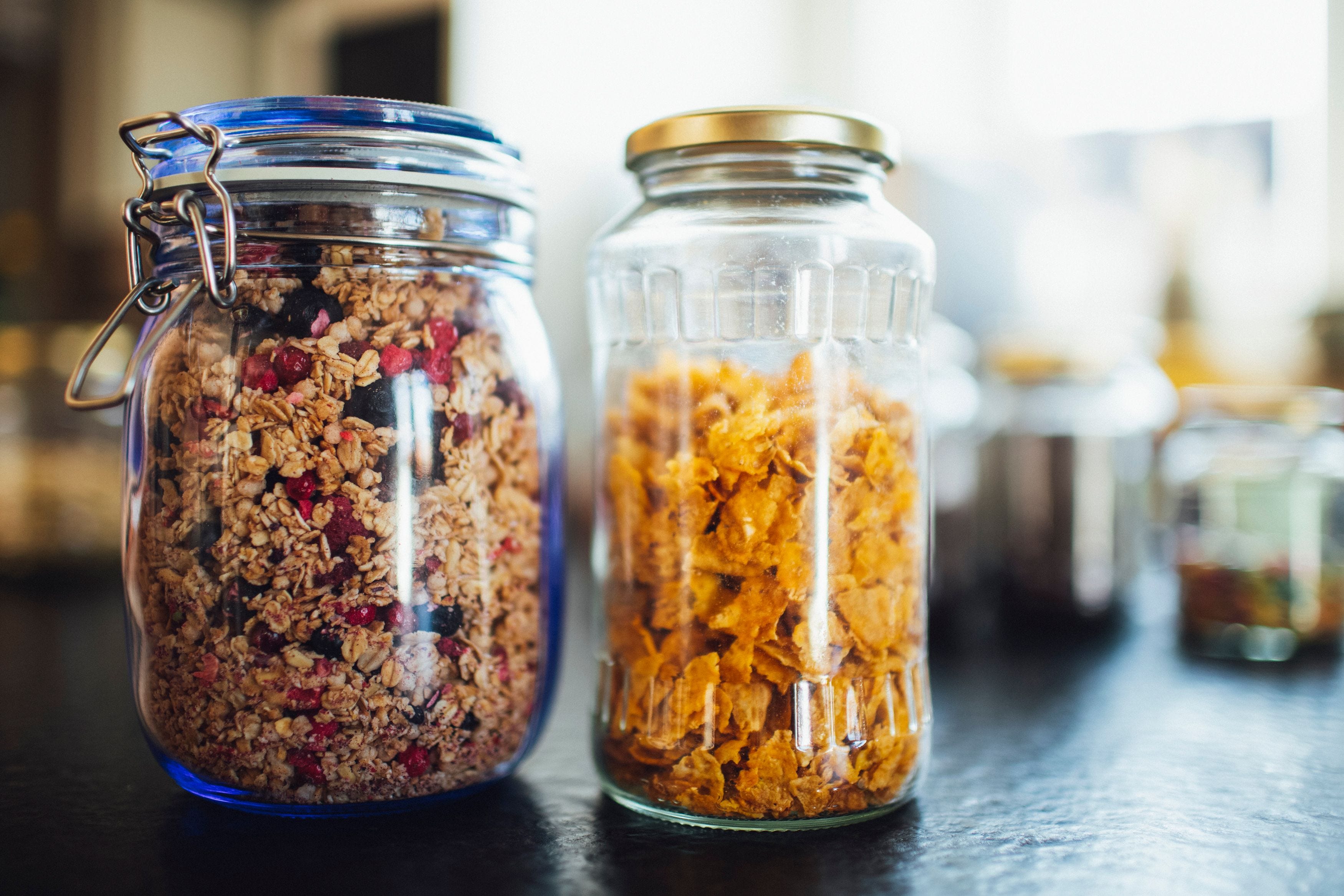
You don’t need matching containers, but you do need to be able to see what you have.
Consider using clear bins or containers if they help you find ingredients more easily, but please don’t feel pressured to make an emergency trip to the Container Store.
As you spend more time cooking, you’ll learn which ingredients you use regularly, which categories matter most, and which organizational systems work best for you.
So don’t worry about getting everything exactly right the first time. Start with a few staple ingredients, categorize them in a way that makes sense to you, and make adjustments as you go.
Think of your pantry as a tool that supports you in the kitchen, not a project that needs to be perfected.
Here’s the worksheet I mentioned above if you’d like to use it!
You probably noticed there’s no big list of pantry staples in this newsletter. That’s on purpose.
Every “pantry staples” list on the internet is really a snapshot of someone else’s kitchen — their meals, their preferences, their habits. And if you’ve spent enough time with food rules or disordered eating, you know how quickly someone else’s food can turn into a spiral of doubt and comparison.
Lists like that also tend to answer the wrong question. It's not "what does a well-stocked pantry contain?" It's "what does your well-stocked pantry contain?" — and only your cooking can answer that.
If you’re still not sure what that might look like or where to start, feel free to leave any questions or comments below!
Thanks for reading Common Kitchen! This post is public so feel free to share it.
Comments
Nothing yet. Say the first thing.
Sign in to join the conversation.