
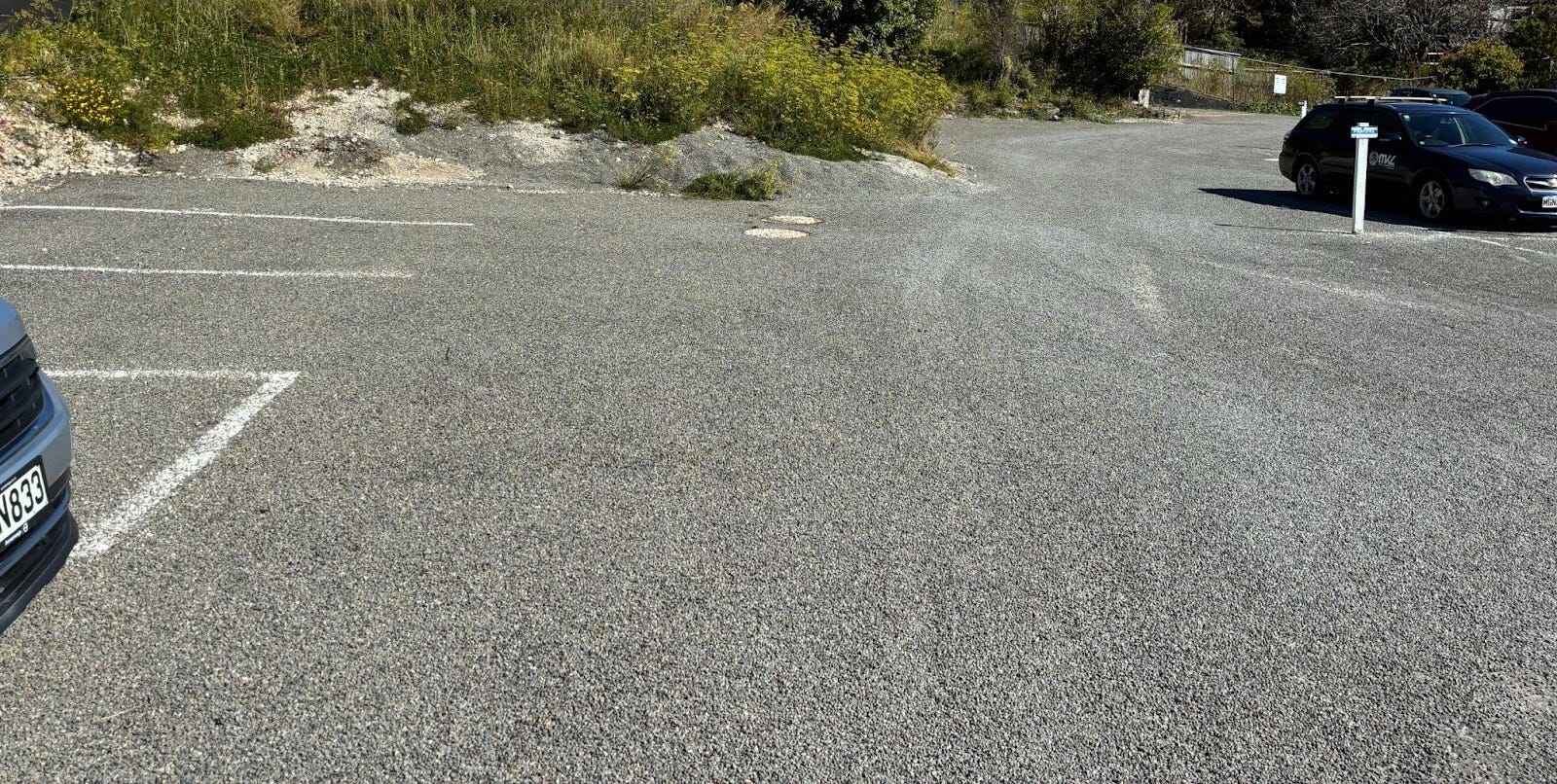
194 Adelaide Road has sat empty and derelict for two decades. Formerly a bread factory, the decaying building has been torn down, only to be recently replaced by a CarePark. Little has been done to paper over the burnt out husk; retaining walls and demolished concrete still pepper the site with hastily painted parking spots squeezed in around the mess.
This isn’t the average lot. It’s quite large, and very well positioned for new development. The land is directly adjacent to a supermarket, 5 minutes walk from multiple schools, the hospital, and high quality green space. Nearby is one of the most well served bus corridors in the country. The city is 10 minutes away by bus, 25 minutes on foot. While the value of the land has increased over these past two decades, and despite successful efforts by its owner - Showground Properties - to get the land rezoned under previous district plans, the land has been put to little use. Showground seems to have weighed up their options and decided the minimum viable use case was best for them.
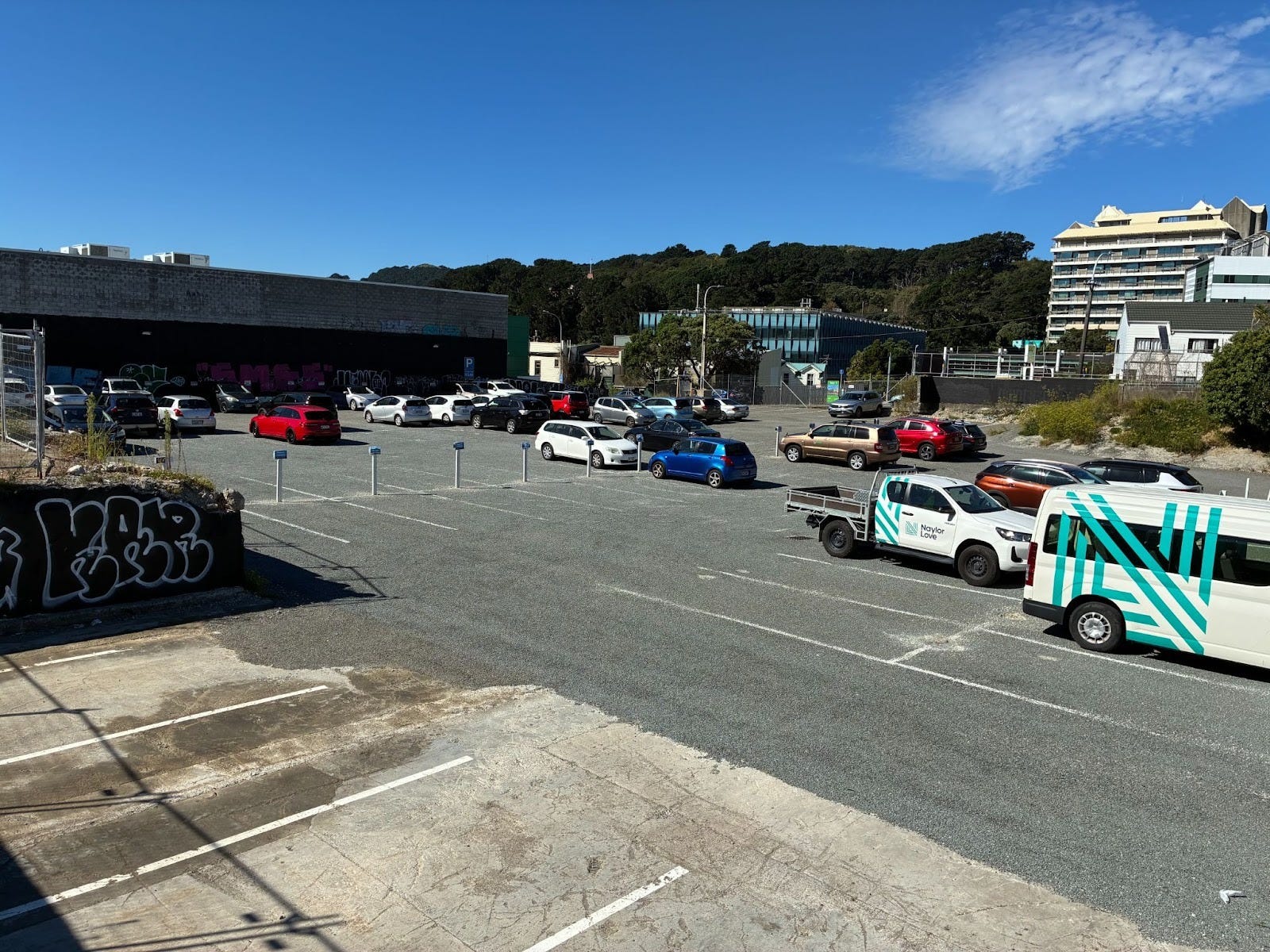
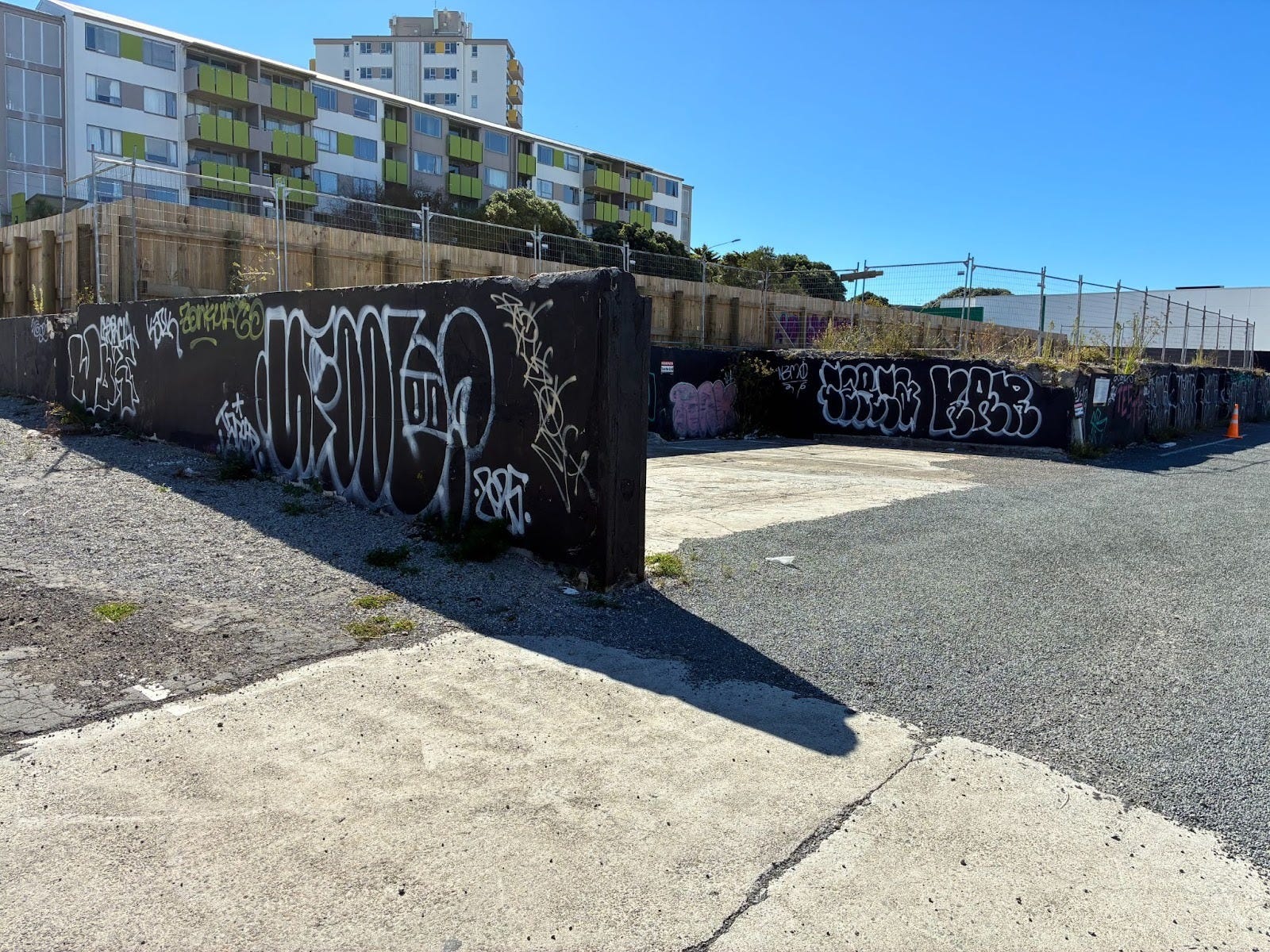
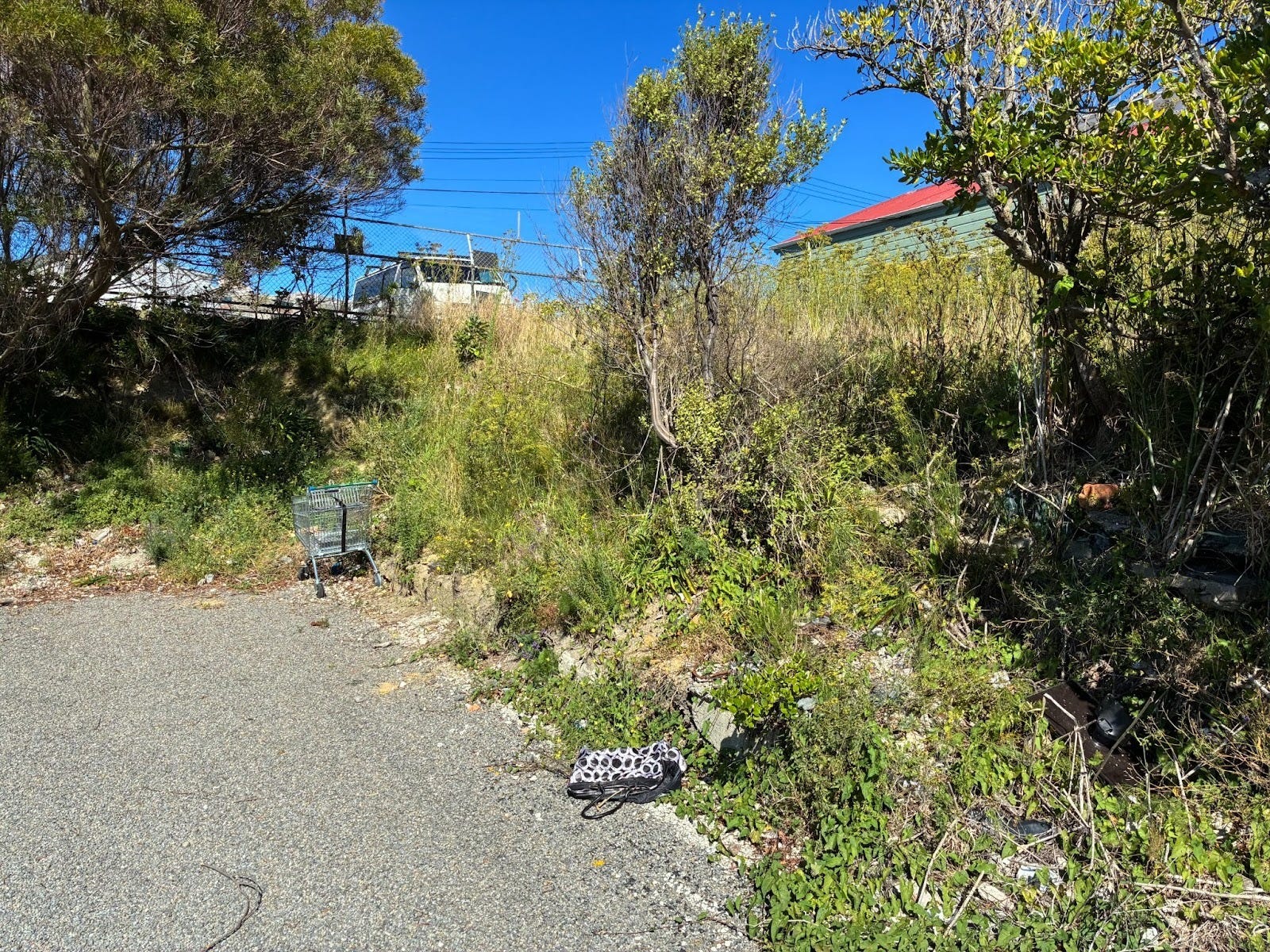
Needless to say, turning a piece of land with so much potential into a parking lot shows a dismal lack of imagination, but the owner would tell you that this was just a good financial decision. The penalty for investment is huge. Why invest when the bare minimum rakes in a tidy sum. Wellington’s rates system does nothing to dissuade the owner from this course of action. In Wellington, every extra dollar Showground could invest in the property, improving the neighbourhood, raising surrounding land values, bringing new customers to the area, etc, would easily see their rates bill skyrocket. Showground currently pays around $110,000 per annum in rates. A $50 million investment in retail, housing, and offices would see their rates bill jump to over half a million every year. Baking in that much annual tax can make development proposals unfeasible.
An empty lot is an active detriment to the wider community. There is a “holding cost” associated with this inaction. Land is finite, especially land suitable for development. In Newtown, there is no option to create or enable more land for development. Thus when a large site such as this one sits empty, it is a drag on the community and wider economy. The opportunity cost of this stagnation is huge. It represents a business that never started, a family that never moved in, many times over. It lowers their neighbours’ property values and creates a large gap in the urban fabric that sucks the life out of the area. Despite price signals indicating massive demand, inner Newtown has a built form more reminiscent of Detroit than a dynamic and growing capital city.

One of these images captures our “Global Capital”, while the other is of Gary, Indiana, the poster child of civic decay.
Land Value Rates is an antidote to this anti-growth incentive structure. By raising the tax bill on the empty piece of land (by over 100% for commercial sites like this), we can encourage the land owner to do more than the bare minimum. LVR makes low margin use cases like parking and storage less attractive for high value sites. However, as improvement to the property does not raise the owner’s tax bill, every dollar invested in the property improves the project’s long term financial viability, lowering the amount of rent needed to service yearly rates. The overall effect is a tax system that encourages land use that matches its surroundings. Owners of higher value sites are more likely to invest in a manner that reflects that context. The area surrounding 194 Adelaide Road is filled with people, businesses, and families, all of whom contribute to the value of Showground’s asset. It’s only fair that Showground’s tax bill reflects its surroundings, instead of rewarding its non-contribution to the neighbourhood.
No posts
Comments
Nothing yet. Say the first thing.
Sign in to join the conversation.