
By Bethia Woolf
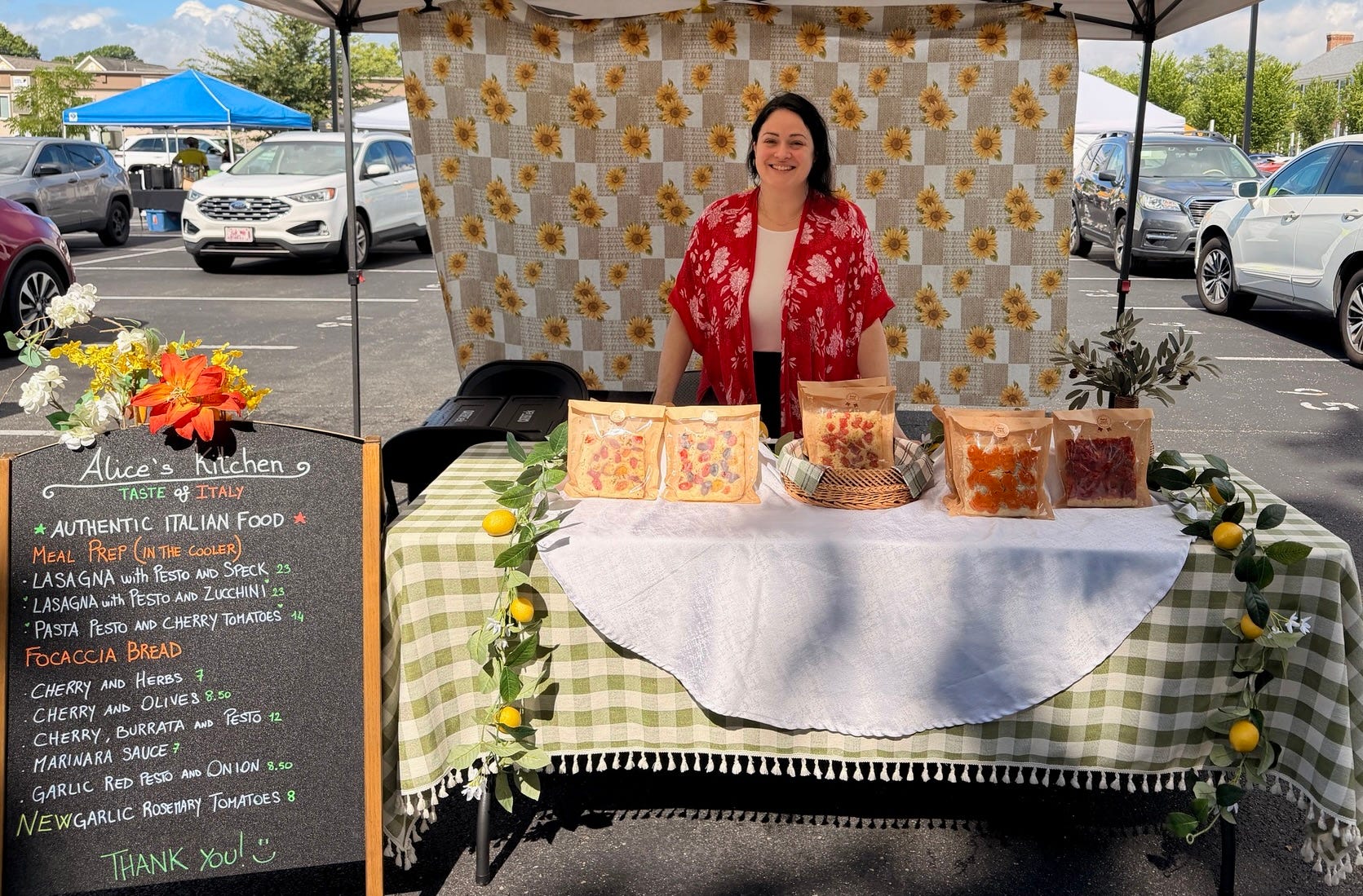
This is the sixth edition of our Shop Like an Expert series, where we aim to demystify Columbus’ international markets and help you feel more confident shopping like a pro. This time, we’re shopping with Alice Rauli of Alice’s Kitchen, a frequent vendor at farmers markets around Central Ohio. I usually see Rauli at the Grandview Heights Sunday Market where she sells her homemade focaccia, lasagne and pasta dishes.
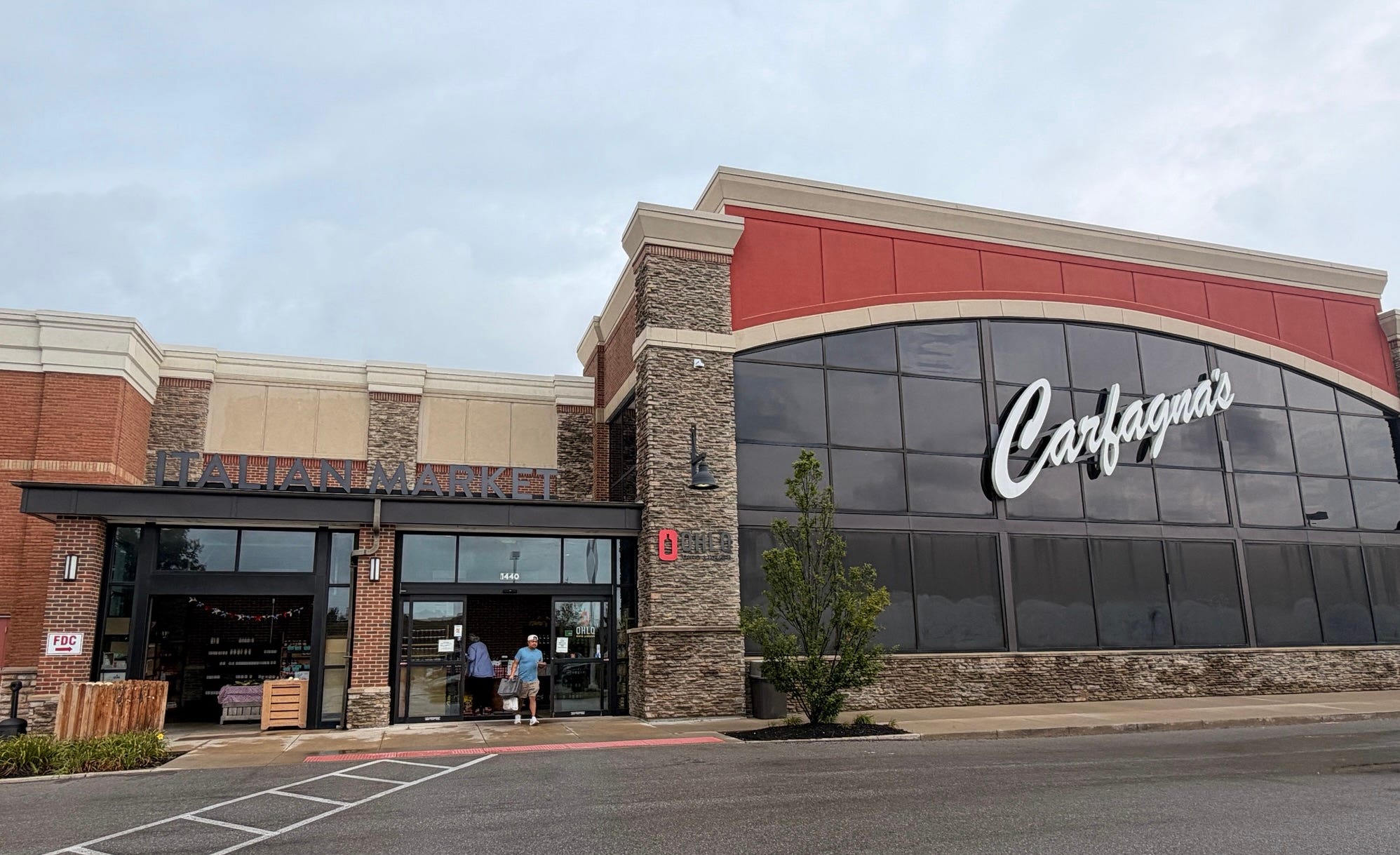
Rauli moved from Veneto in Northern Italy to Columbus four years ago and has become adept at seeking out Italian ingredients in Central Ohio. She says she has been impressed at how many Italian brands and products she has been able to find at local grocery stores, including Aldi (speck), Kroger (cheeses) and Meijer. For our purposes, she joined me on a recent visit to Carfagna’s (1440 Gemini Place).
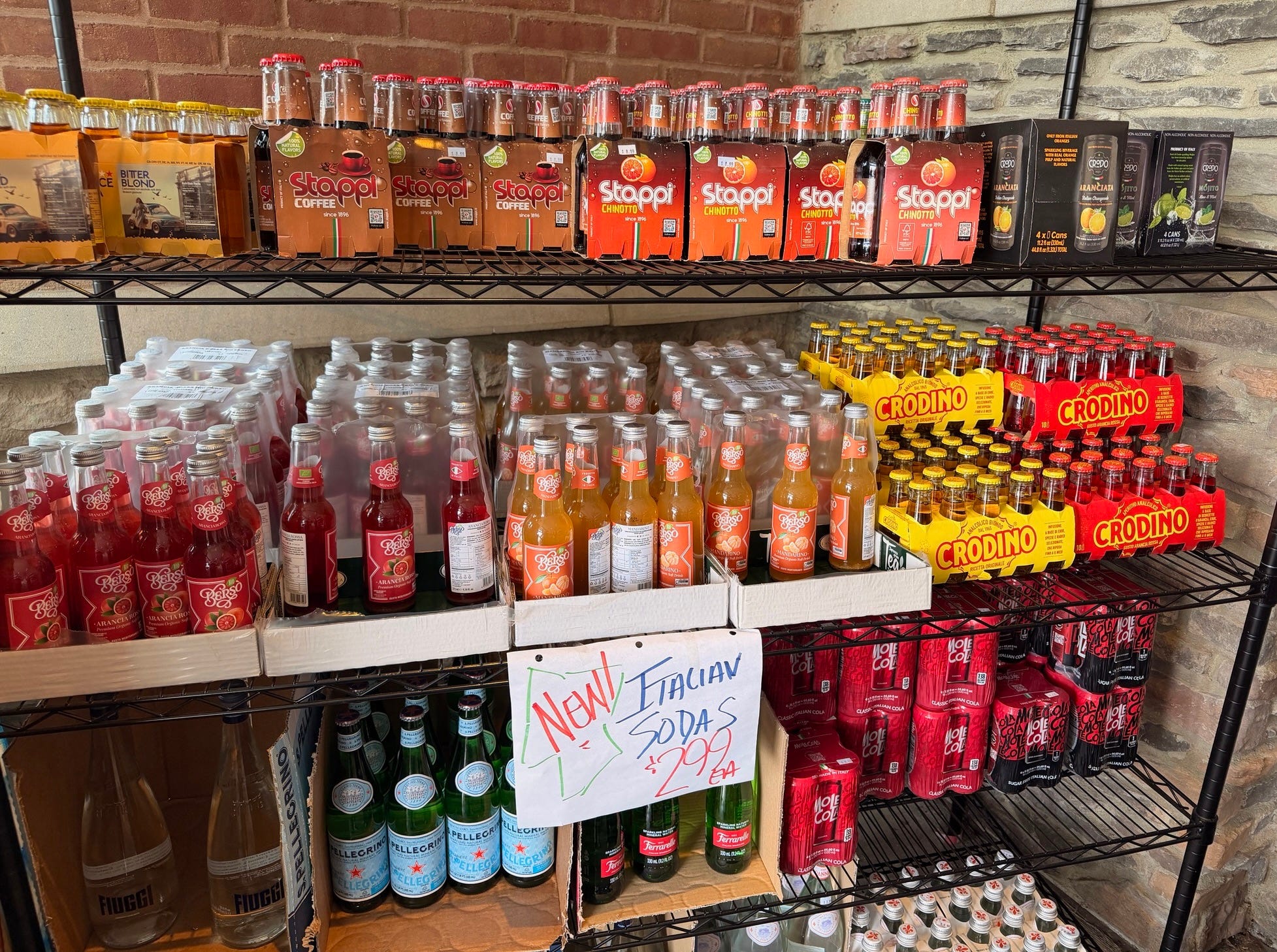
Before we had even fully entered the Polaris-based market, a shelf of Italian sodas caught Rauli’s eye. She recommends Molecola from Piedmont as a popular Italian alternative to Coca Cola and the non-alcoholic beverage Crodino which is mixed with sparkling wine as an aperitivo.
Entering the store, we noticed the housemade panettone (only $15!). Rauli was surprised to see it mid-summer as in Italy you would only find it around Christmas time.
Having only resided in the U.S. for a few years, Rauli makes clear distinctions between Italian food and Italian American food. For example, she says that Italian American cooking uses a lot more garlic than is common in Northern Italy. She also notes that when making a sandwich in Italy, you would typically only use one type of meat—prosciutto or mortadella—not the assortment that you find on a typical Italian sub in the U.S. When she first tried an Italian sub, she wondered, “Why are they doing this?” and then concluded, “Because it’s good.”
Rauli talked me through a typical Italian dinner:
Appetizer, which would be antipasto, bruschetta or some type of finger food
The “first plate” is typically pasta or risotto or tortellini in brodo. This could also be a soup course.
The “second plate,” is where you have your main protein, which will be served with vegetable sides or possibly beans or salad.
Dessert with espresso. For special occasions there could be a cheese board before dessert.
One thing she emphasizes is that in Italy you would not see a dish like chicken Parmesan in which the main protein is served on top of the pasta.
Antipasto is clearly a passion of Rauli’s, and she points out a lot of ingredients that might be included: baby peppers stuffed with cheese, cured meats, giardiniera (whole, not chopped) and grissini (bread sticks). She notes that olives are more commonly served with an aperitivo than with an antipasto spread. Rauli says she was surprised when she first tasted an olive stuffed with pimento in the U.S. because, in Veneto, olives are usually stuffed with carrot. One of Rauli’s favorite antipasto dishes that her mom makes is tuna-stuffed cherry peppers, aka “peperoncini ripieni di tonno.”
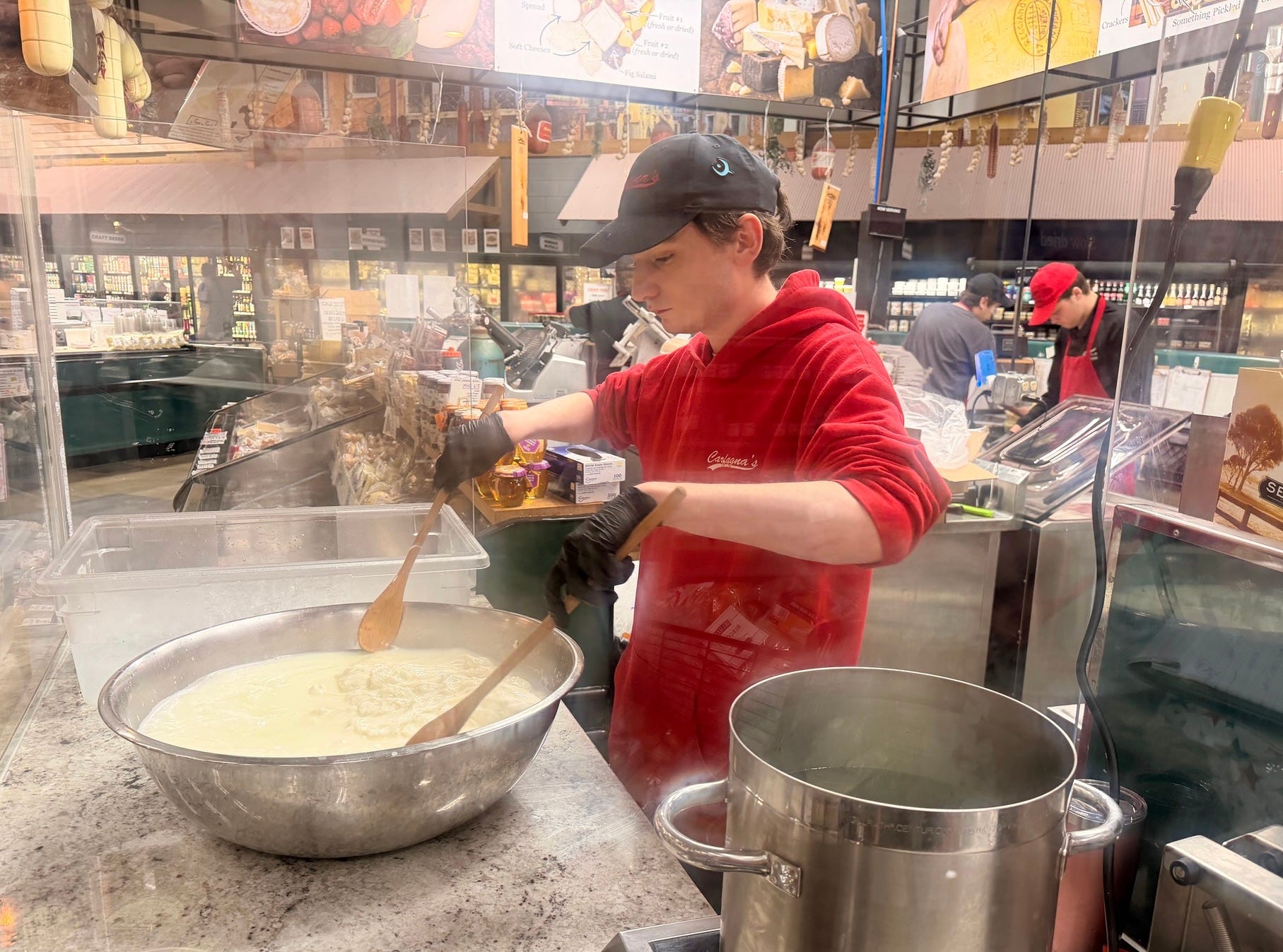
Rauli was impressed to see Carfagna’s staff making fresh mozzarella and pasta in the store, but wished she could find a traditional tortellini bolognesi. She did approve of the price of the fresh pasta and the variety of fresh pasta available, noting that—for Italians—it is very important to match the shape and size of the pasta to the sauce. In her region, they use a lot of pappardelle noodles, which are paired with a wild boar ragu.
Rauli was pleased with the selection of Italian cured meats at Carfagna’s including speck, pancetta and guanciale. The speck prompted her to tell me about a Northern Italian dish that I was unfamiliar with: canederli. (Apparently I need to watch more “Tucci in Italy.”) One interesting thing I learned is that if you ask for prosciutto in a butcher’s shop in Italy, they’ll be confused. You need to specify whether you want prosciutto crudo, the raw, dry-cured ham that most Americans think of as “prosciutto,” or prosciutto cotto, which is closer to what we’d call regular ham.
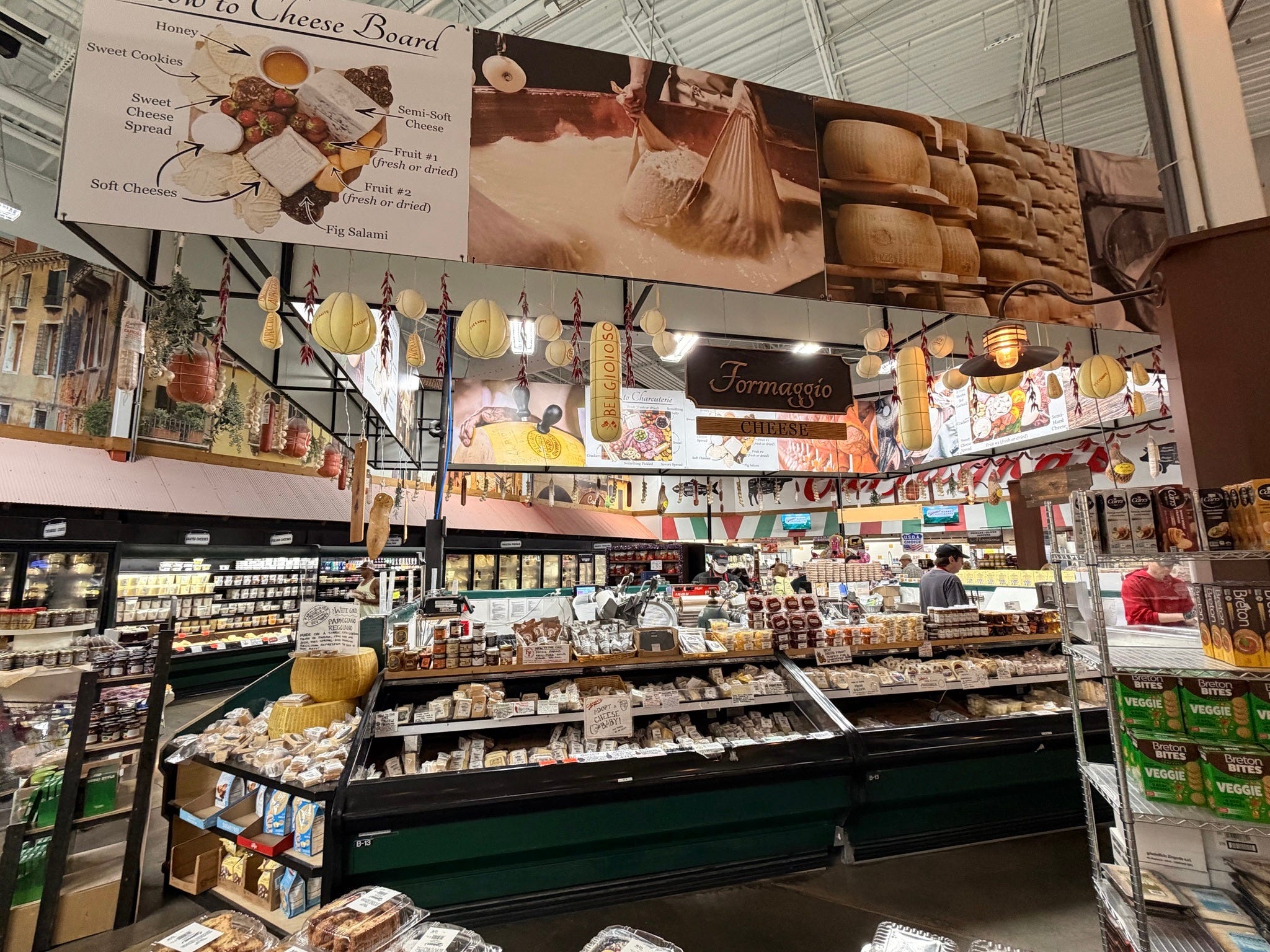
Even more impressive is the range of Italian cheeses at Carfagna’s (no doubt thanks to cheesemonger Michelle Vieira). Rauli explains that there are more than 400 cheeses in Italy, and most are very regional. Italians will know the cheeses from their own region as well as the most famous national cheeses, but there are several cheeses at Carfagna’s that Rauli was unfamiliar with, including some from Sicily and Sardinia. Rauli praises Belgioioso as a good brand of mozzarella and burrata, even though it is made in Wisconsin and available at most grocery stores. She also notes Auricchio as a well-regarded Italian brand of provolone.
When she saw the housemade ricotta at Carfagna’s, Rauli encouraged me to try making my own at home, assuring me that it’s very easy.
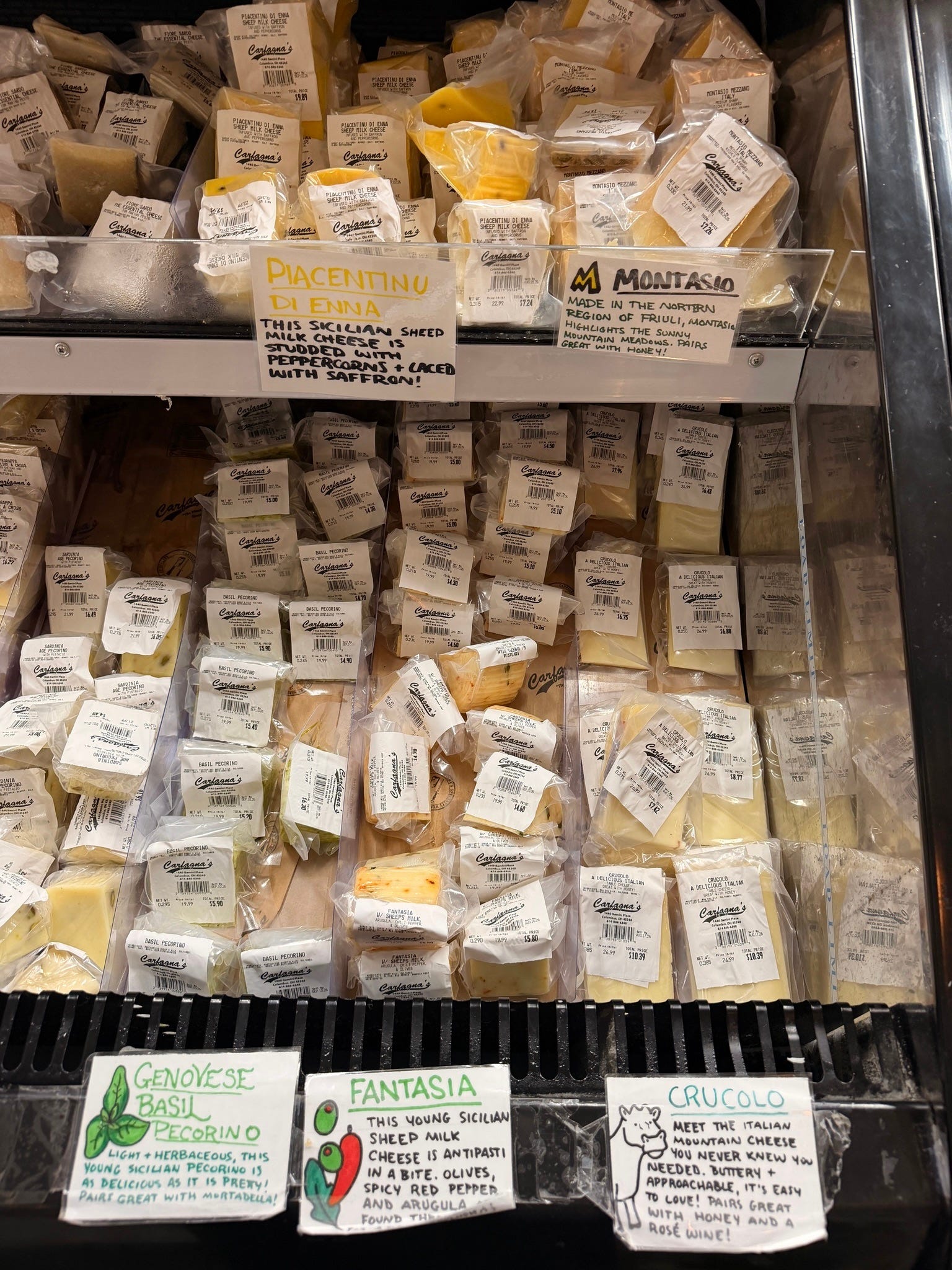
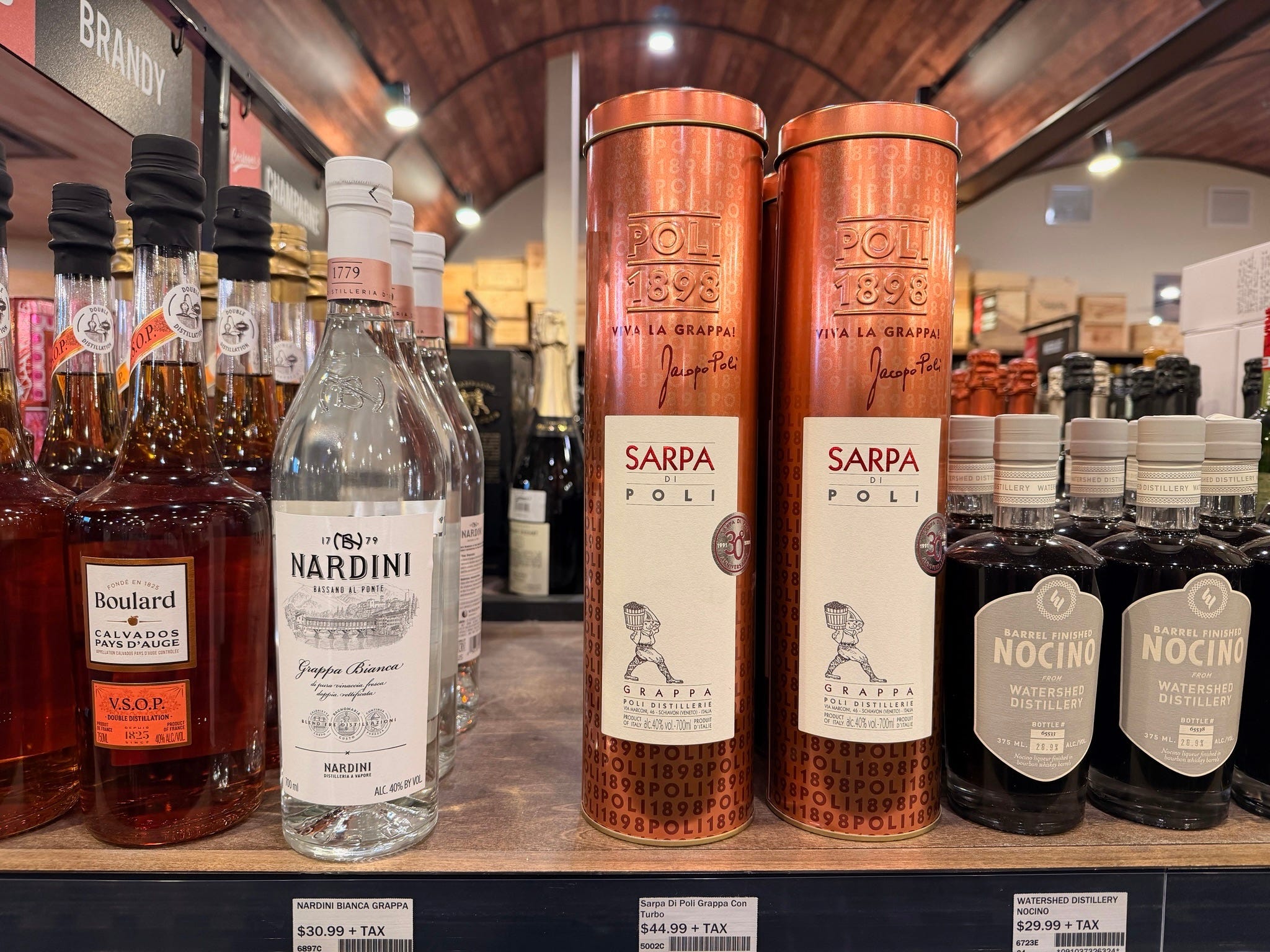
Rauli’s family was visiting from Italy at the time of our shopping trip, so her mom and brothers joined us at Carfagna’s. It was interesting hearing their impressions of the longtime Columbus market. Her brothers noted that all of the cuts of meat in the butcher’s case were different from what they are familiar with, but they were impressed with the selection of Italian wines and glad to see that grappa was available.
Rauli’s mom excitedly pointed out products that were from their region in Italy and only said “Mamma Mia” a few times in reference to some of the Italian American preparations! She seemed particularly horrified by some jarred peppers stuffed with ham.
Rauli’s shopping tips:
Comments
Nothing yet. Say the first thing.
Sign in to join the conversation.