
I am a firm believer that there are two ways to honor the legacy of a musician. The first is to share their music. We won’t have any trouble with that today upon the loss of Dolly Parton. Not only is her catalog massive and iconic, but artists were already eager to collaborate and cover.
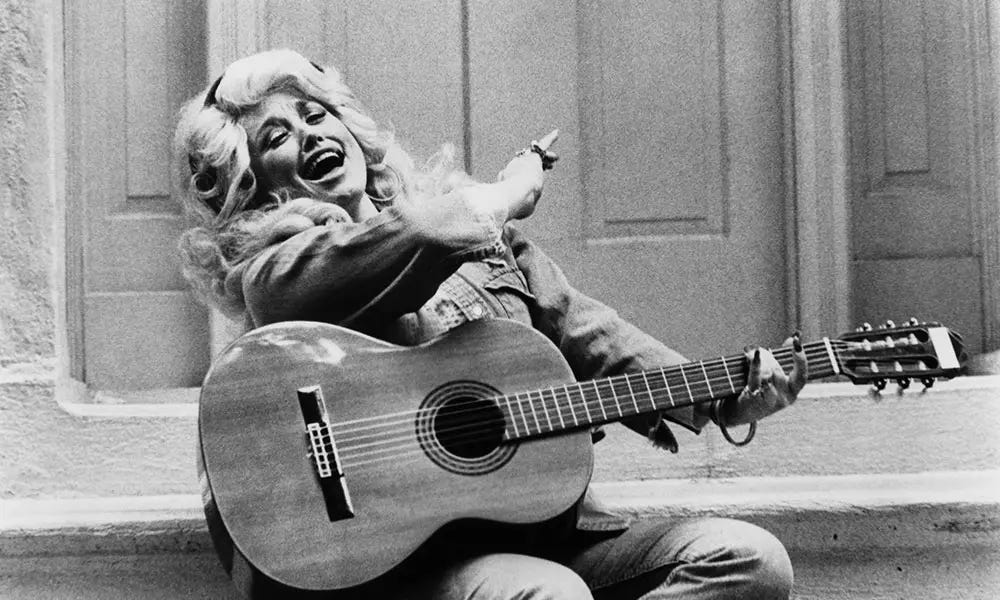
The second is to learn from how they worked. In Dolly Parton’s case, she leaves behind a treasure trove of lessons about how to be a musician, and how to run your music making like a business.
I’ve had three periods in my midlife that I can pinpoint as particularly challenging. Two were around my workplaces enacting budgetary layoffs, and the third was my divorce - neither of those are ever easy. But in my most lost moment, one friend here in Nashville gave me some advice that stuck surprisingly well, considering what genre of music I live in.
Just ask yourself, “What would Dolly Parton do?”
Why not? If I don’t feel like myself, I might as well try to feel like Dolly Parton. Who wouldn’t want that?
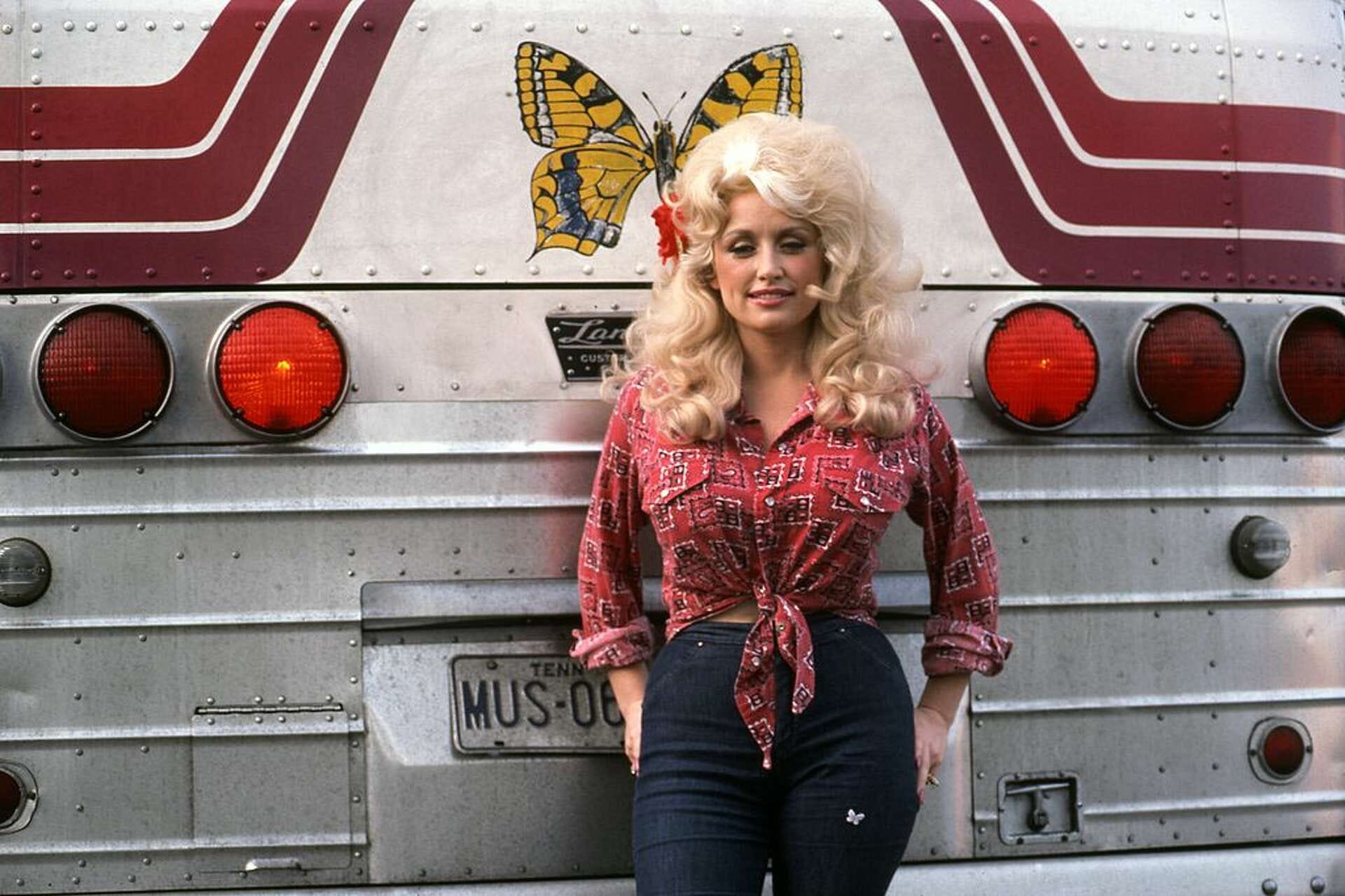
It is not, however, an obvious question for the world of classical music. Dolly Parton was Dolly freaking Parton. I’m talking about orchestras, opera companies, chamber ensembles, conservatories, nonprofit boards, endowments, musicians with union contracts, halls that cost too much to maintain, and audiences whose pockets are stretched to the limit.
And yet I’ve always returned to that advice. Because Dolly Parton spent her life solving a problem that both I and classical music are perpetually solving. How do you take something you genuinely love, run it like a business, and retain your authenticity? That’s where classical music should, once they’ve taken time to honor a musical legend, take a closer look. It’s not that we need her to teach us how to be more popular. It’s more fundamental than that. It’s how to show people that what we perform is for them.
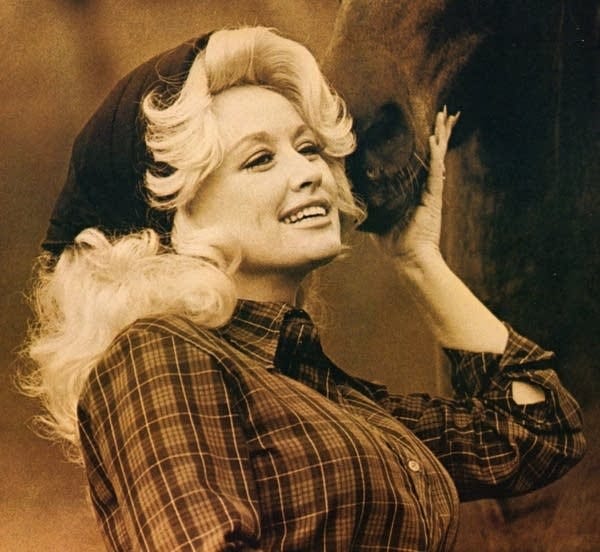
Here is a series of lessons I think we can take from this musical, philanthropic, and all around beautiful legend.
Lesson 1: It’s all about the audience.
“I will always love you.”
Accessibility can come across as a bad word in classical music. It’s as if making the art easier to see somehow means diluting it. For Dolly, that was never the case. An open door does not make a room any less worth entering.
An audience-focused practice is still artistically ambitious. It means more people have the opportunity to find their way in.
Lesson 2: Be an unapologetic entrepreneur.
“What a way to make a living…”
This is a business. Dolly was relentless about working it as one. She wrote, performed, published, licensed, owned, and invested at an incredible pace. She built an empire not by separating the art from the business, but by understanding that the business could give the art, and everything that grew from it, a longer life.
That entrepreneurial instinct allowed her to build institutions and, ultimately, to give generously: to children learning to read, to communities in need, and to the people of Pigeon Forge.
Lesson 3: You are a brand.
“I ain’t a fool just ‘cause I’m a blonde.”
In a field full of talented people, being recognizable matters. Separating yourself from the crowd is scary. You’re going to be messy. You’re going to be flawed. You may even risk being misunderstood. But without that bravery, the humanity in what we do will never show.
Dolly was unmistakably Dolly. Classical musicians do not need to imitate her persona, but we might ask ourselves: What makes us unmistakably us? What do people remember after we leave the stage?
Lesson 4: People need a reason to care.
“I can see the light of a clear blue morning
Oh, and everything's gonna be all right
It's gonna be okay.”
Everything musicians do has a story behind it. The personality, humor, and sometimes spectacle surrounding the work can be what first grabs an audience. But this isn’t just about getting attention. It’s about engagement. It’s about participation.
People are more likely to invest their time, money, and emotions when they understand why something matters to the person making it. The story is not a distraction from the music. Sometimes, it’s the invitation that allows someone to hear the music in the first place.
Lesson 5: Prestige does not equal value.
“I was rich as I could be
In my coat of many colors
My momma made for me.”
Classical music has inherited an elaborate system for how we demonstrate importance. Great halls, expensive instruments, famous soloist and conductors, canonic works. But prestive and value arem’t the same thing. Dolly spent a lifetime proving that something can be beloved without being exclusive, successful without being cynical, and accessible without sacrificing depth.
Think about what you value. It’s ok if it’s the diploma on your wall or the place you held in a conservatory studio. But why? Is it not because of the hard work you put in? The people who supported you? And beyond music, is it family? A pet? Your hometown? That’s where you can meet anyone - not just existing classical music fans.
Dolly Parton spent a lifetime demonstrating something that feels increasingly urgent to those of us working in this classical music field: artistic excellence and public connection were never enemies. Neither were ambition and generosity. Neither, for that matter, were art and business. At this moment in the long timeline of the music we love, as orchestras prepare to strike, lose their venues, and silence entire seasons, and as we wonder what the future of the art form may look like, Dolly left even us an extraordinary example to follow.
“What would Dolly Parton do?” Whatever your answer, I’m sure it would be done with sincerity and love.
-Colleen
No posts
Comments
Nothing yet. Say the first thing.
Sign in to join the conversation.