
Last week on Symphony Hall I introduced the Four Sea Interludes from Benjamin Britten’s opera Peter Grimes. And I enjoyed leaning into the practical nature of these pieces, which were added to the opera for function’s sake - to allow for time to transition the scenery onstage. But it’s one thing to note that we’re going to enjoy the incidental music from a stage show, and another to hear it and realize how far beyond the mundane the music goes.
Thanks for reading! The best way to support this newsletter is to share it.
Peter Grimes is an opera with a dark plot, and a more-than-fair share of psychological tension. Given that overall vibe, it seems as though it would be surprising that these interludes have taken off as concert music on their own. Except that they are essentially part of the scenery. A musical landscape painting.
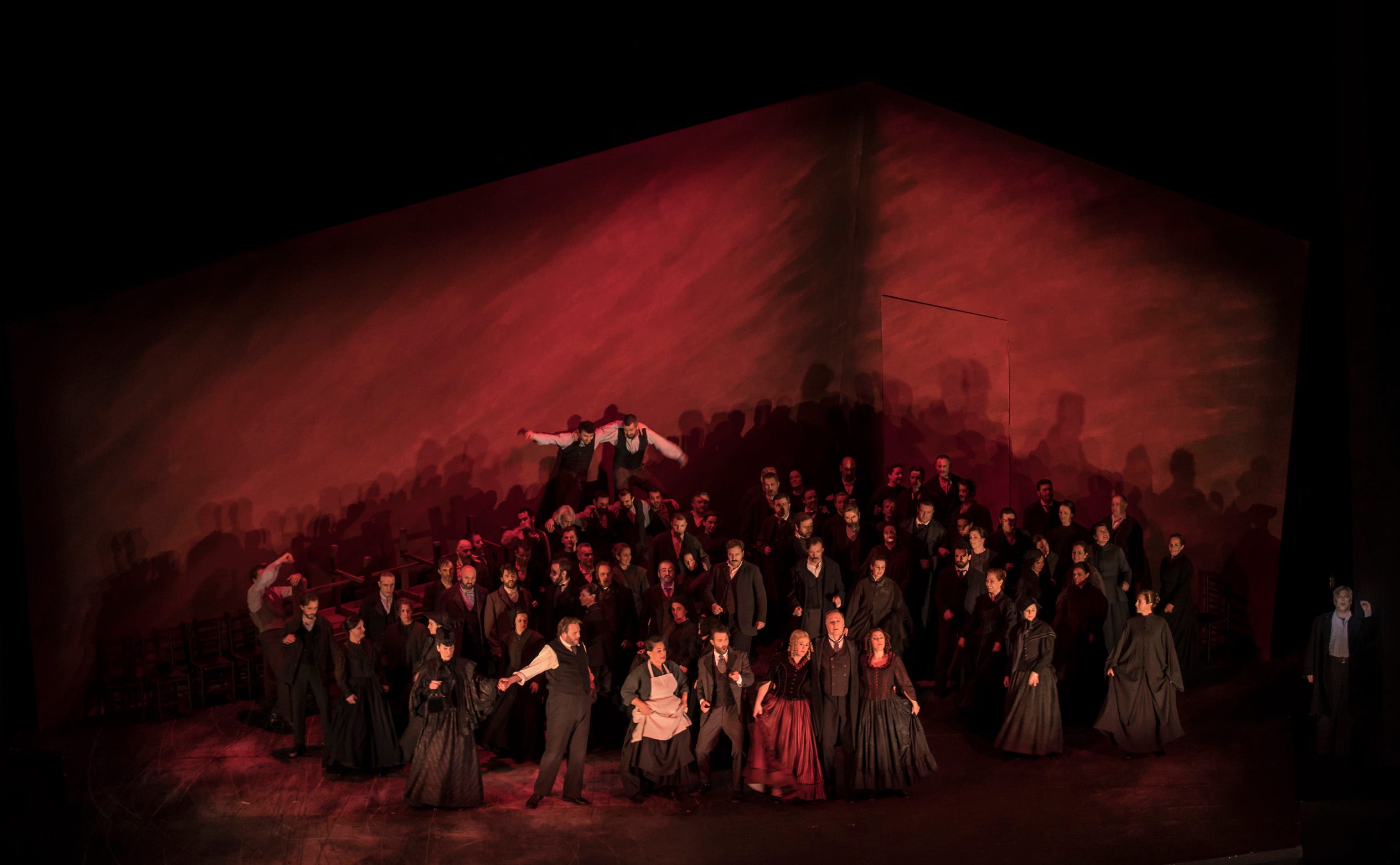
By taking advantage of this transitory moment, Britten created something that could have a life of its own. And he’s not the first composer to do so.
One of the best parts of Piotr Ilyich Tchaikovsky’s music for The Nutcracker is the exciting moment where the Stahulbaum family Christmas tree grows to a massive height. The orchestra goes full on Tchaikovsky - practially a wall of sound. Why? Not just because Tchaikovsky wanted us to feel small in that scene, just like Clara. But because the mechanical process to have the tree grow was loud, and needed to be covered by the orchestra.
Note: it’s the end of that track.
I brought this up with my good friend composer Cristina Spinei recently. She has a niche writing for dance companies, and noted that she has to be open to a lot of flexibility for choreography. In a ballet or dance piece, everything has to work as one larger production, so each artist has to be willing to be collaborative. But this also lends an economy to a lot of what she composes - the dancers will only move for so long, so she can’t get long winded with the music.
Stagecraft has a way of doing that as well, with some of composers’ best work happening in the transitions. The “Méditation” is likely the only music from Jules Massenet’s opera Thaïs that is immediately familiar, and while it portrays the title character’s spiritual change, it mainly exists for the set change.

Mozart walked the line of this tactic by having a moment in his opera Abduction from the Seraglio sung loudly while other characters tiptoe in the background. Pedrillo, the tenor, creates a diversion, covering for an escape. It’s charming, even though the gambit doesn’t succeed.
There’s a parallel to draw from the skill set of a good church organist. You’ll know it if you hear it - there won’t be a single awkward silence in the service. Every transition is seamless. In this century, organists are likely only second to jazz artists in how much time they spend on improvisation in their training. An extension of a hymn, a flourished introduction, an interstitial piece that just happens to end in the key of the doxology? That doesn’t just happen.
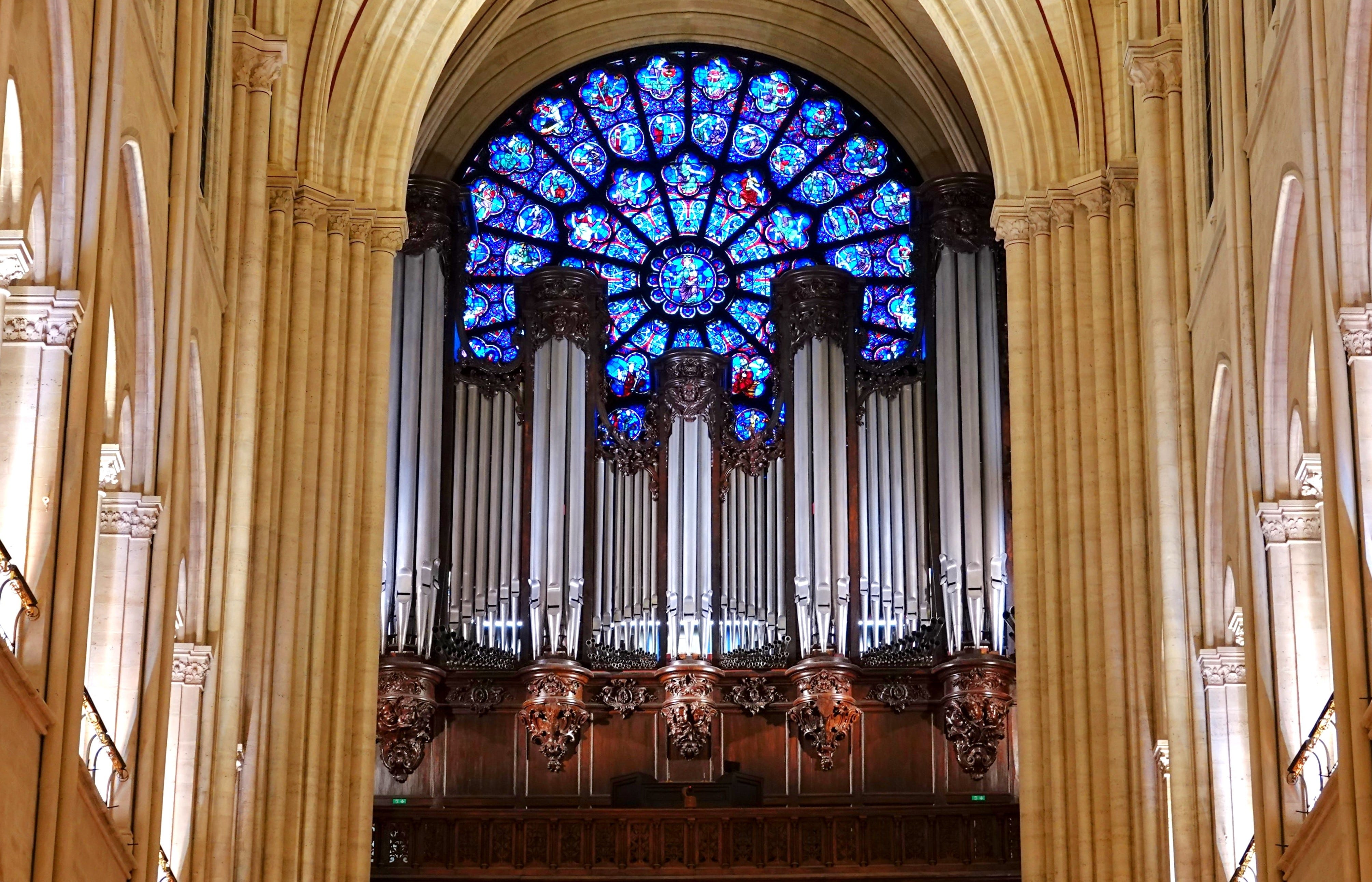
I’m charmed at the idea of the misdirection being performed here - the music is the magic trick that makes a set disappear, or a service seem like it’s moving swiftly.
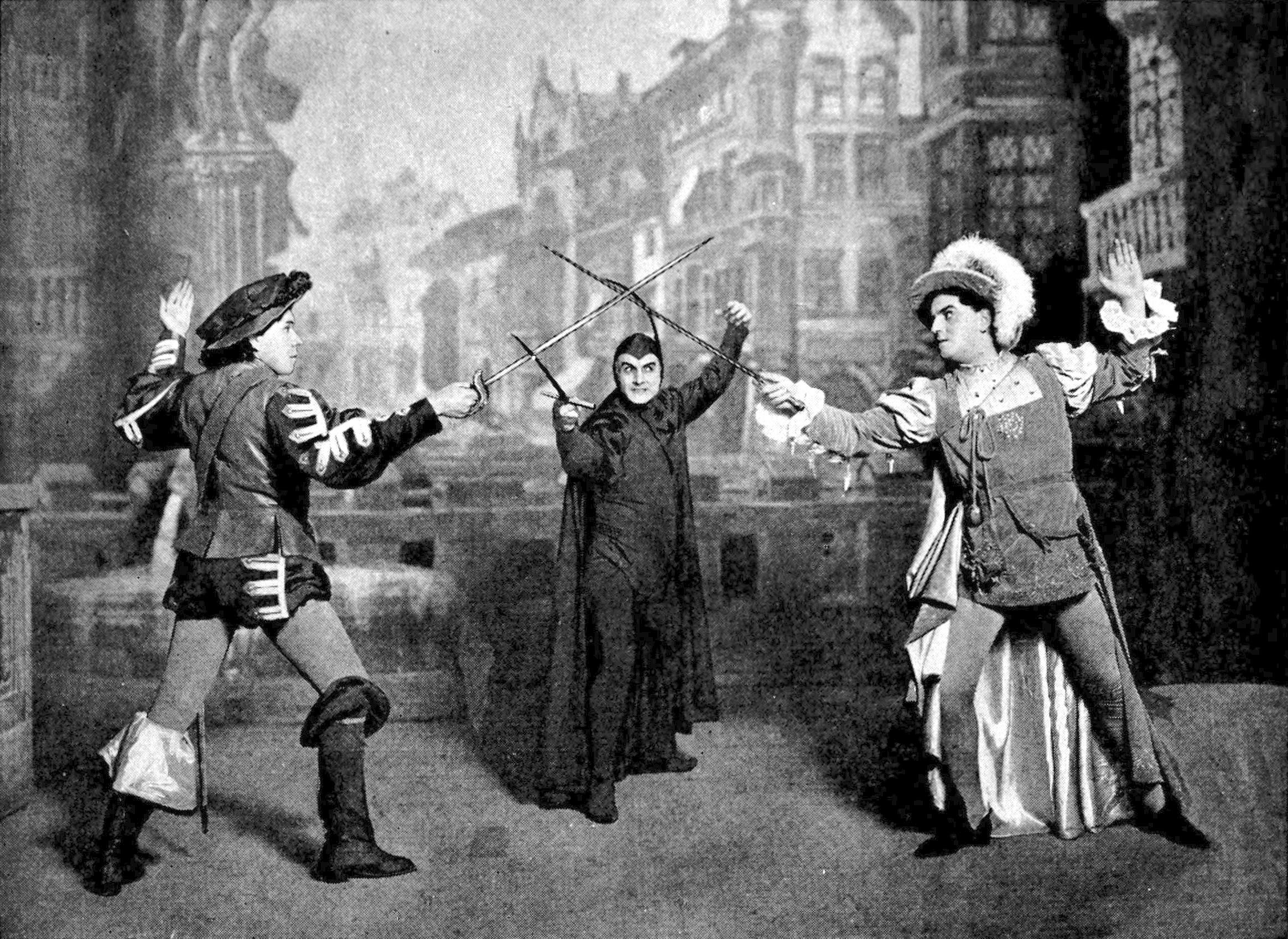
I don’t really have a larger point in this essay - just a suggestion to pay attention. To times when “nothing is happening.” To times in between. And to times where you’re being taken by the hand and led somewhere - literally or figuratively. There’s joy to be found in the scene changes.
-Colleen
No posts
Comments
Nothing yet. Say the first thing.
Sign in to join the conversation.