

With Love Story, Ryan Murphy drops John F. Kennedy Jr., Carolyn Bessette-Kennedy, and the decade they defined, back into the mainstream. Call it ’90s nostalgia if you want, but that undersells it. This is something more. It’s pre-phone. Pre-content. Pre-oversharing. It’s disappearing for hours and it meaning nothing. Or everything. And yes—cigarettes, everywhere. Naturally, the New York Post has already declared, with typical subtlety, that smoking is cool again. Oh, and the playlist, obviously!
So, if you’re not ready to move on now that the show’s over, I feel you. Below are some books that let you linger a little longer. And also, some thoughts on dating, because no one played it cooler than Carolyn.
The other night at dinner, a friend visiting from L.A. told me a mutual acquaintance—beautiful, interesting, extremely well-known—had broken up with the surfer she’d been dating post-divorce.
I lit up. “Perfect,” I said. “Now she’ll meet who she’s actually meant to be with.”
To me, it felt obvious. The marriage in her twenties, babies in her thirties, the divorce, the post-divorce relationship, it all read like a prelude.
But my friend paused. “She should’ve stayed. It’s really hard to meet good men.”
I didn’t buy it. Not because dating is easy, but because I’m watching women start over in real time. They’re dating multiple people. Falling in love. Trying again. It’s messy, sure, but not hopeless. The bleak part isn’t dating. It’s staying in the wrong thing just to avoid being alone.
The next morning, I opened my phone. And there she was, the mutual aquitainance—on Page Six—already dating someone new. Not just someone. Someone.
Which made me wonder: is dating just a mindset?
Enter Carolyn Bessette-Kennedy. The takeaway from Love Story isn’t just the clothes (though, obviously). It’s how she dated. She wasn’t trying to get him. She was deciding if she wanted him. And that’s the real difference.
Rule One: You’re the prize.
When John F. Kennedy Jr. asks for her number, Carolyn Bessette-Kennedy doesn’t give it to him. Instead she says, “You know where to find me.” Imagine that—in a world of instant access and oversharing. She set a boundary. And he takes her up on the challenge. Respect.
Rule Two: Make them work (a little).
No number = effort. If he wants to see you, he will. And if he doesn’t, you have your answer.
Rule Three: You’re doing the vetting.
At one point, he jokes about when it’ll be his turn to ask questions. She doesn’t blink: “I’m the one vetting you.” Translation: stop asking: am I enough? And start asking: is he?
Rule Four: Warm, not wide open.
She’s engaged, funny, magnetic, and then she goes home. Not cold, not clingy. Aim for 90% there, 10% unavailable. (Yes, it matters.)
Rule Five: Build the Empire Together
Choose someone going somewhere. Then build something real together.
So basically…
The reason it resonates now isn’t just nostalgia, it’s exhaustion. Everyone’s tired. Modern dating (and life for that matter) is constant access: too many options, too much texting, too much sharing, too many almosts. Then there’s CBK, neither scrambling nor chasing. All of which, now, reads as…luxury.
How much is real and how much is myth is impossible to say. Love Story is, after all, a dramatization. But the appeal isn’t really about the clothes, or even the era. It’s about something we’ve lost: mystery, intrigue, discretion. Remember anticipation?
So whether it was instinct or intention doesn’t really matter. The outcome speaks for itself. And maybe that’s why it lands. She never acted like she’d won the prize. She acted like she was the prize.
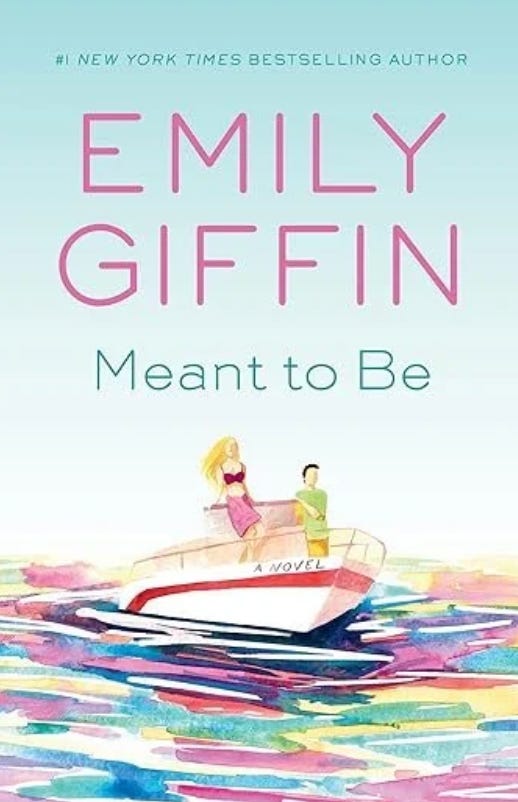
A glossy, modern riff on the Kennedy mythos. A golden boy of American royalty falls for a woman just outside his world. The romance is instant, the scrutiny relentless. Not explicitly about JFK Jr. and Carolyn Bessette-Kennedy, but unmistakably drawn from that world.
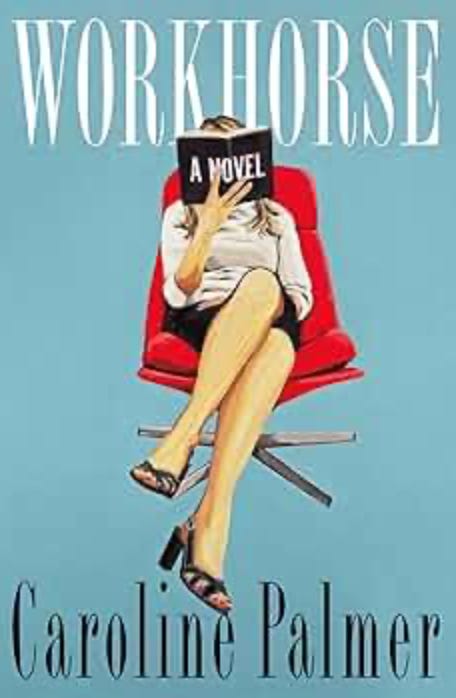
A coming-of-age novel about an ambitious editorial assistant, Clodagh “Clo” Harmon at a prestigious fashion magazine in the early 2000s who navigates a world of wealthy “show horses” while grappling with class envy and her own moral compromises to climb the corporate ladder.
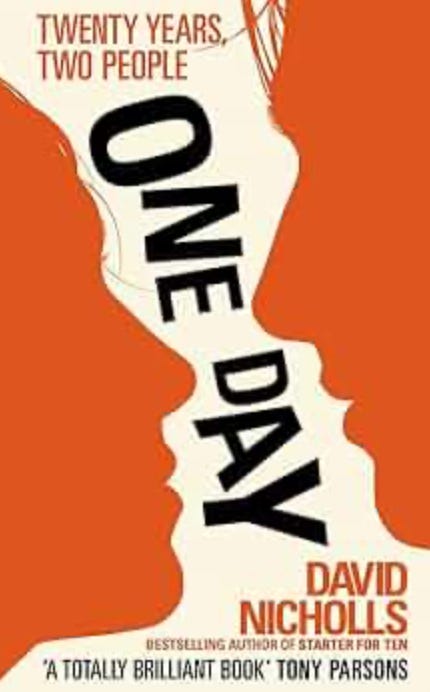
ONE DAY – David Nicholls
Started in the 90s. At school. He’s rich. She’s not. A love story told in snapshots, returning to the same two people year after year. Devastating in the best way.
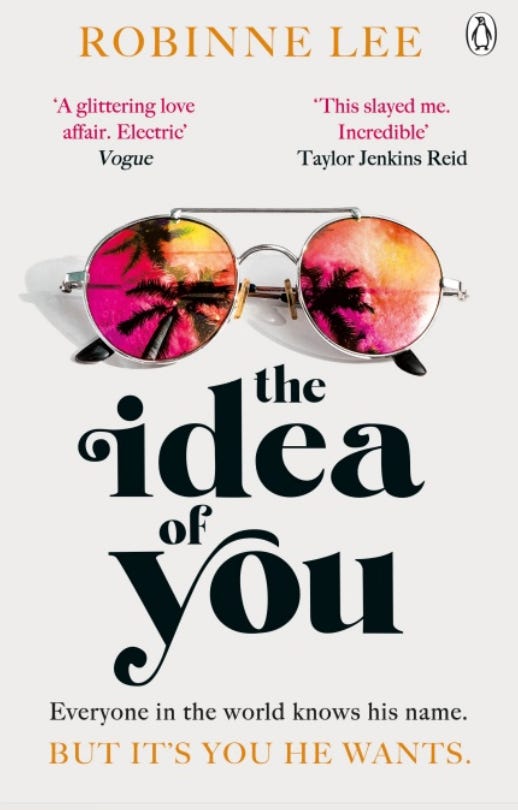
Not 90s, not American royalty, but the dynamic is the same. Global fame replaces legacy. What follows is a love story caught between private intimacy and public obsession, where the world is always watching.
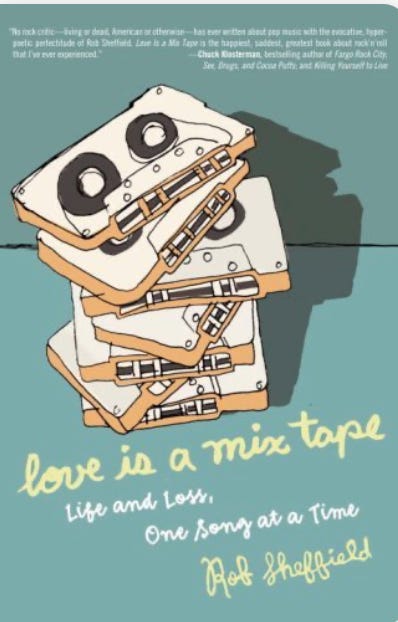
LOVE IS A MIXED TAPE - Rob Sheffield
Set in 1997, this memoir tells of a music critic who falls in love, loses his wife too soon, and tells their story through the mixtapes that scored their life together.
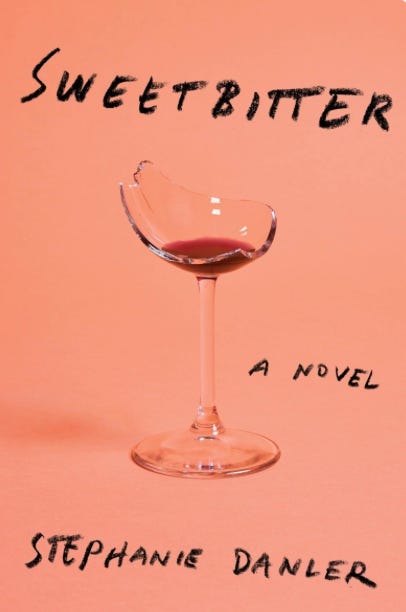
SWEETBITTER – Stephanie Danler
NYC, obsession, power dynamics, and wanting more. Technically not the ’90s, but it feels like a downtown love story from that era and it’s entirely a vibe.
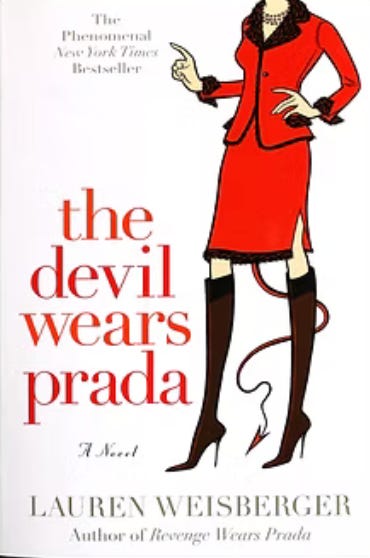
THE DEVIL WEARS PRADA – by Lauren Weisberger
The quintessential “assistant to a powerhouse editor” novel, set in the early 2000s and steeped in the afterglow of ’90s magazine culture.
No posts
Comments
Nothing yet. Say the first thing.
Sign in to join the conversation.