
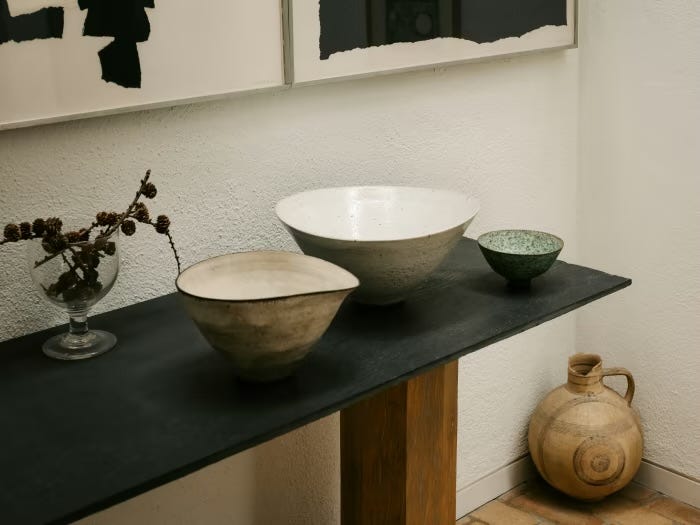
There was a time when a bowl was just a bowl.
It held lemons. Keys. Maybe soup if things were going especially well.
Now the decorative bowl has aspirations.
It no longer wants to contain objects. It wants to communicate values. It wants to imply that the person living there has excellent restraint, owns linen trousers, and probably says things like “we’ve been really into anchovies lately.”
And listen, I’m not above this. I built an entire career out of moving objects three inches to the left and then staring at them like they had personally disappointed me. I used to joke that any surface could be fixed with a bowl, a book, and a branch. Which, to be fair, is still occasionally true. A good branch has saved many situations.
But I’ve started noticing something lately, both in my own work and in the larger styling culture we’re all marinating in.
The objects are becoming the personality.
Not in a soulful, layered, collector kind of way. In a slightly haunted, algorithmic way. Like the room has developed a vague understanding of what “good taste” is and is now trying to perform it back to us using travertine.
You know the bowl I mean.
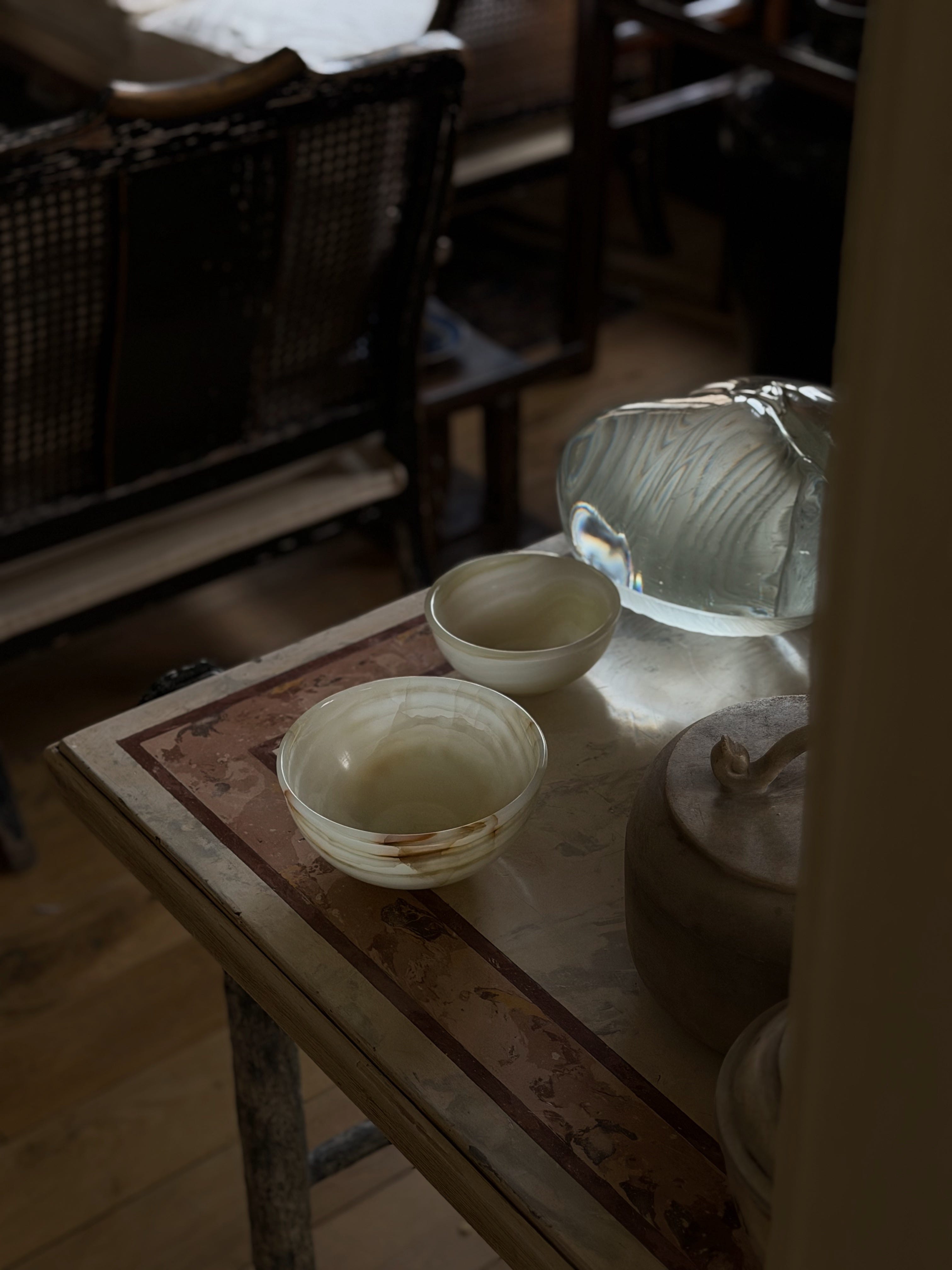
Large but somehow shallow. Matte, but aggressively matte. Empty in a very intentional way. Usually placed beside three art books and a chair no one sits in correctly. It never actually holds anything because utility would interrupt the narrative. But also because the moment you place something real inside it, keys, mail, a half-dead clementine, the object stops communicating taste and starts communicating a person.
And increasingly, I think that’s the part many of us are trying to avoid. The moment an object stops implying taste and starts revealing an actual life.
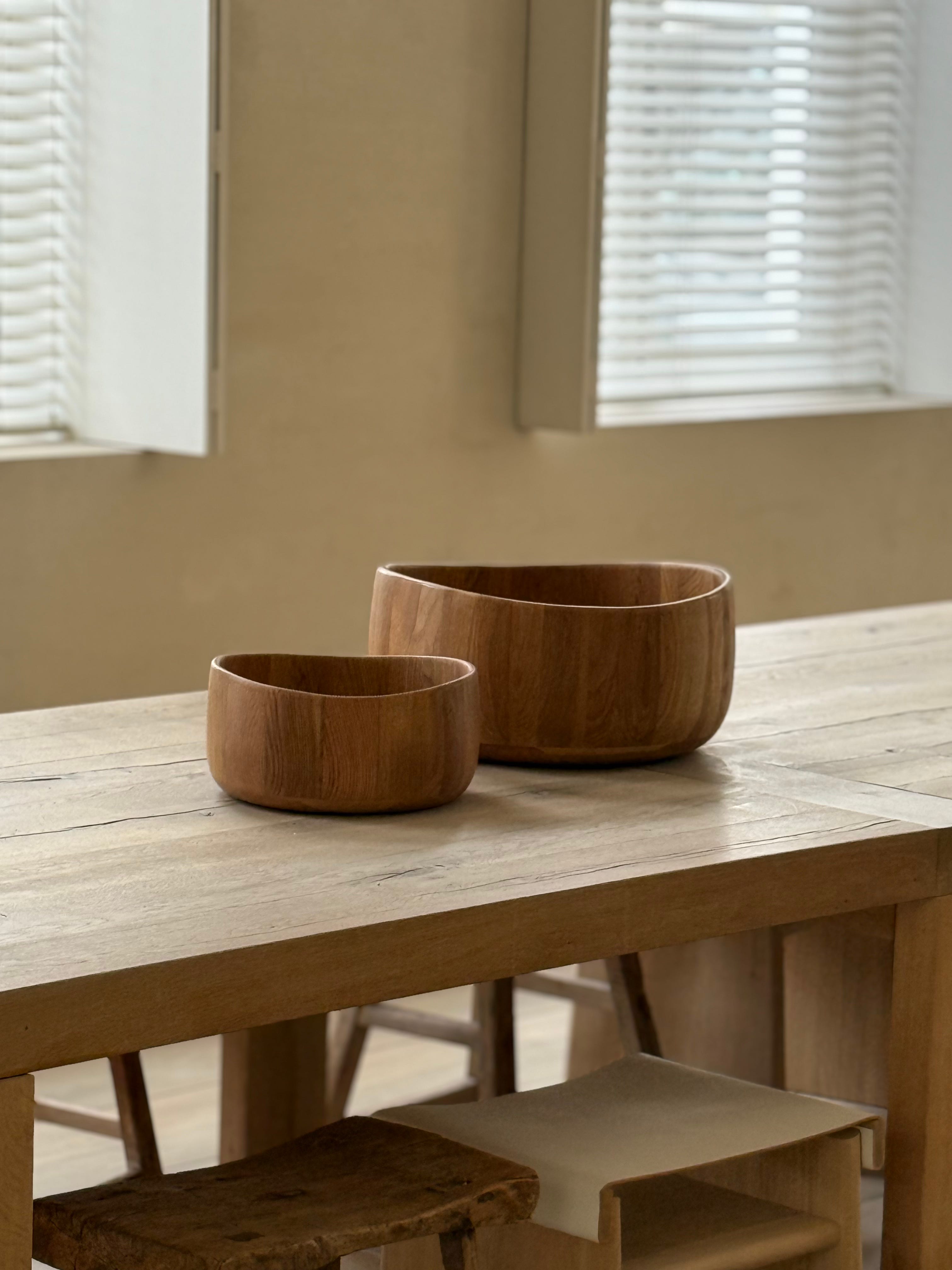
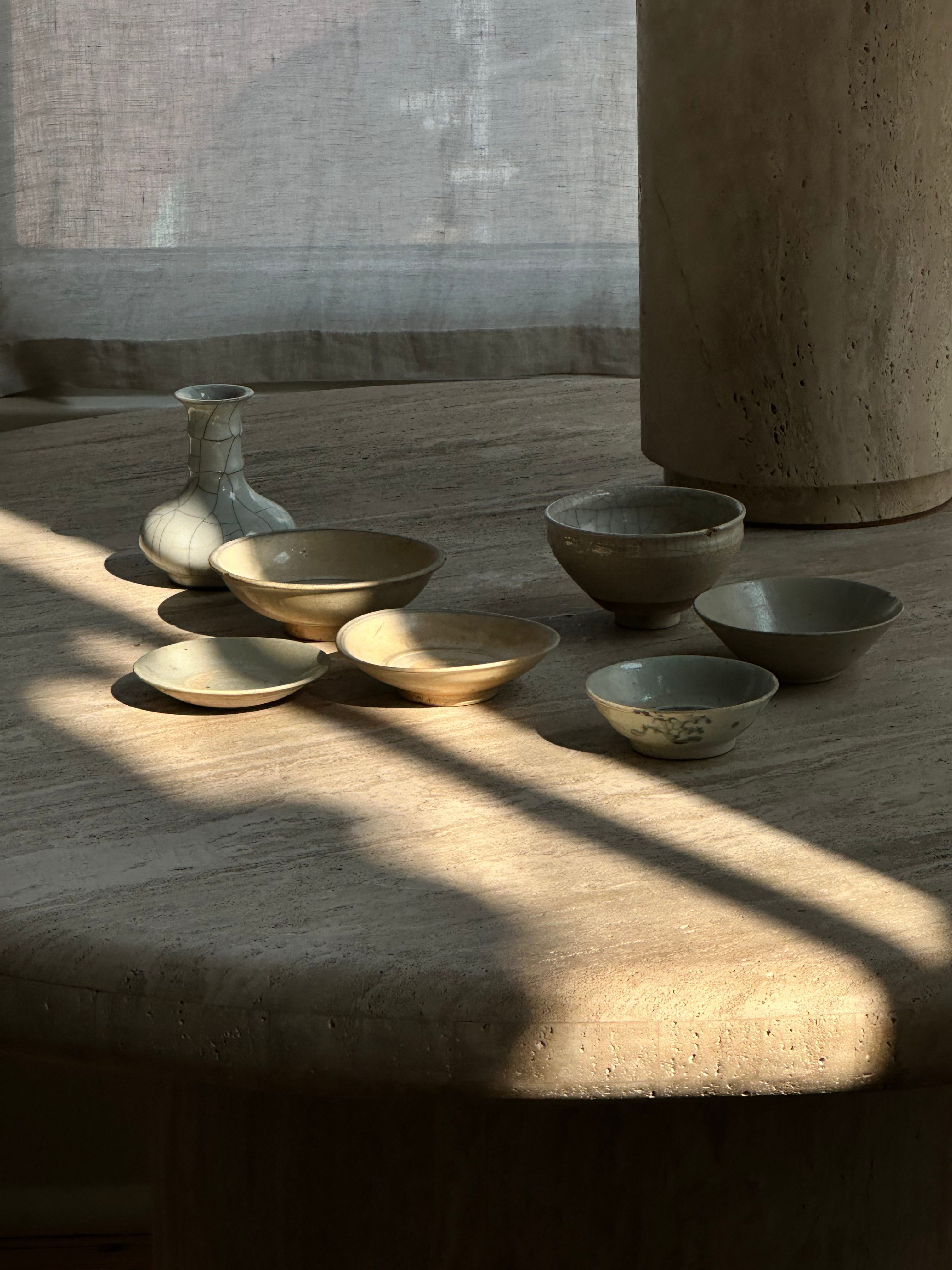
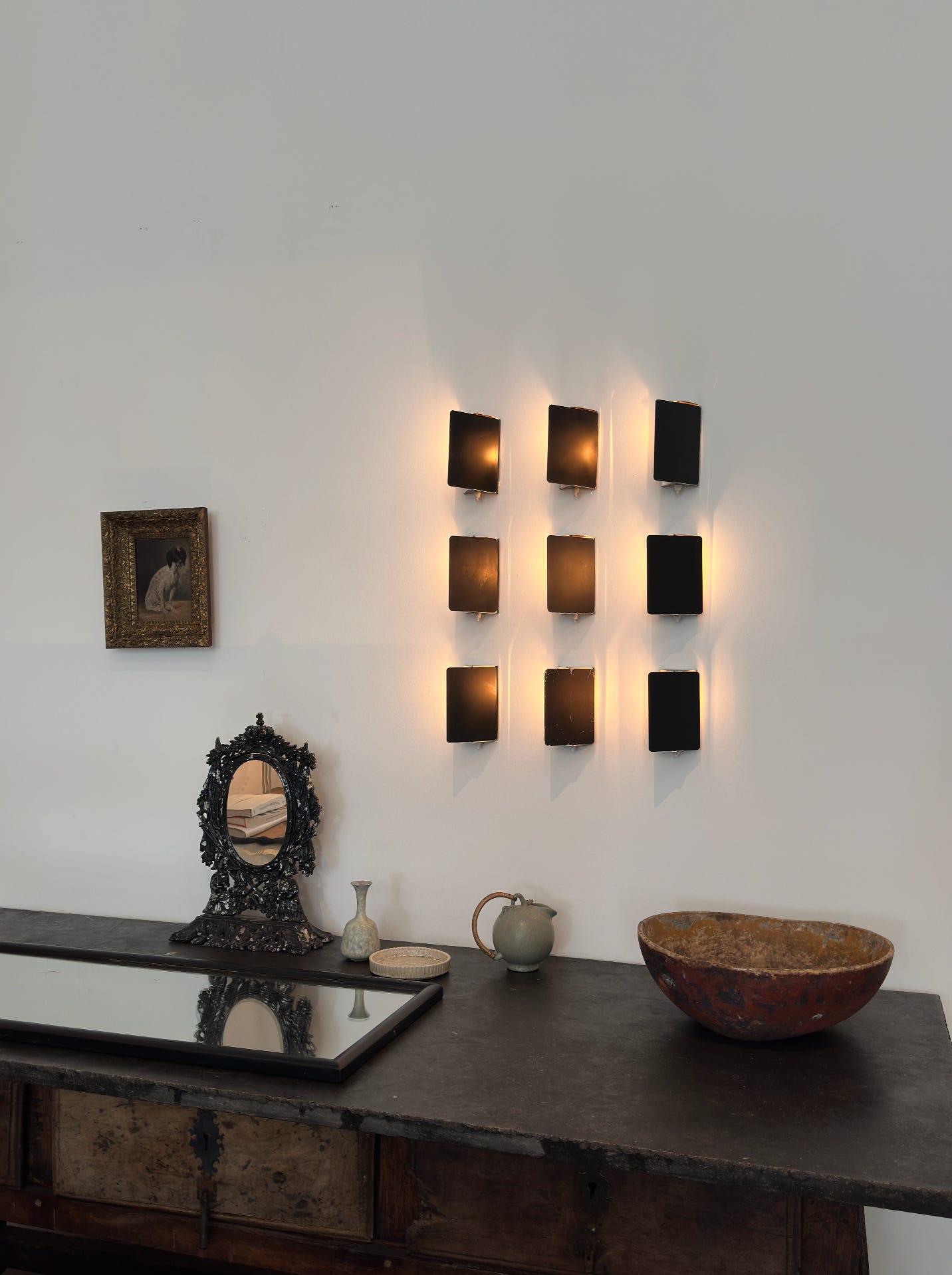
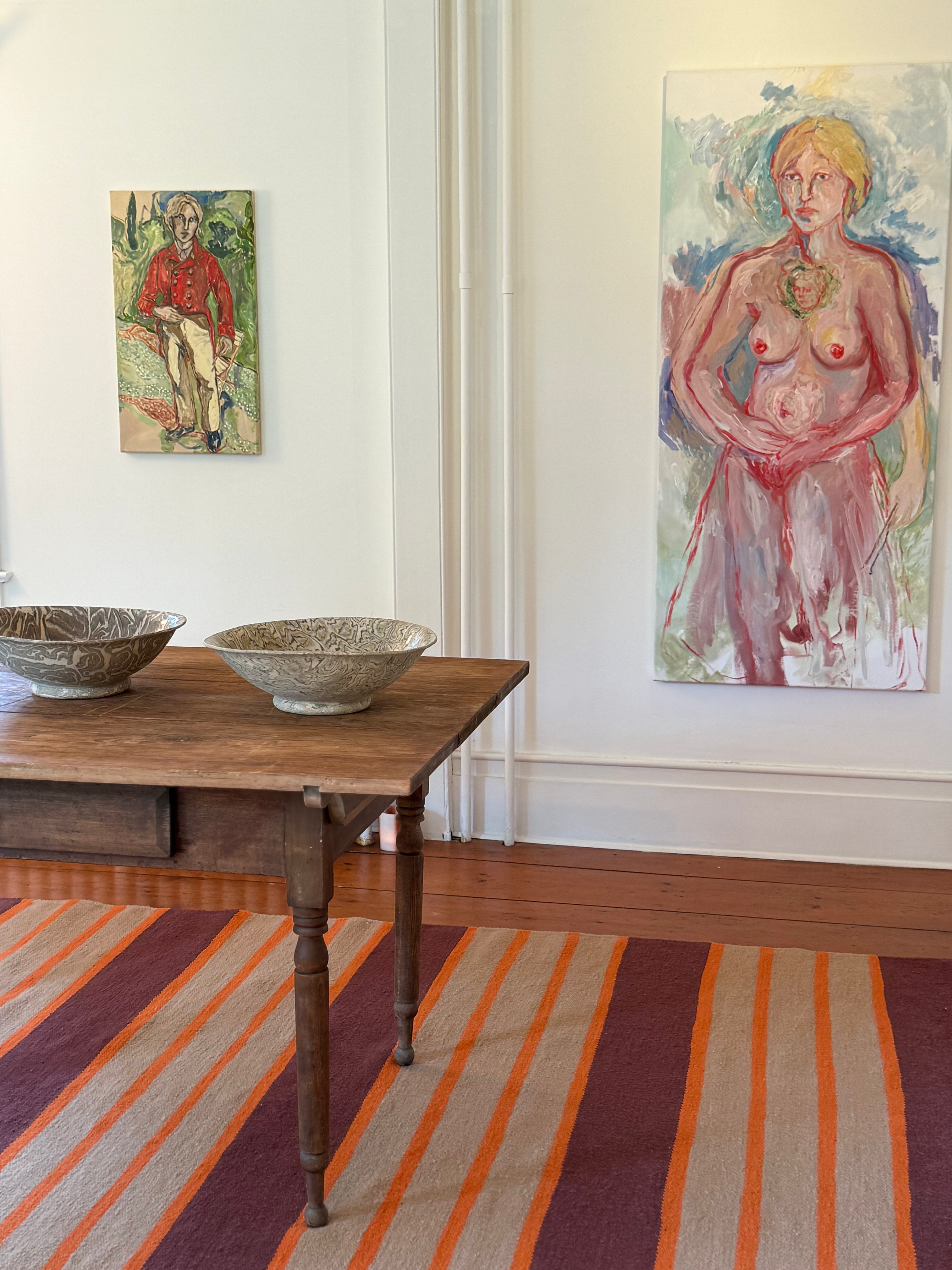
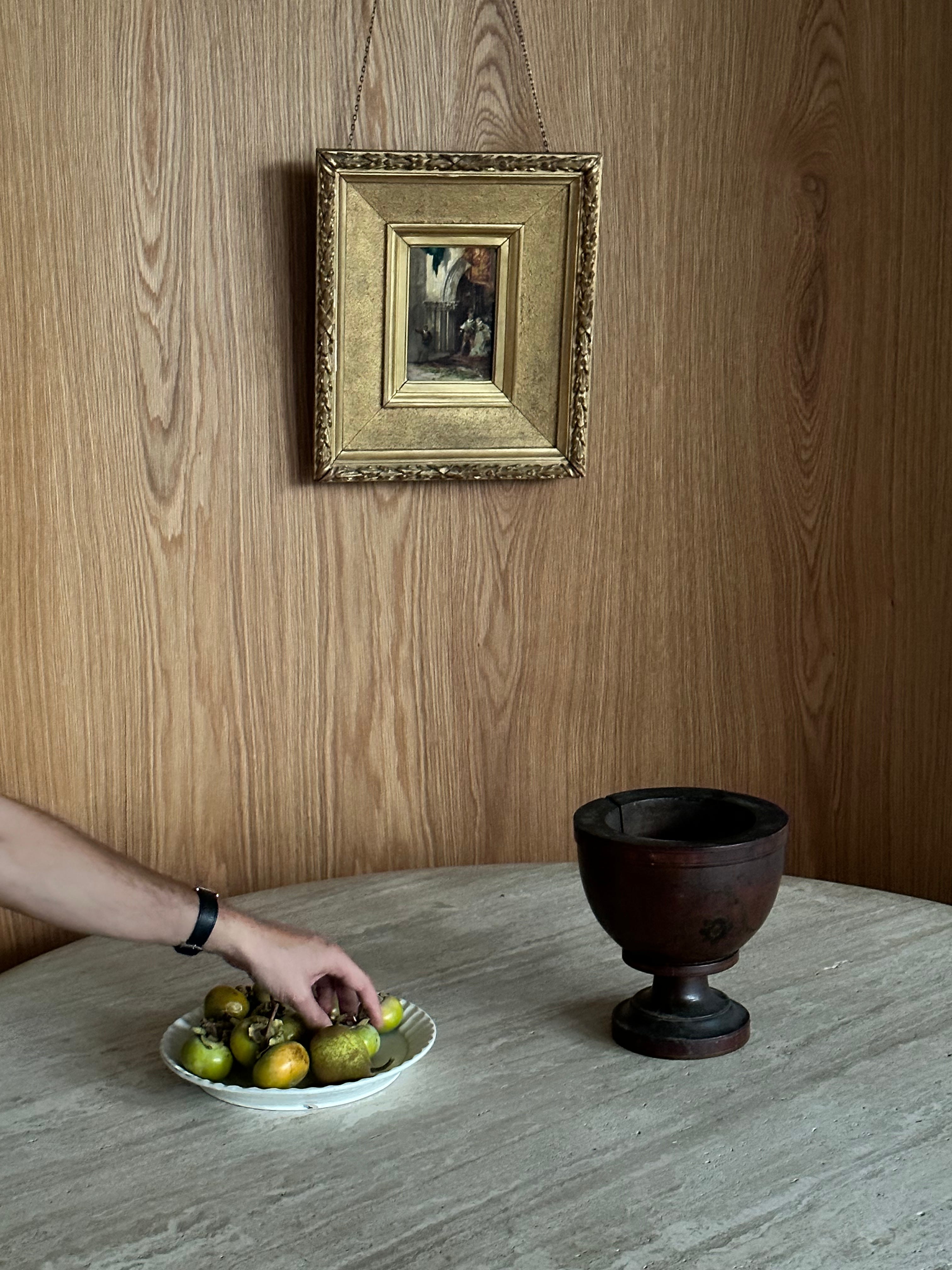
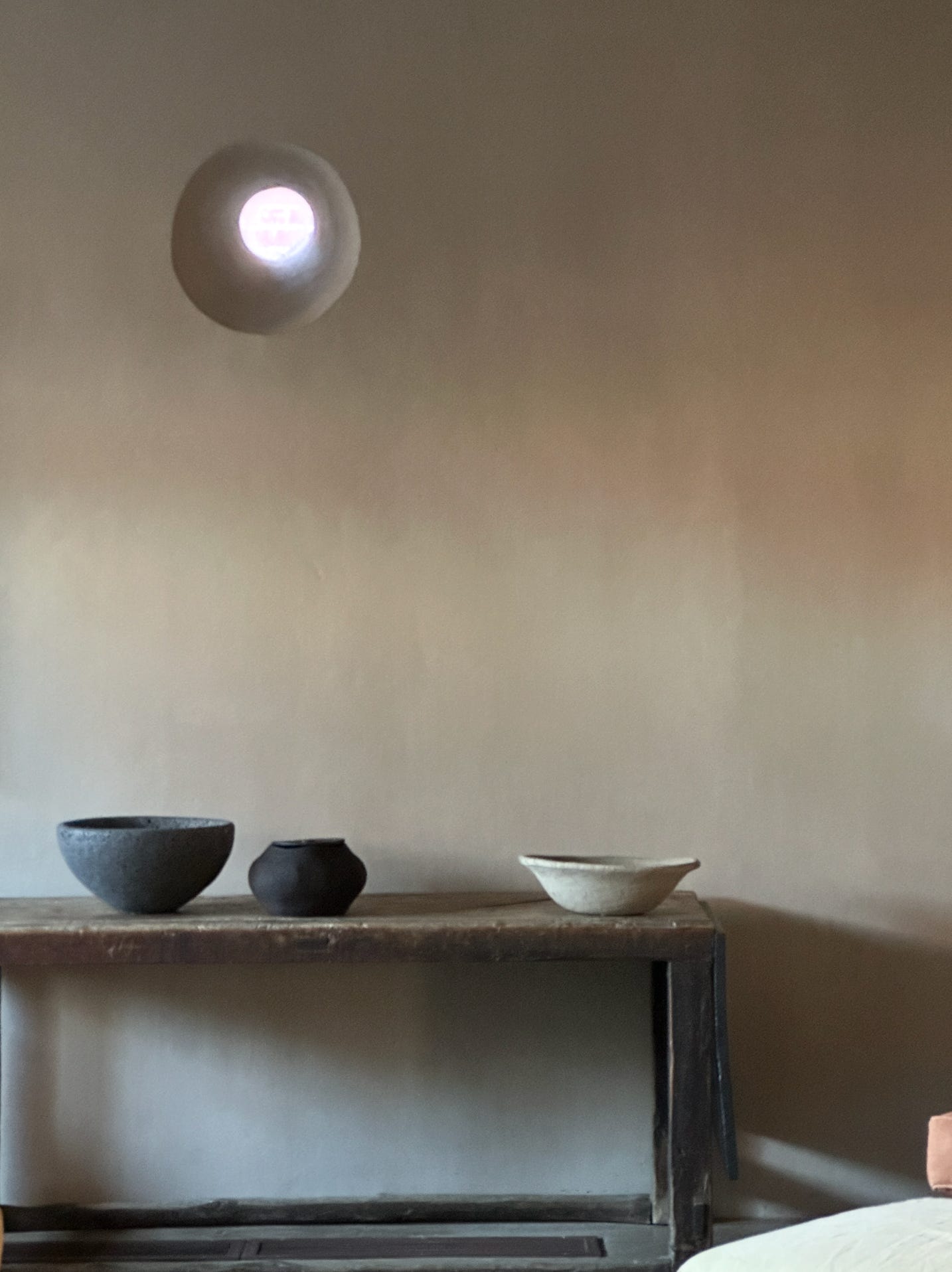
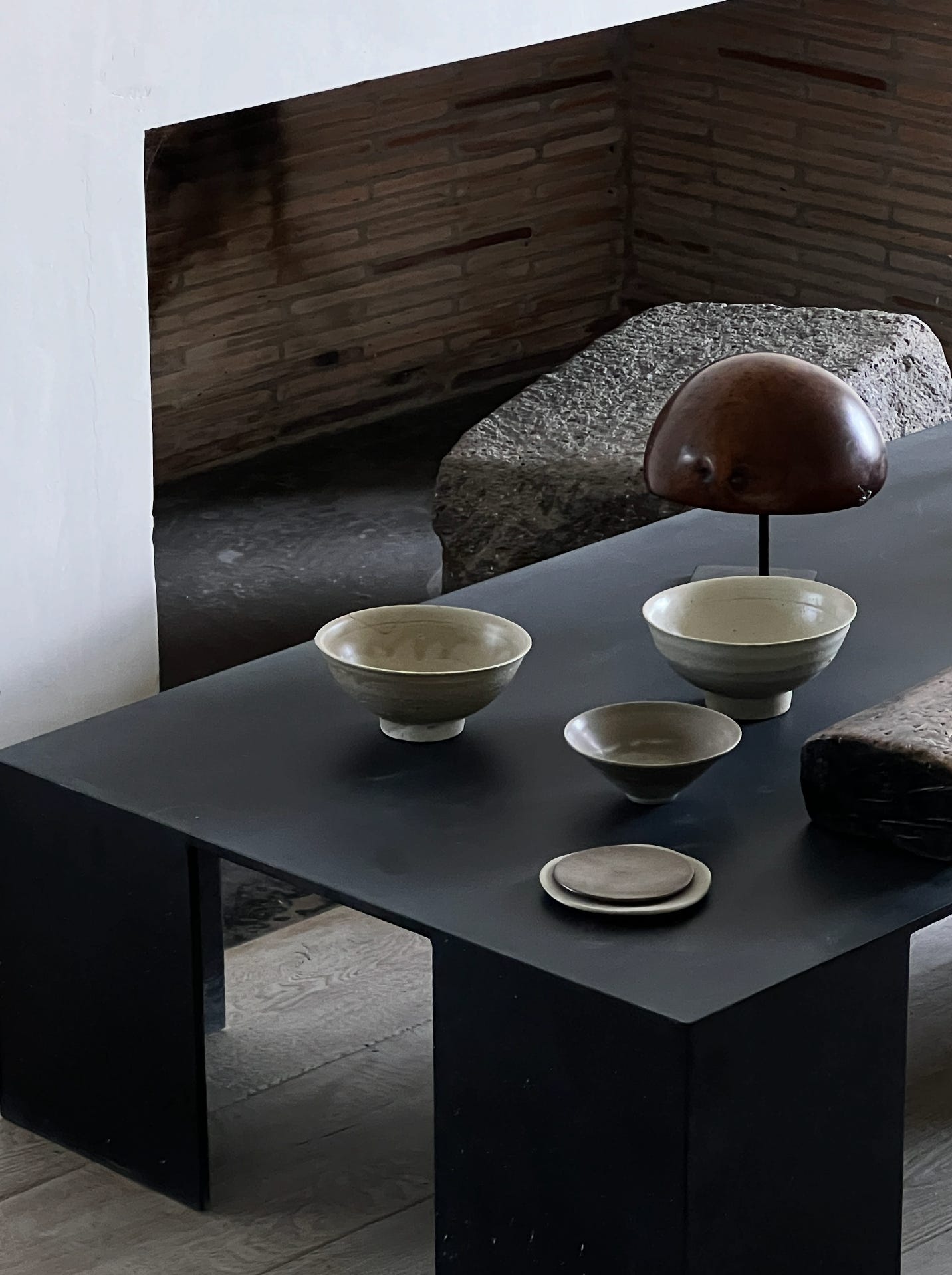
I think decorative objects have become so emotionally loaded because our homes are now expected to explain us almost immediately.
A room has about four seconds to establish:
taste,
worldview,
economic literacy,
relationship to Europe,
and whether or not you own a subscription to Cabana magazine.
This is a lot to ask from a side table.
So objects have started over-functioning emotionally. Every vessel is trying to tell a story. Every stool is quietly auditioning. Every surface seems to be working very hard to imply a person.
And somewhere along the way, styling became less about living with objects and more about signaling fluency through them.
We started styling our homes like personal brands.
That’s when the bowl became sentient.
You can feel it evaluating you.
I realized this recently while styling my own shelves, which is always humbling because nothing exposes your psychological patterns faster than repeatedly moving the same stone object around for forty minutes while insisting you’re “almost there.”
At some point I stepped back and realized the room looked deeply informed and not remotely alive.
Everything was beautiful.
Nothing had pulse.
There were objects everywhere implying a person instead of revealing one.
And I think that’s the danger of styling culture when it becomes too optimized. You stop choosing objects because they genuinely fascinate or comfort or surprise you. You start choosing them because they already belong to a visual language everyone agrees reads as tasteful.
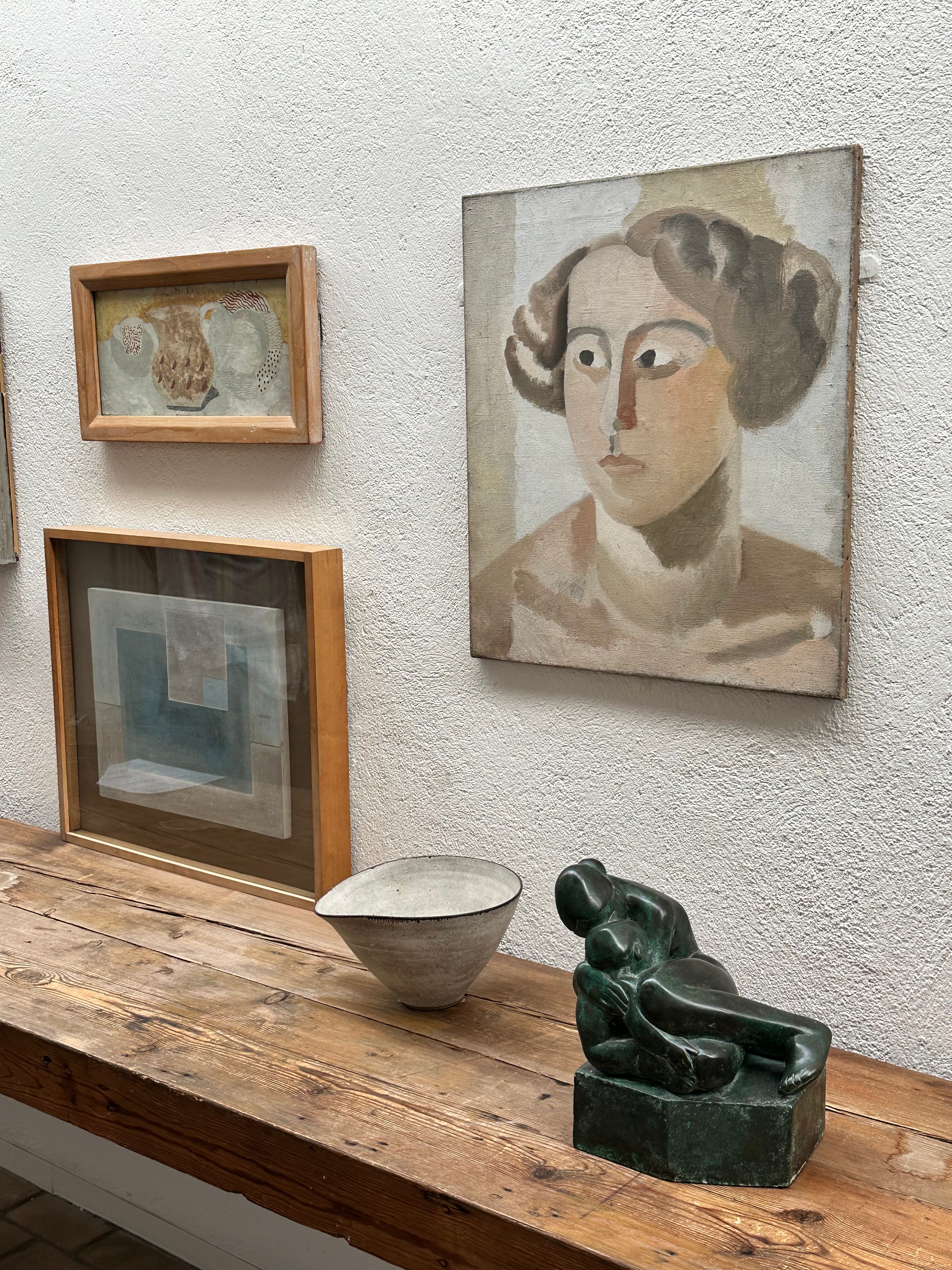
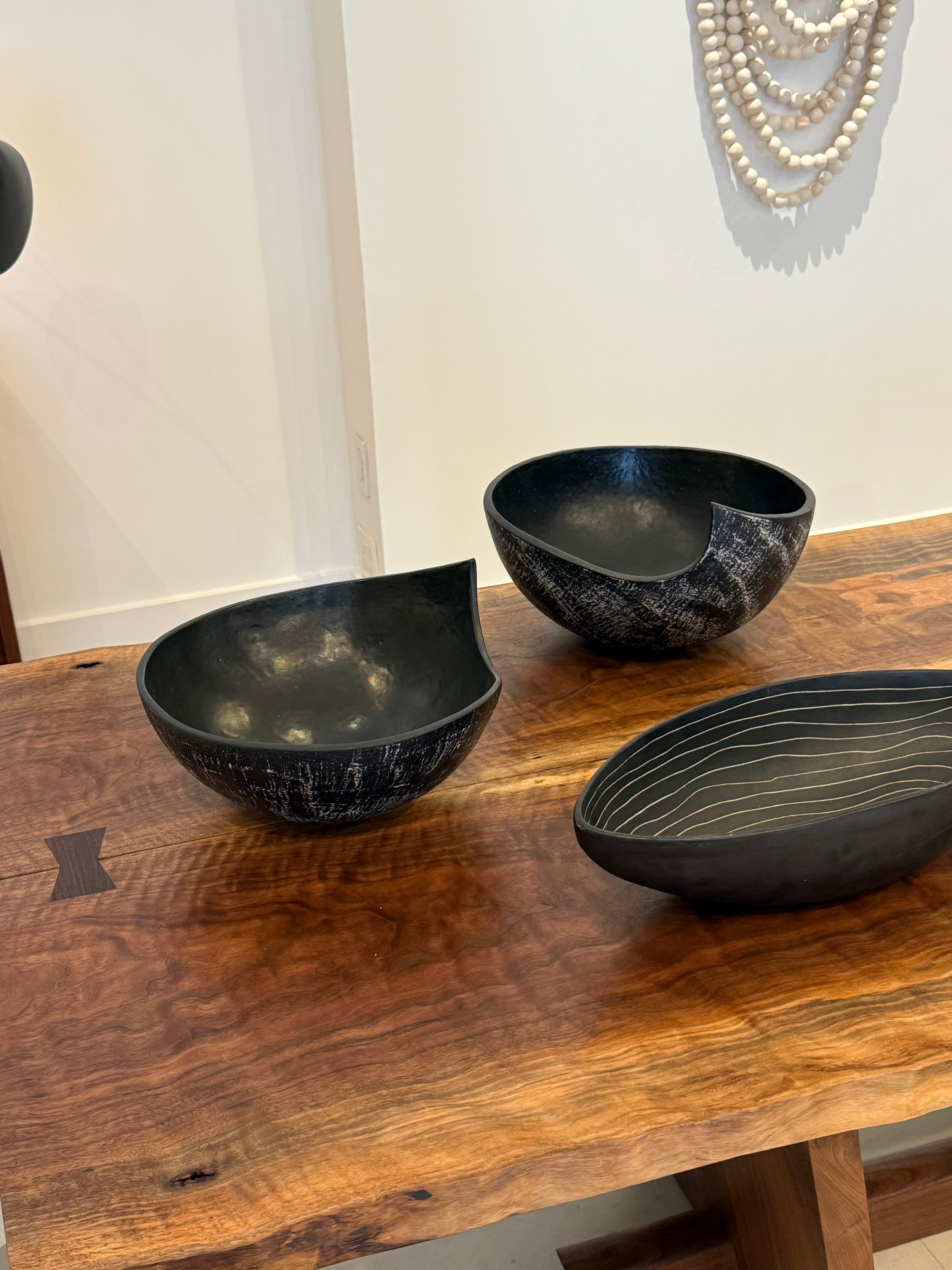
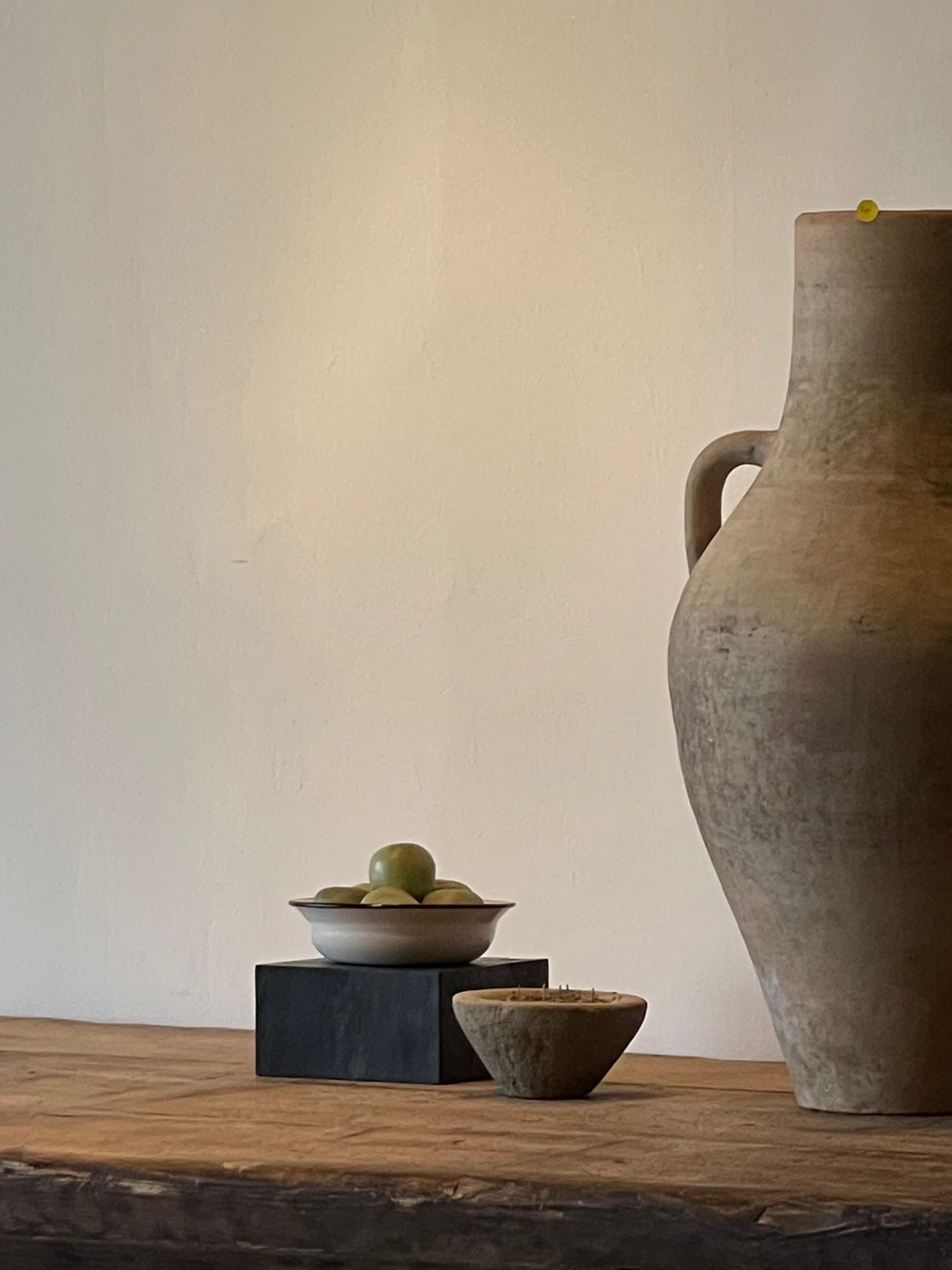
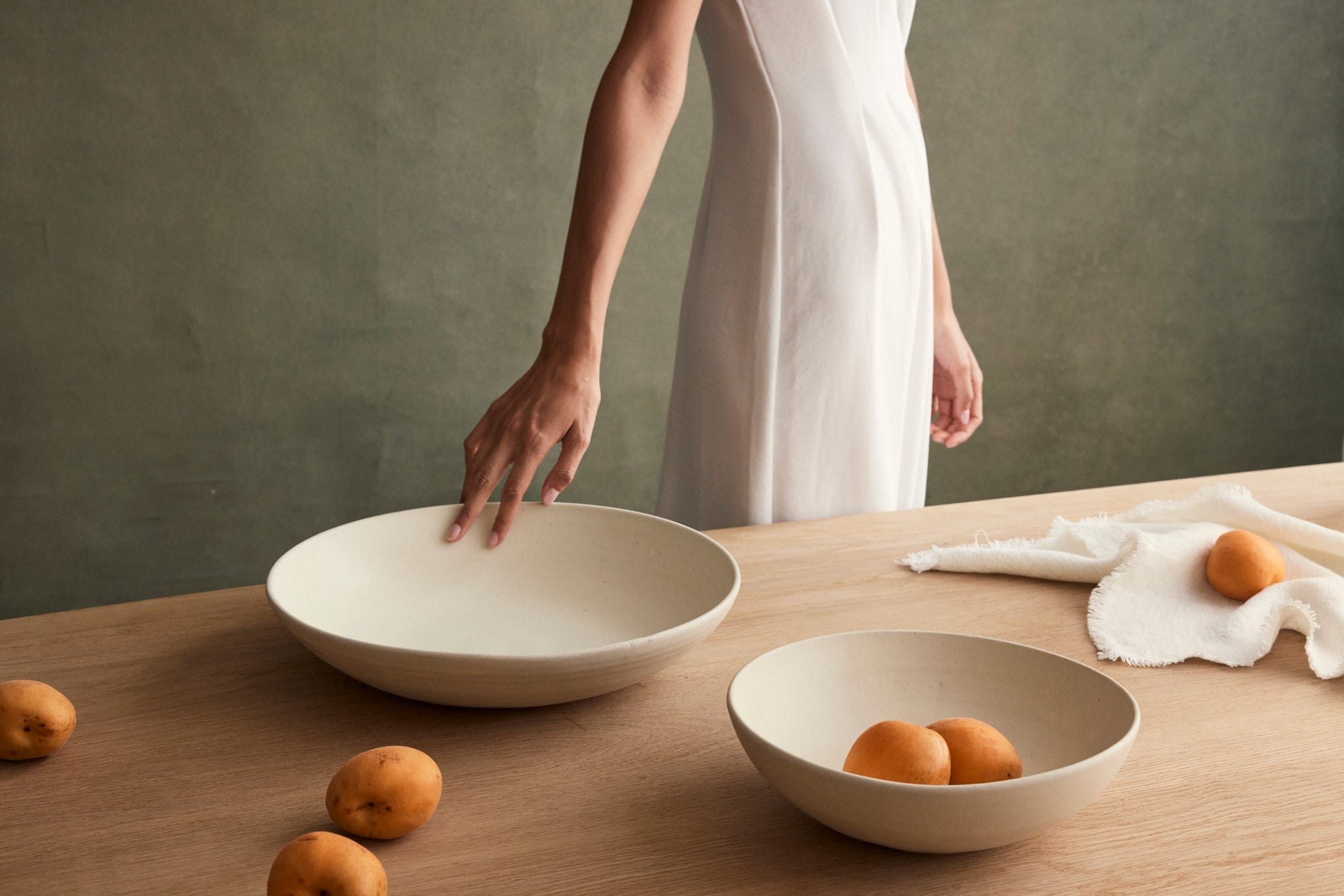
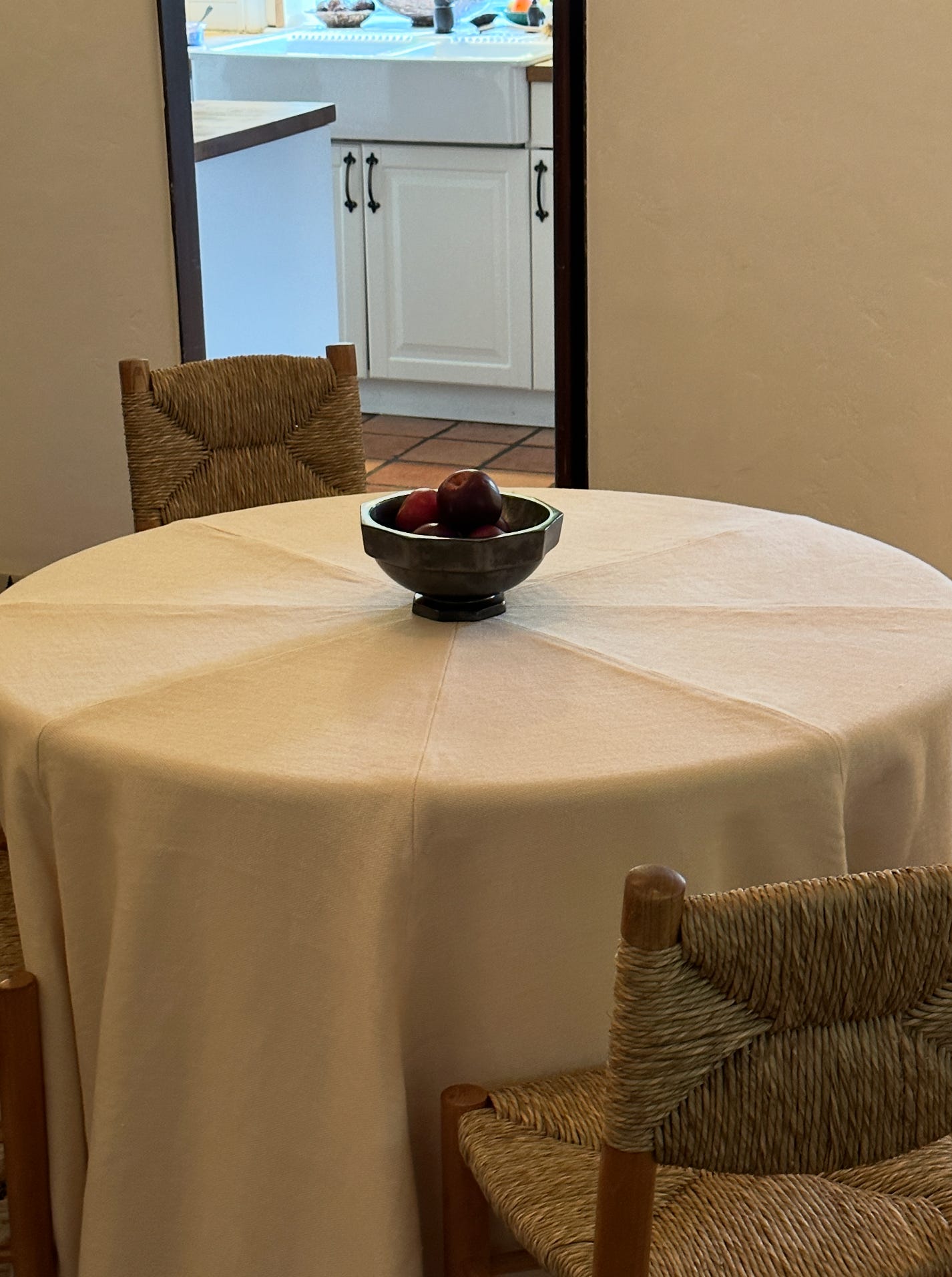
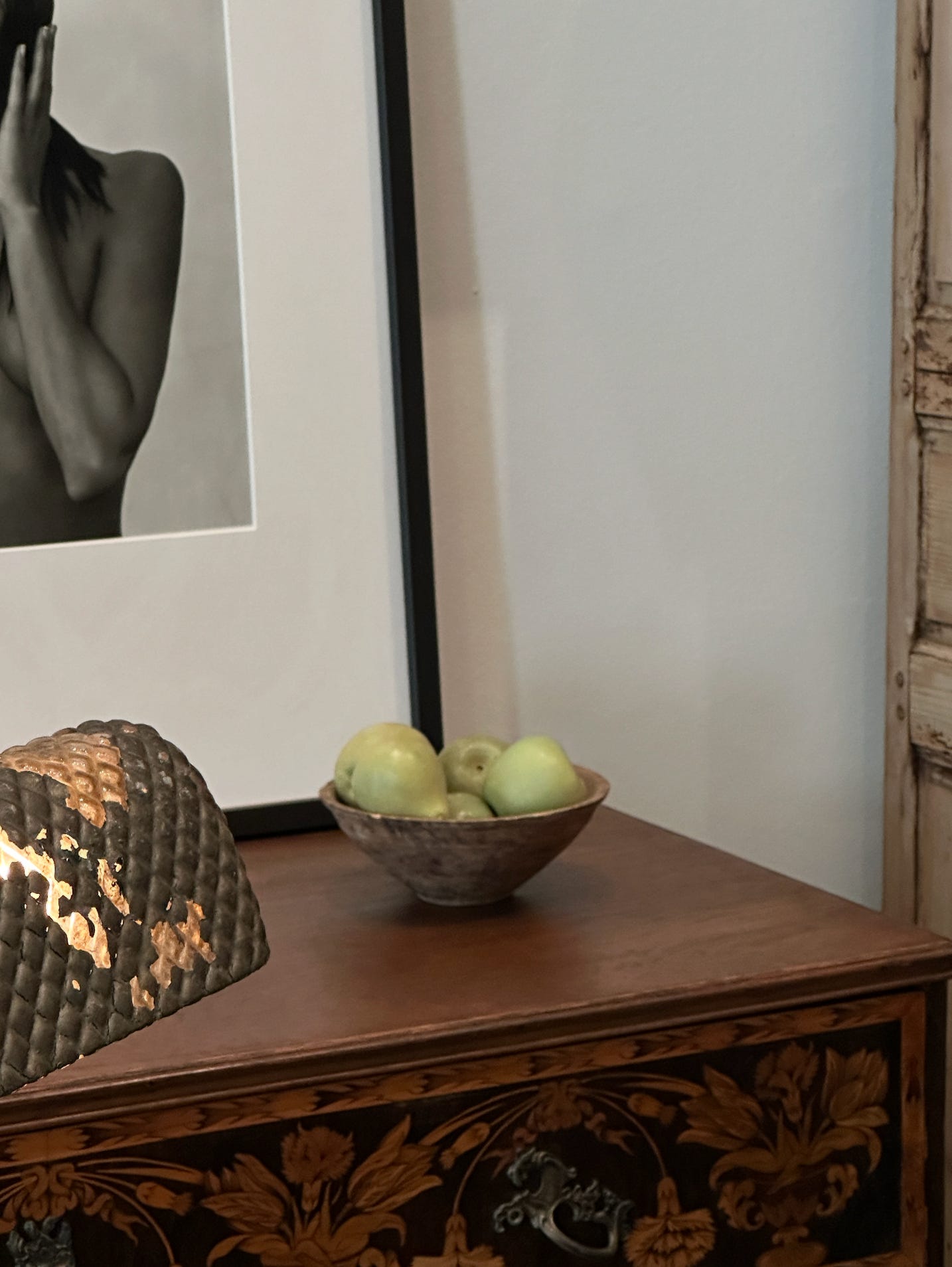
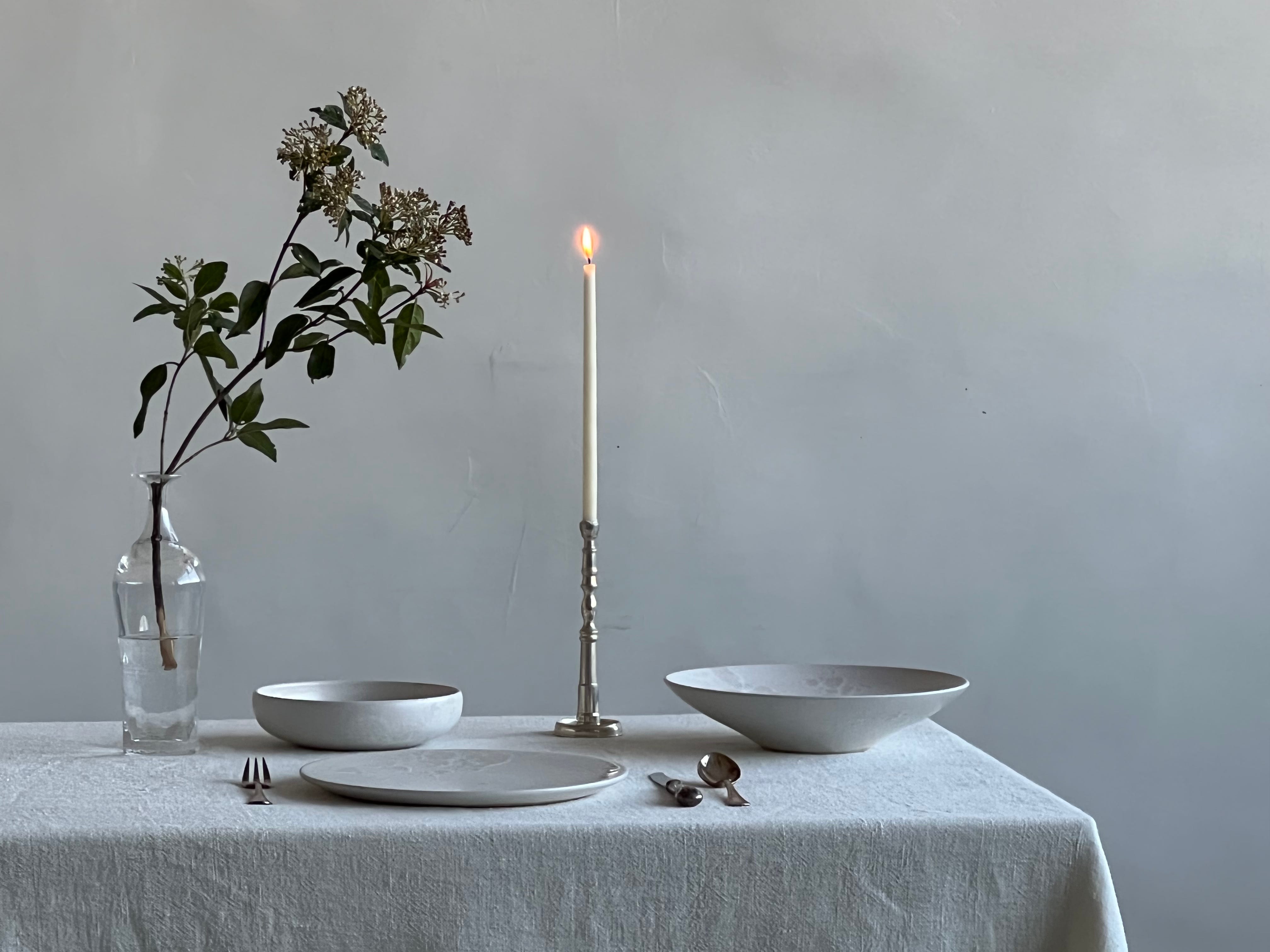
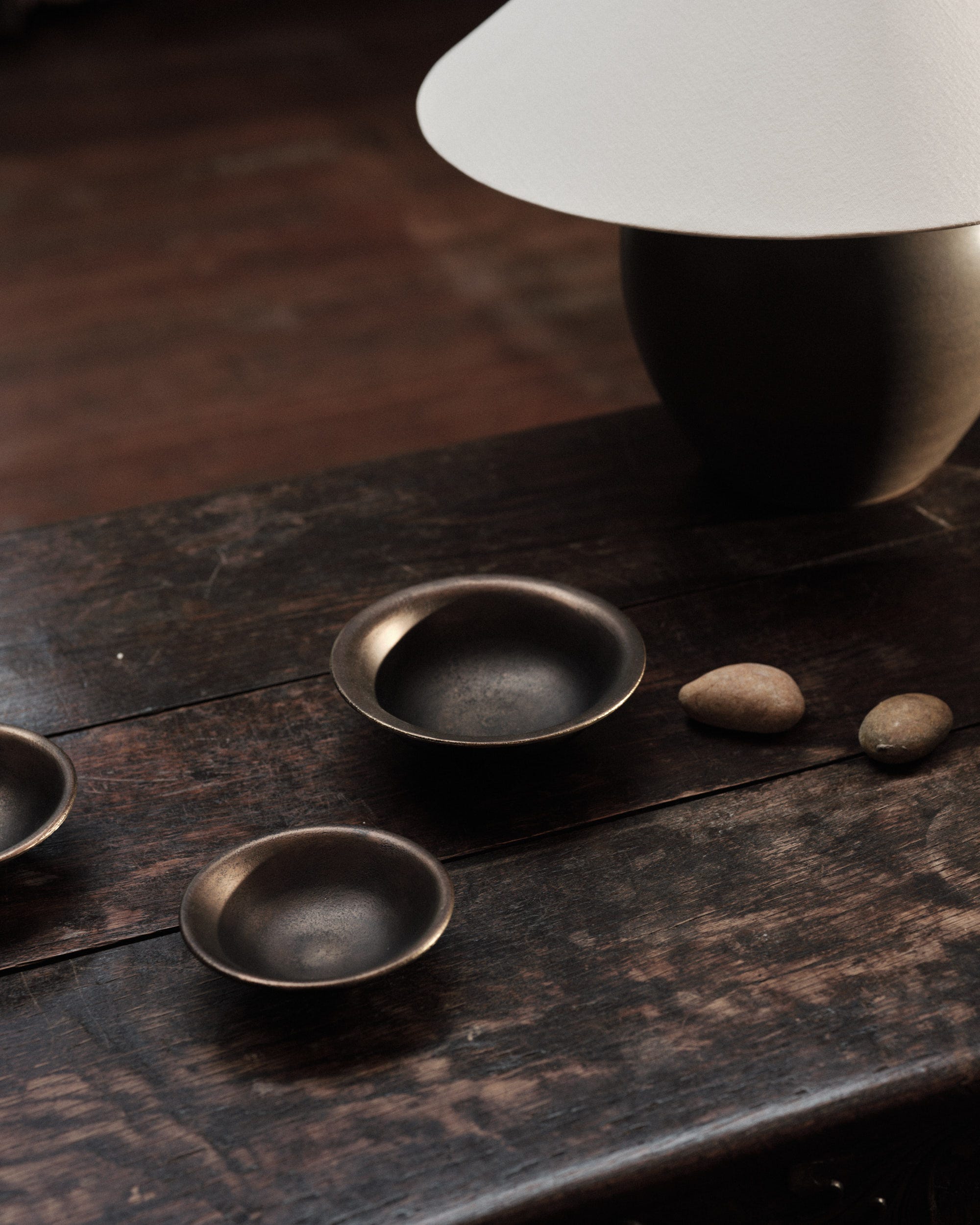
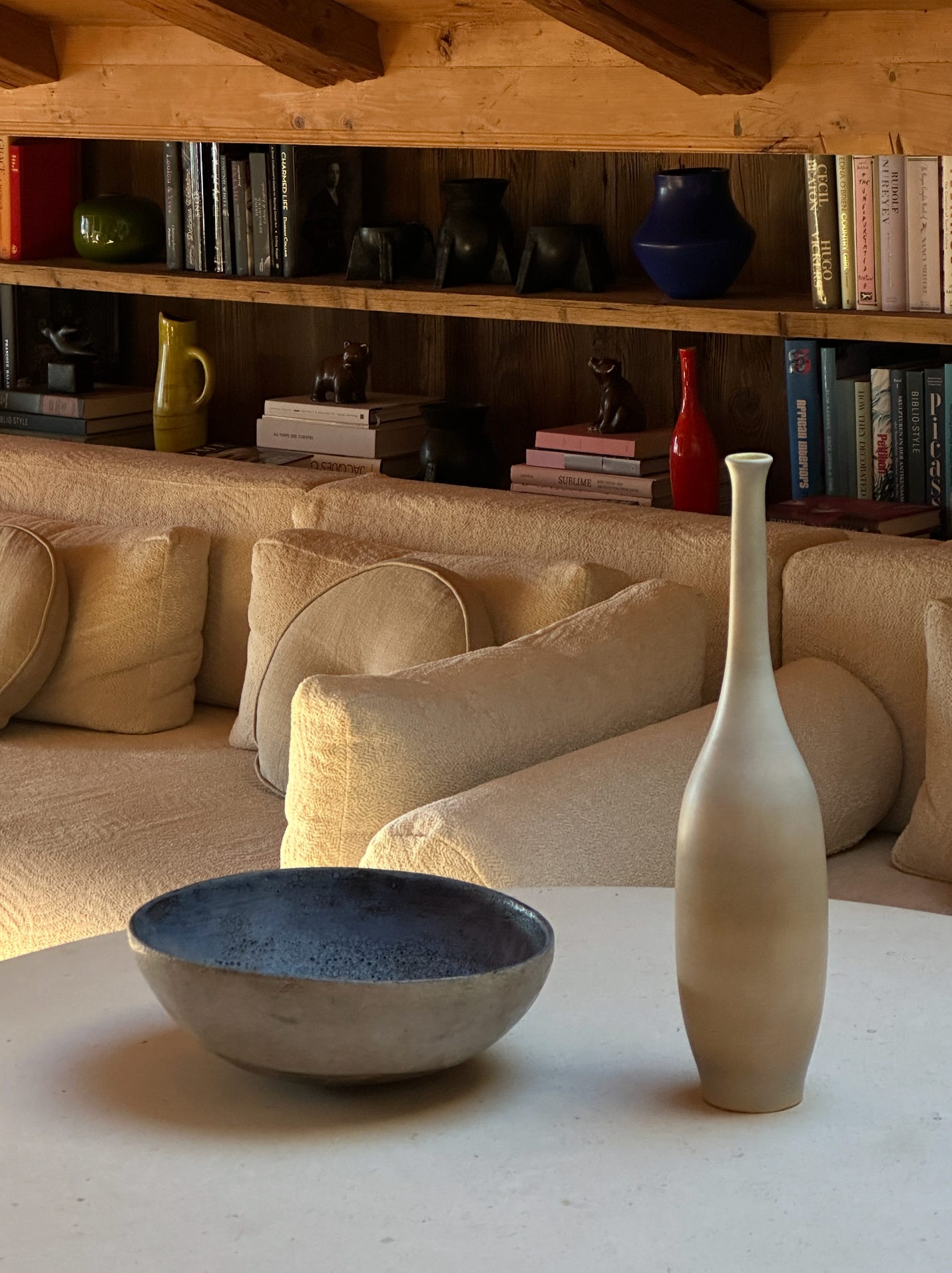
The bowl stops supporting the personality and starts standing in for it.
Which is unfortunate because decorative bowls, when they’re good, are actually incredible.
A monumental ceramic bowl can anchor an entire dining table. A shallow bronze bowl can make a room feel quieter somehow. A hand-carved wooden bowl filled with absolutely nothing can still create warmth because the object itself carries evidence of touch, time, material, humanity.
The best bowls don’t just accessorize a room.
They create pause.
And maybe that’s the distinction.
A good decorative object deepens a room.
A bad one just reassures it.
Lately, I’ve been trying a small experiment at home.
If an object feels like it’s only communicating taste, but not actually revealing anything about me, I remove it for a few days. Not forever. Just long enough to see whether the room actually misses it.
Sometimes it does. Sometimes the object was creating structure or softness or rhythm in a way I hadn’t fully appreciated.
But sometimes removing it reveals something else entirely. That I’d been using the object like a placeholder personality. Filling space visually without contributing any real emotional weight.
Those are usually the pieces I chose because they looked correct instead of because I actually loved them.
And weirdly, the room almost always improves afterward. Not because it becomes emptier. Because it becomes more specific.
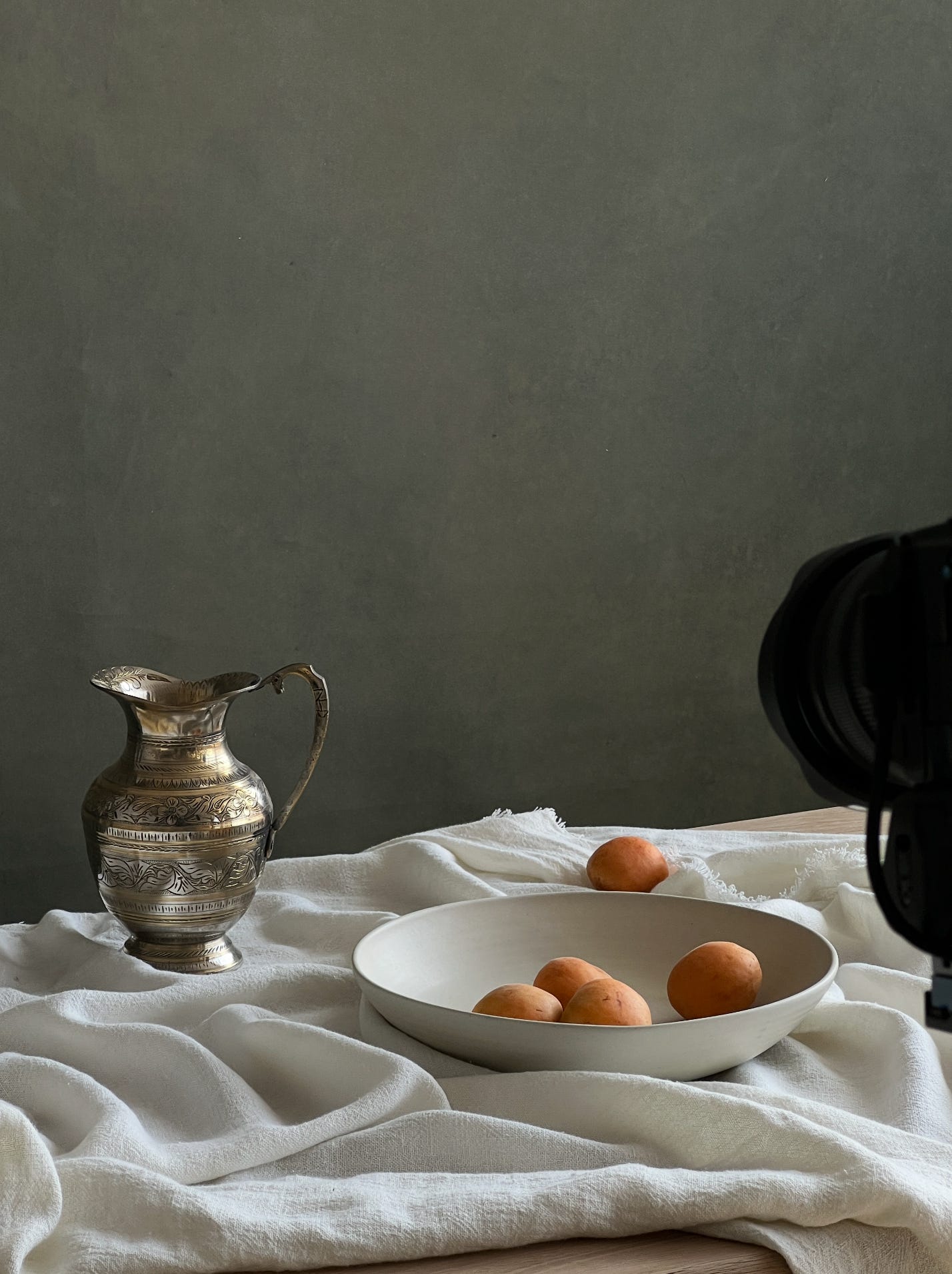
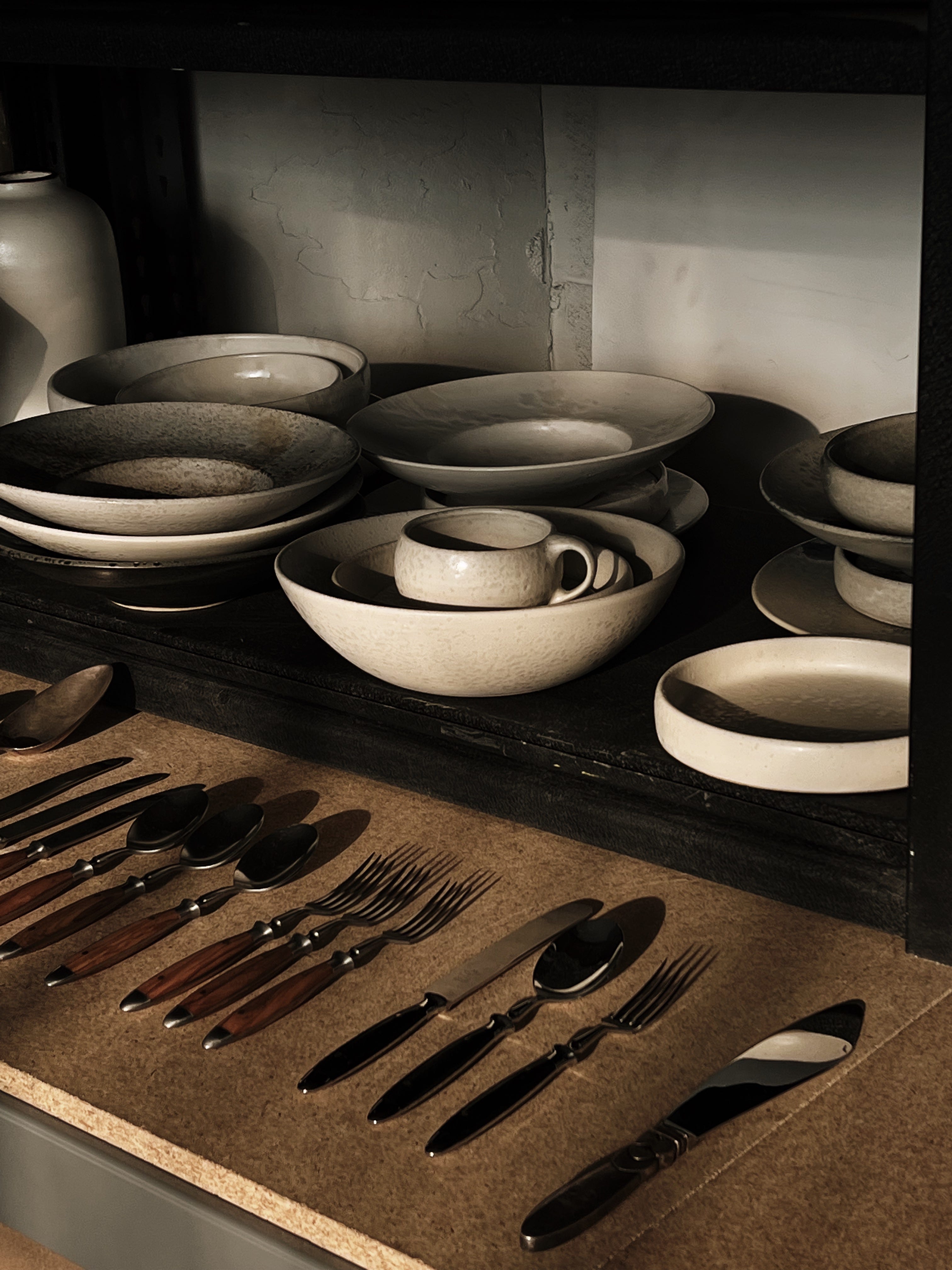
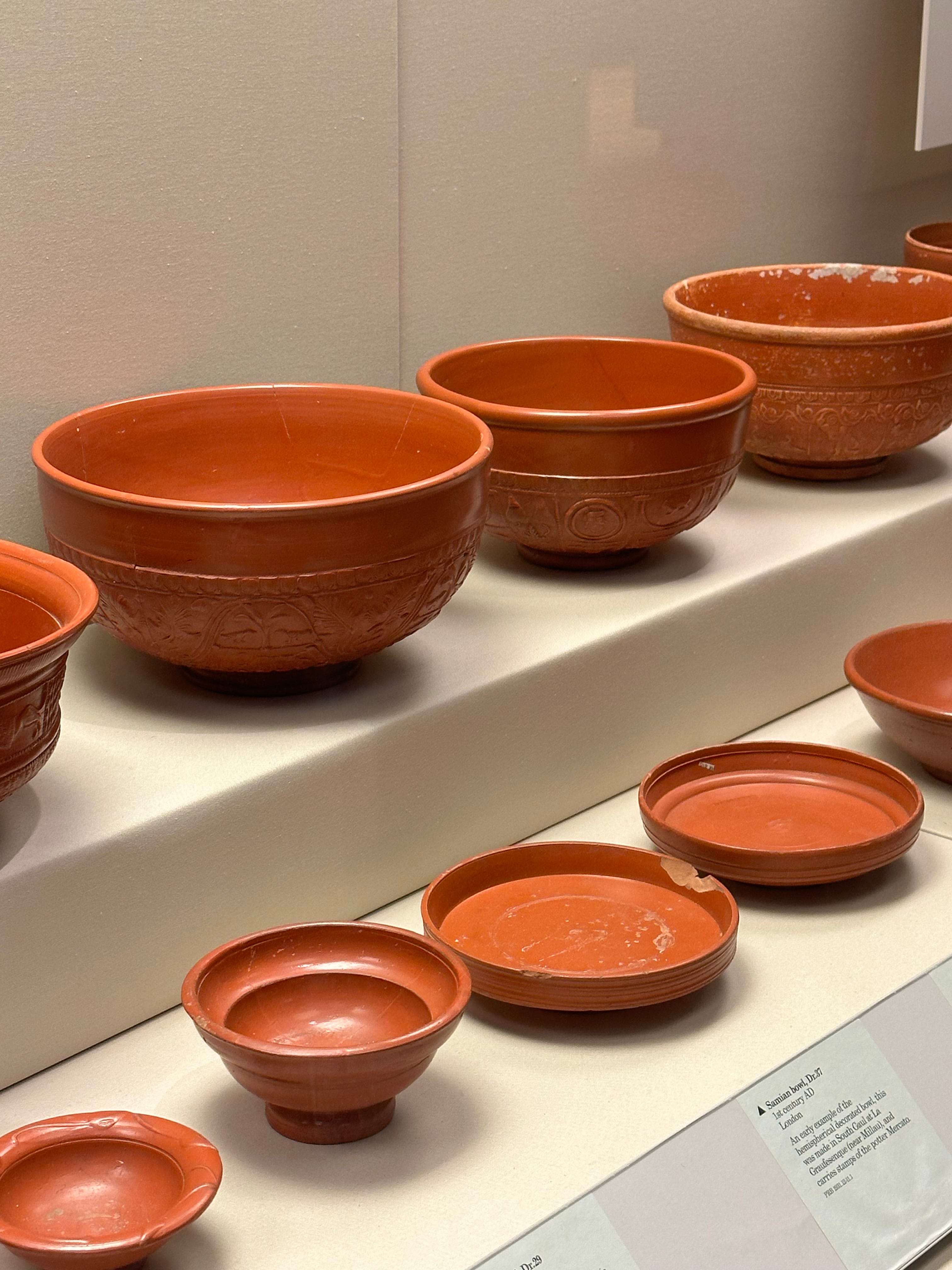
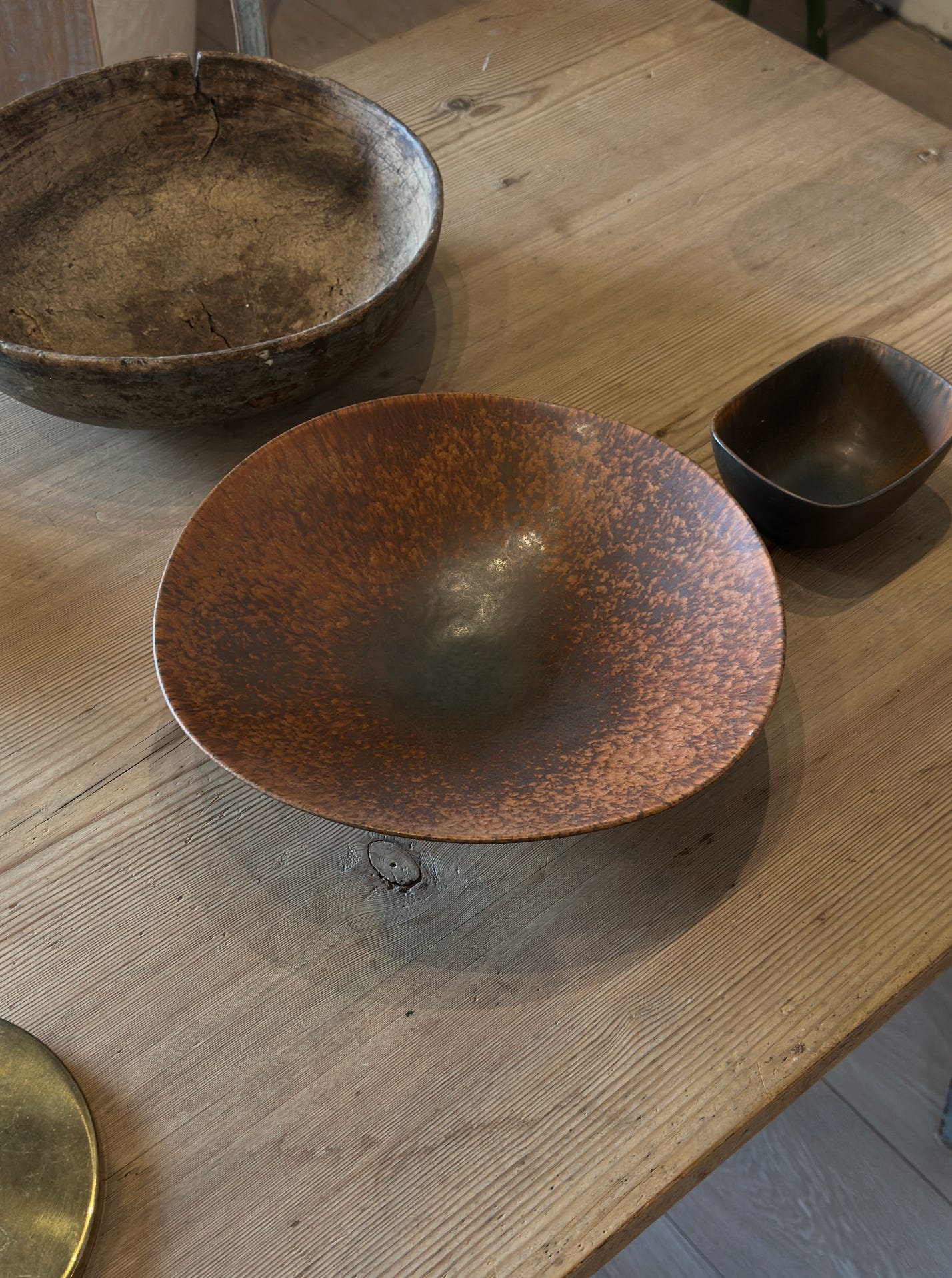
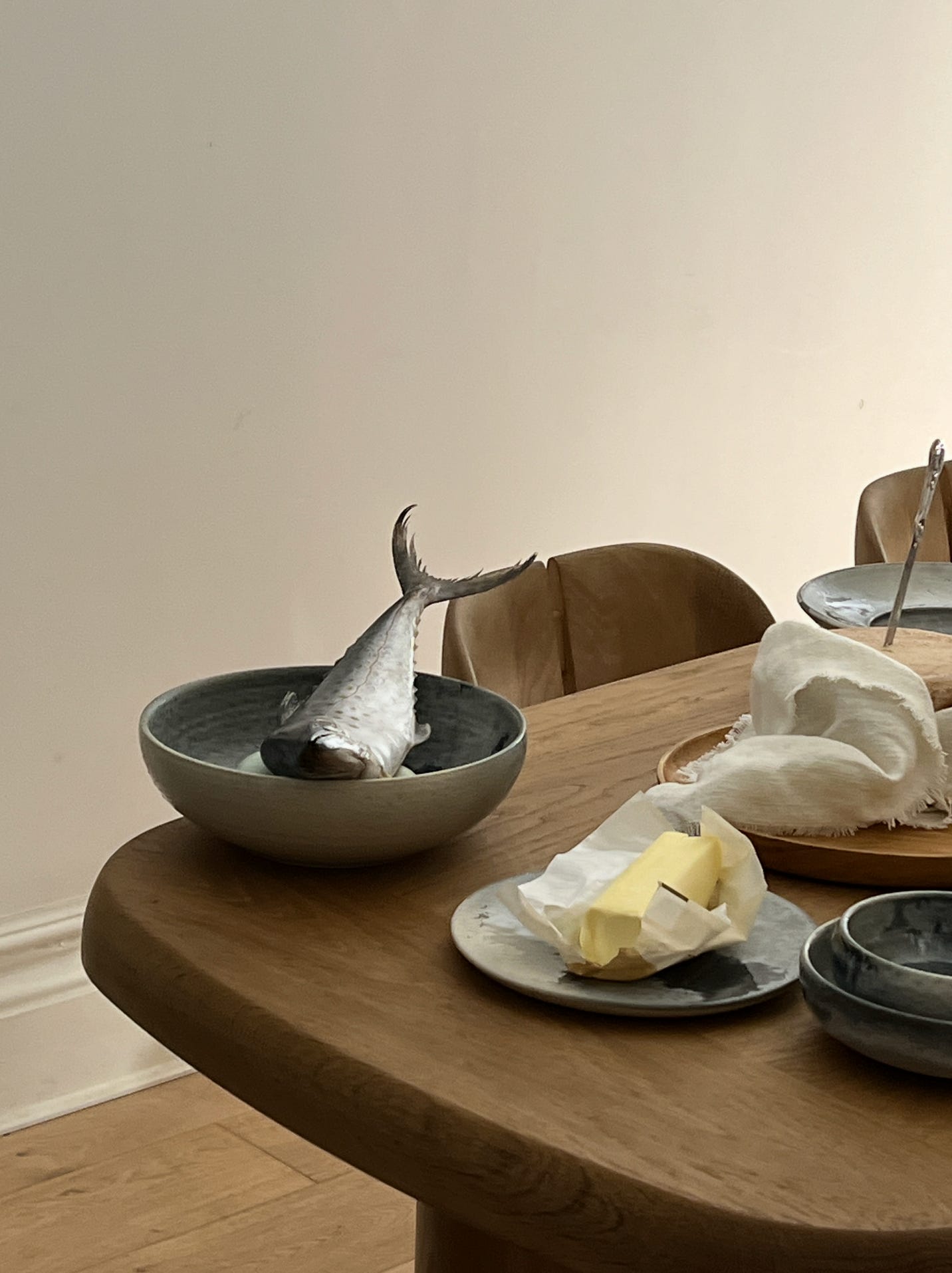
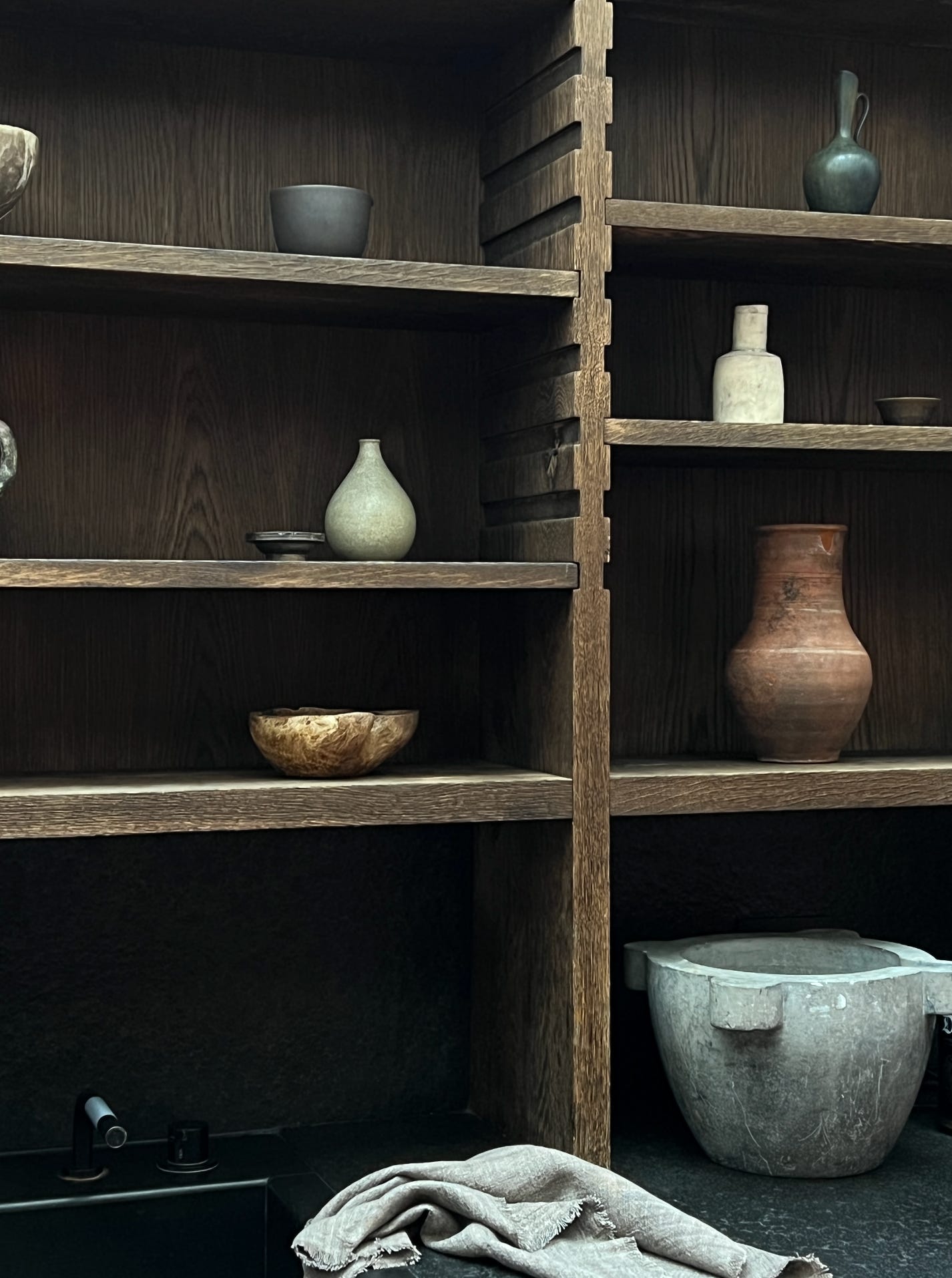
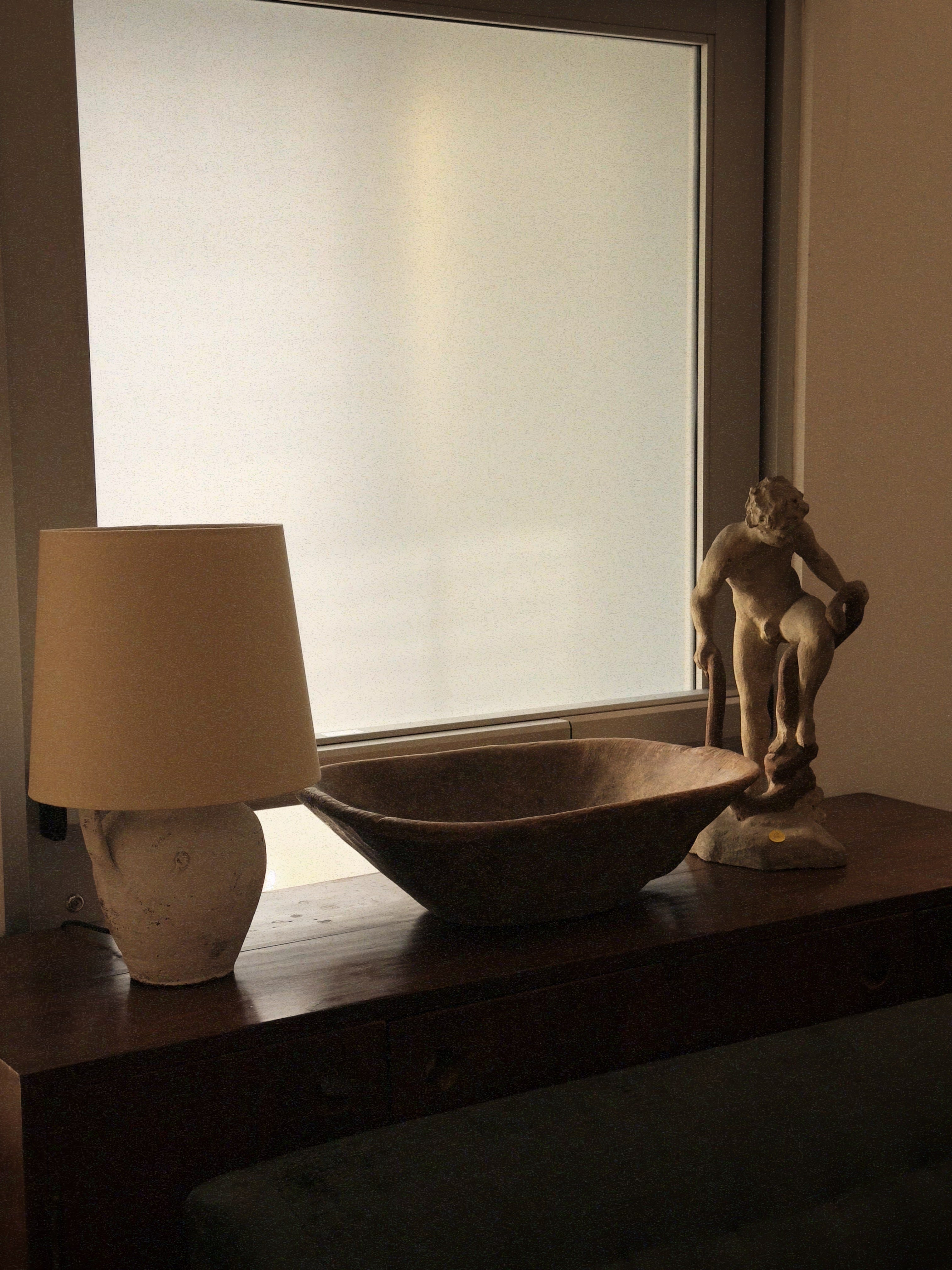
I think people underestimate how much warmth comes from evidence of actual use. A bowl filled with lemons from the corner store is usually more compelling than a perfect empty vessel trying very hard to imply restraint. A stack of books someone is genuinely reading has a completely different energy than books arranged spine-first like they’re entering witness protection.
The objects that make a home feel alive are rarely the ones trying hardest to look tasteful.
They’re the ones accidentally revealing a life.
I think about collectors a lot in this context because true collectors don’t acquire objects to complete an image. They acquire them because they become slightly obsessed. The objects carry emotional residue, curiosity, compulsion. A collector’s home feels different because the objects are not auditioning for approval. They’ve already been chosen for reasons that often don’t translate immediately.
That’s why those homes stay with you.
Not because every object is beautiful. But because every object feels believed in.
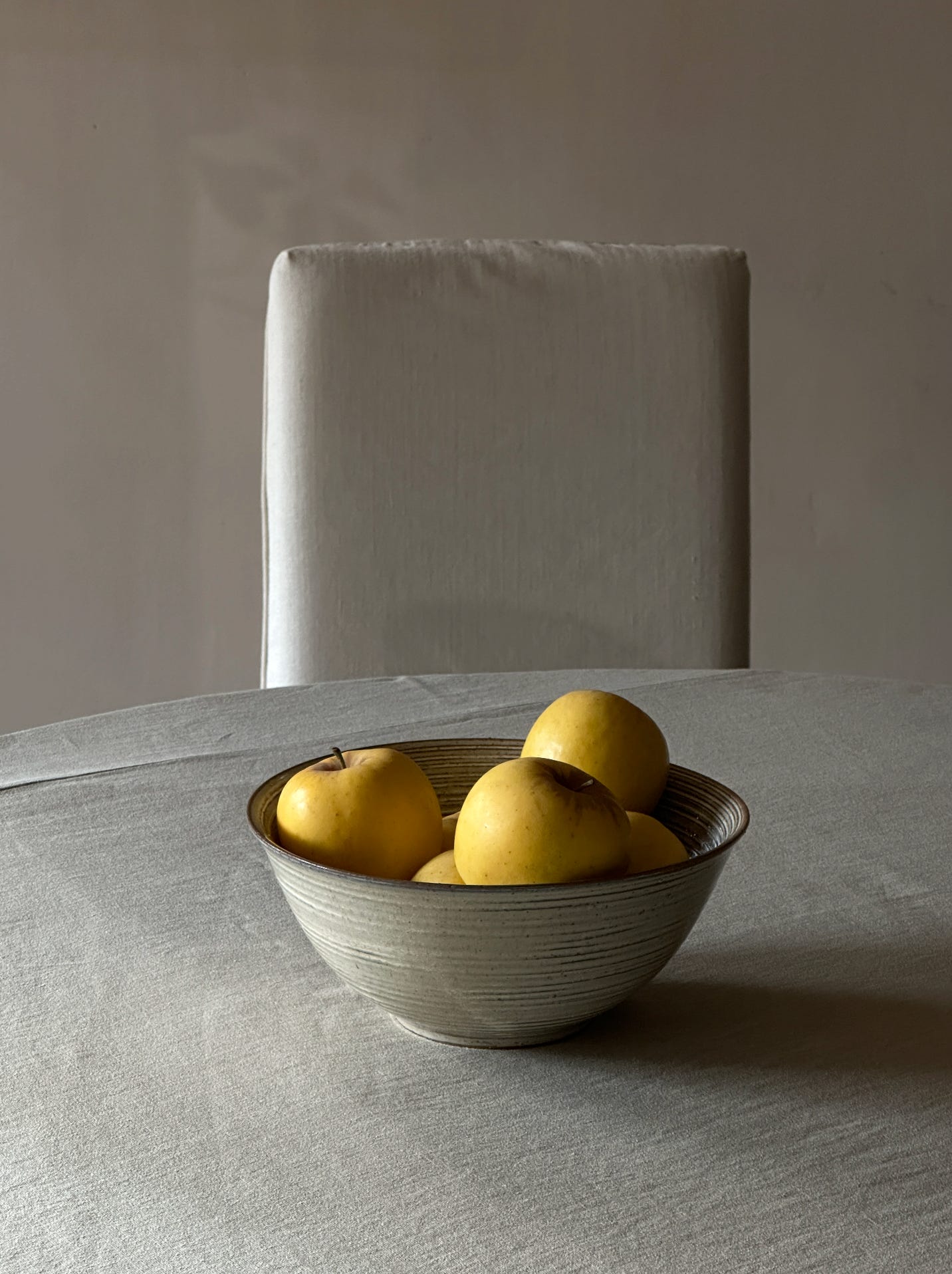
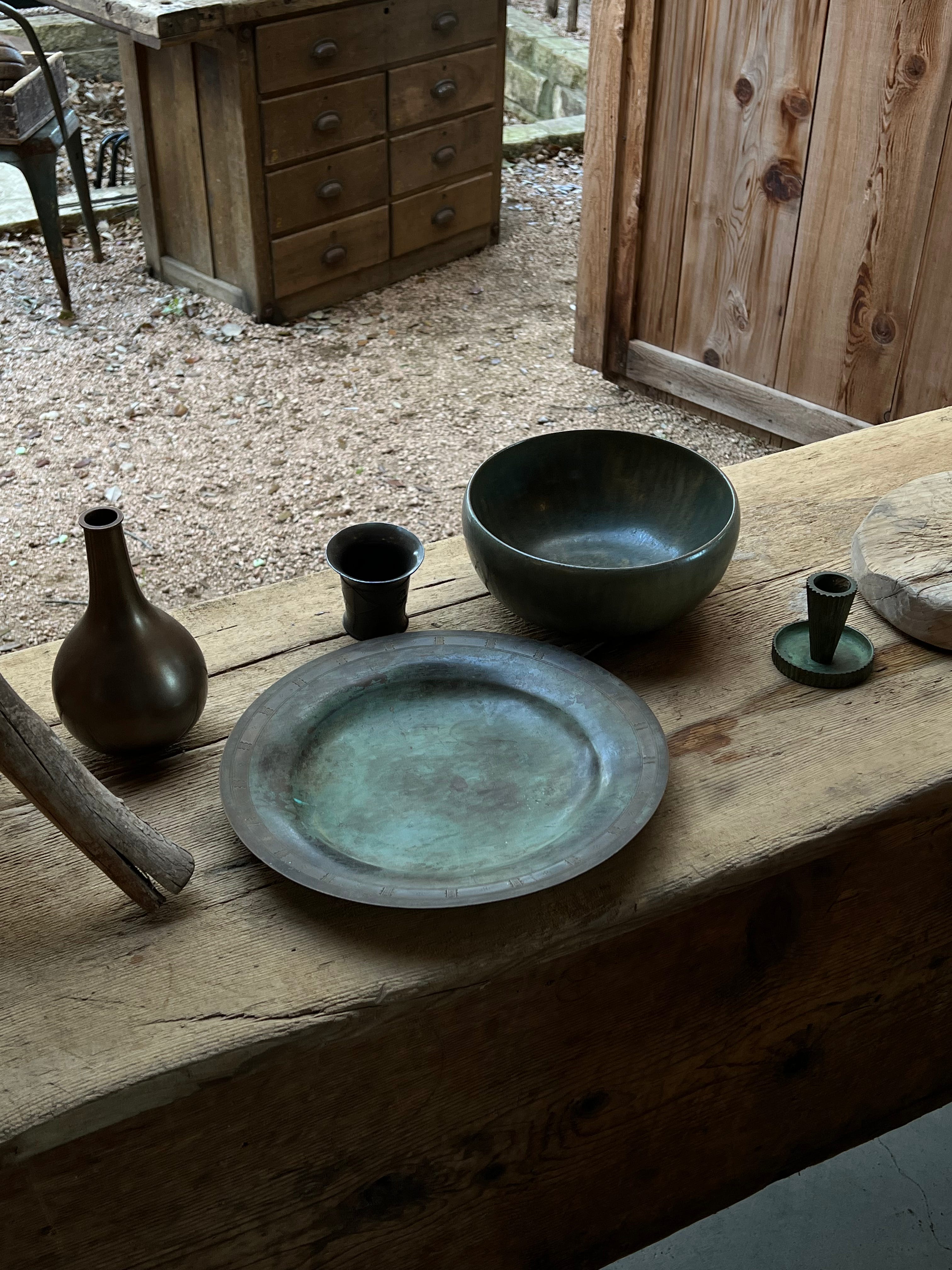
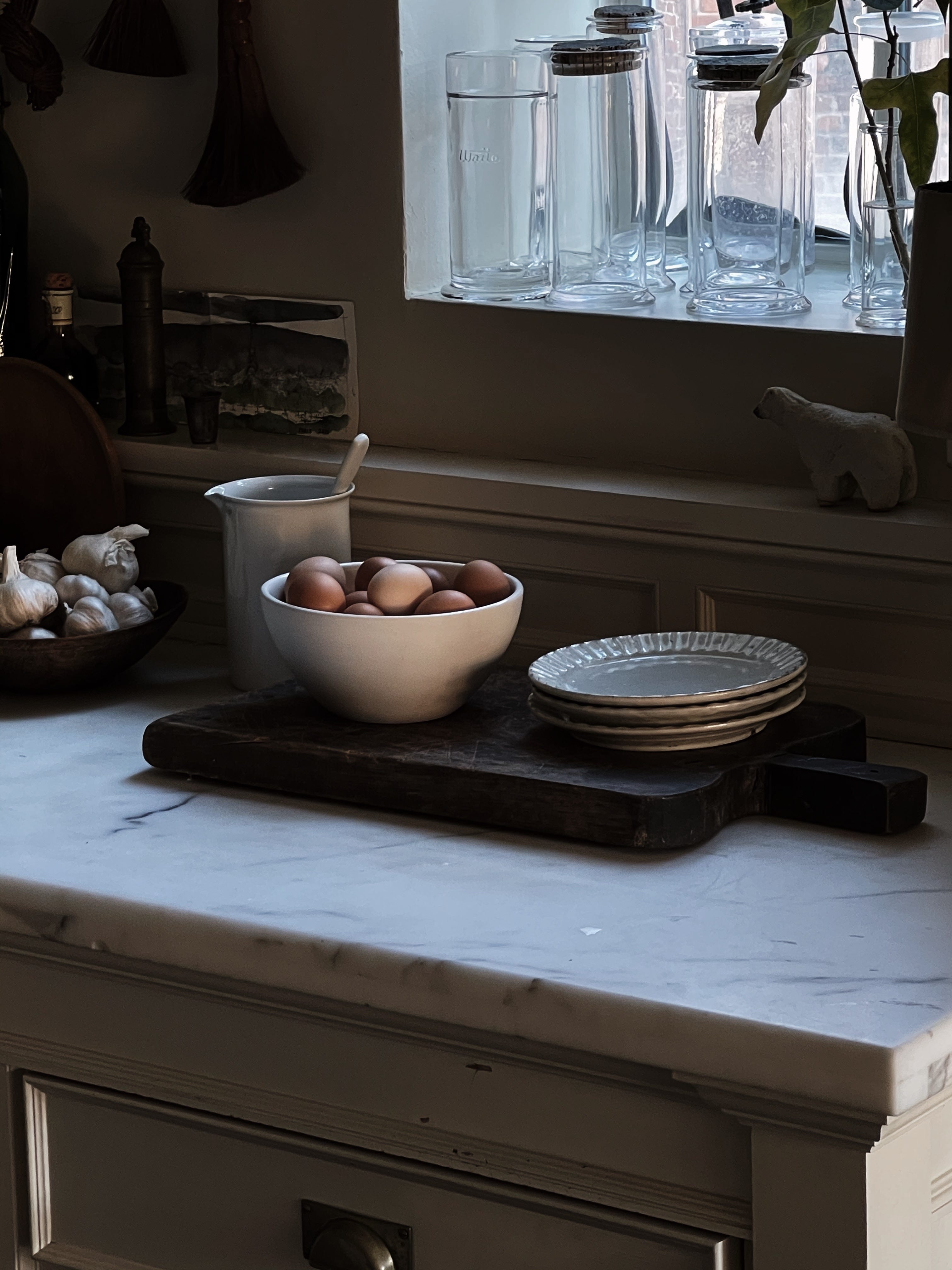
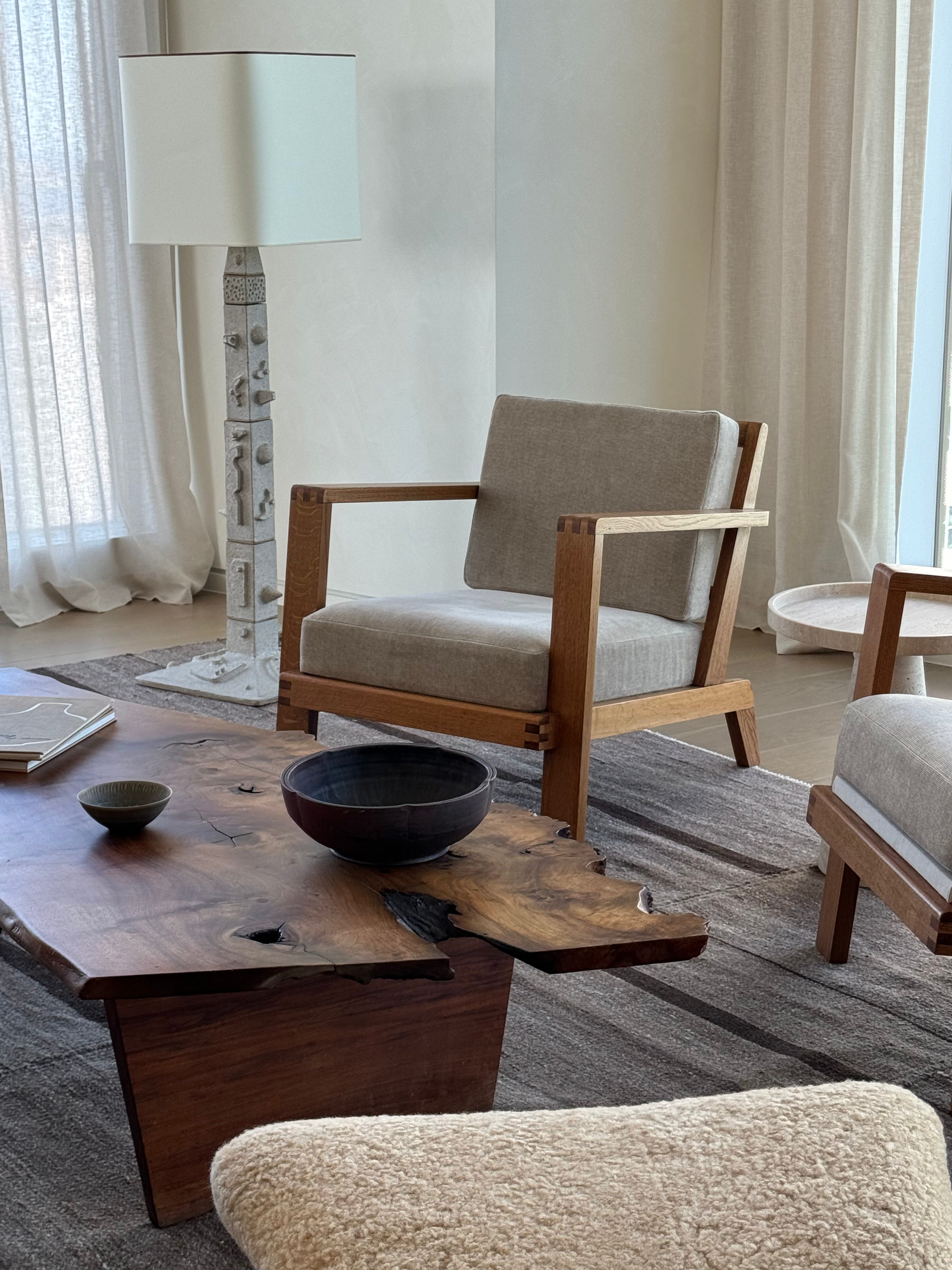
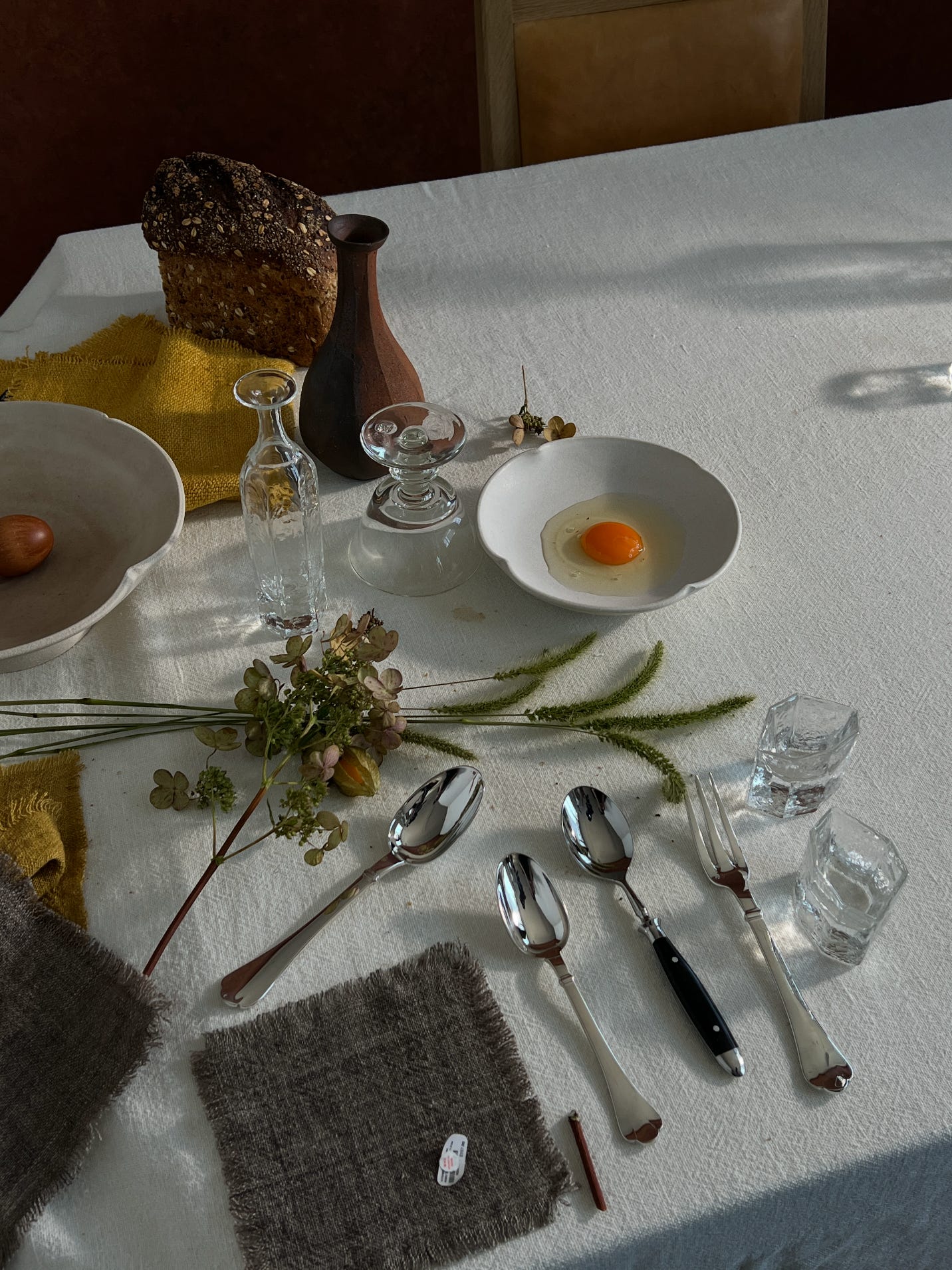
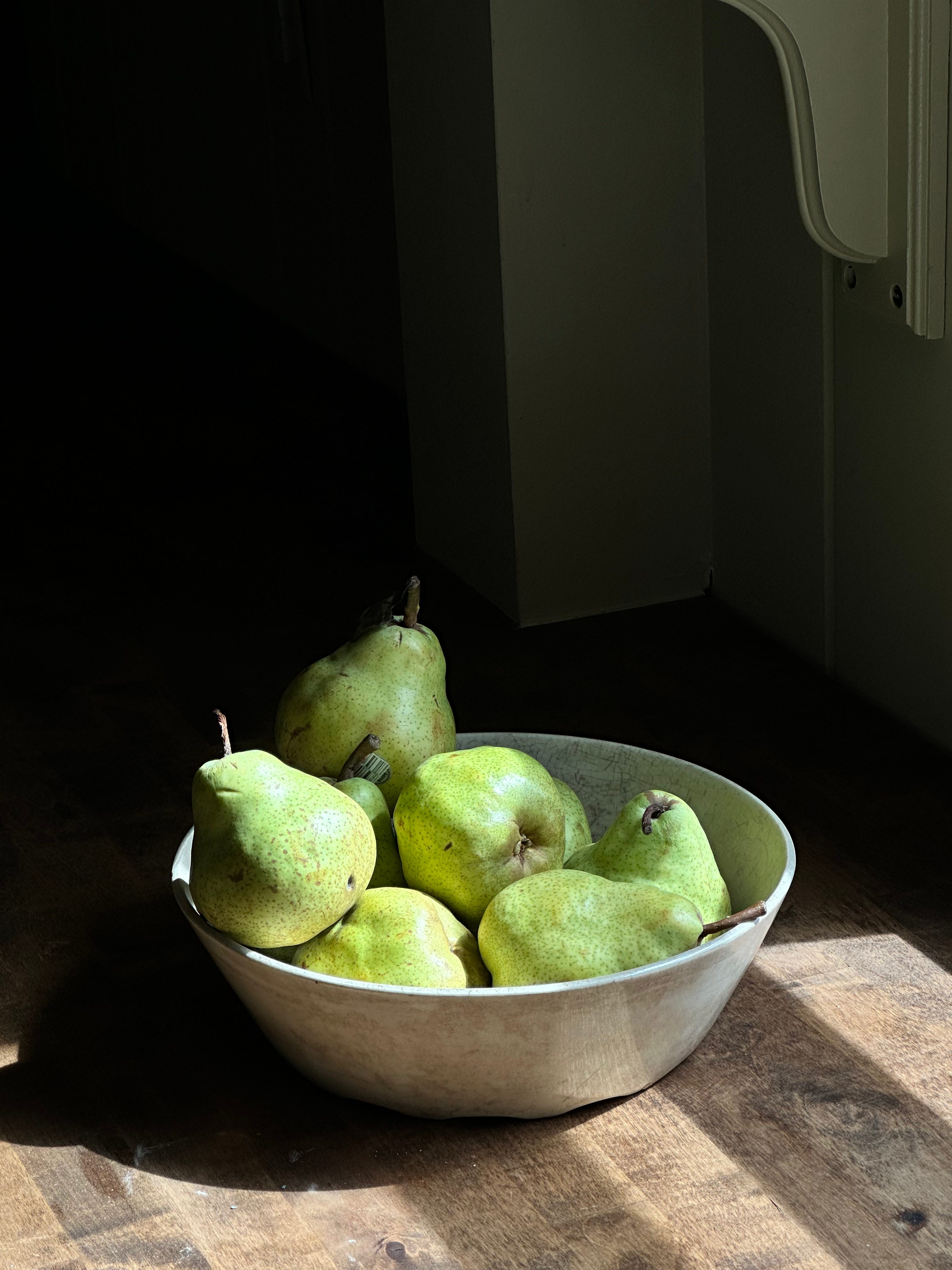
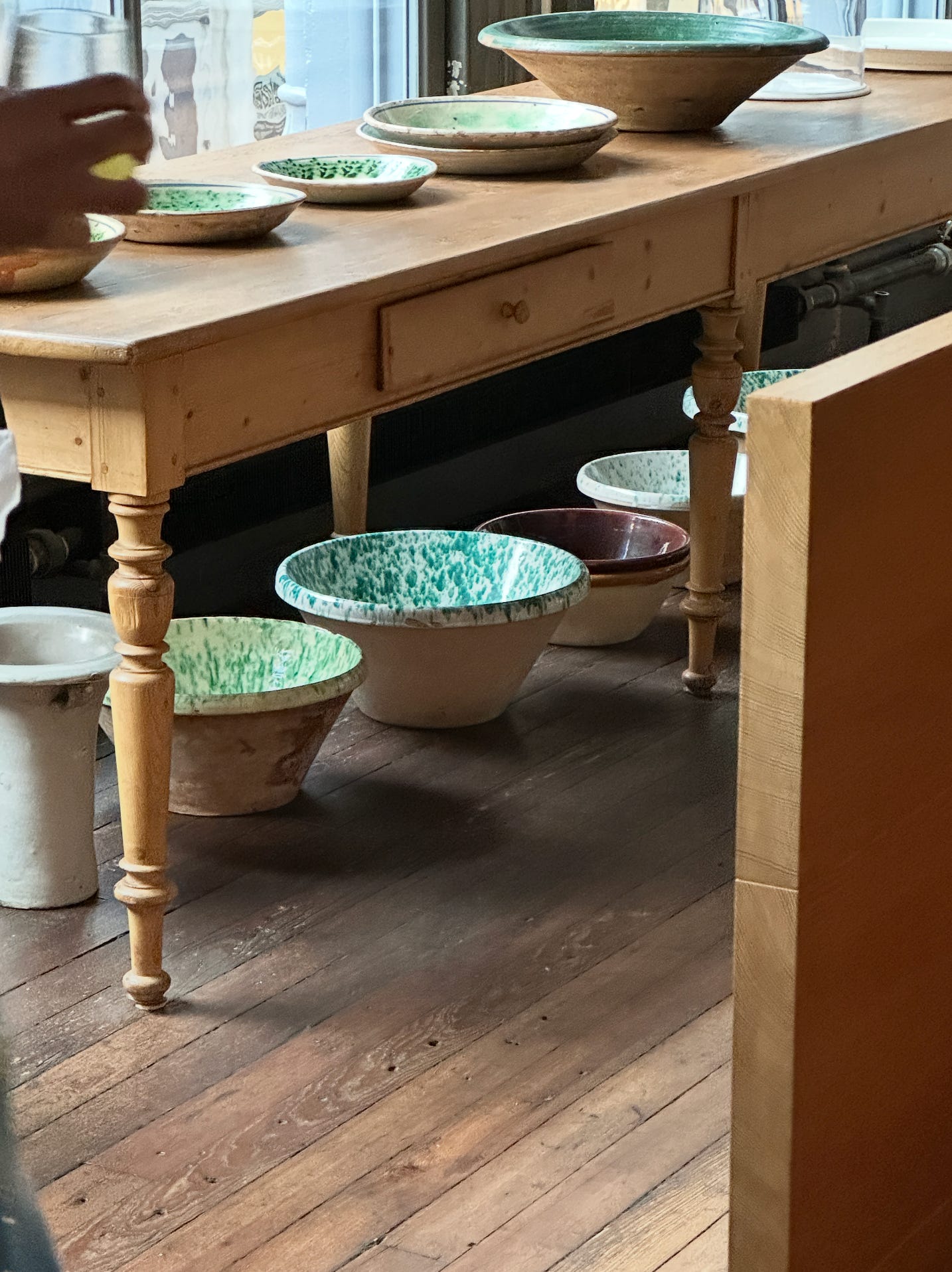
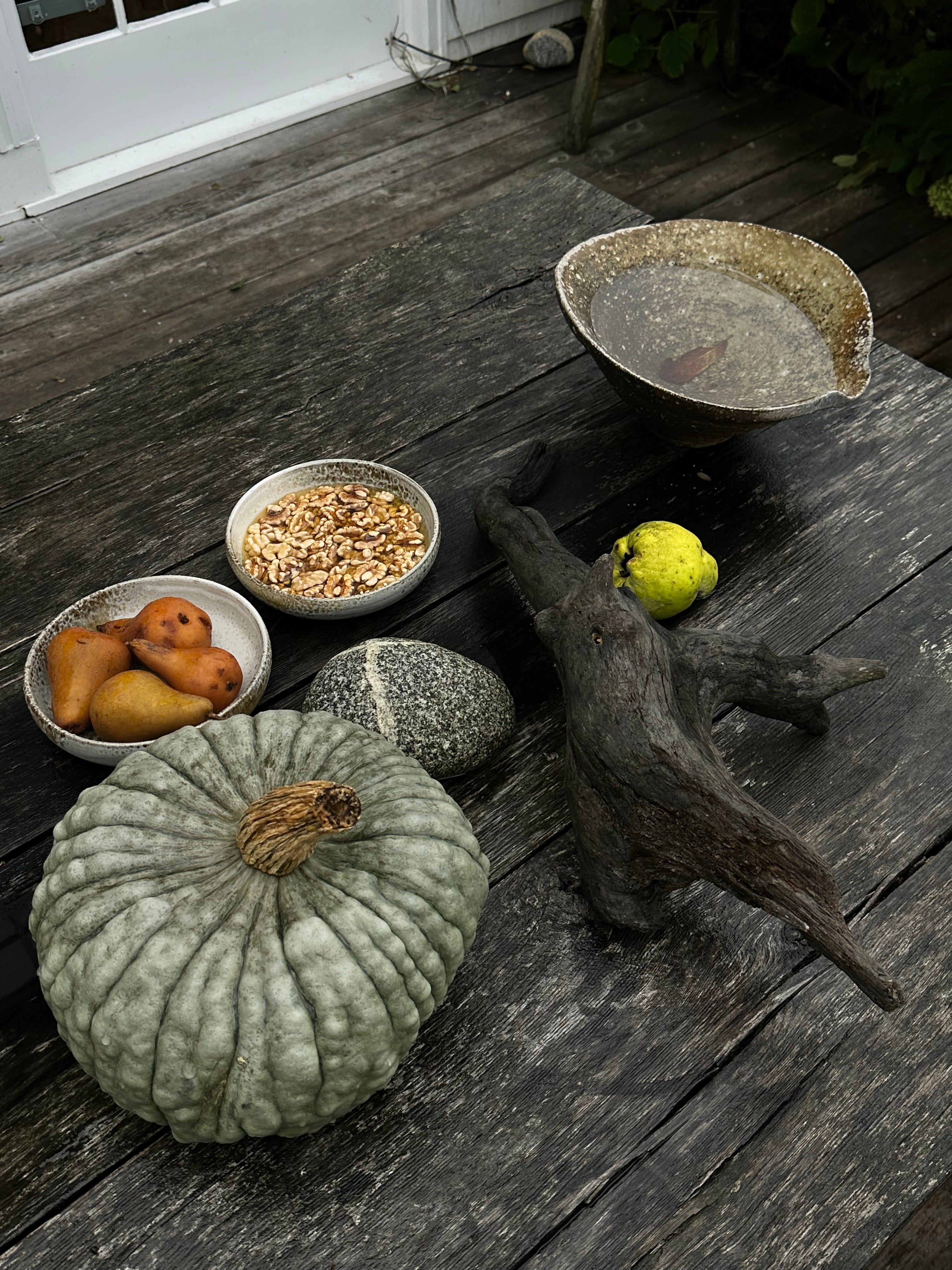
I’m starting to think slight irrationality is actually an important design principle. The objects that stay with me are rarely the most perfect ones. They’re the ones carrying a little emotional residue.
Which is not me declaring war on bowls, to be clear. I love bowls deeply. Spiritually even. I have absolutely centered an entire room around a ceramic vessel and behaved as though I had solved infrastructure.
But the best decorative objects still retain some relationship to humanity. They feel touched. Specific. Slightly irrational.
Not like they were generated by some collective fantasy about what a “tasteful” person’s home is supposed to look like.
That’s the difference people feel immediately, even if they can’t explain it.
One room says:
“This is who I think I’m supposed to be.”
The other says:
“This is what I actually love.”
And increasingly, I think people are hungry for the second one.
Not perfection. Not performance. Just evidence of a real mind making real choices over time.
Even if one of those choices is, occasionally, an extremely judgmental bowl.
Love,
Colin

Comments
Nothing yet. Say the first thing.
Sign in to join the conversation.