
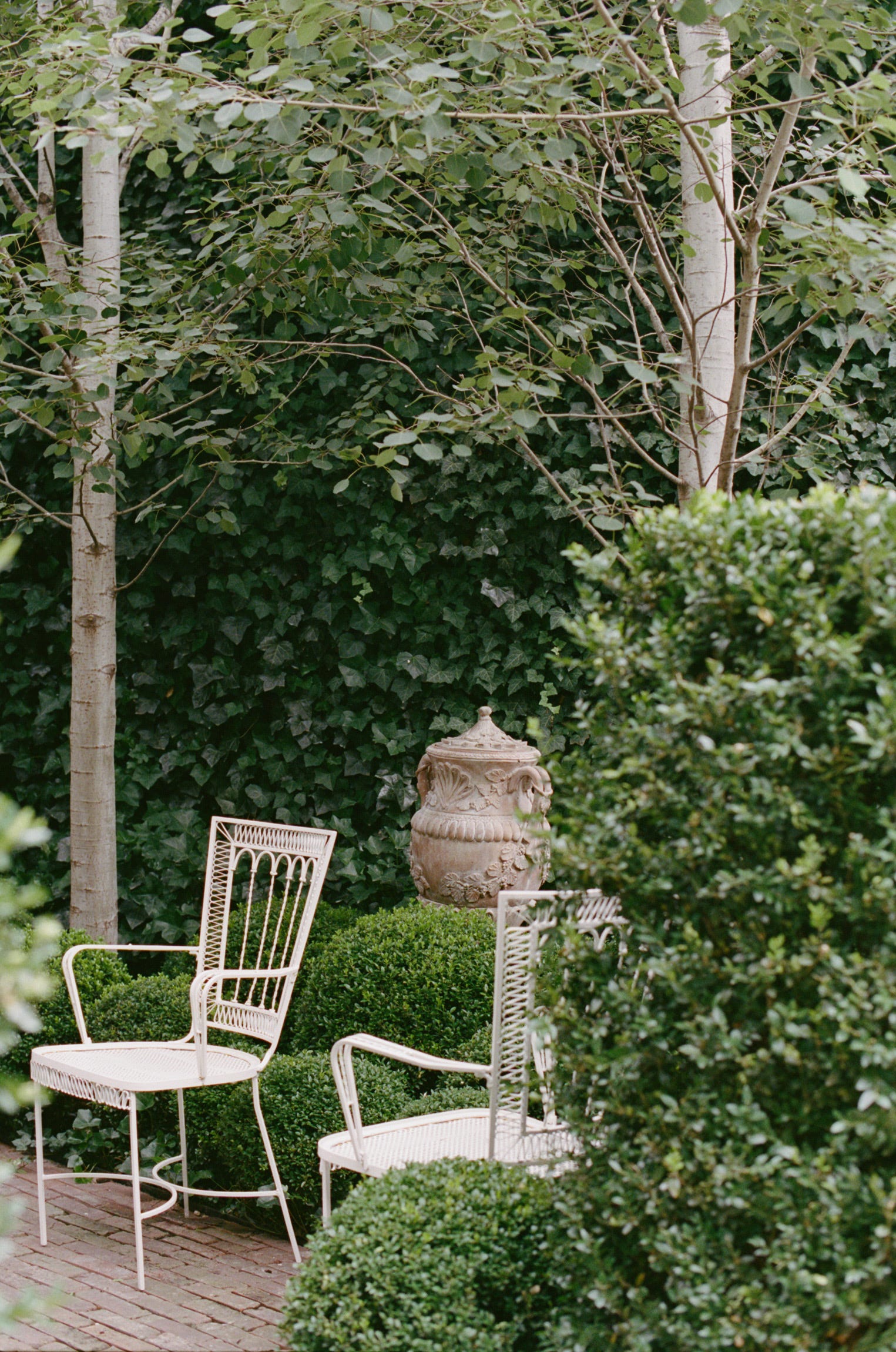
Outdoor furniture is deeply aspirational.
That’s the first thing to understand.
No one shops for it in the state they’ll actually be using it. You shop for outdoor furniture in February. Emotionally. Spiritually. You imagine long lunches and linen shirts and people casually saying things like, let’s eat outside.
Then July arrives and everything is covered in pollen.
Or too hot to touch.
Or mysteriously damp.
And suddenly the chair you once described as “beautifully minimal” is just uncomfortable in direct sunlight.
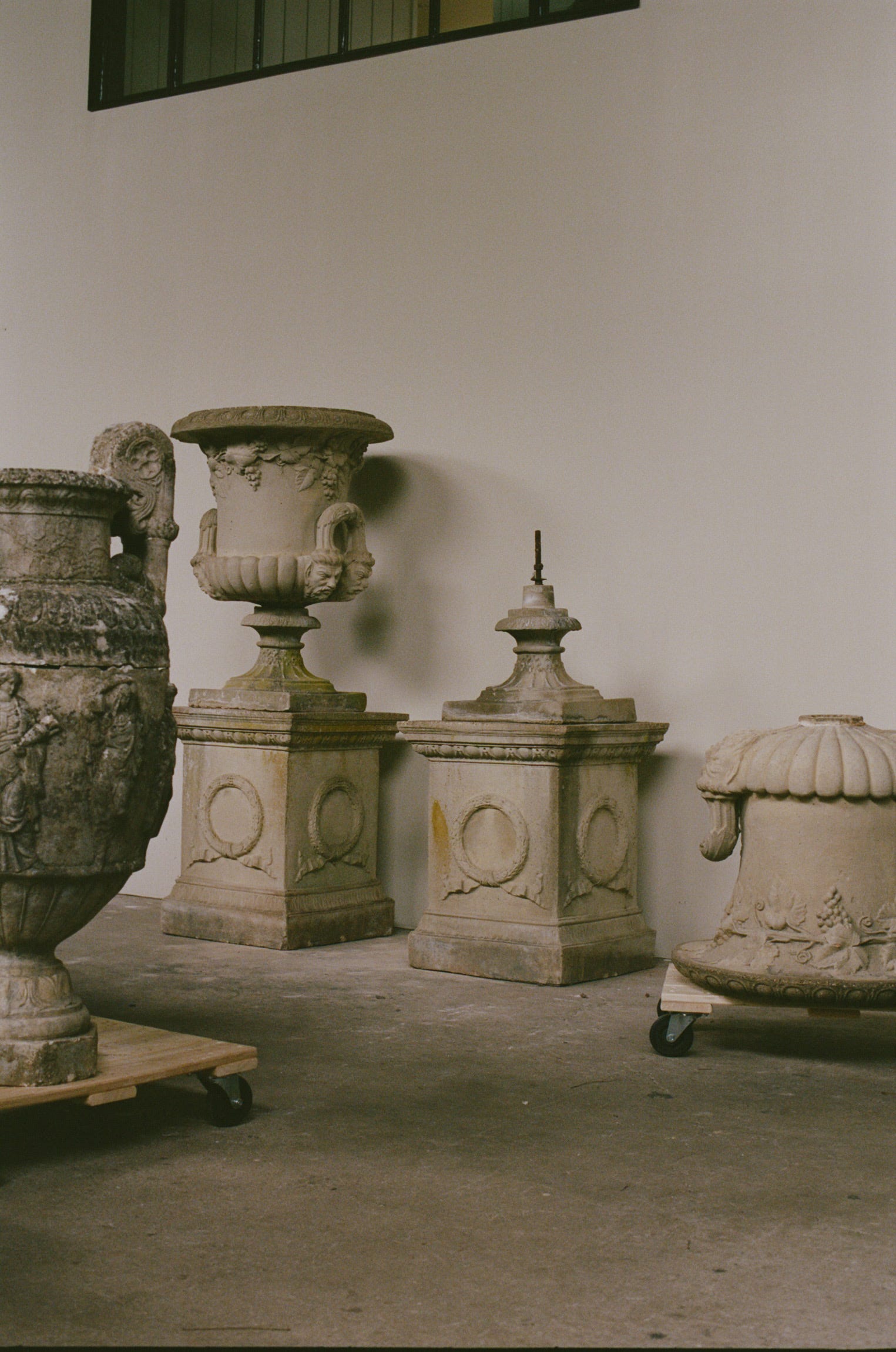
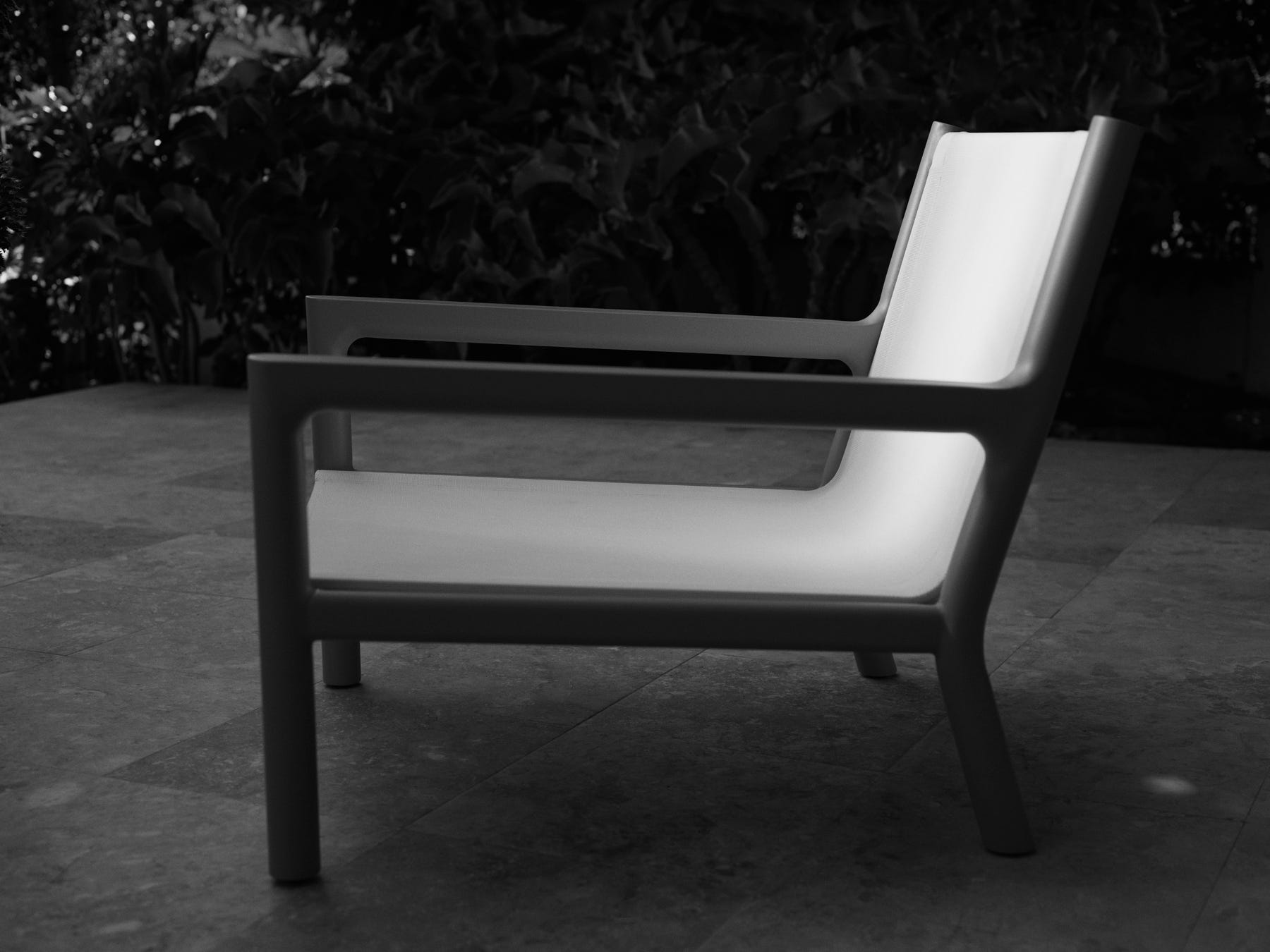
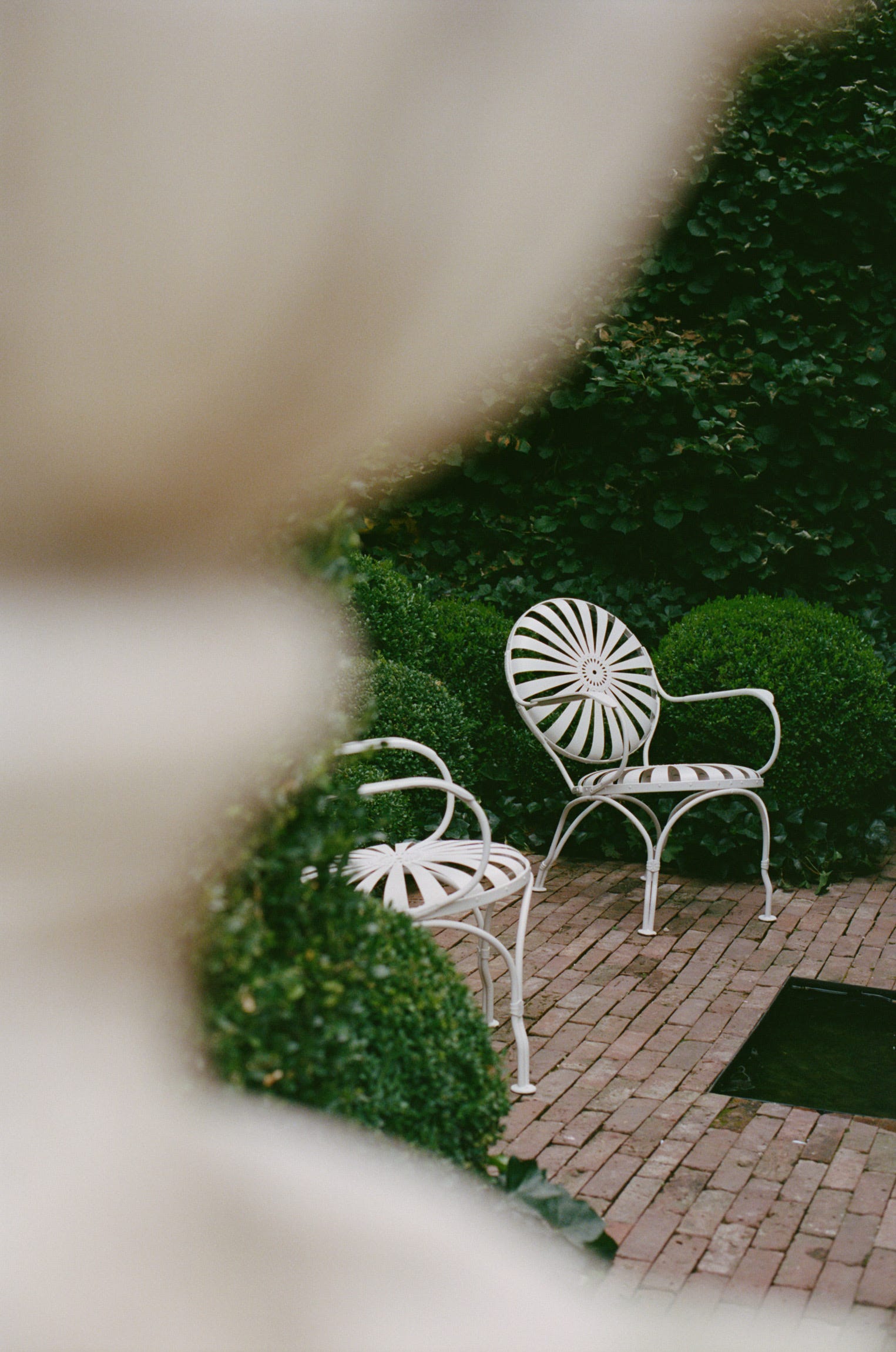
Outdoor furniture is where design fantasy collides headfirst with weather. Which is humbling for everyone involved.
I think this is why people dread buying it. There are too many variables and almost all of them are outside your control. Sun. Rain. Wind. Salt air. Tree sap. Mildew. The very specific sadness of a forgotten cushion during a thunderstorm.
You’re not just buying furniture.
You’re entering a long-term relationship with maintenance.
And yet, when outdoor furniture is right, it changes everything. A terrace becomes a room. A tiny patch of concrete starts to feel intentional. You suddenly become someone who drinks coffee outside in the morning, which feels suspiciously well adjusted.
The mistake people make is thinking outdoor furniture should feel overly “outdoorsy.” Too much teak. Too much rope. Too many references to a resort you once visited and can’t afford emotionally anymore.
The pieces I always respond to feel calmer than that.
Less vacation fantasy. More real life.
I want outdoor furniture to feel like indoor furniture that’s emotionally resilient. The proportions still matter. The silhouettes still matter. I don’t want everything overbuilt and aggressively practical, as though the furniture is preparing for combat.
And comfort matters more outside than inside, which feels unfair but true. You notice everything outdoors. The pitch of a chair. The temperature of metal. Whether an armrest exists when you suddenly need one. Whether a cushion dries in thirty minutes or remains vaguely suspicious for three business days.
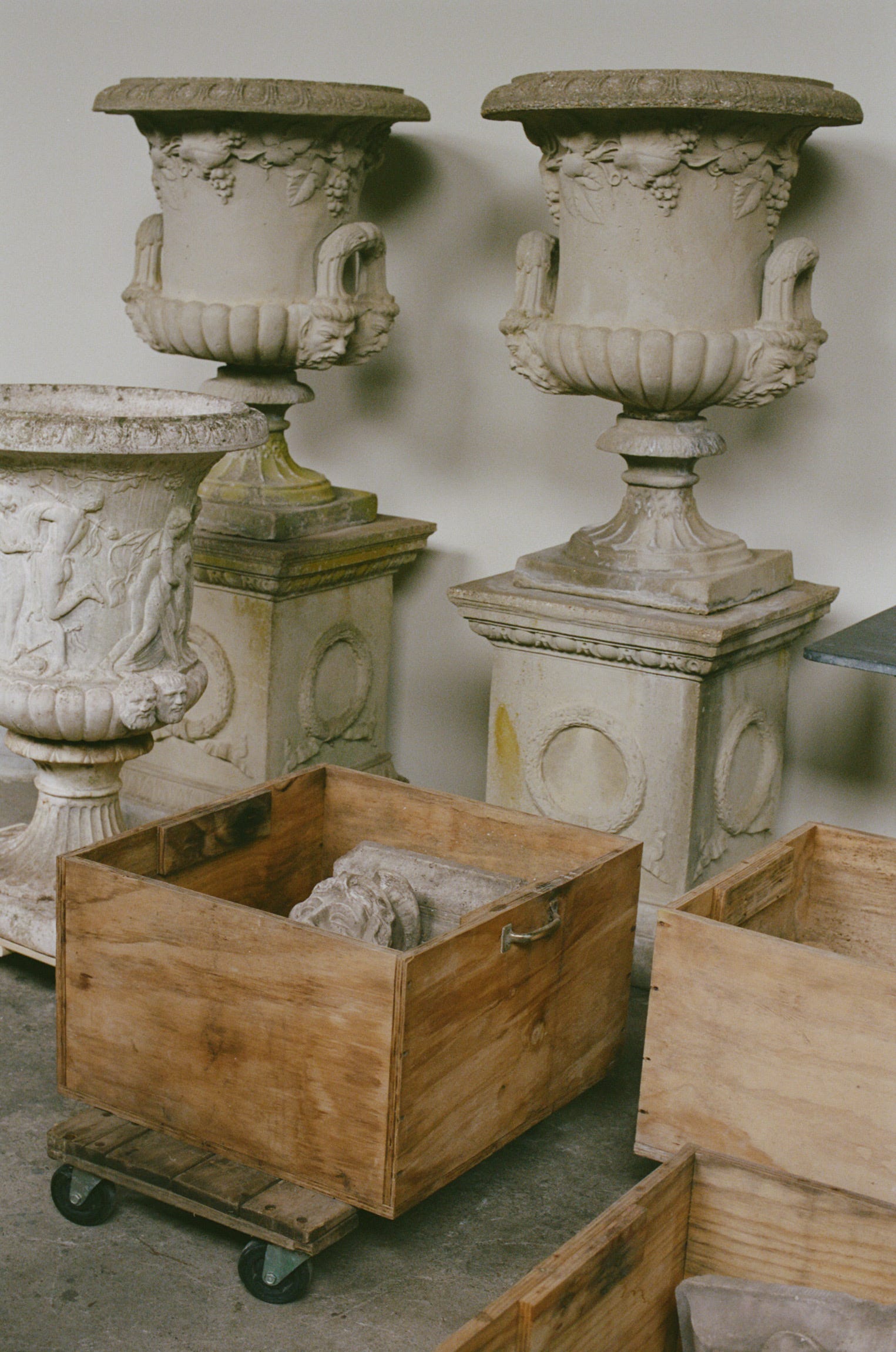
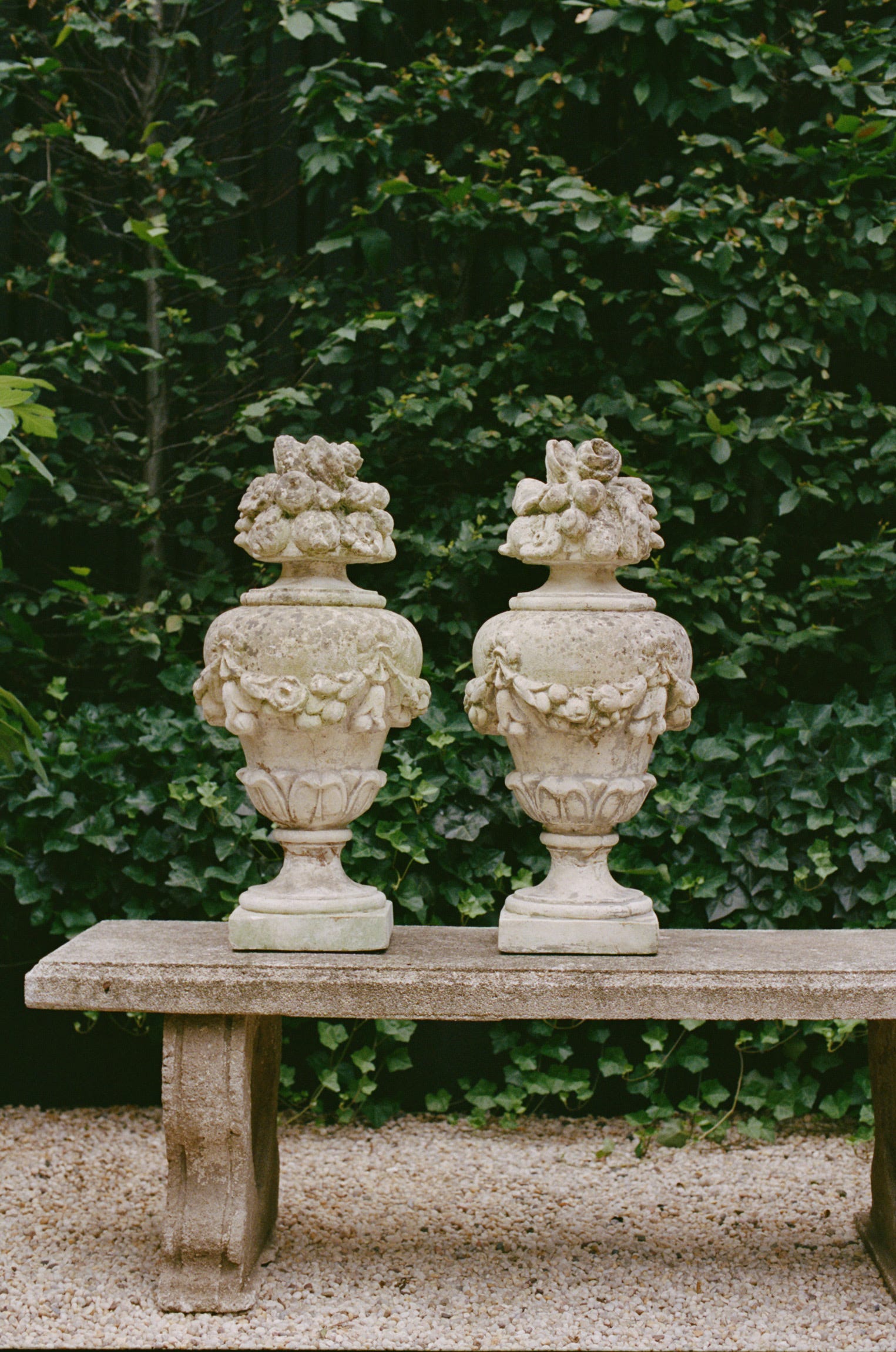
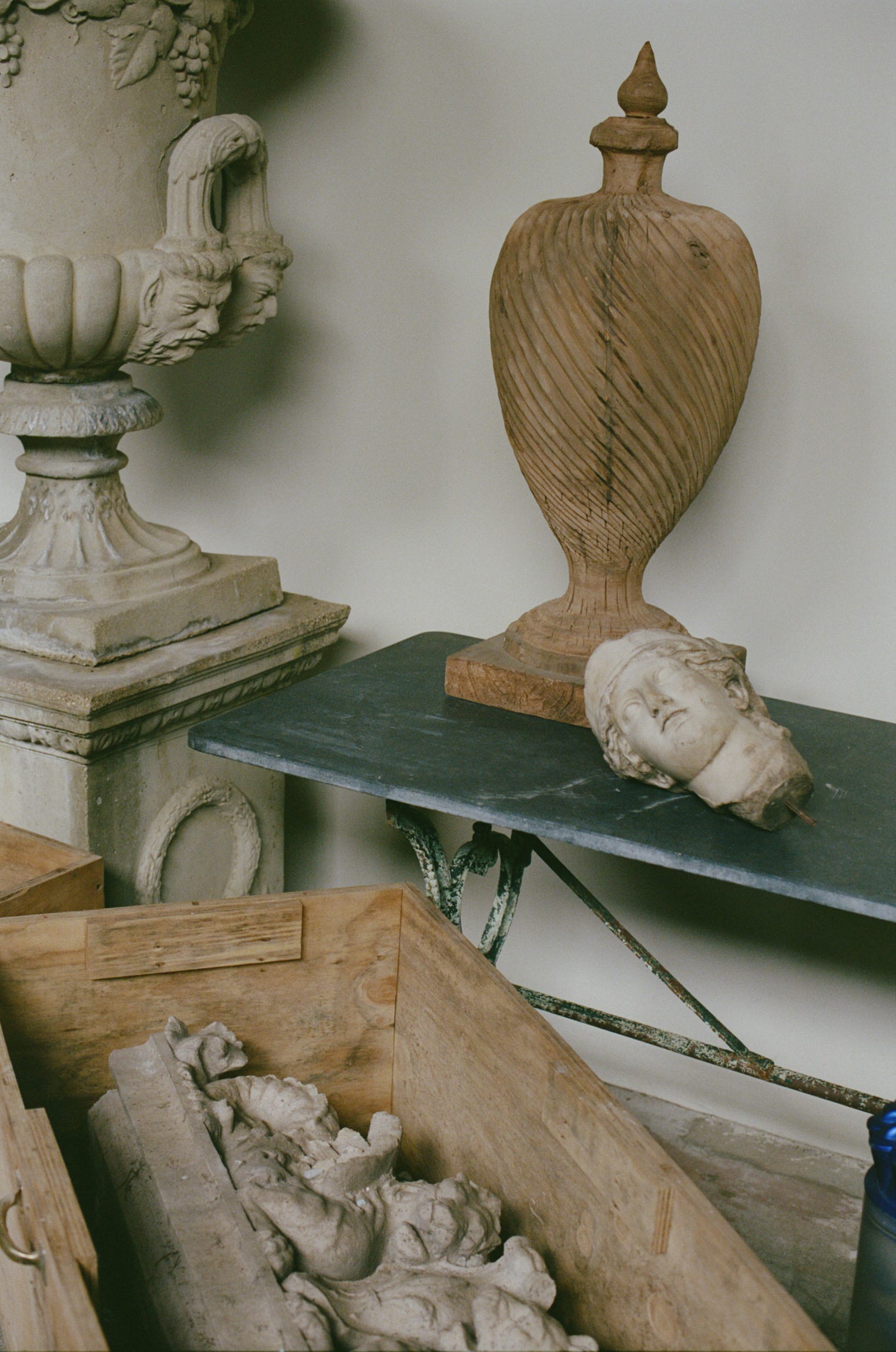
Then there’s scale, which becomes very strange outside. Furniture can disappear quickly against open space. What felt generous in a showroom suddenly looks tiny on a terrace. Like it lost confidence on the drive over.
And nobody talks enough about sound. A bad outdoor chair scrapes across stone like it’s furious with you personally.
There’s also the emotional reality that most outdoor spaces are asked to do too much. Dining area. Lounge area. Reading nook. Occasional hosting fantasy. Sometimes all on a balcony roughly the size of a yoga mat.
Which is why restraint matters.
A good outdoor space usually needs less than you think. Fewer pieces. Better proportions. One thing with presence instead of six things apologizing for being there.
What I’ve learned is that outdoor furniture works best when it stops trying to convince you you’re on vacation.
You’re not on vacation.
You’re at home. Which is actually the goal.
You want somewhere you’ll genuinely sit at the end of the day. Somewhere slightly forgiving. Somewhere that looks better as the light changes. Somewhere that doesn’t require a tarp and an emotional support cover every time the forecast shifts.
And yes, eventually you will become the person checking weather apps because of furniture.
This is adulthood.
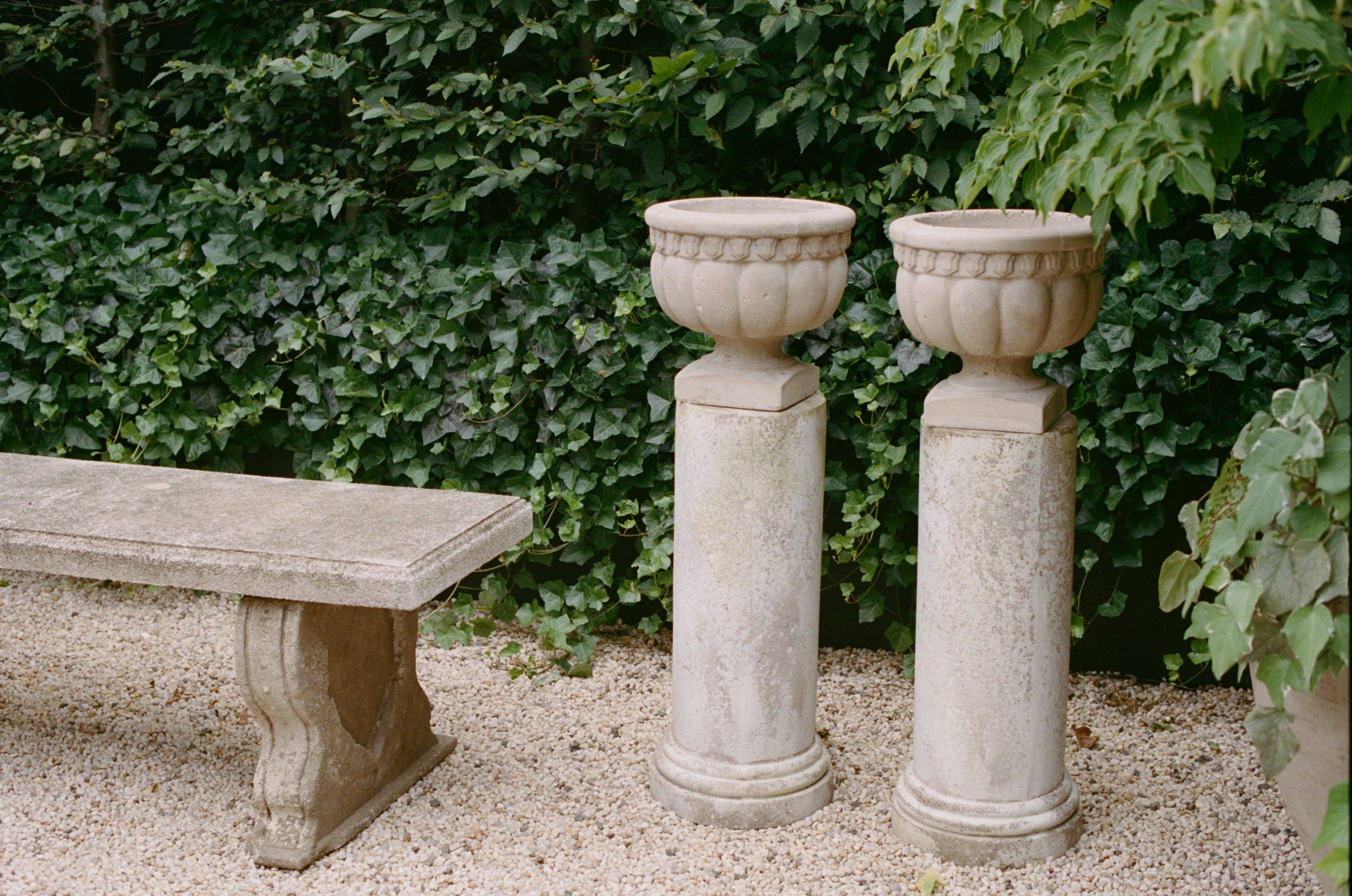


What I’ve come to rely on are a handful of brands and pieces that understand outdoor furniture should age into a space, not fight against it.
Bonacina understands restraint better than almost anyone. Unopiù has that very particular Italian elegance that somehow feels both relaxed and deeply considered. James Perse outdoor furniture looks exactly like the kind of person you hope you become in the summer. Sutherland remains one of the best at making performance feel refined instead of overly technical. And vintage, always vintage, especially when something’s already proven it can survive outdoors for thirty years without becoming emotionally dramatic about it.
The rest of this post, including the outdoor furniture sources I actually return to again and again, continues for paid subscribers. These are the pieces and brands I trust when a terrace, garden, or tiny city balcony needs to feel calm, lived in, and capable of surviving both weather and human behavior.
Comments
Nothing yet. Say the first thing.
Sign in to join the conversation.