
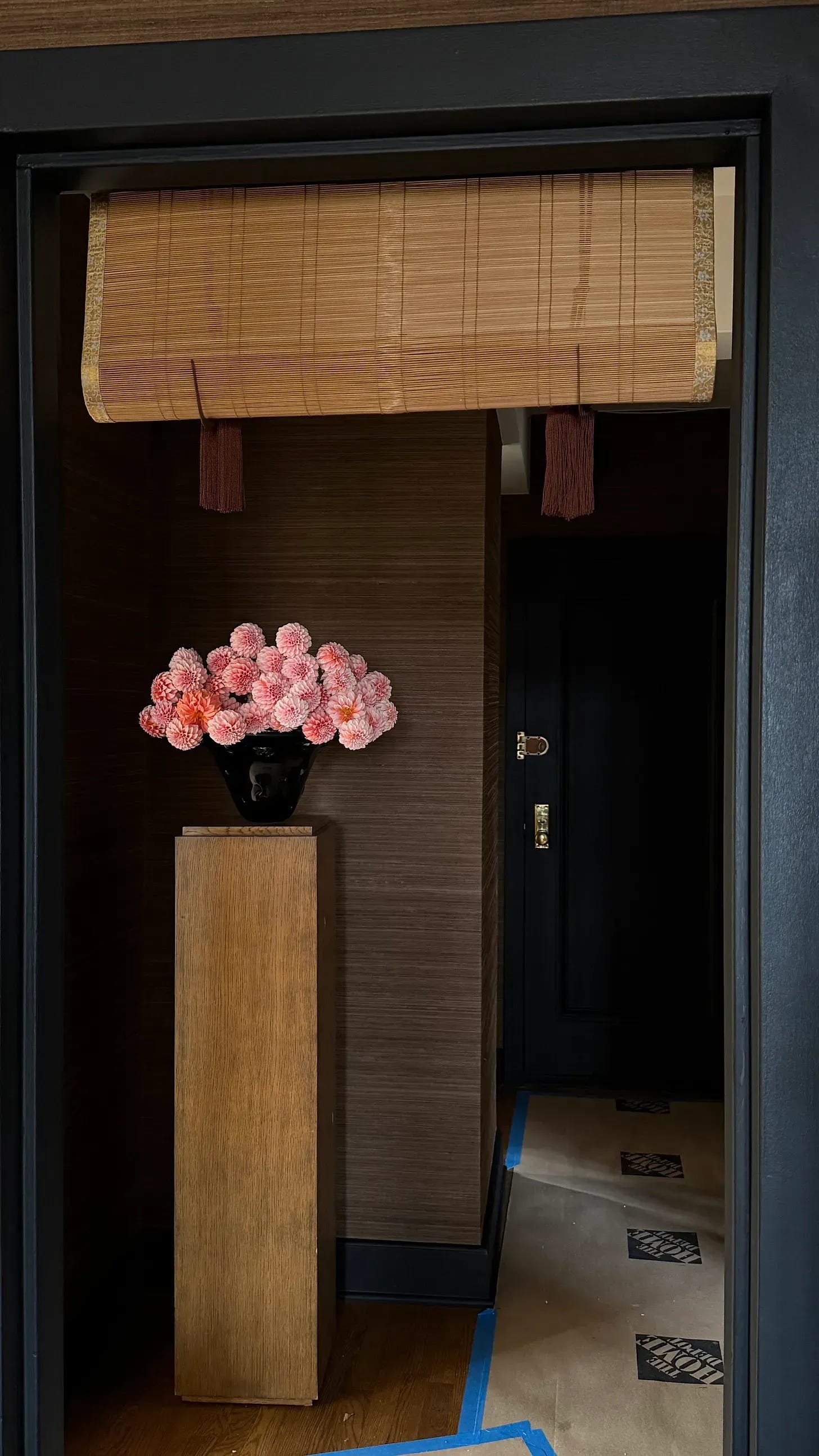
I’m 6’2”, which means there are several places in my apartment where I have to remember to duck.
The Sudare shades hanging in the doorways to my kitchen and living room are the main offenders. I love where they hang. I love what they do to the openings. I also hit my head on them with enough regularity that entering my own kitchen now requires a small plié.
Then there’s the pendant in my den, which hangs very low. The pendant over my bed hangs even lower. Both are beautiful. Both are staying.
Whenever I hit my head, I immediately rub the spot because my grandmother always told me to. I have no idea what this was supposed to accomplish, but I still do it.
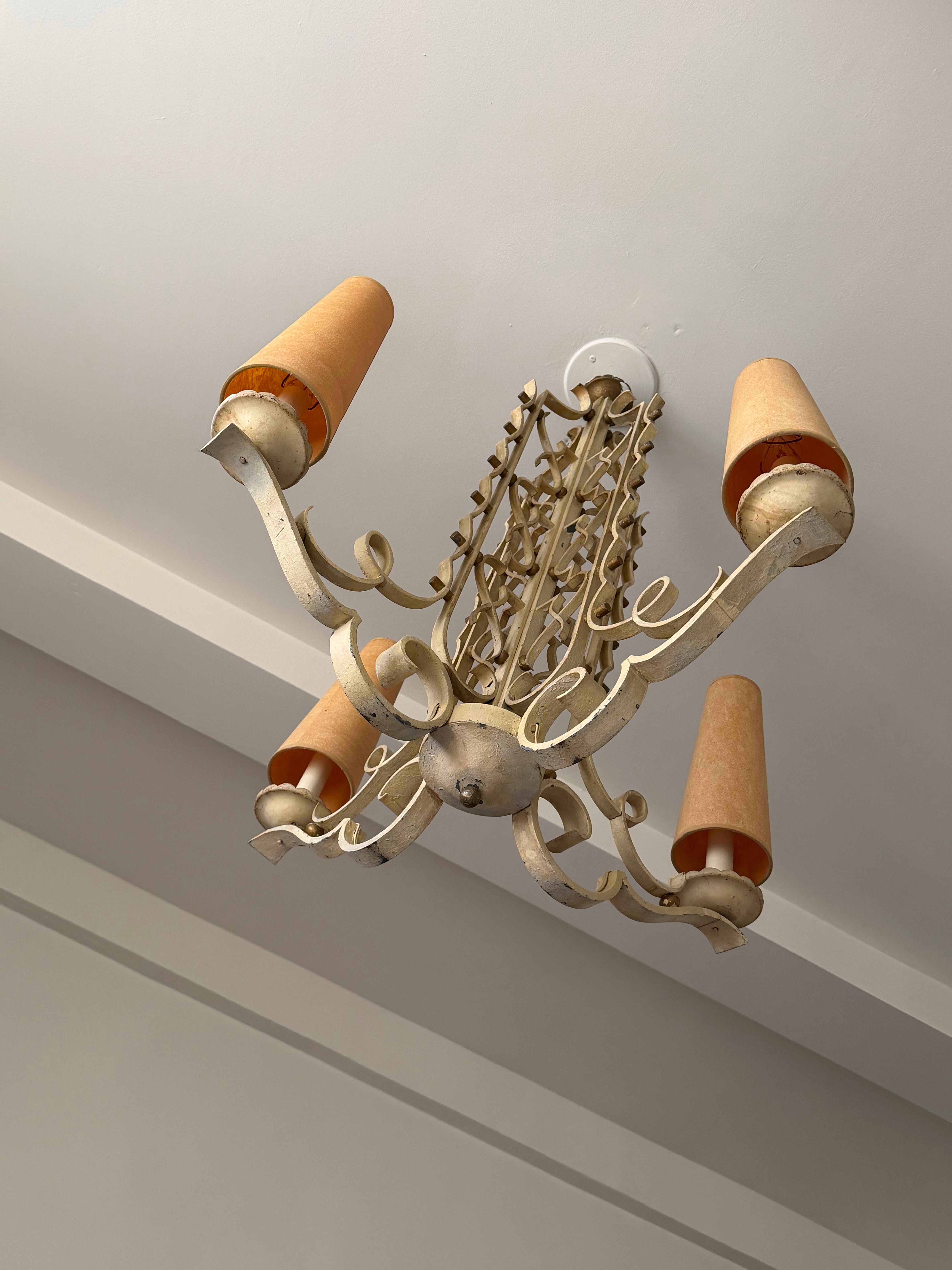
None of this has made me want to raise anything.
Which feels worth examining.
I’m starting to think I like a little inconvenience in a room.
There’s so much emphasis in interiors on making things easy. Good flow. Clear sightlines. Furniture that doesn’t interrupt circulation. You should be able to understand a room almost immediately and move through it without thinking too much about how you’re doing it.
All sensible advice.
I’m just not sure I always want to take it.
Some of my favorite rooms make you negotiate with them a little. There’s a chair slightly in the path. A table you have to walk around. A pendant hanging lower than anyone would recommend. You can’t see everything from the doorway. The floor plan takes a minute to understand.
I love a floor plan that takes a minute.
The obvious arrangement is often obvious for a reason. Sofa on the long wall. Chairs opposite. Coffee table between them. Bed centered with two nightstands. Sometimes that’s exactly right.
But I’m always interested in the other version.
What happens if the sofa floats somewhere unexpected? If one chair turns toward the window? If the bed goes against the wall you weren’t supposed to use? If a table lands just far enough into the path that you have to walk around it?
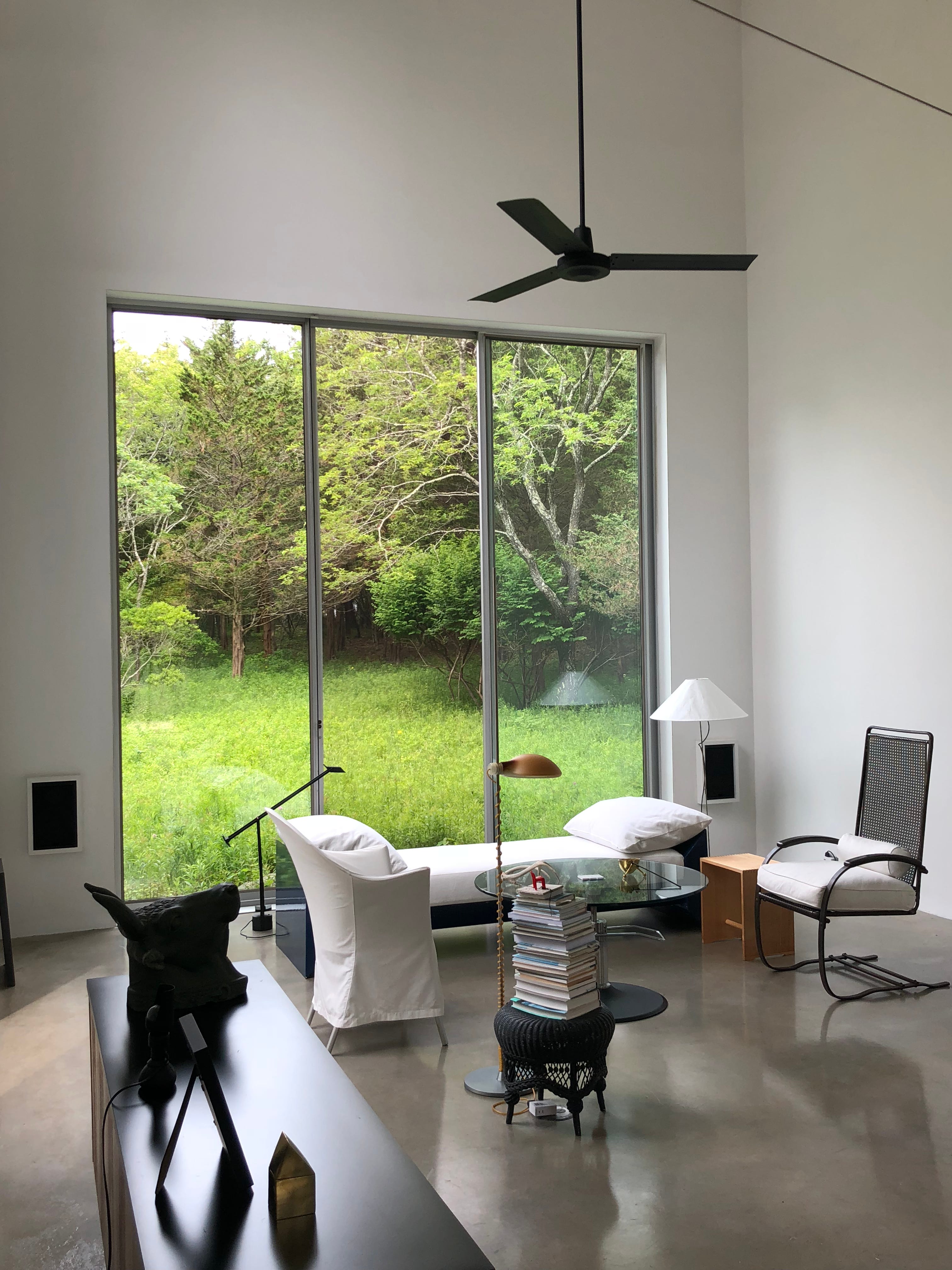
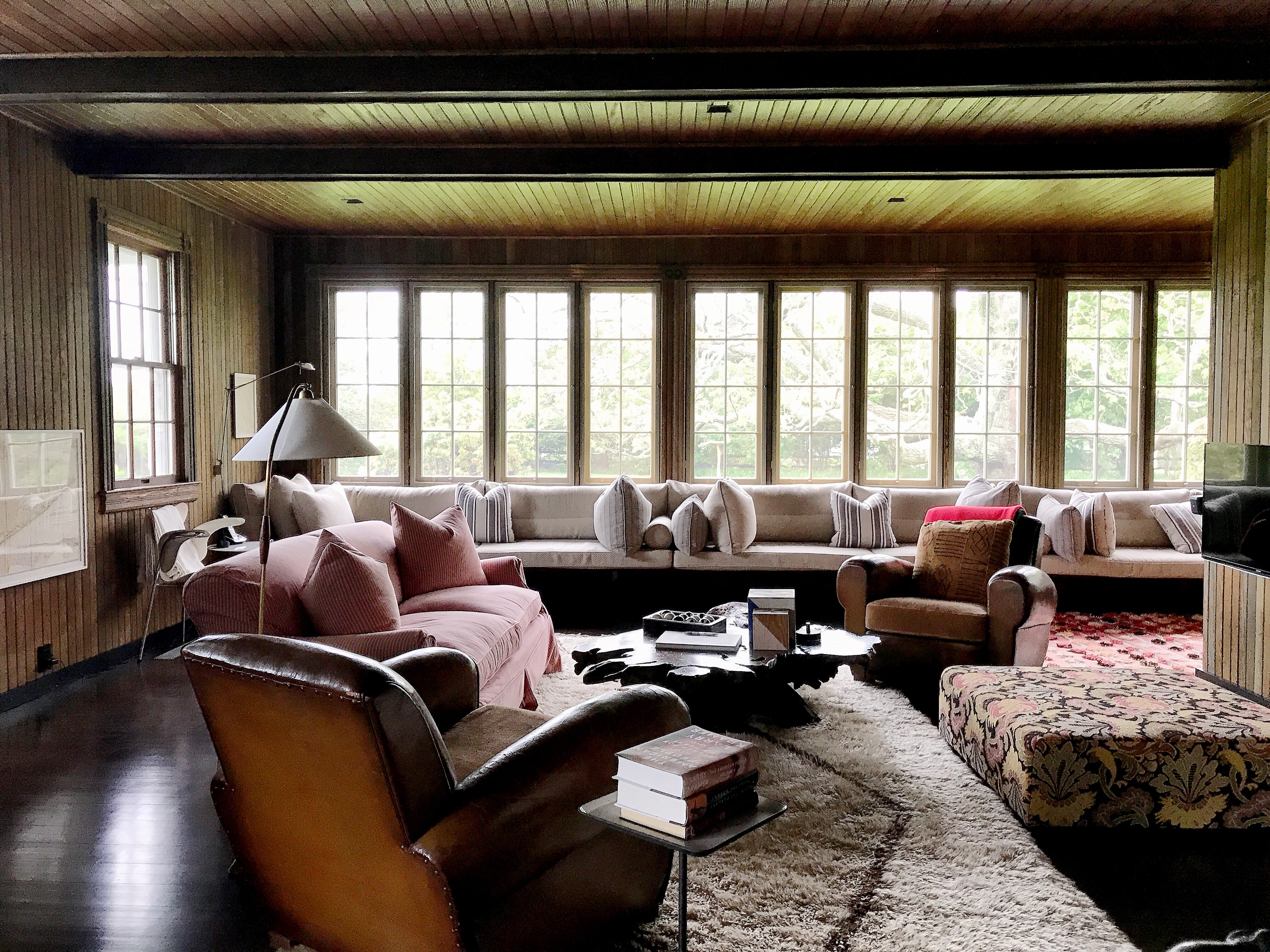
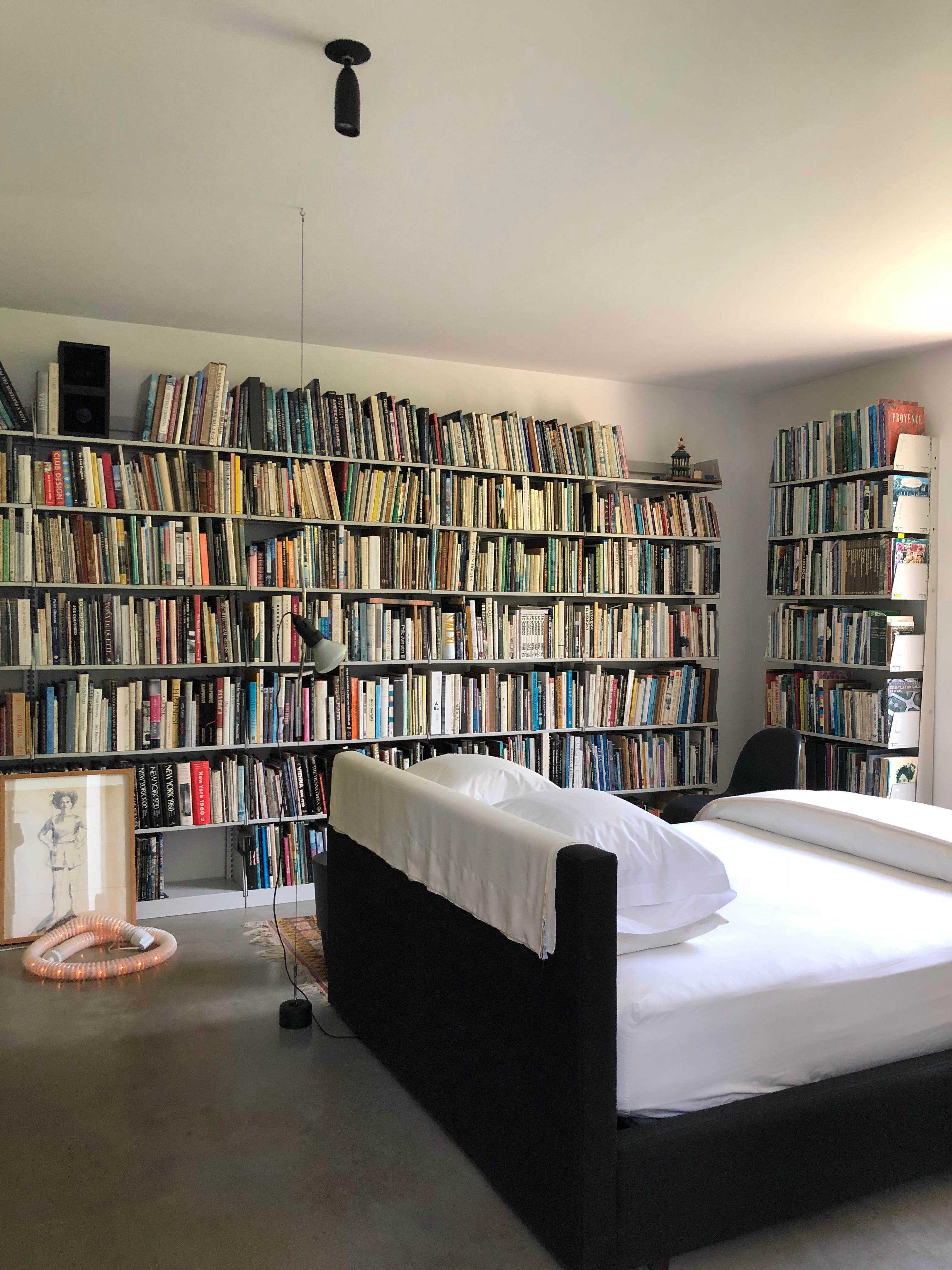
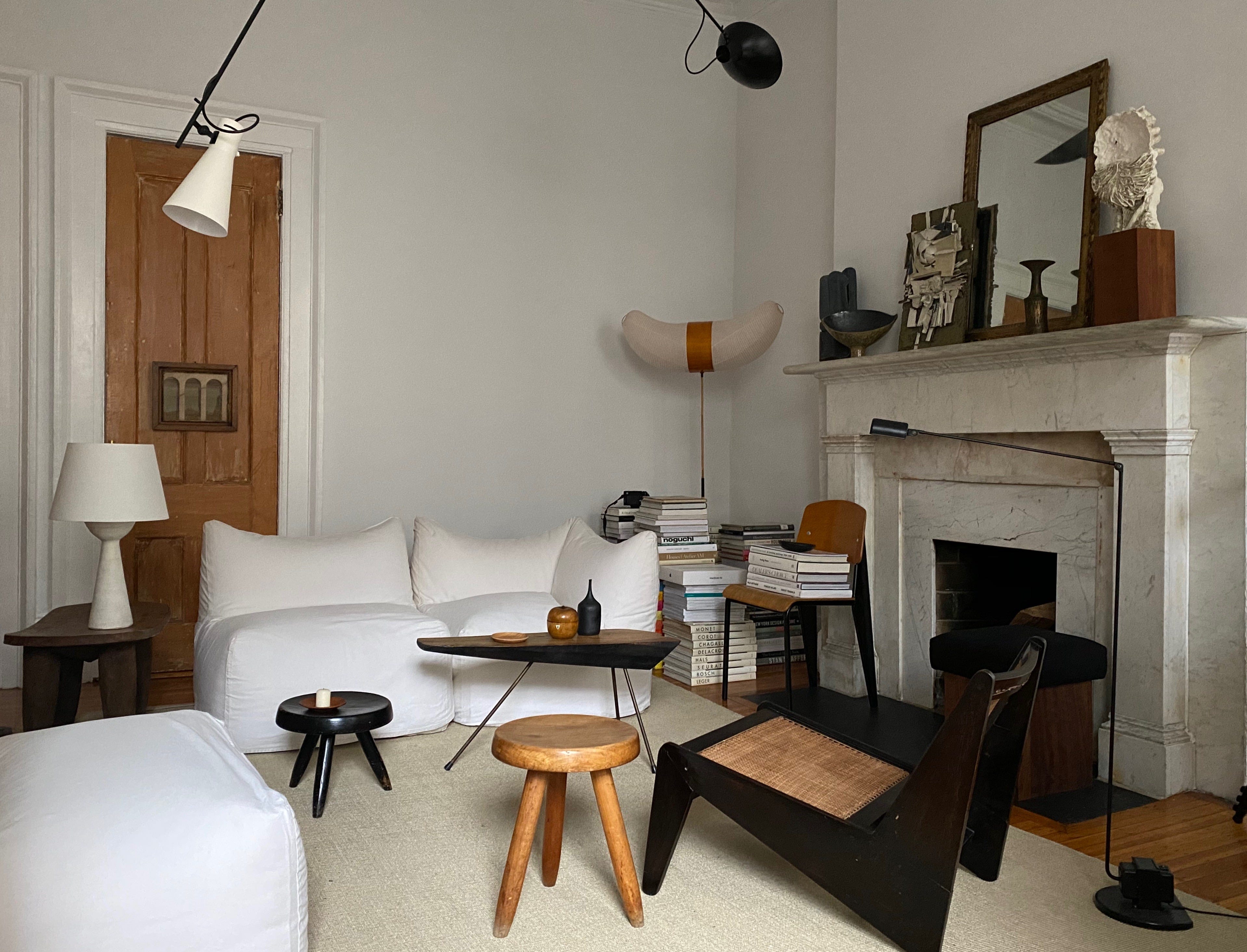
There’s often a moment when something looks wrong on a floor plan and completely right once you’re standing in the room.
I’ve learned to trust that moment.
My entry is probably the clearest example. It’s barely a vestibule. It’s tiny. The practical response would’ve been to keep it open, make it feel larger, and get through it as quickly as possible.
Naturally, I put a table in the middle.
Now it’s a foyer.
You have to move around the table to enter the apartment, which seems mildly absurd considering how little real estate I had to begin with. But it gives the space a center. It makes you arrive. Without it, the entry was something you passed through. With it, it became a room.
I’ve done the same thing with the smallest rooms in the apartment. Rather than trying to make them look larger, I covered them in dark wallpaper and let them get cavernous.
I love the compression of it. You move through this dark, enclosed little space and then into one of the larger rooms flooded with light. The larger room feels even brighter because of where you’ve just been.
If everything is open, bright and expansive, you lose the pleasure of arriving there.
I think rooms need contrast the same way almost everything else does.
I once hung a painting on a door.
Not beside it. On it.
The door still opened. The painting went with it. There was surely a more conventional wall available, but I liked it there. Suddenly the door was part of the composition rather than something the composition politely worked around.
I’ve also put beds directly on the floor. No frame. No headboard. Just a mattress on a Tuareg mat.
People really want the bed frame to be coming.
Sometimes it isn’t coming.
I like what happens when the bed sits low. The walls get taller. The windows feel different. A lamp takes on a different scale. The entire room shifts because one expected piece of furniture never arrived.
That’s the thing I keep coming back to. The inconvenience has to return something.
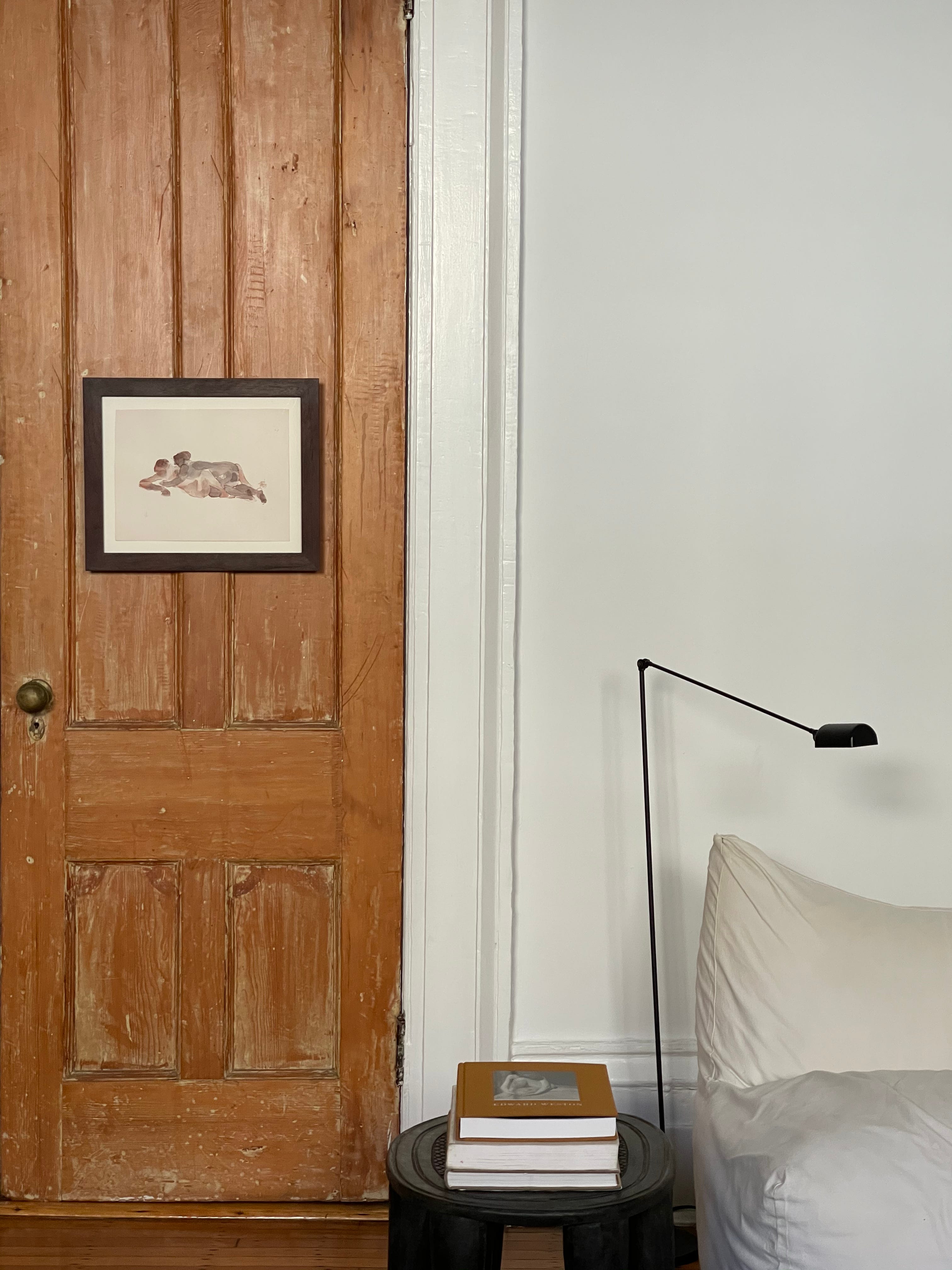
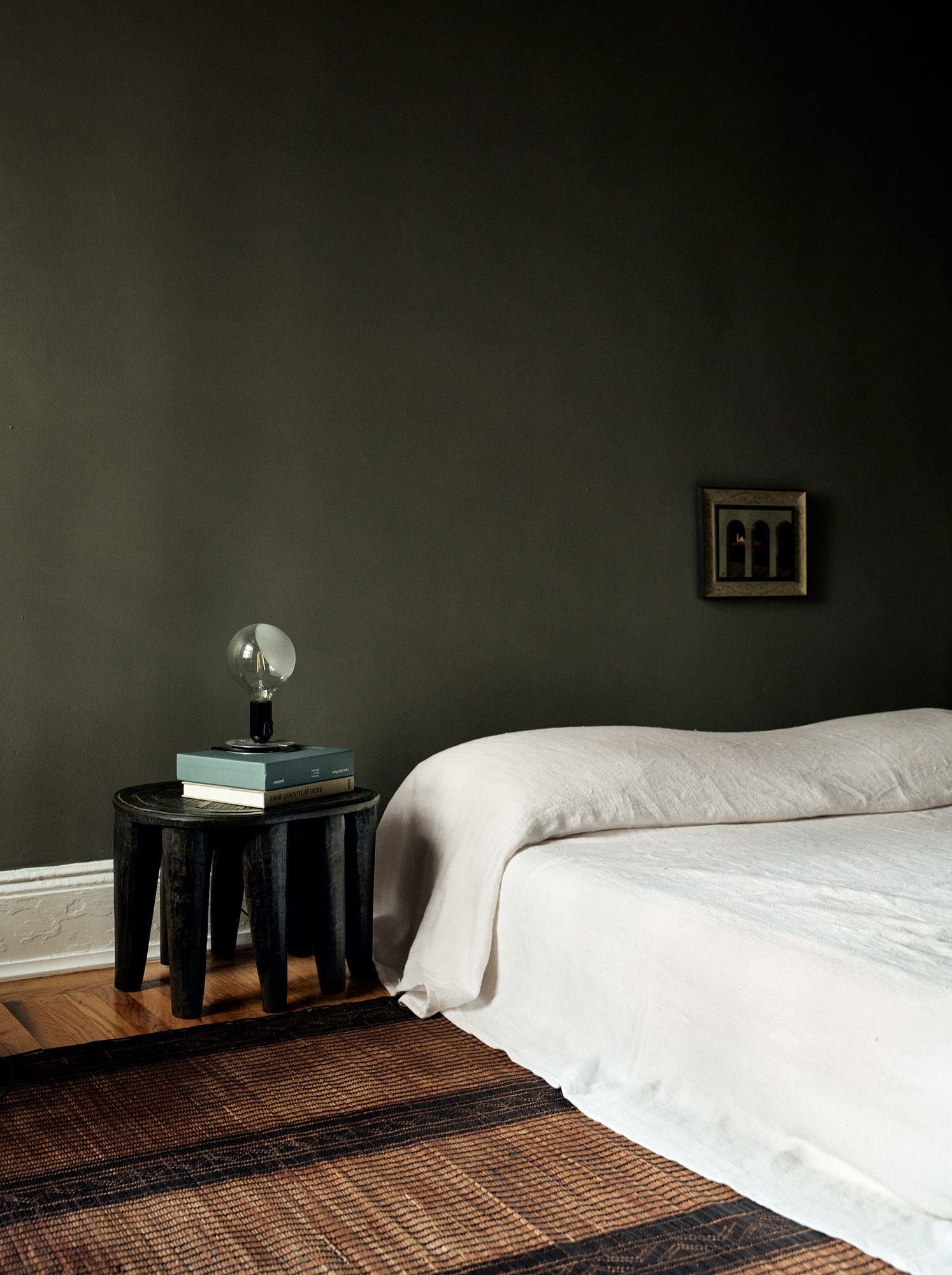
The Sudare shades make me duck, but they turn an ordinary opening into a threshold. The low pendant requires a little awareness, but it brings the light down into the room. The table makes my already tiny entry harder to navigate, but now I have an entry. The dark wallpaper makes a small room feel even smaller, but the room after it feels enormous.
If the inconvenience gives you nothing, then yes, it’s just inconvenient.
There’s no great design lesson in bruising your shin on a coffee table you hate.
But I do think we’re so quick to solve awkwardness that sometimes we solve the interesting part too.
I notice it with furniture all the time. We clear the path. Push the chair back. Open the sightline. Make sure you can see the entire room from the doorway.
Sometimes I want to do the opposite.
I want the chair to make me walk around it. I want to see its back when I enter. I want the furniture to create the path instead of simply staying out of it.
Maybe this comes from dance. I spent years thinking about bodies moving through space, and where something sits determines how you approach it. You turn. You pause. You duck. You go around.
A floor plan isn’t just where the furniture goes. It tells your body what to do.
The same is true of sightlines. I don’t always want to see everything at once. I like a chair blocking part of a bookshelf. Furniture in front of a window. A screen that divides a room without closing it off. A glimpse of something through a doorway that only makes sense when you get closer.
I style for photographs every day, so I understand the desire for the wide shot. You want the room to make sense immediately. You want everything to resolve.
But a home isn’t a photograph.
We see the back of the chair. Half the painting from bed. A lamp through a doorway. We enter rooms from strange angles. We experience our homes in fragments, over and over again.
I think that’s why I keep putting things slightly where they shouldn’t be.
They make me notice where I am.
I duck under the shade. I walk around the table. I move closer to see what’s behind something. I leave the dark room and notice the light in the next one.
Occasionally, I forget about the pendant.
Then I rub my head.
It’s still not moving.
Love,
Colin

Comments
Nothing yet. Say the first thing.
Sign in to join the conversation.