
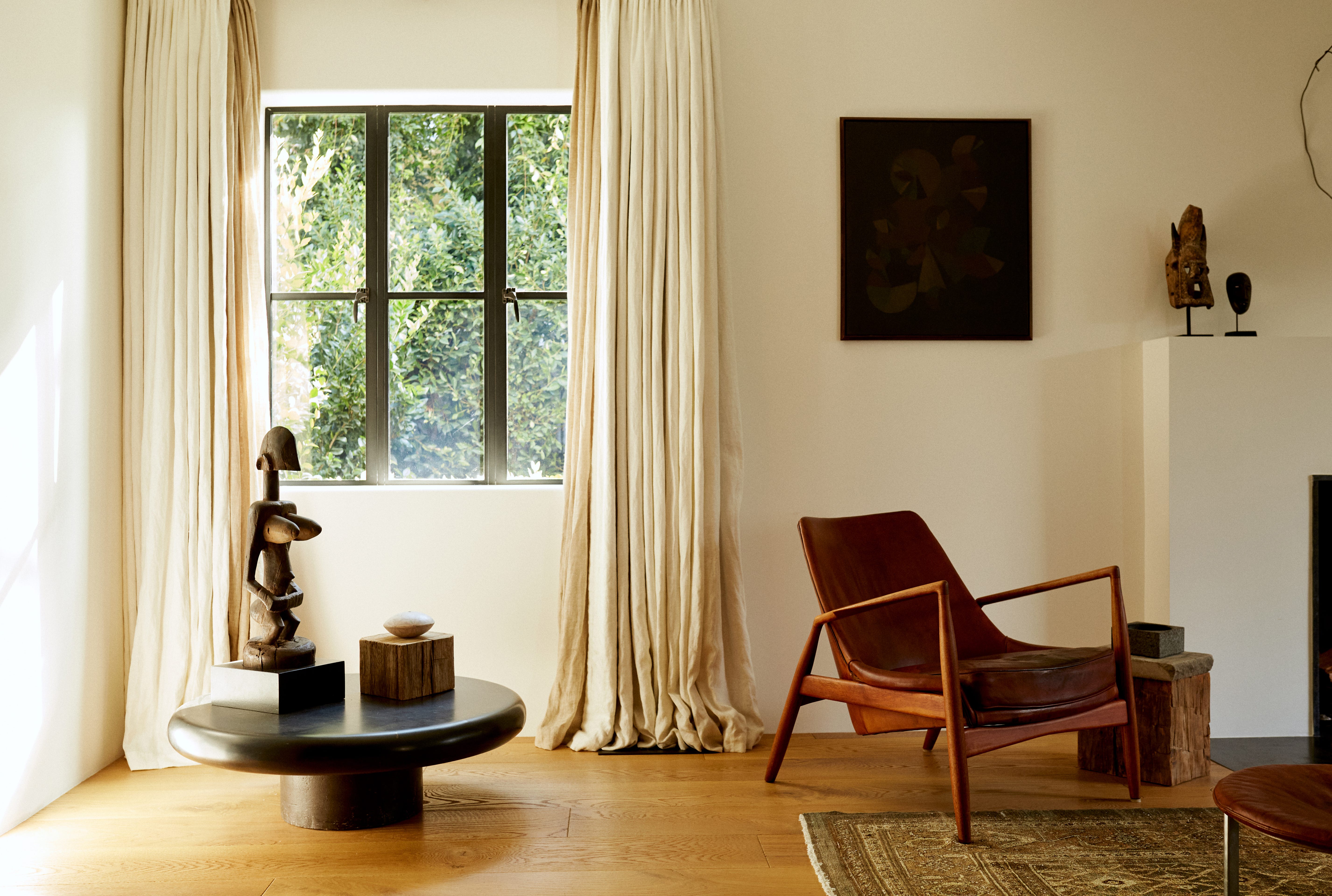
I’ve been thinking a lot about the word piece-y, mostly because I’ve been using it in my own apartment with the frequency of someone trying to diagnose a small but persistent rash.
The room isn’t bad. This is important. The pieces are good. Some of them are very good. Too good, maybe, which is where the trouble begins.
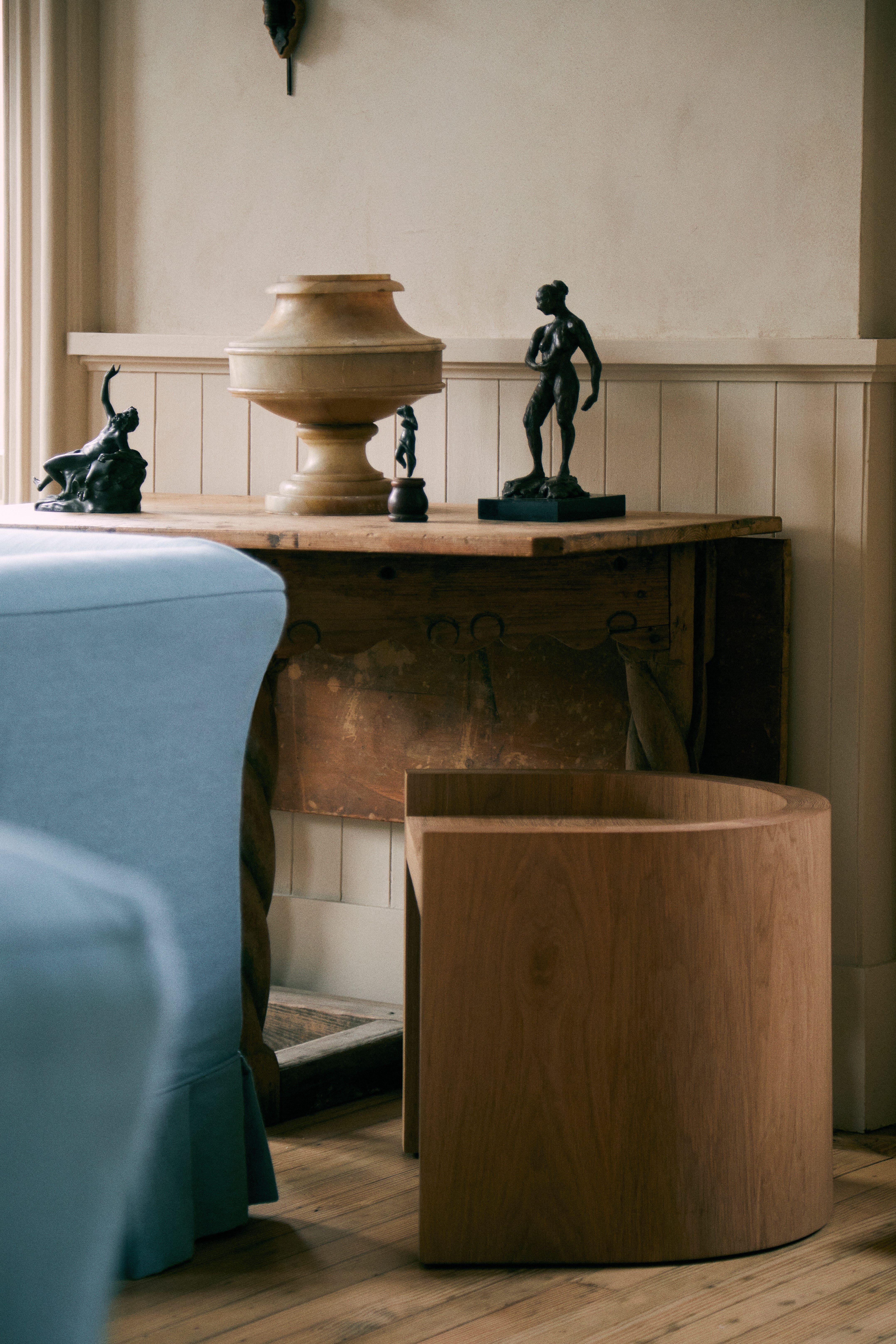
You spend years sourcing. The vintage chair. The lamp. The rug. The side table. The ceramic. The art. The stool. The other stool. The stool that somehow became a side table because nobody stopped it in time.
And then one day you look around and realize you haven’t made a room.
You’ve assembled a very impressive witness lineup.
Everything’s interesting. Nothing’s speaking to each other.
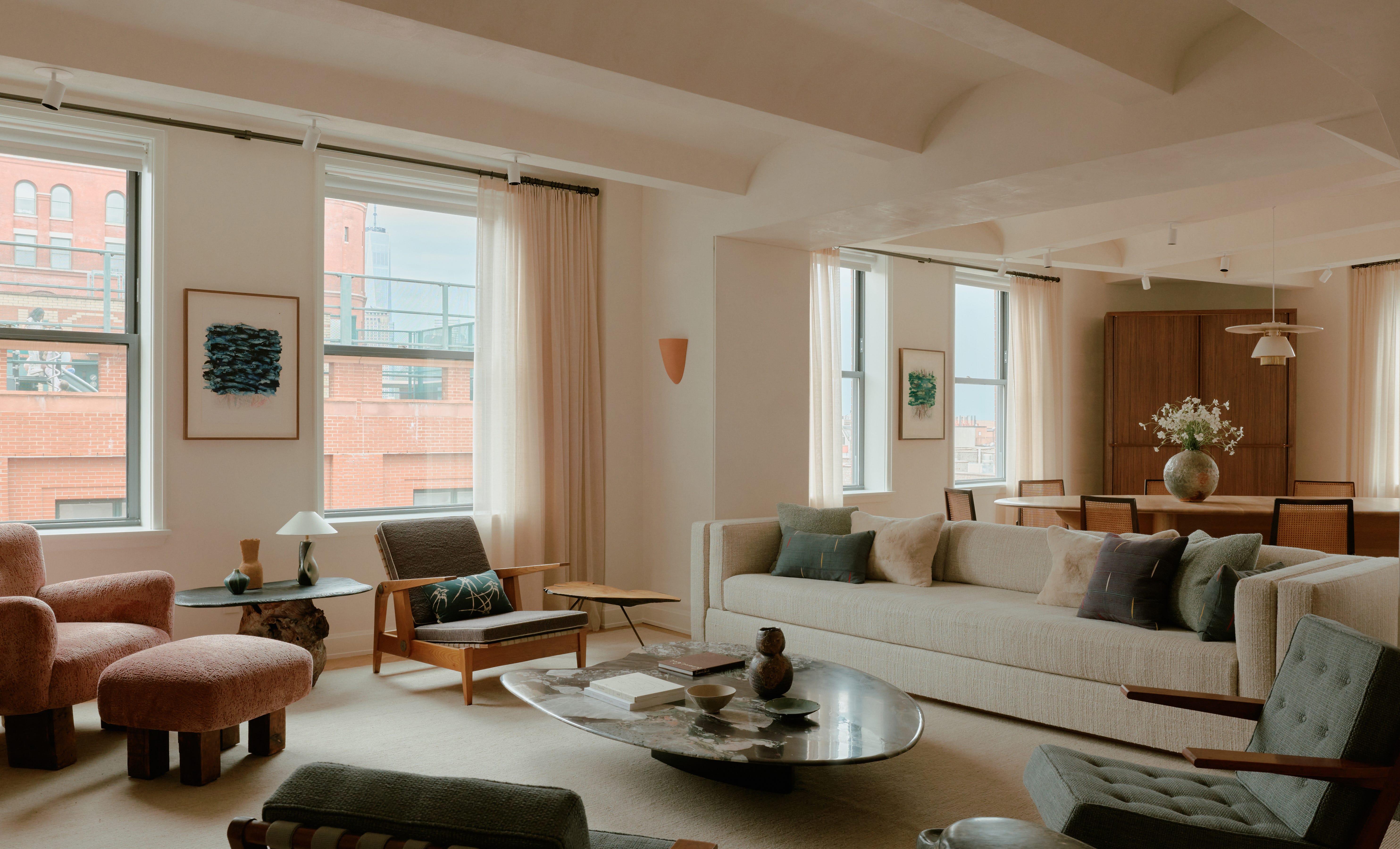
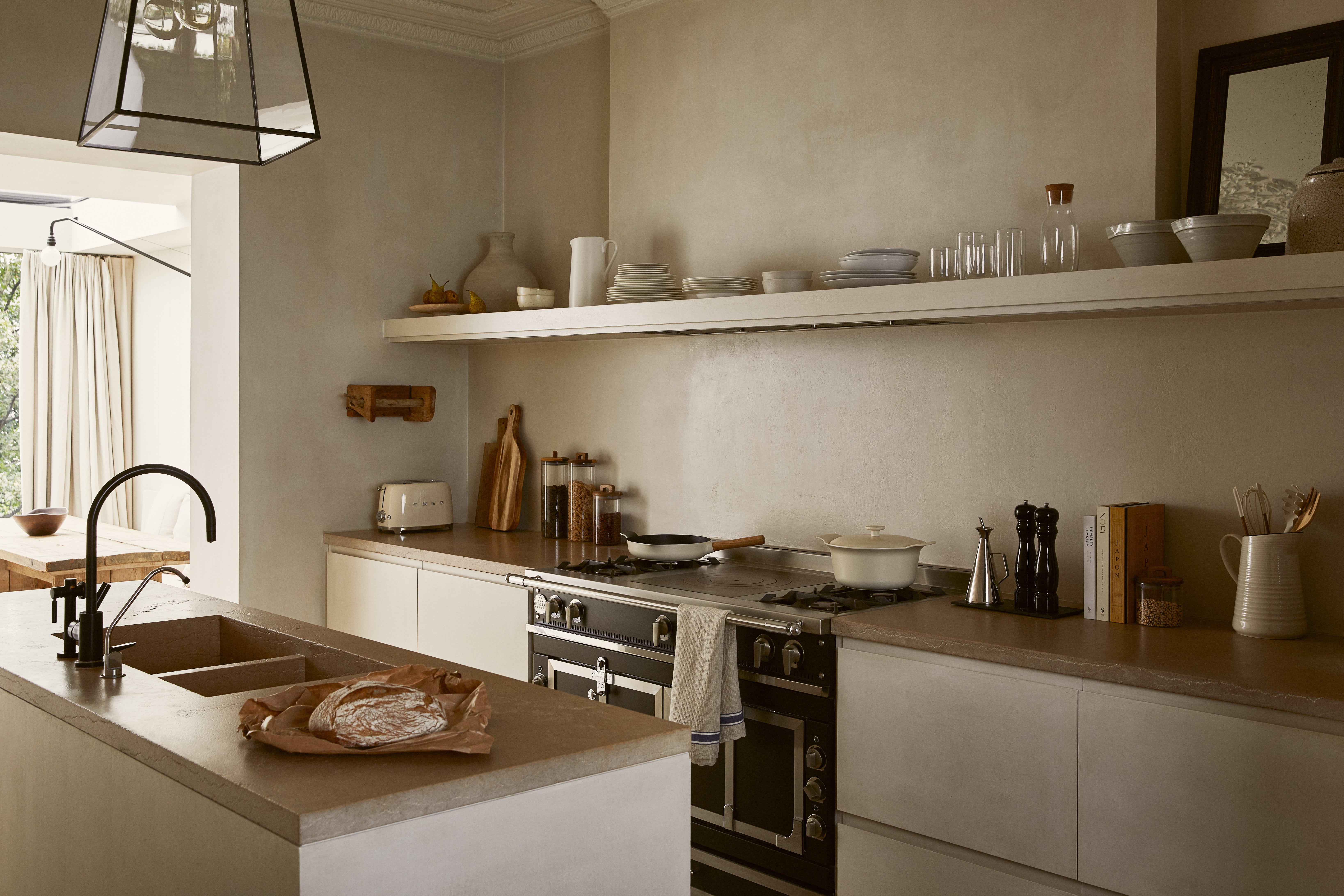
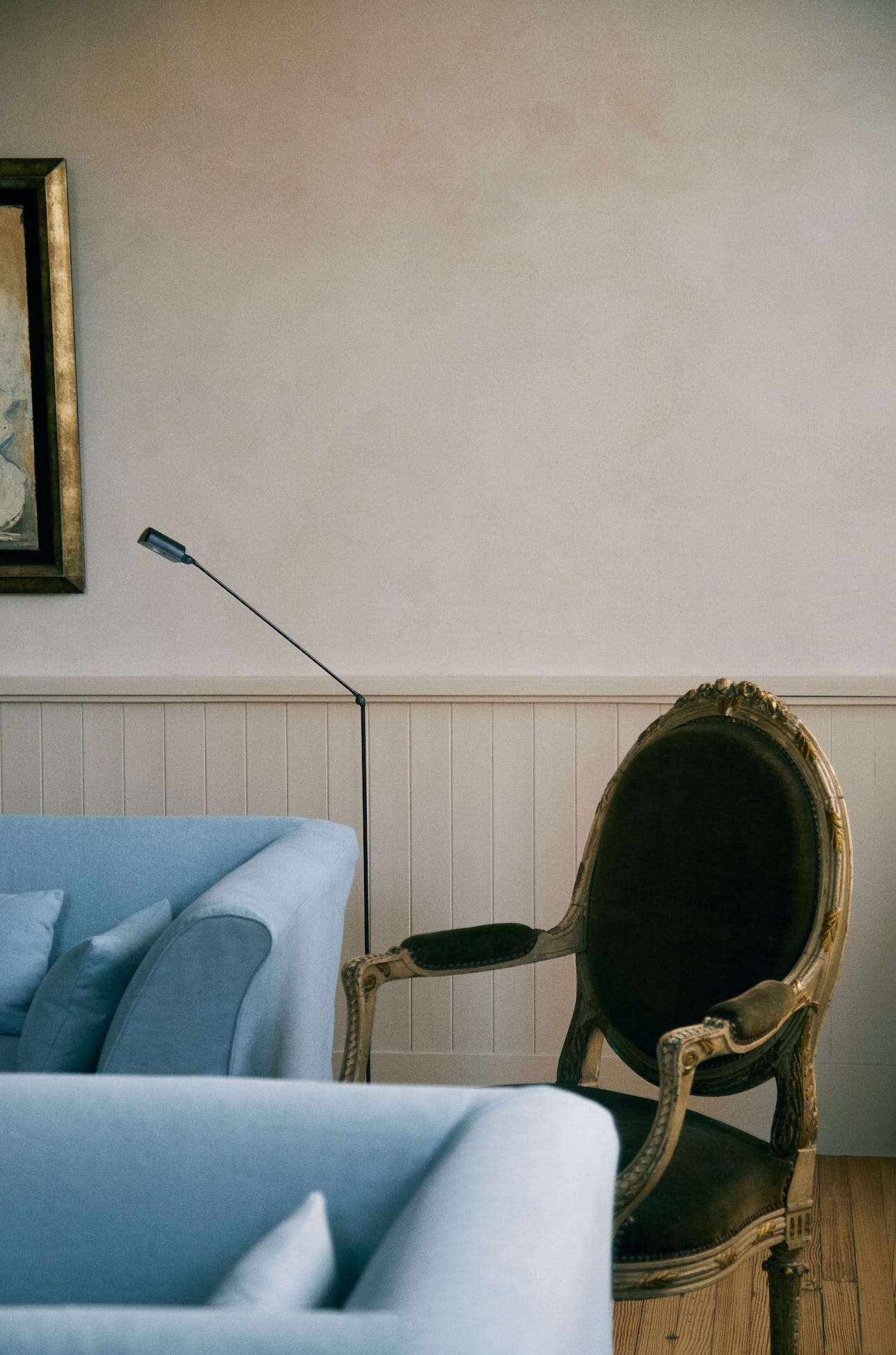
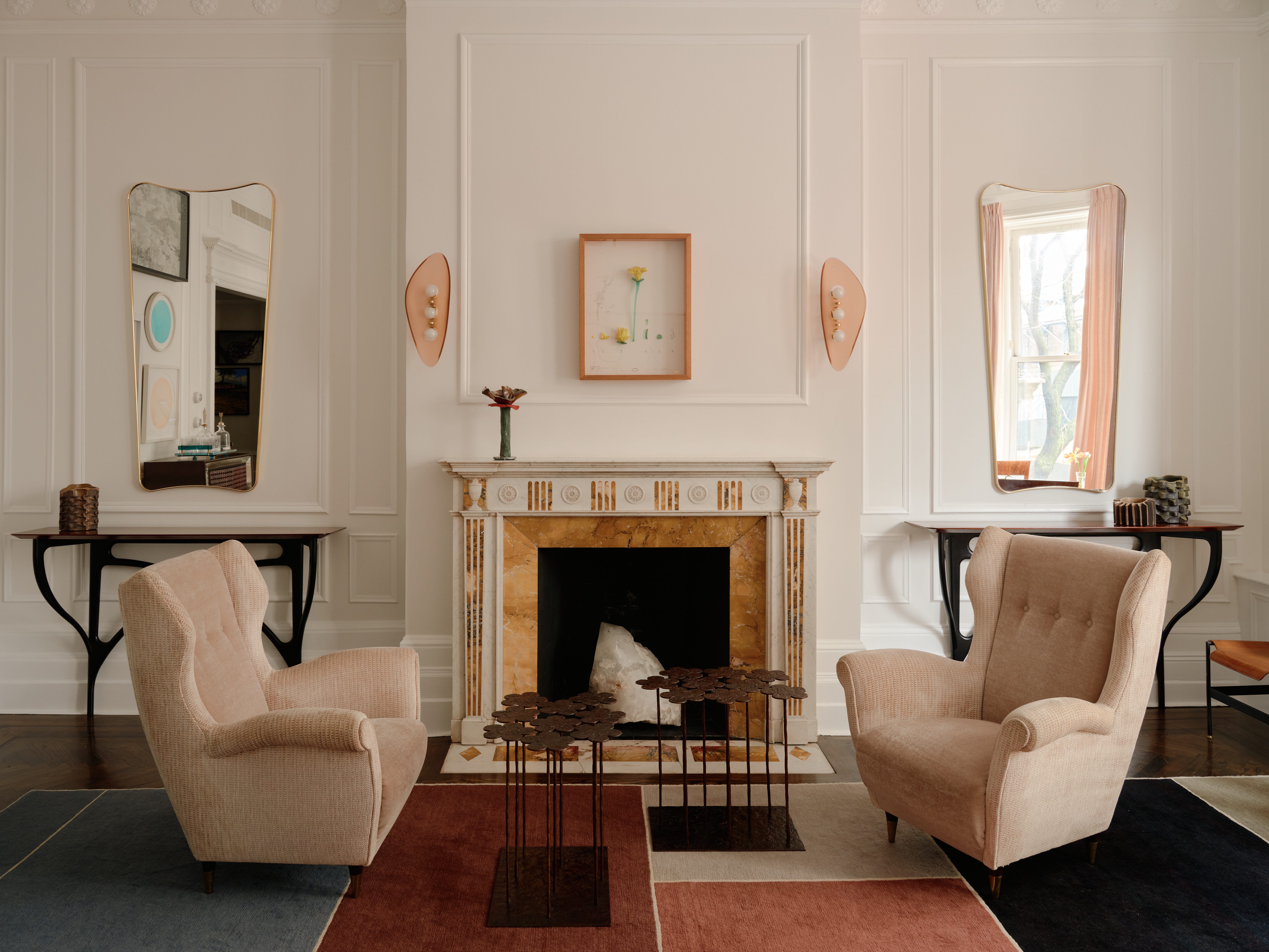
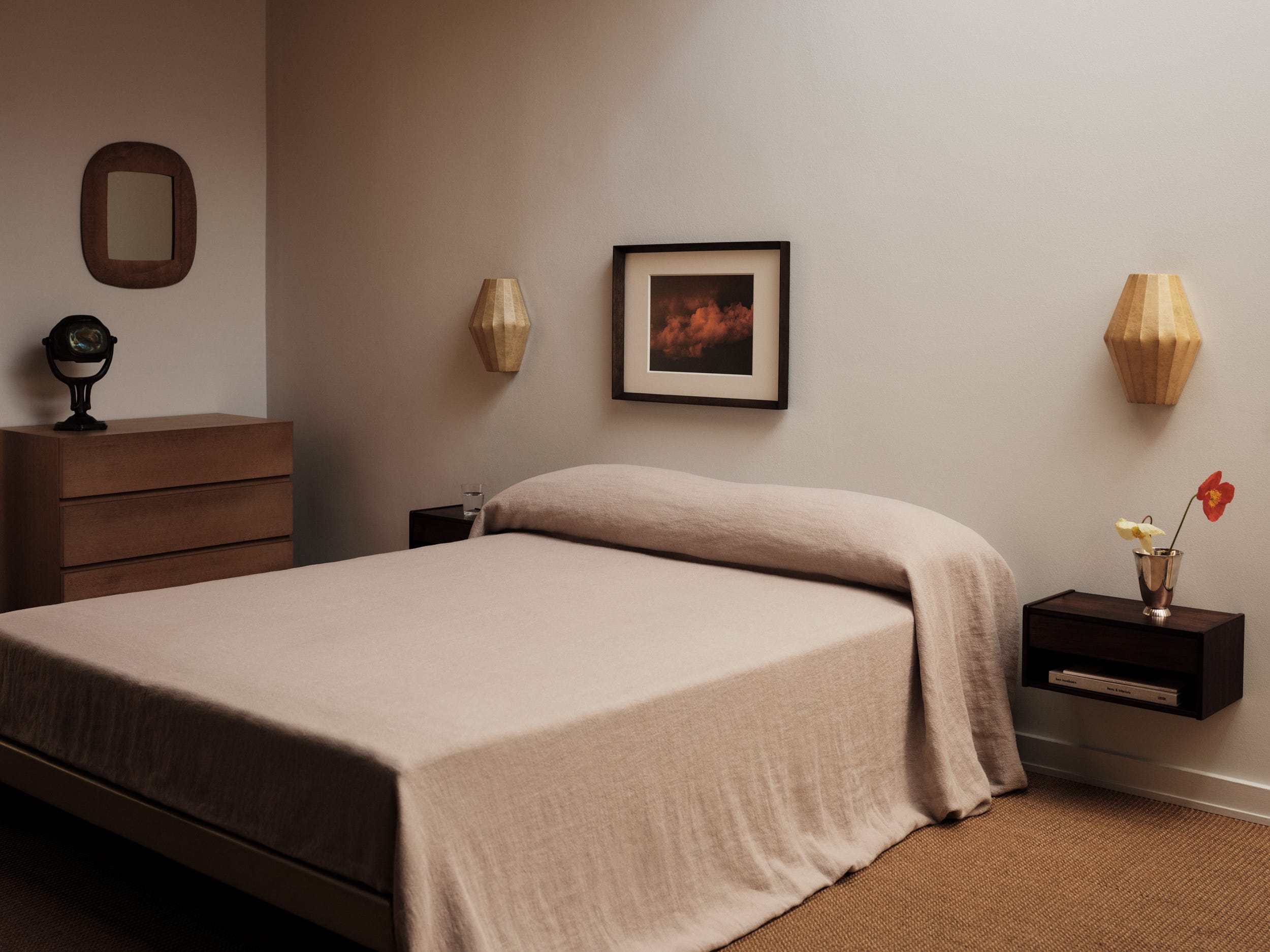
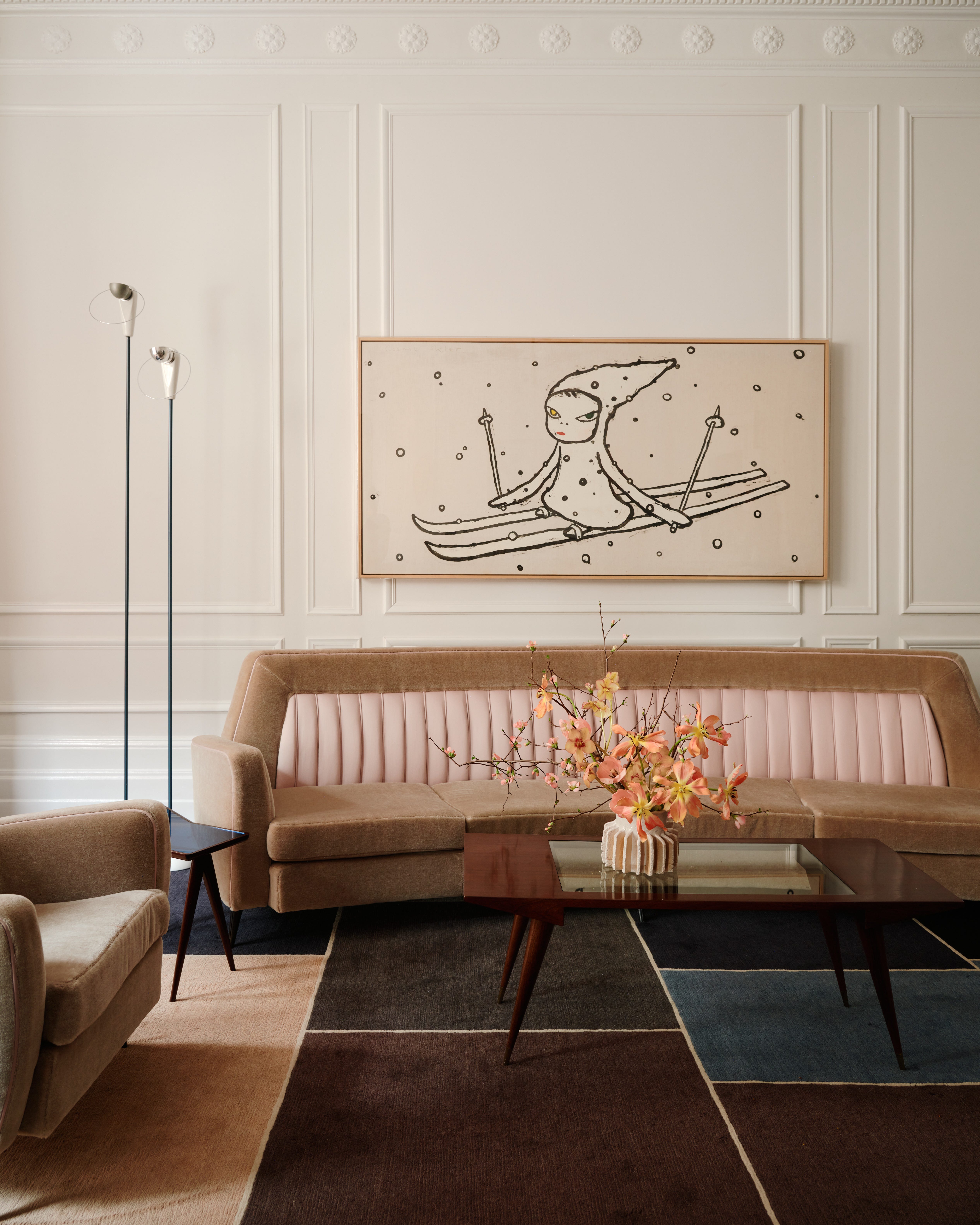
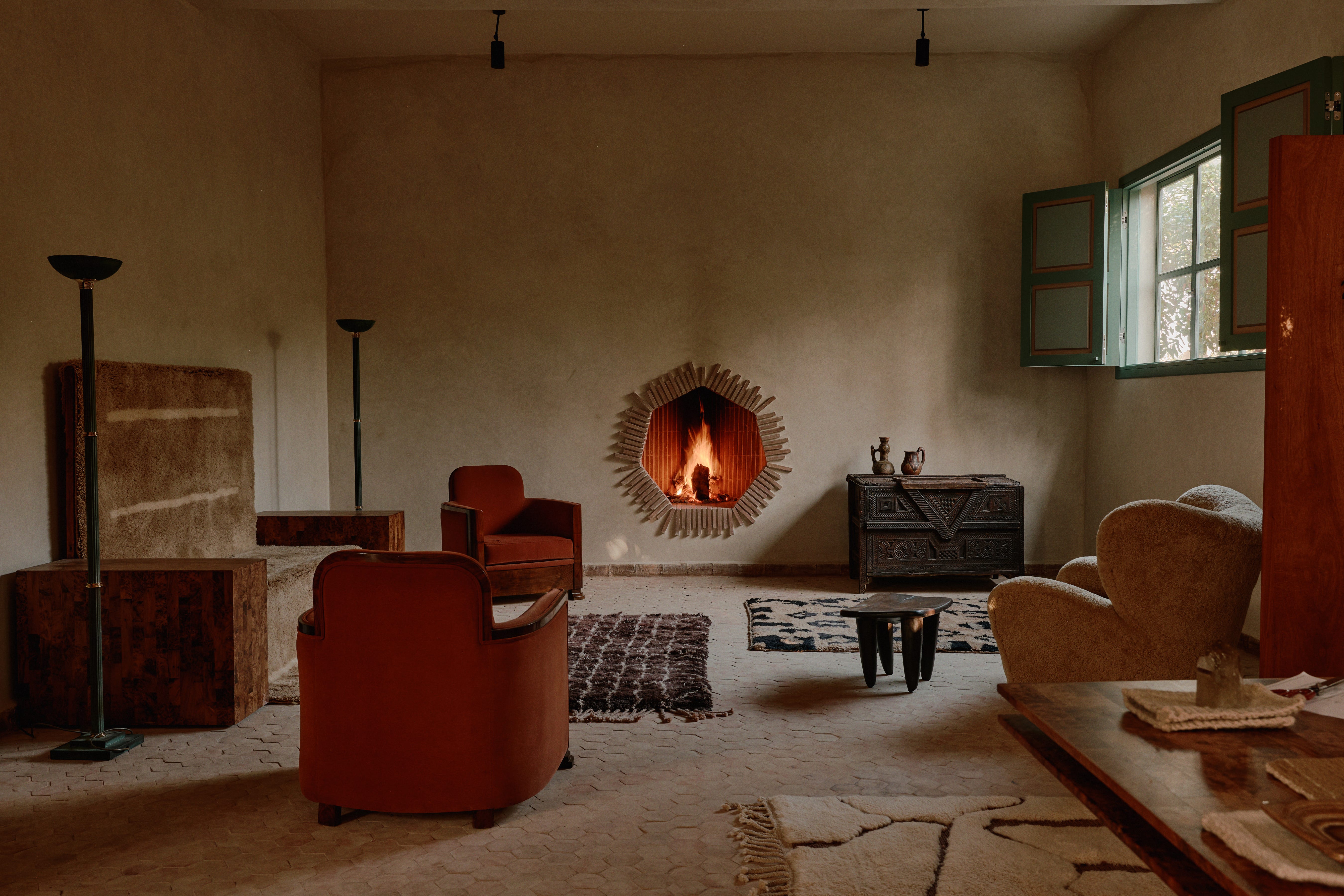
This is the problem with collecting beautiful things one piece at a time. At a certain point, a room can start to feel like a collection of individual achievements. Every object has a résumé. Every object has a backstory. Every object has survived an auction, a shipping company, and several opportunities for you to make better financial decisions.
I found this in Paris. This came from an auction. This came from a dealer with impossible hours. This one arrived in a crate so large it briefly became a piece of furniture itself.
And yet the room feels choppy. Not ugly. Not wrong. Just unsettled. Like everyone arrived at the dinner party looking fantastic but nobody knows each other.
I’ve been thinking about this a lot lately because I’m finally bringing in some of the last pieces for my apartment. This should feel triumphant. The finish line is in sight. The sourcing’s mostly done. The spreadsheets can finally rest.
Instead, I keep finding myself standing in the middle of the room thinking, Why is this getting louder?
Not visually louder.
Narratively louder.
Every object would like a brief moment to explain itself.
I see this happen in styling too, especially in photographs. There will be little styling moments scattered throughout the frame. A stack of books here. A flower there. A vessel on a cloth. A candle. A bowl. A slightly nervous branch doing its best.
Individually, nothing is offensive.
Together, everything starts raising its hand.
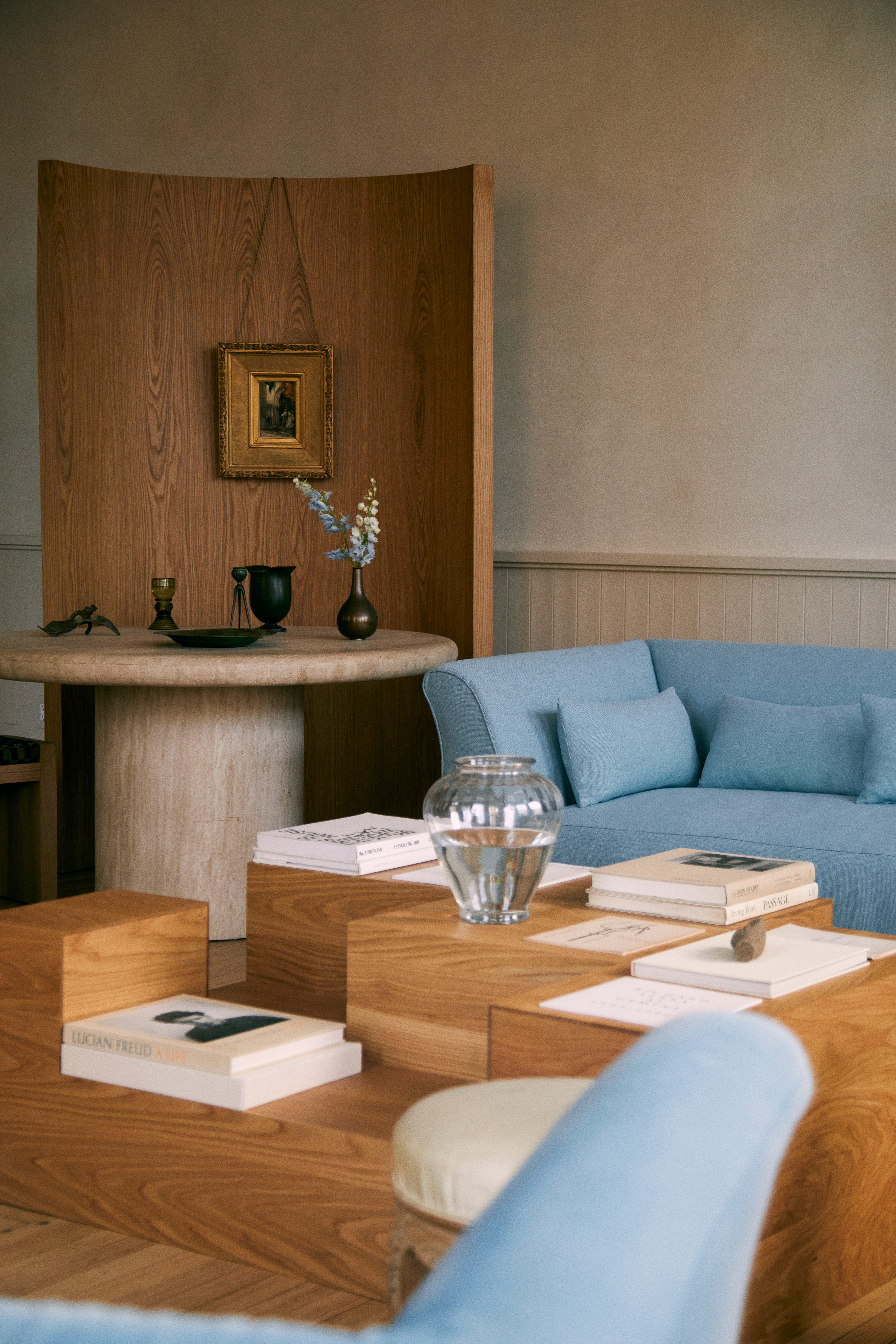
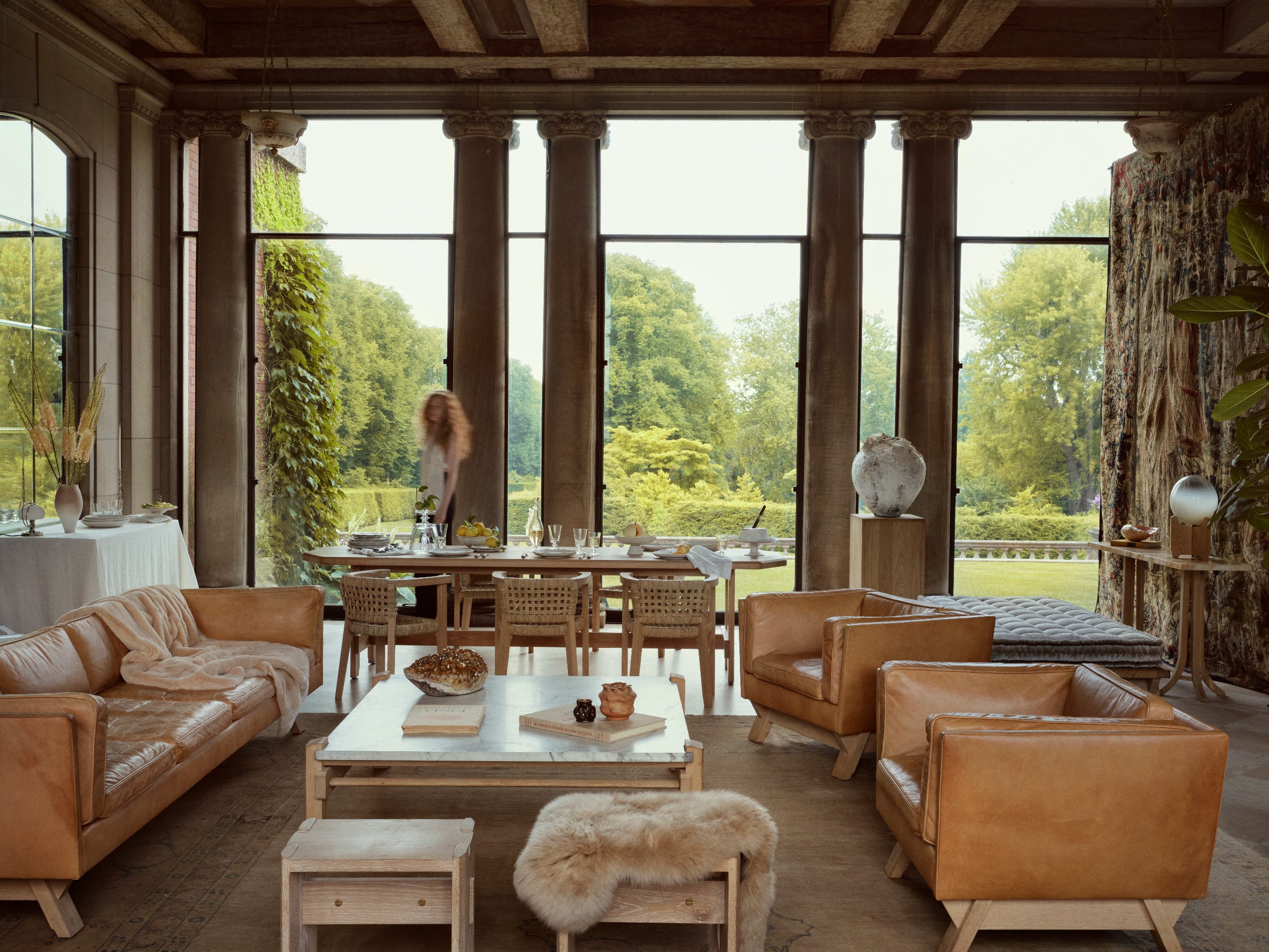
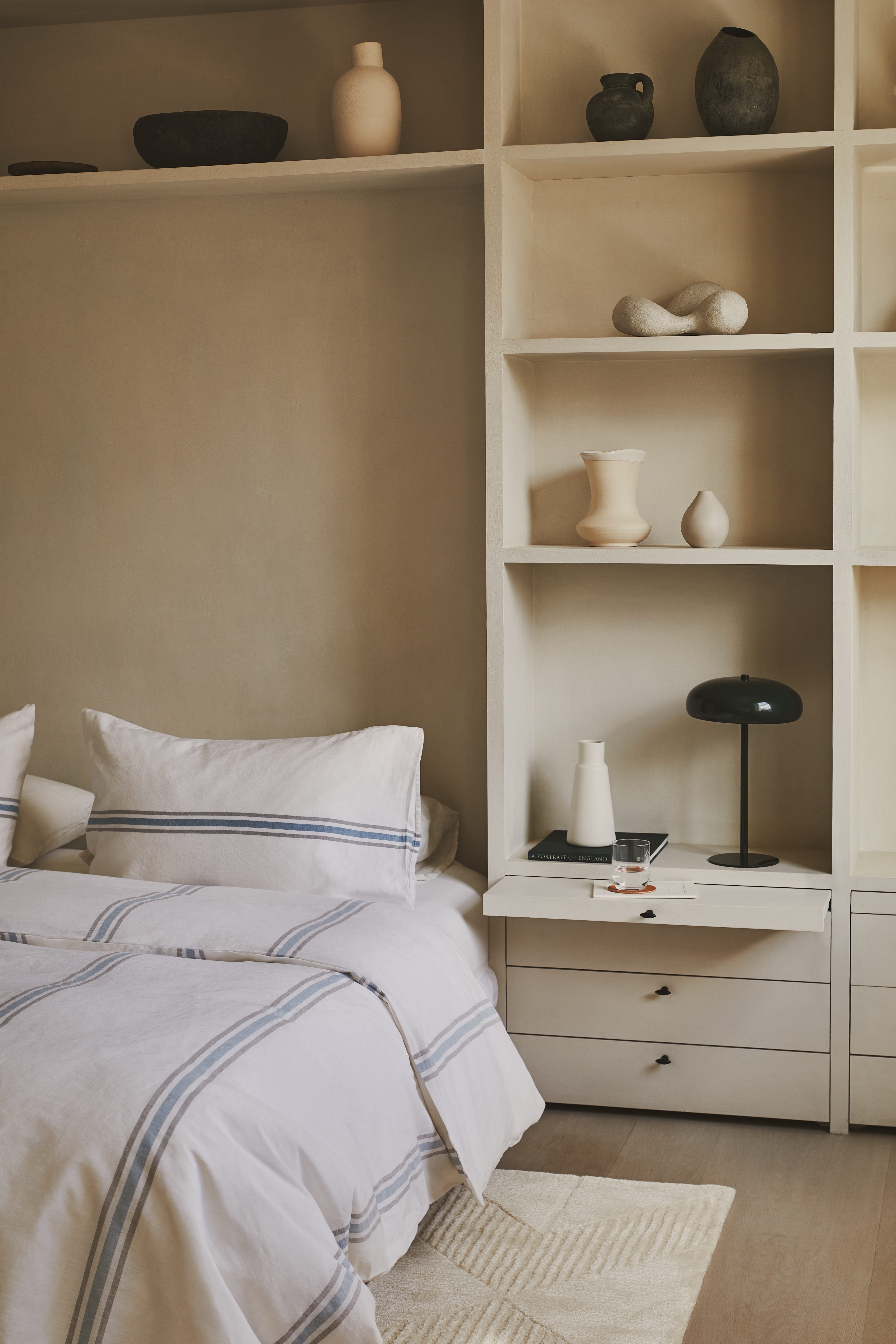
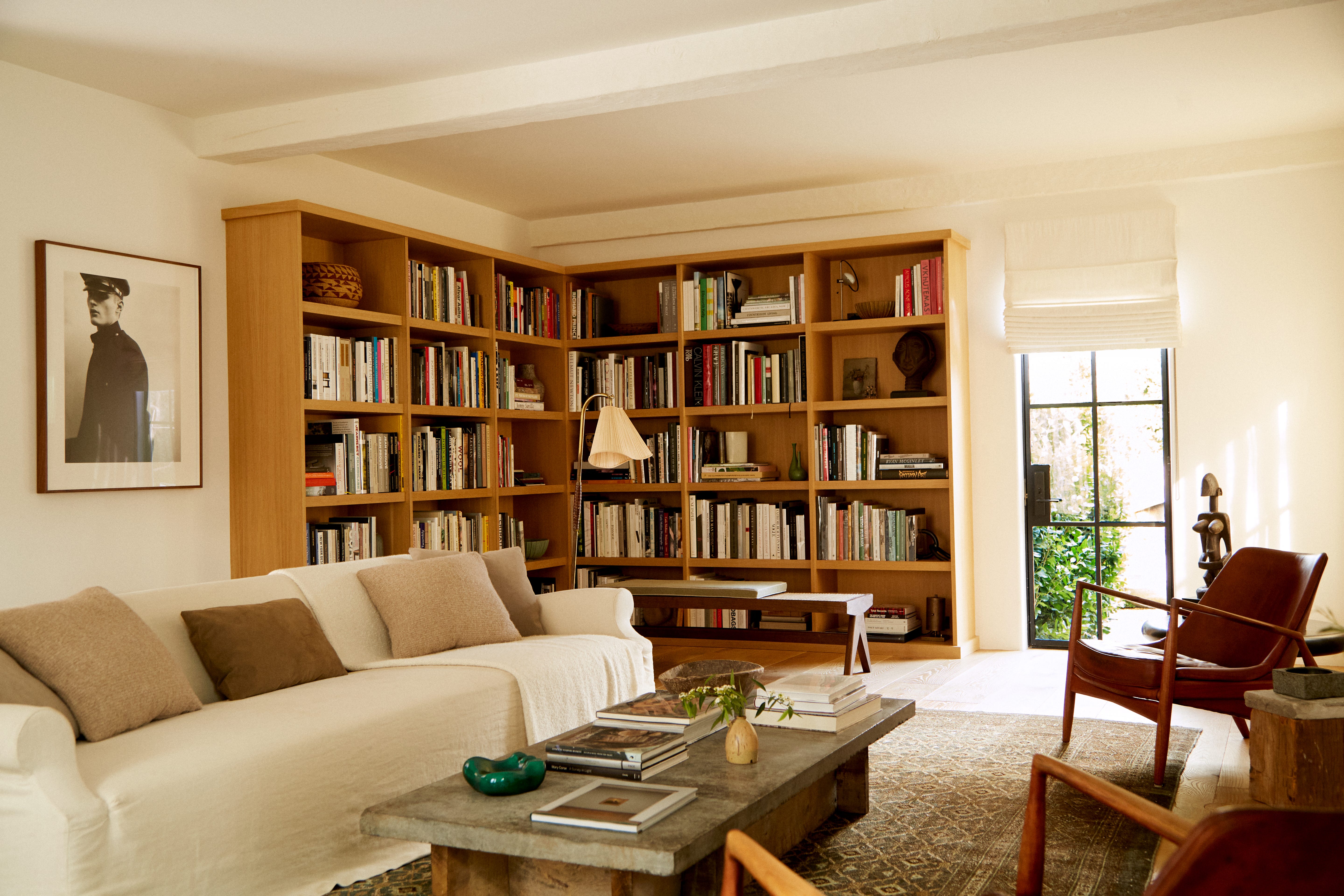
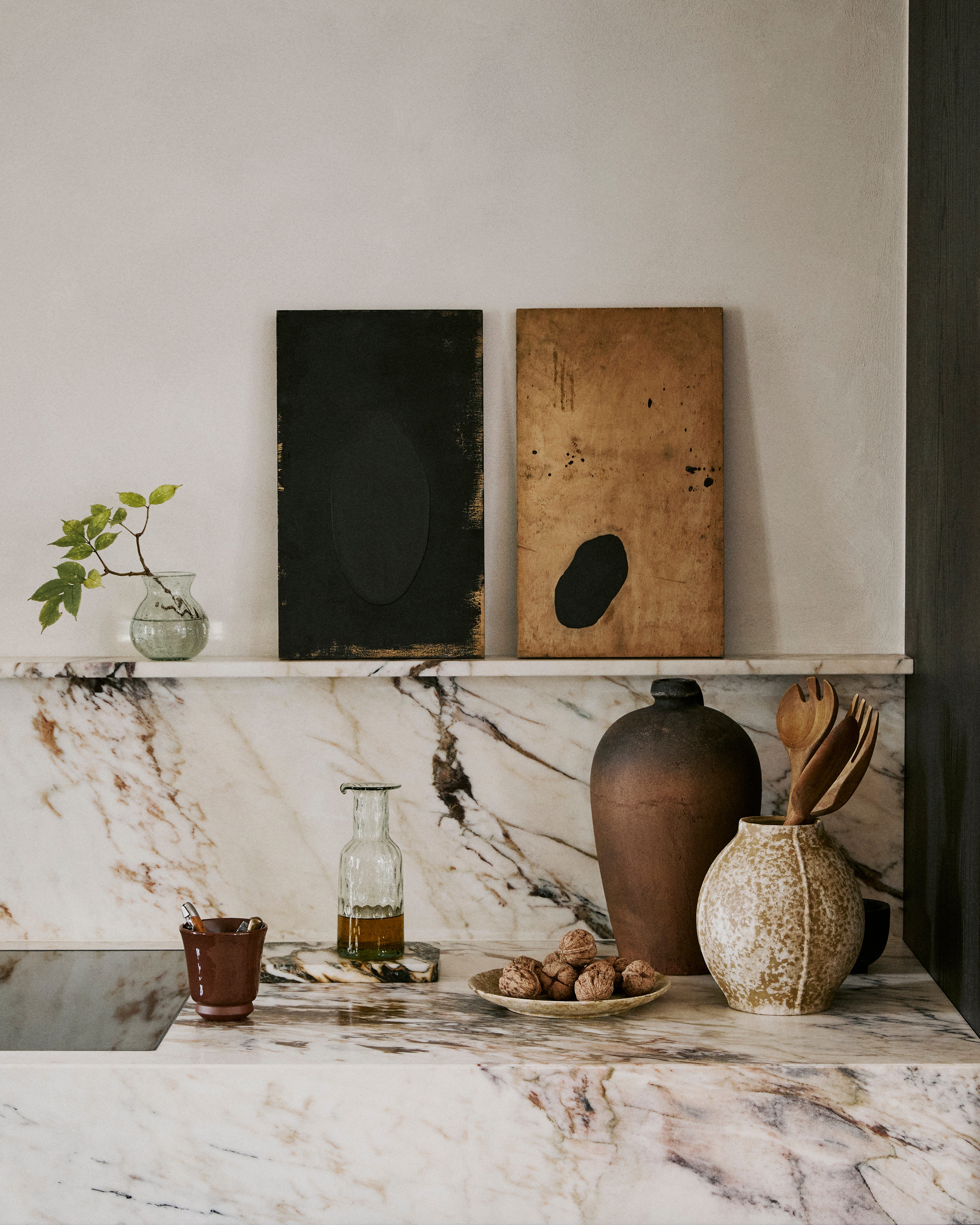
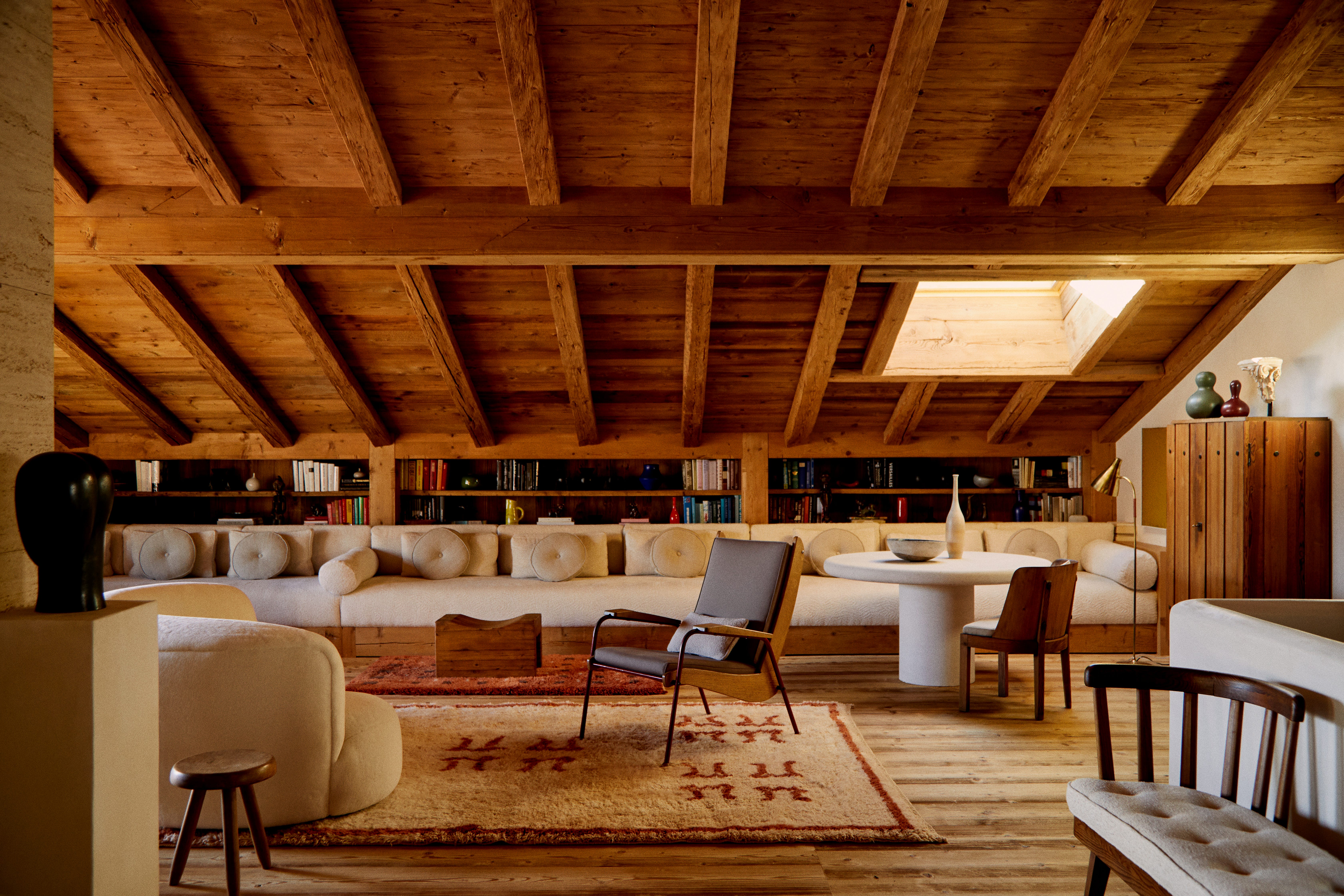
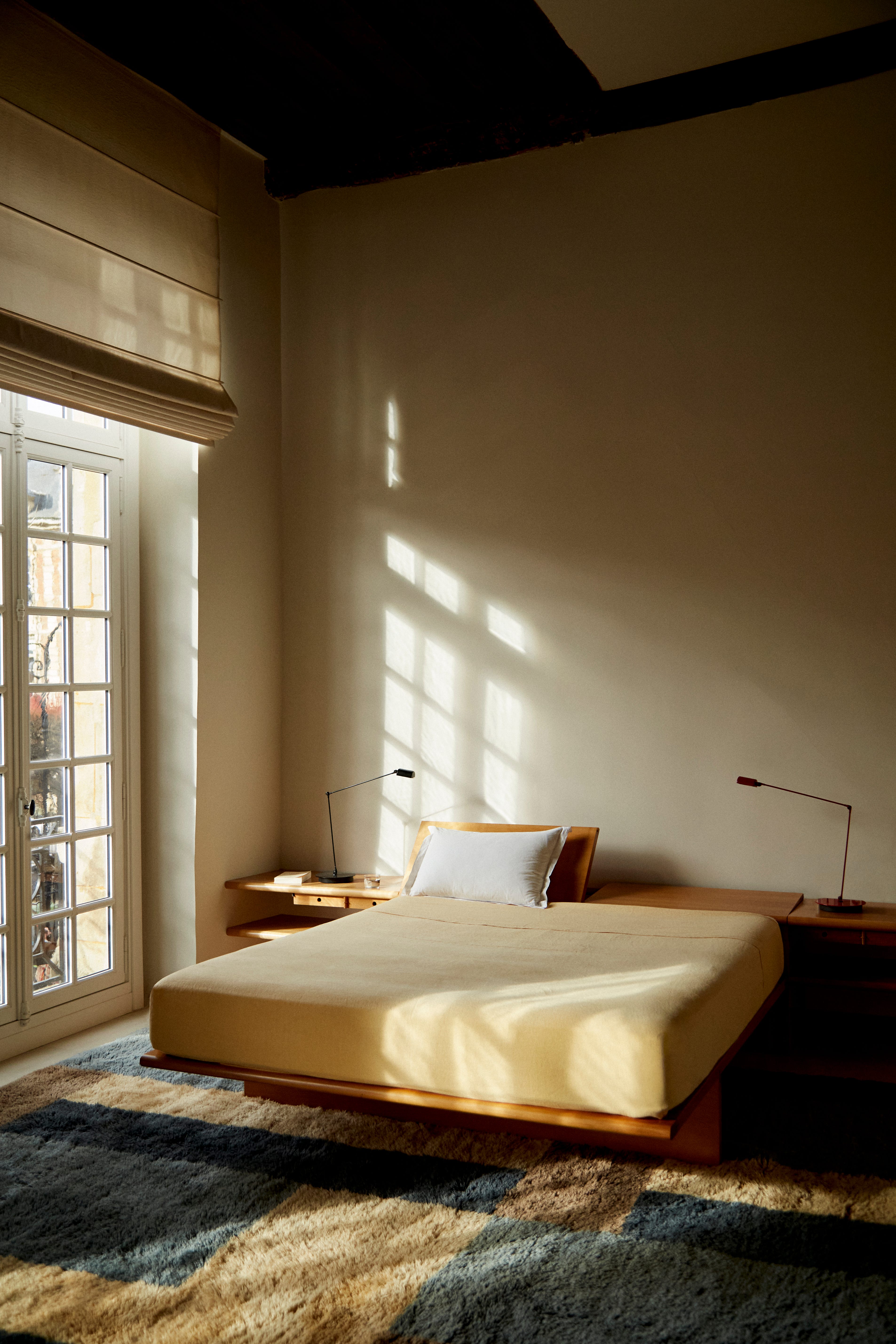
Years ago, I was on set reviewing images with a client. As stylists, we’re often sourcing flowers, props, textiles, and objects weeks before a shoot based on scouting photographs and floor plans. Sometimes you haven’t even stood in the room until the day you’re shooting it, which is a wonderfully efficient way to remain humble.
I had arrived with all sorts of things I thought the room needed. Beautiful objects. Flowers. Textiles. Little interventions I was convinced would help bring the room to life.
Then we started reviewing the images on the monitor.
The client looked at the screen and said, “All I can see is your styling.”
Thankfully, this happened while we were still shooting and not after the magazine had gone to print.
But she was right.
I’d become so focused on the individual moments that I’d stopped paying attention to the picture.
Somewhere along the way, I’d started competing with the room instead of supporting it.
We removed things. Simplified. Stepped back.
The image immediately became stronger.
That lesson has stayed with me because it’s surprisingly easy to mistake activity for atmosphere. A room doesn’t necessarily improve because you’ve added five more interesting things. Sometimes it improves because you’ve finally noticed what’s already there.
The deeply irritating thing is that most rooms don’t have an object problem.
They have a relationship problem.
Now, I realize this may sound rich coming from someone who recently wrote an entire essay about tiny things. I stand by every word. Tiny things matter enormously. The flower. The lamp. The pitcher of water. The chair pulled slightly away from the table. The branch interrupting the mirror.
Those are often the things that make a room feel alive.
But lately I’ve been realizing there’s a difference between bringing a room to life and giving it a point of view.
A flower cannot decide what a room is about.
A beautiful ceramic cannot create a point of view.
A stack of books cannot tell your eye where to land.
Trust me, I’ve tried.
Tiny things bring a room to life. But first there has to be a room.
And that’s the distinction I’ve been thinking about lately. The little gestures create atmosphere. They create hospitality. They create evidence of thought. But they can’t answer the larger question.
What is this room trying to say?
Not what is the lamp saying.
Not what is the chair saying.
Not what is the art saying.
What is the room saying?
I’ve started asking myself this question whenever a room feels piece-y, and the answer is often uncomfortable.
Because sometimes the room isn’t saying anything.
It’s just a collection of things I happen to like.
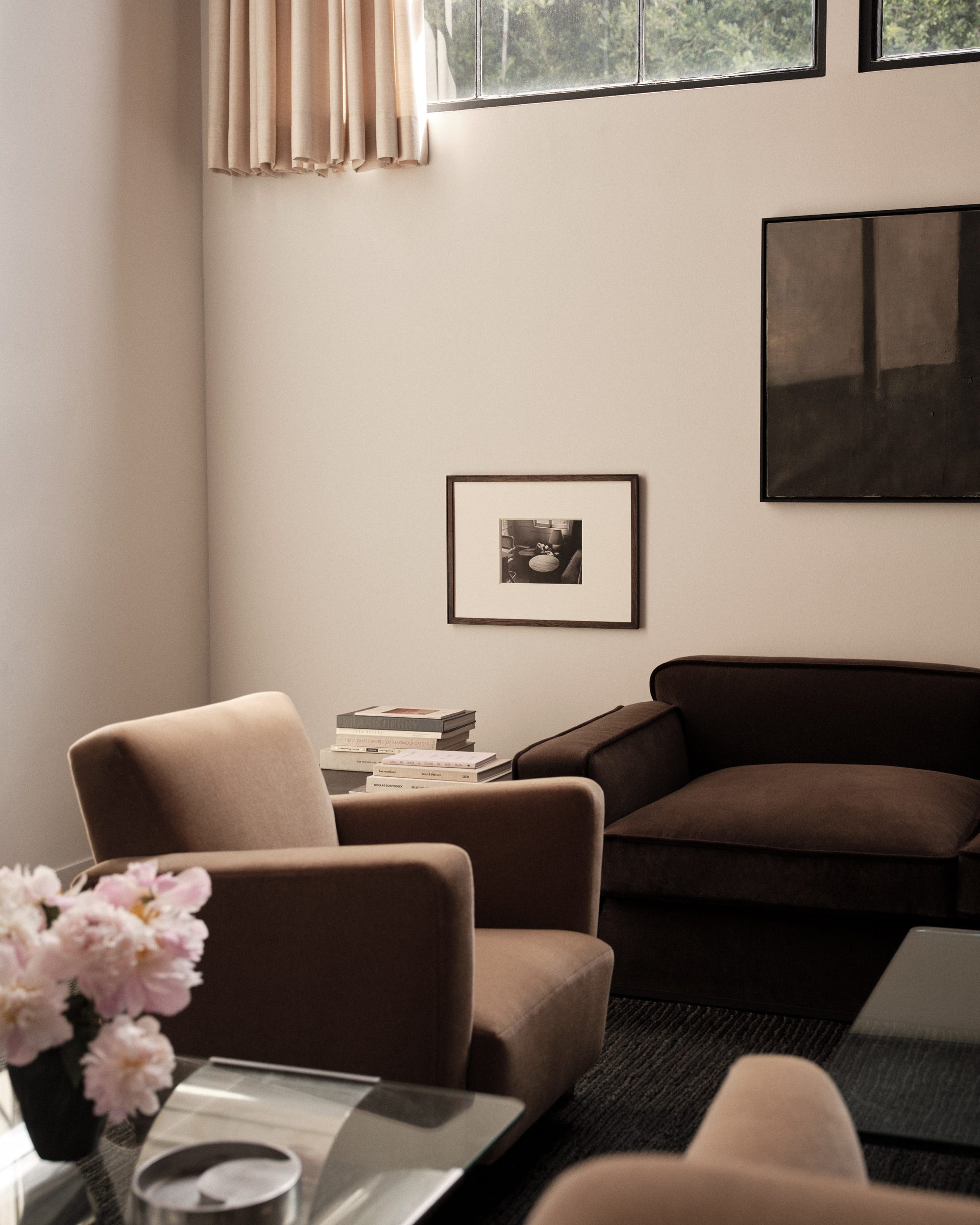
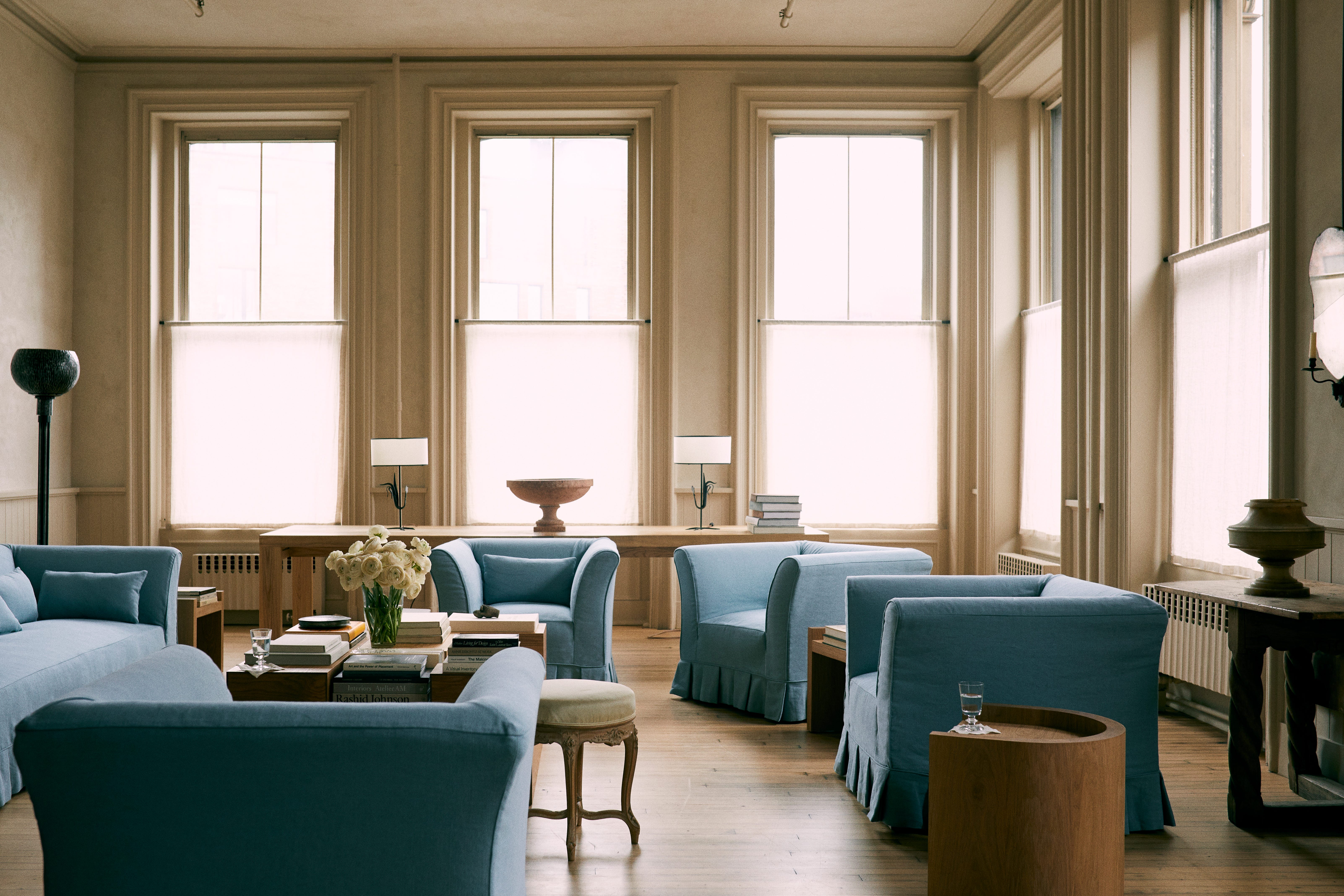
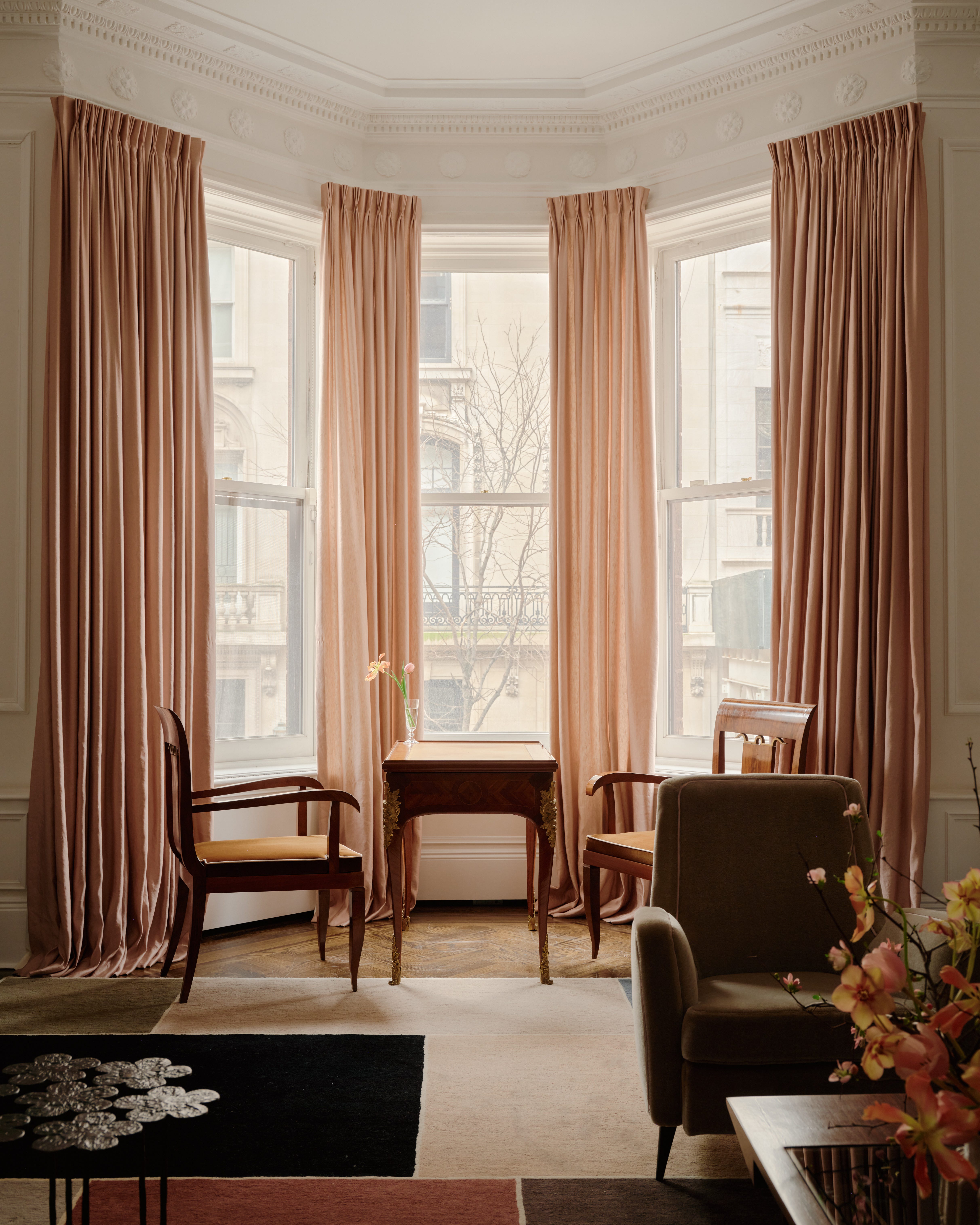
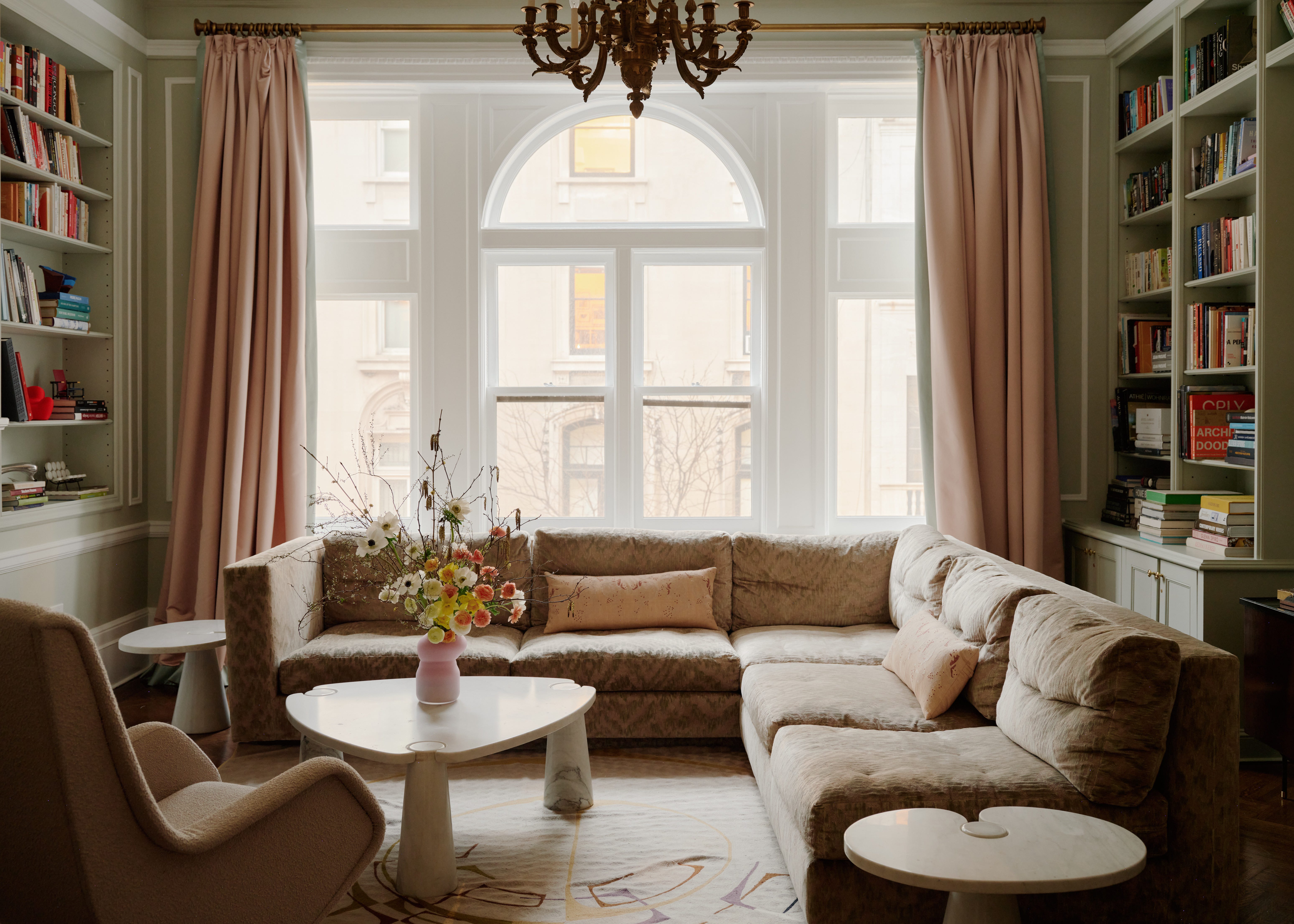
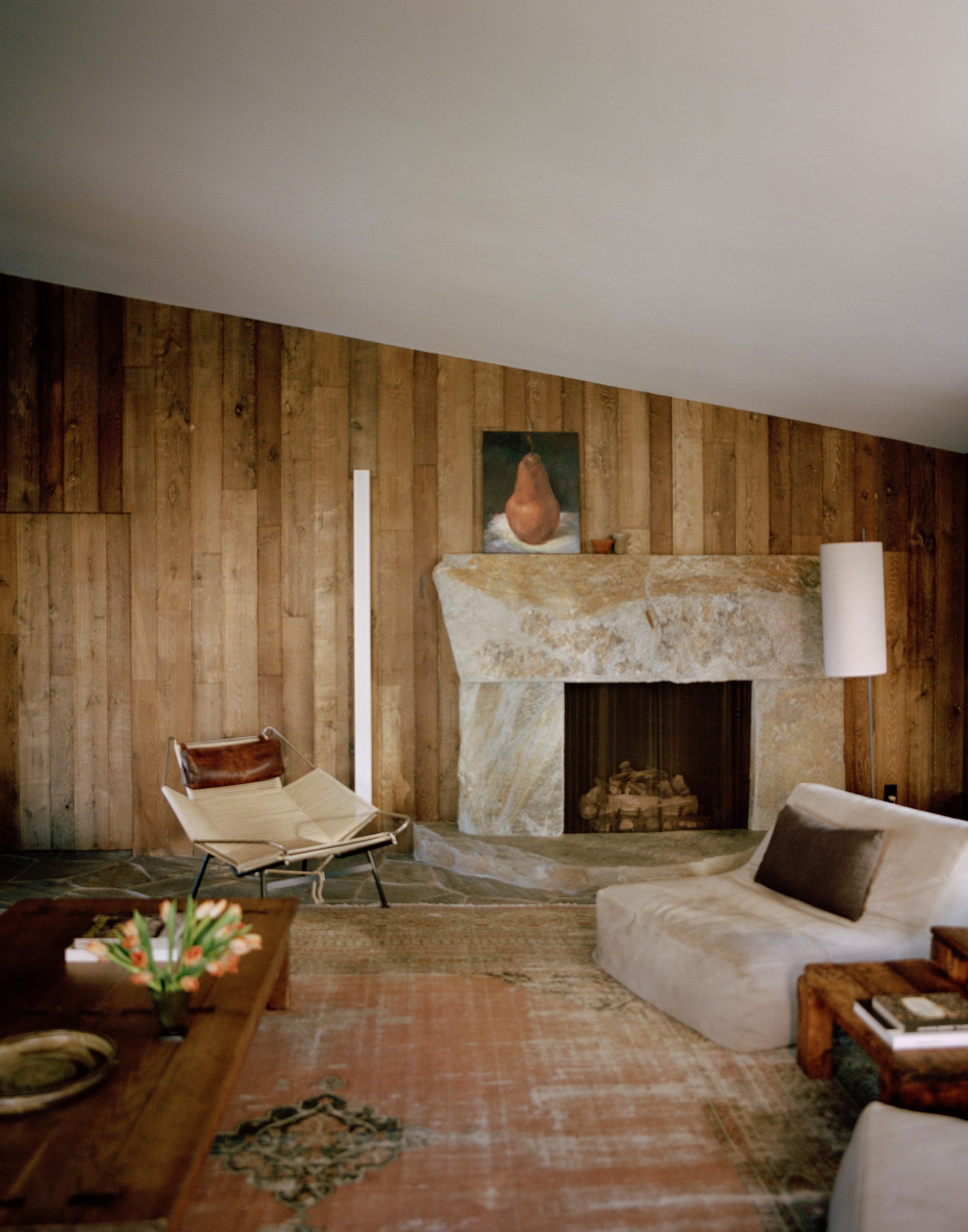
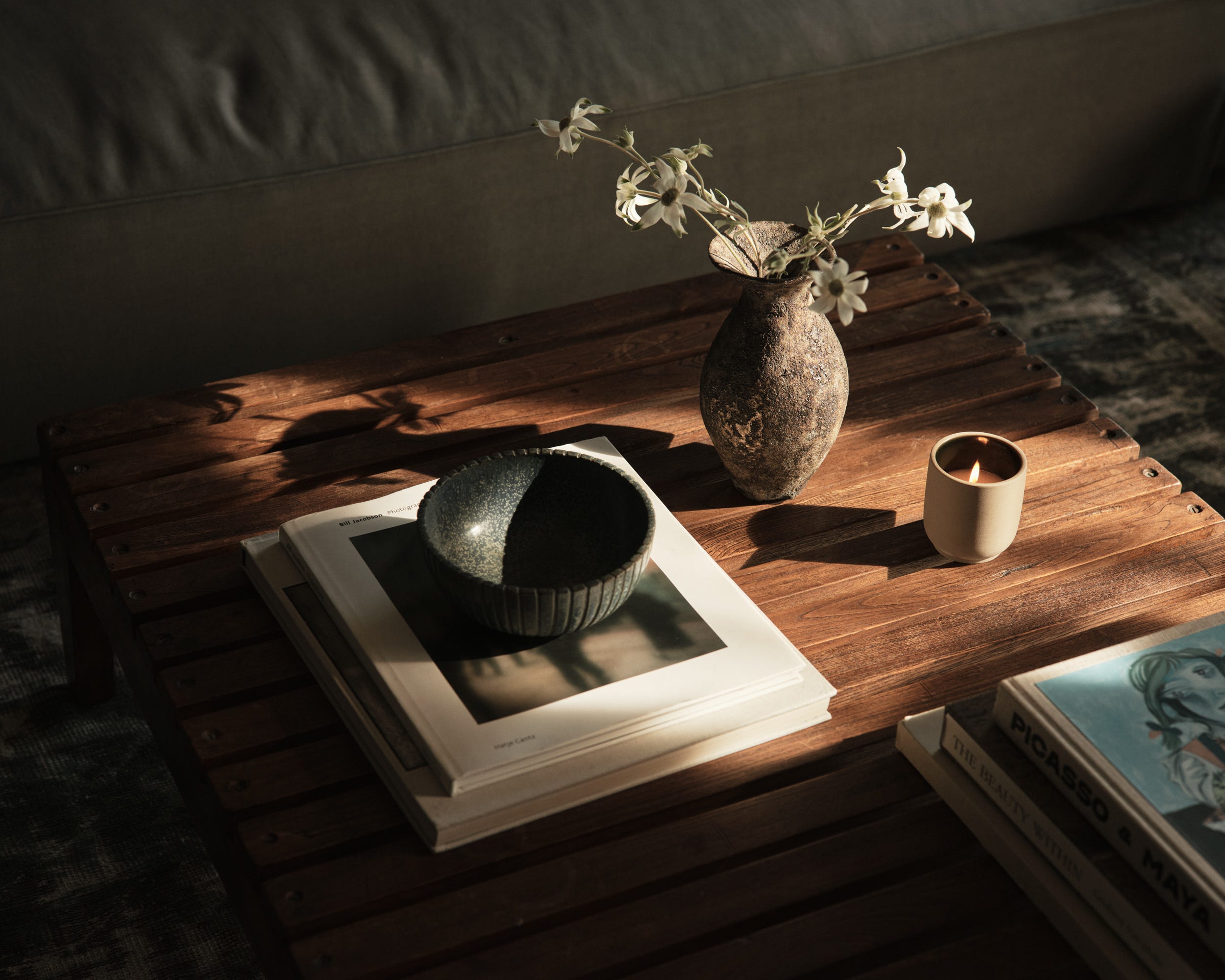
When I was studying dance, one of my teachers used to say, “Colin, don’t come on the audience. Let the audience come to you.”
Which remains some of the best advice I’ve ever received despite sounding deeply inappropriate.
I’ve realized it’s also true of rooms.
A room that feels piece-y is often a room that’s trying too hard. Every chair wants your attention. Every lamp wants your attention. Every object has a fascinating backstory. Every styling moment would like a brief opportunity to explain itself.
Nobody has agreed to play supporting cast.
One of the hardest lessons in styling is that not everything deserves equal emphasis. In fact, most things don’t. A photograph works because your eye knows where to land first. Then it discovers everything else. The image unfolds. It doesn’t introduce itself all at once.
The rooms I remember most work the same way.
They’re not necessarily the rooms with the most beautiful furniture or the rarest objects. They’re the rooms that know what matters. They know where the sentence begins. They know where it ends. And they know which words can stay quiet.
I’ve started thinking about rooms the way I think about puzzles.
Not because they’re frustrating, although they certainly can be.
But because a finished puzzle has a particular quality. Once every piece is in place, nothing can be added and nothing can be removed without changing the whole image.
The pieces become dependent on one another.
Take away one section and the picture no longer works the same way.
I think great rooms operate similarly.
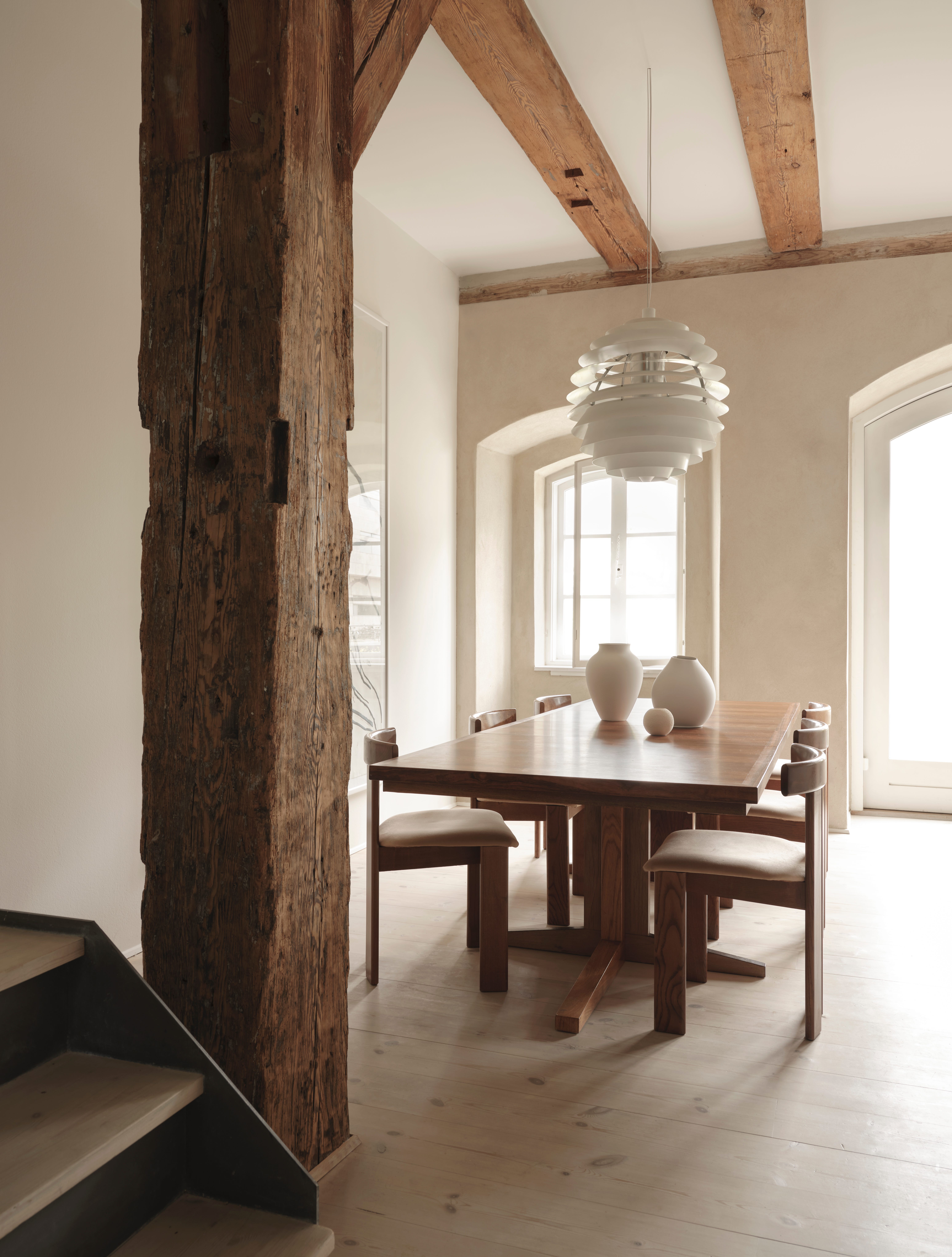
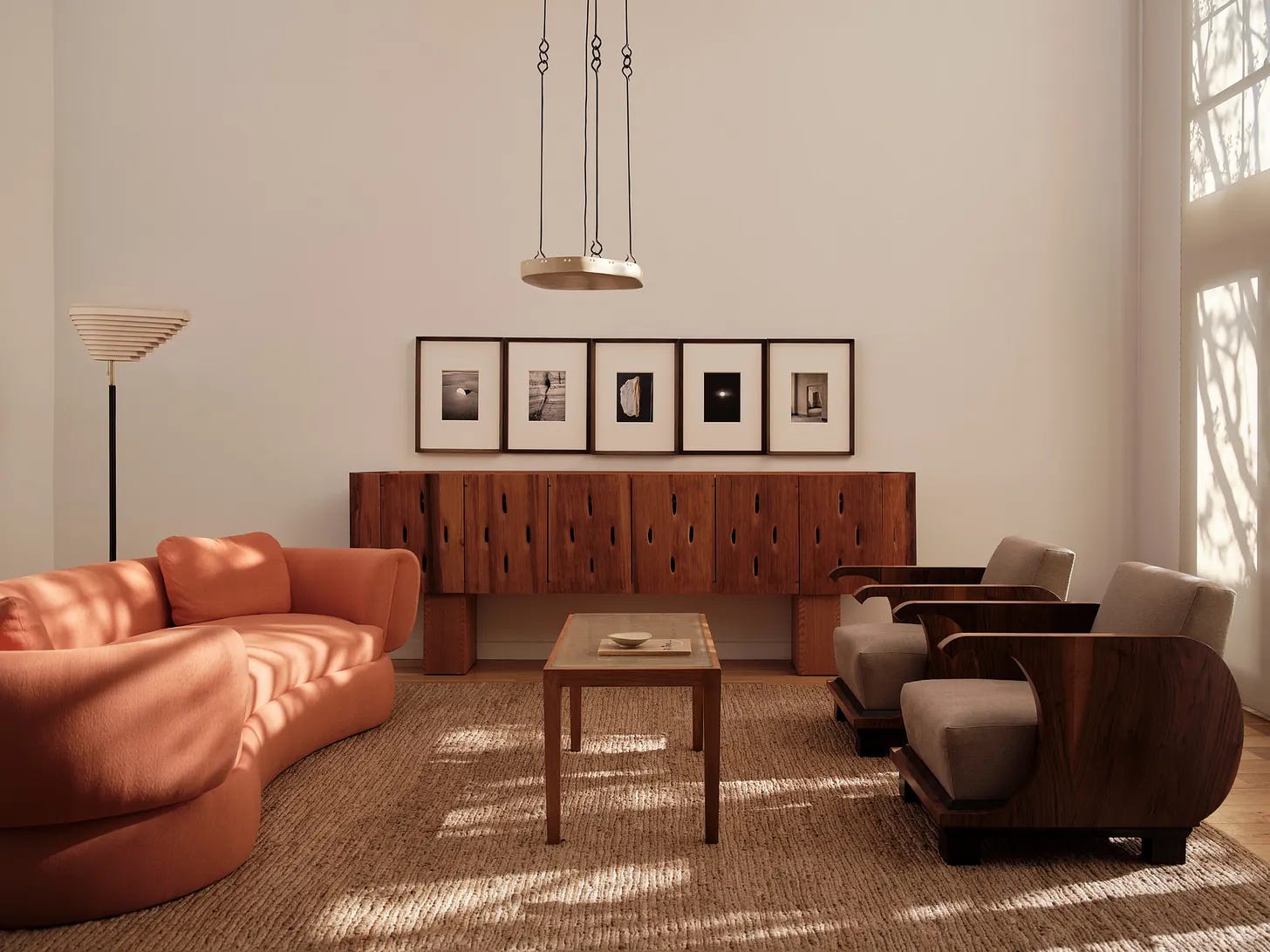
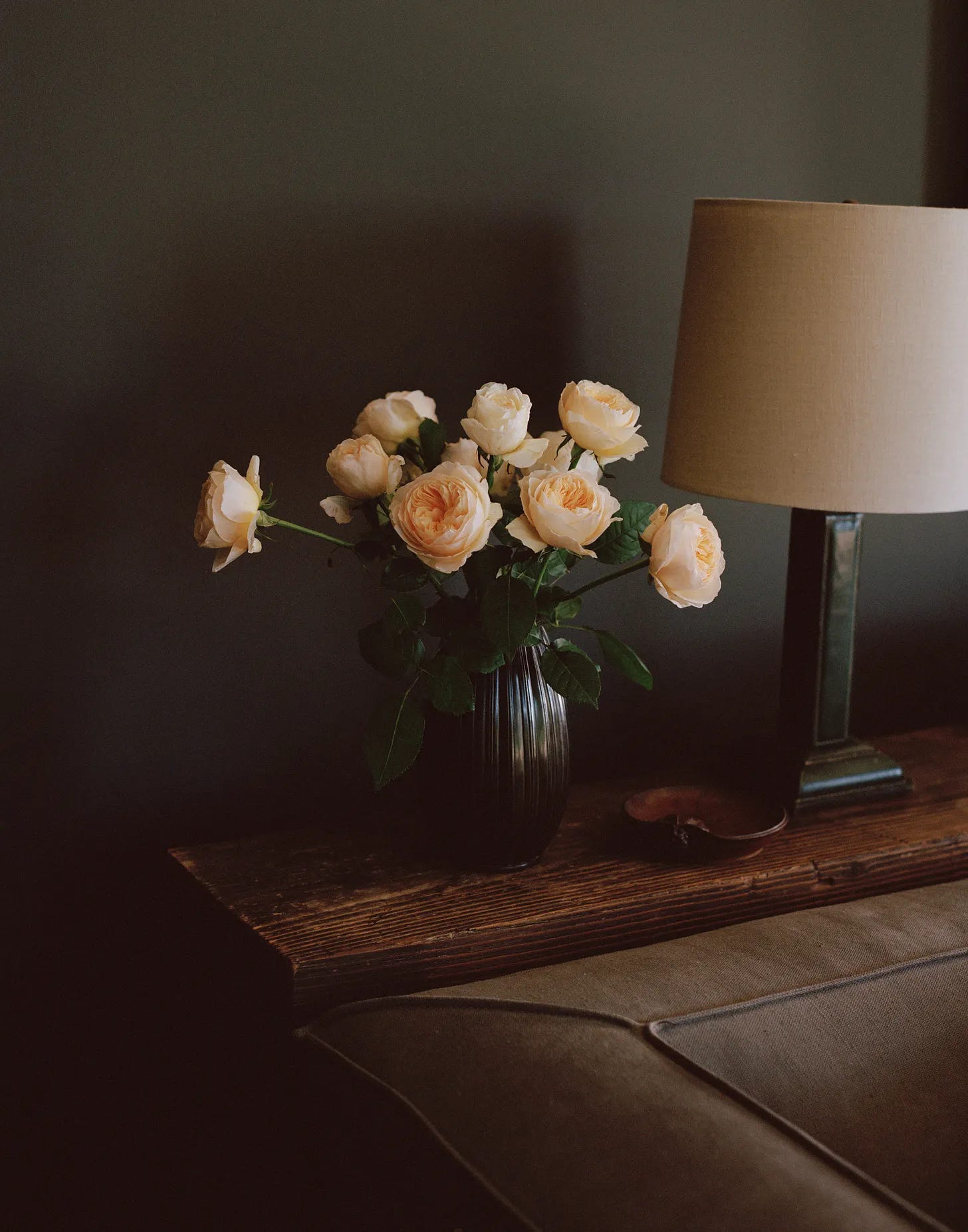
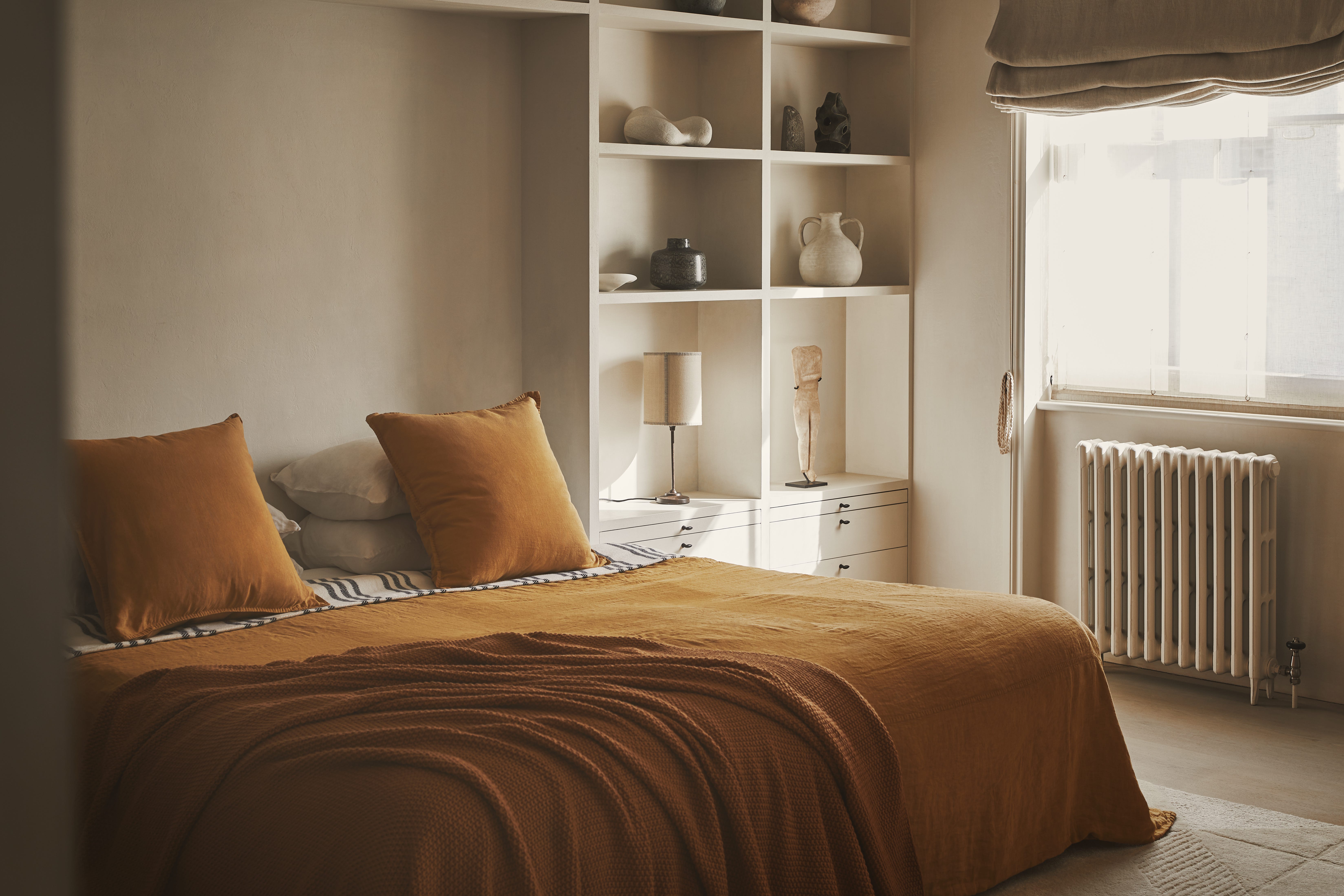
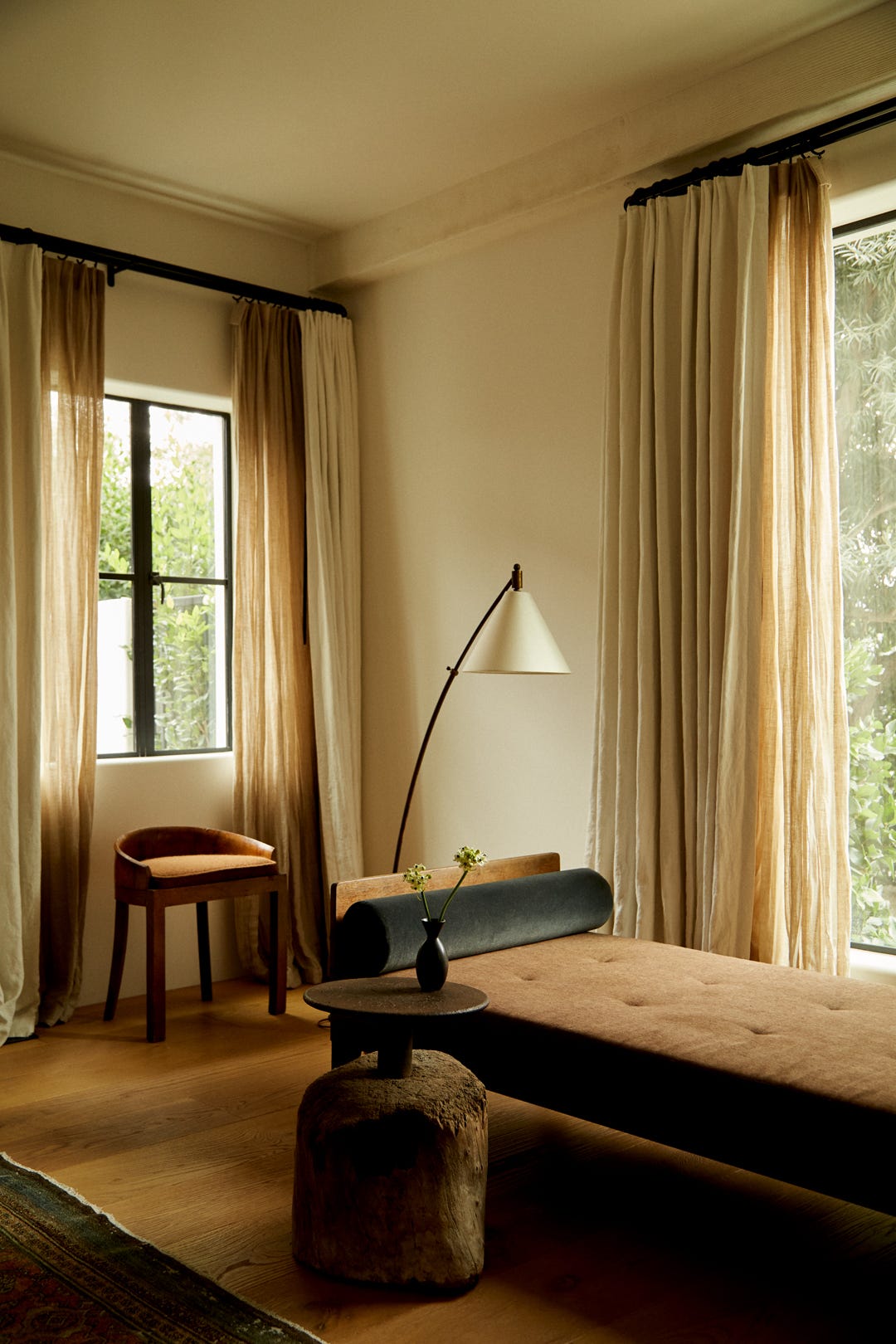
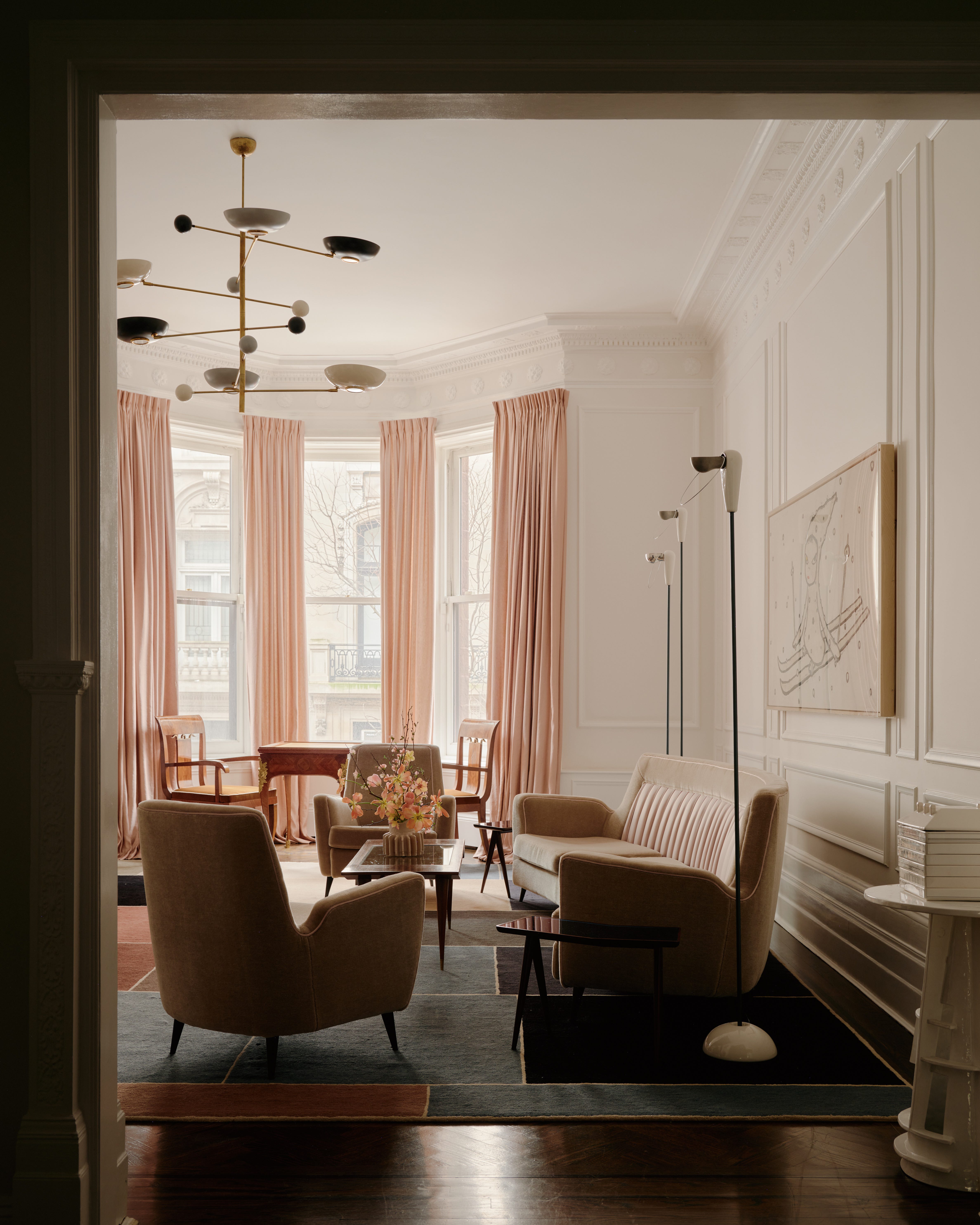
People often assume every object should be able to stand on its own. That every chair should be interesting. Every lamp should have a point of view. Every object should earn its keep independently.
But the rooms I admire most don’t work that way.
The sofa makes the chairs make sense.
The chairs make the table make sense.
The table makes the lamp make sense.
The lamp makes the art make sense.
Change one thing and suddenly you’re having a completely different conversation.
I’ve experienced this in my own apartment more times than I’d care to admit. A mirror changes and suddenly the artwork feels wrong. A chair leaves the room and an entire corner collapses emotionally. An object you’ve never paid much attention to disappears and somehow everything feels slightly off.
The room wasn’t relying on the individual object.
It was relying on the relationship.
And the more I think about it, the more I realize this isn’t just a design problem.
People do this too.
Careers do this.
Instagram feeds do this.
Lives do this.
We accumulate accomplishments, interests, experiences, opinions, goals, ambitions, and possessions until eventually we find ourselves with a very impressive collection of things and only a vague sense of what holds them together.
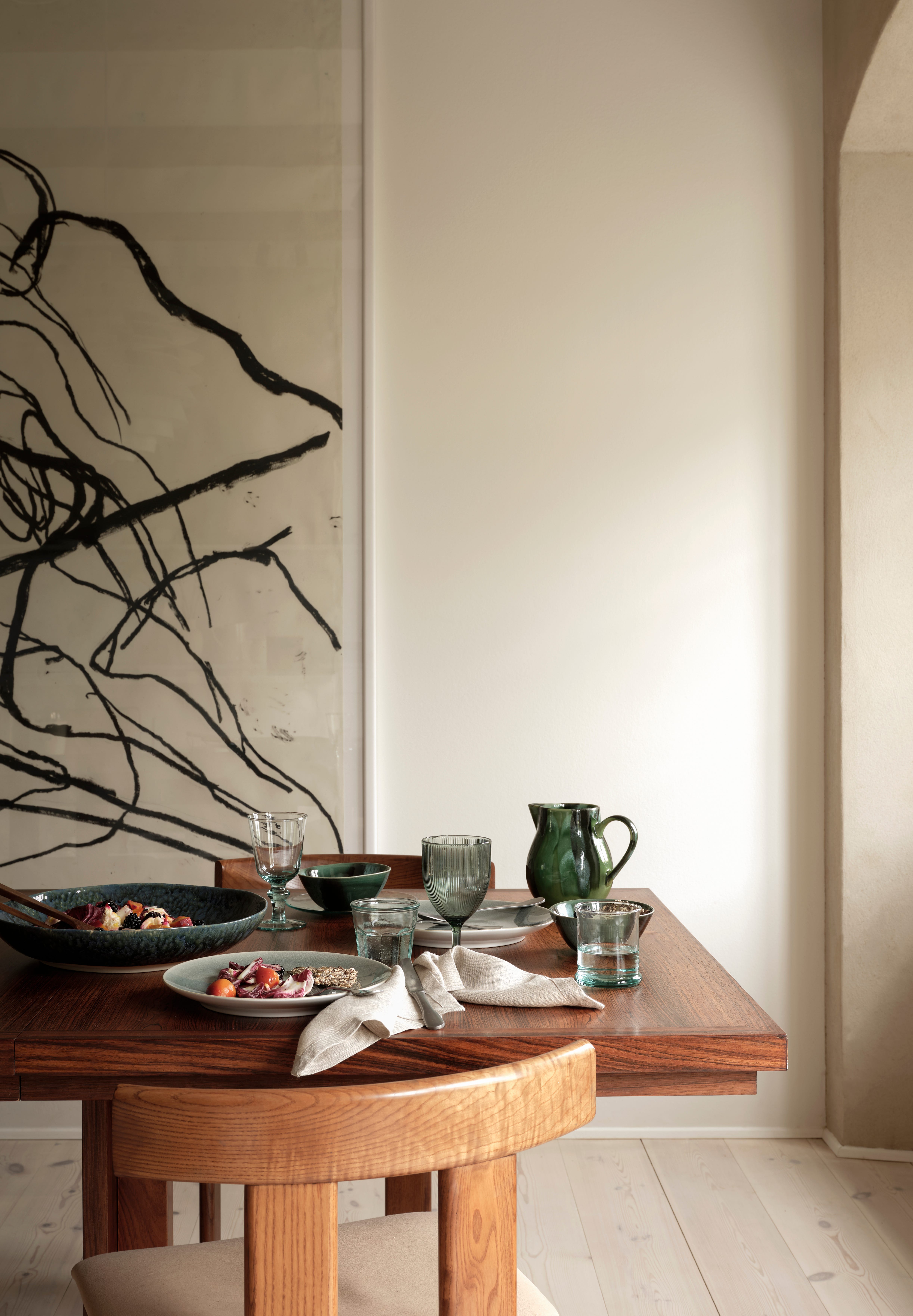
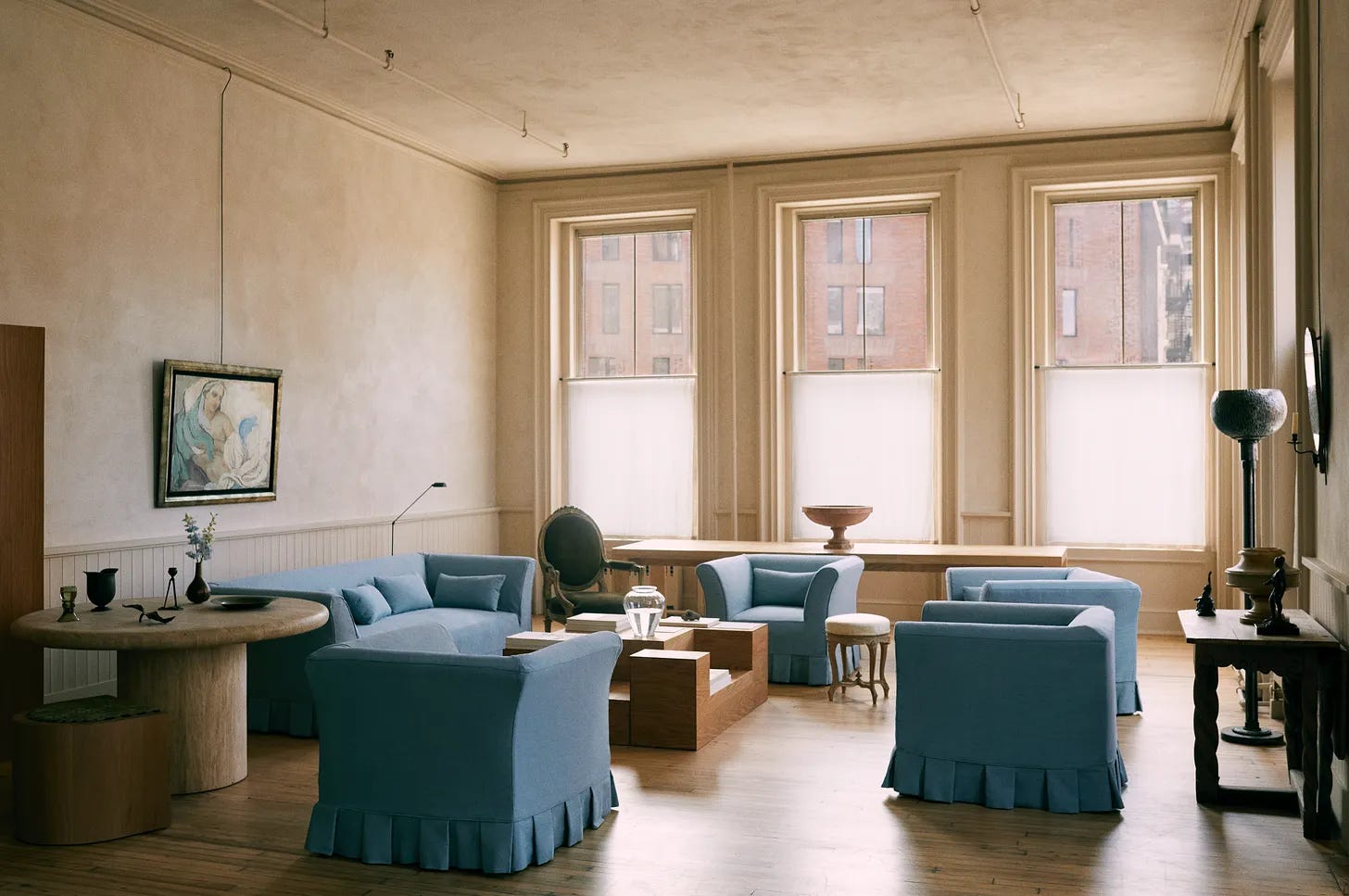
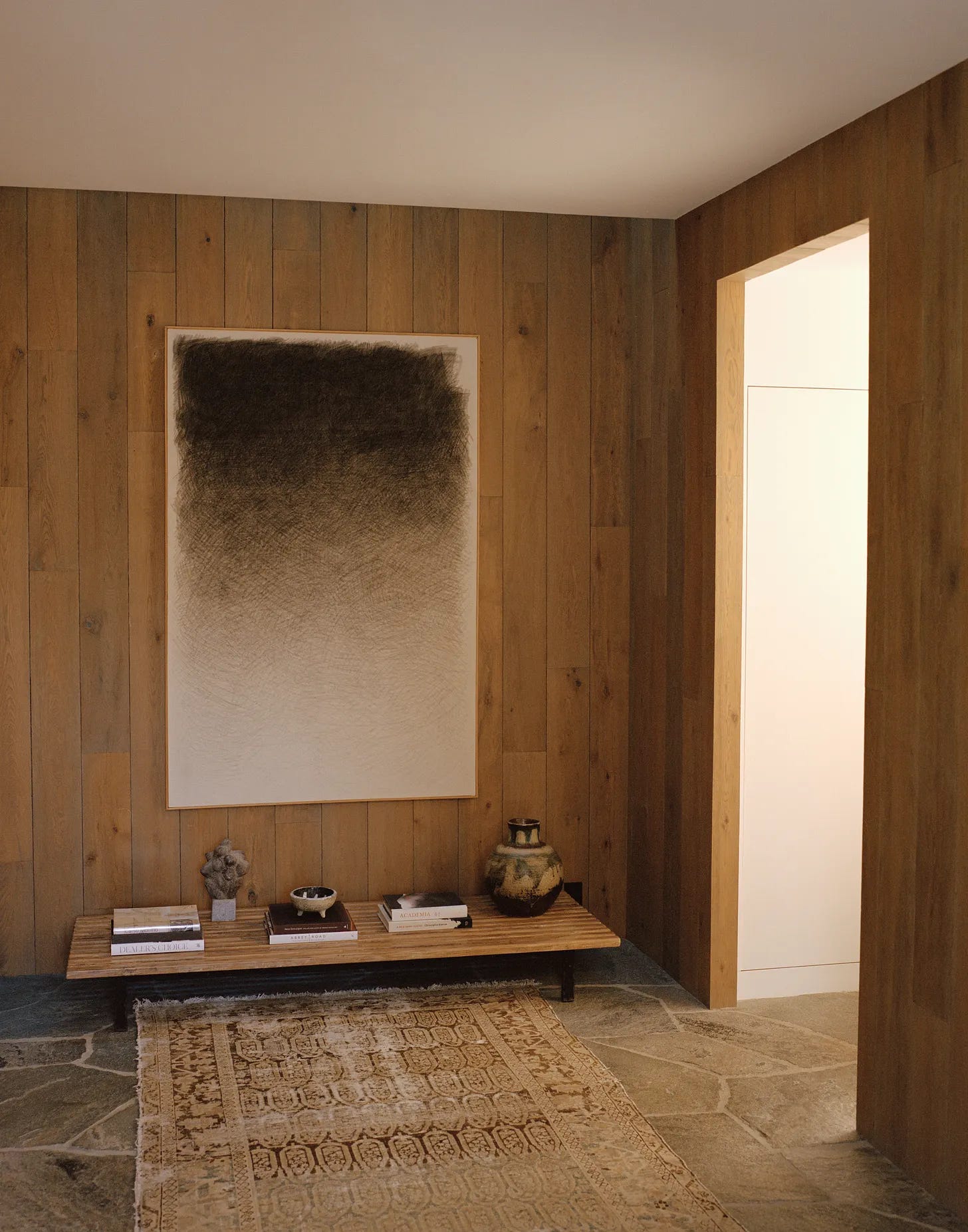
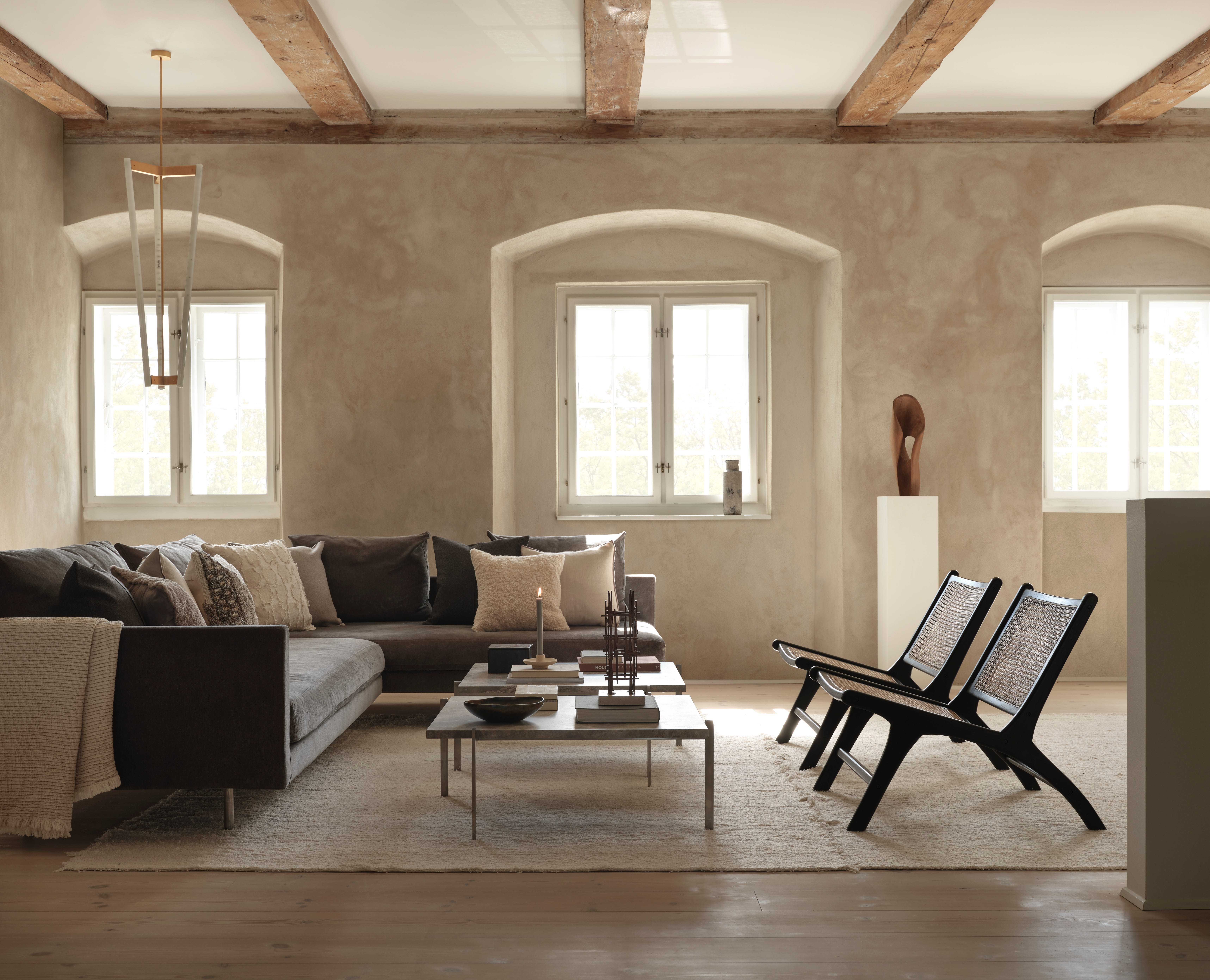
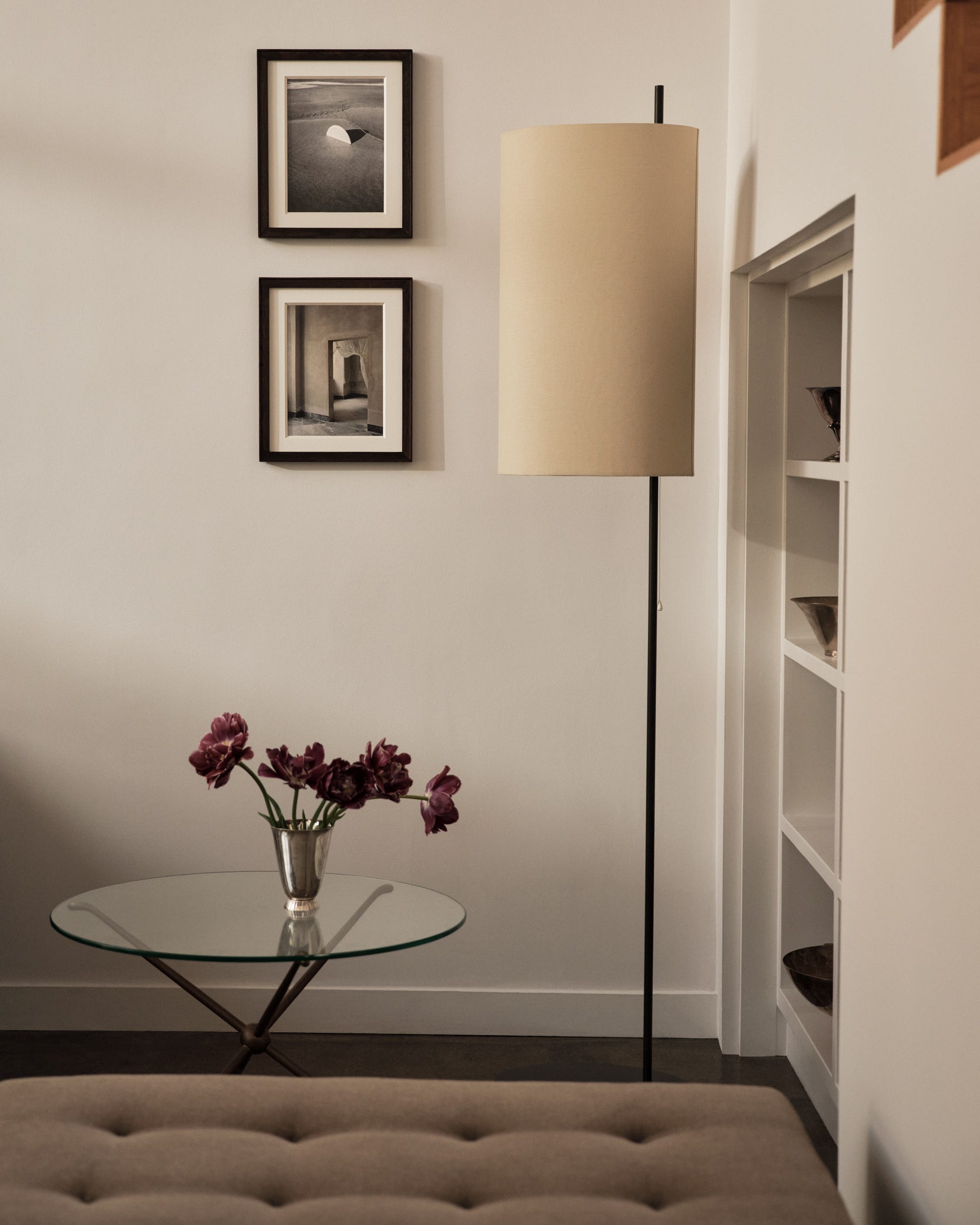
A room isn’t memorable because every object is special.
A room is memorable because everything feels like it’s participating in the same conversation.
I suppose that’s what I’m after these days. Not another beautiful object. Not another story. Not another thing to add to the pile.
I’m interested in the connective tissue.
The relationship.
The point of view.
The idea holding everything together.
Because every room eventually teaches the same lesson: the most important thing is rarely the thing drawing the most attention.
Not every piece needs to be extraordinary. Some pieces need to be calm. Some need to be useful. Some need to be the friend at dinner who asks good questions and doesn’t immediately tell a story about themselves.
Those are often the things that make the room work.
Not because they’re memorable.
Because they make everything else feel inevitable.
Love,
Colin

Comments
Nothing yet. Say the first thing.
Sign in to join the conversation.