
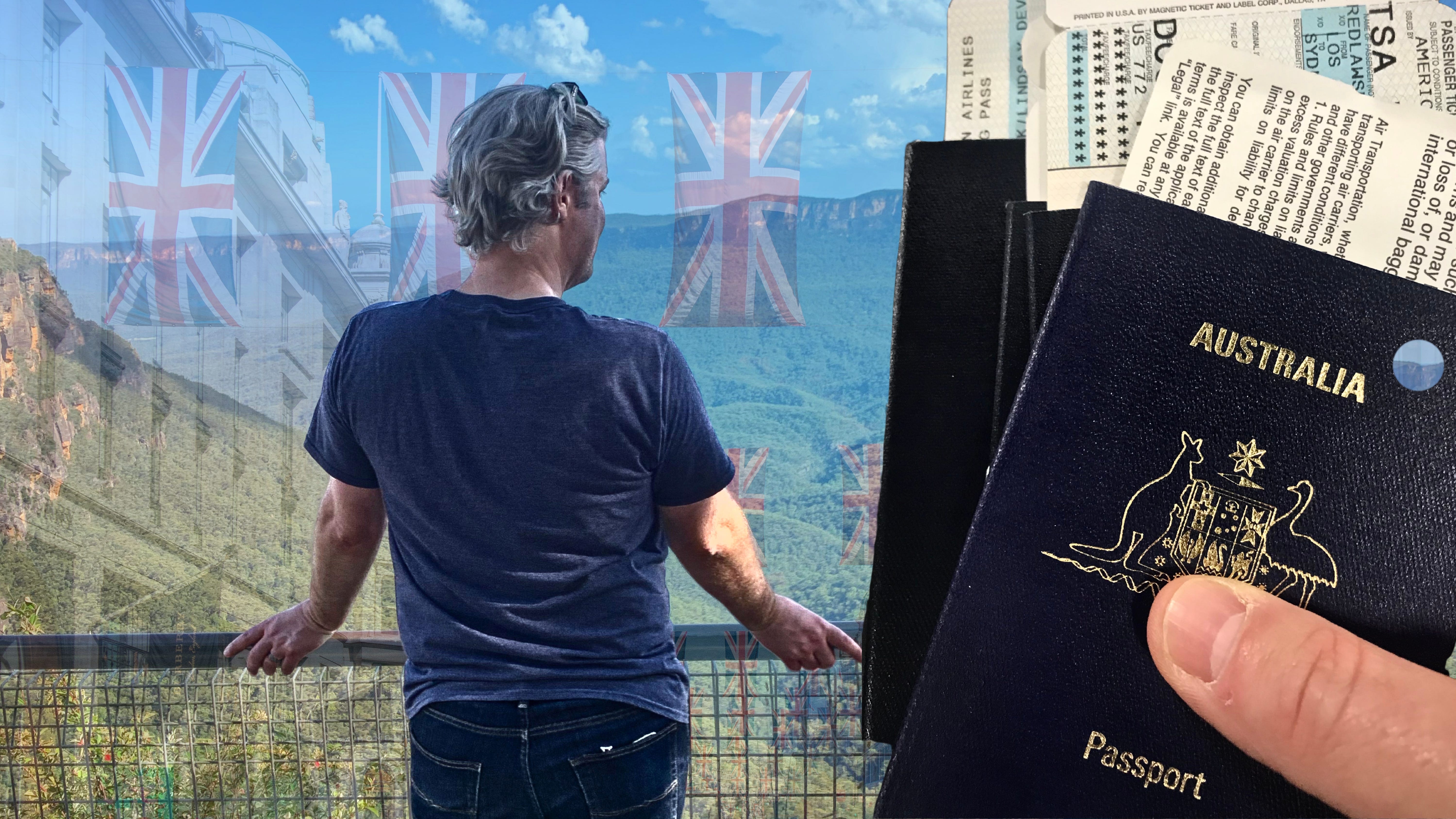
Over the past few years, I’ve shared numerous personal essays and Notes about my life as an artist, but there is one aspect of it I have avoided since I launched 5AM StoryTalk. That being my story as an expat, an immigrant, a storyteller without borders — whatever you want to call me. My family permanently abandoned the United States a decade ago this year, and what’s happened to me since then hasn’t been told here before. Maybe because I was still muddling through it and hadn’t found enough perspective — or acceptance? — to confront it on the page yet. If you’ve started over in a new country (or two), I expect there will be a lot here that speaks to you. If you’re the child of immigrants, I expect there will be, too. In so many ways, it also ties together threads of events I’ve shared with you elsewhere; this newsletter has become something of an autobiographical account of my unconventional life — and what I’ve learned — for those willing to piece it all together. Find me in the comments if you want to know more about what I discuss here…
Members of the Australian Defence Force have just led my family from Sydney Airport to a waiting bus. My wife, two sons, and I have spent the past 15 hours flying over the Pacific Ocean wearing medical masks, terrified that if we contract COVID through a single slip-up, our stay in quarantine on the other side of it will extend beyond the requisite two weeks. This flight was preceded by four days stuck in two different United States airport hotels, delayed by new travel restrictions and cancelled flights, every single minute fraught with anxiety that a single positive COVID test or yet another unanticipated obstacle will prevent us from reaching our destination.
Beside me, my wife asks me if I’m okay. I’m sobbing into one hand; my other shaking hand holds my cell phone. The text message on its screen that led to this breakdown.
I’m sitting in my Los Angeles living room the morning after Donald Trump’s first election to the White House. While my wife hides in bed, reeling from the reality of what’s happened, I’m frantically researching the steps we need to take in order to fulfill a promise we made to each other…to leave the U.S. if the worst happened.
Long story short: we’re moving to Australia, where I’m also a citizen. We’ll head to Sydney first, then work out our next steps from there.
In between scanning rental information, I text with my long-time Aussie friend Jocelin about this. We met when I was studying at the University of New South Wales 14 years earlier. She’s known I’ve always wanted to return to Australia to live, but we both thought that would be in retirement or, at least, a post-50 decision. Fascism – which I’ve long suspected would come to the States – has made waiting impossible for me.
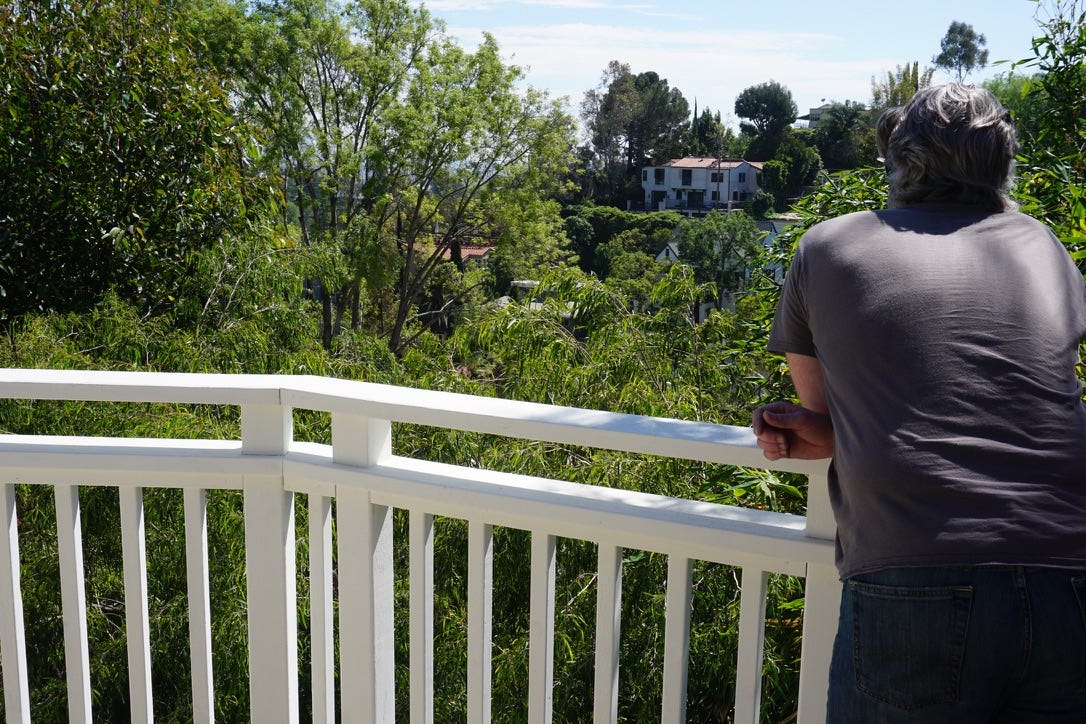
It’s nearly two years since my mother died. A funeral was held after she left us, but her ashes have sat in a box ever since. It’s time for me and the rest of my siblings, our spouses and kids, and her best friend to spread them according to her wishes. We gather at a spot in rural Michigan my mother never set eyes on, but I hope she would have liked it.
The last time I saw her, she was already rapidly deteriorating. We sat together for a long afternoon as she drifted in and out of consciousness. At some point, I dared to bring up the idea of a world without her. Words caught in my throat as I tried to not sound like this was goodbye in any way, even though it turned out to be.
“When you’re gone, have you ever thought about what you’d like to happen to you?”
She didn’t have an answer except she didn’t want to be buried. Cremation it was then.
“Where would you like to be put? Is there someplace that would bring you comfort?”
She didn’t have any ideas.
“Mom,” I said slowly, “would…would you like me to take you home? I could do that for you.”
My mother was Australian. She emigrated to the States in 1973 to marry my father after meeting three years earlier in Sydney; he was on leave and she was in the middle of a divorce. In all the years since she arrived in Detroit, she’d only been back to Australia once. That visit had been a traumatic experience for her. It had been a traumatic experience growing up there, too. There was abuse, from her father and mother, from her first husband…from others, I’ve always suspected.
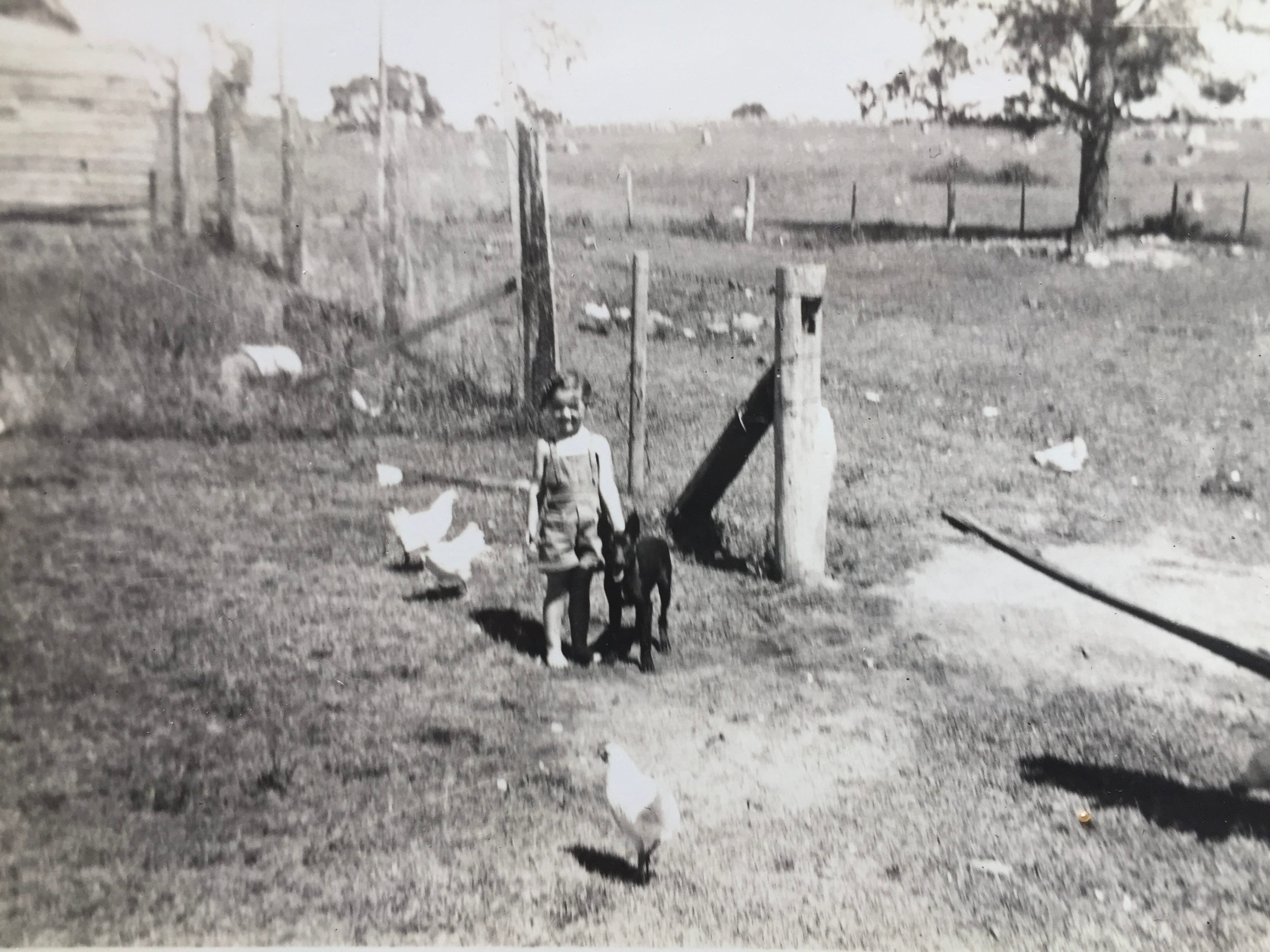
And yet, my mother had also refused to become an American citizen. She would die still only an Australian, hating the place she came from as much as she couldn’t help loving it…like her parents, I suppose.
“Would you like me to take you home?”
She shook her face violently at the question, something like fear in her eyes.
Later, she agreed a beautiful, green view overlooking water would be nice.
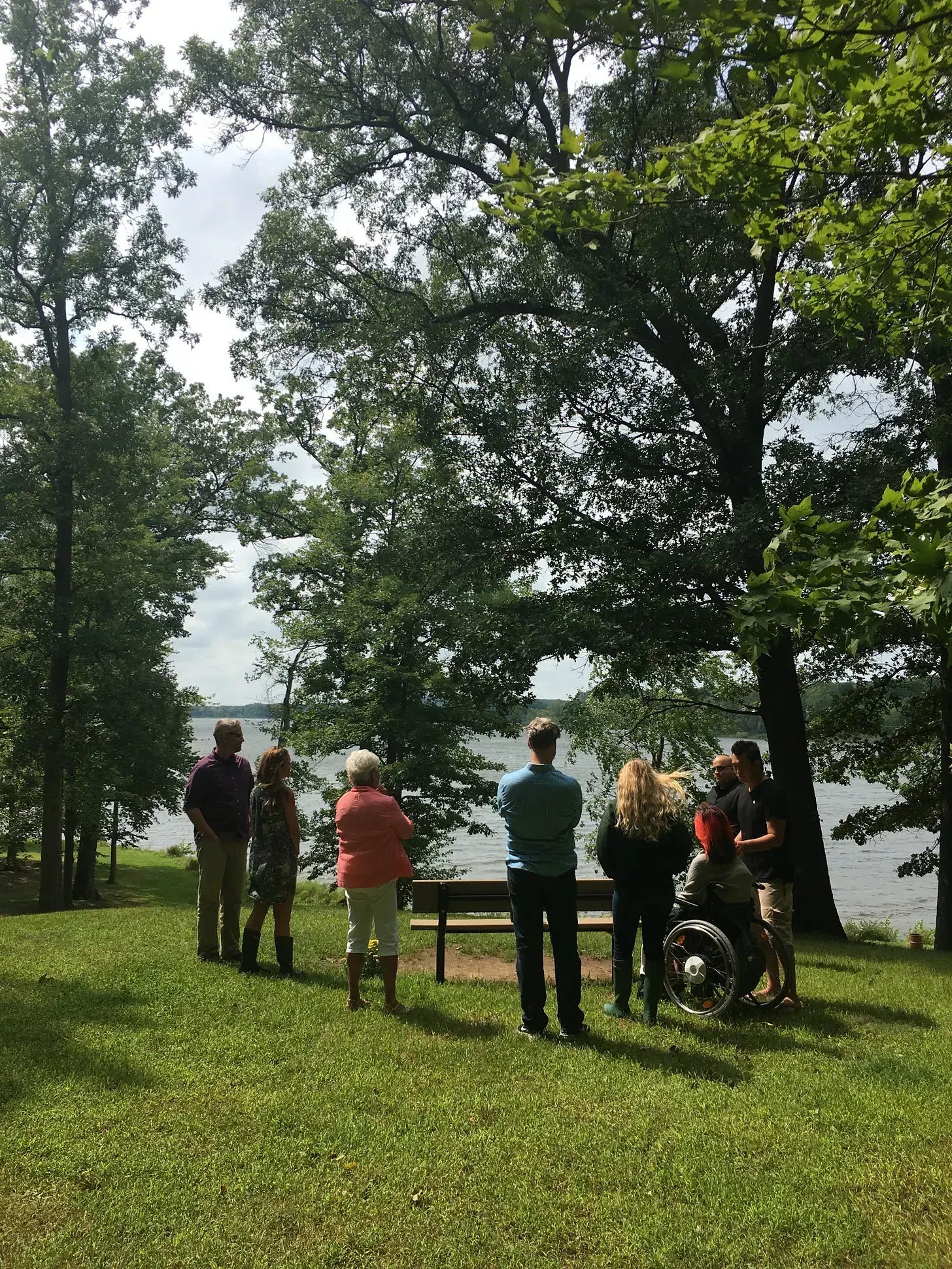
I’m sitting in a boardroom at Bold Films in L.A., in between acclaimed director Park Chan-wook (Oldboy) and our producer – a dear friend of mine. We’ve just been told that Bold is buying our project, Genocidal Organ – a feature film adaptation of Project Itoh’s novel. This is a hell of a feeling every time it happens, but this news is about to change my life in an unexpected way.
My friend knows that my wife and I have decided to move to Australia, following the outcome of the election, but he also knows that what we most want to do at this point in our lives is move to London where we’ve visited together for years. The visa situation is nearly impossible, though…or so it was until this very moment.
He leans over and whispers, “You know Bold has a UK office, right?” There’s a hint of conspiracy in his voice. “Maybe they can get you a visa.”
I’m having a panic attack, though I won’t understand that’s what it is for a few more years. It’s my first.
Australia’s Prime Minister Scott Morrison has just announced that the country is immediately slashing the number of international flights to Australia by 50 percent to ease the strain on quarantine hotels – these being designated hotels where all travelers must spend at least two two weeks and pass numerous COVID tests before they’re allowed to even leave their rooms. The number of flight arrivals already permitted was relatively non-existent, which means this latest news is catastrophic for the tens of thousands of Aussies who have felt abandoned by their government since the start of the pandemic; some have even argued the country has violated international laws in denying its own citizens the means to return.
My family is one of those affected by these new restrictions, both the former and the newly issued ones. After four years living in the U.K., our visa options have run out and we’re due to fly to Australia tomorrow. After seven months of meticulously planning this second international move in five years – and a considerable financial investment – it’s impossible to guess if we’ll even be able to to board our flight. I know of people who have been waiting weeks and even months to get replacement flights when similar has happened other times during the pandemic; some Aussies, waiting to be repatriated by way of Commonwealth-supported flights, have been left homeless for months.
I begin to refresh my screen and check my email for flight updates every few minutes.
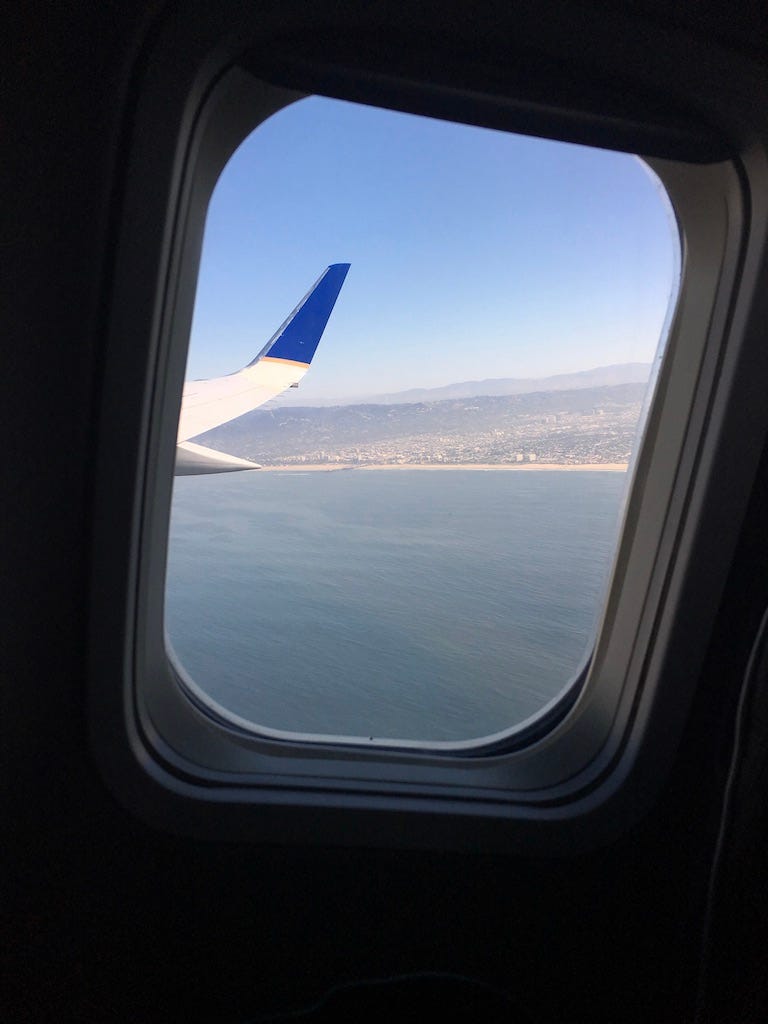
My wife and I reach over our sleeping son, who sits between us on our flight, and squeeze each other’s hands. L.A. sinks away behind us, our collective 32 years spent there now a memory. We’ve handed the keys of our house to its new owners. We’ve sold off much of what we owned. We’ve said goodbye to family and friends. I don’t know how to make sense of the fact that I feel nothing about leaving a place I’ve lived for 12 years. I fell in love and had a kid there. My screenwriting dreams came true there. And yet…nothing.
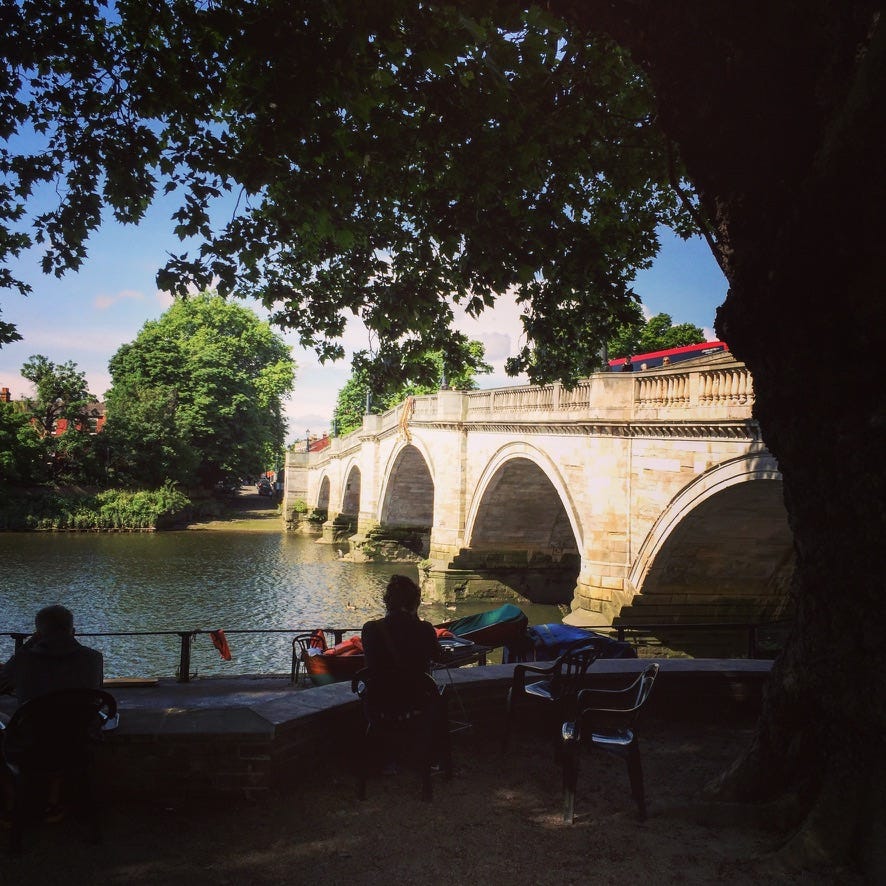
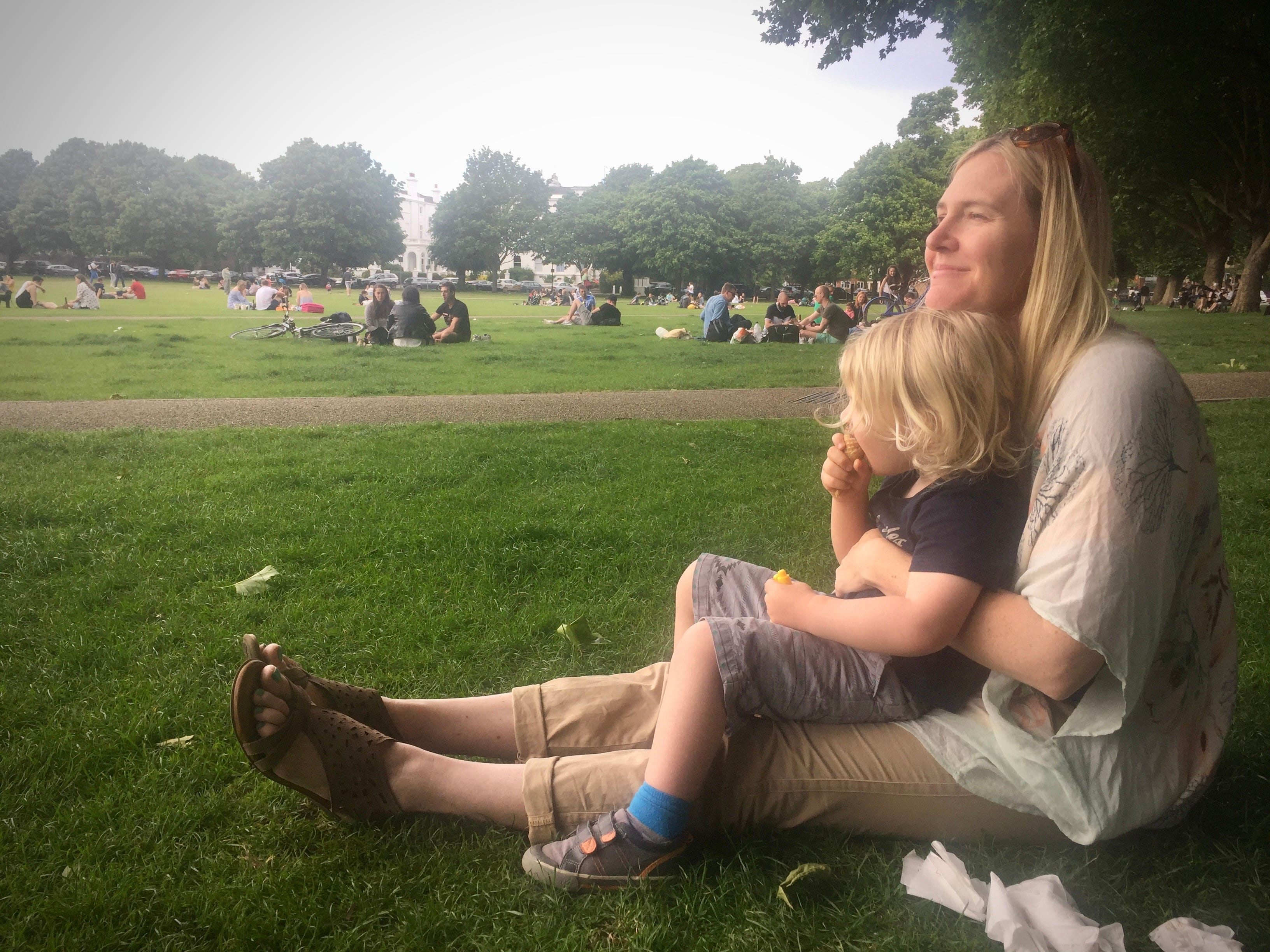
After nearly a month spent with family in Michigan, my wife and I arrive in London. We don’t know what will happen next. We’re not even sure if we’ll find a way to remain in the country for more than the length of our one-year visa, but we have some financial cushion for now and are determined to find a way to make it work in Richmond (where “Ted Lasso” will be set a few years later). I don’t think I’ve been this excited since I moved to Hollywood in 2005. In this case, there is a genuine sense of coming home that I’ve never felt in all my years in the States. In fact, I’ve only felt it one time before – many years earlier.
I think I’ve been chasing that feeling ever since.
My family is standing inside the Louisville Muhammad Ali International Airport, unsure what to do. The American Airlines desk agent has just informed us that our flight from Dallas to L.A., where we will connect and continue on to Australia tonight, has been delayed. All indications are it will not take off today at all because of a hurricane that’s building steam in the Gulf of Mexico.
I look at the agent, lost, hoping for some kind of guidance about next steps. If we board the plane, we could wind up trapped in Dallas, possibly for days, our LAX to Sydney flight indefinitely delayed, but if we remain in Kentucky, we’ll at least have a family to take us in until flights align in our favor. “If it was me,” she says, “I’d get on the plane.” That’s because there are very few options to get to L.A. from Louisville; in Dallas, they multiply rapidly. At the rate Australia is cancelling flights, it could end up being months before we get another chance to do this.
So, we board the plane, hoping for a small miracle.
I hug my parents. My father is trying not to cry, as he tends to do; his eyes are wet, though, and his face turns red and purple from the effort. My mother doesn’t try to hide how she’s feeling, though. Convinced for years she is psychic, she pleads with me to be careful on the road; she’s had a terrible premonition that something is going to happen to me on my journey. “I don’t want to lose you,” she says, squeezing me harder. I dismiss her concerns as silly, climb into my car, and start the long drive to Hollywood to pursue my dream of becoming a screenwriter.
In a way, she will turn out to be right.
Detroit, Michigan will always be where I was born, where I grew up, where so much of me was hammered into shape. But it’s always felt like a prison, and I’m determined to put as much distance between it and me as possible – even going so far as to take on a new last name.
The kid my parents raised never really comes home again.
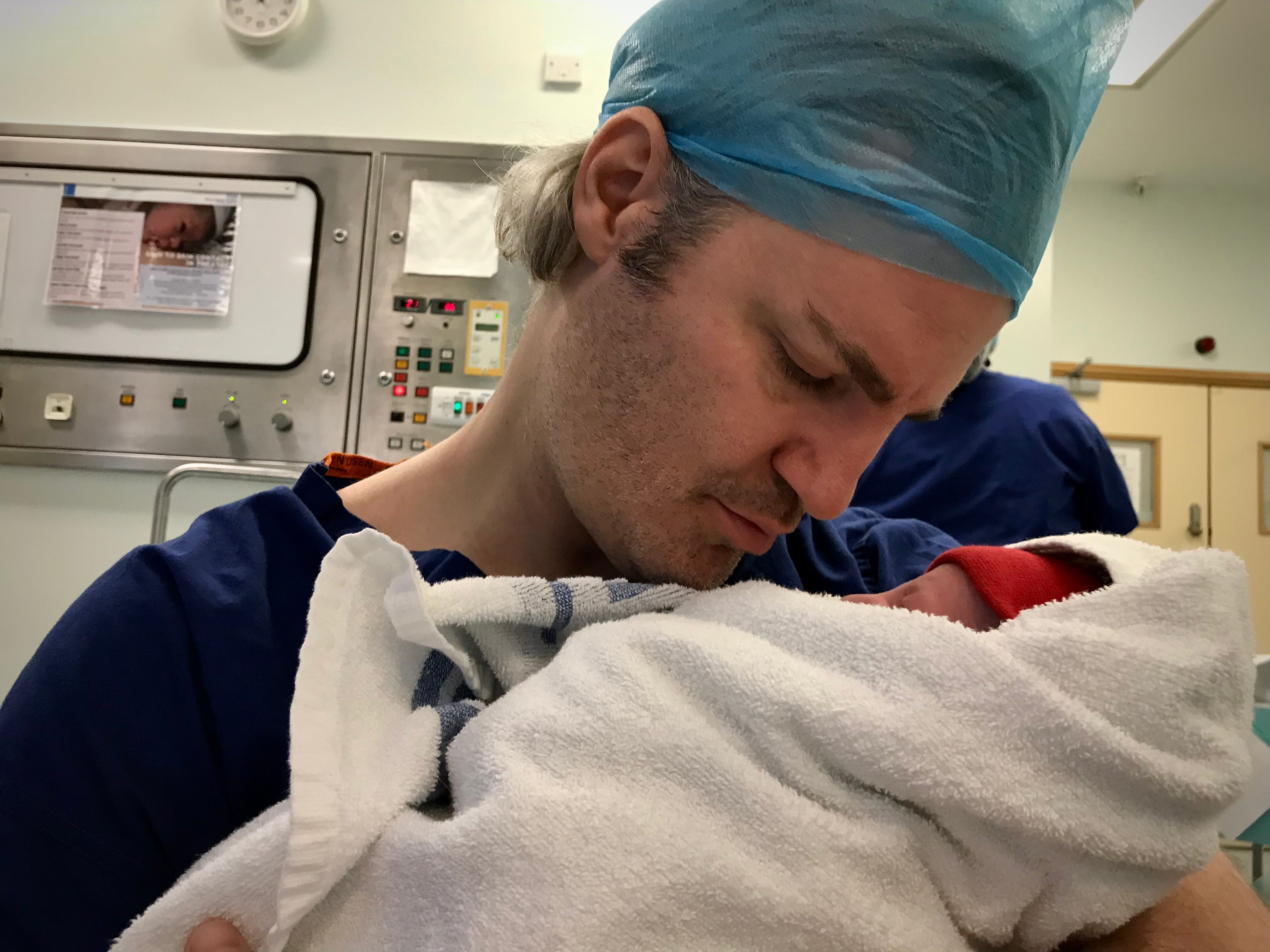
I’m holding my second son, who has just been pulled from my wife’s belly and swaddled by nurses in a white blanket. Unlike his brother, who was born in L.A., this kid entered the world by way of King’s College Hospital in Southeast London. There is a feeling of putting down roots that come with his arrival, that my family is where it belongs. We are home. Not Richmond, where we ultimately decided not to settle. Not East Dulwich, which has captured our hearts and made every day since we moved here a kind of magic. But the U.K. in general.
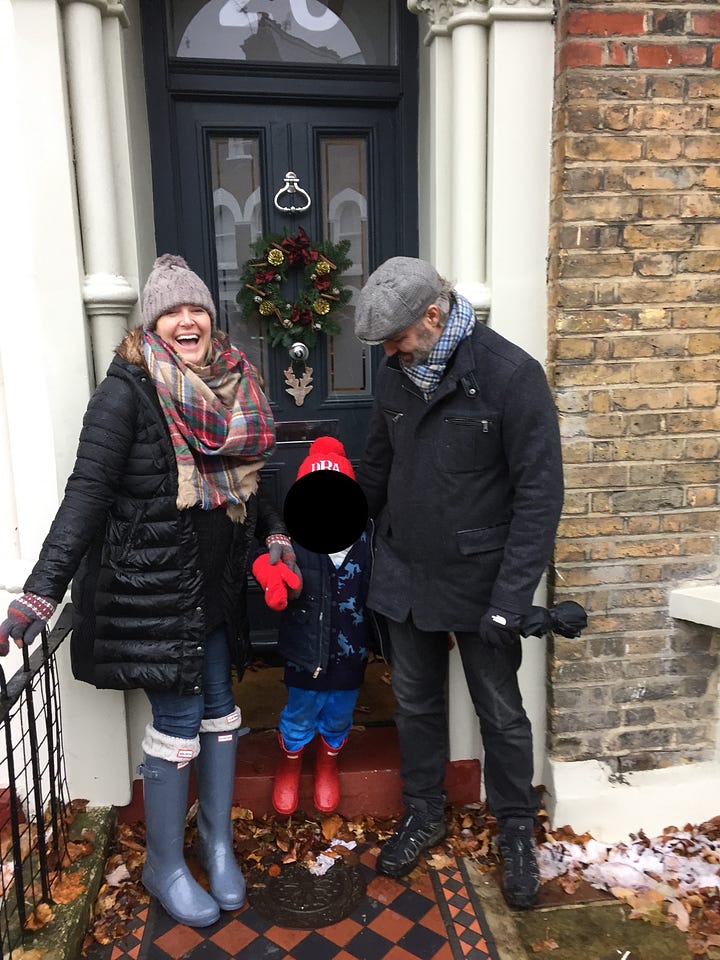
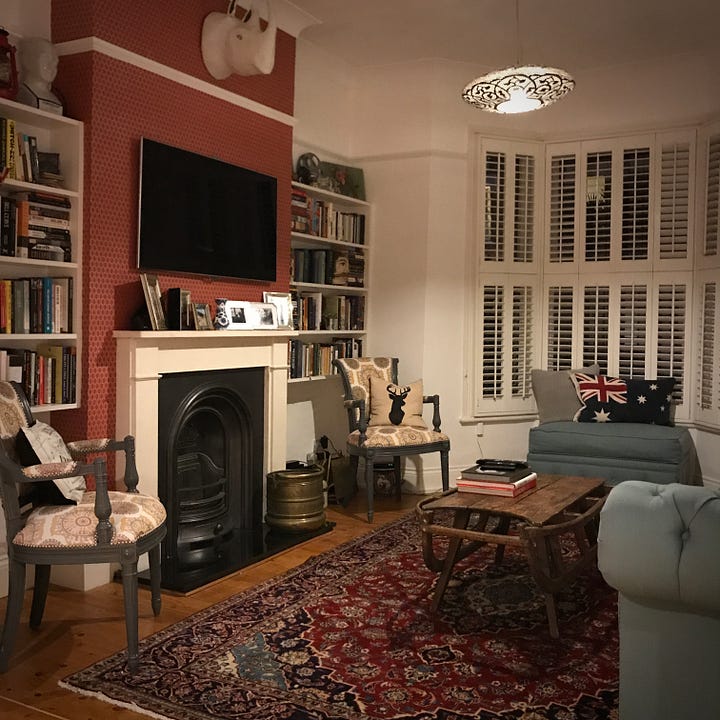
We’ll do whatever it takes to remain here, despite how impossible that might seem right now. Whatever people say about immigration, it isn’t easy. Even when you have privilege, as my family does, it comes with endless obstacles – both legal and, as we’ll discover in the years to come, emotional. Scars accumulate, sometimes in layers, until you forget what you looked like before them.
I will never stop marveling at what my mother and my great-grandparents, who left Germany for the States, gave up for what they believed would be a better life.
I’m standing in Dallas Fort Worth International Airport, on the phone with the travel agent who helped me secure these flights four months earlier. He has turned into a specialist in getting Aussies back home during COVID, which is why we decided to pay for his help. But despite his considerable expertise and all the tricks he has collected to help him pull this off, he cannot hold back the hurricane that’s crashing into Texas right now.
Whether we like it or not, we’re stuck here for at least 24 hours. This means we’ll also miss our flight to Sydney and, for the moment, there’s no clear sense of which flight, if any, we’ll be able to board instead.
It gets worse, if that’s possible. Since the delay is weather-related, the airline won’t be providing us accommodation either. My brother-in-law back in Kentucky finds us one of the only hotel rooms left at the airport as we try to work out how to collect our luggage…which, it turns out, we can’t. They’re somehow already on their way to Sydney, which is difficult to wrap our brains around. Our bags will arrive in Australia before we do. Luckily, I was so detailed in my planning, I prepared for this possibility – our carry-ons contain 48 hours’ worth of clothes, toiletries, and diapers for my youngest son.
My family moved to Abingdon-on-Thames four months ago. We loved Southeast London, but the English countryside was calling to us and we were tired of having to spend two hours in the car trying to get out of the city every time we wanted to visit it. Oxfordshire made the most sense, especially as the town where we rent a beautiful two-century-old house is located on the rive I’ve come to love so much. I wander up and down it every day during long, leafy walks. This is the longest stretch of true contentment I’ve known in my life.
Sometimes, I allow myself to imagine it will never end.
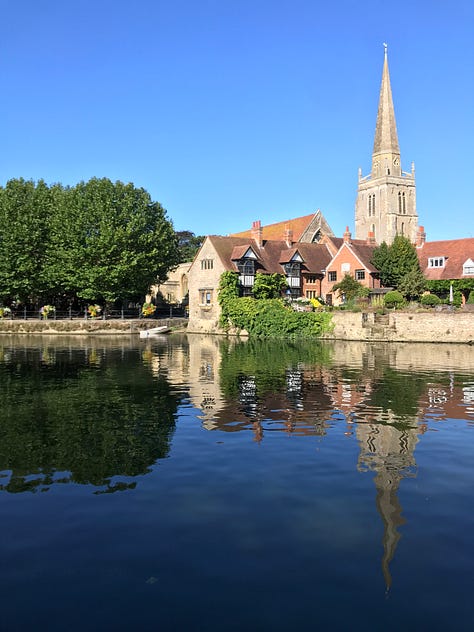

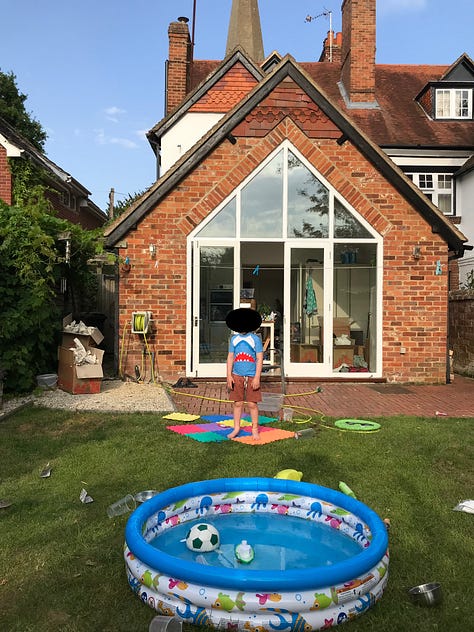
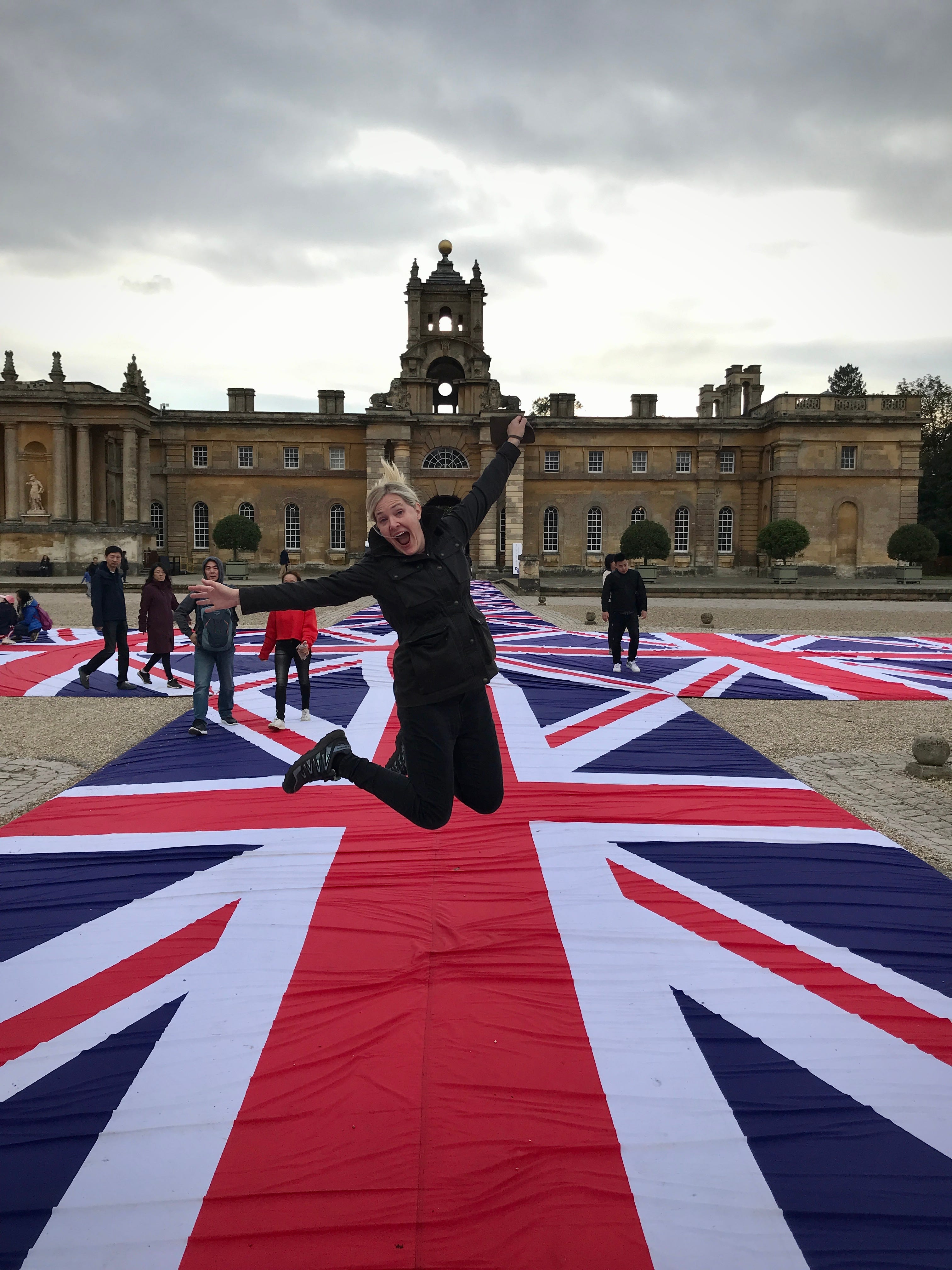
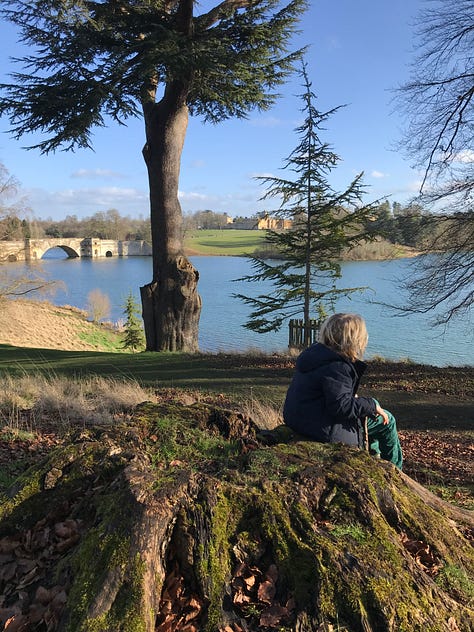
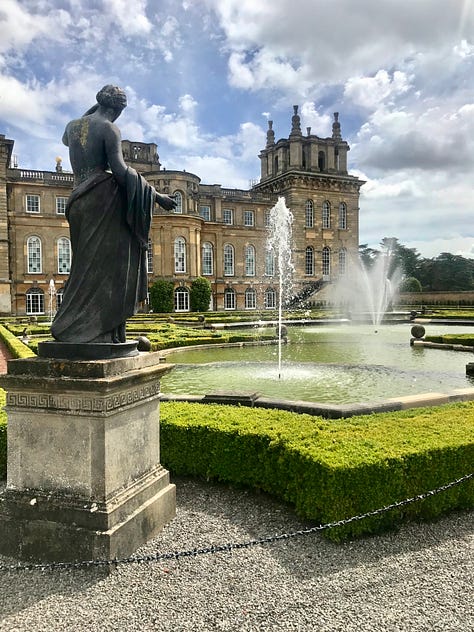
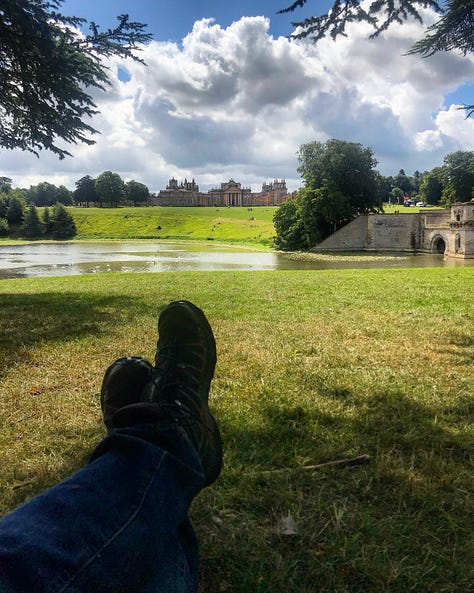
On this specific date, my wife and I are visiting Woodstock, just north of Oxford, where we’re spending our first night together away from our kids since we lived in L.A. The village is beautiful and endlessly Instagrammable, but we’ve really come for Blenheim Palace that hugs it. Blenheim is the traditional seat of the Dukes of Marlborough and the birthplace of Sir Winston Churchill. Its grounds are vast, designed by a slew of legendary landscape architects – Capability Brown, perhaps, the greatest amongst them. We spend hours wandering its gardens, its paths and bridges, its hidden pockets of stunning tranquillity. We bring our children back two weeks later. When COVID arrives and lockdown limits the range of our activities, Blenheim’s grounds become a weekly, sanity-saving backyard for us.
We come to feel like it belongs to us and we belong to it.
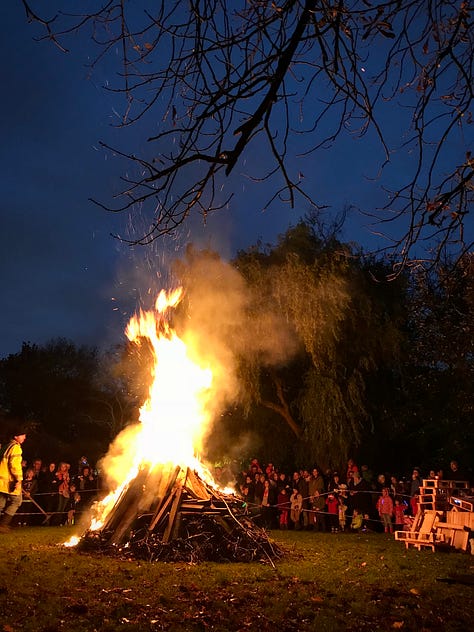
I’ve been traveling back to Los Angeles for work since I moved to the U.K. This evening is the last day of the last one of those trips ever. I’m surrounded by some 40 friends who have gathered at the 3rd Street Farmers Market to catch up. Usually, we only hang around until 10 or so; everyone here are professionals with day jobs to wake up for tomorrow. But this time, many of us linger until 11 when staff tell us we have to get out before the gates are locked. COVID is all over the news already, though it’s still early days. Before the panic. Before everything changed. I think my friends and I know something is about to change, maybe forever. The Hollywood that helped make us who we are isn’t long for this world.
We squeeze each other extra hard as we say goodbye.

It’s early morning and I’m sitting in the lobby of the Dallas airport hotel where we’ve spent two nights now, waiting for seats to become available on a flight to L.A. I’m texting with my friend Caroline, or Caz as she will always be to me; we met in a 20th century European political history class at University of New South Wales back in 2002.
She wonders if all this was a mistake on my part. She had even discouraged me from returning to Sydney when I first told her about my plans. “It’s not the city you remember it as,” she warned me. “Everything looks better when you’re younger, like looking through rose-colored glasses. Why not just stay where you are?” I point out that she has citizenship in three countries, giving her the ability to freely move to New Zealand, Israel, and anywhere in the European Union. A visa to live and work in the U.S. would take no effort for her family to secure either. “If you had to pick the best place in the world to raise your kids, where would you go?” She says she would remain in Australia. “Exactly,” I text her back.
Not long afterward, our travel agent rings me. He’s found us a flight to L.A. in three hours – don’t miss it.
My father’s funeral is today, three months after he died from complications following a double lung transplant. The ceremony is held at Selfridge Air National Guard Base outside Detroit, where he proudly served the U.S. Air National Guard for decades. I grew up here, in a manner; once, it was a place of wonder and action for me, but not anymore. There are police officers everywhere, making me even more uncomfortable than they did a decade ago. The airmen here share my father’s grim politics, too. Everyone thinks it’s odd we stand so far from others, but my wife and I are determined not to contract COVID during our two-day visit. If we do, it could imperil our chances of boarding our flights to Australia in 20 days.
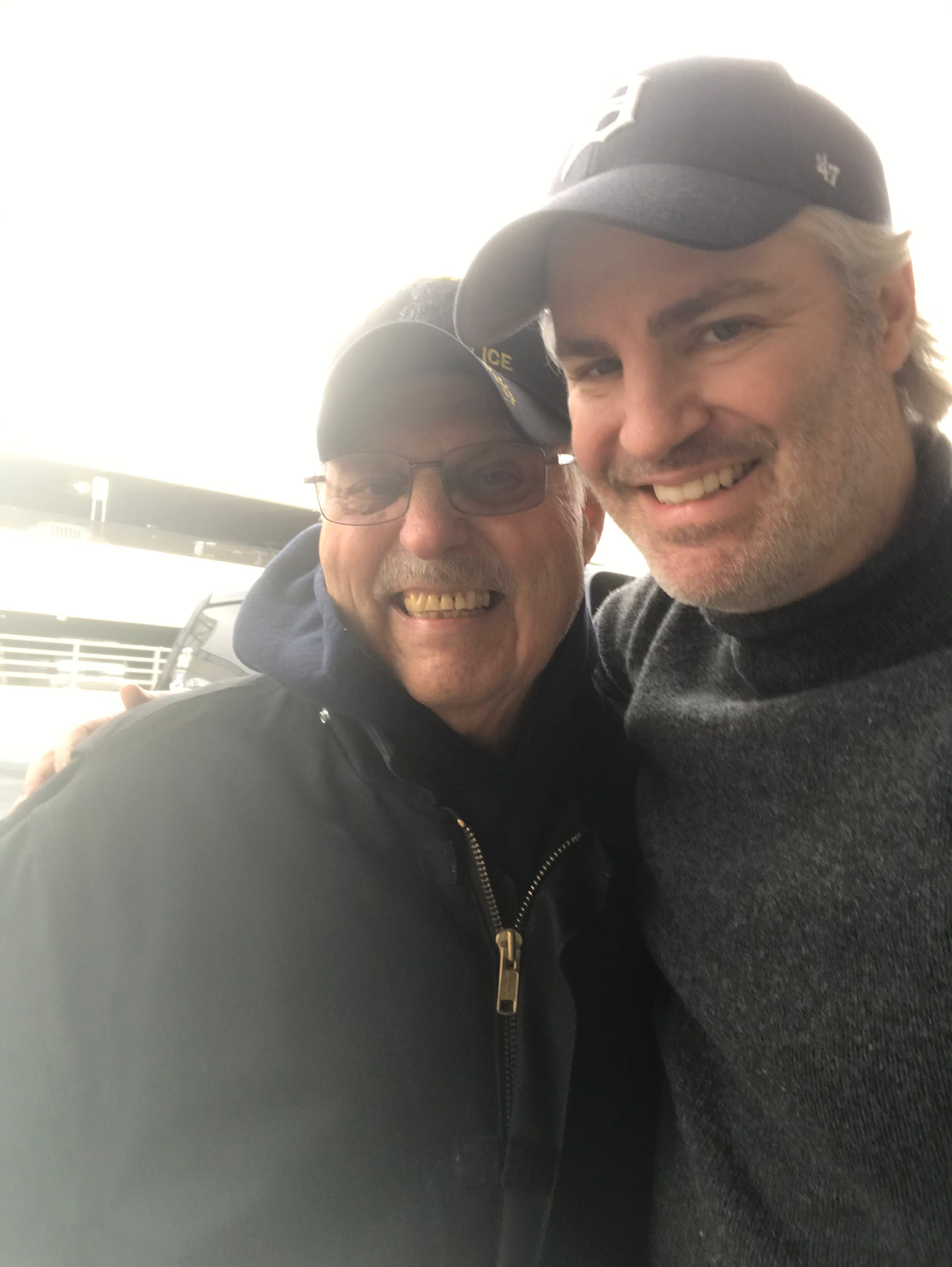
Afterward, my wife and I drive around my beloved Motor City one last time. I think she has long become bored with my intense guided tours of the city, but she humors me today knowing it might be a very long time before I see it again.
I pull over at an intersection with a small shop on one corner, two empty buildings on two of the others. The third is an empty lot, but there is something there in the way the soil has settled and patches of broken concrete peek through weeds. “What I love about this city is all the ghosts hanging around,” I say. “Right there, you can almost see the red-brick building that used to be there. The bar downstairs with the neon sign above the door. The cigarette smoke oozing out like a thick fog out every time someone goes in or comes out. A second floor with apartments where people don’t mind the live music coming from downstairs on the weekend.”
Soon, I’ll be a ghost in this city, too. Something that exists only in memories, in its absence, in the impression it left. “Right there, that’s where Cole saw his first Tigers game, where he had his first kiss, where he laughed so hard at his friend that one crazy night that he blew Mountain Dew out his nose and fell off the barstool.”
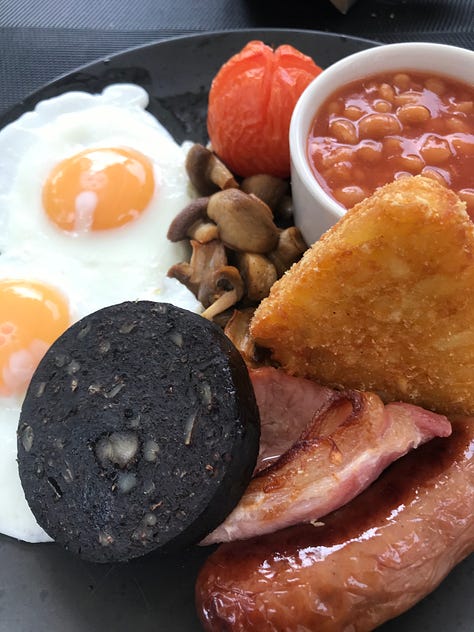
I put my wife and our sons on a plane three days ago; they’re with my in-laws in Louisville, Kentucky now. I was left behind to deal with the removalists (movers, for Americans), selling our car, and wrapping up the last of our affairs in the U.K. I visited Blenheim Palace one last time and cried when I drove away from it. I wandered the Thames alone and cried as the sun set behind it. I woke today and tried to enjoy my last English breakfast as a British resident, but it was difficult to muster enthusiasm for my blood sausage.

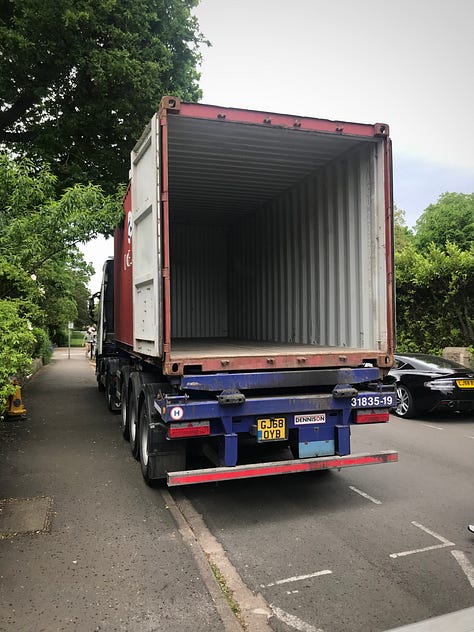
Now, I climb into the backseat of the shiny black car carrying me to Heathrow and brace myself because the driver is atypically enthusiastic for an Englishman. He asks if I’m returning to the States. “No,” I say. “Australia. I’m moving there.” He tells me that sounds brilliant, that he visited Queensland last year and he’d move there, too, if he could.
I’d give anything to trade places with him.
My father calls me. He doesn’t sound himself, and I ask him why he’s calling. “Do I need a reason to call my son?” he says. I don’t know why, but these words stick with me. In hindsight, I’ll become sure he sensed he would be dead soon. My mother made a similar call to me once, too.
After we chat for a bit, he asks me if I’m really moving to Australia. He knows our visa situation is no longer tenable. After working one miracle after another, we’ve spent four years in the U.K. We’d spend another 40 if we could. But our only option to remain would require a financial risk my wife and I have decided is too much for our family. Four years after we decided to emigrate to Australia only to end up in the U.K. instead, we’re heading Down Under anyway. My father has never agreed with our decision to leave the States. He has an idea of the country he fanatically, unquestioningly believes in like a dangerous religion. But Australia represents something worse to him. My mother left him in 2002, ruining his life, in his mind. By moving to Australia, I’m choosing her country over his.
He’s not wrong.
My family arrived in L.A. a couple of hours ago only to find out that we won’t be flying to Sydney tonight despite already being issued tickets. Hopefully tomorrow, we’re told. We have no clean clothes left at this point, so we wash some in a hotel bathtub and hang them in front of the air conditioning unit to dry.
It hits me yet again that we are experiencing the most comfortable version of this hell one could imagine. Right now, there are tens of thousands of people all over the globe, trying to cross unimaginable distances, overcome terrible dangers, to start over in countries they weren’t born in. Many of them will die trying. Most will spend years wrestling with cultures that want little to nothing to do with them. Some are already being locked in concentration camps here in the States, treated worse than the law says animals can be. I will spend the rest of my life apologizing for this country of mine.
My wife and I stand at the window, holding our kids and watching fireworks explode above L.A. It’s Independence Day, the celebration of the United States’ birth. The writer in me is furious I won’t board a plane to Australia today, allowing me to forever call it my Independence Day, too.
After my family got out of quarantine, we settled in the stunning Blue Mountains outside Sydney. On our second anniversary here, I get coffee alone in and spend some time reflecting on our time in “the Lucky Country” so far. My wife has made many friends by this point. My kids are thriving at their schools. On paper, as they say, everything looks good.
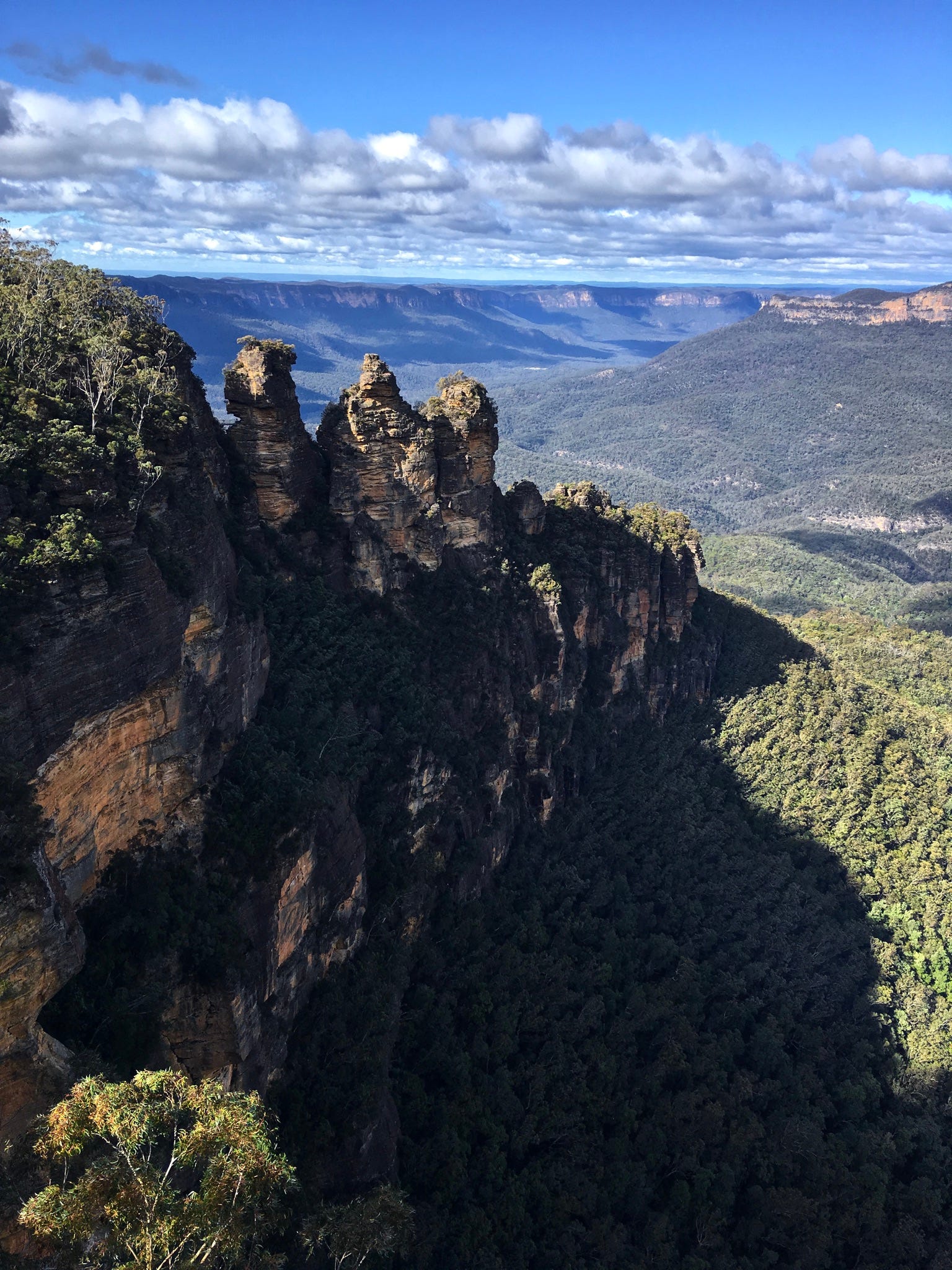
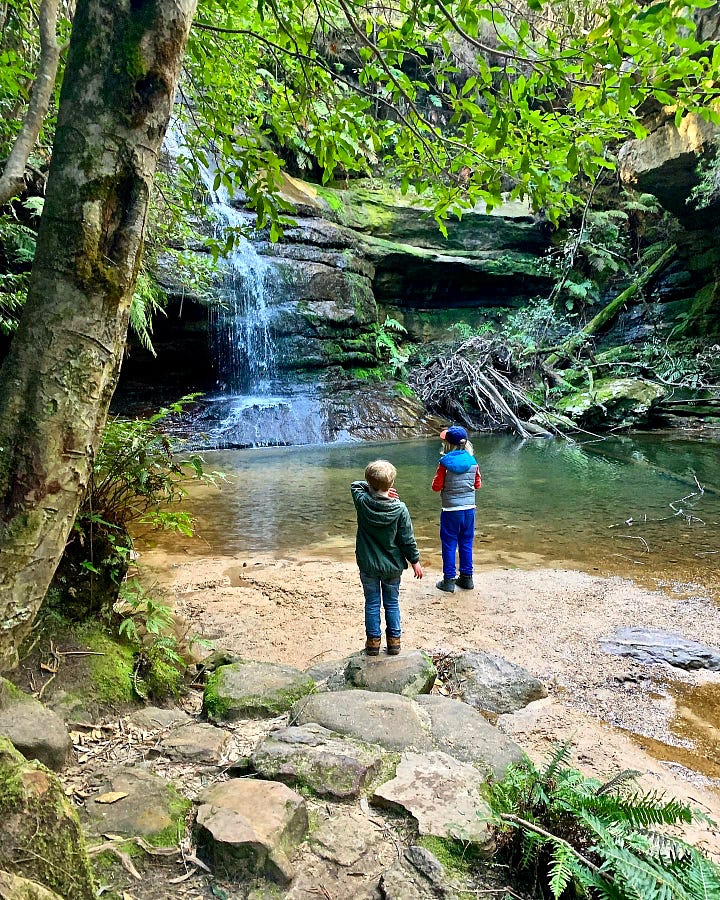
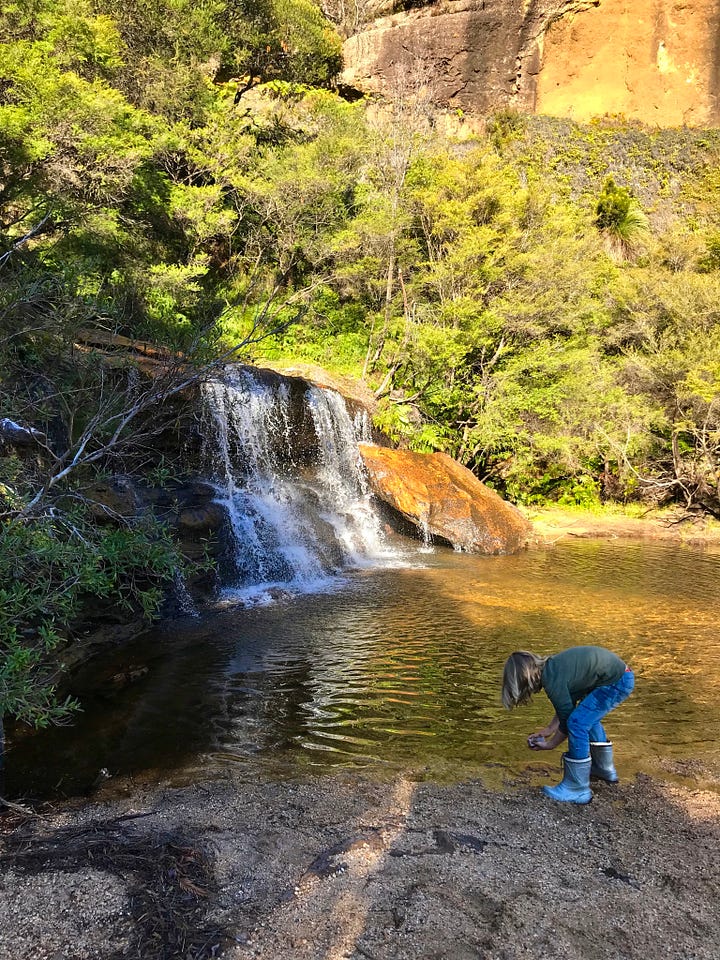
But I’m beginning to slip into depression — which is new for me — in part because of how claustrophobic and even smothering I find living in mountains where the sky can often press down on you like a heavy pillow.
This isn’t helped by how much Sydney’s culture has changed since I lived here in 2002 and 2003; Caz wasn’t wrong about that…though I think I’ve changed just as much as the city has. Work is problematic here, too. Screenwriters see each other as competition to such a degree that they regard each other with great caution. Producers typically don’t read you before meetings, which prevents you from building relationships based on mutual respect. Everyone goes out of their way to tell you how terrible everything Australians make is, even their own shows and films, which saps the fun out of the experience of trying to make either.
The worst part is that I’m repeatedly othered by people, including one of my producers here and my agent. I’m “the American” even though I’ve been Australian since I was born. In writers’ rooms, people keep explaining things about the culture to me even though I repeatedly remind them I’m Aussie, too. This constant requirement to prove myself, to prove that I belong here, is exhausting. I’ve worked in the U.K.’s TV industry for more than a decade at this point and nobody has ever made me feel like I don’t belong in it. On the rare occasion that I bungle an element of British vernacular or the culture, I’m politely educated. In Australia, such errors are a reminder I’m not part of the club.
Other screenwriters, well-intentioned I suppose, suggest the best solution is to change my accent if I want to work here more – even though Australia is a country where half of its citizens were born overseas or have at least one parent who was. It’s a nation of immigrants – of cultural misfits. It’s part of what makes it so great. And yet I have begun to feel lonely in a way the country has never made me feel in my quarter-century of visiting and living here.
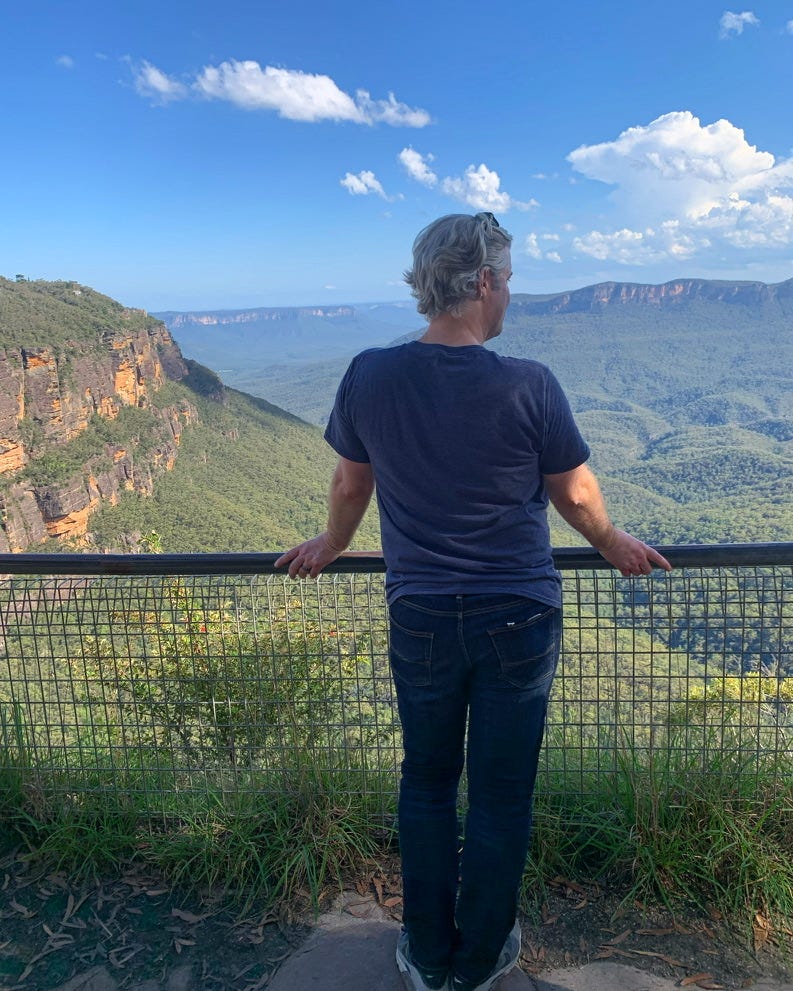
I return to London for work for the first time since my family moved away, a year later than I’d hoped to. But the COVID lockdown, expanding my career into yet another new market, and obligations to visit my wife’s family in the States kept interrupting.
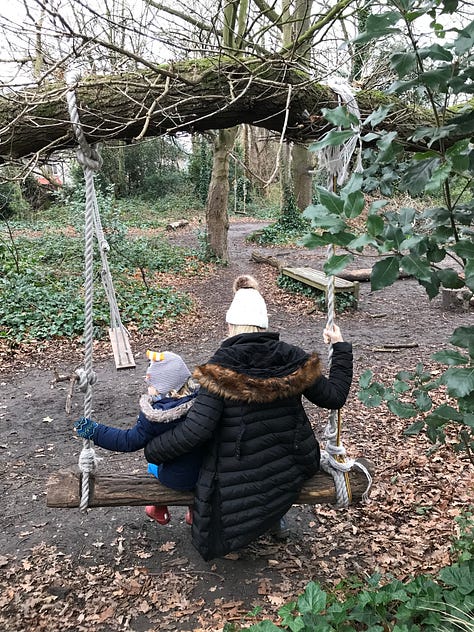

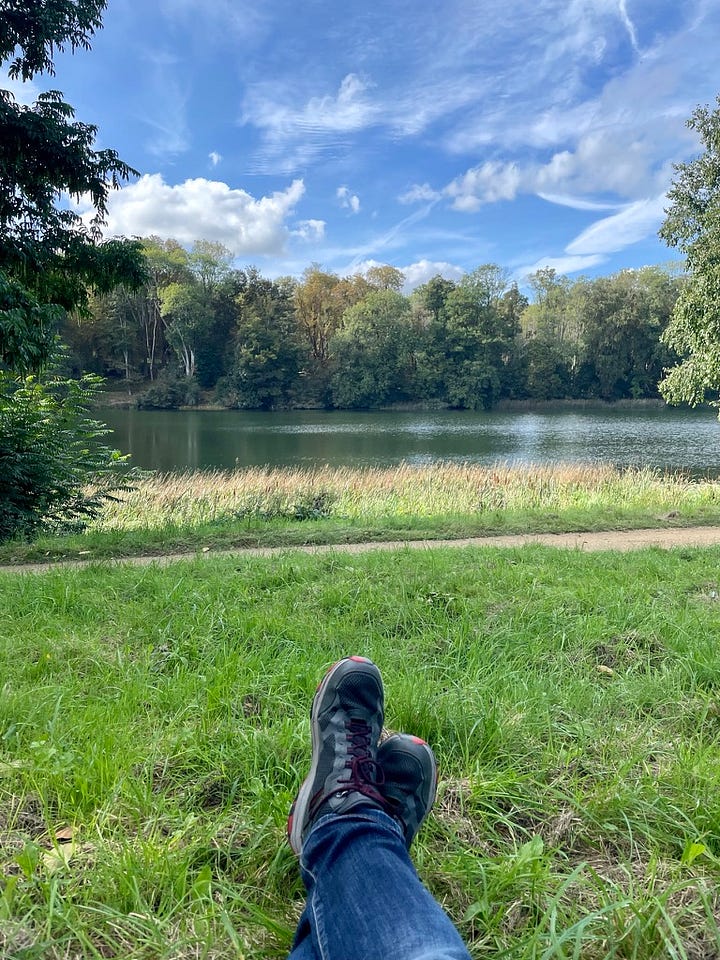
On the first day back, I immediately head to East Dulwich. I walk to the house on Dog Kennel Hill where my wife and I shared the two best years of our lives. I go to the locked park only residents can access and find an old neighbor who agrees to let me in. I sit on the bench from which I used to watch my kids play, I run my hand over the knotted bark of the tree my eldest son pretended was the Octonauts’ Octopod, I stand in the sun on the asphalt court where I taught that same son to play tee-ball with a baseball set my dead father bought him as a Christmas present. I wander down into a heavily shaded corner, sit on a rotting log, and call my wife. I can’t stop crying. We had no idea how good we had it, I tell her. We had everything we ever wanted. We’ve talked often about how sad I am as if grief over my parents’ deaths finally broke me, but it was losing this, I say. “I want it back,” I keep repeating. “I want it back.”
We have tickets to fly to Sydney at 10:20 pm tonight. There’s only one final step – COVID tests, which take place at an open-air site just outside the airport. If one of us has contracted the virus, all of this effort will have been for nothing. We’ll be trapped in L.A. for at least another two weeks, but probably longer. By then, who knows if any flights at all will be allowed to carry passengers to Australia? The pandemic has proven unpredictable in every way, so there is a very real sense that it’s now or never.
The tests come back clear.


We spent Christmas Eve feast with several dear friends and their families. One of my oldest friends in the world will be coming to visit with her family after the new year, too. I’ve been hosting quarterly filmmaker lunches that have expanded my circle of friends and peer support group in exciting ways. Things are…good, or so I keep trying to convince myself. After we put our kids to bed, I tell my wife I should apply for a U.K. Global Talent Visa so we can move back to Oxfordshire.
She says yes almost immediately.
I’m sitting with my mother, a couple of hours before I ask her where she would like her ashes to be spread. I tell her the news that my family is moving to London early next year. She’s an immigrant herself. She abandoned everyone who ever mattered to her to marry my father and chase an American dream that ultimately only came true for her in a way that simultaneously broke her heart. She spent her whole life missing a part of herself she also never wanted her husband or kids to know because, perhaps, so much shame was wrapped up in it.
Without missing a beat, she responds to the news with, “You have to do what’s best for your family, Cole. You know I’ll always support you.”
At the time, I didn’t understand how extraordinary these words were. But what I really wished she would’ve told me, though, was whether she ever felt at home in the new life she’d chosen for herself when she boarded that plane in Sydney more than 40 years ago…or did she always feel like a stranger in the world her children grew up in?
Within a few days of deciding we should return to the U.K., my wife and I realize the idea is a lousy one – especially because our kids have specific medical needs and the support they receive here is vastly superior to what they’d get from the NHS and England’s schools. What’s best for my family is Australia, as it turns out. I shouldn’t be surprised. It’s an argument I made back in 2016 when I first convinced my wife to swap the States for a life Down Under.
So, why am I so miserable about it?
On my second day back in London, I buy a train ticket to Oxford and from there catch a bus to Woodstock. I spend an entire day wandering Blenheim Palace’s grounds. I don’t even go inside except to buy coffee and a sandwich. I lay in the grass, I watch branches sway in the breeze, I doze off several times because I’m still terribly jet-lagged. Mostly, I feel at peace in a way I haven’t in two years.
I text my wife: When I die, I want you to spread my ashes here.

I’ve been in Australia for three days, my first time here. I’m desperate to learn about where my mother came from, to fill in blanks that have always existed in my identity because of her choice to emigrate to the States. She’s often told me I’m “her Australian son”, something she says with great pride…but am I really? It’s time to find out.
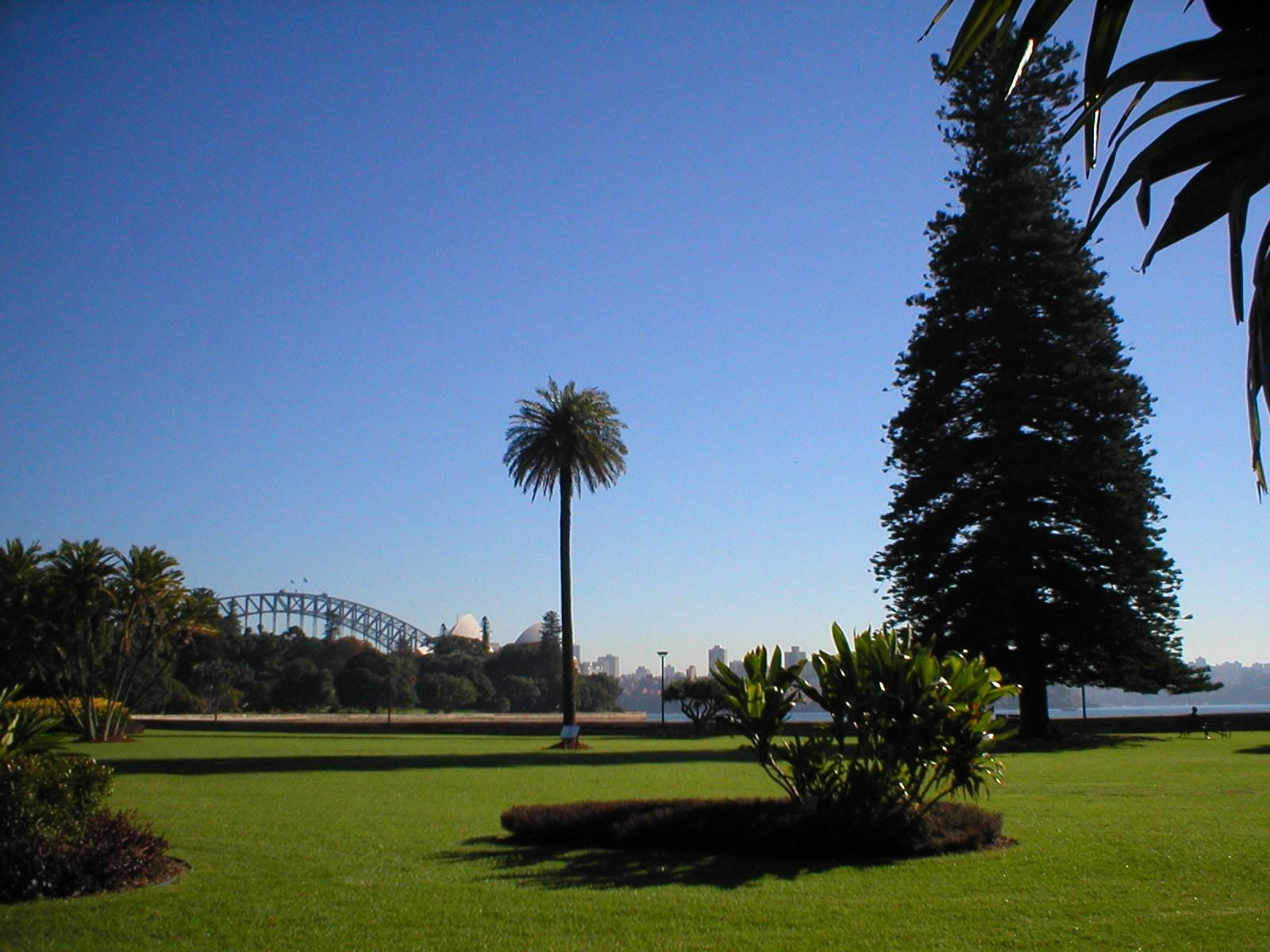
My Aussie girlfriend takes me to the Royal Botanic Gardens. As she’s an ice cream fiend, she wanders off to buy us some. While I’m alone, I take off my shoes and socks and walk across the thick green grass to get a better feel for this place. Years later, the memory of it poking between my toes makes me smile as I tell my wife we should move to Australia if Donald Trump somehow wins. After years of feeling like an outsider in my own family, an outsider very often amongst my own friends, I am overwhelmed by the opposite. In that moment, I feel like I belong to this land, to country both real and the one imagined by European settlers.
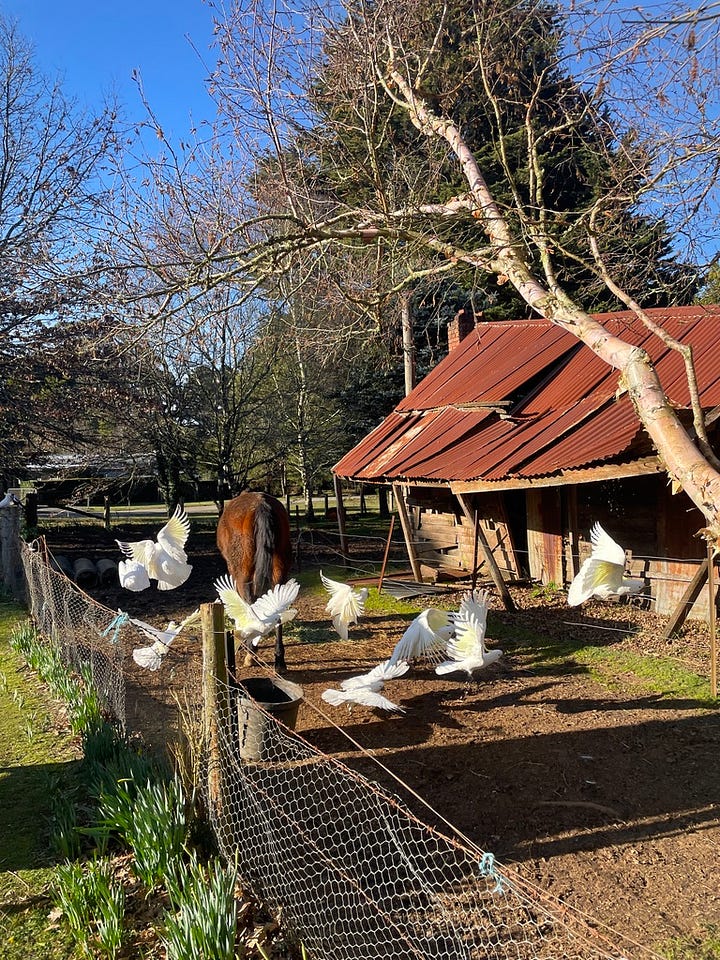
The Blue Mountains proved too much for me. Sydney did, too, despite my long relationship with it. My wife and I moved our family down to Victoria last year, where we find the rolling hills, the quaint villages and historic towns, and the weather much more comfortable. Even familiar. It reminds us of the English countryside here, though it’s more complicated than that. Australia’s bush is savage and beautiful and, because of the imposition of European culture across its topography, our particular corner of the world feels like a marriage of the best parts of me. Melbourne’s snaking Yarra River and maze of laneways speak to me in the way London did, too; it’s a city for the curious and I still crave surprise. I’ve even found good friends who speak my language, who understand how small you can feel in Australia, how the ambitious can suffocate here – but who refuse to be defined by such cultural parochialism.
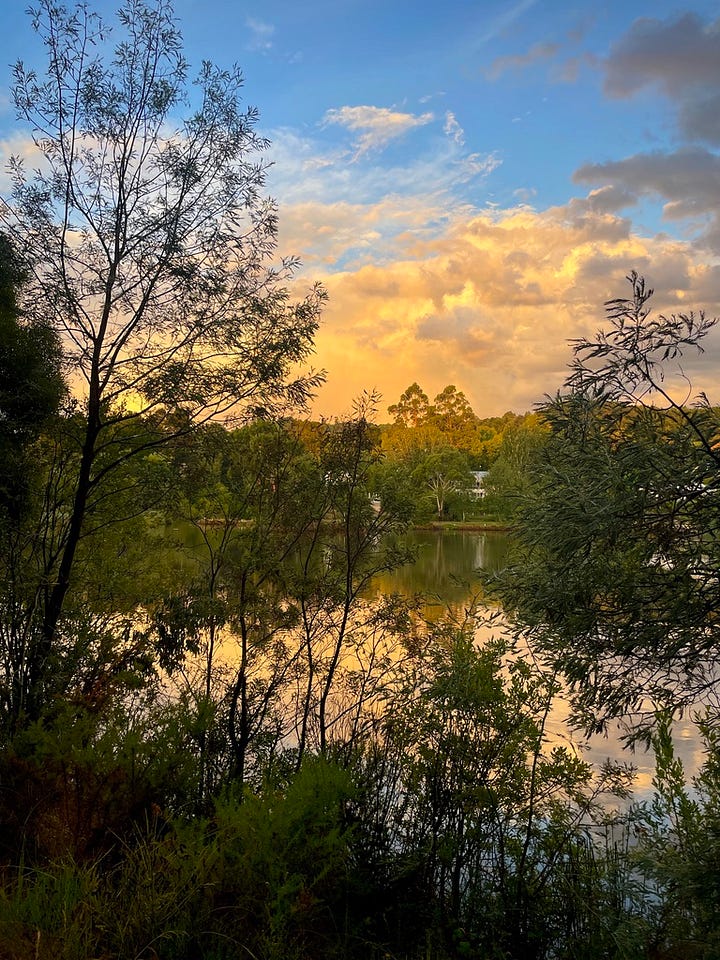
Rarely do more than a few hours go by that I don’t think of the U.K., of those idyllic days in Oxfordshire where we survived COVID by getting lost on leafy rambles through country estates’ grounds, of those two magical years in Southeast London where my worst day was still in the top 800 or so days of my 50 years on this Earth.
I’ve been told this is the expats’ curse. That we come to fall in love with a place and, when we leave it, we inevitably leave a part of ourselves behind forever. But I hate the term “expat”; it’s a luxury of white people who have someplace they know they can always go back to. I’m an immigrant like so much of my family before me. Except, of course, even that isn’t true since I returned to Australia. I’ve been an Aussie since I was born, so how can you be an immigrant in a country you belong to and which belongs to you?
No, no, the ugly, messy, painful truth is I don’t know what I am anymore. I’ve lost all sense of who I am, too, except for Lindsay’s husband, my sons’ father, a good friend to many…or so I hope. A storyteller. Maybe I’ll always feel lonely despite these threads of identity. Maybe I’ll always feel like I a stranger in the place my kids grow up in. Maybe this is how everyone feels in some way or another.

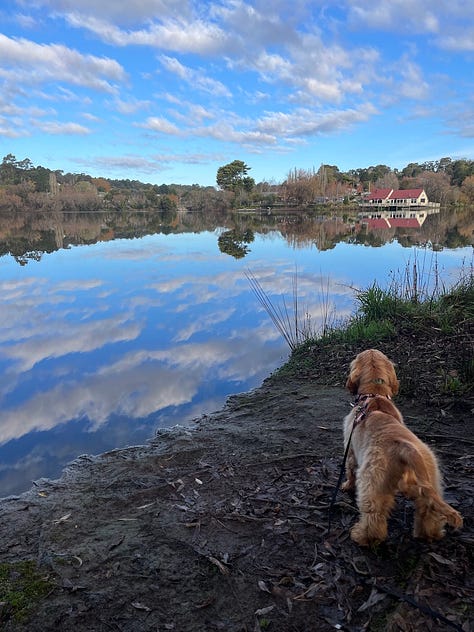
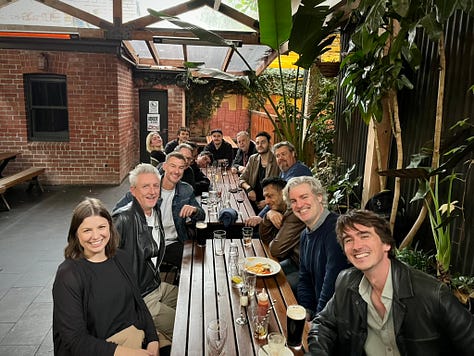
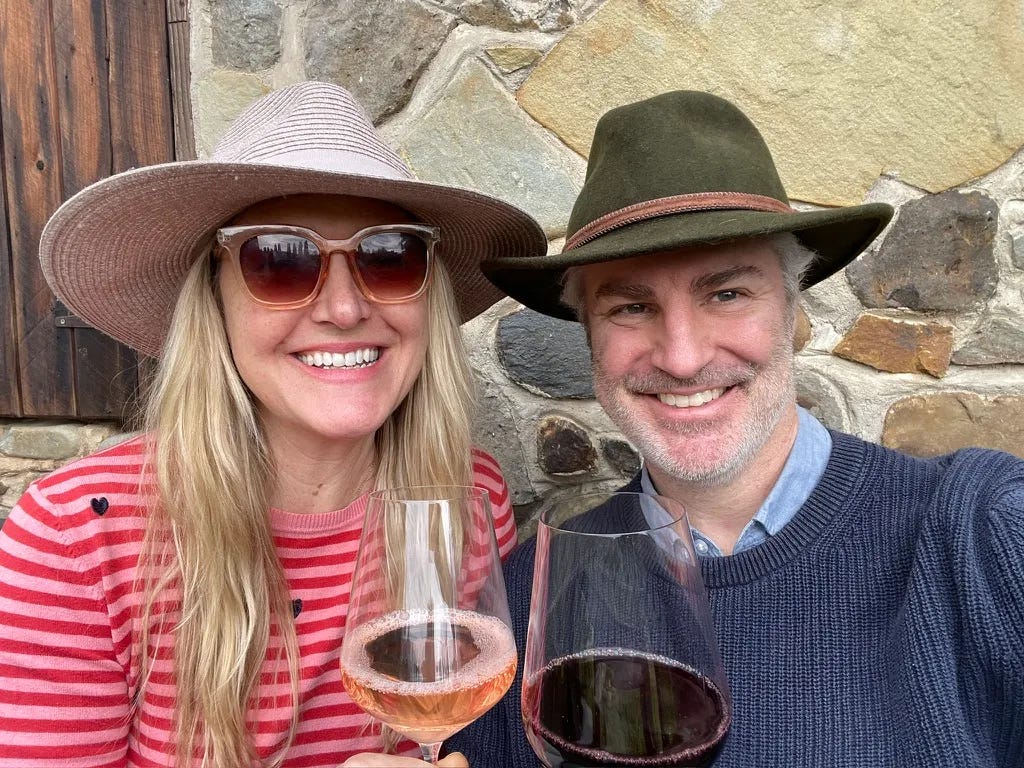
Lately, though, the discomfort that comes with all this has begun to abate. It’s possible I’ve just become acclimated to it, but I think it’s more than that.
Simply put: I’m tired.
Tired of always feeling like I’m neither here nor there. Tired of feeling like I have something to prove. Tired of letting others make me feel like an outsider in my own country. My writing has suffered for it. My family has suffered for it. My happiness has suffered for it. It’s time to get on with it already, as my Nana used to say.
I’m going to do my best.
We’ve made it to Sydney, despite the gods’ best attempts to thwart us, and I’m seated on the bus that’s carrying my family from Sydney Airport to the hotel where we will quarantine for the next 14 days. My wife asks me if I’ve let Jocelin know we’ve arrived yet. I haven’t yet, so I send a quick note. A reply shows up almost immediately. Something breaks inside me at the words on my screen. Seven months of anxiety, brought to a nightmarish fever pitch over the past five days, releases all at once. I begin to bawl.
My wife, seated across the aisle from me, grabs my shoulder. “Are you okay?” she asks me.
The text from my friend reads: “Welcome home.”
This personal essay is free for all. If it spoke to you in any way - and I hope it did - please feel free to share it across the multiverse!
How John Denver Helped Me Find My Way Back Home
·
February 24, 2024
It is 2016. My mother has just died some 2,000 miles away from where I live in Los Angeles. There is an immediate sense of coming untethered that accompanies this once unfathomable loss. A sense of connection to something older than I am suddenly snapping, something that remains a mystery to me despite all of my attempts to reveal and understand it. My …
On the Sanctity of Touch
·
February 3, 2025
It is December 2020, and Boris Johnson is breaking it to the United Kingdom, where I live, that he is locking the country down yet again. It hasn’t even been three weeks since he lifted the last lockdown. I feel like I’m trapped in Groundhog Day, and the British prime minister has come to represent the vague exi…
Comments
Nothing yet. Say the first thing.
Sign in to join the conversation.