
In an era where our lives are increasingly online, privacy and security have become more than just buzzwords; they're essential components of digital freedom. Every click, search, and scroll tells a story about who we are, revealing pieces of our digital identity to the vast, interconnected world of the internet. Here's where a Virtual Private Network, or VPN, steps in like a digital superhero, offering a cloak of invisibility and protection.
A Shield in the Digital Realm Imagine you're sending a secret letter in a world where every mail carrier and neighbor could easily open it and read your message. A VPN acts like a secure, invisible envelope, ensuring that your digital communications remain private and your online actions untraceable. It's akin to having a private tunnel through the internet that keeps your data safe from prying eyes.
Why This Matters to You Whether you're checking your bank account at a coffee shop or browsing from the comfort of your home, the need for privacy remains paramount. In the digital age, where data breaches and surveillance are not just possibilities but realities, understanding and utilizing a VPN becomes as fundamental as locking your doors at night.
In the following sections, we'll dive deeper into how VPNs work, their benefits, and why embracing them can be a game-changer for your online privacy and security.
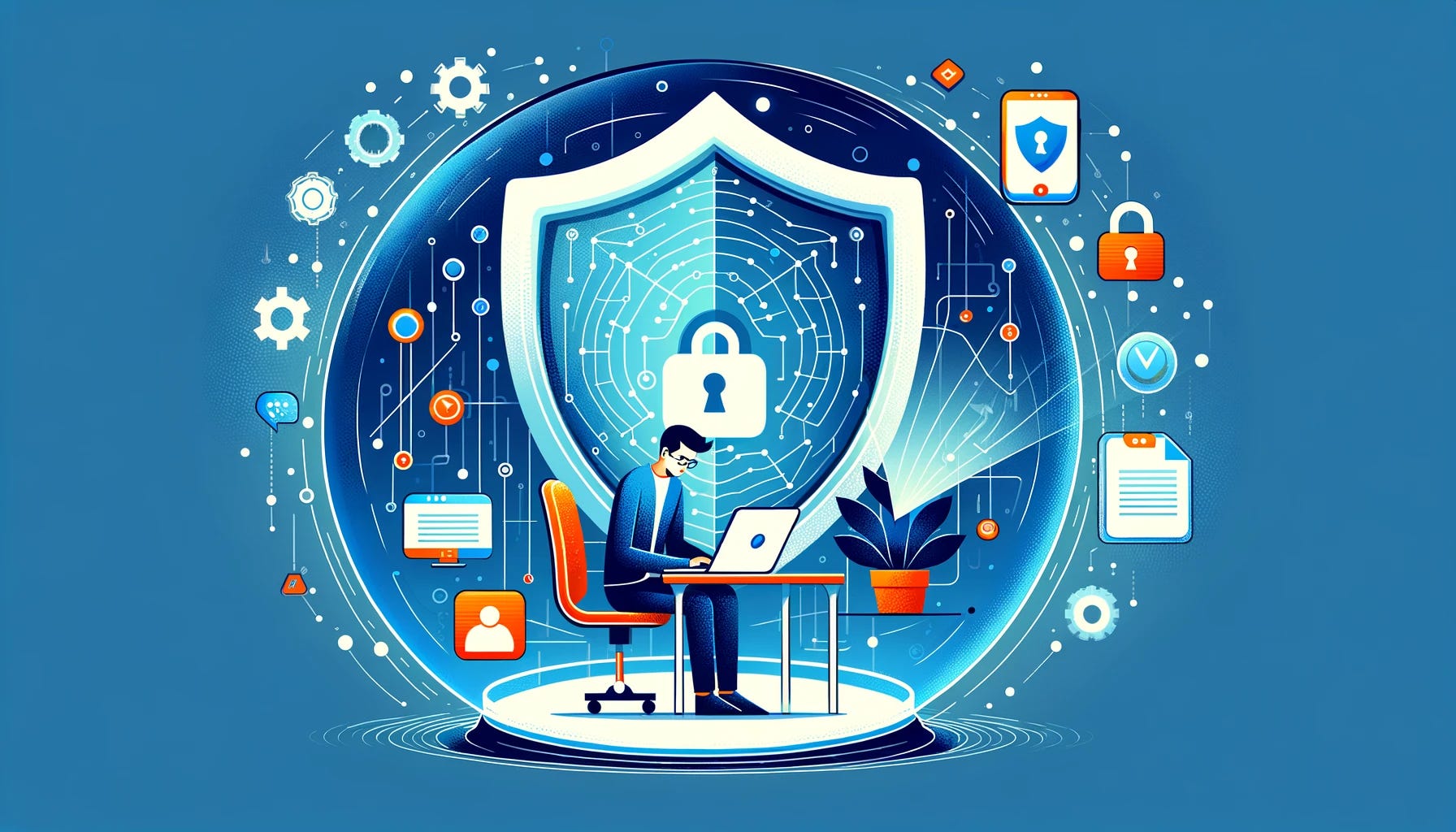
In the vast expanse of the internet, where data flows like water, privacy can often feel like a luxury. Enter Virtual Private Networks or VPNs, the digital equivalent of a secure, private tunnel that ensures your online activities remain just that—private.
What Exactly is a VPN? At its simplest, a VPN is a service that creates a secure, encrypted connection over the internet from your device to a network. It's like having a private, secret passage that only you can use, shielding your internet activities from anyone else on the same public network.
The Foundation of VPNs: Encryption and Security The core principle behind a VPN is encryption. Imagine sending a letter with sensitive information. Without a VPN, it's like sending your letter in a transparent envelope. Anyone who intercepts it can easily see its contents. A VPN encrypts, or scrambles, your data, turning it into a code that only the intended recipient can decipher. This encryption happens the moment you connect to a VPN, ensuring that all data transmitted between your device and the internet is unreadable to anyone who might intercept it.
A Private Path Through the Public Internet When you use a VPN, your internet traffic is rerouted through a specially configured remote server run by the VPN provider. This not only encrypts your data but also masks your IP address, making it appear as though your online actions are coming from the server's location, not your own. This process not only secures your data from outsiders but also enhances your online privacy, making it harder for websites and services to track your online activities.
Why This Matters In an age where personal information is currency, and digital footprints are tracked by various entities, a VPN is a critical tool for maintaining control over your online identity and activities. Whether you're accessing sensitive information, shopping online, or simply browsing, a VPN adds a layer of security that the standard internet connection lacks.
Understanding the operation and benefits of VPNs is the first step toward reclaiming your digital privacy and navigating the online world with confidence.
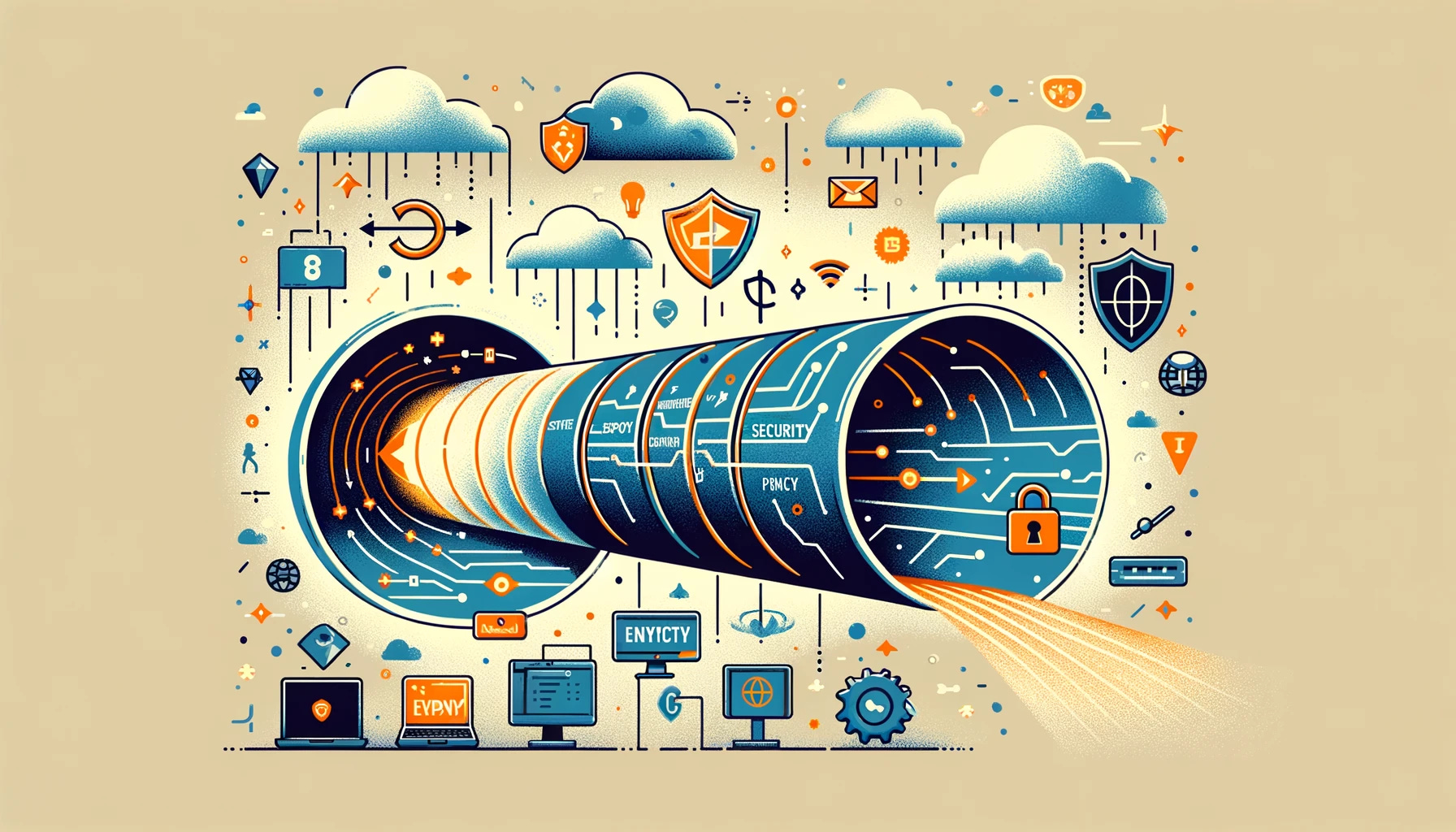
Diving deeper into the digital fortress that is a VPN reveals a world of intricate technology designed to protect your online presence. Let's unpack the key components that make VPNs such powerful tools for privacy and security.
Encryption: The Heart of VPN Security Encryption is the cornerstone of a VPN's defense mechanism. It works by encoding your data into a complex format that can only be read with the right decryption key. Think of it as turning your online communications into a secret code that only you and the VPN server can understand. This process ensures that even if someone intercepts your data, all they see is gibberish.
Tunneling: Creating a Secure Passage The concept of tunneling is what gives a Virtual Private Network its name. Tunneling creates a private, secure path over the internet between your device and the destination website or service. It's akin to building an underground tunnel that bypasses the public streets above, where your data travels protected from external threats.
Types of VPN Protocols: The Building Blocks of Tunneling Several protocols serve as the building blocks for these secure tunnels, each with its own method of creating and maintaining a connection. Some of the most common include:
IPSec: A set of protocols that secure internet communications across an IP network.
OpenVPN: A robust and highly customizable open-source protocol known for its security and flexibility.
WireGuard®: A newer protocol prized for its simplicity and high-speed performance.
Rerouting Traffic for Anonymity VPNs reroute your internet traffic through their own servers, located across the globe. This not only encrypts your data but also masks your IP address, making your online actions appear to originate from the VPN server instead of your device. This is how VPNs provide anonymity online, allowing you to browse without revealing your location or identity.
The Balance of Speed and Security While encryption and tunneling provide security, they can sometimes slow down your internet speed due to the extra steps involved. However, advances in technology and the development of more efficient protocols mean that today's VPNs offer a good balance between speed and security, ensuring a seamless online experience.
Understanding these inner workings helps demystify how VPNs operate, showcasing their role as essential tools for securing and anonymizing your internet usage in an increasingly connected world.
In the digital landscape, where threats lurk at every corner and personal freedom can be compromised, VPNs stand out as guardians of the online realm. Here are the core benefits of using a VPN that make it an indispensable tool for anyone navigating the internet.
Enhanced Online Privacy Imagine leaving digital footprints (click to read about digital footprints) everywhere you go online, visible to marketers, hackers, and even curious bystanders. A VPN acts like a cloak of invisibility, masking your IP address and encrypting your data. This means your online activities—from the sites you visit to the messages you send—are kept private, safeguarding your personal information from prying eyes.
Protection on Public Wi-Fi Networks Public Wi-Fi is convenient, but it's also a playground for cybercriminals. Using a VPN on public networks is like having a personal bodyguard for your data. It secures your connection, making it difficult for hackers to intercept your data or infiltrate your device, whether you're checking emails at a café or browsing through an airport.
Bypassing Geo-Restrictions Ever faced a "content not available in your region" message? A VPN offers a passport to global content, allowing you to access websites, streaming services, and applications regardless of geographic restrictions. By connecting to servers in different countries, you can enjoy a world of content without borders, from international Netflix libraries to sports broadcasts.
Safe and Anonymous Browsing
With a VPN, your search history and browsing habits remain yours alone. This anonymity is crucial not just for privacy but also for protecting against targeted ads and avoiding price discrimination based on location. It's a tool for reclaiming your right to a private and unmonitored internet experience.
Secure File Sharing
For those who need to share sensitive information securely, a VPN provides a safe channel for transmitting files without the risk of interception. It's an essential tool for businesses and individuals who prioritize the confidentiality of their documents.
Conclusion: A VPN as Your Digital Shield
The benefits of using a VPN are clear: enhanced privacy, security, freedom, and peace of mind. In an age where digital vulnerabilities are increasingly exposed, a VPN acts as a critical shield, protecting your personal space online.
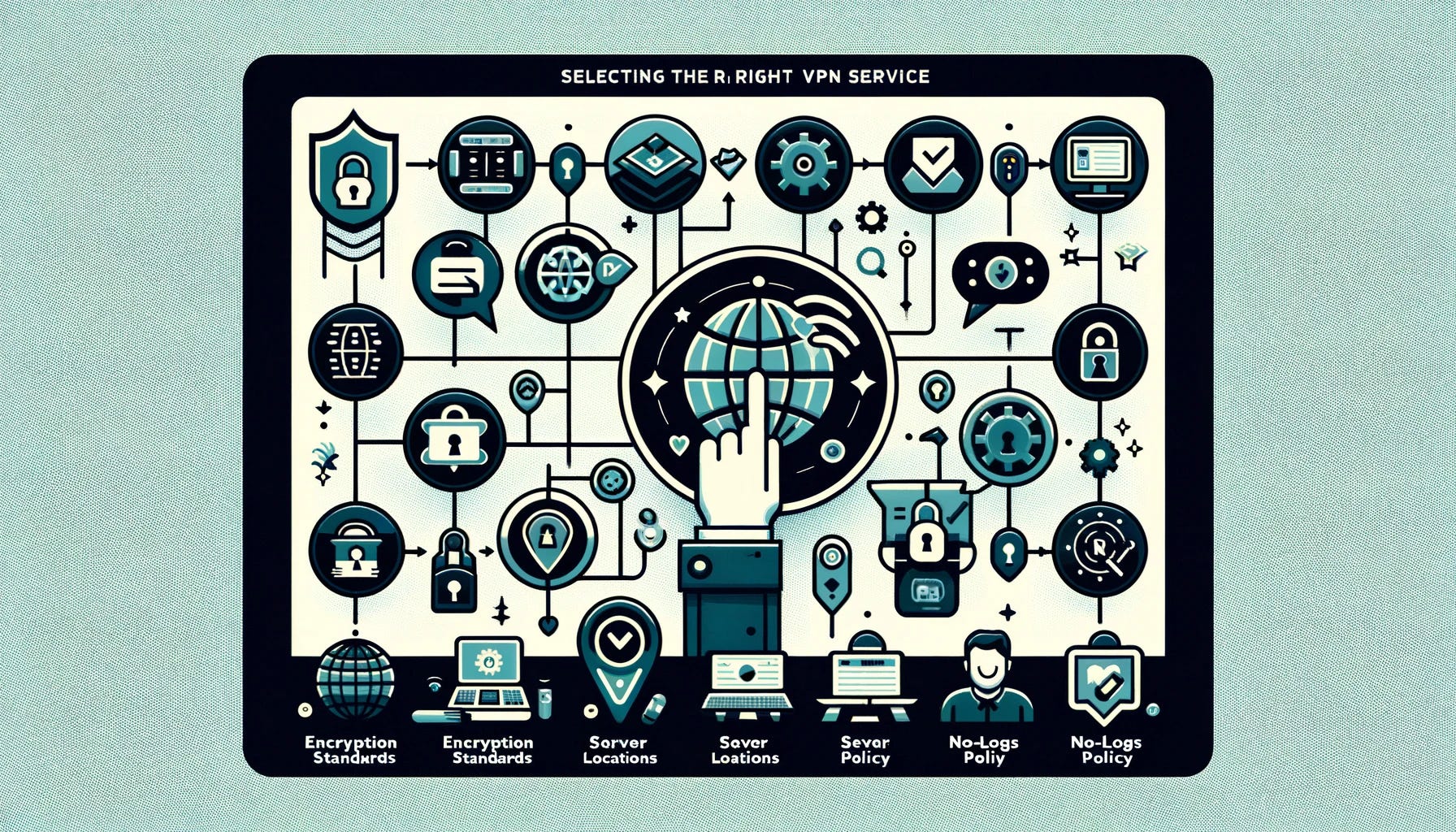
Choosing the right VPN service is akin to picking the best guardian for your digital life. With a plethora of options available, it's essential to know what makes a VPN service stand out. Here are key factors to consider when selecting a VPN to ensure you're well-protected and your internet experience is enhanced.
Encryption Standards: The Foundation of Security
The strength of a VPN lies in its encryption. Look for services that offer AES-256-bit encryption, the same standard used by governments and security experts worldwide. It's like choosing a bank vault over a simple lockbox for your data.
Server Locations: A World of Access
A VPN with a wide range of server locations offers more possibilities for bypassing geo-restrictions and ensures faster connection speeds. It's like having multiple keys to different doors around the world, giving you access wherever you need it.
No-Logs Policy: Your Activities, Your Secret
A true no-logs policy means the VPN service doesn't keep track of your online activities. Ensure the service you choose stands firm on this policy. It's the equivalent of a confidant who forgets everything you tell them, ensuring your secrets are always safe.
User-Friendly Interface: Ease of Use
A VPN should be a tool that enhances your internet experience, not complicates it. Look for services with intuitive interfaces that make connecting to different servers and adjusting settings as simple as clicking a button. It should feel like turning on a light switch, not piloting a spaceship.
Speed and Performance: Smooth Sailing Online
A VPN can affect your internet speed, so it's crucial to choose a service known for its performance and reliability. The best VPNs offer stable connections and high speeds, ensuring your online activities, from streaming to gaming, are uninterrupted. Think of it as choosing a sports car over a horse-drawn carriage for your internet journey.
Customer Support: Your Digital Lifeline
Good customer support can be your lifeline if you encounter issues. Opt for VPN services that offer 24/7 support through multiple channels. It's like having a knowledgeable friend available at any time to help solve your problems.
Price: Getting What You Pay For
Finally, consider the cost. While free VPNs might be tempting, they often come with limitations and security risks. Investing in a reputable, paid VPN service is investing in your privacy and security.
Conclusion: A Choice That Matters
Selecting the right VPN service is a critical decision that affects your online privacy, security, and overall internet experience. By focusing on these key factors, you can choose a VPN that not only protects you but also enhances your digital life.
While VPNs are powerful tools for enhancing online privacy and security, navigating their use comes with its own set of challenges and misconceptions. Understanding these can help users make informed decisions and use VPNs more effectively.
Speed Reduction: A Balancing Act One of the most cited challenges of using a VPN is the potential reduction in internet speed. Encrypting and rerouting your internet traffic through a VPN server can sometimes slow down your connection. However, the impact varies based on several factors, including the quality of the VPN service, the distance to the server, and the encryption strength. Premium VPN providers invest in high-speed servers and technology to minimize speed loss, making this a manageable challenge for most users.
Legal and Ethical Considerations Another area of concern is the legal and ethical implications of using a VPN. While VPNs are legal in most countries, their use is restricted or regulated in some places. Misconceptions arise about VPNs being tools for illicit activities, but in reality, they are legal tools for protecting online privacy. It's crucial for users to understand the legal landscape in their country and use VPNs responsibly, adhering to local laws and regulations.
Misconceptions About Total Anonymity VPNs significantly enhance privacy and security, but they don't make you completely anonymous. Some users believe that a VPN hides all aspects of their online activity, but VPNs primarily mask your IP address and encrypt your data. Advertisers, websites, and even VPNs themselves (if they keep logs) can still track some aspects of your behavior through cookies and other means. It's important to complement VPN use with other privacy tools and practices.
The VPN Service Trust Factor Choosing a VPN service requires trust, as you're essentially routing your internet traffic through their servers. A common misconception is that all VPN providers offer the same level of privacy and security. In reality, the policies and practices of VPN services vary, especially regarding data logging and sharing. Users should thoroughly research providers, focusing on those with strict no-logs policies and transparent practices.
Conclusion: Navigating the VPN Landscape Understanding the challenges and misconceptions about VPNs is crucial for anyone looking to enhance their online security and privacy. By selecting reputable services, understanding the limitations of VPN technology, and using VPNs as part of a broader privacy strategy, users can navigate the digital world more securely and confidently.

As we wrap up our exploration of Virtual Private Networks (VPNs), it's evident that these digital tools play a pivotal role in shaping a safer, more private internet landscape. In an era dominated by digital interactions, where personal information traverses the globe in milliseconds, VPNs stand as bastions of privacy and security.
A Commitment to Privacy VPNs are more than just tools; they are commitments to maintaining the sanctity of personal privacy in the digital realm. By encrypting data and masking IP addresses, VPNs ensure that our online activities remain confidential, safeguarding us from the prying eyes of hackers, corporations, and even governments.
Security in the Face of Threats The internet, while a marvel of modern connectivity, is fraught with security threats. From unsecured public Wi-Fi networks to sophisticated cyber-attacks, the risks are ever-present. VPNs mitigate these threats, offering a secure conduit for our digital ventures and protecting our data integrity.
Access Without Borders Beyond privacy and security, VPNs democratize the internet by breaking down geographical barriers. They allow us to access a truly global internet, free from censorship and restrictions, ensuring that knowledge and information remain free and accessible to all.
A Call to Action As digital citizens, it's incumbent upon us to take active steps in protecting our online presence. Embracing VPNs is a significant stride towards a safer internet experience. However, it's also crucial to stay informed, choose reputable VPN services, and combine VPN use with other privacy-preserving practices.
Looking Forward The journey towards a completely secure internet is ongoing, and VPNs are but one tool in our digital arsenal. As technology evolves, so too will the means to protect it. The future promises even more sophisticated solutions to privacy and security challenges, with VPNs continuing to play a crucial role.
In conclusion, embracing VPNs is not just about enhancing our internet experience; it's about making a stand for our right to privacy and security in the digital age. It's a testament to our collective resolve to foster a safer, more private internet environment for users worldwide.
Please consider showing your support by sharing this post with your friends and colleagues.
No posts
Comments
Nothing yet. Say the first thing.
Sign in to join the conversation.