Demand Paging: What Happens When Linux Handles a Page Fault
Understand what happens when you allocate memory versus when you actually access it, what a VMA is, and how the Linux kernel uses VMAs to handle page faults.

I write about how computers work underneath the abstractions: compilers, operating systems, memory, performance, and low-level programming.
Subscribe:.rss.atom.json.md.m3u.pls
Live Last read · last published · next check
Saves to your Listen queue, to pick up on another day or another device.
Understand what happens when you allocate memory versus when you actually access it, what a VMA is, and how the Linux kernel uses VMAs to handle page faults.
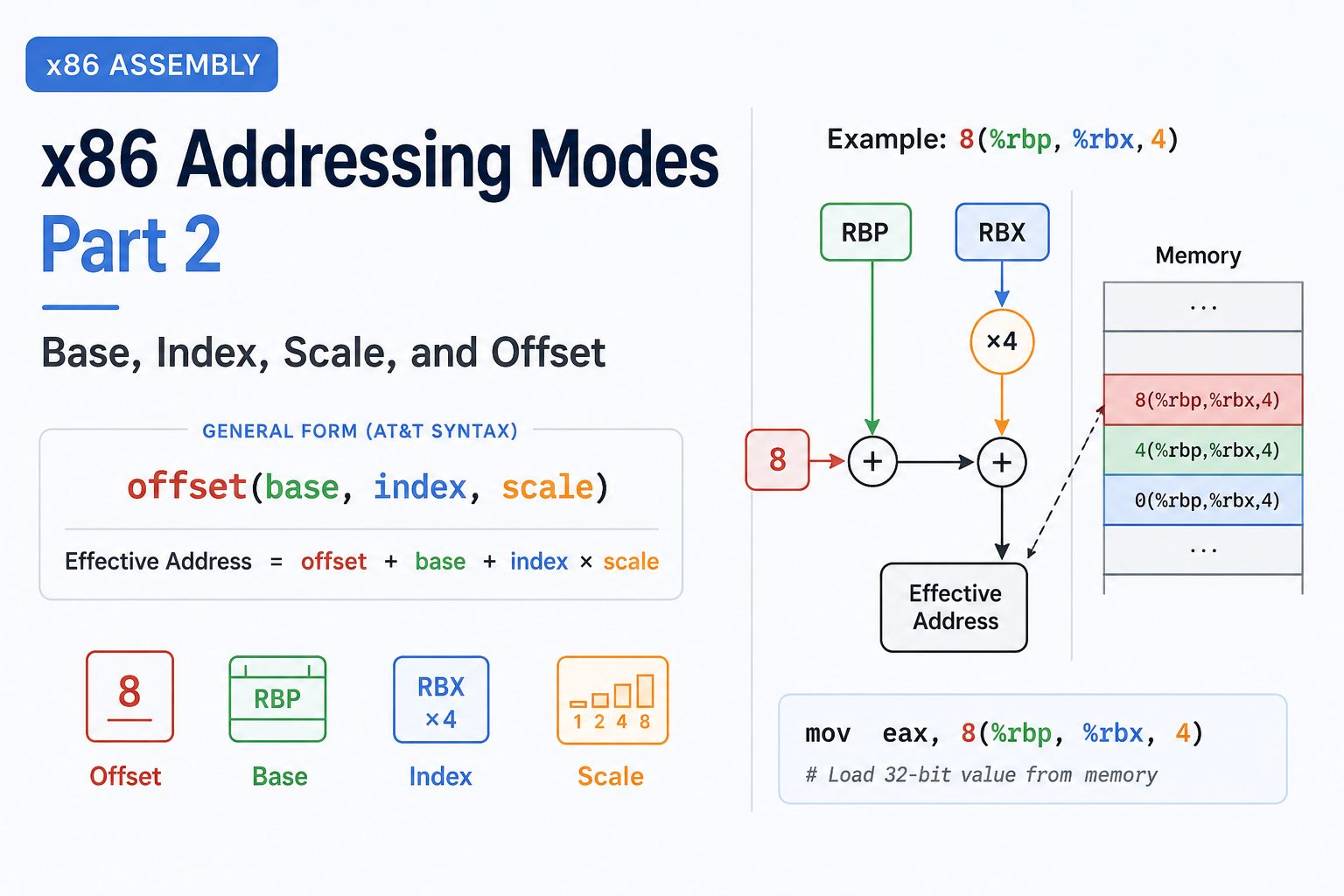
In this final part on addressing modes, we learn about indirect, indexed and offset-based addressing modes along with some interesting examples and exercises.
A short aside from the virtual memory series on physical address size, why it differs from virtual address size, and why different CPUs expose different limits.
Watch now | Learn about the page-level metadata that is stored in the page table and how is that used by the hardware during memory access
Watch now | Constructing page tables from first principle as a way to store virtual-to-physical address mappings
In this video, we look at how a process’s virtual address space is laid out: code, data, heap, stack, shared libraries, mmap regions, and more.
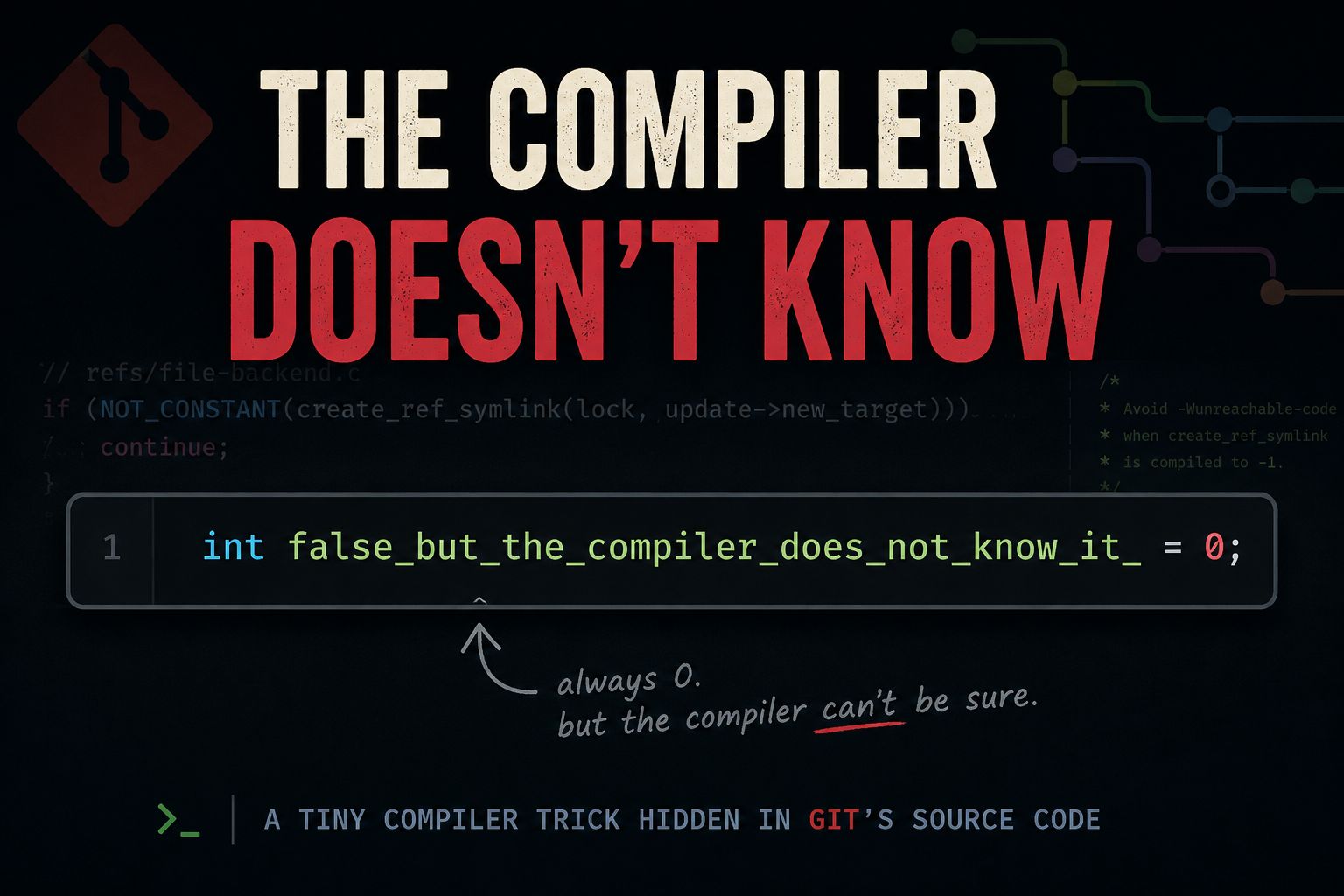
A small C trick that keeps Clang from flagging valid code as unreachable
Watch now | How large is a process’s virtual address space, why is it split between user space and the kernel, and what are canonical virtual addresses?
Understanding virtual memory from first principles
A practical guide to page faults, page tables, TLBs, NUMA topology, Linux internals, and performance in data-intensive systems.
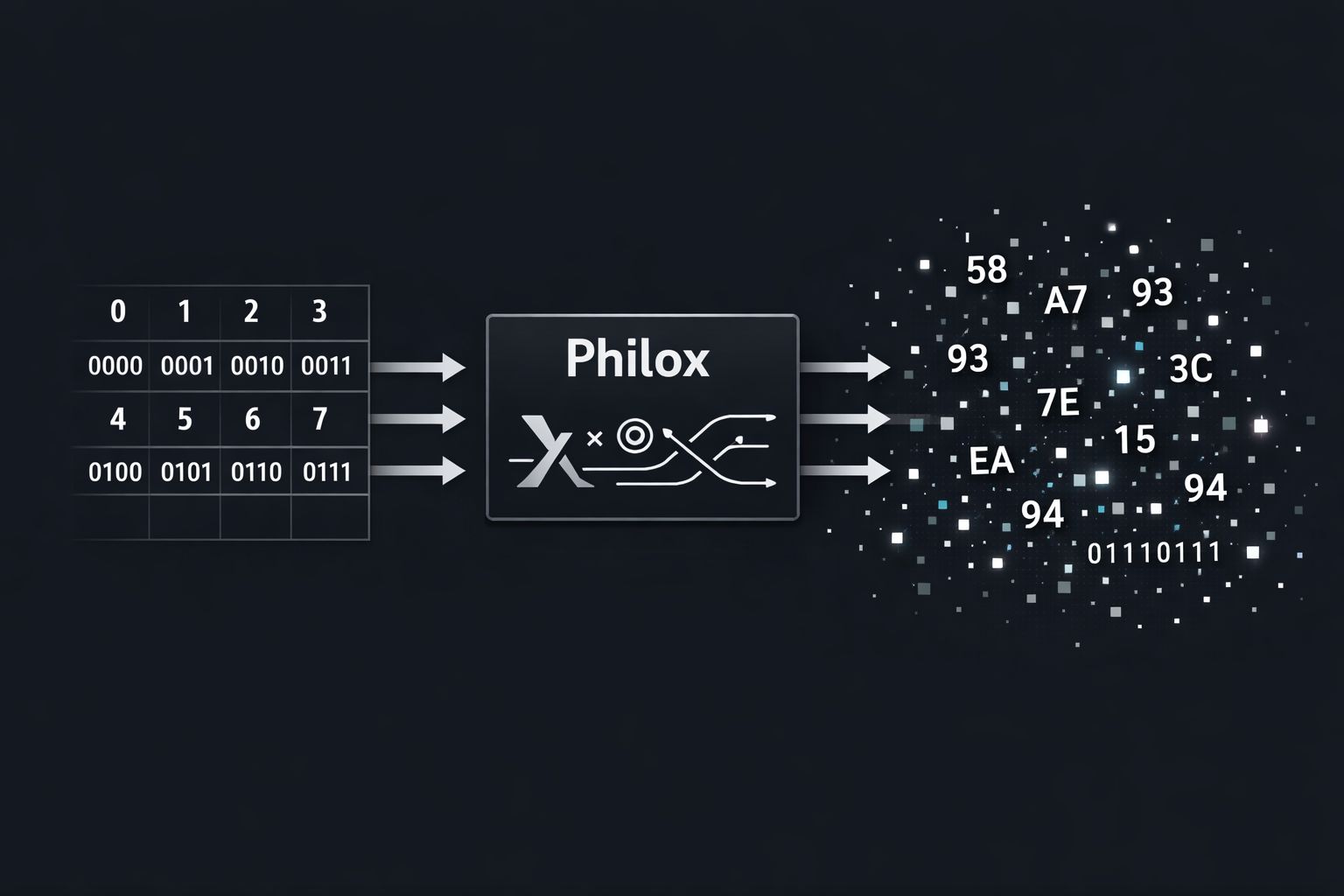
A deep dive into Philox and counter-based RNGs