
I was sixteen. Or perhaps not quite sixteen…the number itself hardly matters, since at that age a boy has no real sense of what numbers mean when applied to the passage of time. You live inside each moment as though it were the only moment that has ever existed. The past is something that happens to other people, to the dead. You have no instrument for measuring what is being lost or experienced.
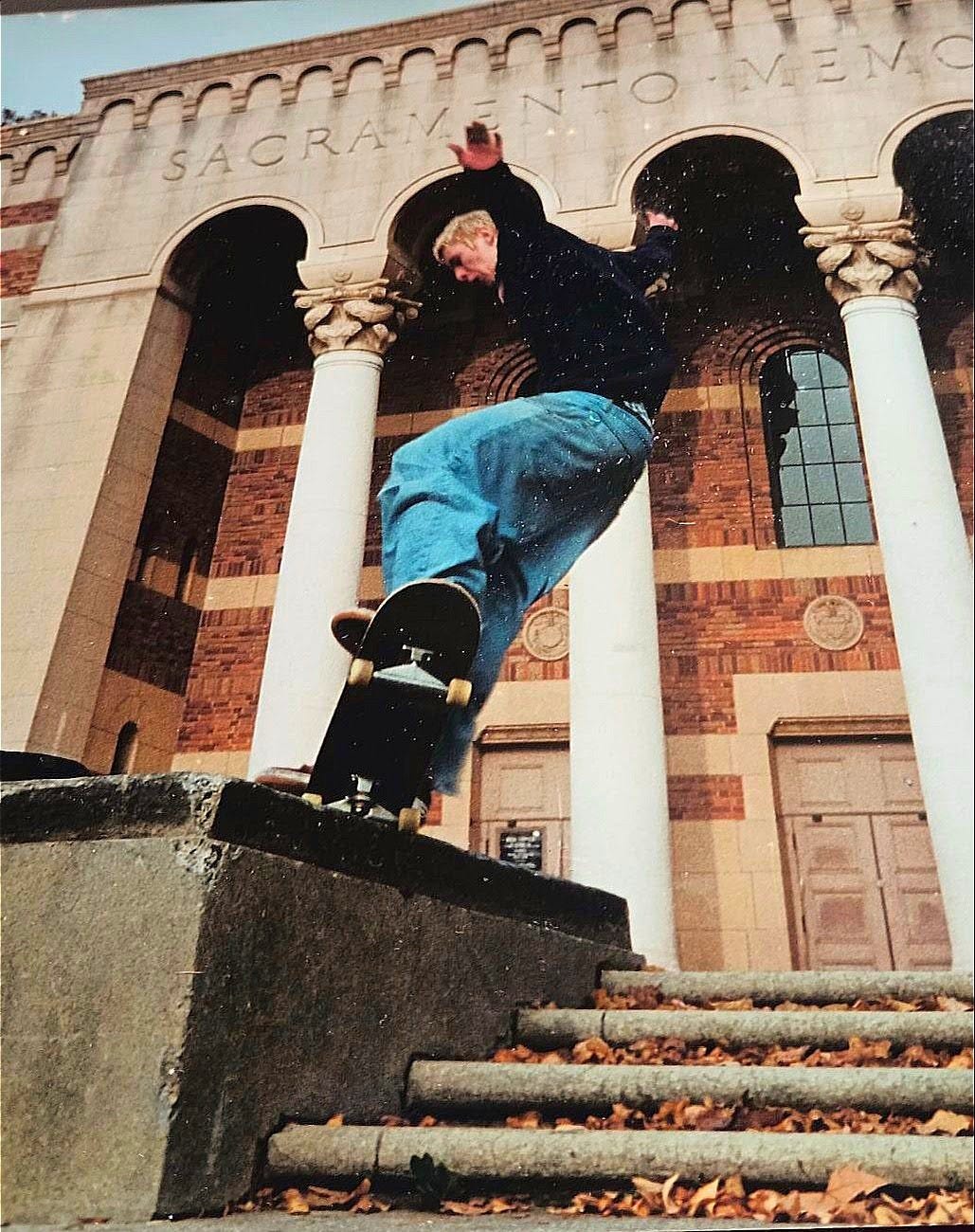
My grandfather drove a forest green Ford Explorer that smelled of Marlboro cigarettes and Old Spice, a combination that should not have worked as well as it did. This amalgamation of aroma produced something so specific, so entirely located in a version of post-war America that believed, without irony or apparent strain, in both quiet masculinity and slow suicide. The old dude would pull up to the curb on Pacific Avenue in Venice Beach without fully stopping, the car still moving fractionally, and I would lunge out, ungovernable, with my skateboard under my arm the way you disembark from something you’ve already stopped thinking about.
Venice was still gritty back then, and this matters. What exists there now — the cold brew installations, the 18 dollar burritos, the nepo-babies in their Lululemon doing outdoor yoga with the focused expressions of people who have recently discovered that capitalism has a wellness dimension — none of that existed. What existed instead was a granular, salt-damaged realness that the city has since pressure washed into something more legible, more palatable, more fundamentally dishonest.
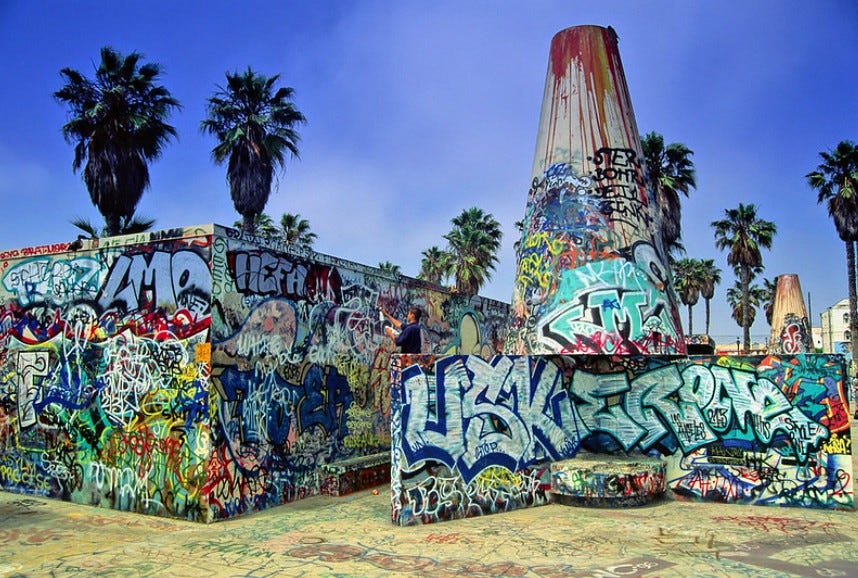
If you didn’t know anyone, or ended up on the wrong street, things could end badly for you. I knew this the way most fatherless teenagers knew things, not through reasoning but through some pre-verbal threat assessment running constantly through the crawlspace of my mind like a process you can’t quit. There were gang members on certain corners who looked at you with an evaluative blankness that had nothing to do with hostility and everything to do with mathematics. They were calculating your material worth and whether that was worth exercising their time and effort.
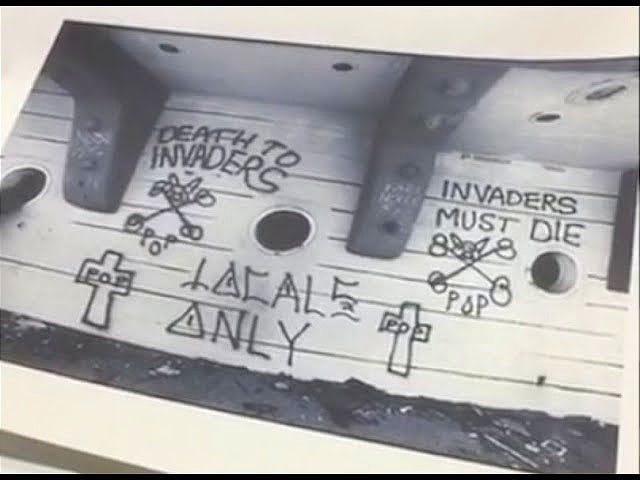
The skate crews had their own pecking order, and you learned it or you didn’t. The older guys at the park had a taxonomy for kooks that was precise and merciless — the kids who came down from the Valley with the wrong energy, the ones who tried to insert themselves into situations through sheer aggressive presence, who confused fashion with talent, would be dealt with swiftly. The consequences ranged from social erasure to something more tactile and destructive. I learned it quickly, and was good enough on a board that the learning had a certain velocity to it: skill as social currency, which is the only currency that actually matters when you’re 16 and trying to exist in a space that wasn’t designed for outsiders.
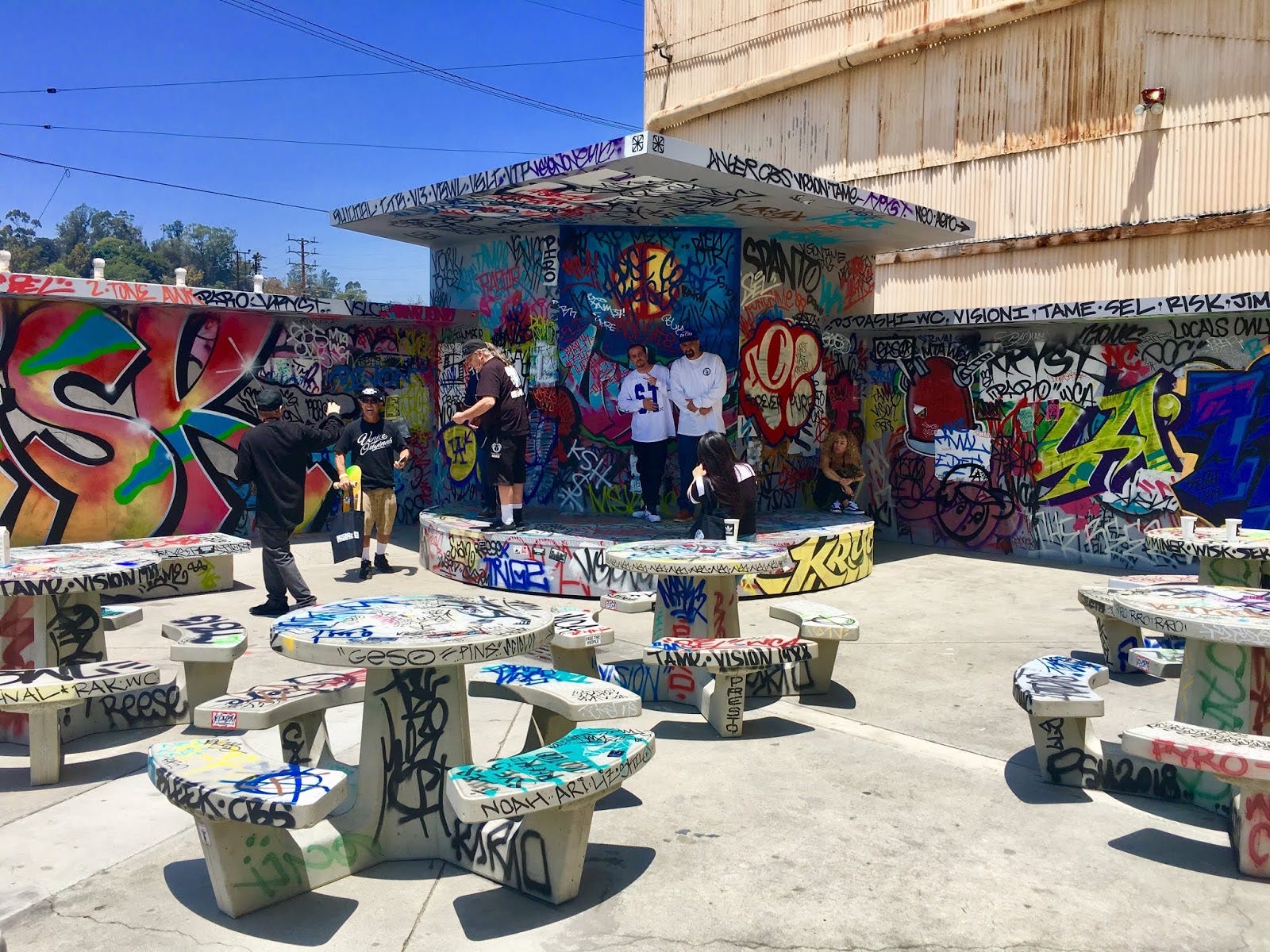
My grandfather would pick me up at 6. The Explorer would materialize at the curb like a hallucination, and I would climb back in carrying whatever I'd accumulated in those hours—bruises, the exhaustion of sustained social performance, occasionally a phone number, occasionally just the feeling of having briefly been someone slightly different: not the high school kid who existed among the normies and candy ravers, nor the one who sat at the dinner table with the 5 o'clock news and a plate of soggy peas and mashed potatoes.
He would ask if I had a good time and then simply say, “Good.” It contained no follow-up, solicited no elaboration, made no bid for intimacy or disclosure. Just: Good. A full stop masquerading as a word.
The Marlboro smoke moved through the air conditioning in slow, democratic tendrils. Merle Haggard was crackling through the radio about a love so absolute it required no qualification. The 110 freeway opened up ahead of us, wide and indifferent, and my grandfather drove the way he spoke…steadily, without excess, and without the desperate over-correction of a man who had ever once in his life second-guessed his lane.
No posts
Comments
Nothing yet. Say the first thing.
Sign in to join the conversation.