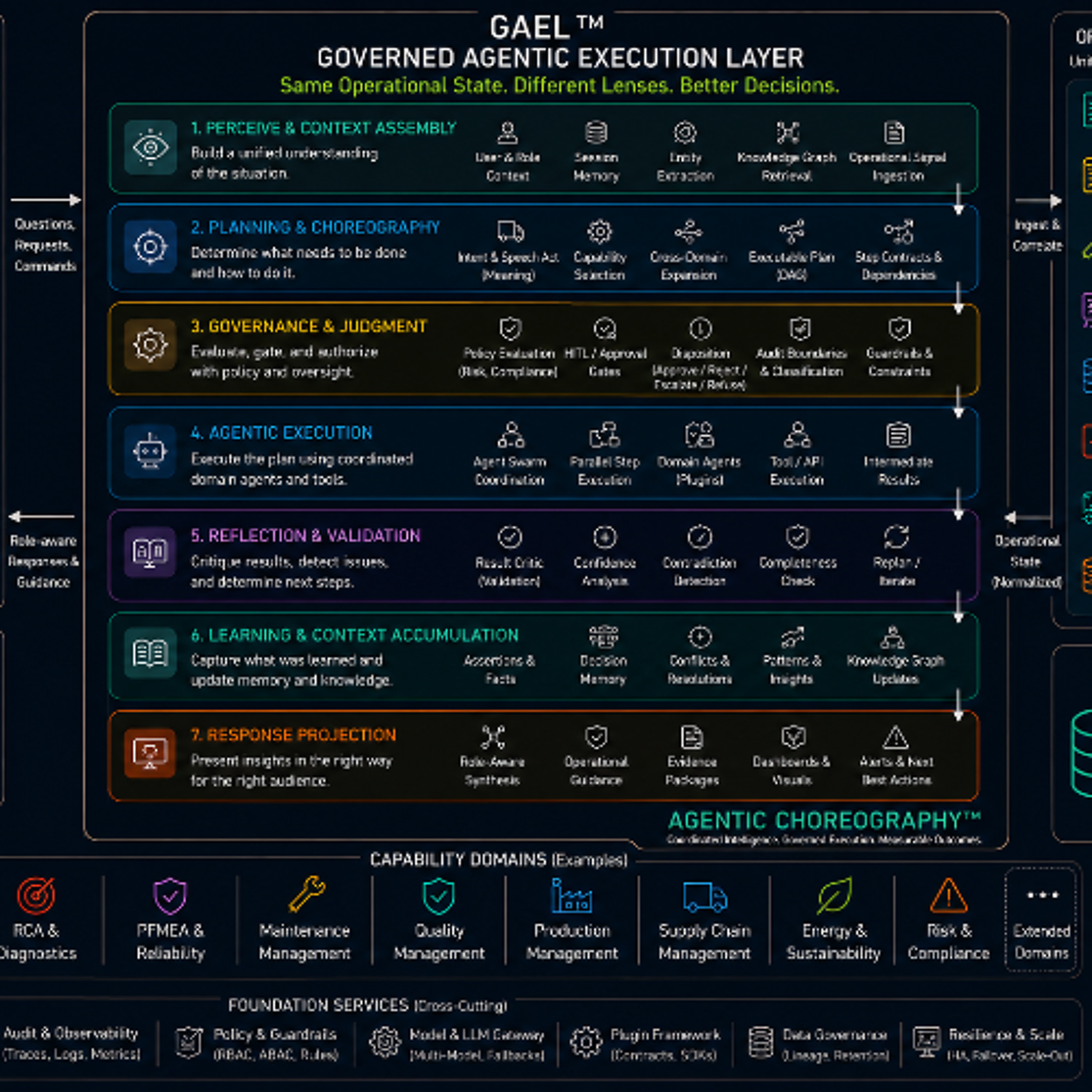
This week we have an exciting conversation about harnesses, neoclouds, open weights models, and the current AI infrastructure landscape. We discuss bare metal automation, agent-friendly APIs, CPU compute, GPU economics, and why some providers are moving up the stack toward models and APIs. We also look at the harness as an execution, optimization, and governance layer, including tools, sub-agents,…
In this episode, we discuss Red Hat’s enterprise AI work, including OpenShift AI, safety guardrails, and router-based model selection. We also talk about smaller AI systems, long-term memory, and the limits of frontier models in enterprise workflows. We cover governance, forensic traceability, and human review for regulated AI systems. Transcript:…
We discuss the acquisition of Mirantis by the neocloud company IREN, and use it to examine the current market for infrastructure and AI deployment. We look at Mirantis’ consulting business, Kubernetes distribution, and its earlier acquisition of parts of Docker, including the registry and enterprise components. We also consider whether trusted registries could play a role in distributing agents…
In this episode we discuss whether AI and LLMs are changing the role of open source, including the pressure on maintainer review queues and the growing appeal of private forks and internal maintenance. We also talk about the security tradeoffs of those forks, especially around visibility, dependency tracking, and audits. We also get into how domain expertise, documentation, interfaces, and…
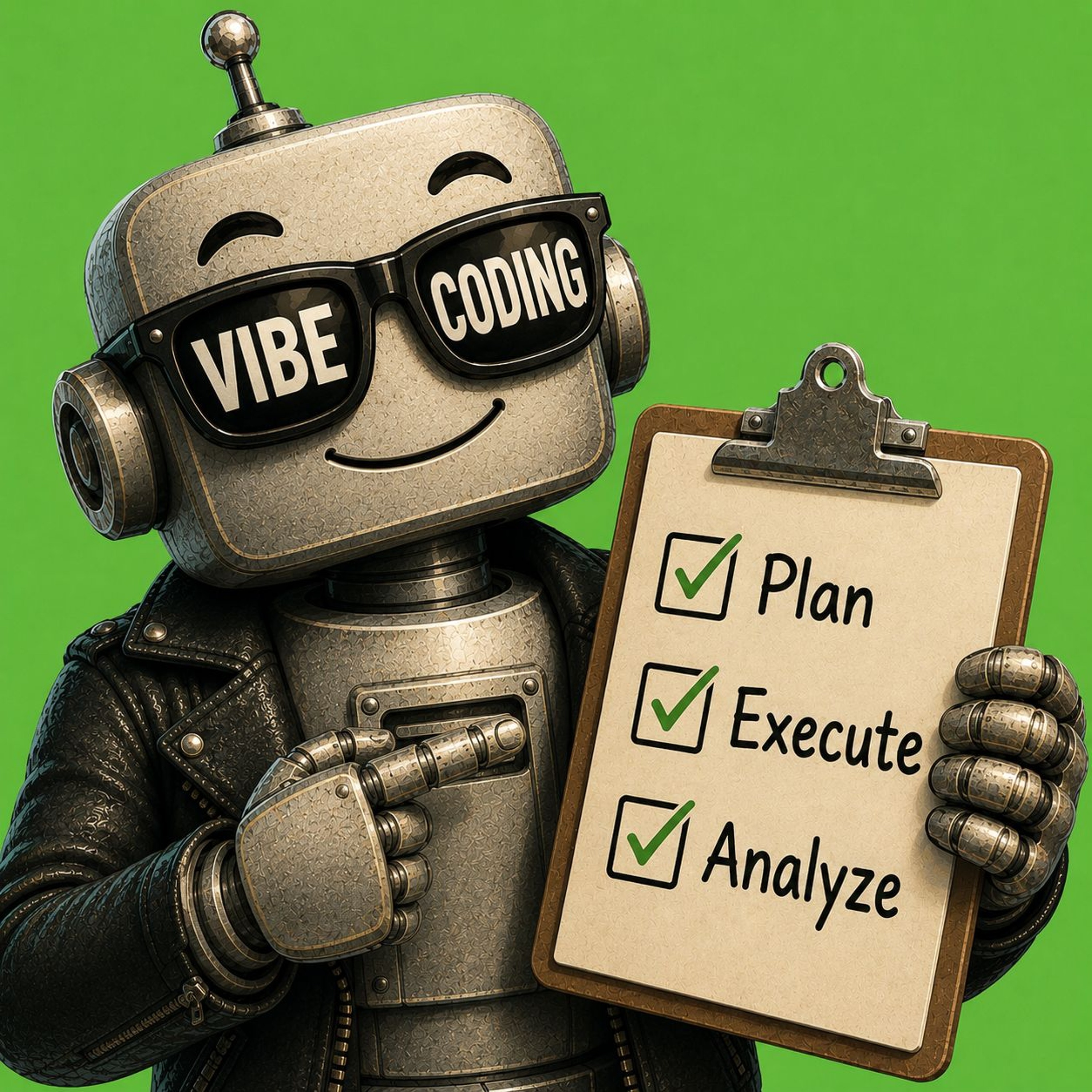
In this episode we work through a Vibe Coding Operations session using Claude AI inside Digital Rebar as an analysis tool. We describe a three-phase flow of plan, execute, and analyze for inspecting a machine, gathering command output, and reviewing the results. We also talk about troubleshooting an installer problem, differences in user account flag behavior, and improvements in Claude’s…
This episode we discuss a failure in vibe coding with Claude and Digital Rebar. We try to build a CloudMD-driven setup for running Claude in a container and analyzing inputs, and we run into some problems when the generated design becomes too complex and leads to wrong assumptions. We discuss the broader lesson that too much context can reduce reliability, and that an incremental design approach…
In this episode, we continue our exploration of vibe coding, this time we build a prompt for installing Digital Rebar. We test and refine the prompt across multiple runs, focusing on readiness checks, firewall ports, SSH keys, license file handling, and keeping the model within the provided instructions.We also look at where the install keeps failing, including NAT gateway setup, DNS…
This week, we continue our Vibe Coding, and use the lessons and prompt instructions we’ve learned from previous sessions to restart the project using the latest version of Vibe Code. We walk through the process of restarting and see the significant difference made by the new tech! We also talk through some alternatives to using Visual Studio. Another great session! The video is available on…
In this episode, we explore AI's transformative impact on user experience (UX) and the relevance of stochastic and deterministic systems in designing effective AI interfaces. We give our predictions about the decline of traditional form-based UX in favor of conversational interfaces that allow users to interact with AI more naturally. We go into how AI can enhance user experiences by dynamically…
This week we examine the emergence of Kubernetes as a common infrastructure platform. We contrast cloud assumptions with bare-metal reality and dig deep on supportability, repairability, and the operational challenges of networking, storage, GPUs, and other specialized systems. We also get into brittle vendor tooling, version changes, and how these can make remediation difficult. I think you’ll…