
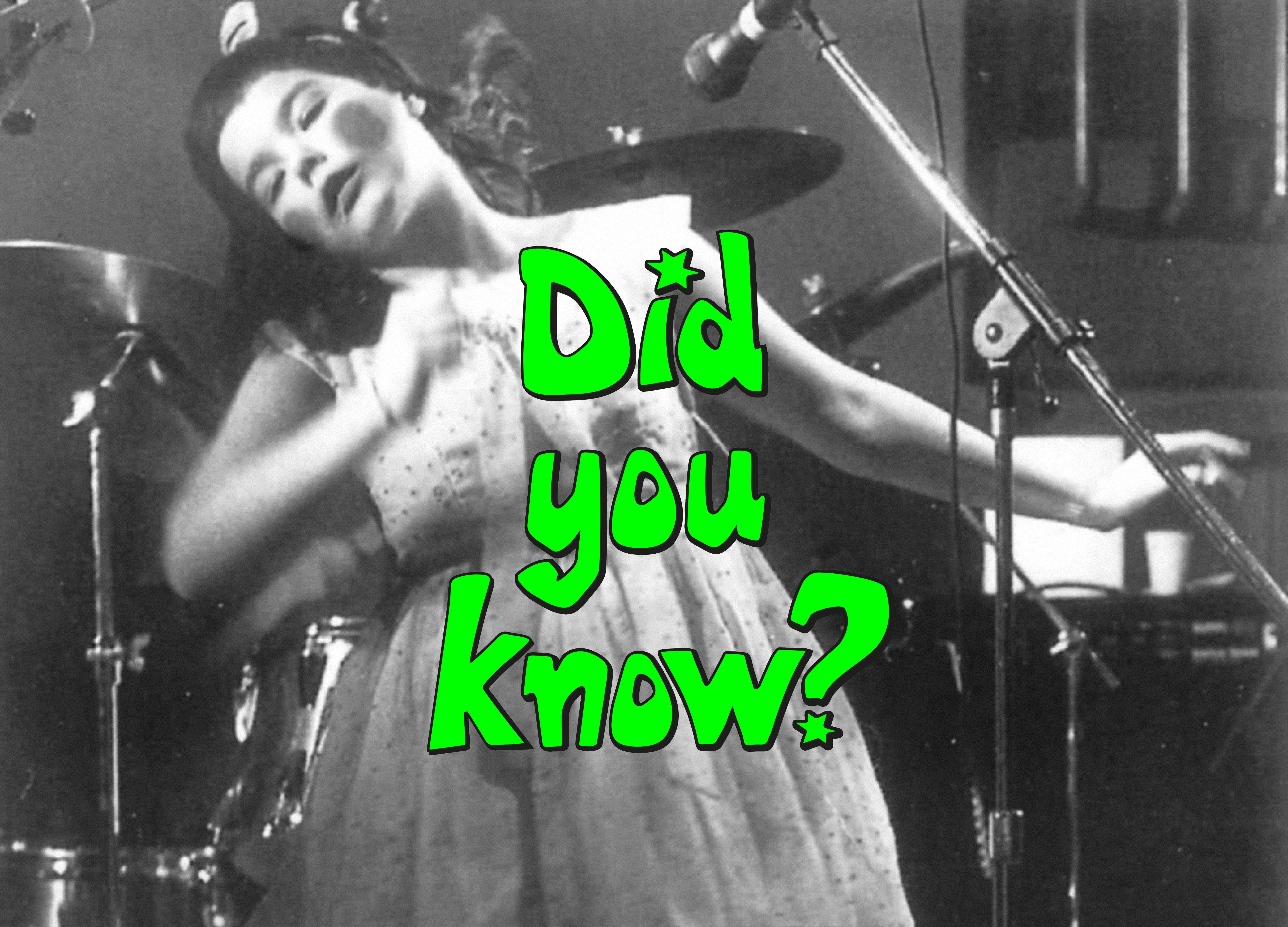
This article is part of our Did You Know? series, where we explore the lesser-known stories behind influential literary and cultural figures and their work. This post is free, but you’ll need to subscribe to access our other great content, like Thrill-Seeking.
In 1981, long before she became shorthand for avant-pop genius, a teenage Björk joined Tappi Tíkarrass, a young Icelandic post-punk band whose name alone gives a sense of how little interest they had in behaving politely.
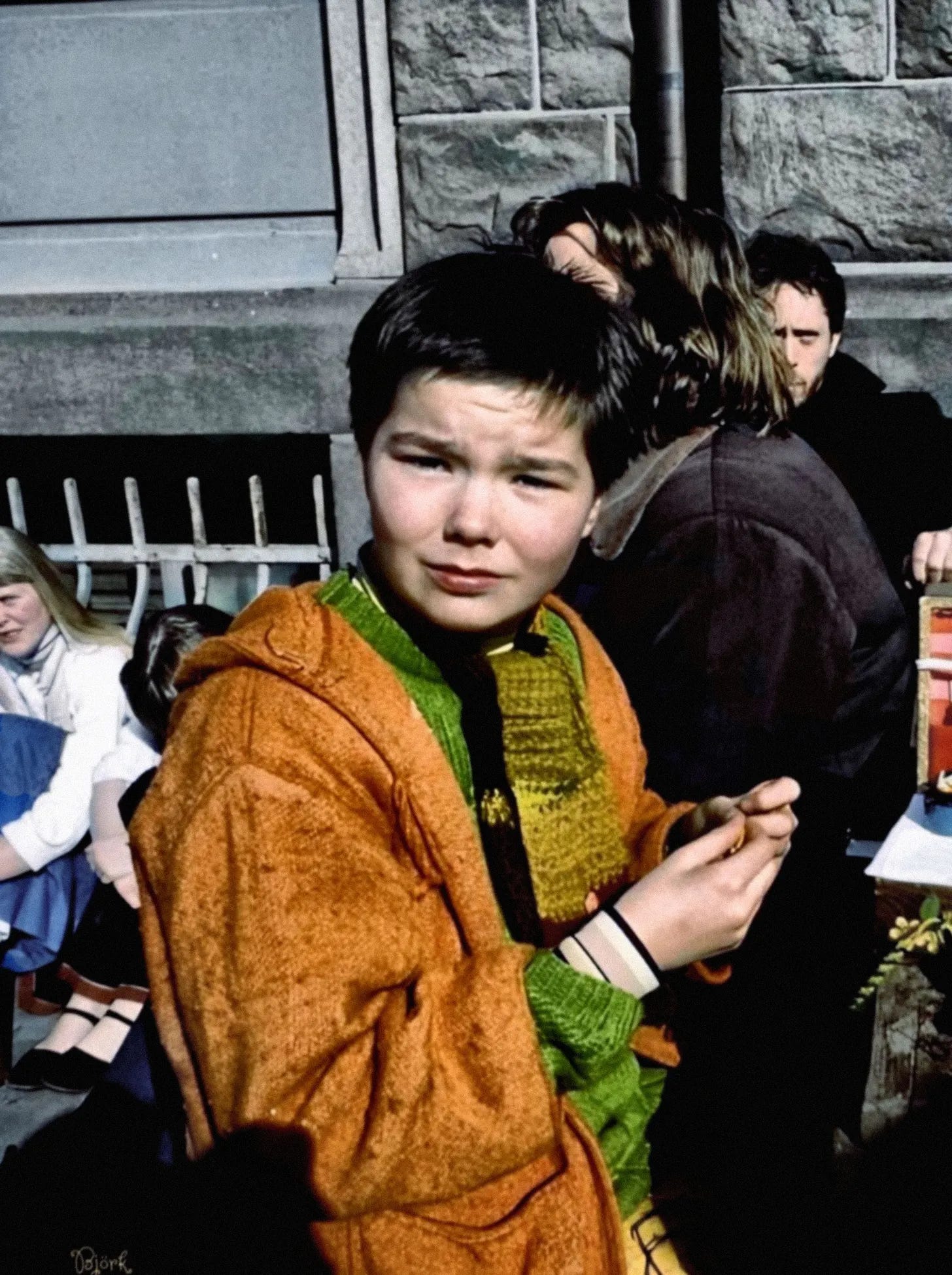
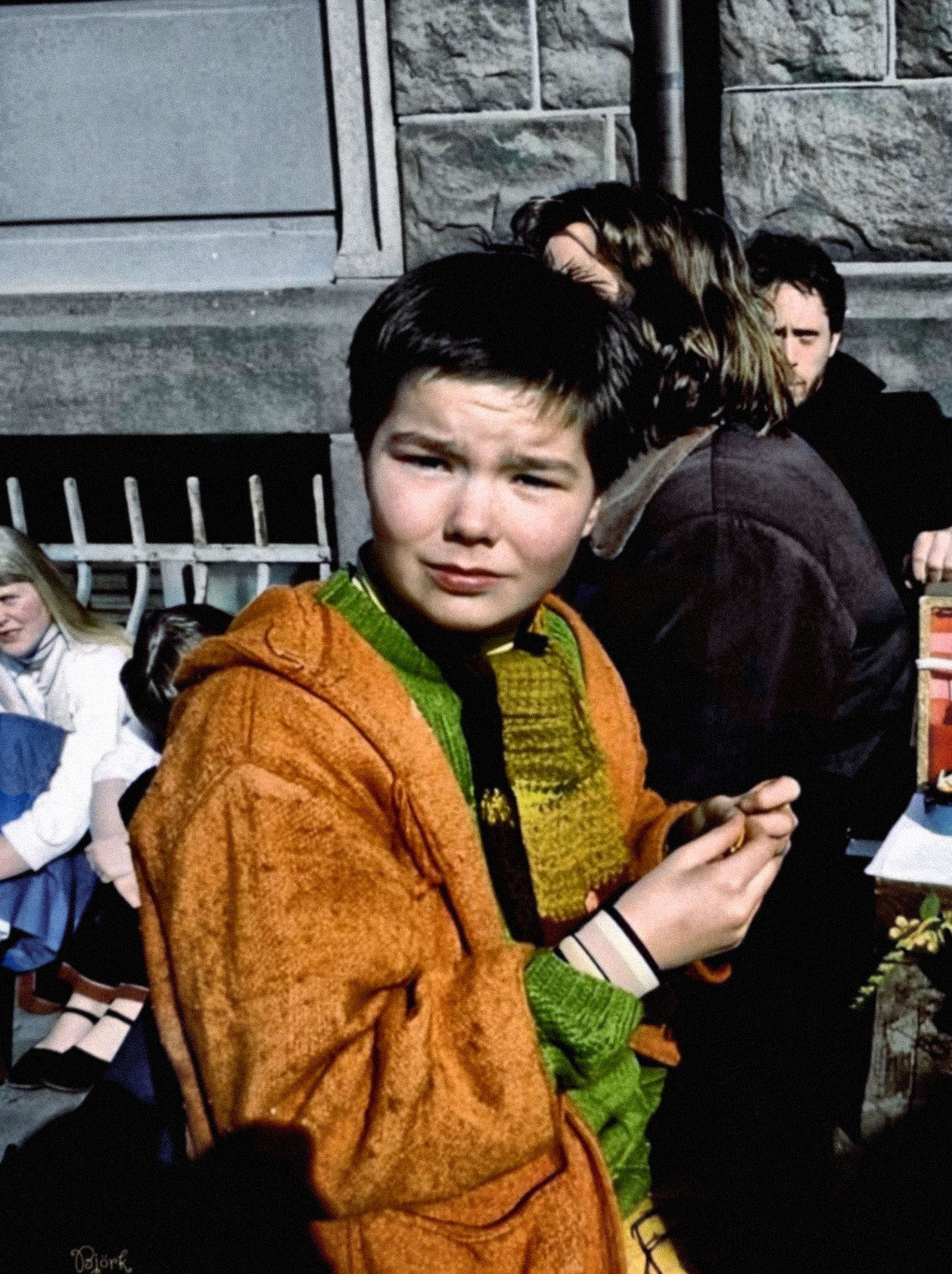
Björk was only 16, but the stage language was already unmistakably hers. Instead of the standard black leather and safety pins of early-80s punk, she often performed in porcelain-doll dresses, moving with a frantic, theatrical physicality and turning props like a plastic whistle or badminton racket into part of the performance.
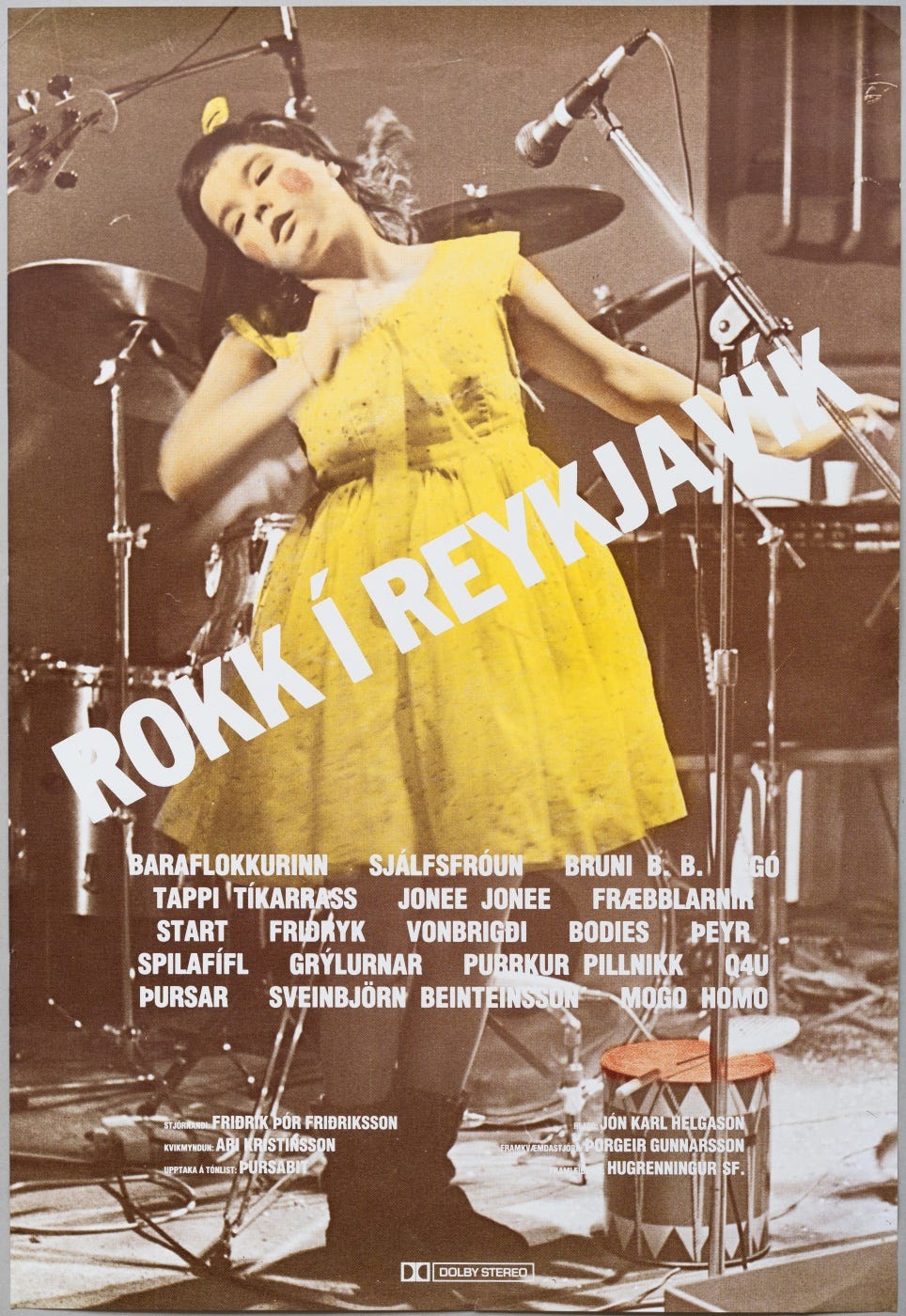
When Tappi Tíkarrass appeared in the 1982 documentary Rokk í Reykjavík, Björk became the obvious breakout presence. The film captured the energy of Iceland's underground music scene at the moment it was forming its own identity, and Björk's performance was impossible to treat as a footnote: weird, forceful, playful and completely self-possessed.
The band did not last long, but it set up the shape of what came next. Björk moved into the anarcho-punk group KUKL, then The Sugarcubes, carrying with her the same instinct for DIY experimentation and refusal of clean genre boundaries that would later define her solo career.
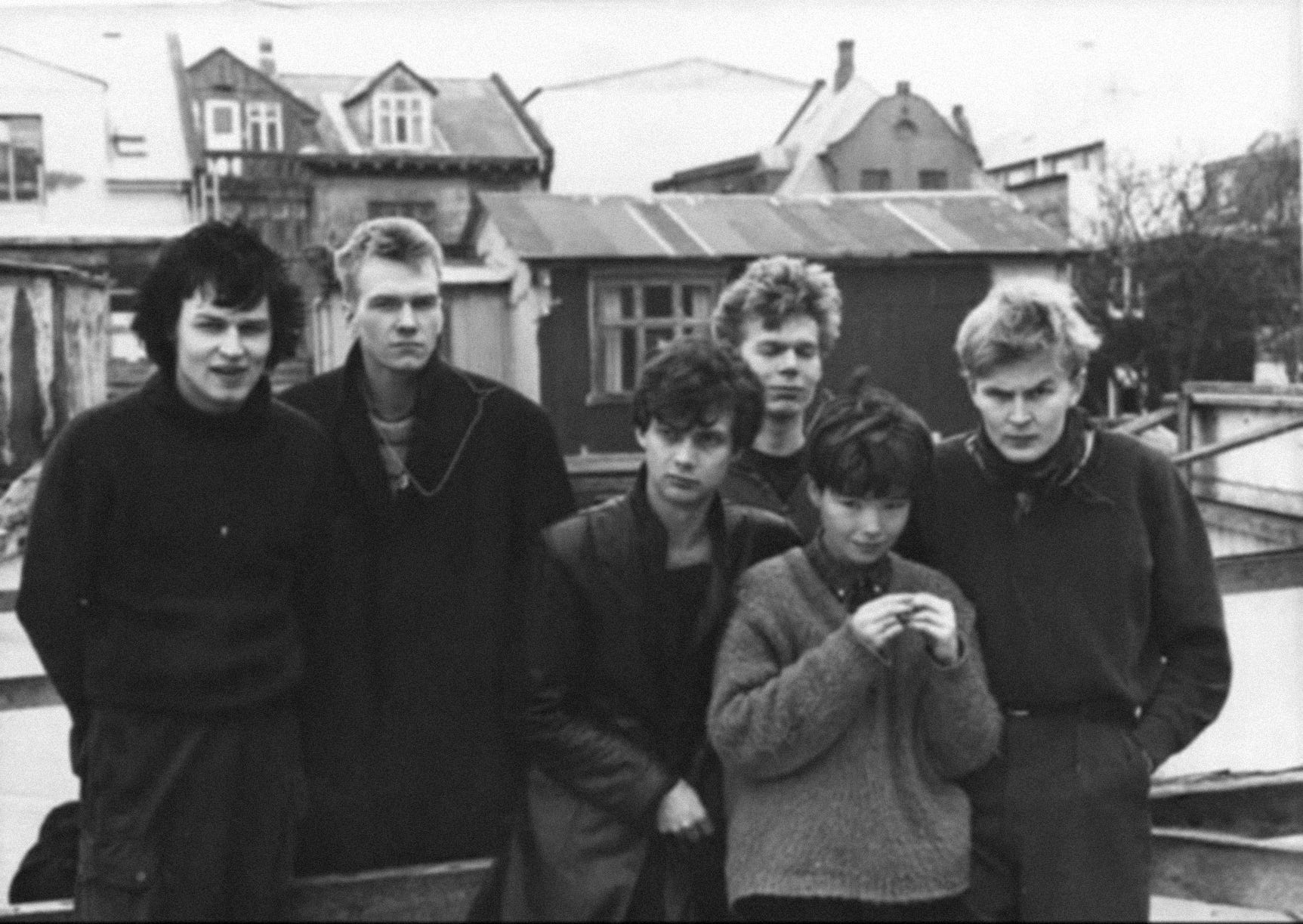
What makes this early chapter feel so enduring is that it shows Björk's strangeness was never a late-career styling decision. It was already there: not just in the voice, but in the costumes, gestures, humour and total commitment to building a world around a song.
Comments
Nothing yet. Say the first thing.
Sign in to join the conversation.