

This article is part of our Did You Know? series, where we explore the lesser-known stories behind influential literary and cultural figures and their work. This post is free, but you’ll need to subscribe to access our other great content, like Under the Cover.
In Christine Pascal’s La Garce, Isabelle Huppert plays Aline, a woman who has already ruined a man’s life before the film really begins.
Years earlier, the detective Lucien Sabatier had been sent to prison after his involvement with her. When he is released and begins working as a private investigator, he is hired to follow the wife of a wealthy fashion designer and slowly realises he has been pulled back into Aline’s orbit under another identity.
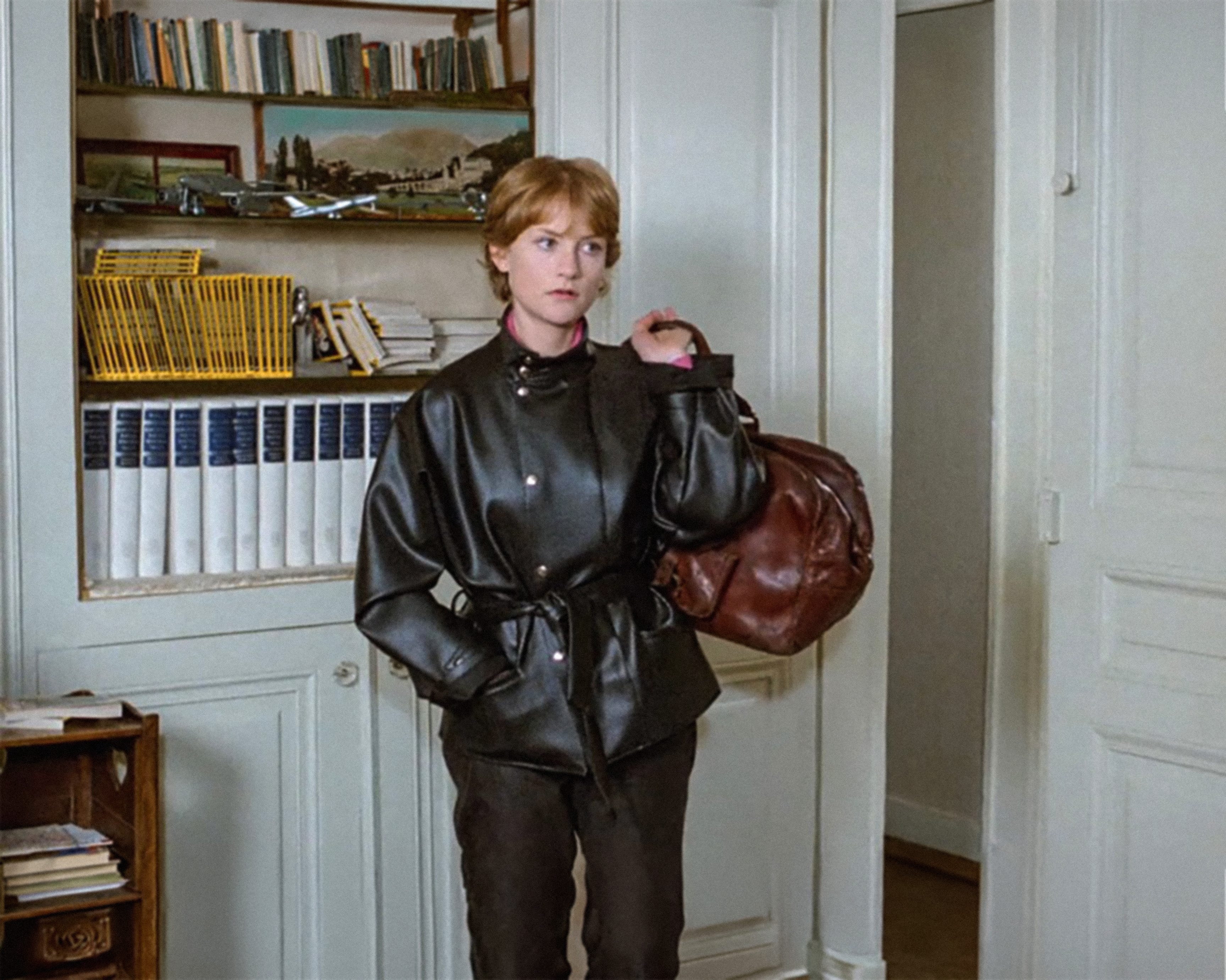
Pascal, herself an actress before becoming a writer-director, uses the crime structure as a trap rather than a puzzle. La Garce refuses the clean moral sorting of a traditional thriller. Its danger sits in the instability of Huppert’s performance: controlled, unreadable, almost unnervingly calm.
At 31, Huppert was already known for making difficult women impossible to reduce. Here, she turns the femme fatale into something colder and more modern: not a glamour object, not a victim, not a character asking to be understood, but a figure of calculation and refusal.
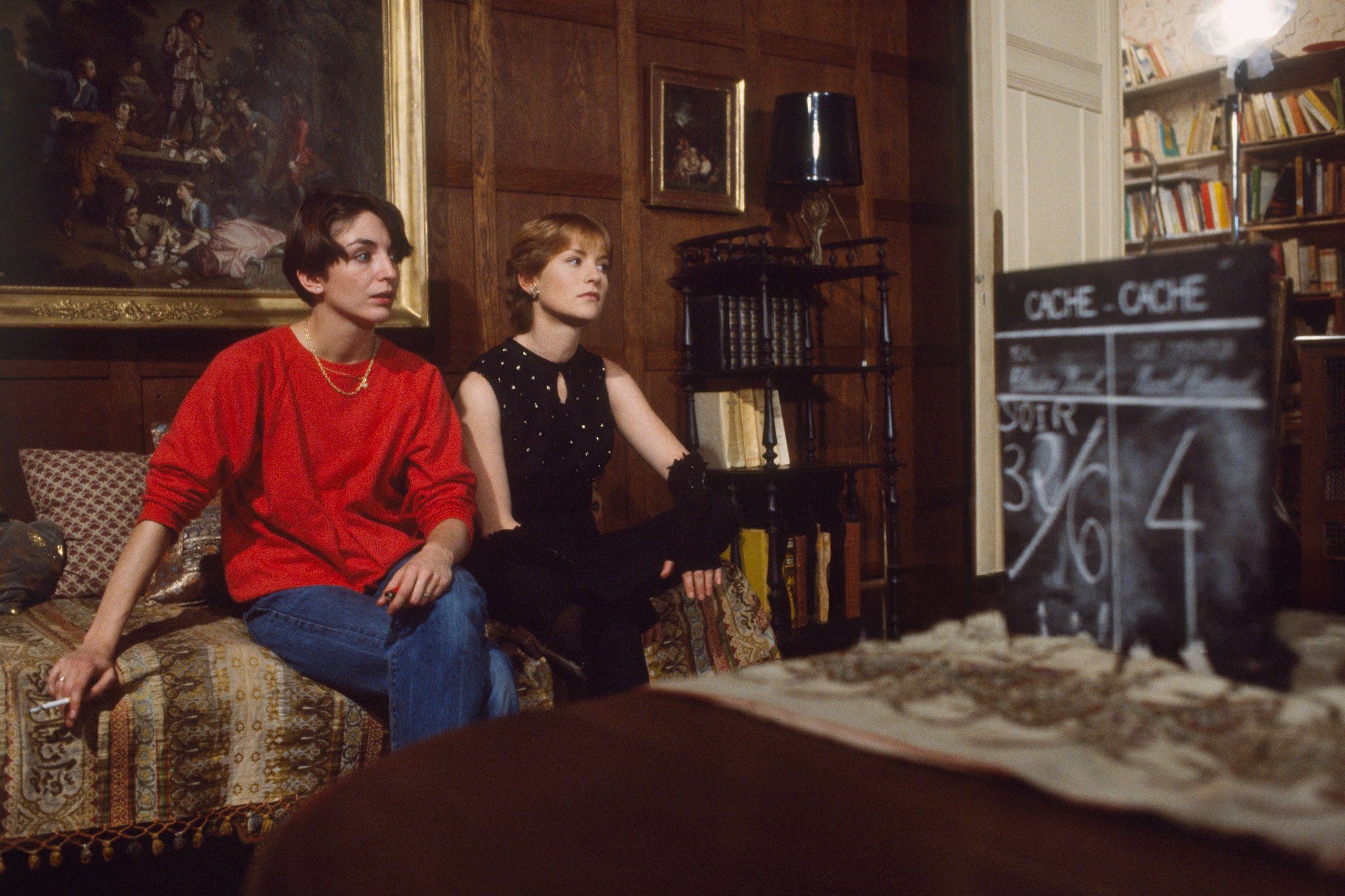
That refusal is what makes La Garce feel so sharp within 1980s French cinema. Pascal gives Huppert space to withhold as much as she reveals, and Huppert makes Aline magnetic precisely because she offers the audience no easy way to forgive her.
Comments
Nothing yet. Say the first thing.
Sign in to join the conversation.