
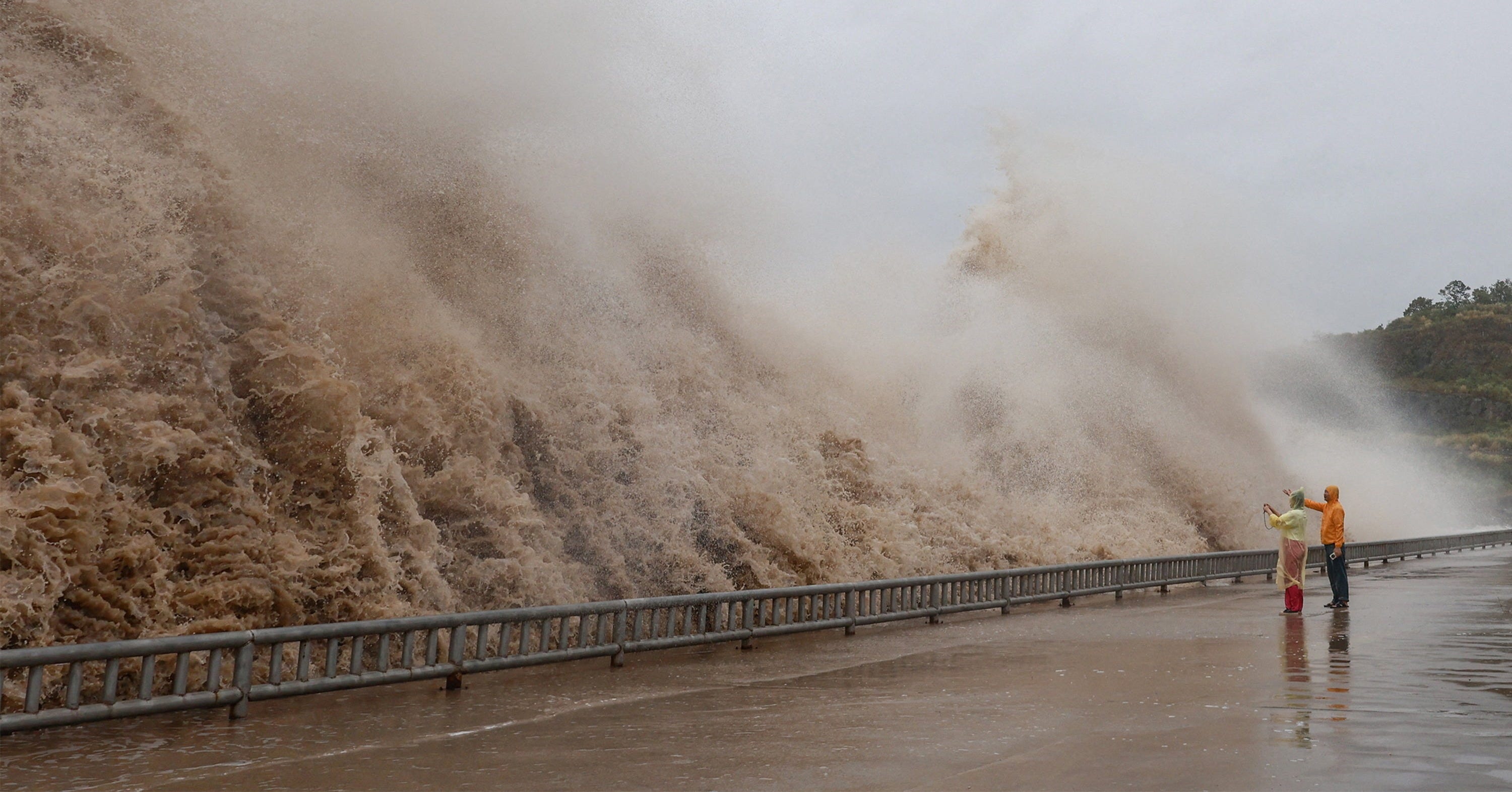
All around the world, insane, destabilising weather is rearing its ugly head, and the El Niño system has not even set in yet across the Pacific. Europe just went through a second summer heatwave, resulting in tens of thousands of deaths across July and August. Heatwaves have swept through large parts of Asia as well, with farmers in South Korea digging up their potato crops only to find them soft and boiled in the oven-like heat. Wildfires have swept across Spain, Canada, and Java, Indonesia. The UK is suffering a drought, while day temperature records are being broken on a daily basis in West Asia, and Shanghai’s streets have been turned into rivers by Typhoon Dolphin.
India has not remained untouched by weather calamities. Assam is just emerging from one of the worst monsoon floods in the state’s history, with over 100 people killed and lakhs of people displaced. In my climate column last week, I wrote about how climate change is destabilising monsoon rains across the region, as well as the hydrological patterns of the Brahmaputra and its tributaries.
However, when climate impacts like the Assam floods intensify, it is also important to consider the various ways human activity and policy neglect can make things worse.

New analysis over the past week suggests the Assam floods this year may have had more to do with human mismanagement than with climate change. A report from World Weather Attribution, a global collective of climate scientists, found that the rainfall that Assam witnessed over July and August wasn’t especially heavier than usual. In fact, the amount of rainfall was in line with recent monsoon trends in the region.
For the report, the team analysed climate models, existing studies and the region’s historical weather data, including that from the India Meteorological Department. They specifically focused on three-day maximum rainfall trends over June, July and August, as well as historical 30-day maximum rainfall patterns over upper Assam through the monsoon months of June-September. They found that in a world 1.4°C hotter than the pre-industrial era, the current monsoon trend in Northeast India is for mean rainfall to decrease, while the intensity of isolated rain events increases. Therefore, there was a 67% chance of the amount of rainfall that led to the floods. The study also found that such rainfall events can be expected every 1.5 years in the region. Basically, it wasn’t unprecedented, and perhaps could have been planned for.
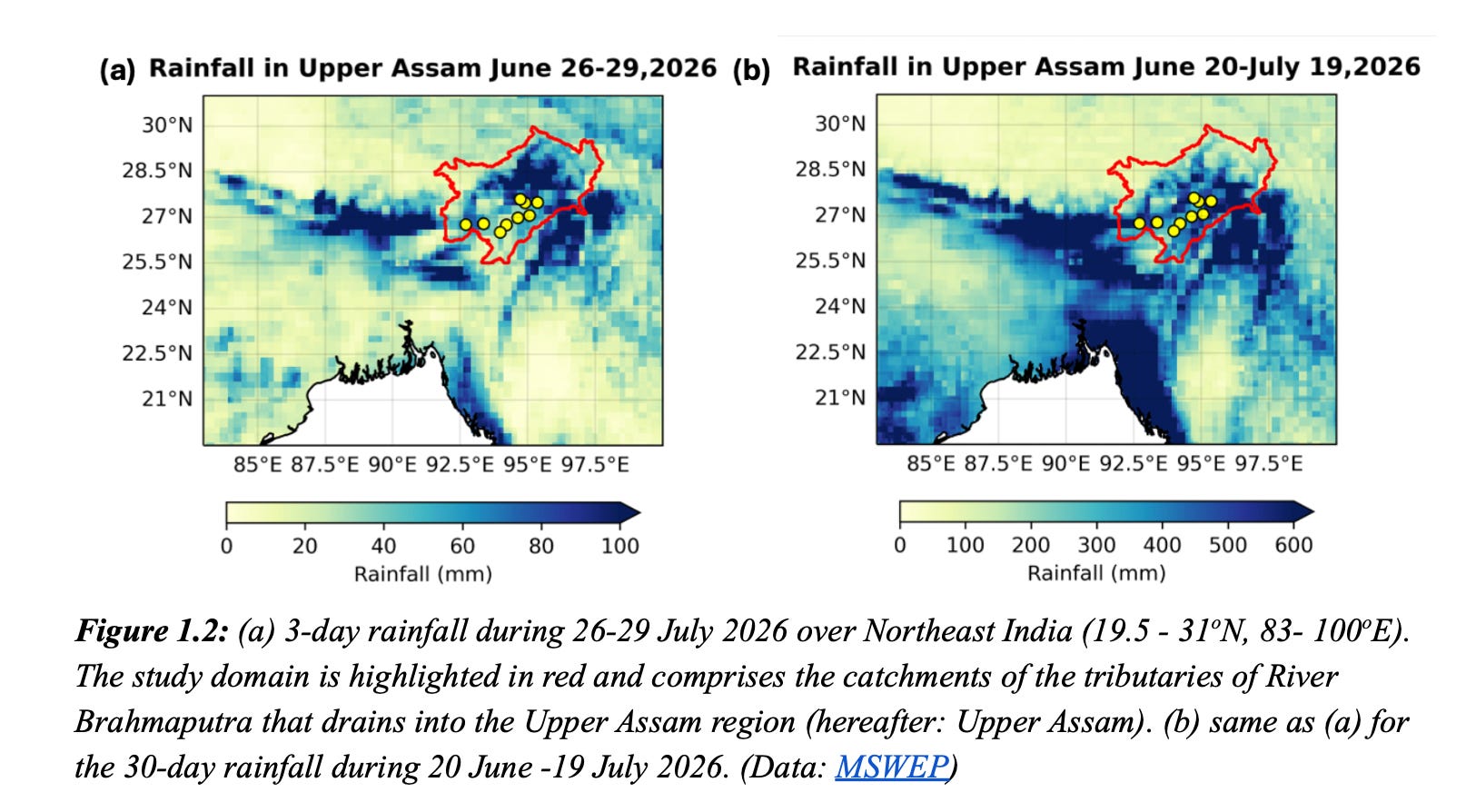
The report instead points to systemic problems that played a role in amplifying the impact of the floods. This includes unplanned urbanisation, deforestation, poor drainage and inadequate flood management measures. Part of this problem is historical, such as the increasing number of people living close to the banks of the Brahmaputra and on its gigantic sandbars, called chars.
In large part, this is due to colonial-era land policies and the resulting displacement of communities to such areas, which are especially exposed to flood hazards during the monsoon. The report also states that the rigid flood-preventing embankments along the Brahmaputra actually amplify floods by “blocking natural drainage, trapping silt and raising riverbeds, and increasing the risk of severe breaches”.
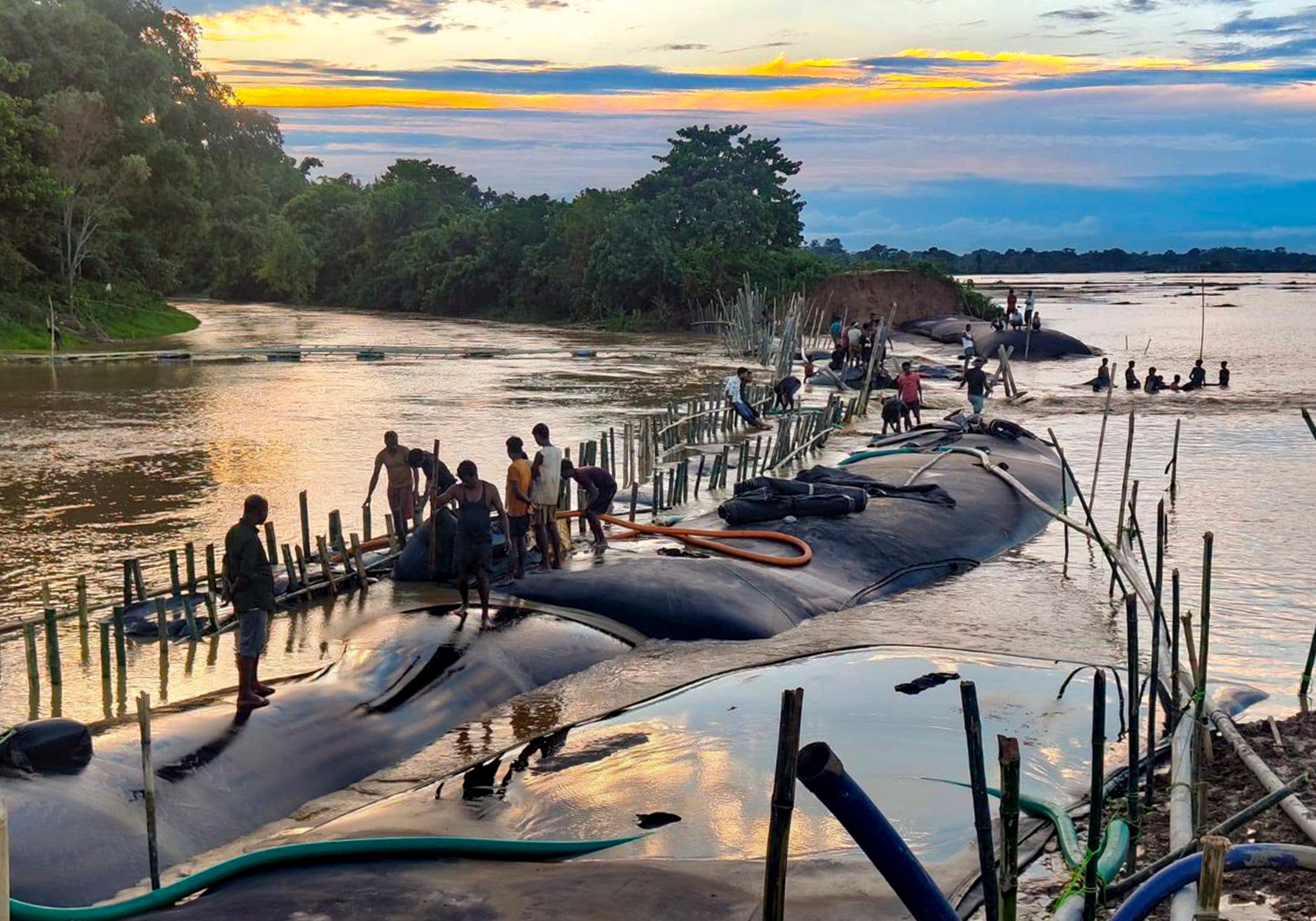
It suggests that true adaptation to this new normal of regular floods will mean focusing less on controlling the flow of the Brahmaputra and its tributaries. Simultaneously, the report states that authorities must take into account floodplain restoration, wetland conservation, reducing development on floodplains, and community-based preparedness.
THE NEWS IN BRIEF
In this important opinion piece in Mint, journalist Soumya Sarkar highlights the climate resilience provided by mangroves, wetlands and forests and argues that India needs to treat them as economic assets.
Using the Assam floods as an example, this Mint opinion piece by Amit Kapoor and Sheen Zutshi from the Institute for Competitiveness makes the case that India’s climate finance apparatus is entirely outdated.
A recent report in The Guardian tells the important story of how slum dwellers in New Delhi are trying to live with extreme heat.
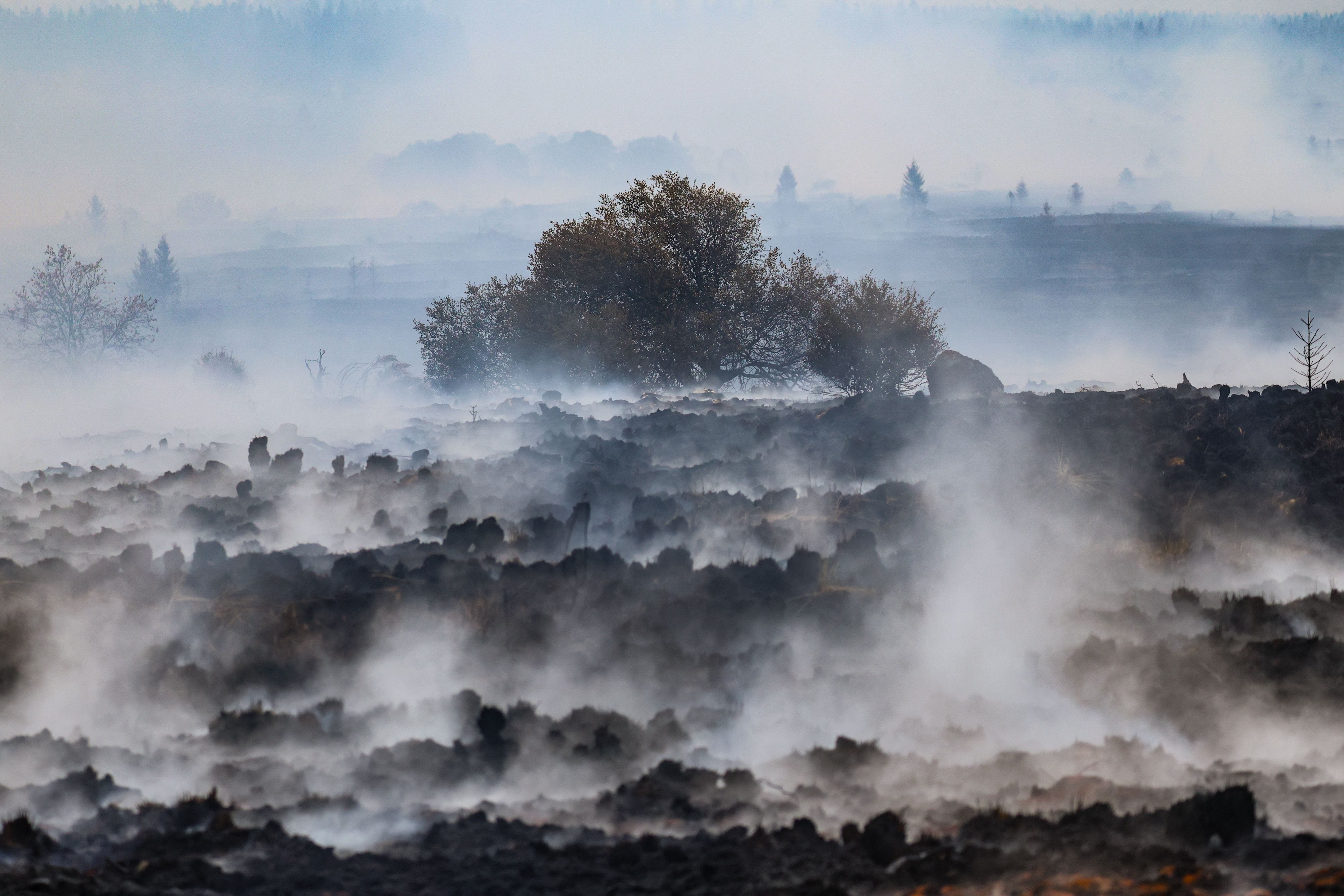
The rise in extreme heatwaves, along with devastating wildfires and floods in Europe, has caught many governments off guard, but such impacts are to be expected, as Europe is currently the world’s fastest-warming continent. As a report from the EU climate science body, Copernicus, stated last year, Europe is heating up twice as fast as other continents. While global land temperatures are increasing at 0.40°C per decade, Europe is warming at 0.56°C per decade.
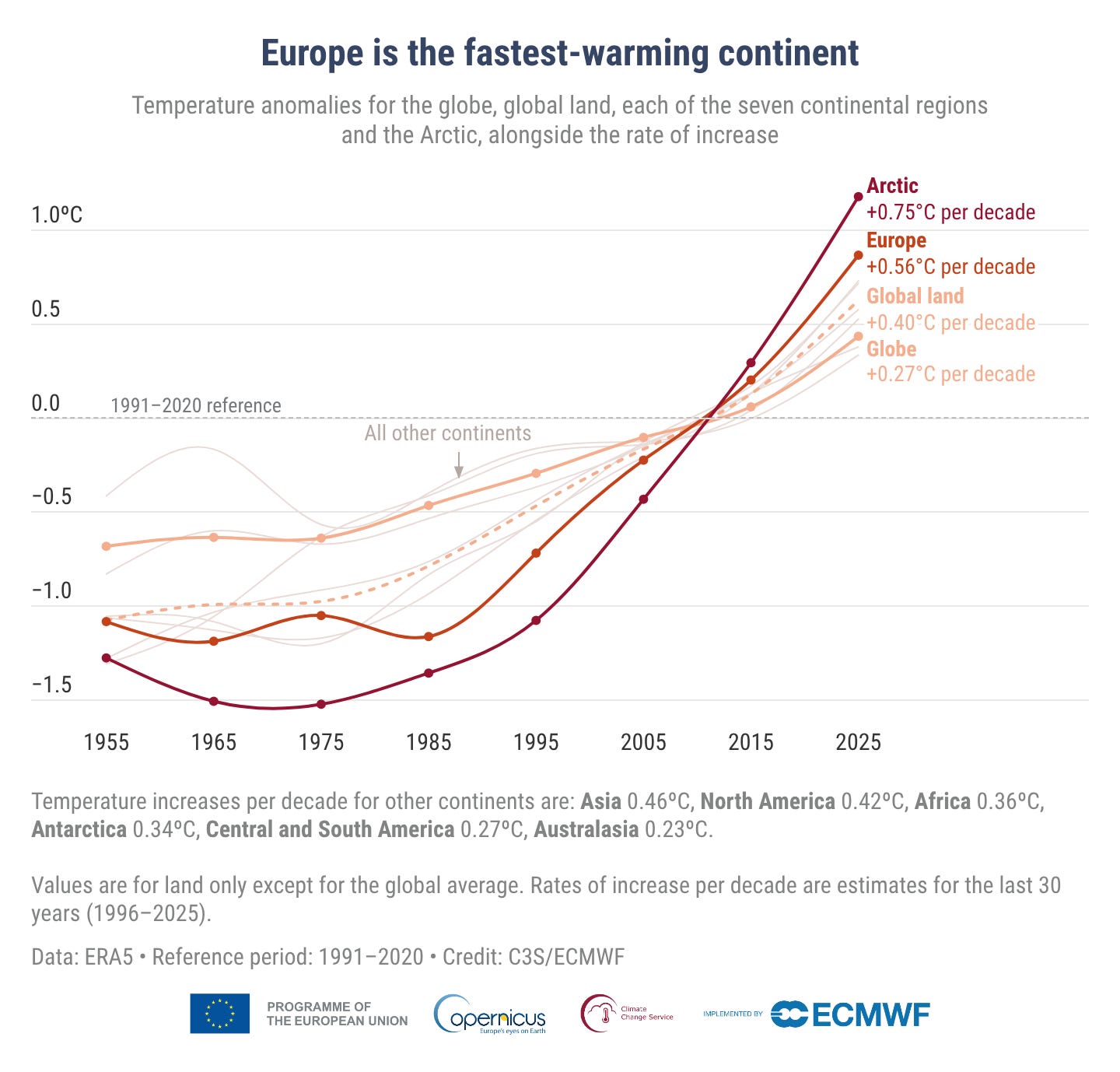
This means that while the world has warmed by 1.4°C since pre-industrial times, Europe has warmed by 2.5°C over the same period. The reasons for this are fourfold, including changes in atmospheric circulation and the changing nature of the jet stream—a fast, narrow current of high-speed winds that moves from west to east and strongly affects the weather in Europe. Added to this is the fact that the Arctic region is rapidly losing its summer snow cover, which is causing the region to warm faster than the rest of the world and driving temperatures up in Europe. The continent’s spring snow cover has also declined by 31% from the 1991-2010 average.
A highly revealing factor is the relative lack of air pollution over the continent. While European countries have been uniquely successful in cleaning up the air, this reduction in toxic pollutants in the atmosphere actually allows more solar radiation to reach the ground. Large amounts of atmospheric pollutants, while causing deadly respiratory diseases, also reflect sunlight back into space. For context, one reason India has heated up less than the global average is the presence of air pollution.
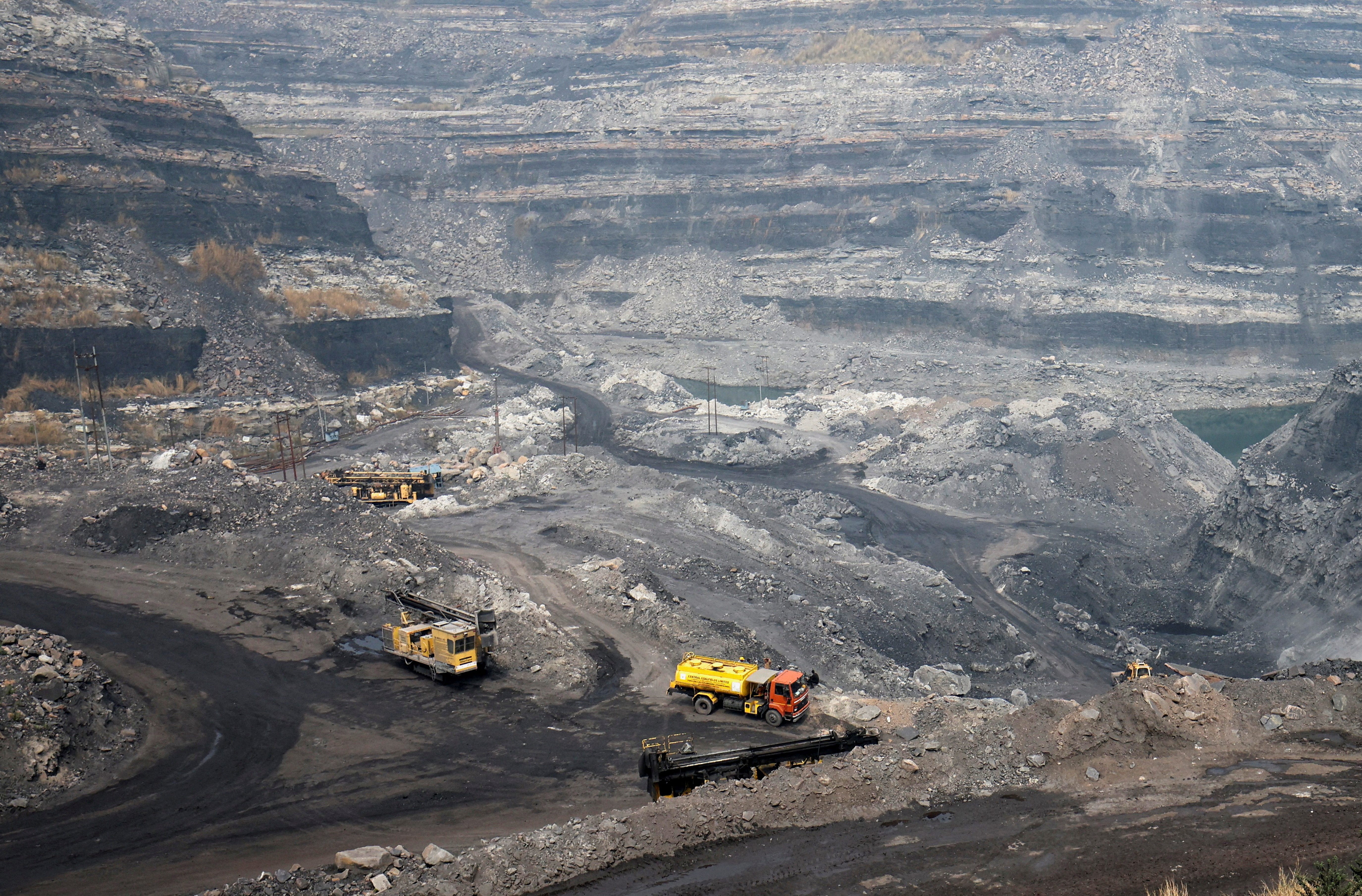
A recent report from Global Energy Monitor—a California-based nonprofit that tracks global energy infrastructure—has found that between 2024 and 2025, proposed coal mining capacity grew by 11% to 2,521 million tonnes per annum. Almost 92% of this was concentrated in just five countries: China, India, Australia, Russia and South Africa.
Of these, India contributed the most to this rise, nearly doubling the capacity of proposed mines from 329 mtpa in 2024 to 638 mtpa in 2025. “If built, the projects would commit India—a country with no formal coal phaseout timeline—to years of coal expansion, and would put a 1.5°C-aligned transition away from fossil fuels further out of reach,” the report states.

How is the geopolitics of fossil fuels destabilising the world and accelerating the climate crisis, and what does an alternative future where things change for the better look like? This is the subject of Elemental: The New Geography of Climate Change and How We Survive It by former British diplomat Arthur Snell. In this important book, Snell draws on his international experience to tell stories from countries around the world on the connection between fossil fuel politics, climate change and strife. He also lays out an alternative scenario of a world that uses renewable energy and the salient effects it would have on crisis zones worldwide.
That’s it from me this week. Sayantan will be back in a fortnight with the next edition of Climate Change & You.
Comments
Nothing yet. Say the first thing.
Sign in to join the conversation.