
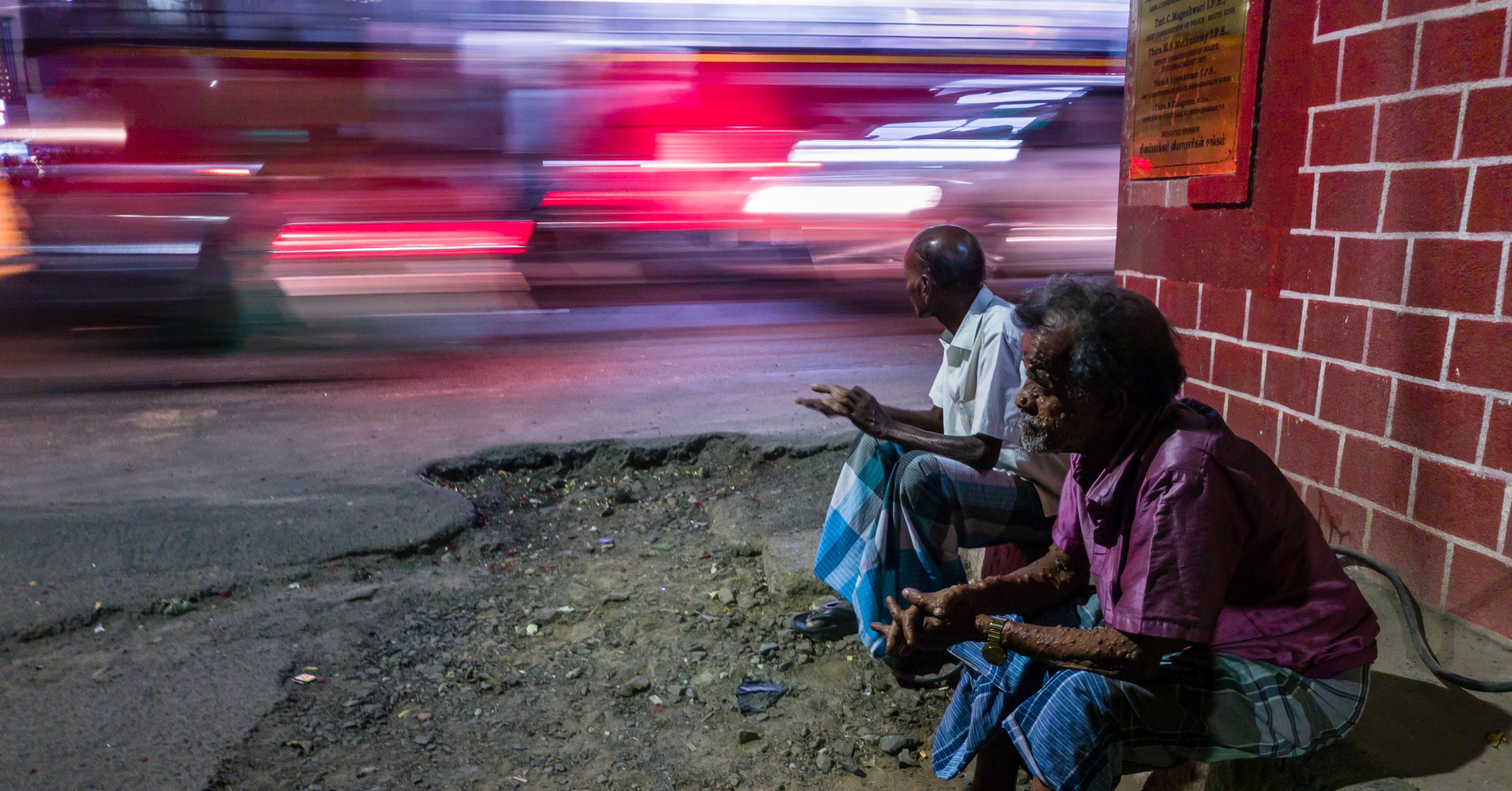
It’s getting harder to get a good night’s sleep. For many, modern lifestyle choices are to blame, but for most Indians suffering from sleepless nights, the cause is a dangerous rise in nighttime heat. As global temperatures rise due to climate change, nights are getting steadily hotter. Latest studies show that both the number of warm days and warm nights are increasing every decade across India.
Earlier this month, the international climate attribution body, Climate Central, released a new report that tracks this silent crisis worldwide. Titled, Climate Change is Costing People Sleep, the report analyses data from 1,338 major cities from across the world. Globally, people have lost an average of nearly 56 hours of sleep per year due to high temperatures between 2020 and 2025. Over 10% of those hours of lost sleep can be definitively attributed to climate change. In fact, temperature-related sleep loss has at least doubled since the early 1970s.
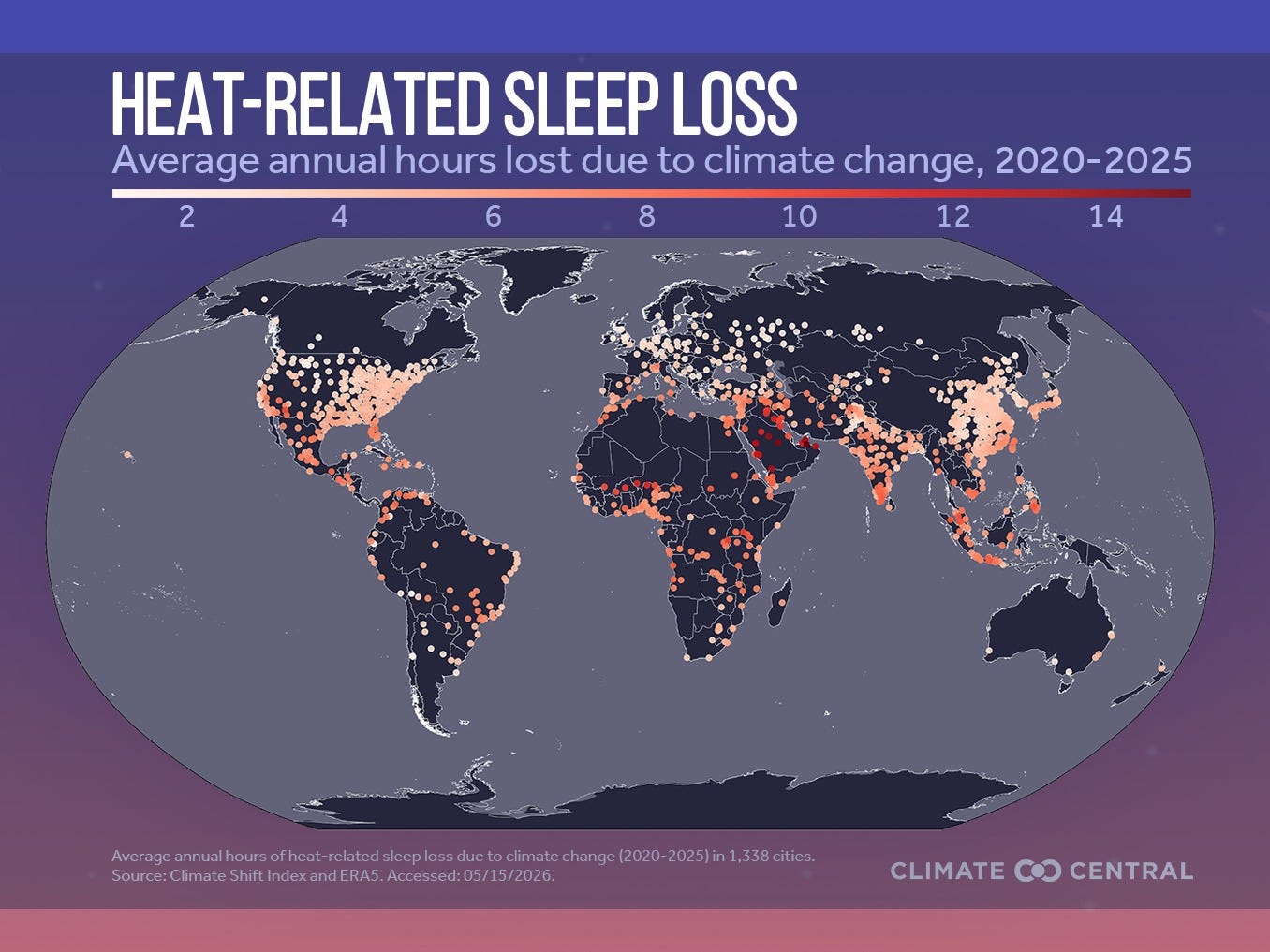
A good 107 of India’s cities were also a part of the survey, and the report reveals that the country is emerging as a global hotspot of sleep loss. Warmer nights fuelled by climate change are wreaking havoc here, especially in hotter regions like southern India, where people living across cities are losing about 78-91 hours of sleep annually. Of this, at least 8-9 hours can be directly attributed to climate change. Tamil Nadu recorded the highest number of hours lost due to global heating, at 7.9 additional hours per person annually. Chennai is the most sleep-deprived city in the country, with 93 hours lost per person annually.
Among other cities, Mumbai lost 84 hours of sleep annually, while Kolkata lost 80 hours. However, Bengaluru has emerged as the Indian city with the strongest signal, with sleep loss rising by 8 hours per person per year. Among states, Maharashtra, with 22 cities on the list, and Uttar Pradesh, with 11 cities, have also emerged as hotspots. Poor sleep is a major public health crisis, a leading cause for cardiovascular disease, weakened immunity, and poorer mental health.
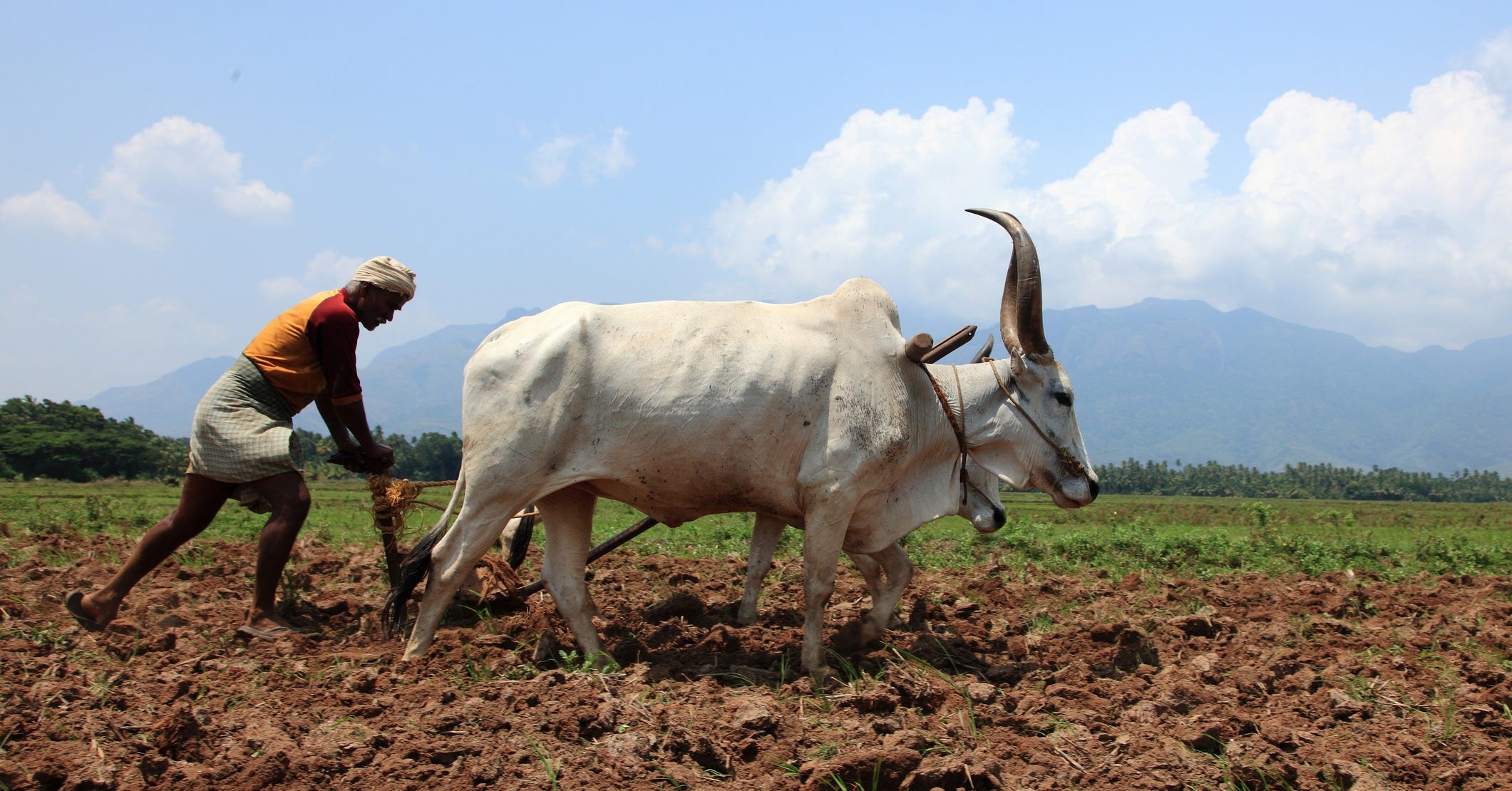
Adelphi Global, a Berlin-based think tank on environmental and development policy, released a report earlier this month titled Heat, Health and the Increasing Cost of Living. The report analyses how extreme heat is affecting human health and the cost of living worldwide. It finds that rising temperatures are causing significant income losses due to reduced working hours, especially affecting informal workers in agriculture and construction.
Based on data from the World Bank, the International Labour Organization, World Meteorological Organization, World Health Organization and others, the report concludes heat stress is not only reducing the income of people, but simultaneously raising costs, especially in the form of rising health expenses to counter heat-related illnesses. Globally, between 1992 and 2013 alone, there were economic losses of up to $50 trillion due to global warming, and approximately 546,000 annual deaths from extreme heat between 2012 and 2021. The equivalent of 35 million full-time jobs were lost between 1981 and 2010 due to extreme heat caused by the climate crisis.
The report also says that the worst impacts of this have been felt by economically poorer countries and people. It creates risk dashboards for eight vulnerable countries, including India. The report finds that India loses about 22.5 working days every year in agriculture and construction due to extreme heat. If in 1995, 4.31% of working hours were lost across sectors due to extreme heat (agriculture, industrial labour, construction, and services), this is projected to rise to 5.8% by 2030. The worst affected are agriculture and construction, with projected losses of 9.04% each by 2030.
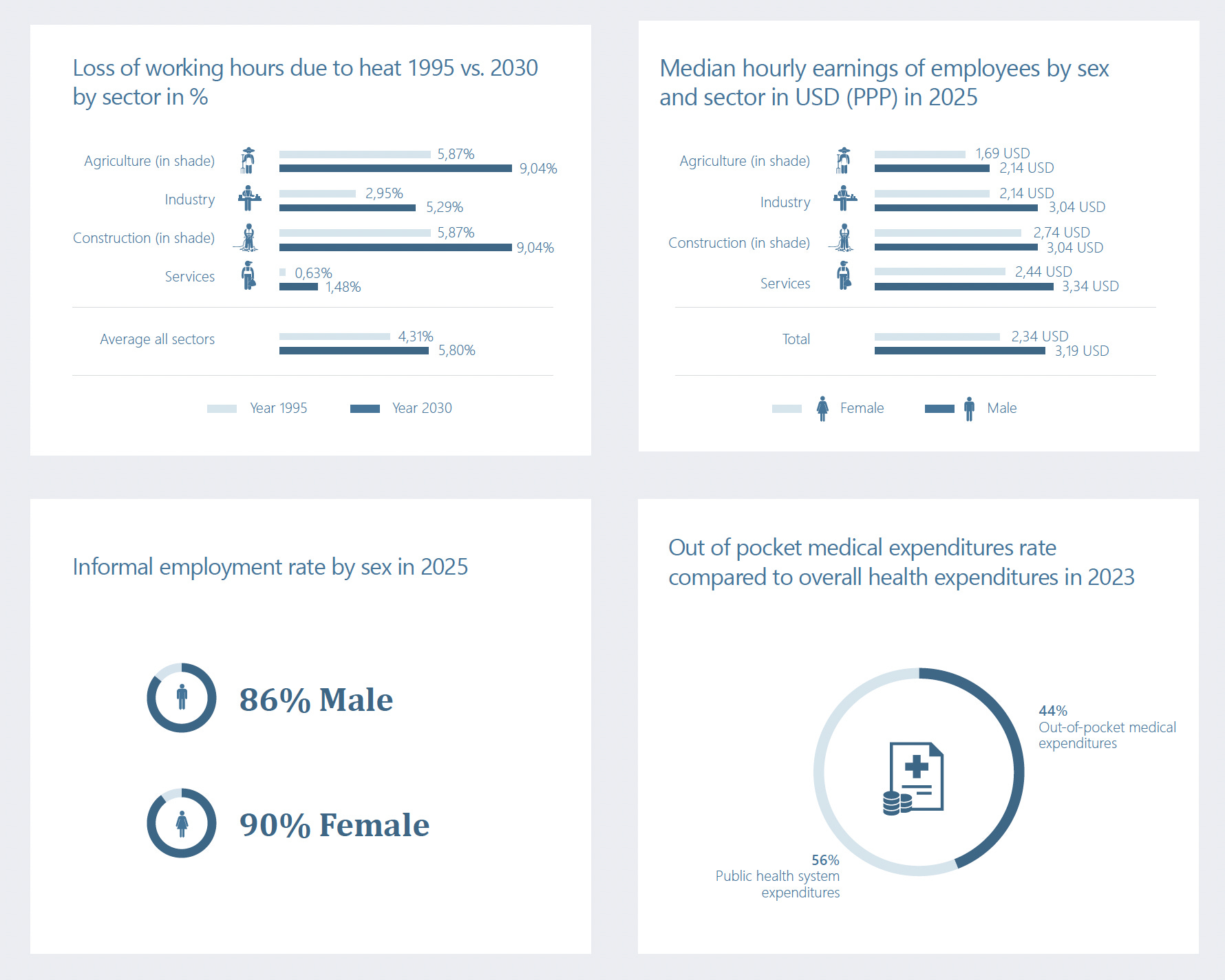
Meanwhile, the largely unregulated workers in these sectors earn less than $4.30 per day (the World Bank poverty line), with women earning substantially less than men. 23.9% of India’s population currently earns less than this. In 2023, Indians paid 44% of their health expenditure out of pocket, and annual per capita medical out-of-pocket expenditure reached $151. The report states that this share will only rise, pushing more families into poverty.
THE NEWS IN BRIEF
In this report for Mint, Harsh Kumar and Vijay C. Roy trace how the combined impact of the developing El Niño system and erratic monsoon rainfall has placed a question mark over India’s crop insurance scheme.
Staying with El Niño, this story in The Guardian reports on economists predicting a severe global food price shock due to the heat that the weather system will trigger. The food price shock could last till 2028 or further.
Is India planning on building climate-resilient ports? Read this report by Dhirendra Kumar for Mint for more.
American environmentalist, author and journalist Bill McKibben is often referred to as the ‘lion of the climate movement’. An excellent communicator about the dangers of the climate crisis, he has also led campaigns such as 350.org and the Third Act Movement. His new book, Here Comes the Sun, is an extremely important record of the massive revolution that is taking place in the clean energy space.
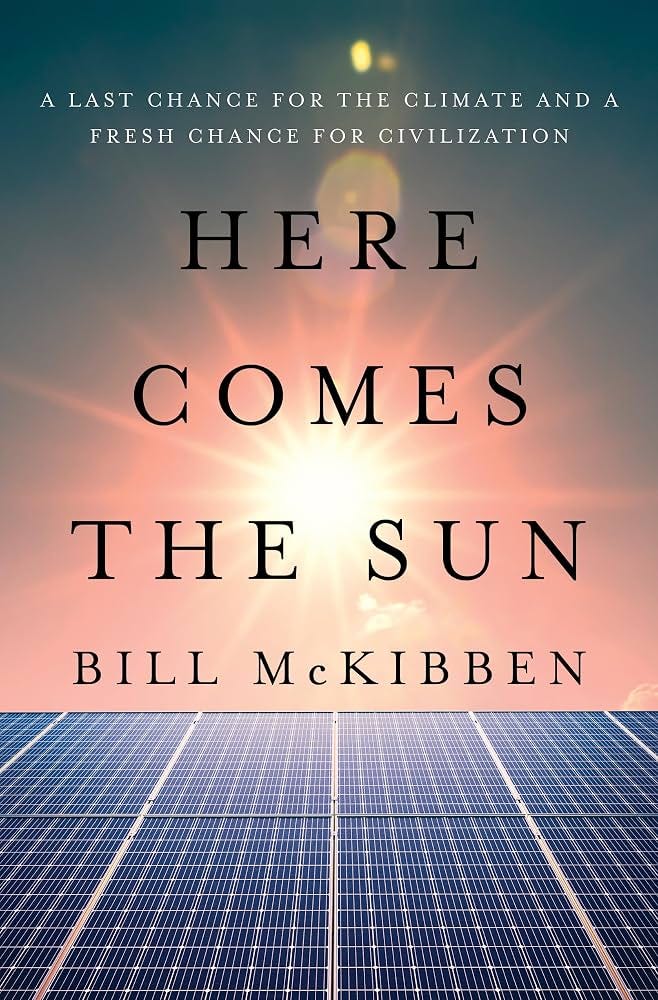
With the massive annual leaps being made in the sphere of renewable energy, especially in the case of solar, where the technology and transmission are becoming both more efficient and cheaper, the book makes a clear case for why the transition from fossil fuels can begin right away.
This he does by presenting examples from around the world, where renewables have changed the energy game for communities, provinces and countries alike. McKibben argues that the transition is not just required to stave off the worst climate impacts, but also to re-order societies in a more just and humane way.
As he argues often in his excellent The Crucial Years Substack newsletter, most wars are ultimately fought to control ownership and flows of fossil fuel energy. But nobody owns the sun, and a shift to a resource that’s available to all reduces the need for conflict. Elsewhere in the book, he also details just why fossil fuel companies and states would want this transition to fail, and how their arguments against renewables can be countered. An excellent, important book.
That’s it from me this week. Sayantan will be back in a fortnight with the next edition of Climate Change & You.
Comments
Nothing yet. Say the first thing.
Sign in to join the conversation.