
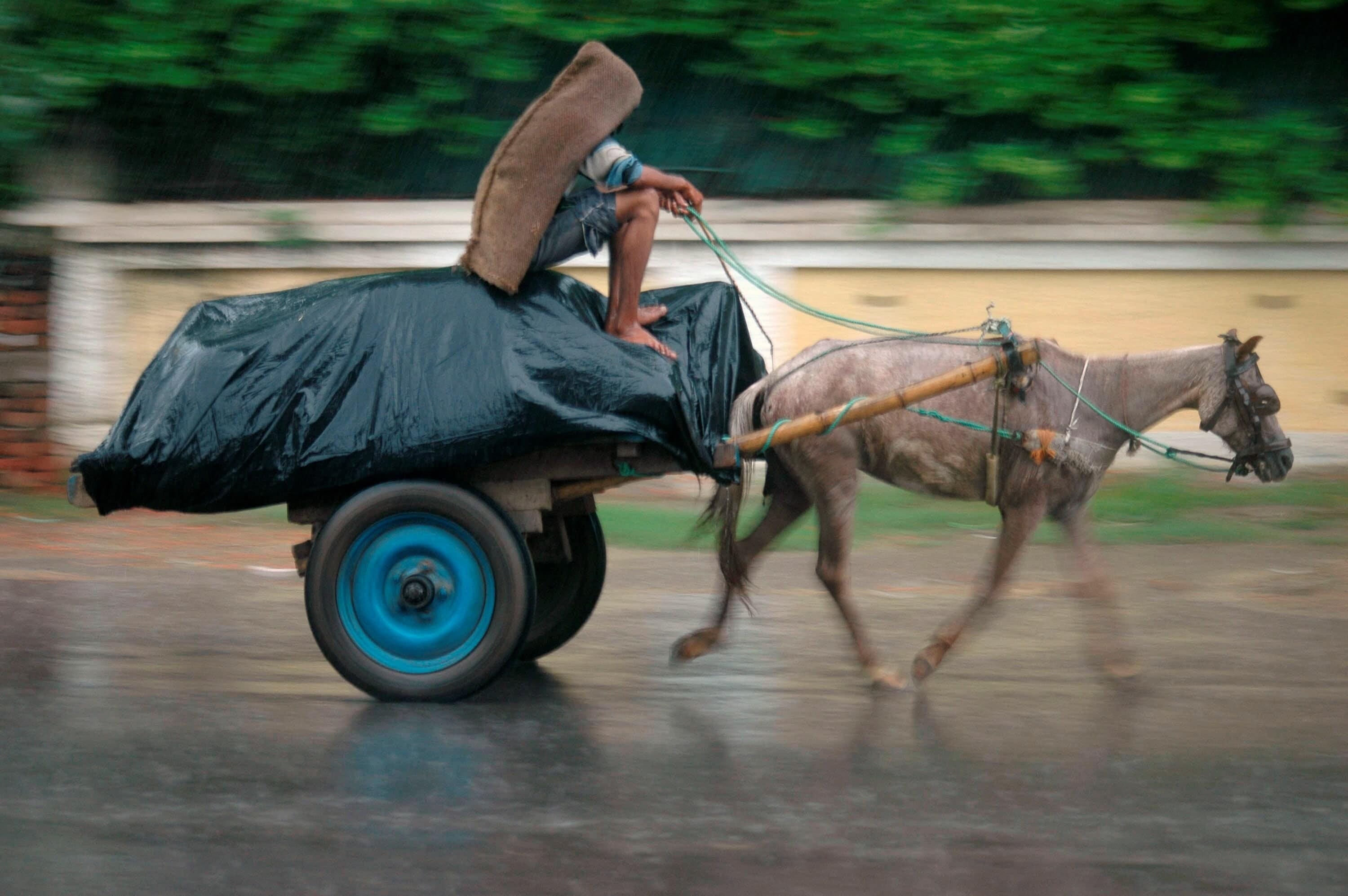
After consecutive years of surplus rains, the monsoon this year is likely to be below normal, the weather office has said. Rainfall during June-September, which accounts for about 70% of India’s annual rains, is likely to be at 92% of the long-period 50-year average, or see a shortfall of 8%. In both 2024 and 2025, rains were surplus by 8%, leading to widespread floods and damage to property and infrastructure, including loss of lives. If actual rains this year are as per forecast, the monsoon will be the weakest since 2019.
The monsoon rains are critical for the rain-fed Kharif season, for a variety of crops like rice, maize, sugarcane, pulses, and oilseeds. Planting of these crops usually begins by the end of May and early June, while harvesting starts in October. As nearly 45% of India’s farm area lacks assured irrigation, the annual monsoon is crucial for farmers. The monsoon this year is likely to be below normal due to the development of the El Niño phenomenon during the second half of the season. El Niño, a climate pattern that leads to the warming of surface waters of the eastern Pacific Ocean, often leads to a suppressed monsoon in the Indian subcontinent. India last faced a widespread drought with 14% deficit rains in 2015—an El Niño year. That year, food production fell by 2.3%.
Other than the risk of deficit rains, Indian agriculture is also facing another headwind this year. The war in West Asia has disrupted supplies of fertilisers like urea, diammonium phosphate (DAP), and natural gas, which is imported from the region to manufacture nitrogenous fertilizers. India is currently in a comfortable position with surplus stocks of rice and wheat, but a widespread rainfall deficit can push food prices higher, particularly for pulses and oilseeds. Besides impacting crops, deficit rains also impact drinking water supply and hydroelectric power generation. Apart from the quantum of rains, the geographical and month-wise spread of monsoon rains will be an important factor. Because prolonged dry spells during crucial growth stages can impact crop yields.



In 2025, Earth’s glaciers continued to melt at a staggering rate, losing 408 billion tonnes of ice, as per a study published in Nature Reviews. The glacier loss caused global sea levels to rise by 1.1 millimetres. To put the scale into perspective, this is equivalent to losing enough ice to fill five Olympic-sized swimming pools every second of the entire year.
The melting was most severe in regions such as Western Canada, the US, and Central Europe. This trend poses a significant threat to water security for nearly two billion people who depend on these glaciers, particularly in High Mountain Asia. Alarmingly, this process is accelerating rapidly. Annual ice loss has jumped from less than 100 billion tonnes in the late 20th century to over 400 billion tonnes currently. Also, six of the highest mass-loss years on record have occurred within just the past seven years.

Record heat in March, second warmest sea temperatures signal approaching El Niño.
Solar and battery storage can meet as much as 90% of India’s electricity demand, as per a new analysis by Ember.
The number of Indian companies setting climate commitments is rising, but progress is uneven.
Why did India withdraw its offer to host COP33?
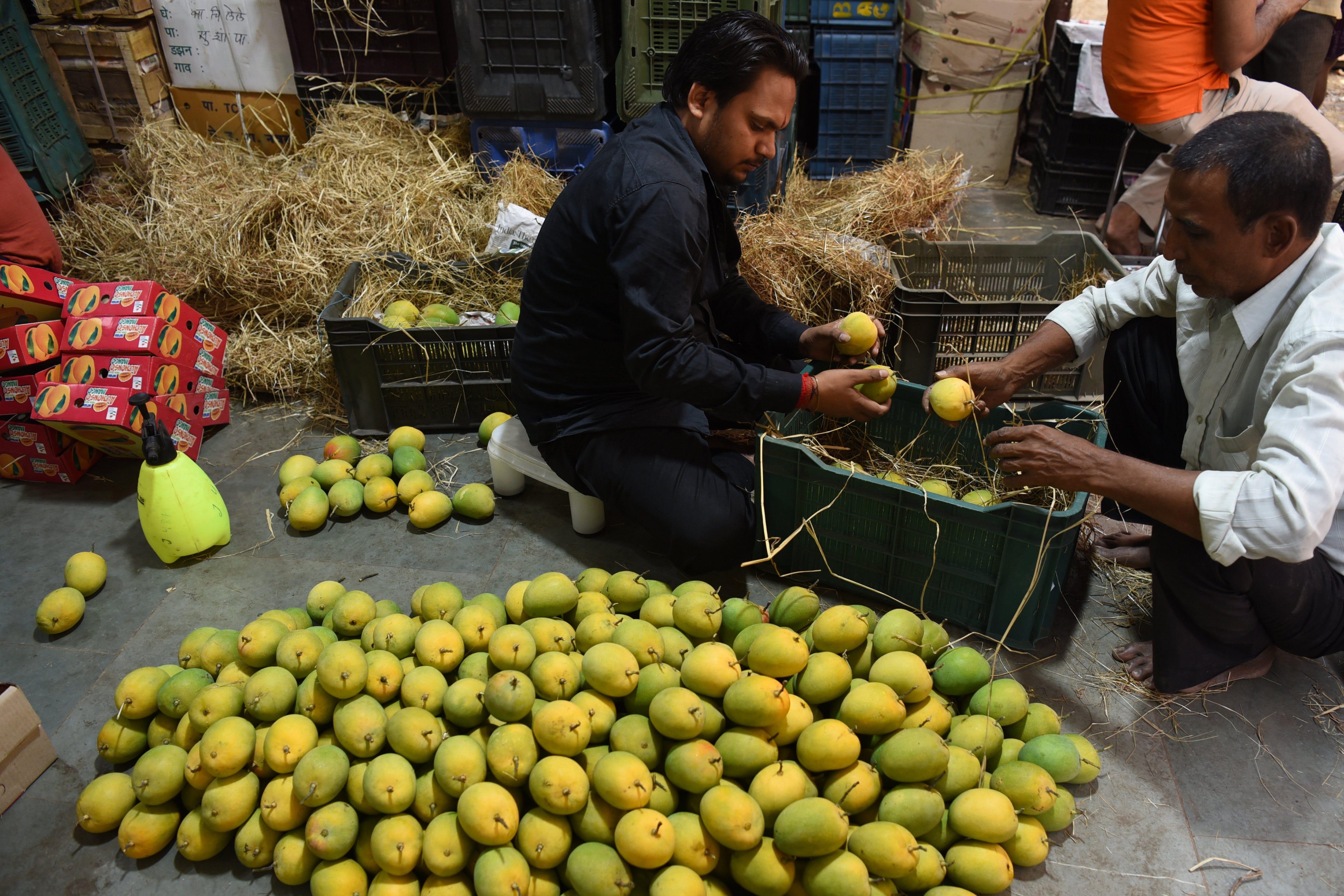
Erratic weather is taking a toll on the famed Alphonso mangoes.
With more people switching to induction cookstoves due to the LPG shortage, India’s peak power demand is expected to surge.
Why India’s indigenously developed fast breeder reactor achieving criticality is a pivotal moment for its energy future.
Unseasonal rains in north India have delayed wheat harvesting and slowed procurement, with arrivals dipping early in the season.

A heat dome occurs when a persistent region of high pressure traps heat over a specific area, much like a lid on a boiling pot. The high-pressure system pushes air downward; as the air sinks, it compresses and warms up significantly. This trapped air cannot escape or circulate, leading to stagnant conditions where the ground continues to bake under cloudless skies, further intensifying the temperature.
Meteorologists are currently discussing the heat dome phenomenon in conjunction with the 1.5°C Overshoot. This year is projected to be one of the hottest on record, and these localized high-pressure systems are making the global warming ‘overshoot’ feel immediate and visceral for millions of people. Globally, March 2026 was the fourth-warmest on record, at 1.48°C above pre-industrial levels, as per the Copernicus Climate Change Service (C3S).

A transformative shift in the global energy landscape is underway as nearly half of climate-vulnerable nations have surpassed the US in solar penetration. According to a new report by the energy thinktank Ember, more than half of the 74 countries in the Climate Vulnerable Forum have also overtaken the US in economy-wide electrification.
Driven by a 30–95% drop in costs for solar, batteries, and electric technologies over the last decade, these nations are leapfrogging traditional fossil fuel development. For many, fossil fuels are now the slower and more expensive option. Notable leaders in this transition include Namibia, with a 35% share of solar generation, and Nepal, where electric vehicles account for 70% of sales.
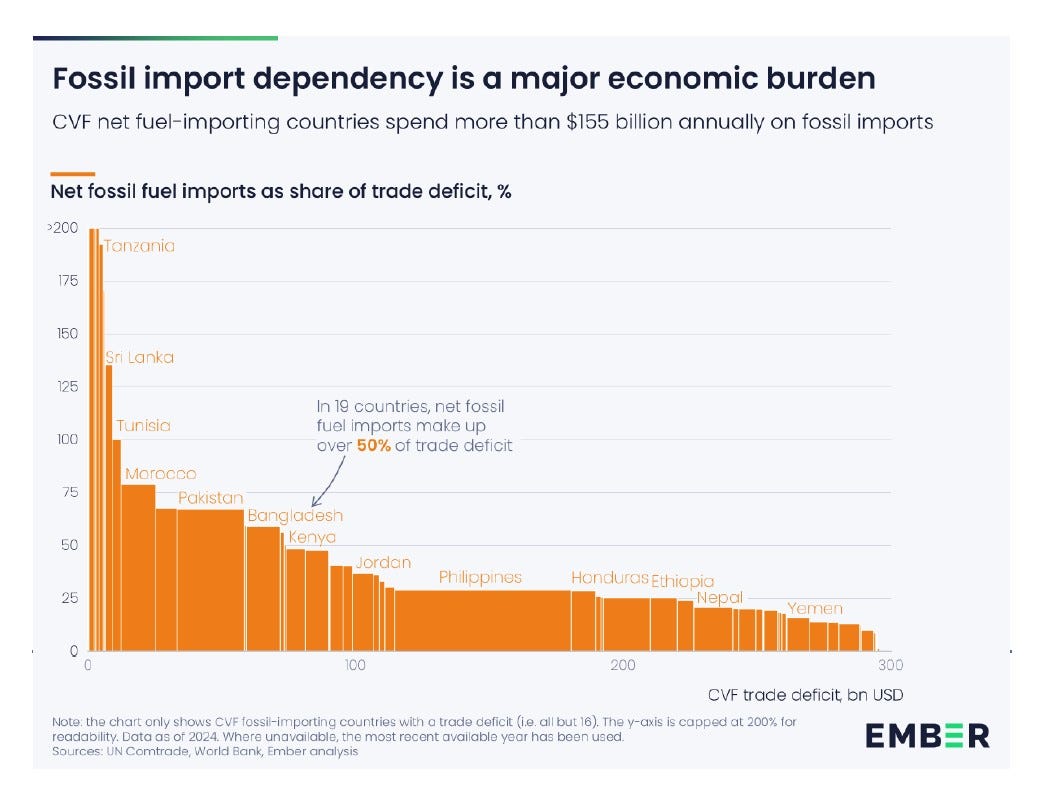
This transition is accelerated by global fossil fuel price shocks, which saw climate-vulnerable nations spend $155 billion on net imports in 2024. If oil averages $100 a barrel through 2026, because of the ongoing war in West Asia, the collective import bill could rise by more than $30 billion. By adopting decentralized solar—which may be three times more prevalent than official data suggests—these countries are shielding their economies from volatility while providing energy access to the 500 million people currently excluded from modern services.

Bong Joon Ho’s 2017 film Okja is a fairy tale for the modern age. At its heart is the profound bond between a young girl, Mija, and her genetically engineered ‘super pig’. Their connection serves as the film's emotional anchor, making the eventual descent into the industrial abyss feel deeply personal. While the multinational Mirando Corp. wraps its Genetically Modified Organism (GMO) project in ‘eco-friendly’ marketing, Okja exposes the rot beneath: the hollowness of corporate sustainability goals, reduction of sentient life into efficient protein, and a visceral peek into industrial-scale slaughterhouses.
That's all, for now. Bibek will be back with the next issue in a fortnight.
Comments
Nothing yet. Say the first thing.
Sign in to join the conversation.