
Creators judgement is finally being recognised for its value beyond their content and reach. YouTube is paying millions for exclusivity, creators are sitting with CMOs and agency leaders at Cannes sharing their insights. Creators’ instincts on what to do, how and where are up for grabs but the pricing of all this is still up for negotiation. What does that mean for creators? Put your business hat on and don’t undersell yourself. Conversely for brands, those willing to look beyond pure reach and understand how a true creator partnership might pay off will be buying a valuable piece of the creator economy. Happy Thursday, Simon
Subscribe here.
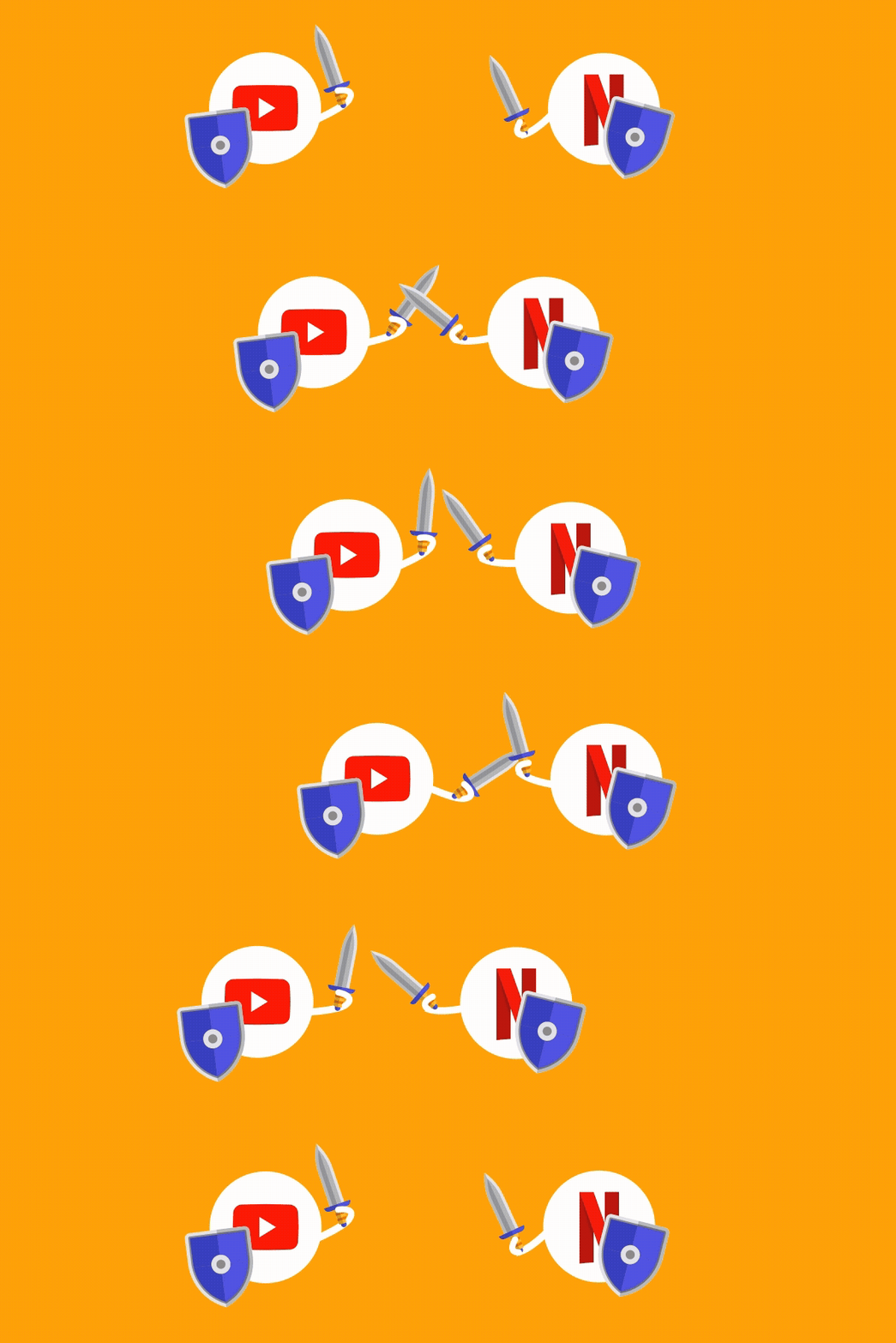
Netflix has been going after YouTube’s audience by signing some of its big name creators. Alan Chikin Chow and Nick DiGiovanni are two sharing their content on both platforms. YouTube is striking back though. To keep its creator drawcards exclusive, it’s offering millions of dollars in financing as well as a decent cut of brand-deal revenues. If creators post to both, YouTube will shut you out of revenue sharing and any marketing pushes. Both platforms realise creators bring in a significant audience so are looking for ways to edge out each other. For brands it will mean paying more down the track, of course, that’s the whole idea. Exclusive creators cost more. And as the fight hots up which platform you choose decides which creators you can buy. Or vice versa.
Previously when brands went searching for a creator to partner with they’d look at metrics like content performance and follower count. Things are starting to change. Today, suitability is the top consideration (with follower count sitting last). It may feel like brands are treating creators as more than just an ad space but the money still follows creators with a huge audience. Hasn’t it been ever thus. But this sets up an opportunity for smart brands to win through making great choices while avoiding the big budget spends.
This year’s Cannes Lions saw influencers appearing on panels, turning up at dinners and contributing at meetings. They were being treated more like consultants than talent. TikToker Brandon Edelman said he felt out of place at the business focussed event, even though he’s been hired as consultant by big name brands. In a fireside chat, creator Luciana Fuller said she wanted to be looped into campaign planning rather than just turn up on set. While it’s all good and well to bring in creators early, most brands aren’t paying for these insights, they look at it as an added bonus to the content fee. The truth is creators know their audience and what works with them. They will start asking to be paid for the consultancy and the appearance.
Adobe may have made its smartest agent decision by leaving the creative direction to creatives. Its AI Assistants across Premiere, Photoshop, Illustrator, InDesign and Frame.io focus on the dull production work: sorting and renaming files, preparing an edit, resizing assets, checking documents and pulling feedback together. Fast Company watched Premiere turn a folder of random media into an organised interview timeline. This is the AI pitch that makes sense: handle the clicks and leave the taste to us.
If you remember Aibo the robot dog and thought that was the future, wait until you see the present. Mondo Robotics’ Beni captures some of that same charm, only this time it’s a camera robot that follows and films you as it goes. It’s portable, autonomous and built for all terrain, filming from multiple angles and even clearing obstacles up to ten inches high. Very cute and very techy.
AI-generated content gets harder to spot these days, but Pangram reckons its detection model can still tell what was written by a human and what wasn’t. The founder explained what the tool looks for and how it reaches a verdict. Straight from the horse’s mouth, so to speak.
Every so often a word that's been in fashion for decades gets dragged back into the spotlight. This time it's "chic" or simply stylish. You see the internet people are captioning videos "kinda chic" over their habits, hobbies, occasional flexes and whatever else they feel like celebrating. Well actually no downside to it that I can see though. Kinda chic if you subscribe to this newsletter.
This week I contributed to an article about AI watermarking and whether writing is really dead in the age of generative AI. Well I don’t think it is. Watermarking is a useful start, but the bigger answer is better provenance, with a clearer record of where content came from and how it was made. Read it here.
Comments
Nothing yet. Say the first thing.
Sign in to join the conversation.