
At the beginning of 2022, Europe was sourcing around 40% of its gas from Russia. By the end of this year, no more gas should be flowing from Russia into Europe.
Much of that shortfall has been replaced by production from the vast oil and gas fields of Norway’s North Sea continental shelf. And this year, the closure of the Strait of Hormuz again highlighted the importance of Norway to Europe’s resilience. But how does one of the world’s largest oil and gas producers balance energy security with the race to net zero?
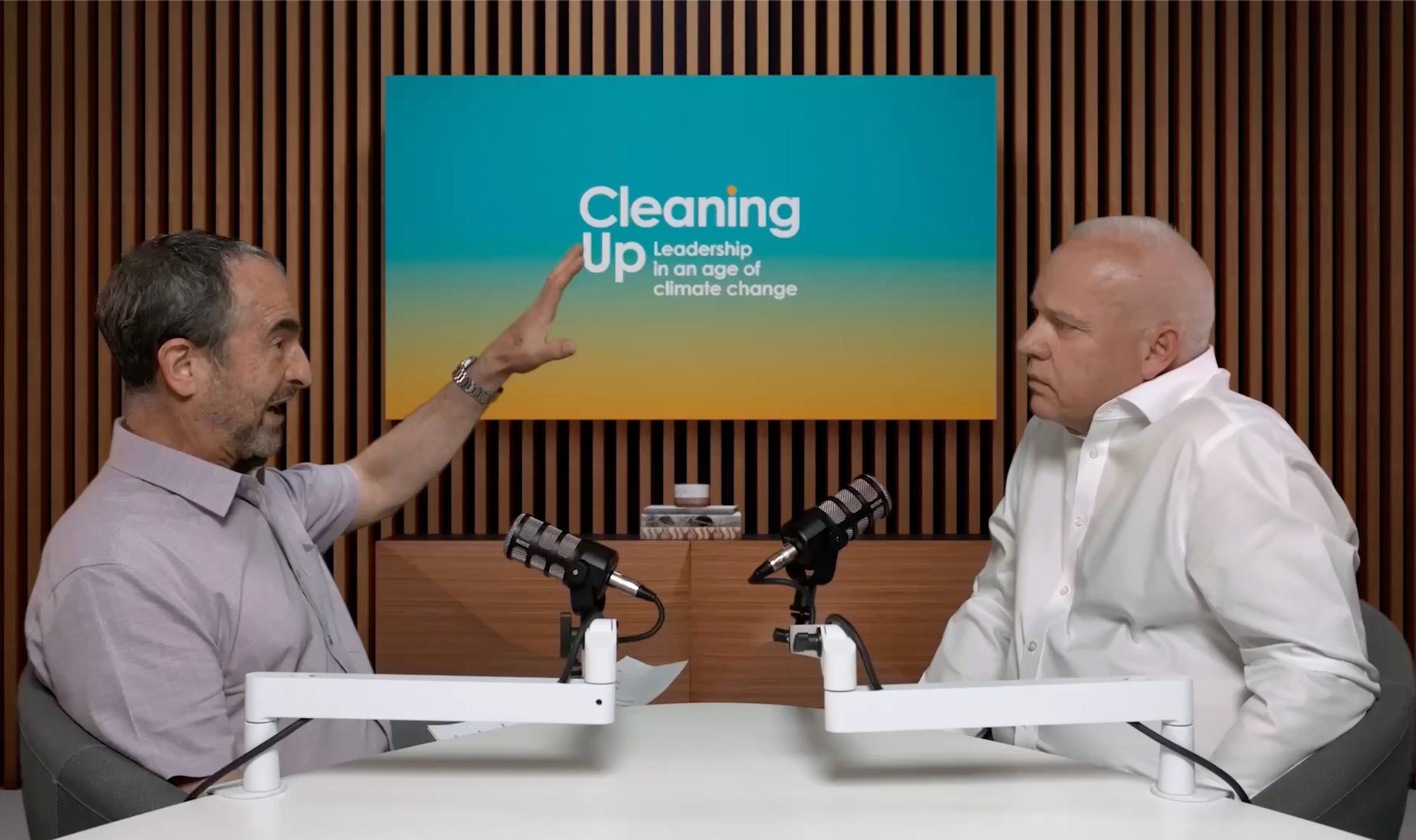
This week, Michael Liebreich is joined by Anders Opedal, CEO of Equinor, Norway’s state-backed energy company. Having spent almost three decades at the company, Anders discusses Equinor’s strategy for producing lower-emissions oil and gas while investing heavily in offshore wind, carbon capture and storage, and the technologies needed for the energy transition.
They also explore the impact of fugitive methane emissions, the realities of carbon capture, the economics of offshore wind, and why Norway believes it can continue supplying oil and gas for decades to come.
How Russia disrupted European gas supplies
Meeting Europe’s gas demand
The Strait of Hormuz and energy prices
Tax, financing and investment
Equinor’s partnership with Shell
Carbon capture and storage (CCS)
Can the UK replicate Norway’s success?
Offshore wind development
Reducing methane emissions and gas flaring
Watch the full episode on YouTube now, or find it on your favourite podcast platform.
Comments
Nothing yet. Say the first thing.
Sign in to join the conversation.