
“What is the word, Judith asks her mother,
for someone who was a twin but is no longer a twin?”
― Maggie O’Farrell, Hamnet
Dear Reader,
Which is better — the book or the film? My answer is almost always the book. Almost.
I can think of a few exceptions, The English Patient (I loved the novel, but Anthony Minghella’s visuals added something special), Can You Ever Forgive Me? (Melissa McCarthy brought a zing to the main character), and The Shining (though Stephen King disagrees).
Any others come to mind?
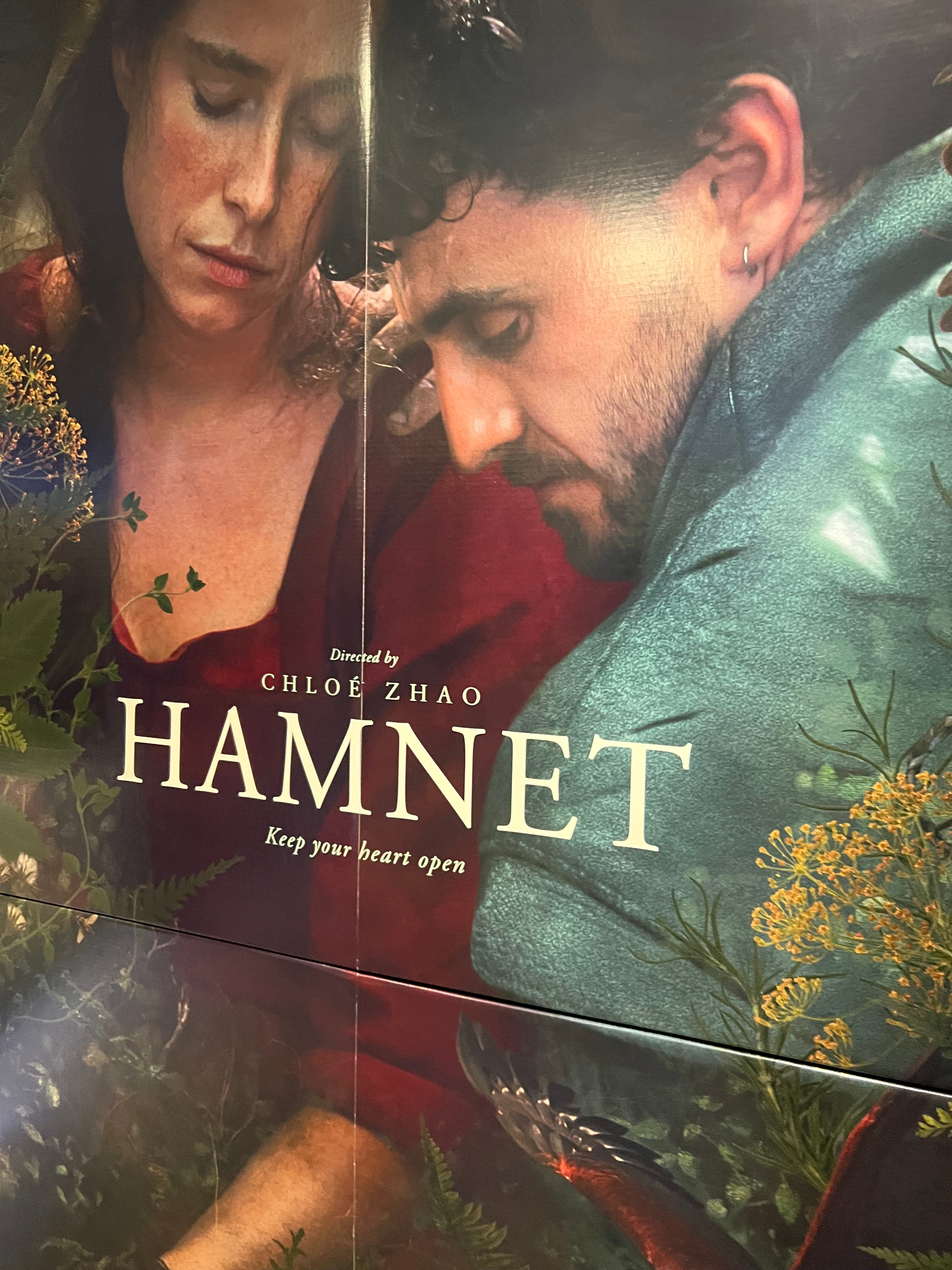
I was thinking of this question as I went to the theatre to watch Hamnet last week.
The novel, by Maggie O’Farrell, is one of my favourites. It’s about a mother named Agnes, who’s son dies from the plague. In response to his grief, the boy’s father, William Shakespeare, writes a play. It’s a lively imagined history — most of the facts about this part of Shakespeare‘s life have been lost to time. What makes the novel so special is the way O’Farrell conveys the relationship between love and grief. It’s a stunning piece of writing.
When a favourite book is made into a film, sometimes I sit it out.
This is, I think, for reasons that came up in my conversation with Lily King last month. She talked about reading as a creative act, “there are two imaginations running alongside each other.”
If a book is as absorbing as Hamnet, I’ve already created the visuals in my mind. A movie can interrupt my idea of the story.
That said, Hamnet, the movie, was directed by Chloé Zhao. She also made Nomadland and The Rider, I trusted her implicitly.
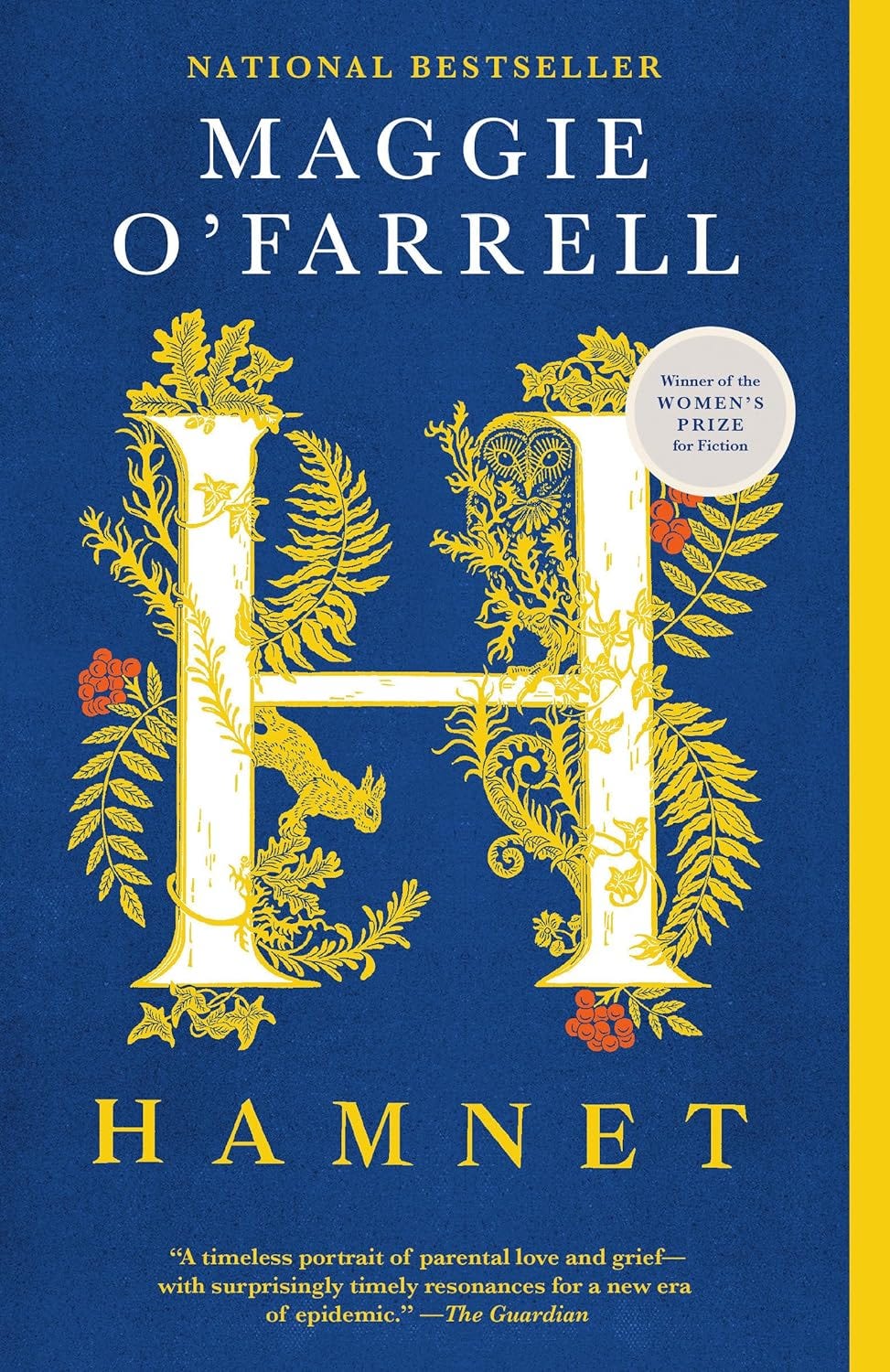
The plot of the book unfolds over two timelines. The story of the twins born to Agnes and William is interspersed with an earlier timeline where the couple meet, marry, and struggle to make a life together.
The plot of the film is paired down. The events happen in chronological order. Agnes and William meet, marry, have children, face the plague, and the loss that comes with it. This linear sequence makes for a much more intense experience.
I cried while reading Hamnet. During the movie, the concentrated timeline left me bawling. When the lights came on, I was embarrassed to be so red-eyed until I looked around and saw everyone else was, too.
But, the force of my tears is not a mark of greatness. Which was better — the book or the film?
In this case, they are complimentary. If the events in the book have more shape and texture, the film straightens them into an arrow. It goes straight for the heart.
While watching, for example, I recognized a quote from the book. In the movie it was delivered as a monologue by Emily Watson. She brought what felt like a depth of experience beyond my own.
In Watson’s mouth, these words burned:
“Never take for granted that your children’s hearts beat, that they sup milk, that they draw breath, that they walk and speak and smile and argue and play. Never for a moment forget they may be gone, snatched from you, in the blink of an eye, borne away from you like thistledown.”
Yours in reading,
Claire
Thanks for reading Books I Love! This post is public so feel free to share it.
P.S.
Max Richter did the score for Hamnet the movie. Here is his Tiny Desk Concert.
Have you watched Train Dreams? You should. It’s magical and based on a short book (128 pages) of the same name by Denis Johnson.
Women Ruin Things [Gift Article] — The New York Times ran an Op-Ed with the title, “Did Women Ruin the Workplace?” (and since changed). I went on a deep dive into newspaper archives to see how many others things women have ruined over the past 125 years. Quite a few!
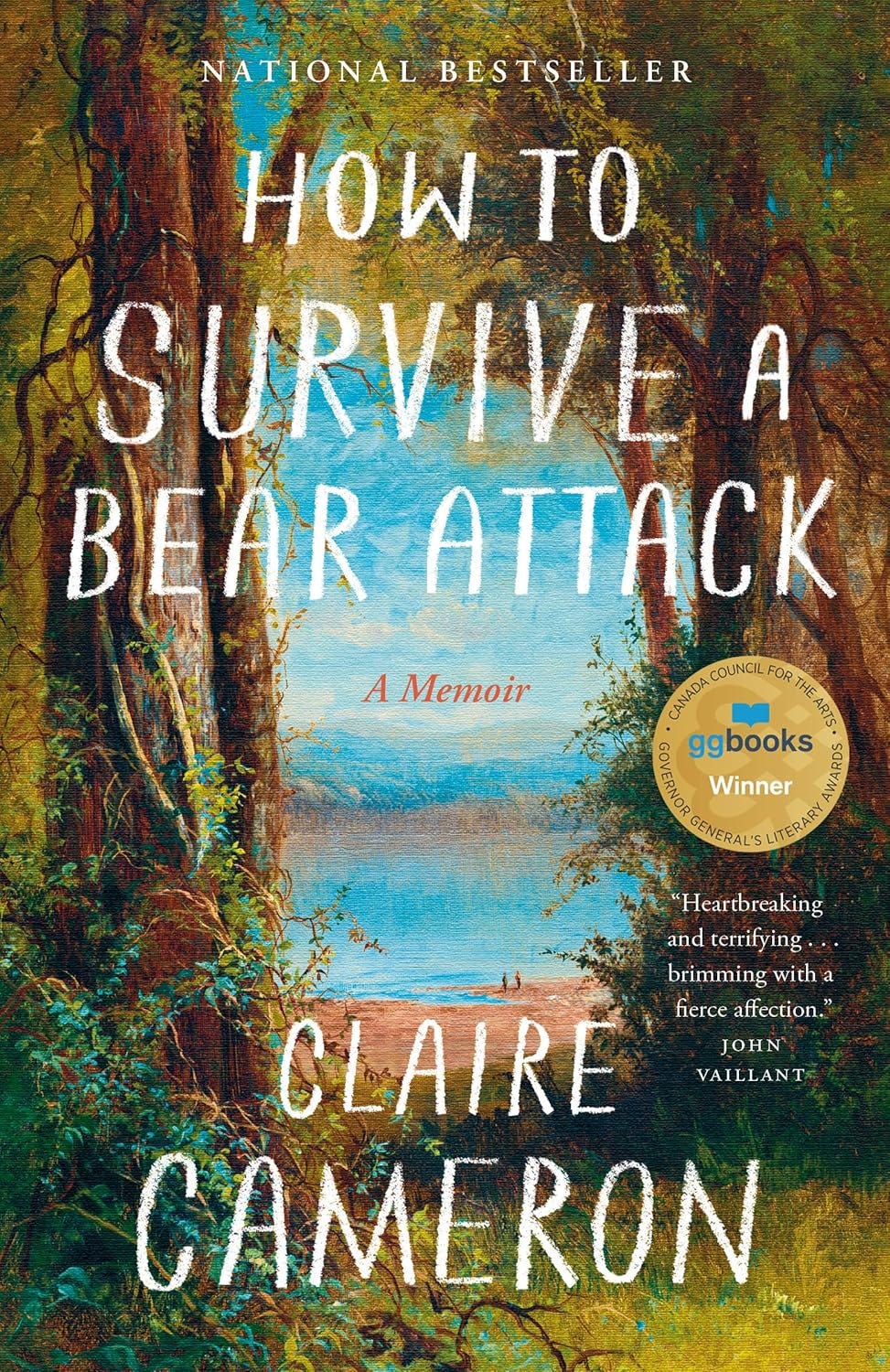
And HOW TO SURVIVE A BEAR ATTACK won the Governor General’s Literary Award in Non-Fiction. Such a nice thing, especially as it is judged by my peers. Now the cover has this beautiful gold sticker.
This is Books I Love, a monthly letter, free, about books I love, thank you for reading!
No posts
Comments
Nothing yet. Say the first thing.
Sign in to join the conversation.