
As we celebrate the nation’s 250th birthday, we remember the famous statement from the Declaration of Independence, that “all men are created equal.” Also present, and no less essential, is its conclusion, which states that “we mutually pledge to each other our Lives, our Fortunes, and our sacred Honor.” Those words still have meaning today because we are all in this together. We are all bound together by our common American community. And that, perhaps, is the most essential civics lesson we can teach.
When we speak of civic education, our minds may gravitate more towards the “mechanics” of civics – teaching children what the three branches of government are, what the Bill of Rights is, and how to contact their local representatives. This represents what we would term “civic skills” and “civic knowledge.” They are an essential part of civic education – but only a part. Also important are “civic dispositions.” They are the “habits of the heart” that keep our democracy functioning. Civic dispositions include not only things like your propensity to vote, but also more abstract things such as political tolerance, concern for the welfare of your fellow citizens, and your overall sense of social responsibility. Civic dispositions, in short, reflect our sense of common community. And community lies at the heart of civics – both abstractly and linguistically.
The earliest known use of the term “civic” in the English language, according to the Oxford English Dictionary, comes in 1542, and is in reference to the “garlande ciuike,” or the “civic garland.” This was, in ancient Rome, a crown made of oak leaves and acorns that the Romans had traditionally presented to anyone who saved the life of a fellow citizen – an act which could be interpreted as the ultimate act of community.
That said, we don’t need to literally save each other’s lives in order to build a sense of community. What is essential, however, is to build a sense of connection with one another. To recognize the common bonds that bind us, despite the vast differences, both political and geographical, that define us.
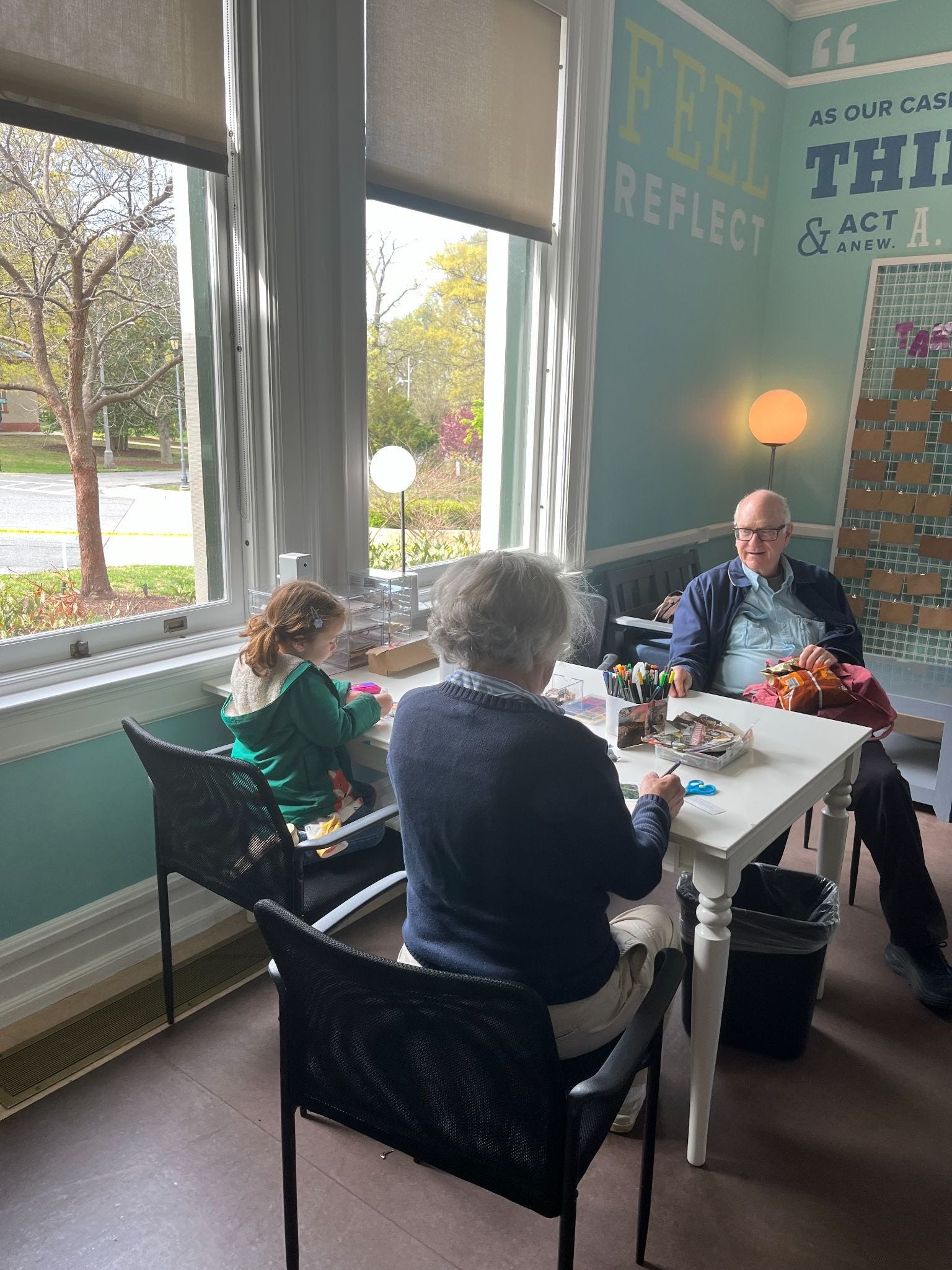
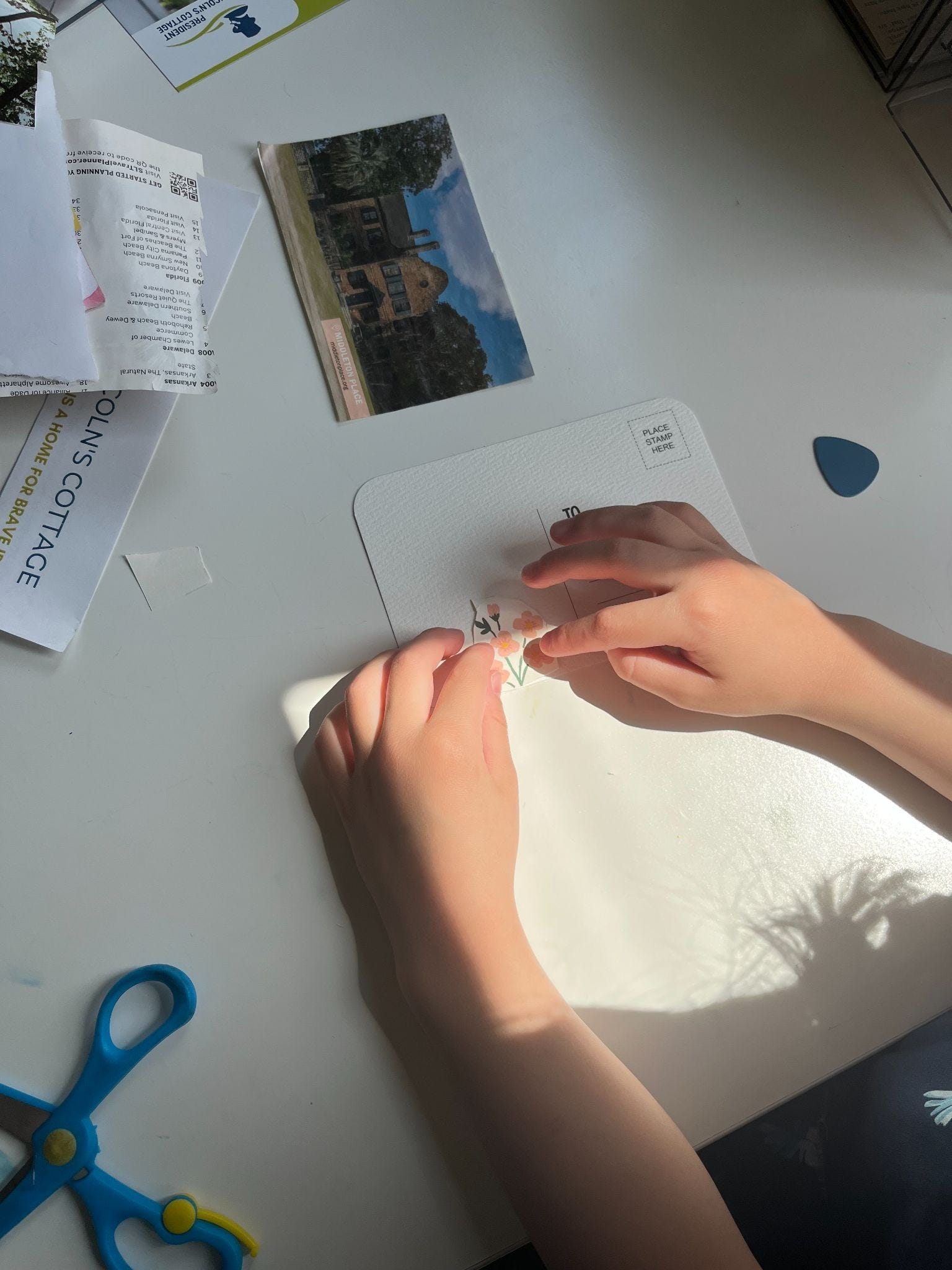
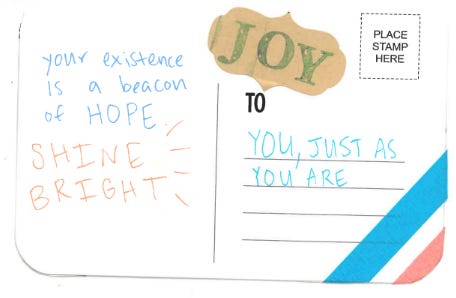
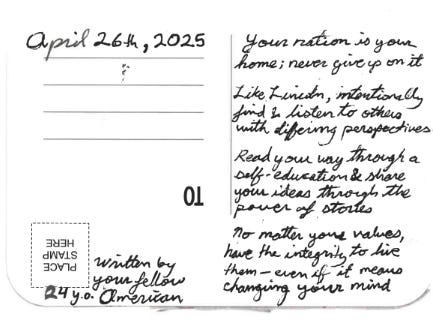
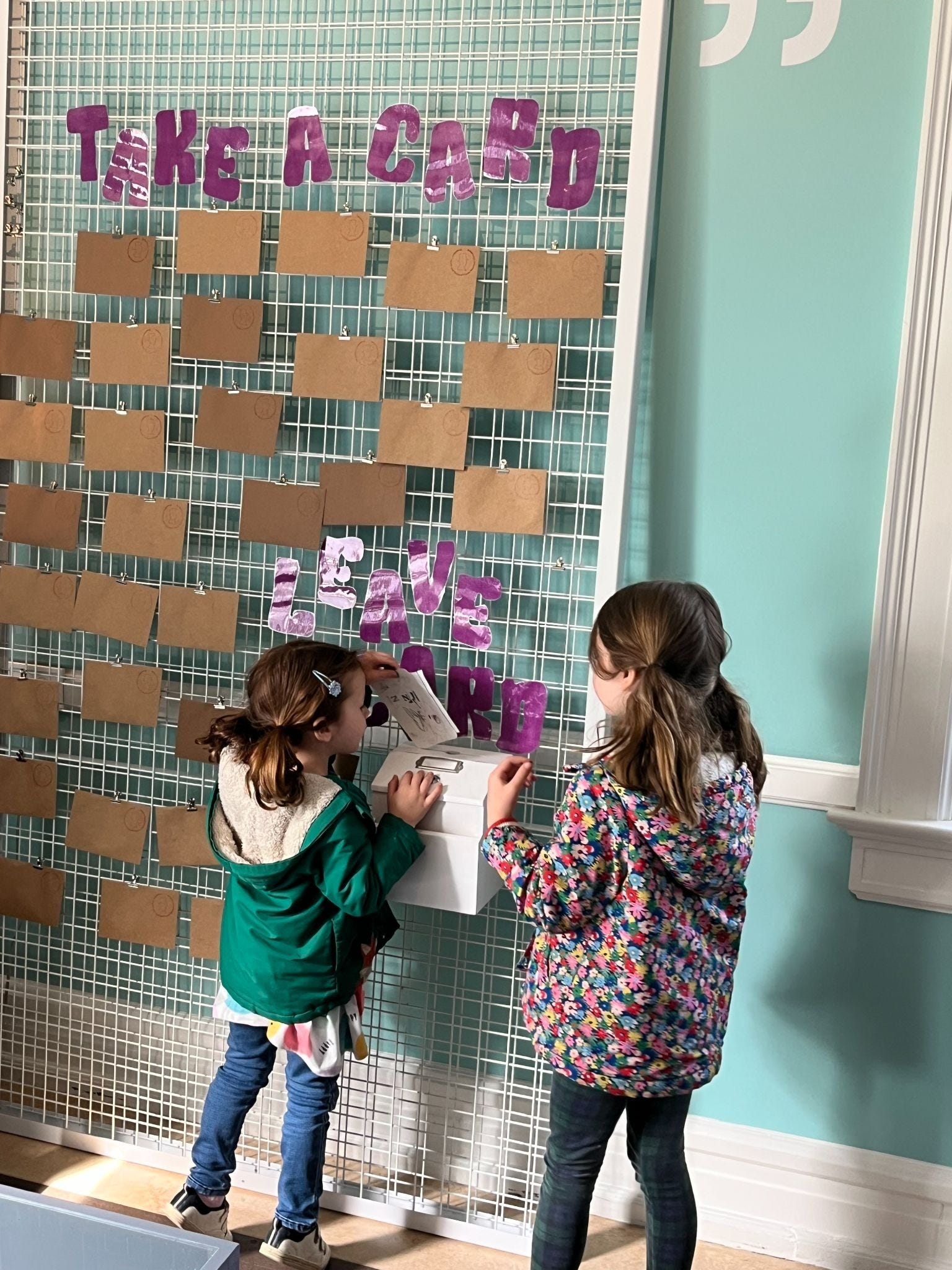
One place attempting to build this sense of civic community is President Lincoln’s Cottage, a wonderful museum in the DC area where I worked for several years. The Cottage has taken on a unique approach to the 250th anniversary of the nation by celebrating that spirit of community through their “Crafting Connections” exhibit. Visitors to the exhibit are presented with crafting materials, and instructed to make a postcard for a stranger. After finishing, they are instructed to take a card from a previous visitor, as a little memento from someone they will likely never meet. And that, after all, is a key element of civic dispositions – recognizing our ties to people whose names we will never know. That, despite our distance, they are still our fellow citizens, entitled to the same rights and endowed with the same responsibilities. And that is a lesson which can be taught to Americans of all ages – both children and adults.
As we celebrate the 250th anniversary of our nation, we should remember Lincoln’s own words about the Declaration of Independence. For Lincoln, the Declaration was not just a motto for the country, but rather the thing that defined the country. The Declaration, Lincoln said, united not just Americans whose ancestors had fought in the Revolutionary War, but also later-day Americans who had immigrated to the country from far-flung shores. It was, he said, the “electric cord” that binds us all together in one common civic community. So this Fourth of July, let’s remember the words of the Declaration, and the community it created as well.
— Paul Sullivan is a Research Associate at the Civic Education Research Lab, and a graduate student in Georgetown University's Communication, Culture, and Technology Program. He comes from a public history background, having spent five years as a professional educator at the President Lincoln's Cottage and the President Woodrow Wilson House.
No posts
Comments
Nothing yet. Say the first thing.
Sign in to join the conversation.