
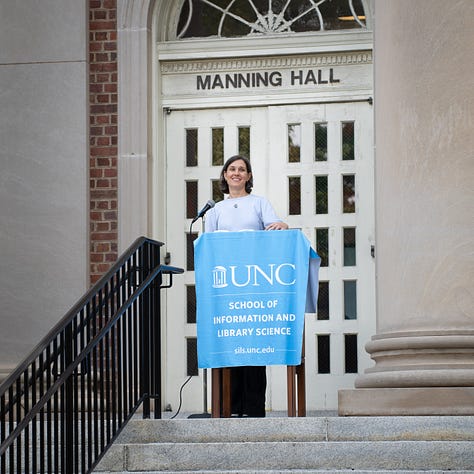
On Wednesday, September 25th we celebrated UNC’s 15th Annual First Amendment Day, hosted by the Center for Media Law and Policy.
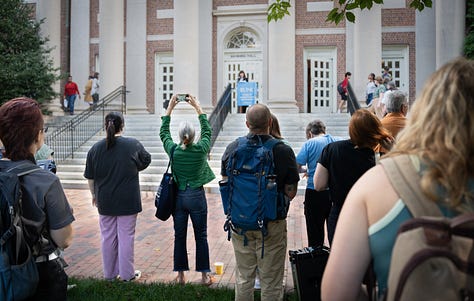
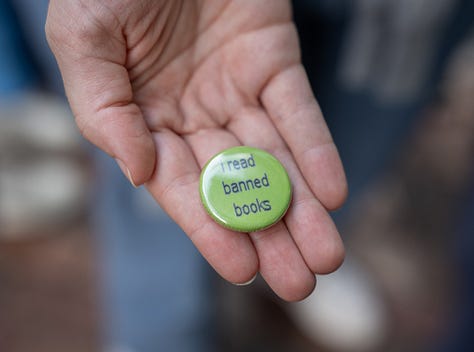
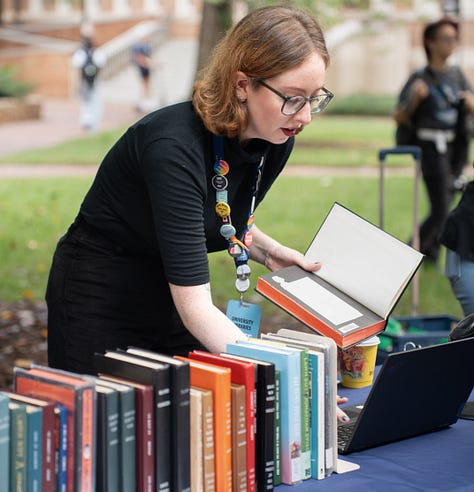
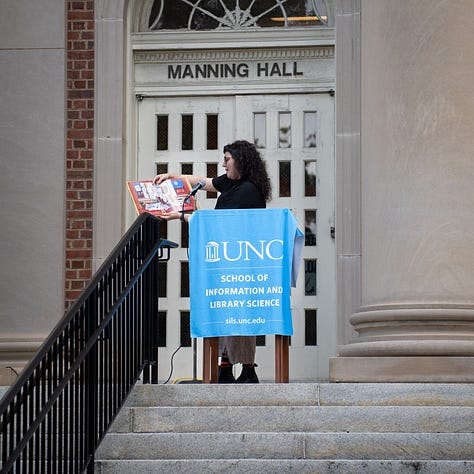
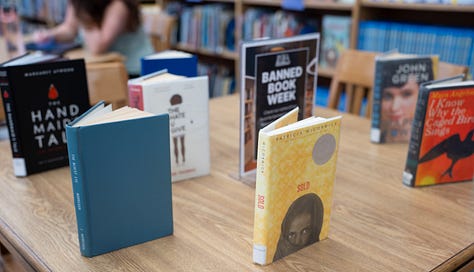
Francesca Tripodi led the “Freedom to Read” event in the morning, where students, staff, and faculty members read passages from books that have been challenged or banned in schools across the country. The books read included “Gender Queer”, “Caste”, and “Radiant Child: The Story of Young Artist Jean-Michel Basquiat”. There was also button-making station featuring banned book covers, as well as the button featured below: “I read banned books”.



Later that afternoon, CITAP researchers Shannon McGregor, Meredith Clark, and Daniel Kreiss participated in a panel—moderated by Francesca Tripodi—on the 1st Amendment and media in the context of the 2024 election.
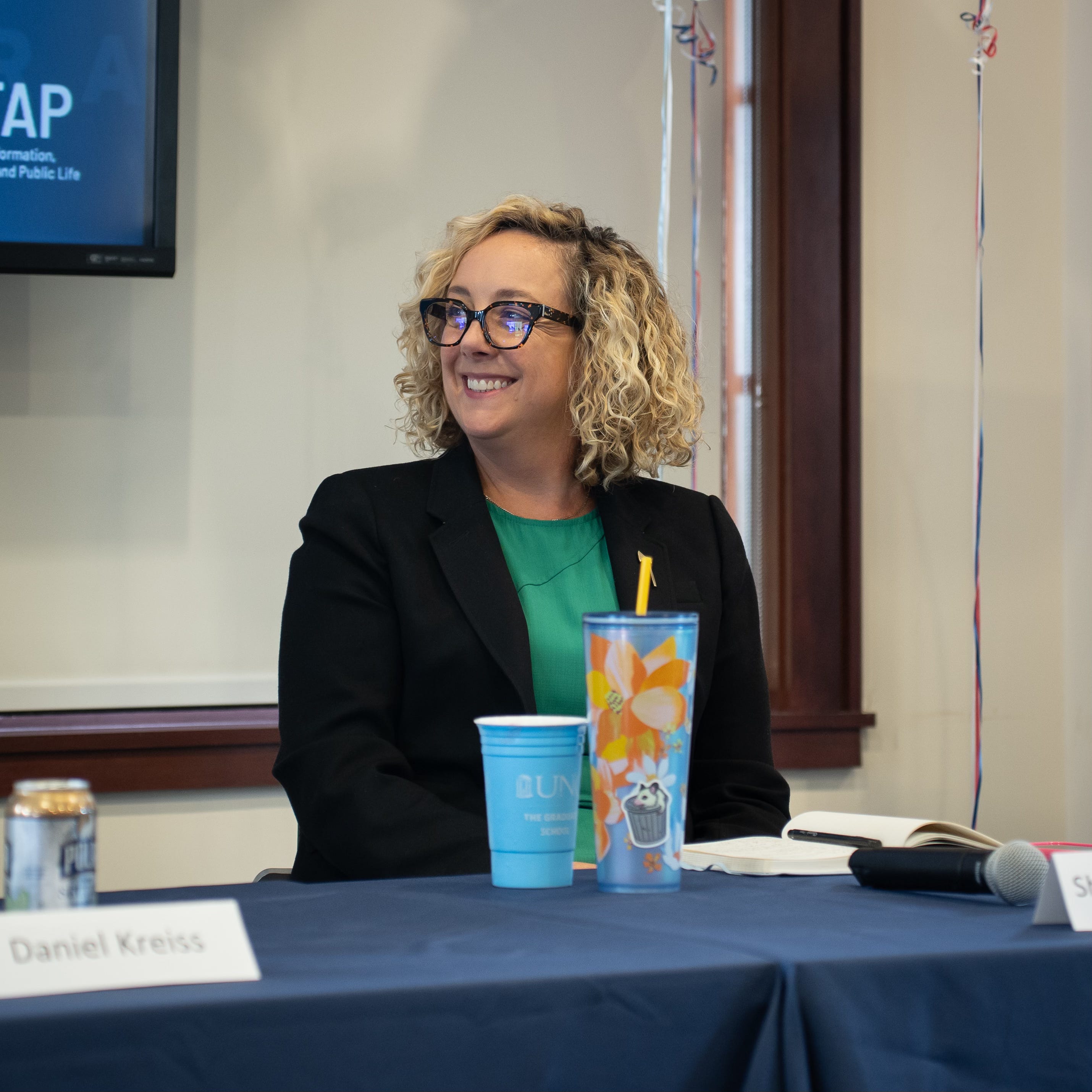
Shannon opened by explaining how media and social media shape our understanding of political events, emphasizing the importance of understanding how narratives tie into deeper issues like racism and nationalism, which influence voter behavior and political outcomes.
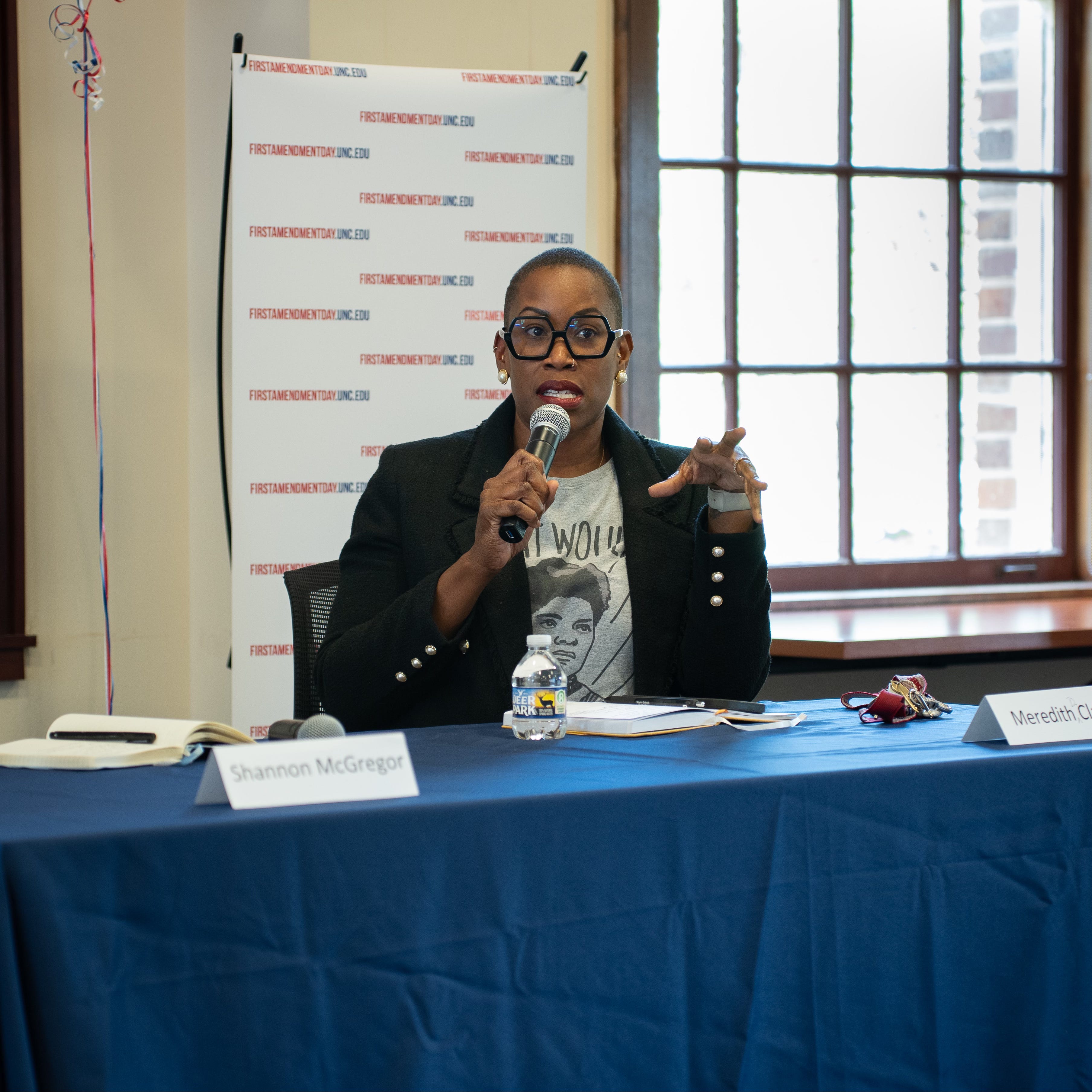
Meredith Clark built on this, discussing how race, media, and power intersect, and how racialized disinformation, fueled by historical stereotypes, perpetuates harmful narratives. She argued that we are in an "age of absurdity," where disempowered groups are often forced to act with little hope of change, and noted the need to address deep-seated racial issues to combat disinformation effectively.
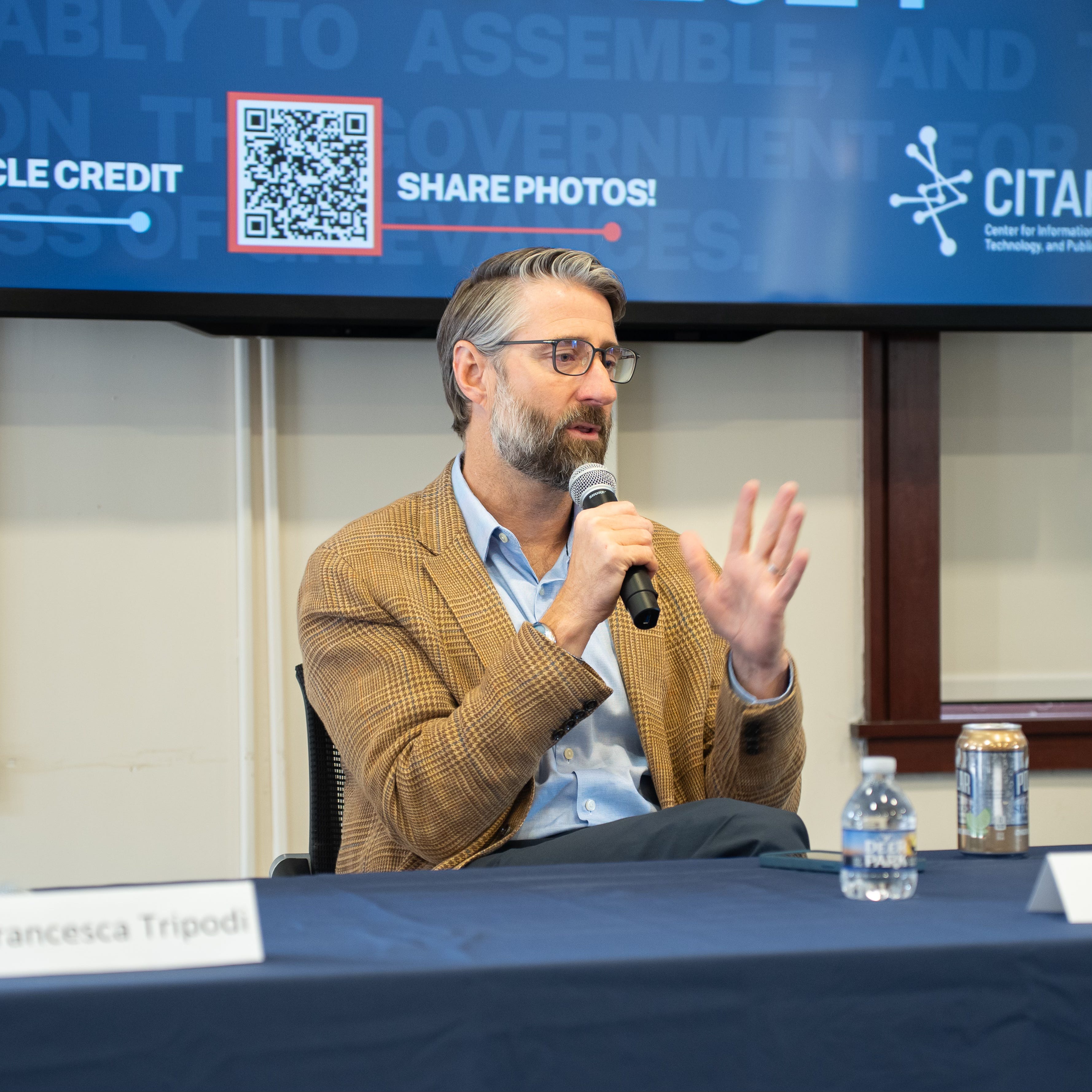
Daniel Kreiss focused on platform policies, explaining how tech companies navigate free expression and content moderation, especially when it comes to political leaders. He highlighted the challenge of balancing freedom of speech with the need to prevent harmful disinformation, stressing that platforms need power-conscious policies to protect marginalized groups from targeted disinformation.
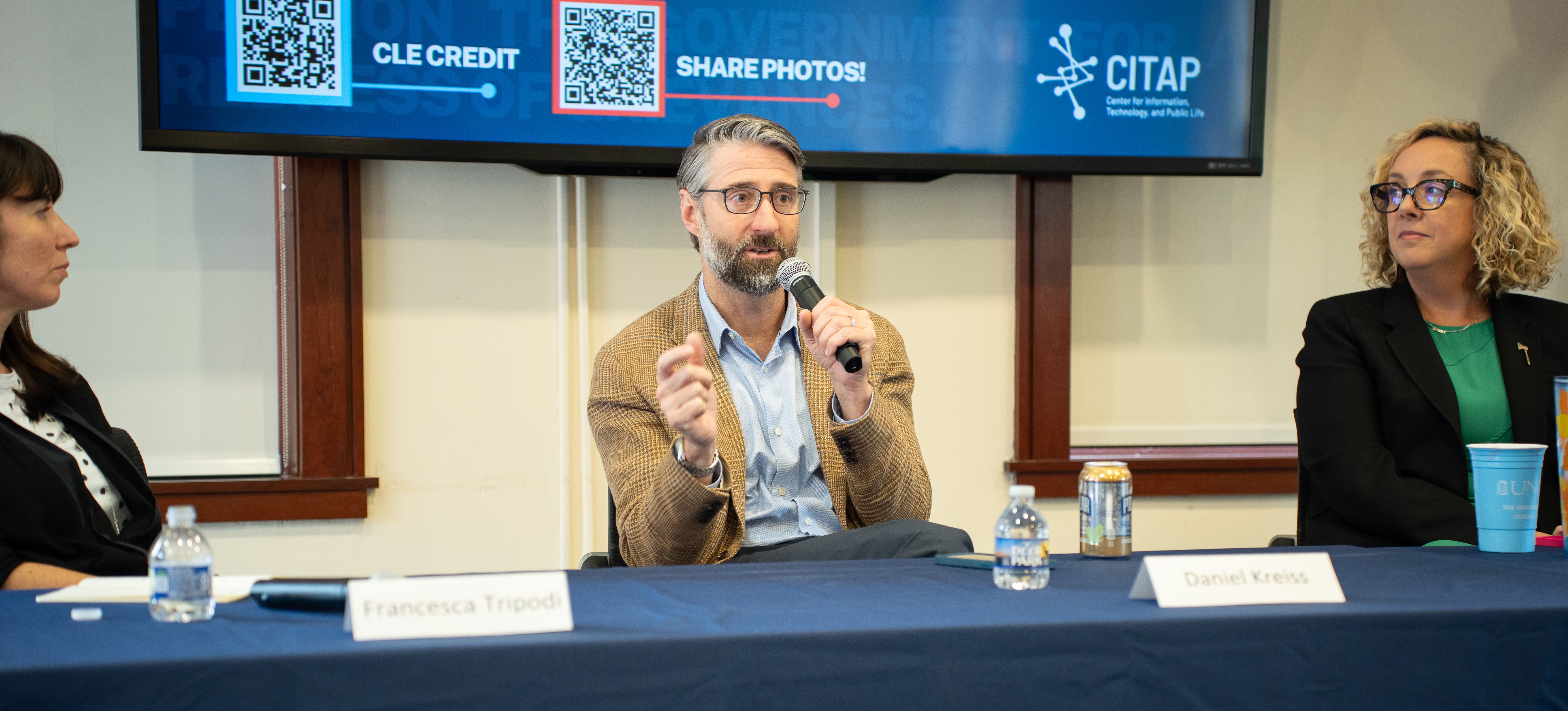
The panel also touched on the role of memes in trivializing serious issues, the challenges of content moderation, and the nature of intent when distinguishing between misinformation and disinformation.
Watch and listen to the full panel below:
Shannon McGregor appeared on “Carolina Connection”, Hussman’s student radio station. Reflecting on CNN’s story about Mark Robinson, the Republican candidate for governor in NC, Shannon focused on the importance of context and consistency in how political candidates manage their online presence, especially when entering public office. While there is a difference between public social media posts and private messages, any posts can become fair game for scrutiny when someone is running for office, particularly if those posts conflict with the candidate's political agenda.
While voters may become more forgiving of past online behavior as more people have a long social media history themselves, Shannon notes that political journalism will likely continue to focus on discrepancies between how candidates present themselves and their past actions.
As the 2024 election approaches, experts are closely monitoring the evolving role of generative artificial intelligence in political campaigns. While the anticipated flood of hyper-realistic deepfakes has not materialized to the extent some feared, AI is still making its presence felt in surprising ways.
Francesca Tripodi told ABC News "The memes that are amplifying this claim are anything but humorous. When you have elected officials who are utilizing this imagery as a way of perpetuating racism and xenophobia, that’s a huge problem."
October 23 + 24: Join us for “Threats to Democracies: A Transatlantic Workshop on Media and the 2024 Elections”. This two-day workshop event features panels on media, technology, and democracy.
RSVP for the public Fireside Chat on Thursday at 5 PM!
The workshop is by invite-only; please reach out to CITAP (citap@unc.edu) if you would like more information.
November 5: Election Day in the United States.
Comments
Nothing yet. Say the first thing.
Sign in to join the conversation.