Circularity.fm is the podcast about understanding, building and managing circular business models. Most episode showcase one specific organisation that runs a circular business model or a business model in the circular economy. This can be a startup, an established SME or a business field of a corporate. Hence, interviews are both about founding and funding a circular business as well as transforming an existing linear business to a circular one, be it in Europe, North America, South America,…
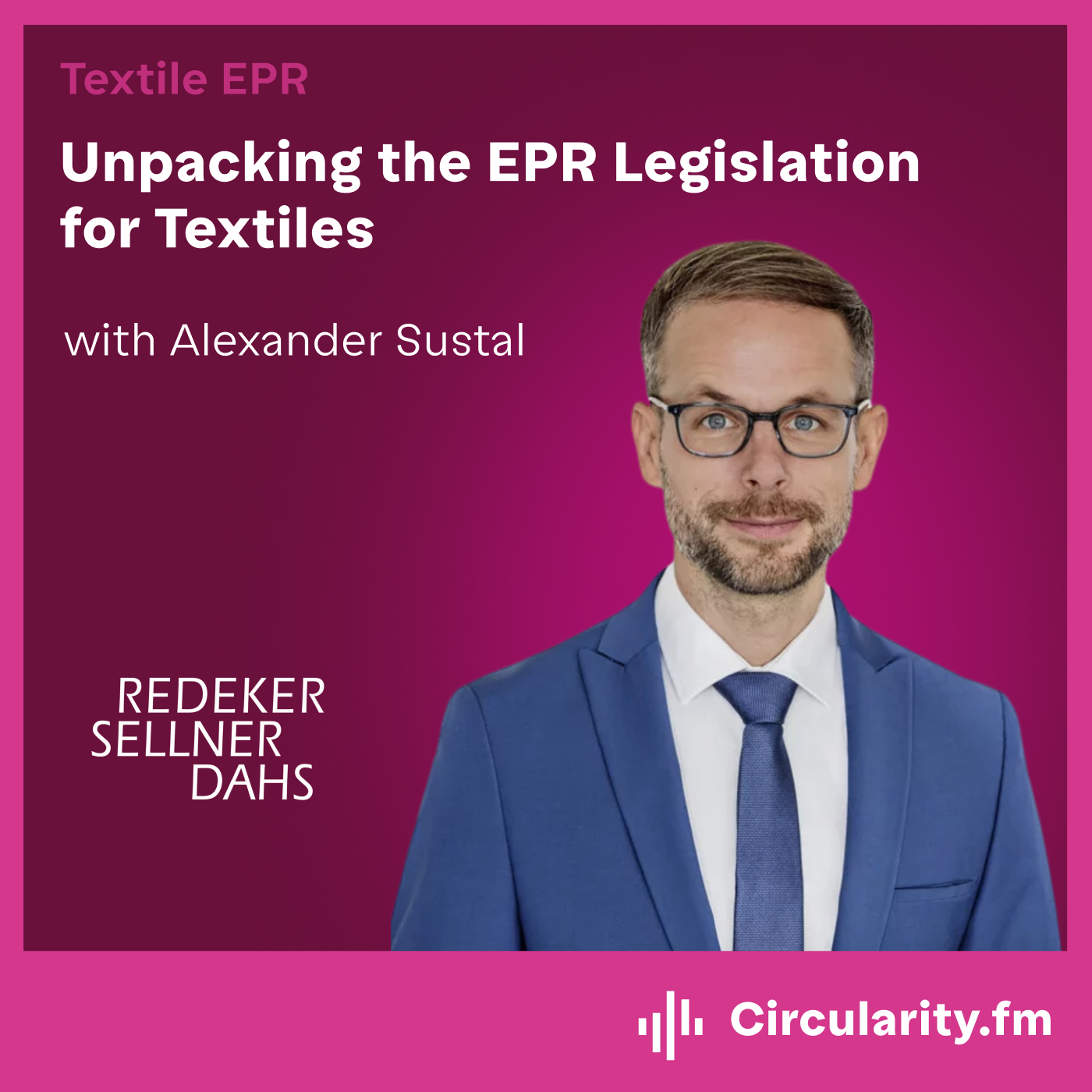
Will the EPR regulation create incentives for a more circular textile industry? Alexander Sustal, Lawyer at Redeker Sellner Dahs, explains how Extended Producer Responsibility (EPR) will change the economics of textile collection, sorting and recycling in Germany. The episode covers the status quo, the actors and financing flows an EPR scheme introduces, and the wider legal questions an EPR scheme…
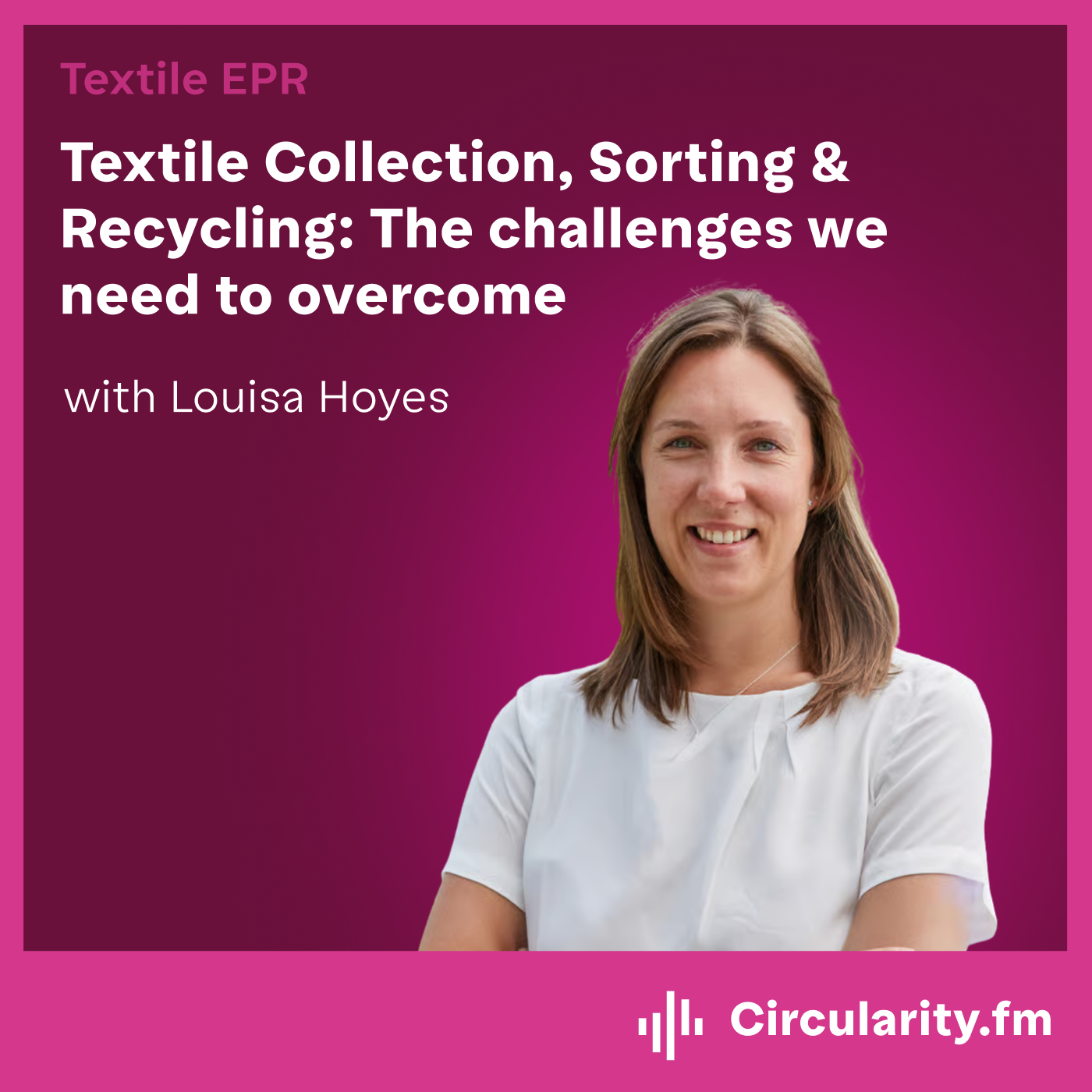
How can Europe build a commercially viable circular textile system? In this episode, Louisa Hoyes, who has worked on building up textile circularity for the past 7 years, explains why building a circular textile system requires much more than advances in recycling technology. What you'll hear in this episode: • Why collection, sorting and recycling should be designed as one connected value chain…
From a brand's point of view, how should extended producer responsibility (EPR) be designed so that circularity pays off? Philipp Bonaventura from Schöffel explains where circular design already works, why the economics hold it back, and what the system needs to change. What you'll hear in this episode: • Why the barrier is economic, not technical: low collection volumes, weak sorting, and repair…
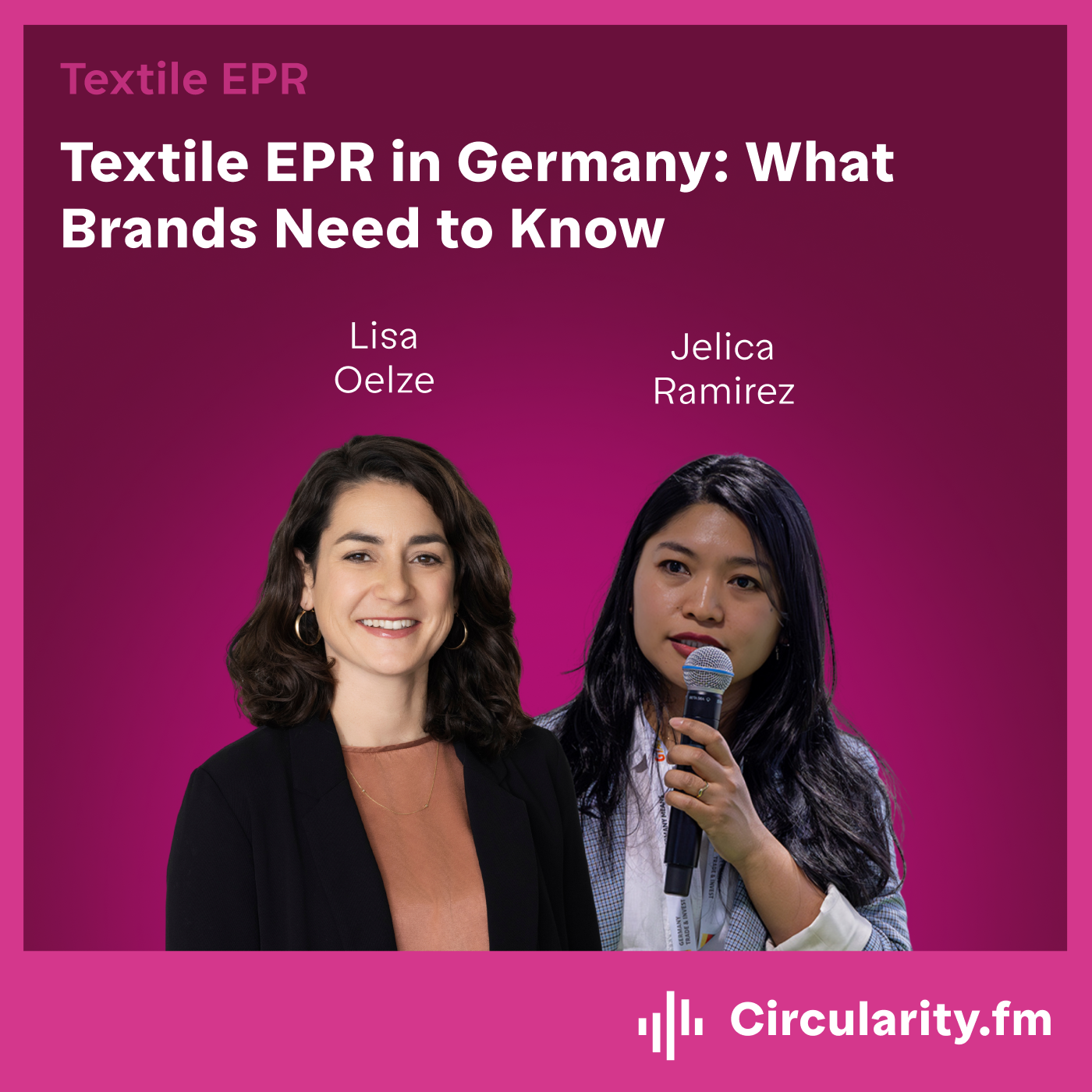
How can extended producer responsibility (EPR) pay for the infrastructure that circular textiles need? This is the first episode of the Textile EPR series. We talk to Lisa Oelze from Messe München about why textiles has become the most unsettled waste stream in Europe, and Jelica Ramirez from GRS PRO Textil about how extended producer responsibility will work in Germany. What you'll hear in this…
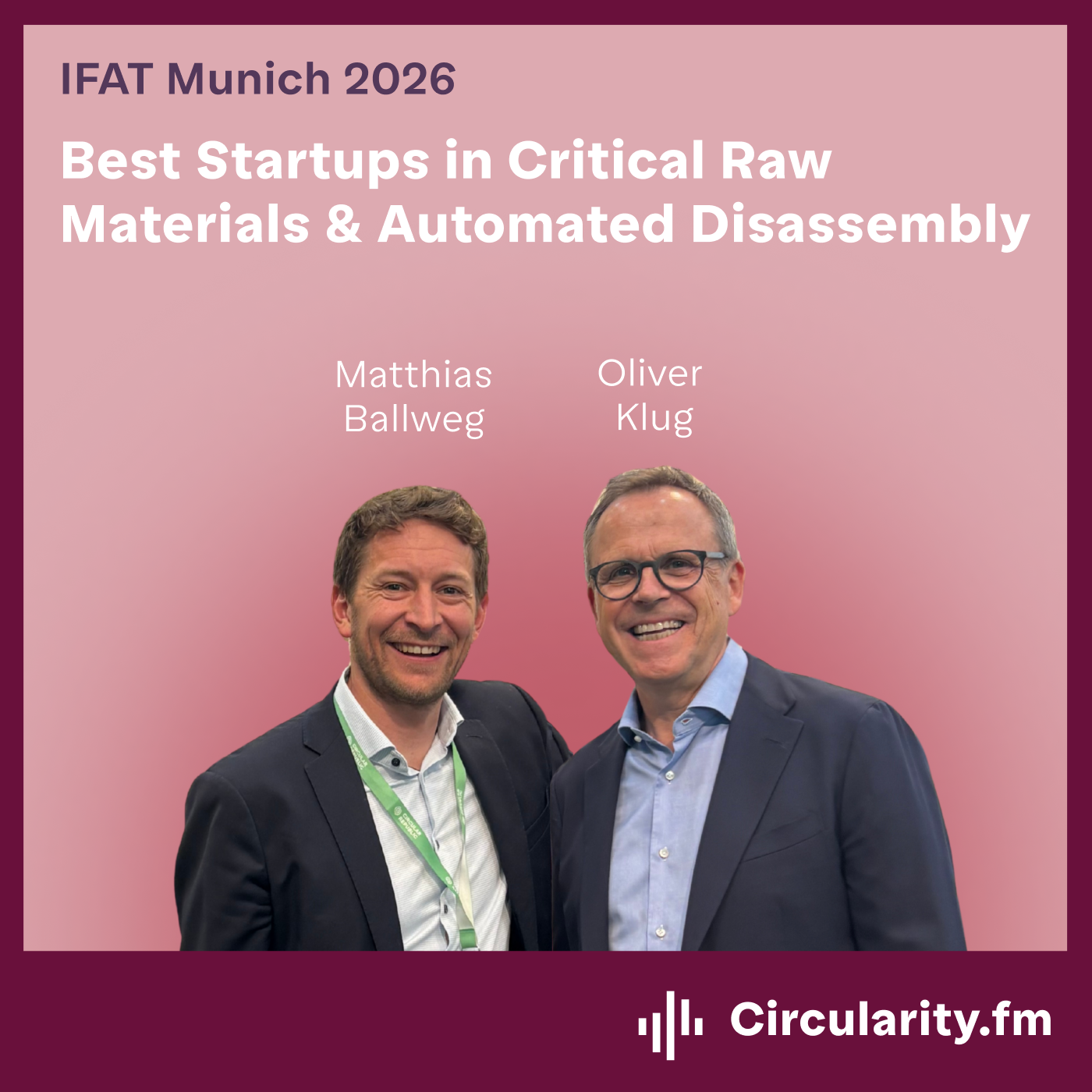
Which startups are solving Europe’s two key circular economy challenges: automated disassembly and critical raw materials recovery? This episode covers the Circular Technology Award, launched by Circular Republic and Knorr-Bremse, to back startups working in both fields. Matthias Ballweg, co-founder of Circular Republic, and Oliver Klug, Chief Strategy and Transformation Officer at Knorr-Bremse,…
Which areas of circular economy are attracting the most startup activity in Europe, and which ones are being left behind? Leonhard Teichert, Program Lead at Circular Republic, presents the findings of the Circular Economy Startup Landscape 2026. Bruno Rudnik, Managing Partner at SEF Ventures and host of the startup area at IFAT, adds the investor's view on financing and scaling hardware startups…
What is the economic potential of circularity? The Federal Association of the German Industries (BDI) asked Boston Consulting Group (BCG) to answer that for German industry. The report's authors, Claas Oehlmann of the BDI's Circular Economy Initiative and Alexander Meyer zum Felde of BCG, walk through the findings, with Nadine Braun of E.ON bringing the view from a company perspective. What you'll…
Can Europe secure the critical raw materials it needs without stepping back from global trade? Recorded at the Circular Sovereignty Forum at IFAT Munich, with Susanne Kadner of Circular Republic, João Merico of the Ellen MacArthur Foundation, and Roland Gauß of EIT Raw Materials, on the link between circularity, geopolitics, and supply security. What you'll hear in this episode: • What companies…
Why do startups and corporates need each other, and what makes the partnership work? Florian Fehr, Managing Director of NEEW Ventures, joins Patrick at IFAT and interviews three founders: Rajiv Singhal from Grensol, Stefan Delinde from Minimise, and Gary Lewis from Resourcify about their businesses and what makes a startup-corporate partnership work. What you'll hear in this episode: • Why…
How does ESG reporting influence how a company is financed, run, and perceived? in this episode, Fabian Böhmer, Head of Sustainability at EEW, joins Patrick to discuss how ESG reporting can serve bankability, reputation, and internal decision-making. What you'll hear: • Why the business case matters in sustainability, and what happens when ecological, social, and economic dimensions are treated as…