
Dear Reader,
Thank you for signing up and welcome to the first issue of Circular Dispatch. This is where you can spot emerging trends, understand key developments and solutions in India, and find the most exciting career opportunities and events to attend. Yes, you’ve found your tribe!
Let’s begin with the three climate developments that matter this week.
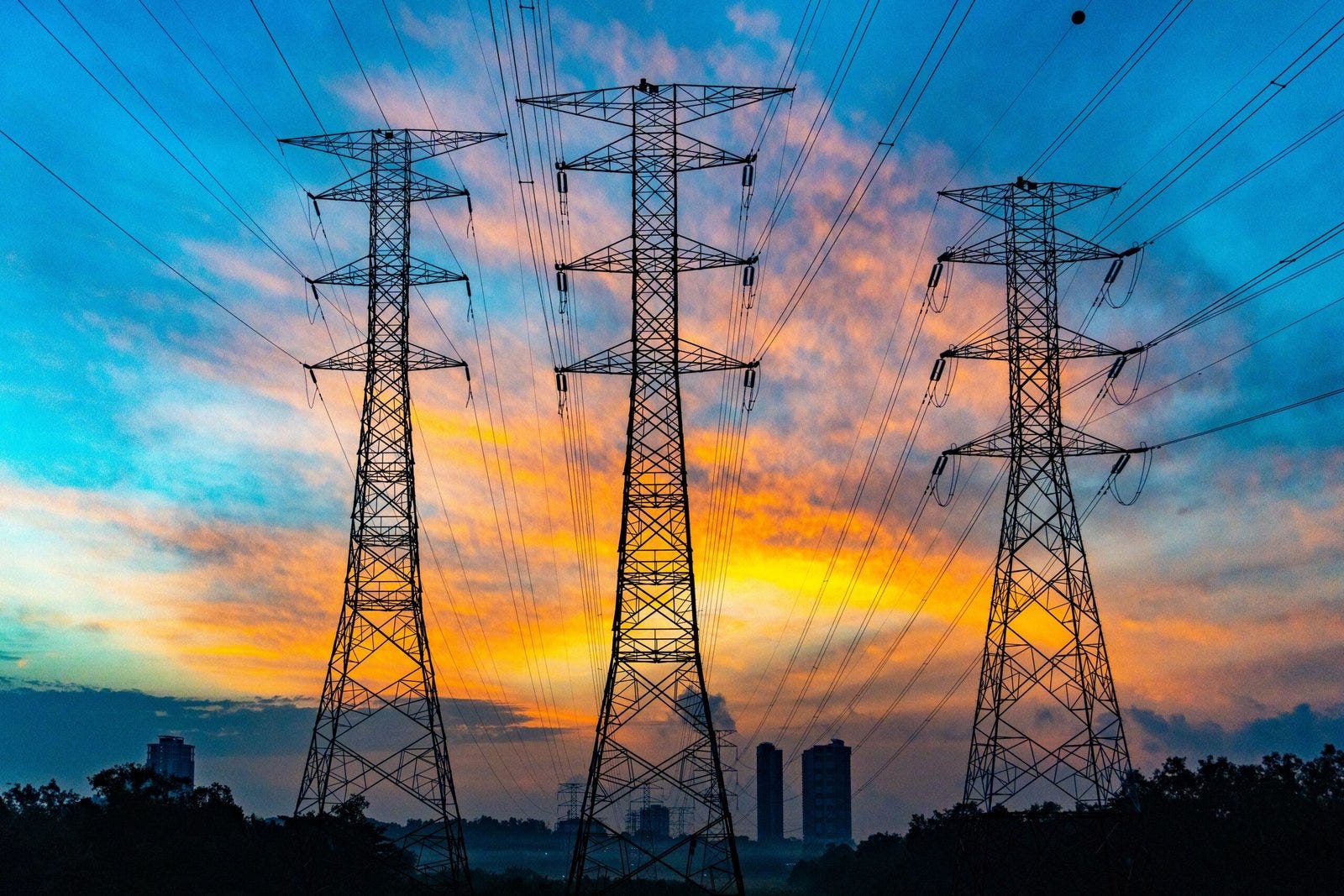
India has added renewable energy capacity at record pace. But the next challenge is making that clean power available when people need it, including after sunset and during periods when the wind does not blow. The energy transition is moving from simply building more solar panels and wind farms to building the storage, transmission and grid systems that can make renewables reliable. Sainath Gurav explores this shift in a three-part explainer, the first two of which are here and here.
Why this matters to you: The next wave of the clean energy economy will create opportunities across batteries, grid technology, energy management, manufacturing and infrastructure. These are the areas where investment, innovation and new climate careers are likely to grow.
Delhi’s renewed push for electric vehicles not only spurs people to buy electric cars, scooters and three-wheelers, but also makes an outlay for infrastructure. In an upcoming story, we’ll explore how charging networks, battery life, financing options, resale value and battery transparency will determine whether EV adoption moves from early adopters to the mainstream.
Meanwhile, here’s a summary of Delhi’s policy:
Electric cars priced up to ₹30 lakh will get full exemption from road tax and registration fees.
32,000 charging points will be installed across the city.
Owners scrapping BS-IV or older four-wheelers and switching to EVs will receive a ₹1 lakh scrappage incentive.
Electric trucks and other commercial EVs will receive purchase incentives, including up to ₹1 lakh for eligible electric trucks.
From January 2027, only electric autos will be registered in Delhi, while new petrol and CNG two-wheeler registrations will stop from April 2028 to phase-out petrol/CNG vehicles.
Only zero-emission vehicles will get benefits, no support for hybrid vehicles.
Electric two-wheeler buyers will receive purchase subsidies of ₹30,000 in the first year, reducing to ₹20,000 and ₹10,000 in the second and third years.
Electric three-wheeler buyers will get incentives of ₹50,000 in the first year, followed by ₹40,000 and ₹30,000 in subsequent years.
Why this matters to you: For consumers, it could decide whether buying an EV feels like a smart long-term choice. For businesses and professionals, it opens opportunities across charging infrastructure, battery technology, recycling, finance and mobility services.
The World Bank will no longer aim to direct 45 percent of its lending towards climate-related projects, following pressure from the Trump administration (which argued the bank should focus on poverty reduction and economic development rather than climate-specific spending). The decision marks a symbolic retreat from one of the bank’s most visible climate commitments.
Some experts say the picture is more nuanced – and not quite as depressing. The bank has retained and extended its Climate Change Action Plan, will continue tracking climate finance, and says it is shifting from measuring inputs (such as the share of lending with climate co-benefits) to outcomes (like resilient infrastructure, clean energy and jobs). In fact, it had already exceeded the 45 percent target in 2025, with 48 percent of its financing delivering climate co-benefits. Analysts argue that as long as borrowing countries continue demanding climate investments, financing for adaptation and the energy transition is unlikely to disappear overnight.
Why this matters to you: The decision signals how geopolitical shifts are reshaping global climate finance. While climate funding may continue in practice, losing a public target weakens accountability and could make it harder to judge whether development banks are keeping pace with the scale of the climate crisis. Nevertheless, with the focus now on actual results (rather than pledges and allocations), governments, investors and development institutions will be under pressure to demonstrate real-world impact. Climate projects would have to rework how they measure and communicate success – carbon markets would hopefully move towards higher-quality credits, for instance, there’ll be more work for climate data analysts, impact measurement experts, carbon auditors, MRV (measurement, reporting and verification) professionals and organisations building tools to track climate outcomes.
We’re partnering with Earth Inherited to bring you two audio-visual stories. EI is a platform for India’s sustainability ecosystem that creates content and runs education programmes for practitioners, operators and entrepreneurs to understand and apply sustainability in their work.
In this fortnightly series, EI looks inside a business or sector, its mechanics, the trade-offs and what actually makes it work. This time, their focus is on scrap.
India imports steel, paper and plastic scrap from other countries while recyclable material from our own homes often ends up in landfills. Despite our large informal recycling economy, the system needs to make waste usable at scale through: reliable collection, consistent sorting, quality checks and traceability. This matters because not all plastic is the same. The number on a plastic product determines how easily it can be recycled, with materials like PET, HDPE and PP becoming valuable resources when properly separated. While reducing landfilling of plastic waste, recycling can slash emissions too, with every tonne diverted from landfill potentially avoiding 1 to 2 tonnes of CO₂. New rules like Extended Producer Responsibility are also changing the equation by making companies responsible for what happens to their packaging after it leaves the store.
This series features one idea from a practitioner-conversation that is worth keeping. In this video, Sreelakshmi Hariharan, MD and CEO, ECube Investment Advisors, spotlights this: “At Tata 1mg, the packaging change from bubble wrap to hexagonal paper wrap was not conceptualised by a sustainability team, there is no such team at Tata 1mg. It was the supply chain team who believed this was their ethos, did their research, built the business case, and implemented it.”
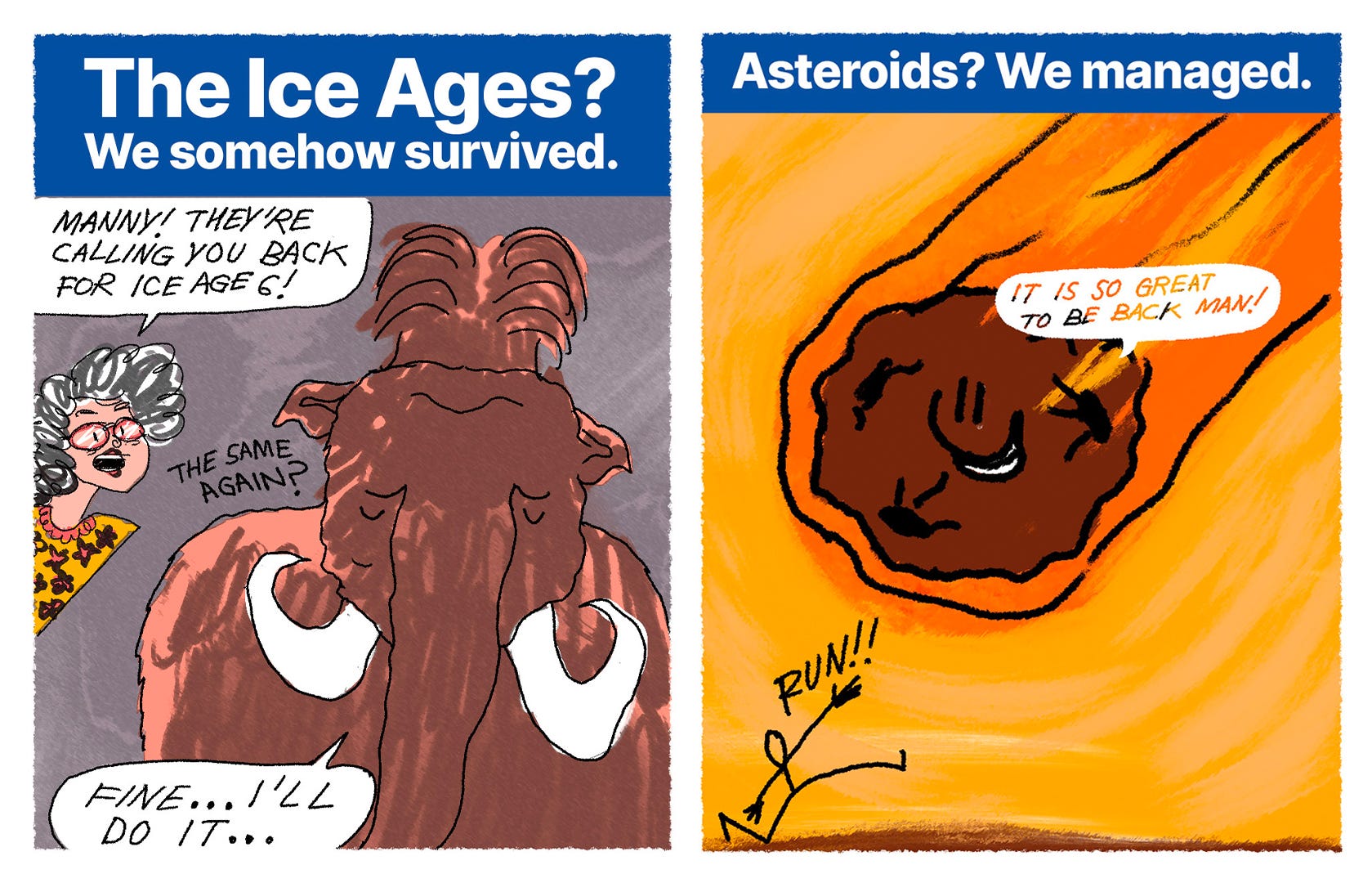
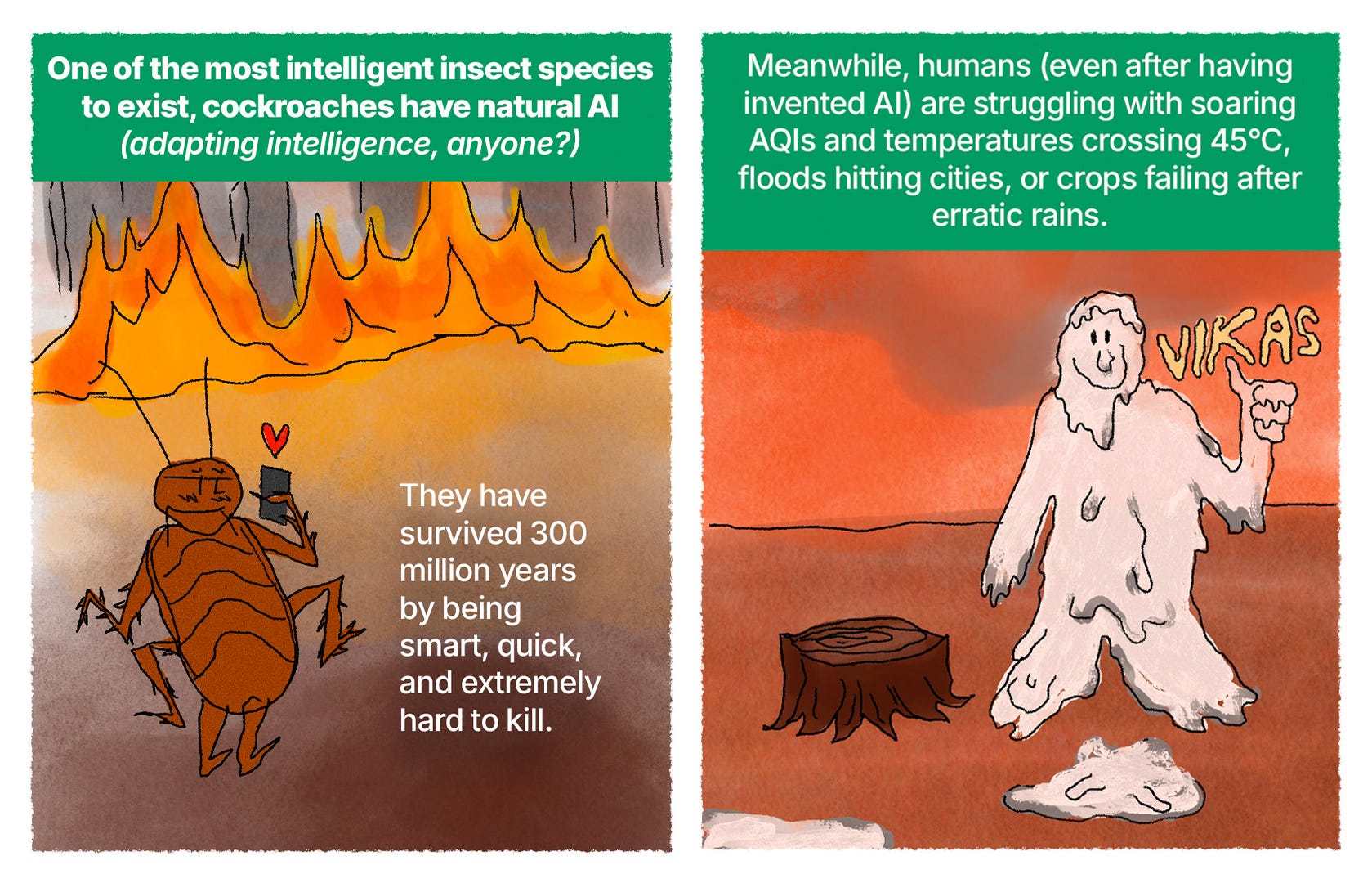
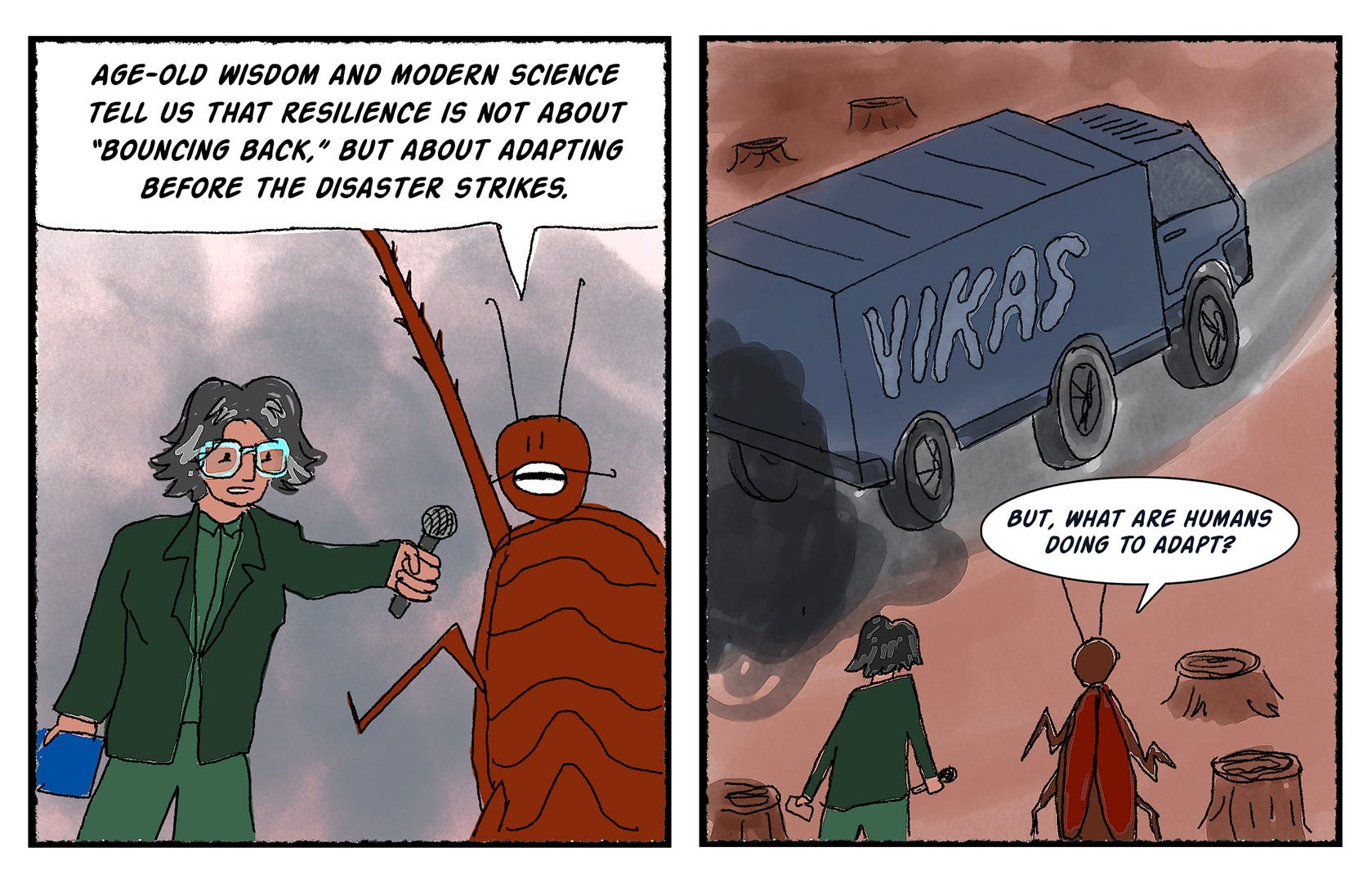
As Sonam Wangchuk’s fast continues at Jantar Mantar in Delhi, here’s our view of the climate… from the eyes of a cockroach.




This week, there are openings at CEEW, ABB and even ExxonMobil (we’re serious)! And training/reskilling opportunities too, such as:
This online certificate course on AI-assisted research, data analysis, fact-checking and communication for environment, science and development professionals by the Centre for Science and Environment, New Delhi.
📥 Starts 30 June
📍 Remote
An exclusively on-field role in Dampa landscape. You’d be working as a Project Officer for Women and Sustainable Development at Aaranyak. The work involves supporting women’s participation, sustainable livelihoods, community engagement, and project implementation in Mamit District, Mizoram. The landscape itself lies at the tri-junction of Bangladesh and Indian states of Mizoram and Tripura. The deadline for applications was 30 June, but their Google form is still open to submissions, which could suggest that they might still be looking for candidates.
CEEW or the Council on Energy, Environment and Water is looking for a Programme Associate for their Green Finance Centre. The role involves leading research, project management, and stakeholder engagement on green finance, climate finance, and energy transition initiatives. It is an on-site position in New Delhi. They haven’t specified a deadline, so we suggest you apply here and soon!
For (many) more such opportunities, look it up on our website
If you’re planning your weekend and the week ahead, we have some cool suggestions for you. In Bangalore, check out VizChitra 2026, on 3-4 July at BIC. The two-day event will feature workshops, exhibitions and more, on data visualization, data storytelling, information design, AI-assisted visualization, interactive visual analytics and community knowledge sharing.
There’s a bevy of events across the country around SusCrunch 2026 as well, including one that Climate Action Live is part of. For more events in more cities:
No amount of recycling infrastructure or technology matters unless e-waste gets there, and here lies the gap that our reporter Sonam Raina calls India’s e-waste’s “first-mile problem”.
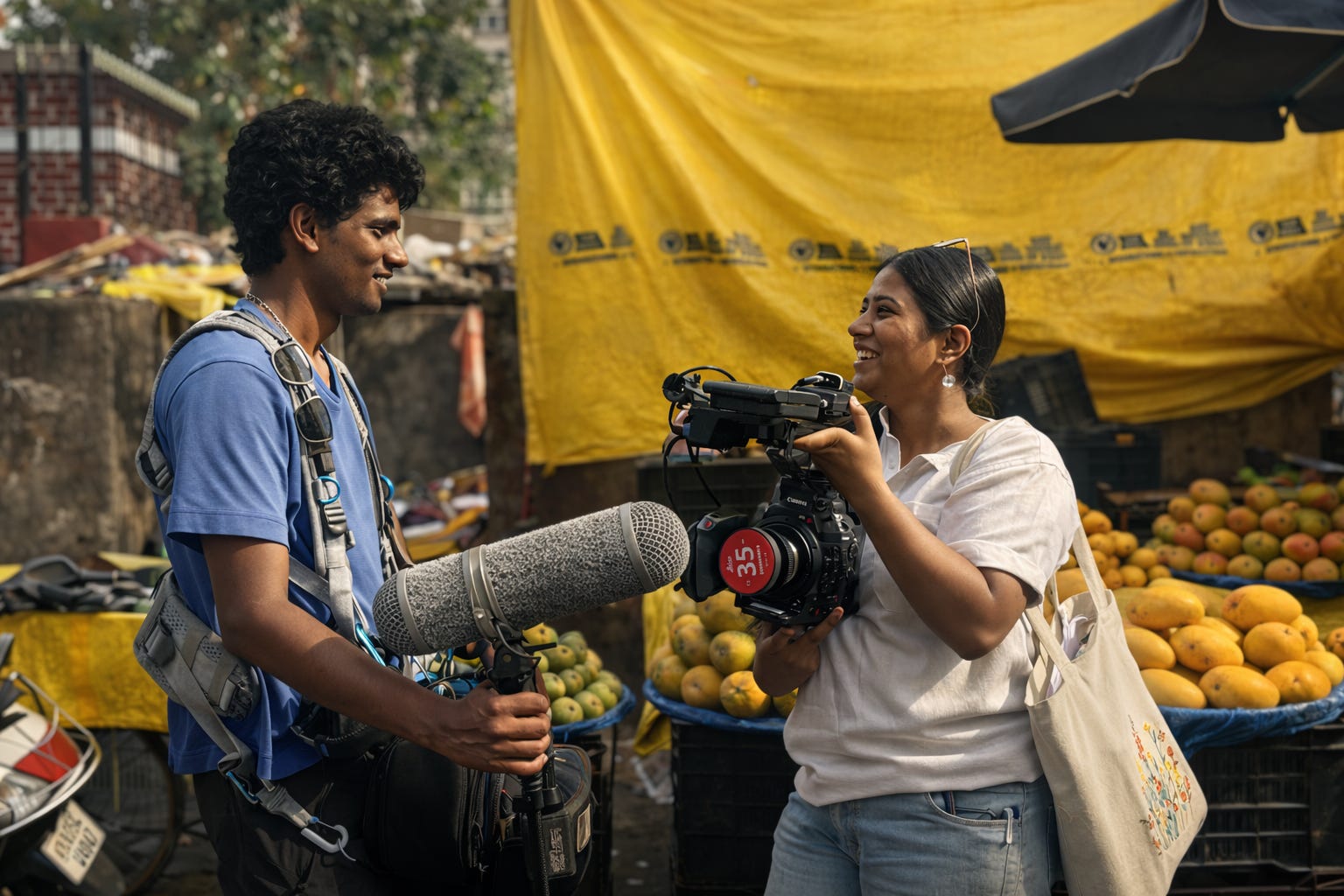
Ever wondered about the emissions of the film industry? The fuel and tyres burned in all those car chases and the computing power sucked up in creating animation sequences? Read Shruthi Parthasarathy’s account of how she’s building a sustainable filmmaking studio.
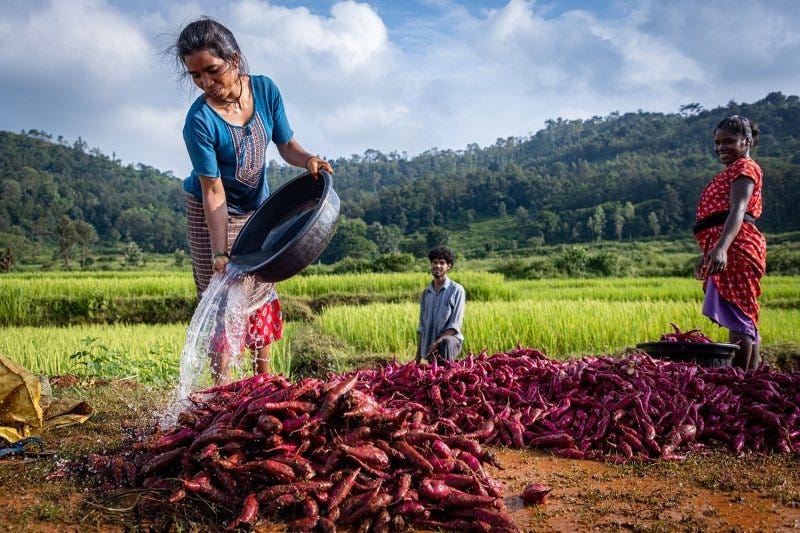
Andhra Pradesh’s Community Managed Natural Farming model has moved from an experiment to one of the world’s largest farmer-led transitions away from chemical inputs, winning the 2026 Food Planet Prize. Can India replicate the social infrastructure that made it possible? Read it here.

And with this, it’s time to wind down with a (drawdown) quiz! The inimitable polymath Berty Ashley creates a weekly quiz for Climate Action Live. Tell us your score here and follow Berty on Instagram.
And tell us how we did for a first issue in the comments below. You may also email us.
See you next week!
Madhur Singh
Team Climate Action Live
No posts
Comments
Nothing yet. Say the first thing.
Sign in to join the conversation.