

I remember first hearing about The Thinking Environment, and the concept of Time To Think and having such resistance because of the word “think”. I’ve spent so much time in my meditation practice learning to take my thoughts less seriously, to slow them down, and very occasionally experiencing the great pleasure of brief moments of respite from them. It turns out that in this body of work (conceptualised by Nancy Kline), thinking is not so much the noisy, surface-level, dust motes of the mind, and more the intentional, full-bodied articulation of our whole being.
I would not have guessed at the time that the practices and principles of Nancy’s work, based on the ten components, would end up shaping my everyday work life, forming the foundation of the ways of being at both Percept and Alignd, being the basis of a body of research I’m passionate about (on revolutionising actuarial education) and becoming integral to the conscious accompaniment work I do with individuals and organisations. I’ve just emerged from a two-day immersion in this living, breathing system of wisdom (guided by the wonderful Trisha Lord) - and it was redemptive, and healing, and generative.
At the very core of The Thinking Environment is an orientation that every person is capable of doing their own beautiful thinking. The entire system starts with a conviction around human potential. It’s akin to the Buddhist orientation towards the Buddha light we all carry within us.
The provocation is this: if I could listen to you with true, deep interest in where your thinking might go next, what might be ignited in that moment?
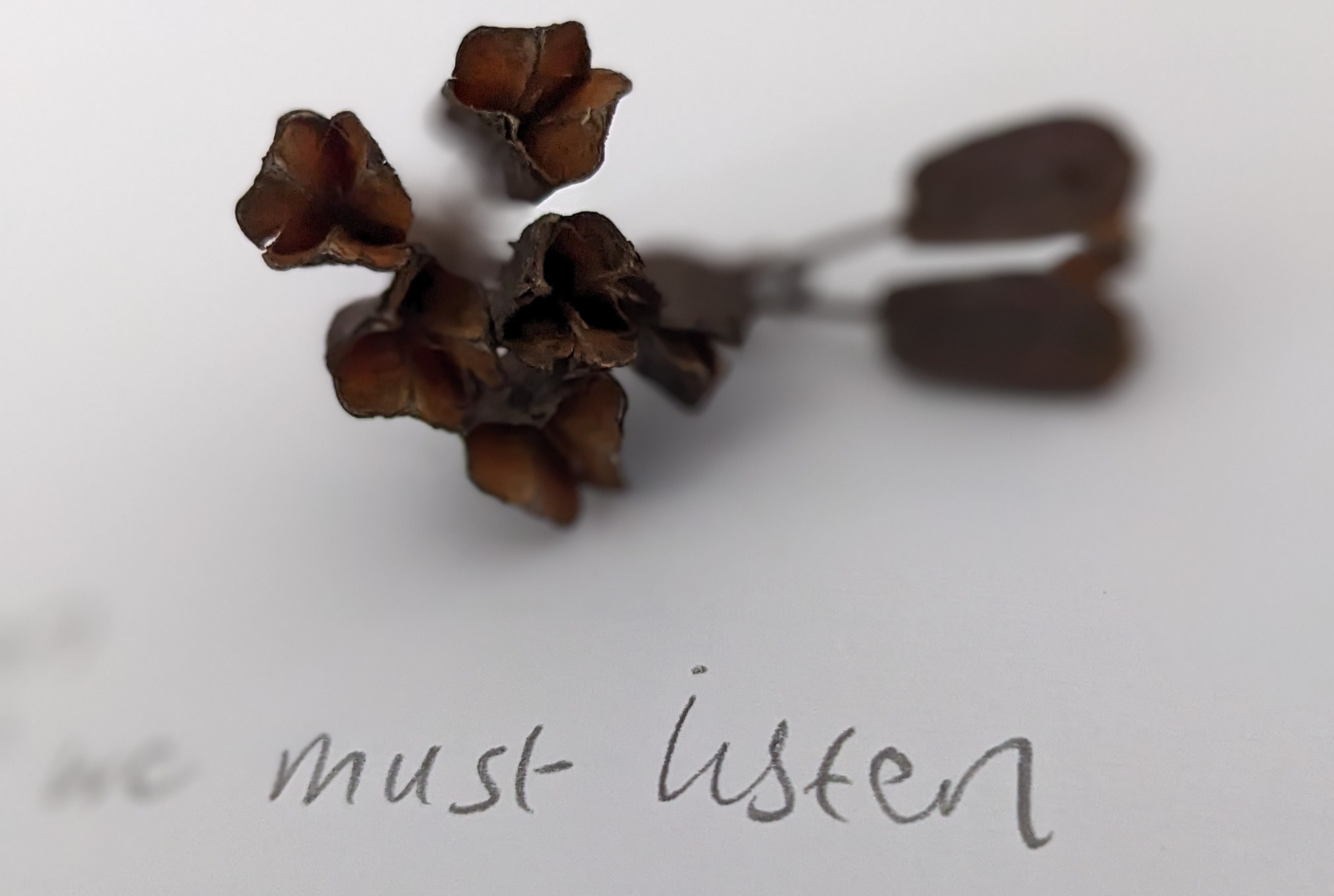
I’ve spent a lot of time thinking about how the ten components of the thinking environment map onto Buddhist concepts. Some, like attention and ease, map fairly easily. Others provide a practical way to translate Buddhist orientations into relational ways of being (like the intentional practice of appreciation). I struggled for some time with the component of equality and the way it rubs up against the Buddhist concept of manas (neither more than, nor less than, nor equal). In recent weeks, through the process of reading more Greek philosophy than I cared to (I don’t recommend it, unless you need a masterclass in how hierarchy, supremacy and the trapping of linear thinking have led us down the garden path to extinction), I’ve realised how radical the ten components are to call us to practice BOTH equality and difference. Even Marx didn’t quite get this bit right. And when you hold both of these, and the deep reciprocity and non-attachment and fluidity of attention they require, you have a direct path to the elusive manas.
All this to say, that I plan to share more of the ten components with you in the coming weeks. I’ve been dreaming up a series of guided meditations to deepen each of the components.
In the meantime, I’d like to leave you with a question: what does it mean to listen with the intention to ignite? Each time you’re listening in the coming week, notice what your intention is: is it to reply, to refute, to fix, to pass time until you can speak? Jim Dethmer provides a wonderful guide to the wide range of ways in which we aren’t truly listening.
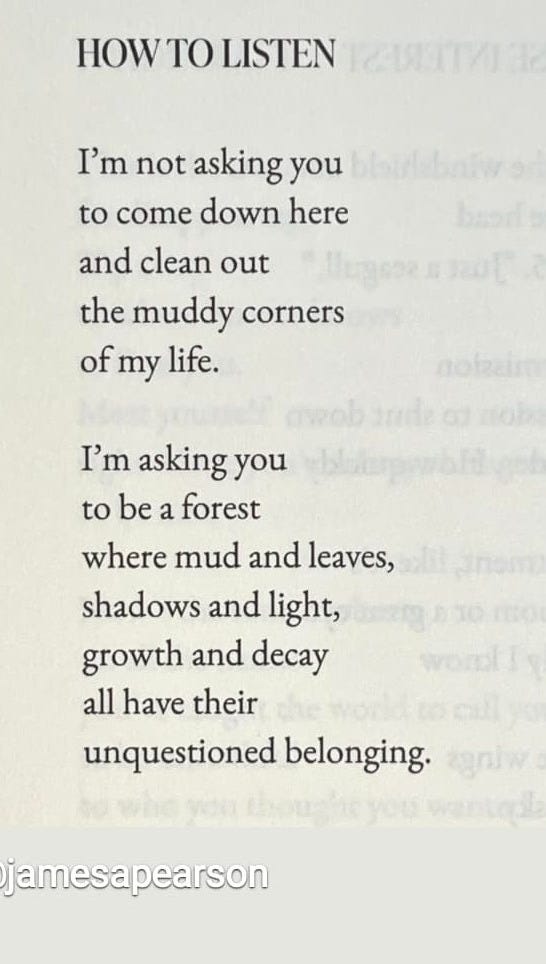
I’ll be heading to Dharmagiri soon (8 October), guiding a retreat called “You Belong” with the wonderful Phumla Shongwe. We’ll be practicing attention, ease and listening deeply: to ourselves, to the land, to what emerges from the silence. There are still three spaces available if you feel called to join us:
https://www.dharmagiri.org/retreats/youbelong2025
Comments
Nothing yet. Say the first thing.
Sign in to join the conversation.