
I teach screenwriting as an adjunct professor at USC, and often joke with my students that after they learn everything there is to know about screenwriting they need to write a book, create a graphic novel, write a short story, really do anything except write a screenplay.
This makes no sense.
But it’s a reality. And that reality exists because of the system of how creative content is evaluated.
Below, I’ll walk through the filtration system that makes “IP” more appealing, and the create-your-own-IP path I’ve personally walked.
The difference I’ve seen from just writing a screenplay vs. creating an alternative form of IP (in my personal case, short stories) has been drastic.
Let’s play out a regular screenplay scenario. You are Writer X.
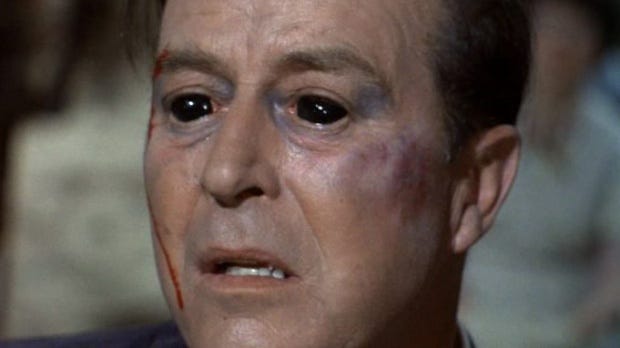
Writer X after realizing he doesn’t have to write yet another spec screenplay.
As Writer X, you have been working on your craft for some years now. You are good at this. Maybe you’ve placed highly in a contest, gotten a legitimate literary manager, and taken a round of general meetings based on a spec screenplay.
You write your newest script. You write your ass off on this thing. You work on it for a year straight. You pass it around writer friends and the reaction is glowing.
Writer X - you - gets your manager hyped on the script. Your manager sends it to 10 top-level production companies.
Here’s what is going to happen 99% of the time.
You will get back a series of responses that read something like this:
We really considered this, but just too similar to a few other scripts on our slate. Writer X is such a great writer. This is really great. It’s so great that we don’t want it. Would love to work with Writer X in the future.
Okay, maybe they didn’t say the part in bold.
But if the script is good, why won’t they take it?
Because the system is incentivized AGAINST taking anything.
And Writer X might spend literal years going through this cycle of generating a new spec screenplay or teleplay, getting super-flattering passes, taking general meetings with executives, and so on.
Why is this the case? Well, Executive A works at a big-shot company B.

As Writer X you are just one of these little creepy model people in the lobby of big-shot company B (or nowadays just seeing the inside of their office on Zoom).
The company will get scripts from MORE FAMOUS WRITERS who have BETTER CREDITS THAN Writer X. Some of those scripts might come with FANCY DIRECTORS or PRETTY/HANDSOME FAMOUS ACTORS attached.
Even if they think your script rocks, they are very unlikely to go for it. Because your script is getting compared to those (could be better, could be worse, it doesn’t matter) scripts with fancier attachments from fancier people.
Why would this be different for another form of writing, such as a short story, graphic novel, news article, etc.?
Here’s why (with real-world examples):
Comments
Nothing yet. Say the first thing.
Sign in to join the conversation.