
Many years ago, I used to teach a parenting class for the State of CT family court division for divorcing parents. It was a mandated class they had to take before they could finalize their divorce. There was a 6-hour Saturday option or a 3-hour weekday evening option over two weeks. The required fee was around $150--each. Of course, if the parent was the custodial parent, there would be childcare involved, so an extra cost for taking the course. You can imagine how thrilled the parents were at having to do this. Or how cooperative or enthusiastic they were to have me—some random woman they didn’t know—teach them how to parent. Fun times.
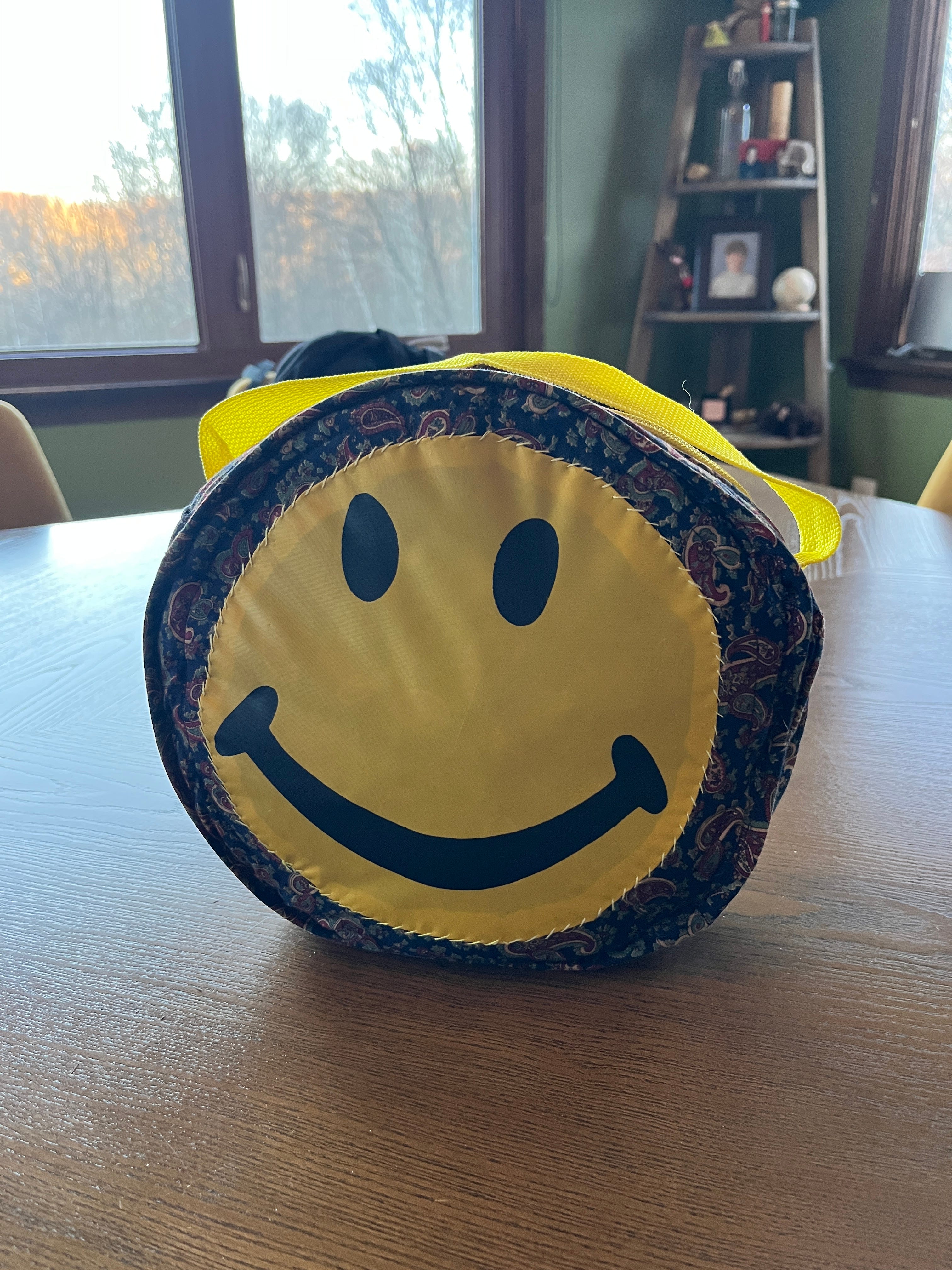
Knowing this, I tried to lighten things up at the outset by providing chocolates in a smiley-face bag and acknowledging that they probably didn’t want to be there. But I also really wanted to give them something useful. I wasn’t going to teach anyone how to parent, thank you very much. But I tried to give them at least one strategy to identify the flood of feelings they were experiencing since getting divorced is hard in almost 100% of situations, no matter if they are the mythical “amicable” divorce or heavily contested ones. The contributing factors—finances, anger, guilt, shame, exhaustion--become unrecognizable and it ends up just being overwhelming.
My goal was to have the parents lay out their emotions as if they were cards on a card table. “Here’s anger, here’s money stress, I’ll put loneliness over here and I’ll put guilt right next to it…” The point was to cherry pick the feelings so that they didn’t all knock them down at once, since some of the feelings can be manageable. Separate the feelings and address them individually and they might feel like they have some control over a few things—even if it’s just, “oh, I’m not sad—I’m just hungry. I’ll have a snack.” (That actually happened to me once.) Naming feelings and emotions gives you power over them and helps to keep them from piling up on you at once.
All this is to say that I try and do the same thing with grief. I was reminded of this strategy when I nearly scrolled past an Instagram post recently. I almost skipped it because it was text rather than a picture of cute kittens or a yummy loaf of bread, but this statement caught my eye: “Name what you feel. When you label an emotion the brain’s language [centres] activate the prefrontal cortex — which directly reduces amygdala activity. The emotional intensity drops not because it was suppressed but because language processed it.” It reminded me of those parenting classes and how I think I apply it to what I am living now.
The thing that comes up for me all the time is how we don’t talk about the spectrum of grief, how our society has a lot of conditions about the topic and how there are all sorts of parameters keeping us in a very narrow box as we live our grief. Because I facilitate a writing group specifically for grievers, there is a lot of naming of emotions going on, but it’s just not enough. Grief is not just this one emotion that is experienced when we endure a loss. It’s complicated and not in the DSM way—it’s not a disorder. At least I don’t think so. The grief I experience—having lost my daughter to a ravaging disease that took her life both rapidly and slowly over three years as we all basically had to stand by and watch—is very different from the grief a wife has for a long-time partner of 50 years. It’s going to show up differently and have different triggers. How can there possibly be a single diagnosis for what is clearly a deeply personal and individual process?
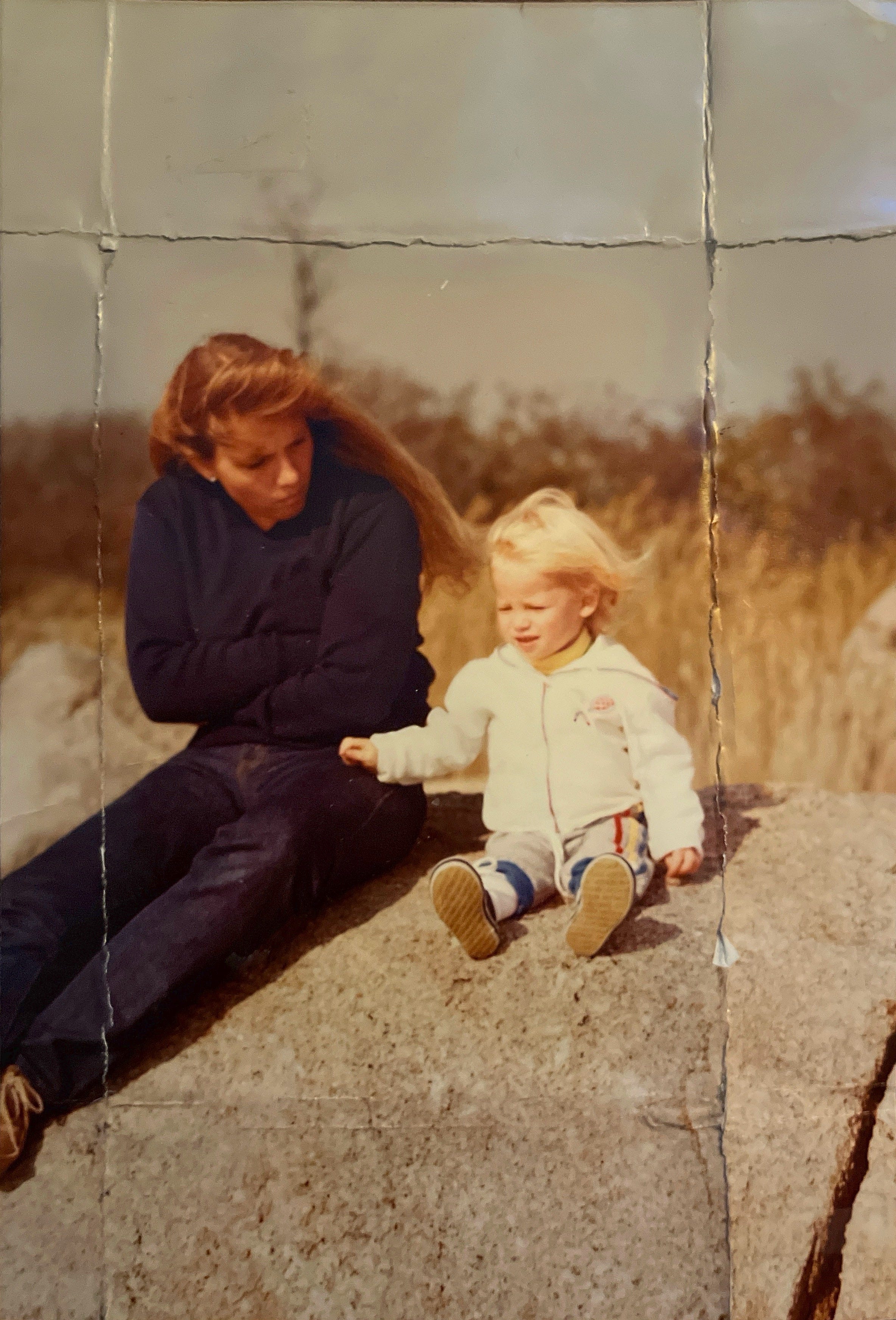
The grief I experience has many parts to it; anger, hopelessness, numbness, poignancy, weeping, determination, carelessness, frustration, sorrow and despair. Managing my grief isn’t always successful and sometimes I succumb to it by crawling under my blanket (the one Annie gave me) and being done for the day. Some days I spend hours working on her book or her nonprofit and other days I spend those same hours looking at pictures of us and rereading our texts. But it helps to (try to) remember that each of those feelings is a legitimate result from the absence in my life of a beloved daughter and human. And if I can know and embrace all the feelings, then I think that just makes me human, too. However I am able to manage it.
Even if I just need a snack.
Comments
Nothing yet. Say the first thing.
Sign in to join the conversation.