
So lately we’ve been binge-watching the Pitt, an HBO Plus series set in the emergency department of the fictional Pittsburgh Trauma Medical Center. Each episode captures an hour in the ED under the direction of Senior Emergency Attending Physician Michael “Robby” Robinavitch (Noah Wylie.)
When it comes to popular culture, we always come late to the table, so Season 2 was practically complete when we began watching Season 1. On the up side: no waiting!
Having worked in health care for decades, I love that the show centers the contributions of all the members of the team—from Housekeeping, Social Work, and Security to the charge nurse to the unit secretary. They all have their own pivotal roles, relationships and stories.
People are not at their best in the ED. It’s the DMV of health care—nobody wants to be there, but sometimes you have to go. A big city ER jams together a cross section of people during the worst moments of their lives. And then keeps them there for hours.
When I was little, my mom always said that I might make a good nurse, because I cared about people. (Keep in mind that back then, the likely choices for girls were secretary, teacher, or nurse.) She warned me against the ER, though, because I was too “sensitive.”
And that’s the dilemma, isn’t it? Sensitive people make the best caregivers--if they can find a way to survive.
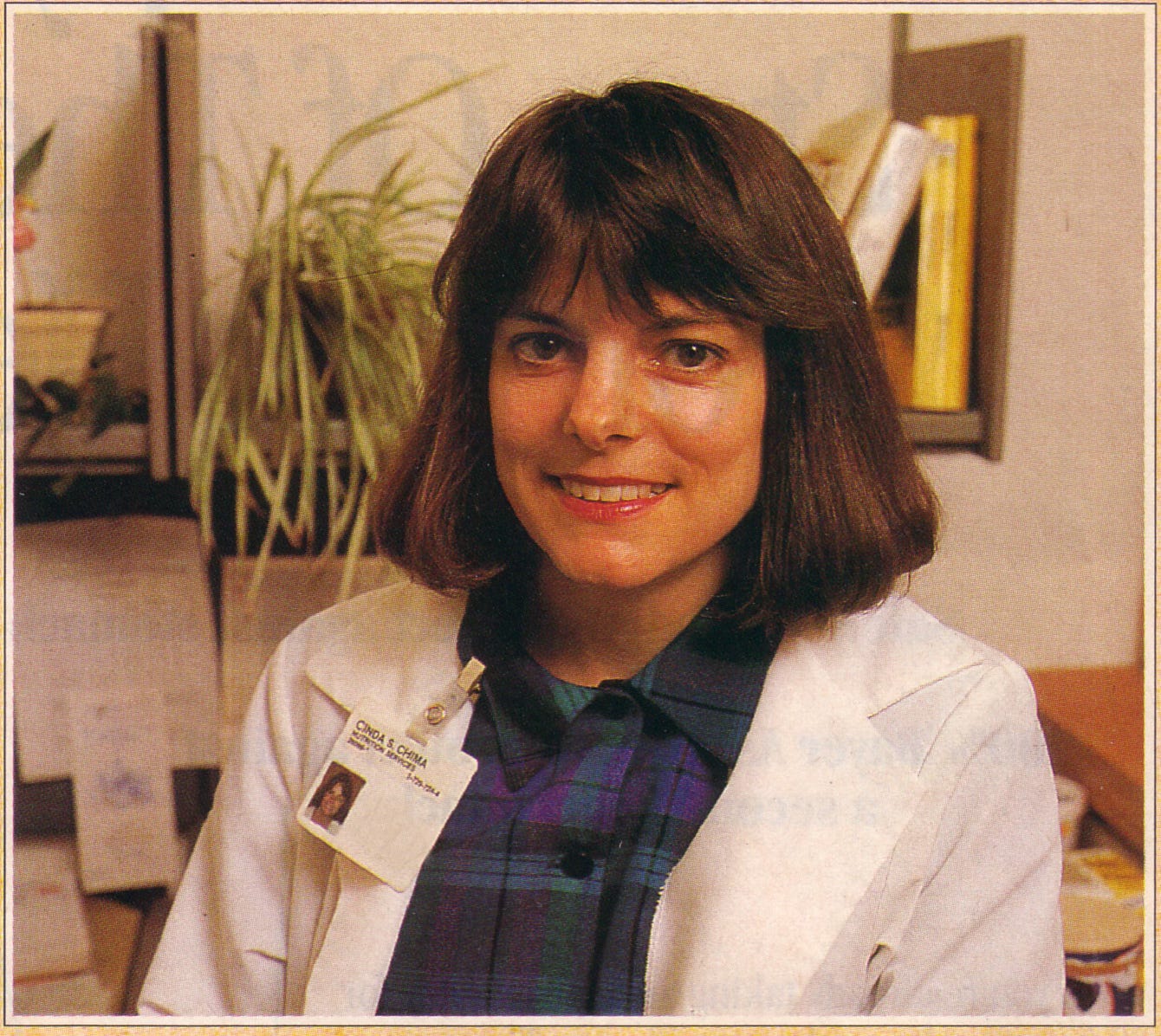
I spent most of my career as a dietitian and clinical manager at MetroHealth--the county hospital in Cleveland. It was a safety net hospital in every sense of the word—a level 1 trauma center, the regional burn unit, a NICU, comprehensive care for kids who were “frequent flyers.” It was home to the sickest med-surg patients you ever saw and was the largest Medicaid-funded provider of skilled nursing care in the state. It was like Robert Frost’s definition of ‘home’ in “The Death of the Hired Man”: “Home is the place where, when you have to go there, they have to take you in.”
I came back to MetroHealth after working several years at the Cleveland Clinic, a very different kind of provider. I knew I was back at Metro when I walked onto the wards and opened a chart labelled: “Unknown White Male with GSW to torso.”
I used to joke that I needed a Medical Alert wristband that said: Heart attack? Transport to Cleveland Clinic. Hit by a bus? Transport to MetroHealth.
When my high school age son broke his leg in a soccer game, EMS took him to the nearest community hospital, where the doctors planned to take him to surgery to realign the bone.
I asked if he could be moved to MetroHealth. They agreed, and soon we were hurtling across town in an ambulance.
It’s been suggested that the relentless pace of the ED in the Pitt is exaggerated. A summer weekend night in the MetroHealth ED might come close. It was early yet, when we arrived, but the chairs were packed, the hallways lined with people on gurneys, sitting in wheelchairs, bleeding. Police officers and security guards mingled with EMS personnel.
As an ambulance transfer, my son was put in a room right away. The imaging looked terrifying, but the orthopedic resident on call thought he could manage a “closed reduction—realigning the bone through manipulation. And he did, saving my son a trip to the OR. The doctors slapped hands, and we took our son home that night with a thigh to ankle cast.
It does matter where you go. Many of the people I worked with were the best in their field. They could have worked anywhere, but they had a calling.
It was the stories that got to me. When I covered the Burn Unit, I assessed a little boy who reminded me of my toddler at home. His mother had dipped his feet into boiling water. I could spend time teaching a patient how to manage his diabetes—but that teaching ranked low on the hierarchy of needs for an unsheltered person. Dietitians in pediatrics collaborated with social workers, becoming experts in payment systems in order to qualify babies for the expensive feeding formulas they needed. Medicare and Medicaid rules made it critical that patients be discharged quickly—but many of them had no place to go.
Consultants came in to figure out why our length of stay was longer, no-show rates higher, patient satisfaction scores lower than desired. It was largely because our patients brought their complicated lives through the door.
At the end of season one, the staff at the Pitt are confronted with a mass shooting at a music festival in town. We watch from the sidelines as the emergency plan kicks into gear—logistics, staffing, communications, and supplies. Systems for sorting patients by acuity to timely deliver care to those who needed it most.
I was working at MetroHealth on 9/11. People gathered around TV’s in patient rooms in stunned silence, watching for updates. After the towers fell, we received word that a hijacked plane had gone down in Shanksville, Pa. We were on call to receive casualties as one of the closest Level 1 trauma centers serving peds and adults.
The ED was closed to new patients. All day shift employees were required to stay on, and the second shift called to come early. Parents called in their markers, trying to make child care arrangements. Departments dusted off their Emergency Management plans, hoping that they were up to date.
And we waited. Eventually word came—nobody was coming. United flight 93 had gone down with 44 passengers and crew on board. There were no survivors.
Author’s note: I left MetroHealth in 2004 to accept a faculty position at the University of Akron. This essay reflects my experiences more than twenty years ago.
No posts
Comments
Nothing yet. Say the first thing.
Sign in to join the conversation.