
Note: Mark Ward is a retired Senior Foreign Service Officer who led U.S. humanitarian efforts around the world for many years. He was nicknamed “Mr. Disaster” by President George W. Bush after the 2004 tsunami. He continues to work on civil society programs in Afghanistan. His stories were featured on SoftPower/FulStories’ first two-part episode. Listen here: Part One / Part Two.
It’s been five years since the chaotic departure of the last American troops from Afghanistan and the swift takeover by the Taliban we’d been fighting for twenty years. The country has not imploded from international isolation, but daily life there is tough, especially for women and girls. International and domestic NGOs can help make life more bearable, and do. The question on this five-year anniversary is whether they should.
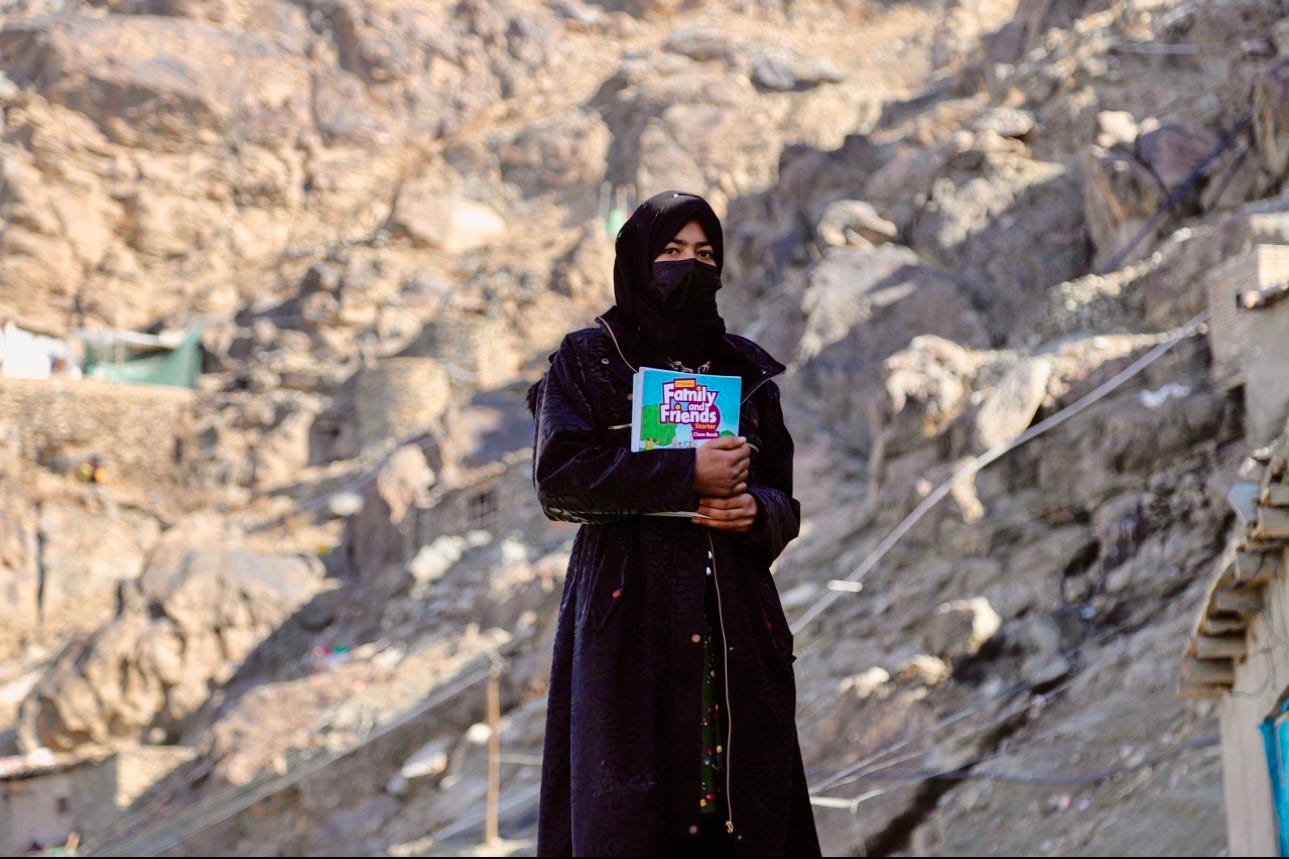
The new Taliban Government didn’t waste much time imposing strict restrictions on the population reminiscent of their rule in the 1990s, before 9/11. Most notable and hardest to understand was the ban on girls attending school after grade 6. Women were also banned from working for NGOs or the government. On the positive side, the end of the war brought greater safety and security for the Afghan people. I remember when I visited two years ago, a Taliban Commander checked under our car for “sticky bombs” because he used to plant them and knew exactly where to look!
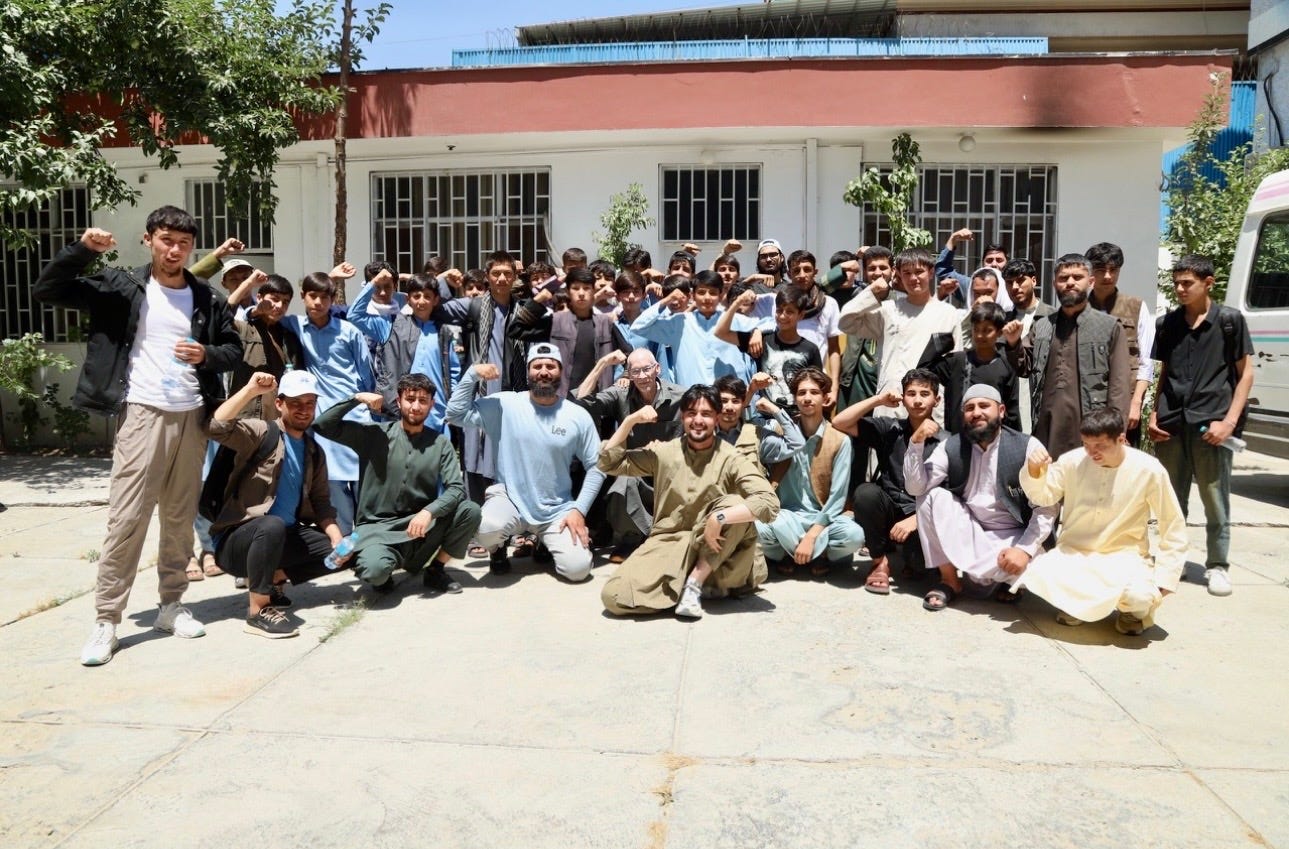
I was living and working in Kabul, Afghanistan’s capital, running a large humanitarian organization until just before the Taliban took over in August 2021. I’d lived and visited there many times, going back to the 90s, as a senior USAID officer. I’ve been back every summer since. Now I’m on the board of a small international NGO that’s been working in Afghanistan for 30 years, trying to teach Afghan teens and young adults about leadership and coping with stress in a country with few opportunities for them. I’ve seen first-hand the changes, good and bad, since the Taliban retook control of the country.
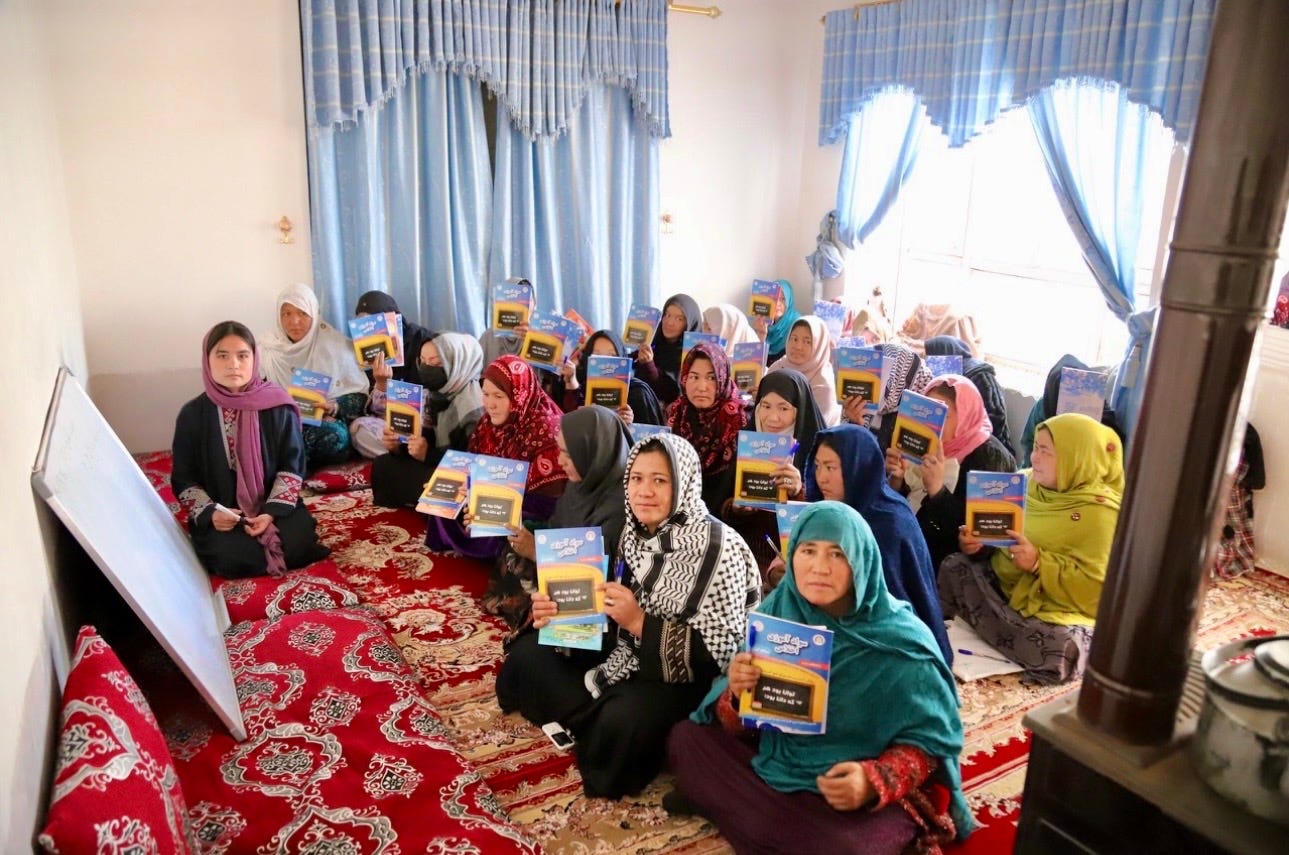
Our work is at once hugely challenging and rewarding. Challenging because of the Taliban’s restrictions on girls’ education and employment. The simple logistics of gathering teen girls for a class or an event are daunting and risky now. The work is also very rewarding because we’ve seen young Afghans we've supported over the years find creative ways to save the projects they value most. Like moving education and income-generating work for women and girls inside homes, where the Taliban are far less likely to interfere.
But are we enabling the repressive Taliban regime at the same time?
The Taliban were our enemy for twenty years. Now they’re treating their own people badly, even if they’ve made the country much safer. Should we stop our work there - and let the Taliban fail even more than it already has - and theoretically hasten the day that they fail and fall? Should we stop working there because the Taliban is making money on the NGOs when we buy visas and pay taxes?
What’s the right thing to do at this five-year milestone now that we see how the Taliban rule?
For me, the answer is clear. I see first-hand the life-changing difference we are making in the lives of Afghanistan’s next generation. I spend time with girls who are keeping their education alive in home schools, with Afghan girl scouts who support their communities and each other, with mothers and widows who are learning how to earn a living at home, with community leaders who are not afraid to talk about the causes and remedies for gender-based violence, with teenage boys who are proud to help their sisters keep up with their schoolwork, and with returnees from Pakistan, Iran and Europe who are struggling with self-esteem and finding jobs.
I see it in their eyes. I hear it when they joke and laugh, Afghans’ favorite pastime. These are Afghans who never left or came back - and they’re not giving up. Against all odds - odds most Americans couldn’t imagine - they remain hopeful for a better future with a little bit of help (from us).
Helping them is not easy. The Taliban is mistrustful and hard on the NGOs—mine is no different. If we don’t give in to their latest demands, like paying additional fees or hiring their relatives, we could be forced out of the country. We say no.
Some disagree. They think the best way to free Afghanistan from repression is to stay away and let the suffering grow until the people demand change. This is the view espoused by many who helped rule Afghanistan and fled before the Taliban returned.
If this view is motivated by a genuine desire to make Afghanistan a better place in the future—and not an all-too-familiar pretext for a return to a corrupt country that gets rich off foreign aid and foreign militaries—I respect it but disagree. Rather than indulging in wishful thinking from afar, I will keep helping brave young Afghans stay connected to the world and to each other so they can someday make their country a better place.
I will pay tribute to them and their remarkable determination on the fifth anniversary of the Taliban takeover later this month and commit my NGO to standing with them for as long as we are able. It’s important for them to see that the American people haven’t forgotten them, even if our government has.
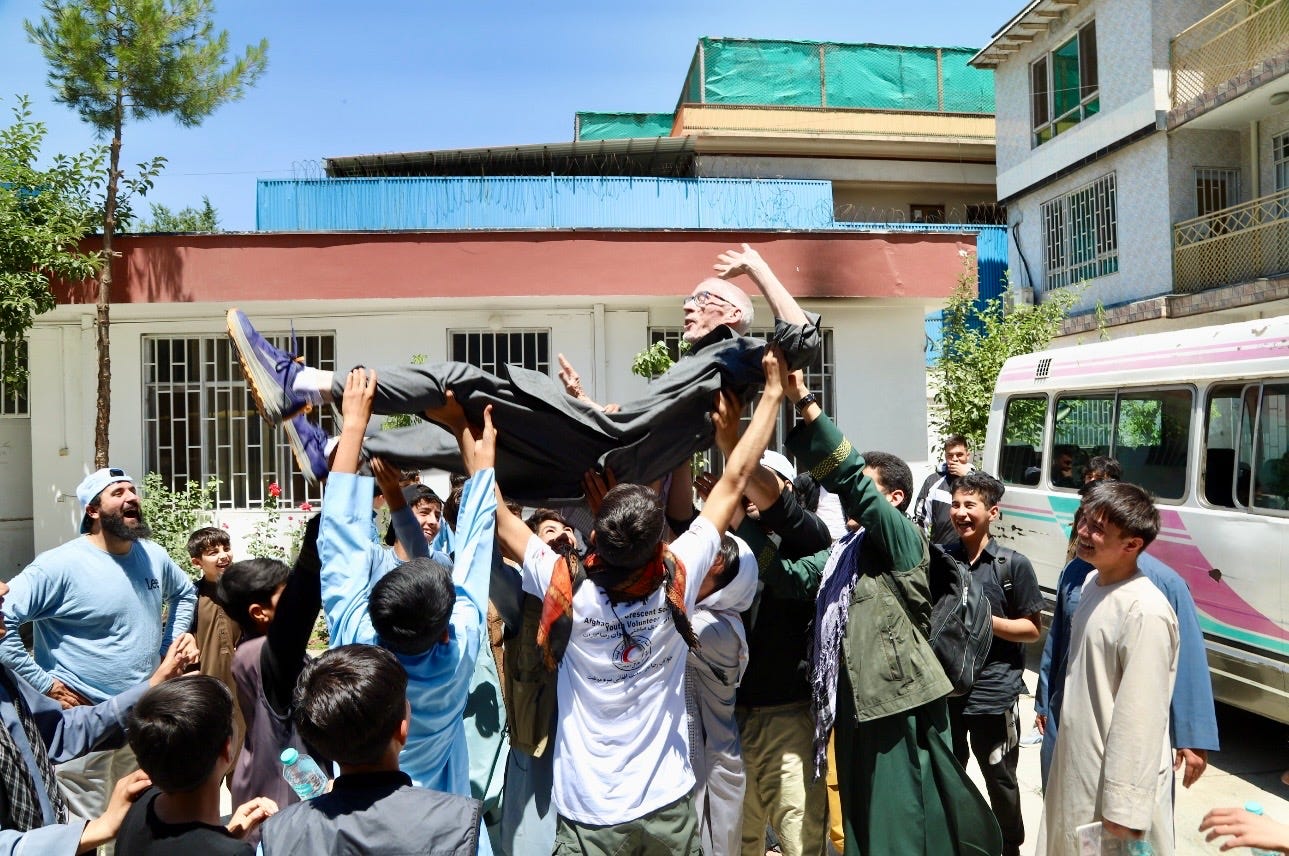
You can find out more about PARSA, the organization Mark refers to, HERE.
Thanks for reading! This post is public so feel free to share it.
No posts
Comments
Nothing yet. Say the first thing.
Sign in to join the conversation.