
Guest writer Joe Lurie is the featured storyteller in this week’s episode of ‘SoftPower/FulStories.’ He is the Executive Director Emeritus of UC Berkeley’s prestigious International House, a dynamic multinational residential program center serving the campus, local community, and 1,000 residents from more than 75 countries. He is a former Peace Corps volunteer in Kenya and served as Vice President for American Field Service Intercultural Programs in the United States. He chose the excerpt from his book ‘Perception and Deception: A Mind-Opening Journey Across Cultures’ for its “critical importance of intercultural understanding at this time.”
[Editor’s note: At a time when so many immigrants and refugees in the United States are being attacked—through the incendiary rhetoric of the current Administration or literally by the extra-judicial actions of ICE—it’s worth revisiting Joe Lurie’s lifetime quest to learn about and help others navigate cultural differences.]
Listen to Joe Lurie’s SP/FS episode HERE.
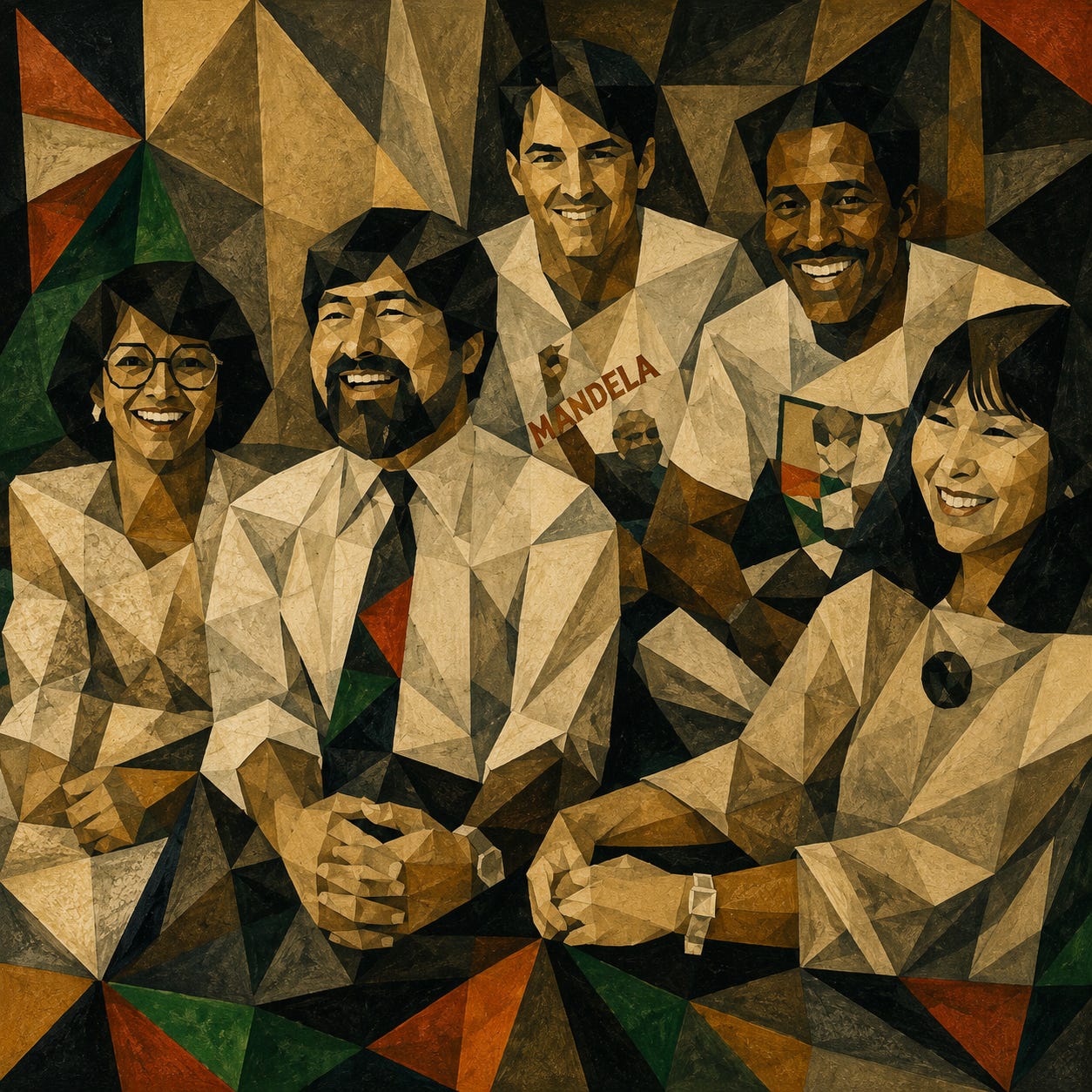
With refugees crossing cultures lacking preparation, the dangers of intercultural miscommunication are intensifying. Why do many refugees traumatized by violence find Western “talk therapy” alienating? As a Syrian refugee confided, “I can’t share my painful, humiliating stories with a stranger.” A Sudanese refugee was diagnosed as “psychotic” because she seemed to be talking to herself; her Boston psychiatrist was unaware that in her world, conversing with ancestors is normal.
With YouTube, tweets, and [dubious] news instantly crossing cultures without context, it’s essential to understand the actual meanings and intentions behind words and actions that seem abnormal or provocative.
In our hyper-connected world, colliding cultures increasingly are causing misperceptions and misunderstandings. Some French see a Muslim woman in a burkini—a full-body swimsuit—as oppressed or a potential terrorist. Yet the woman considers her burkini liberating, because she can swim modestly.
Recently, a UC Berkeley student with a Spanish last name was snidely asked when she’d return to Mexico. Her angered response: “I’m from Kansas and don’t speak Spanish.”
Just as stereotypes fuel misunderstandings, different perceptions of “turbans’ often result in intolerance and sometimes violence. Sikh men, who aren’t Muslim or Hindu, often wear turbans yet sometimes trigger thoughts of Bin Laden. Some American Sikhs have been killed because of this misperception. When an American Sikh UPS driver delivered packages, some customers called the police. He printed T-shirts with: “I’m a Sikh. Google it!”

In international business negotiations, is direct eye contact a sign of respect and engagement or disrespect, even aggression? Many Africans and Asians politely avert their eyes when speaking with elders or authority figures.
Why do Chinese and Japanese use many ways to avoid saying “no?” And when does “yes” really mean yes? That Thai client’s smile: friendly, embarrassed, or angry? And what are the possible interpretations of “soon” and “late” in Latin America? Those loud Israeli, Italian and Greek business colleagues: arguing and interrupting? Or simply talking?
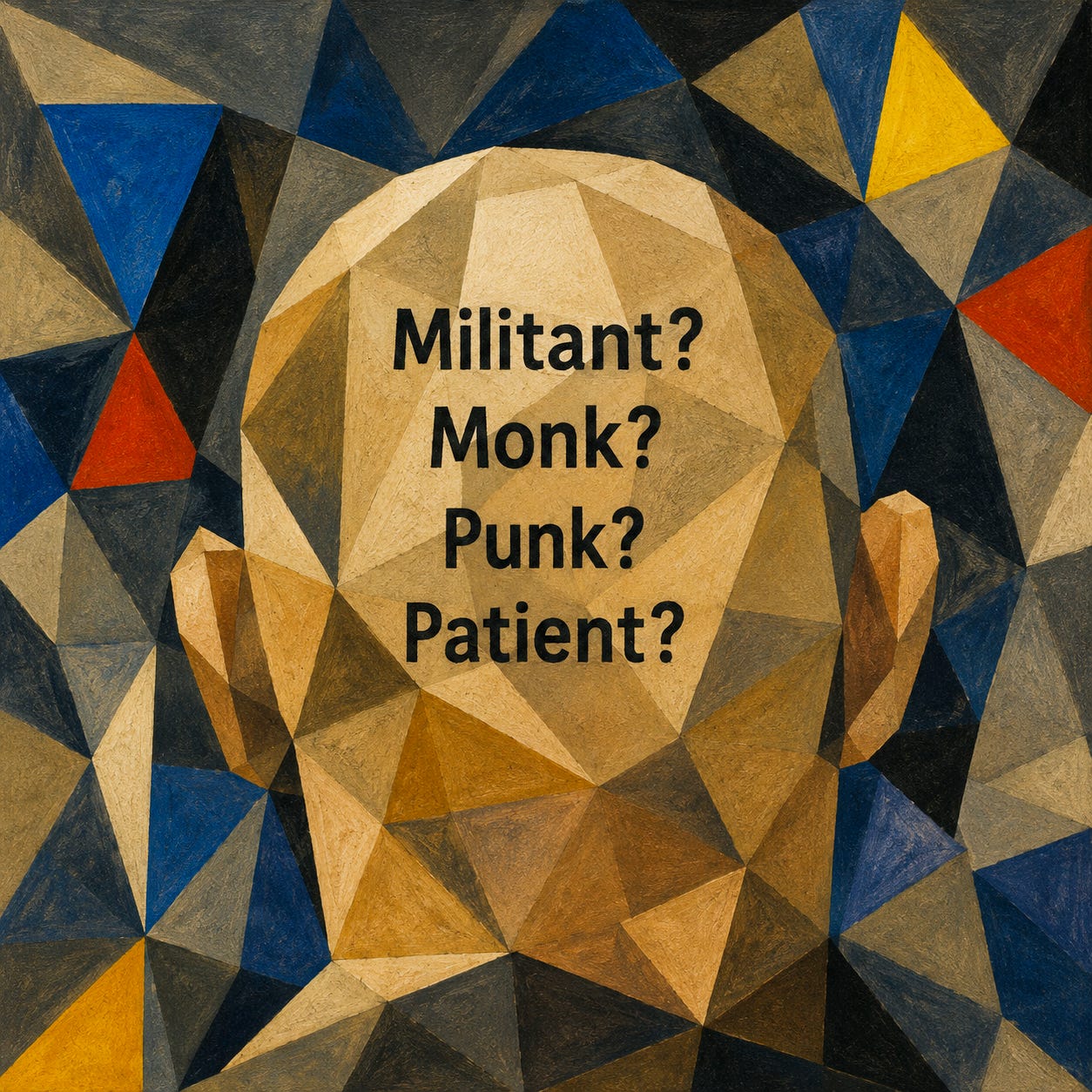
And what do your experiences tell you when you’re in line behind a bald man: A militant? A monk? A punk? A neo-Nazi?... Or a cancer patient?
In line, online and off-line, in this hyper-connected world we’re meeting many more “strangers.” There’s new wisdom in the Lebanese proverb: “Every stranger is a blind man.” And so, as the spirit of “E Pluribus Unum” is now under threat, we face an urgency to teach students and professionals far more about other cultures and give them the intercultural skills to navigate globalization’s turbulent waters.
In order to cope with globalization and its disconnects, there is a compelling need for developing intercultural competence in schools and in virtually every profession that involves working across cultures. Aside from offering culture-specific information, intercultural competence courses and training sessions enable individuals to become aware of their own values and biases, which drive specific behaviors and shape perceptions and misperceptions of those who are culturally different. At the same time, individuals are trained to view their own values and behaviors through the eyes of those from varying cultural backgrounds.
In the process, we can learn to identify and understand varying communication styles, approaches to politesse and power, time and touch, gesture and gender, religion and righteousness, right and wrong, etc., etc. etc. In essence, intercultural competence encourages us to pause, suspend judgment, and ask, “What else could that startling behavior mean?” With globalization’s bewildering flood of new contacts and information, I often reflect that the closer we get to each other, the further apart we often become. But indispensable bridges across these troubled waters can be built with cross-cultural skills that help to transcend the fear of difference, while fostering communication and understanding cultural divides.
The two words ‘information’ and ‘communication’ are often used interchangeably, but they signify quite different things. Information is giving out; communication is getting through. - Sydney J. Harris
LISTEN: "Take the Skinheads Bowling" - Camper Van Beethoven
Thanks for reading! This post is public so feel free to share it.
No posts
Comments
Nothing yet. Say the first thing.
Sign in to join the conversation.