
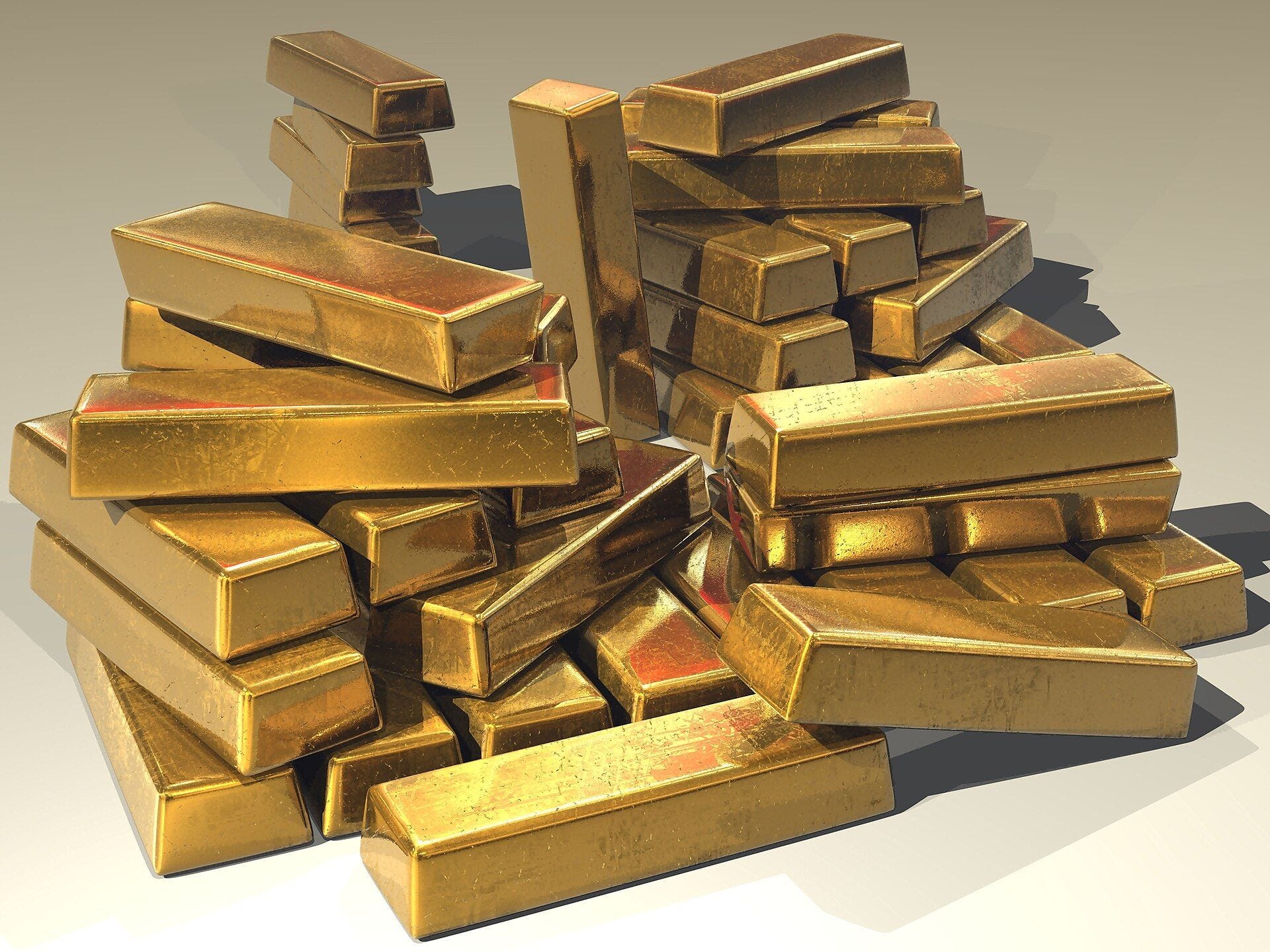
A polished cuff sits on a display stand. Its surface captures and reflects the ambient light, a solid band of yellow metal. One can lift it; it carries a substantial weight. This particular piece, forged from 18-karat gold, weighs 150 grams. A prospective buyer might inquire about its retail price. The figure quoted often approaches 15,000 dollars.
Then one considers the material itself. The gold content in that cuff, unworked and unshaped, commands a market price of roughly 14,700 dollars. The difference, a mere 300 dollars, represents the sum assigned to its design, its manufacture, and the brand that offers it for sale. This numerical proximity forces a re-evaluation of how value accrues to objects, particularly those designated as luxury.
Traditional luxury commodities often operate on a different calculus. Their retail price commonly inflates their raw material cost by many multiples. A designer handbag, a high-end watch, or a bespoke garment sees its value driven by authorship, rare skills, and meticulously constructed narratives. These objects accumulate a significant surplus of meaning and prestige beyond their component parts. With gold, this dynamic collapses.
## The Absence of Added Value
Gold, in this context, performs as a **Material Singularity**. Its worth derives almost entirely from its elemental properties: its density, its color, its resistance to corrosion. The market prices these attributes directly. There is no complex semiotic superstructure to unpack, no elaborate story of innovation or artisanal mastery to justify a price difference. The metal simply *is* its value.
This makes the gold cuff a peculiar form of **Hollowed Object**. We define a hollowed object as a functional artifact purchased primarily for its authorship, brand, or symbolic weight, rather than for its inherent utility or the raw cost of its components. Here, the 'hollowing' is not due to a disproportionate value placed on authorship over material. Instead, the object appears hollowed by the *absence* of any substantial value beyond the material itself. The space where brand equity or design innovation might typically reside stands almost empty. The buyer pays for the gold, and little else.
The usual levers of luxury pricing, such as design complexity or brand exclusivity, appear to exert minimal influence. A jeweler shapes the gold, polishes it, and presents it. The labor involved is precise, but it does not command a premium comparable to the labor that crafts a grand complication watch movement or hand-stitches a couture gown. The skill is applied to a material whose value dwarfs the human effort.
## Zero-Sum Aura
Brands attempt to imbue gold jewelry with an **Aura**. They market pieces with campaigns that suggest elegance, heritage, or status. However, the market’s response to gold jewelry frequently neutralizes these efforts. The intrinsic, commodity value of gold often overshadows any brand-generated mystique. This dynamic manifests as a **Zero-Sum Aura**: any perceived value added by brand or design is offset by the market's assessment of gold as a fungible asset. The name on the clasp matters less than the karat weight stamped inside.
The gold cuff illustrates this principle clearly. When the retail price so closely aligns with the market price of the raw metal, the brand effectively struggles to add significant, transferable non-material value. Buyers purchase gold for its enduring material value, for its historical role as a store of wealth, or for its physical properties. They do not primarily buy it for the brand's interpretation of these qualities.
This challenges the conventional understanding of luxury, which typically trades on scarcity, exclusivity, and a meticulously constructed narrative. Gold is rare, but its value is globally standardized and transparent. Its narrative is ancient, but largely outside the control of any single brand. The gold test thus reveals an object that resists the usual mechanisms of value inflation. It stands as a testament to the stubborn persistence of material worth over fabricated meaning. The object does not invite interpretation; it declares its own elemental cost. It makes plain what other objects obscure.
Further research into this specific economic anomaly and its implications for luxury valuation is detailed in the full OAC study.
⌂
Comments
Nothing yet. Say the first thing.
Sign in to join the conversation.