
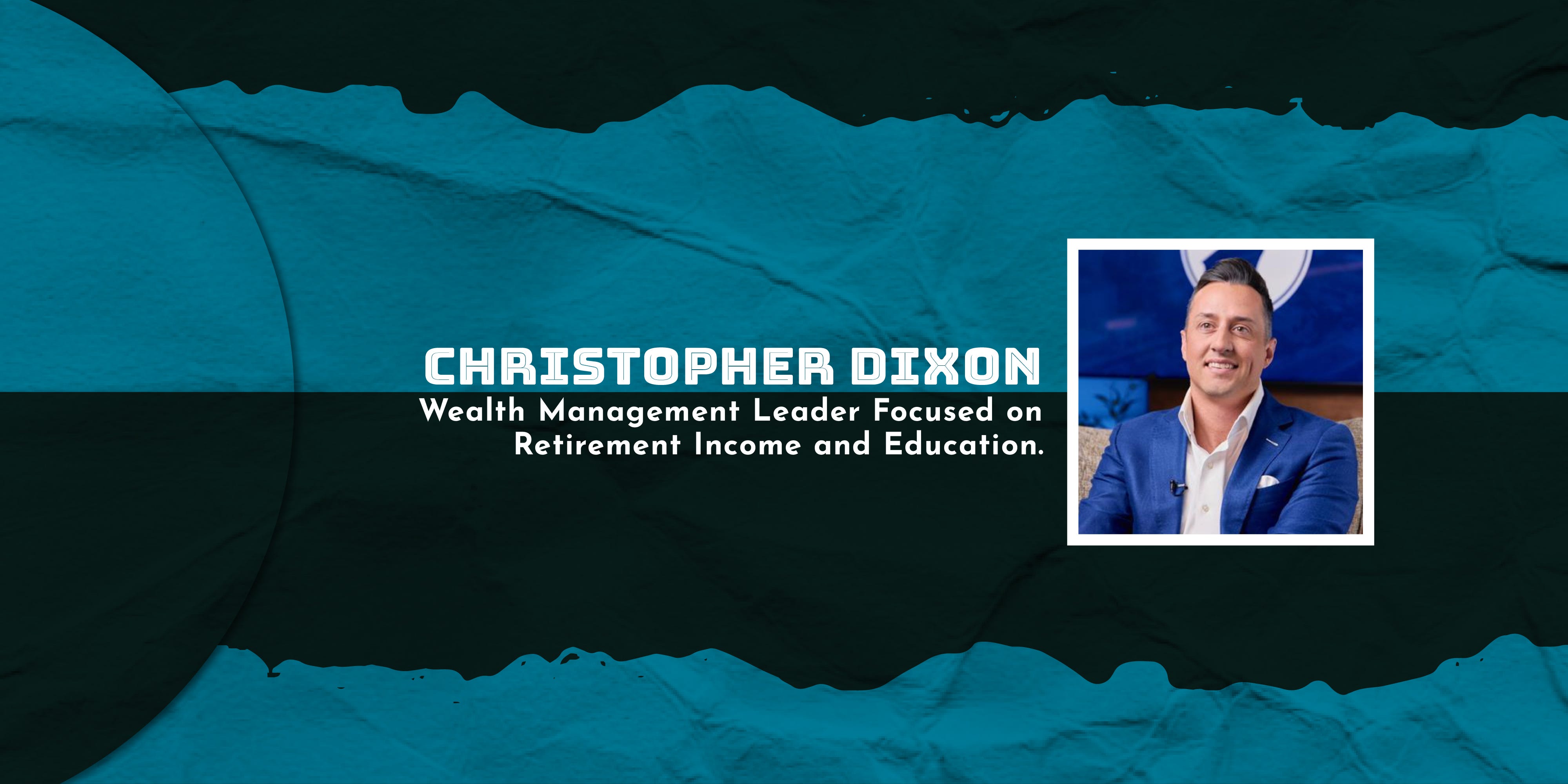
A strong retirement plan should provide direction without becoming too rigid. Although long-term goals matter, retirement can last for decades, and financial conditions may change along the way. Therefore, the most effective strategies balance growth, income, safety, taxes, and flexibility. Instead of relying on one account or one source of income, retirees benefit from a coordinated approach that can adjust as their needs evolve.
Christopher Dixon noted that the process begins with a realistic understanding of future expenses. Housing, food, transportation, insurance, travel, and leisure activities all shape the amount of income a retiree may need. However, expenses rarely remain the same every year. Some costs may decline, while healthcare or home maintenance costs may rise. Consequently, a useful retirement budget should include room for both regular spending and unexpected financial demands.
Investment planning also requires careful balance. Retirees often want to protect their savings from market losses, yet avoiding growth completely can create another risk. Inflation may reduce purchasing power over time, especially during a long retirement. Therefore, many retirement strategies combine growth-oriented investments with more stable assets that can support short-term spending during periods of market uncertainty.
Income planning adds another important layer. Social Security, pensions, retirement accounts, savings, and taxable investments may all provide money at different times. Coordinating these sources can help create more consistent cash flow and may also improve tax efficiency. For example, retirees can decide which accounts to access first based on spending needs, tax conditions, and investment performance.
At the same time, healthcare planning should remain part of the financial strategy. Insurance premiums, prescriptions, dental care, and long-term care can place significant pressure on savings. Because these expenses can be difficult to predict, retirees should maintain accessible reserves rather than investing every available dollar for long-term growth. This balance can help protect the broader plan when unexpected medical costs arise.
Flexibility becomes especially valuable when life changes. A retiree may decide to move, work part-time, support a family member, or reduce travel. In addition, tax rules, interest rates, and market conditions may shift. Therefore, reviewing the plan regularly allows retirees to make thoughtful adjustments instead of reacting quickly during stressful situations.
Ultimately, a balanced retirement strategy should support both financial security and personal freedom. It should provide enough structure to guide important decisions while leaving room for changing priorities. By coordinating spending, income, investments, taxes, and healthcare needs, individuals can create a plan that remains useful throughout retirement and helps them move forward with greater confidence.
No posts
Comments
Nothing yet. Say the first thing.
Sign in to join the conversation.