
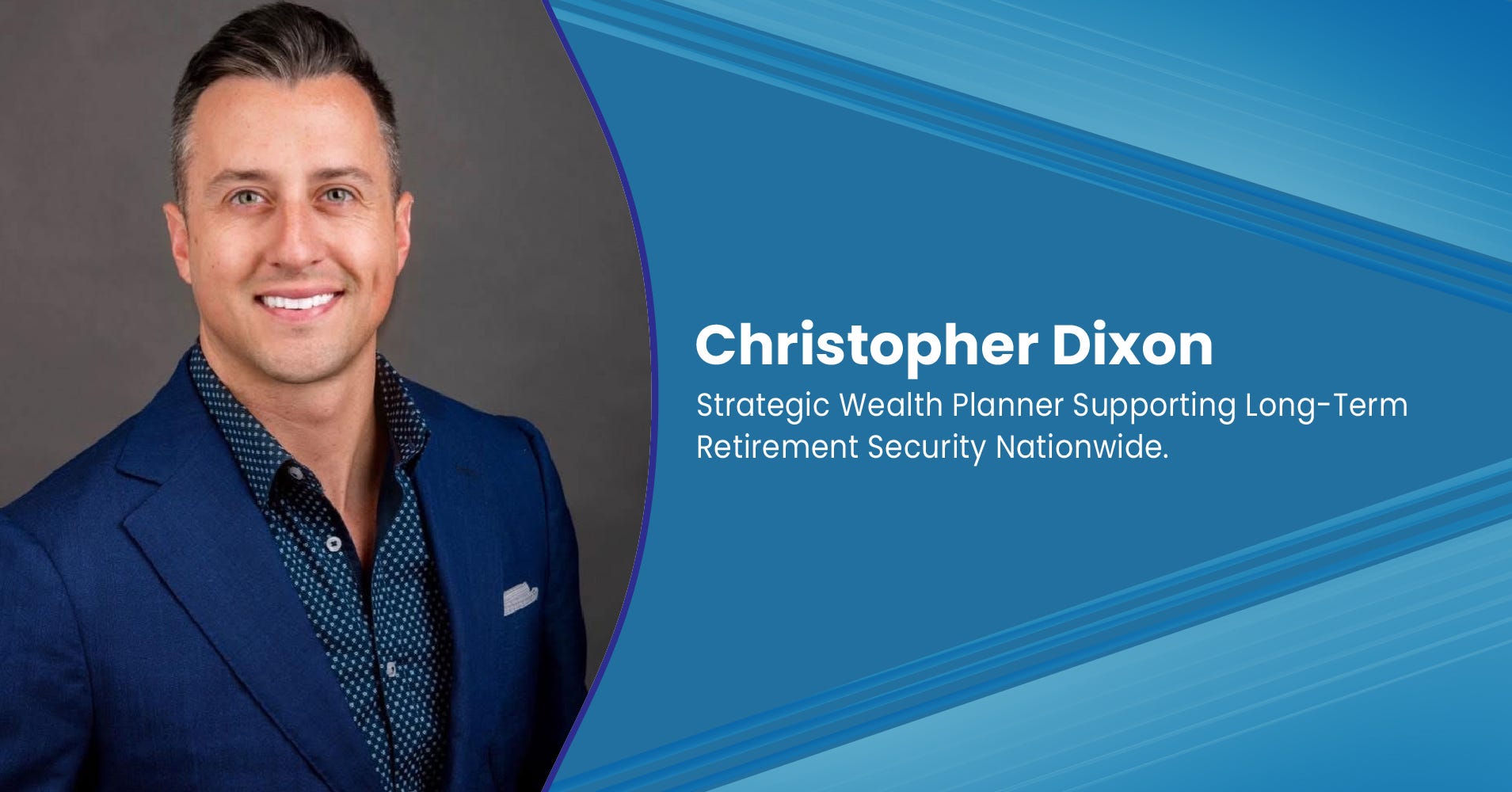
Retirement can be more enjoyable when income is managed with taxes in mind. Many retirees focus on how much they have saved, but the way money is withdrawn can be just as important. In many cases, Christopher Dixon highlights how different income sources can work together to improve financial outcomes. Understanding these choices can help retirees build a stronger retirement withdrawal roadmap and keep more money available for everyday needs.
A common retirement mistake is treating every account the same. Traditional retirement accounts, Roth accounts, and taxable investment accounts each have unique tax rules. When retirees understand those differences, they can make smarter decisions about where to take income from each year.
For example, a retiree may need extra money for a family vacation or a major purchase. Taking the full amount from a traditional retirement account could increase taxable income significantly. Instead, using a mix of account types may help reduce the overall tax impact while still providing the needed funds.
Tax-smart retirement income also involves paying attention to yearly income levels. Large withdrawals can sometimes move retirees into higher tax brackets. By spreading distributions across multiple years, some retirees are able to manage taxes more effectively and avoid unnecessary costs.
Investment income is another factor. Interest, dividends, and capital gains can all affect a retiree’s tax situation. These sources may seem small on their own, but together they can influence overall tax liability. Careful planning allows retirees to understand how investment earnings fit into their broader income strategy.
Another practical consideration is required minimum distributions. Once retirees reach the required age, certain retirement accounts require annual withdrawals. These distributions can increase taxable income whether the money is needed or not. Preparing for this stage ahead of time often creates more flexibility and fewer surprises.
Healthcare expenses also deserve attention. Taxable income may affect certain healthcare-related costs, including Medicare premiums for some retirees. This makes it important to evaluate retirement income decisions from multiple angles rather than focusing only on taxes.
One reason tax-smart retirement income works well in practice is that it encourages regular review. Retirement is not a fixed period. Spending needs, financial goals, and tax laws can all change. A strategy that fits today may need adjustments a few years from now. Staying flexible helps retirees maintain control and respond to new opportunities.
Successful retirement income planning is rarely about finding a single perfect solution. Instead, it comes from understanding how different income sources interact and making thoughtful decisions over time. A carefully designed lifetime income efficiency plan can help retirees reduce tax burdens, improve cash flow, and enjoy greater confidence throughout retirement.
No posts
Comments
Nothing yet. Say the first thing.
Sign in to join the conversation.