
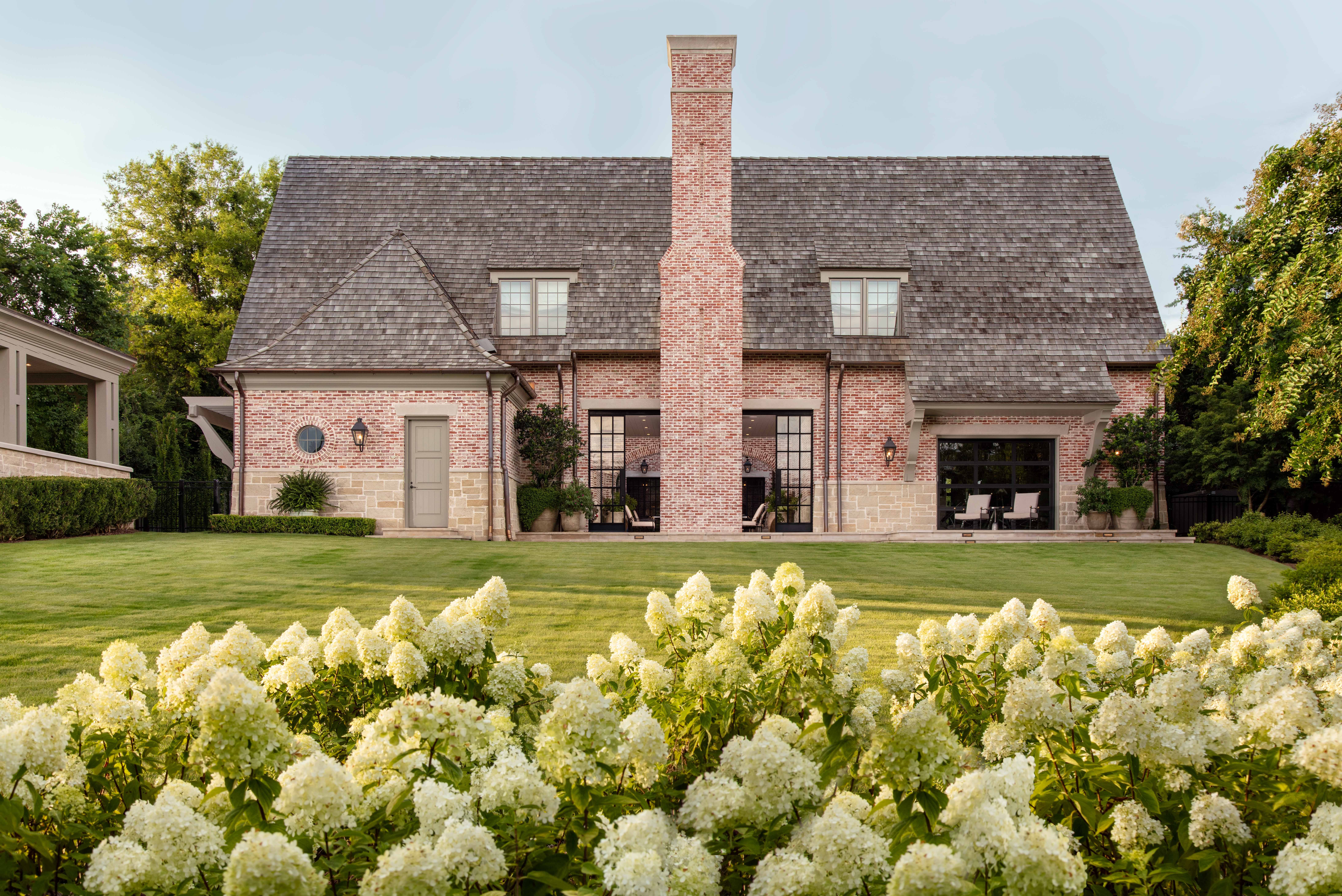
A well-designed backyard isn’t defined by a pool, outdoor kitchen, or beautifully landscaped garden. It’s defined by how naturally it extends the home.
The most successful outdoor spaces are considered from the earliest stages of design, allowing architecture, interiors, and landscape to work together rather than as separate elements. Here are a few of the principles we prioritize when designing outdoor living spaces.
The Backyard Isn’t an Addition
The best outdoor spaces are planned alongside the architecture from day one, not after the home is complete.
From the earliest floor plans, we consider how someone will move between the kitchen, great room, porch, pool, and lawn. When those connections feel effortless, the backyard becomes a true extension of the home rather than an afterthought.
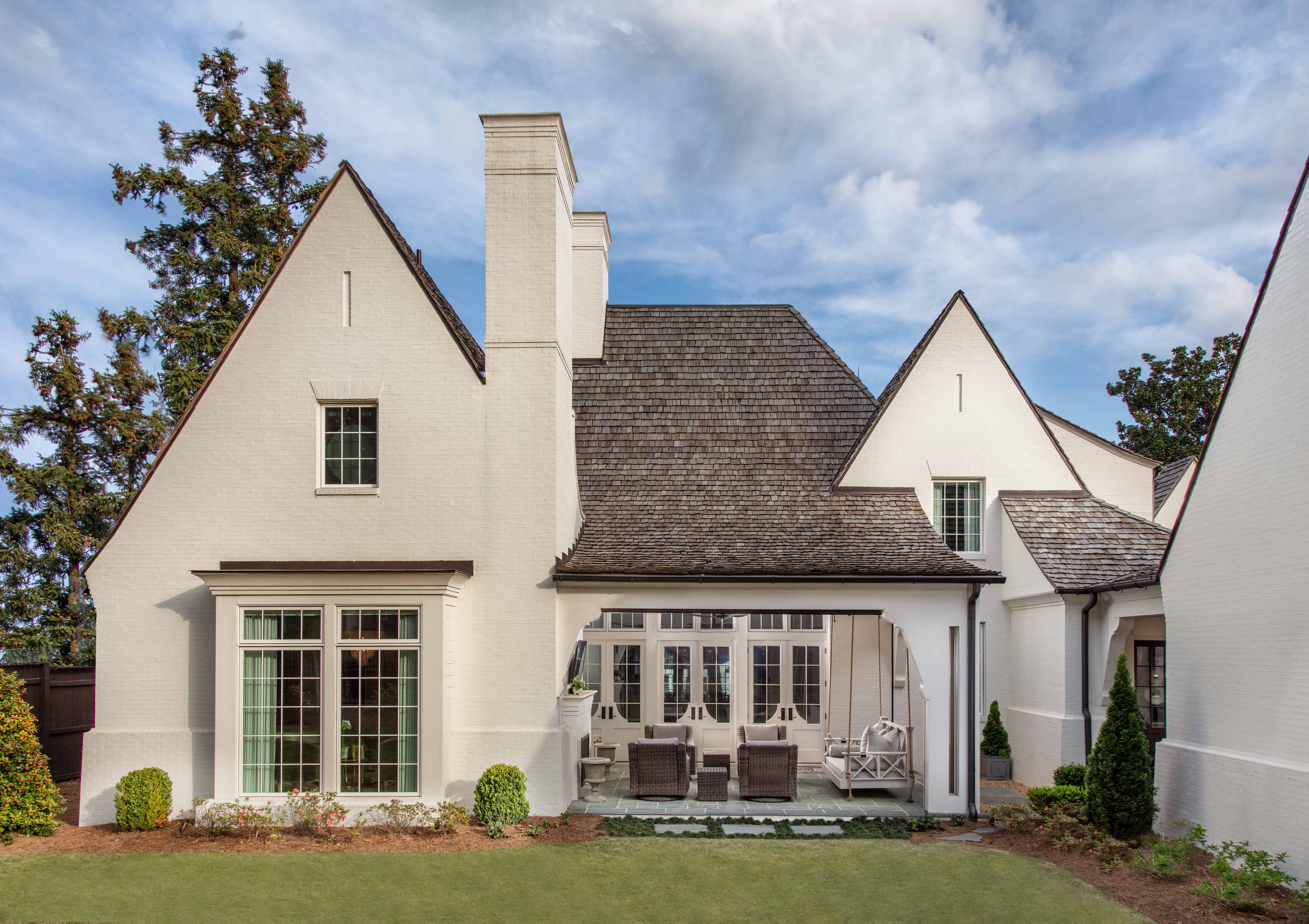
Outdoor Rooms Deserve the Same Attention as Indoor Ones
A covered porch should be designed with the same level of intention as a living room.
Ceiling treatments, fireplaces, lighting, architectural detailing, and furniture layouts all contribute to how the space functions and feels. When these elements are thoughtfully considered, outdoor living becomes just as inviting as indoor living.
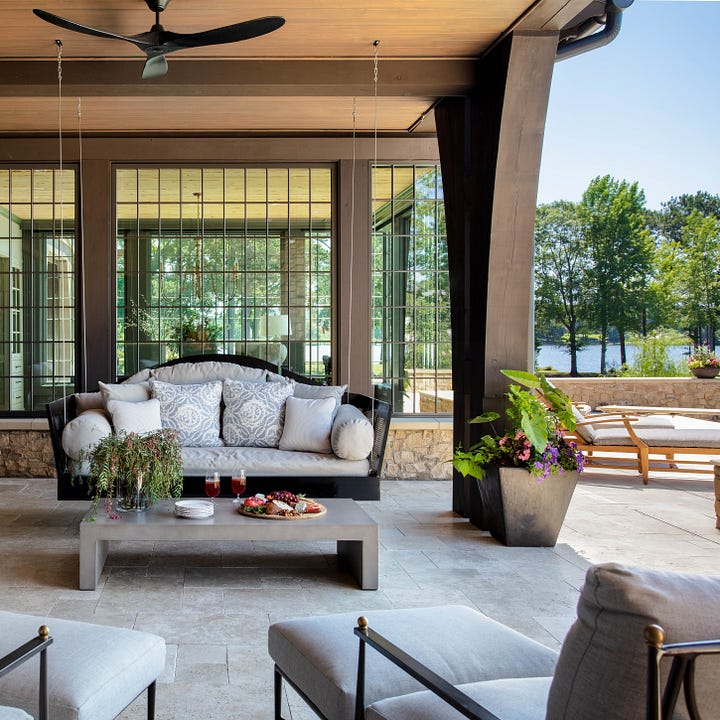
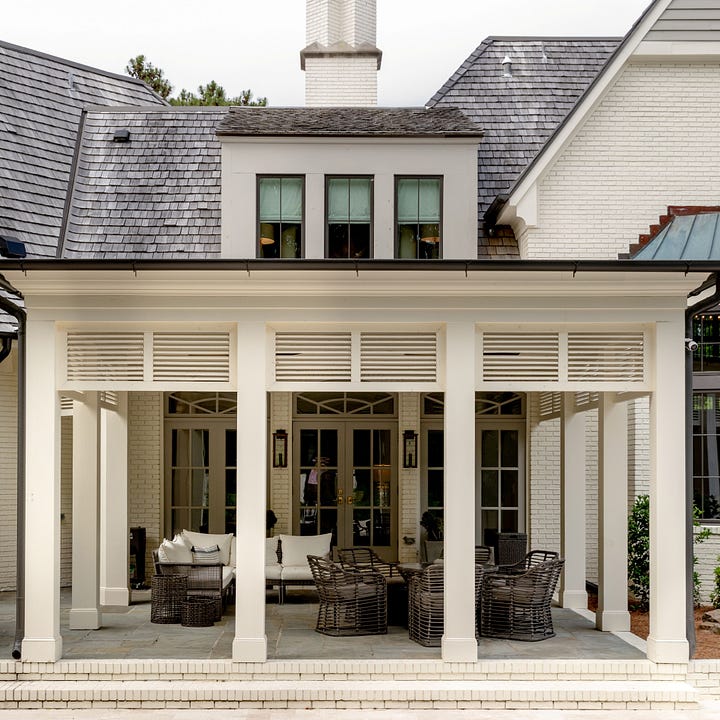
Every View Matters
A backyard should be designed to be experienced from both sides of the glass.
The view from the kitchen sink, breakfast table, or primary suite becomes part of daily life. Framing those views through architecture and landscape creates moments that feel just as intentional indoors as they do outside.
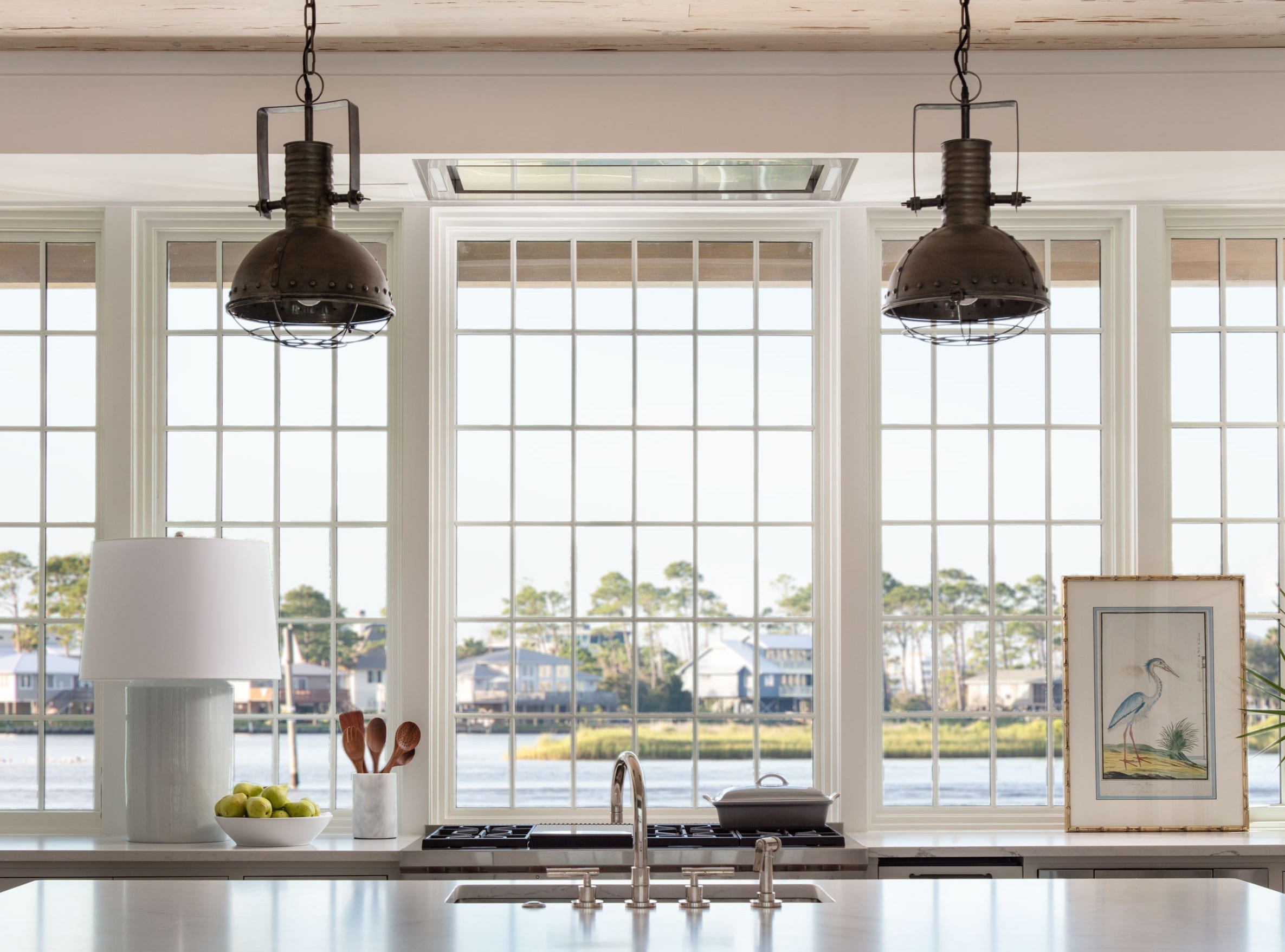
Material Continuity Creates Cohesion
One of the simplest ways to create a seamless transition between indoors and out is through repetition.
Carrying materials, finishes, colors, and architectural details from the interior to the exterior creates visual continuity and allows the home to feel cohesive from every perspective.
Landscape Is Part of the Architecture
Landscape should complement the architecture, not compete with it.
Plantings soften hard edges, frame important views, create privacy, and introduce seasonal interest. When thoughtfully integrated, the landscape becomes an essential part of the overall design rather than the finishing touch.
An Interior Designer’s Perspective
Once the architectural framework is established, interior design brings warmth and personality to the outdoor spaces.
Furnishings, textiles, lighting, and accessories should feel like a continuation of the home’s interior rather than a separate design language. The goal is for the transition between inside and outside to feel effortless, creating outdoor rooms that are every bit as comfortable, functional, and timeless as those within the home.
—The CAI Team
No posts
Comments
Nothing yet. Say the first thing.
Sign in to join the conversation.