
Looking back at 2025, I actually managed to send out quite a few newsletters, mostly in the first half of the year, as opposed to 2024, when I sent out exactly two. In this first half of the year re-cap, I will link to those newsletters if you wish to dig deeper. But here you will also find new photos and interesting tidbits that just didn’t make it into those newsletters.
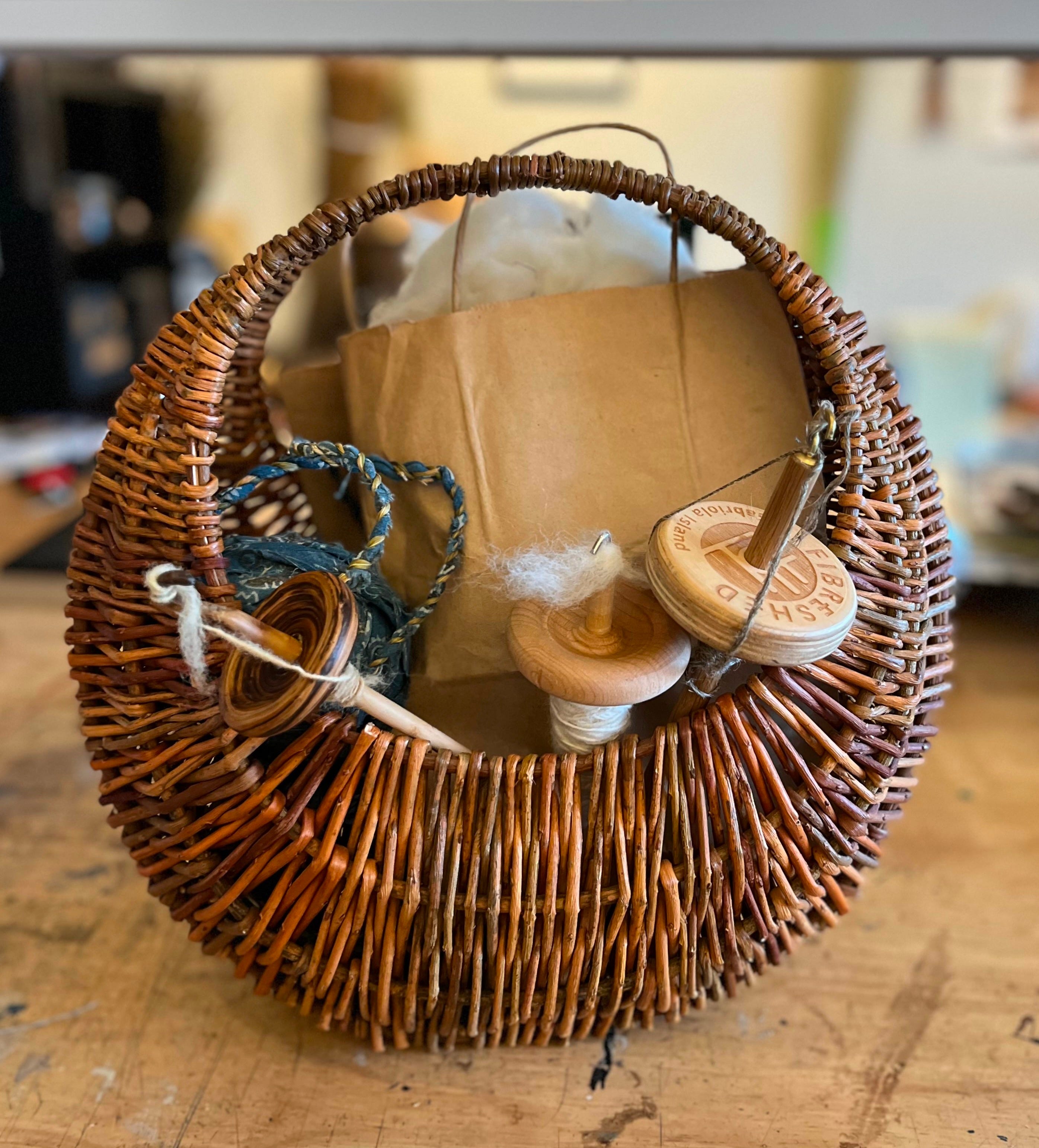
Ever since I’ve moved to Gabriola, January brings Distaff Day1. On January 4th, 2025, our Gabriola Island Fibreshed gathered at NOVA gallery to spin, chat and learn together. Distaff Day has become something I look forward to after the holiday season; a gentle, creative gathering of both experienced weavers and newbies.
This year, we are holding Distaff Day on January 6th, 2026, 6:30 to 8:30pm at the GAC Hall, it’s free (donations welcome), and open to all.
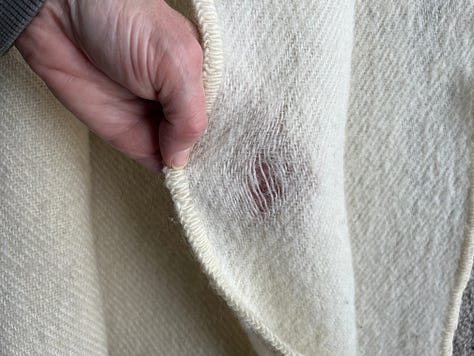
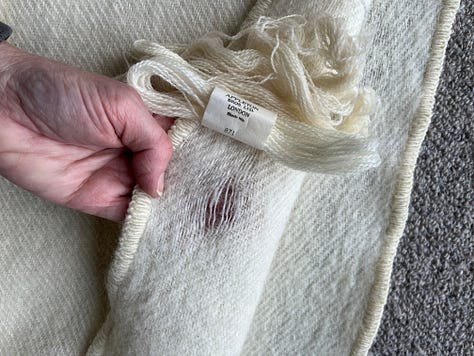
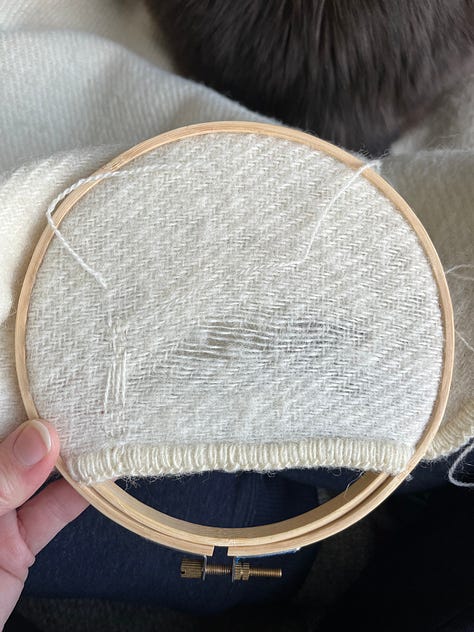
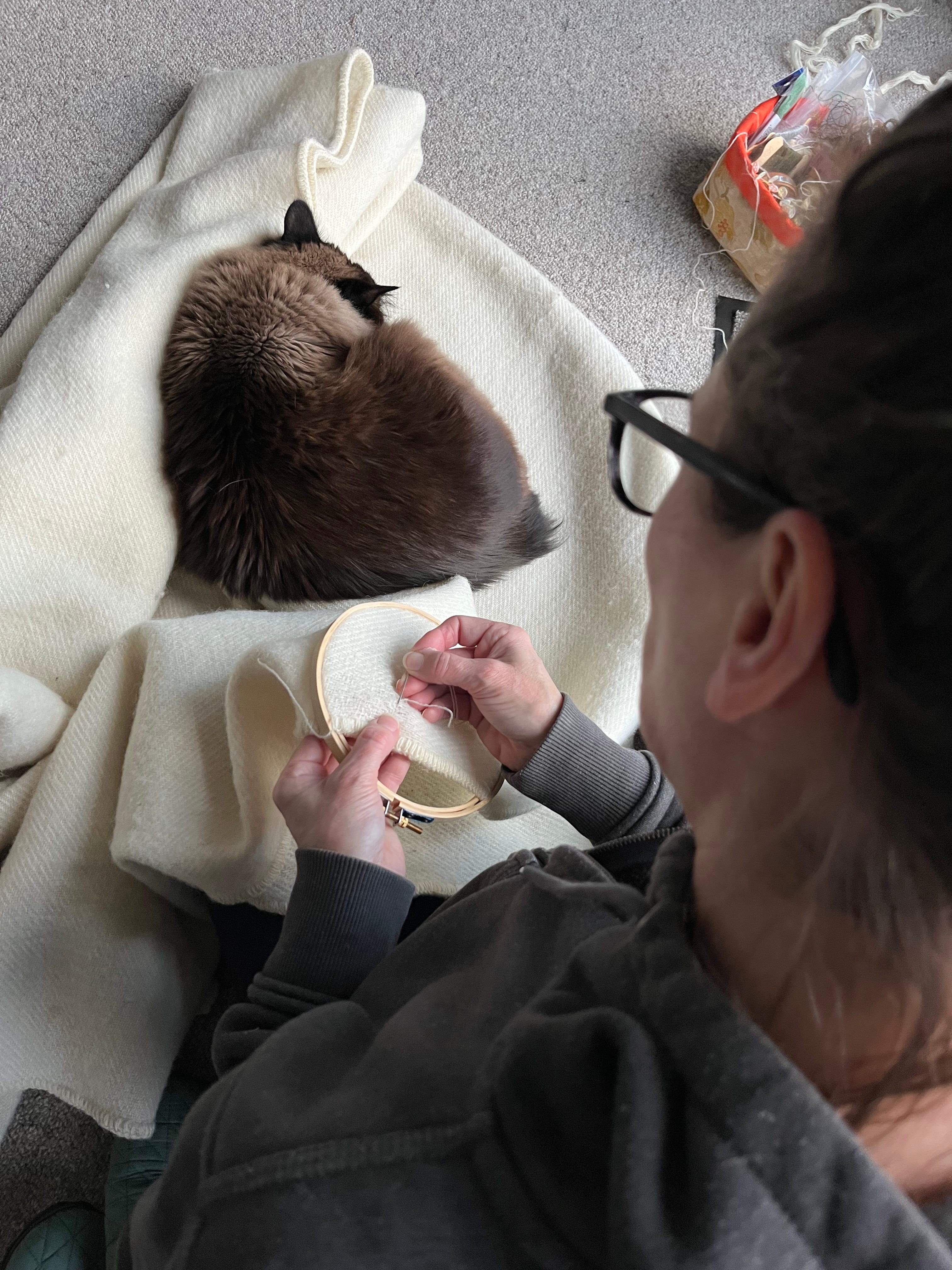
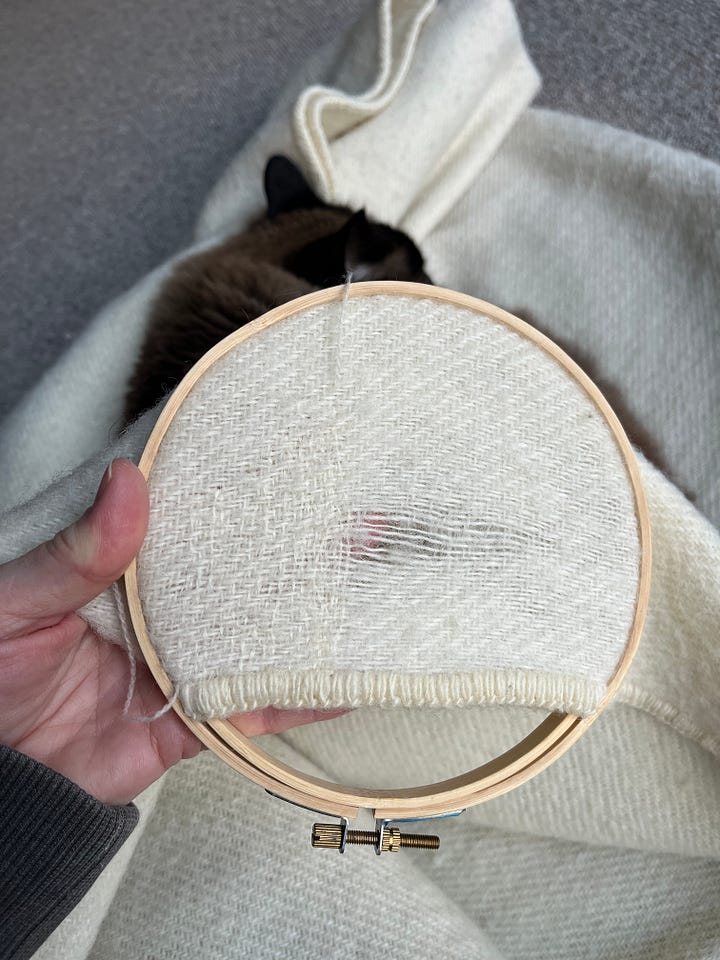
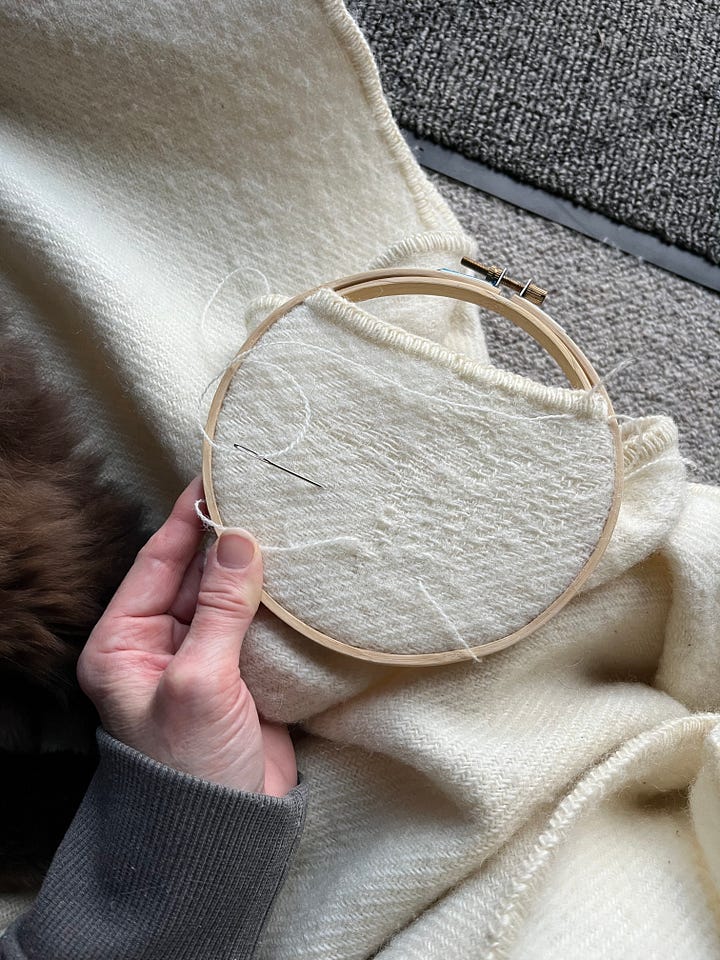
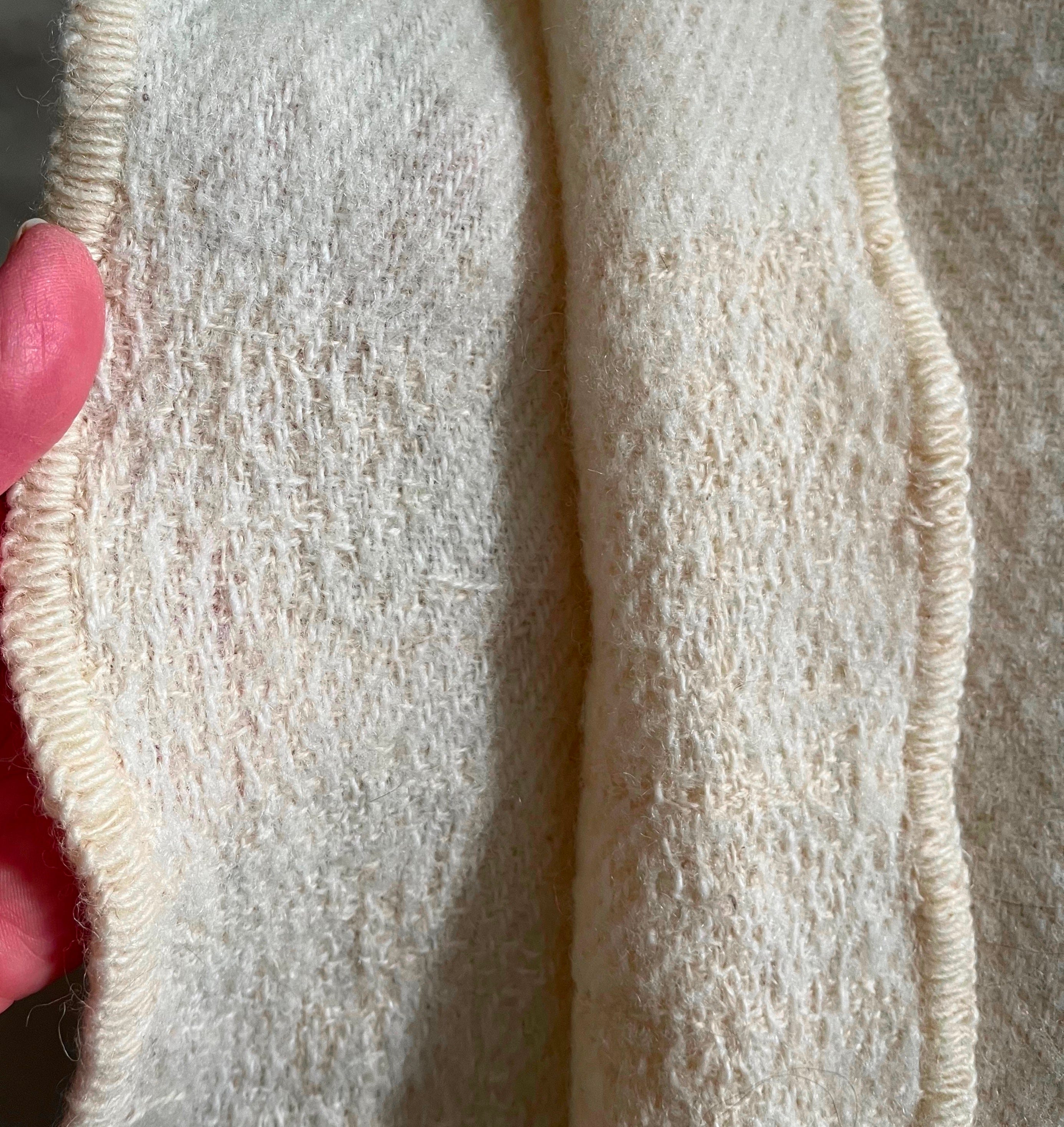
I find this slow time of year is perfect for mending projects I’ve been meaning to get to—my Canadian wool blanket was starting to get a hole from repeatedly yanking the covers over my chilly self. Once I had procured some matching wool thread (thanks Heather!), I spent a few hours over a few day re-weaving and mending the weak spots. I don’t have any special skills in this area, just used an embroidery hoop to keep everything stable, and a simple back and forth, over and under stitch. Happy to say it’s still holding up a year later.
By early January, I had committed to teaching my first workshop - planned through the Island of the Arts Festival, which takes place in March/April. I wanted to have lots of samples and examples for my students to look through, so I put together a couple more accordion books—a great way to incorporate old ink samples and experiments that I had done on watercolour paper. One book was made using nothing but alder ink on different papers. I was trying capture, in an abstract way, my day out hunting for alder cones to use for ink. It was an amazing sunny January day around a pond that is astonishing for its beaver activity. Tiny dried alder nutlets were everywhere on the water, and it was a good reminder to dry my alder cones first so I can tap out seeds and give them to the birds before I make my ink.
I put together this video specifically for my newsletter subscribers, it’s not exactly a how-to, but it does have quite a few tips on making ink, how I like to make my accordion booklets, and shows some of my mark-making techniques. It even has a soundtrack composed by “The Mister”!
I put out a newsletter in February 2025. In it, I detailed a couple of ways to make a St. Brigit’s Cross, and I was very excited about winter seed sowing.
This year, you can join me to learn how to make your own St. Brigit’s Cross on February 3rd, as part of the second Solidarity Social of 2026. I will be bringing dried, re-hydrated Juncus effusus2 for people to use for this project. It will be held at the GAC Hall, 6:30 to 8:30pm. Free to join (donations welcome).
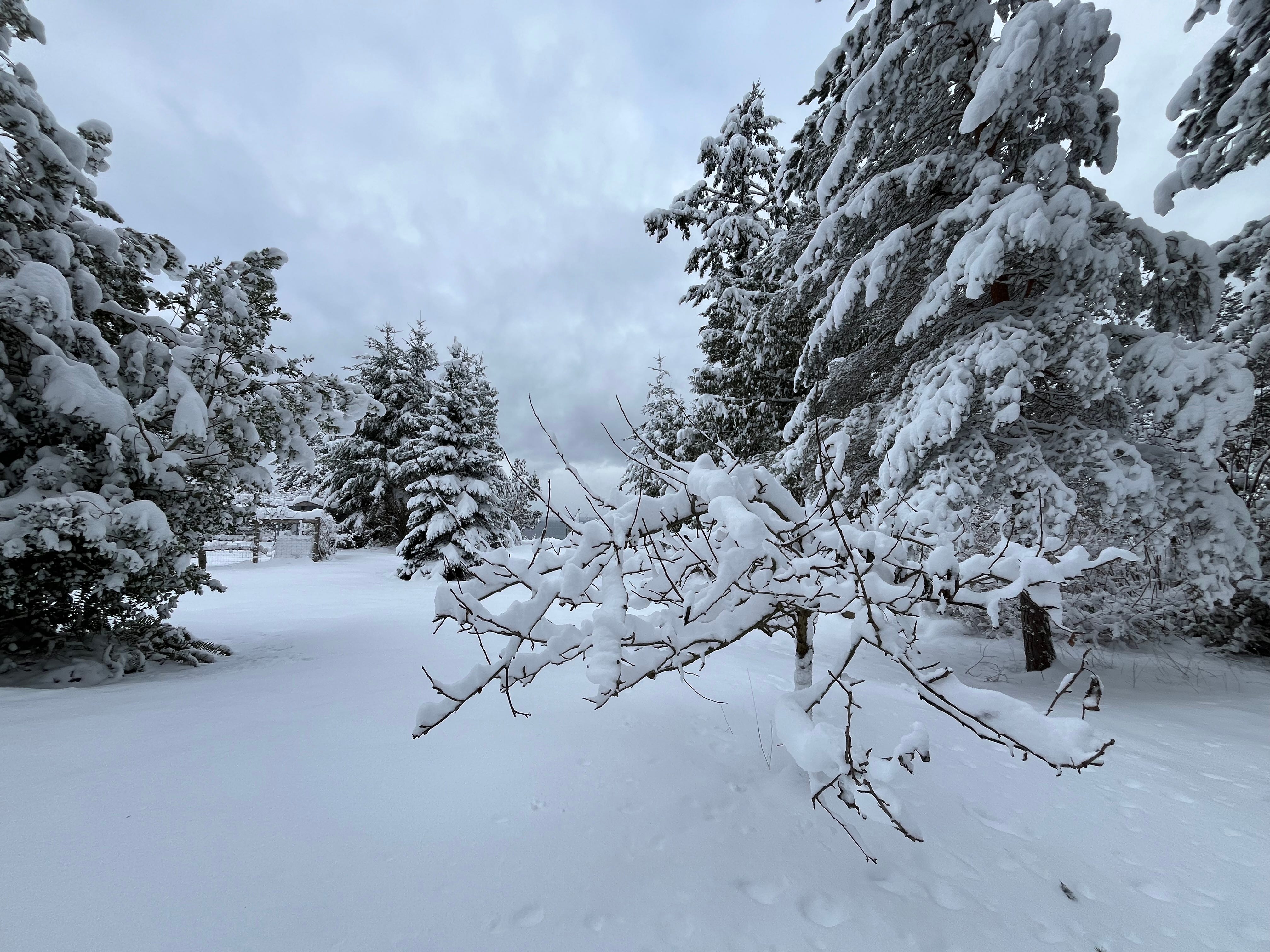
Now, back to 2025; early February brought a significant snowfall. Living rurally has its benefits, but it also tends to make everything just a little bit more difficult when there is a weather situation. We were kept busy dealing with driveway snow removal, and the freezing and thawing cycle. It’s never not beautiful though, and we feel very lucky to be living here in such a peaceful setting.
The March Newsletter announced my first ink workshop, which took place on March 31, as well as other goings-on, including the Nettle Love workshop. Artist Sharon Kallis came to Gabriola to teach us how to process the fibre from stinging nettle! Click the link above to read more about this incredible workshop.
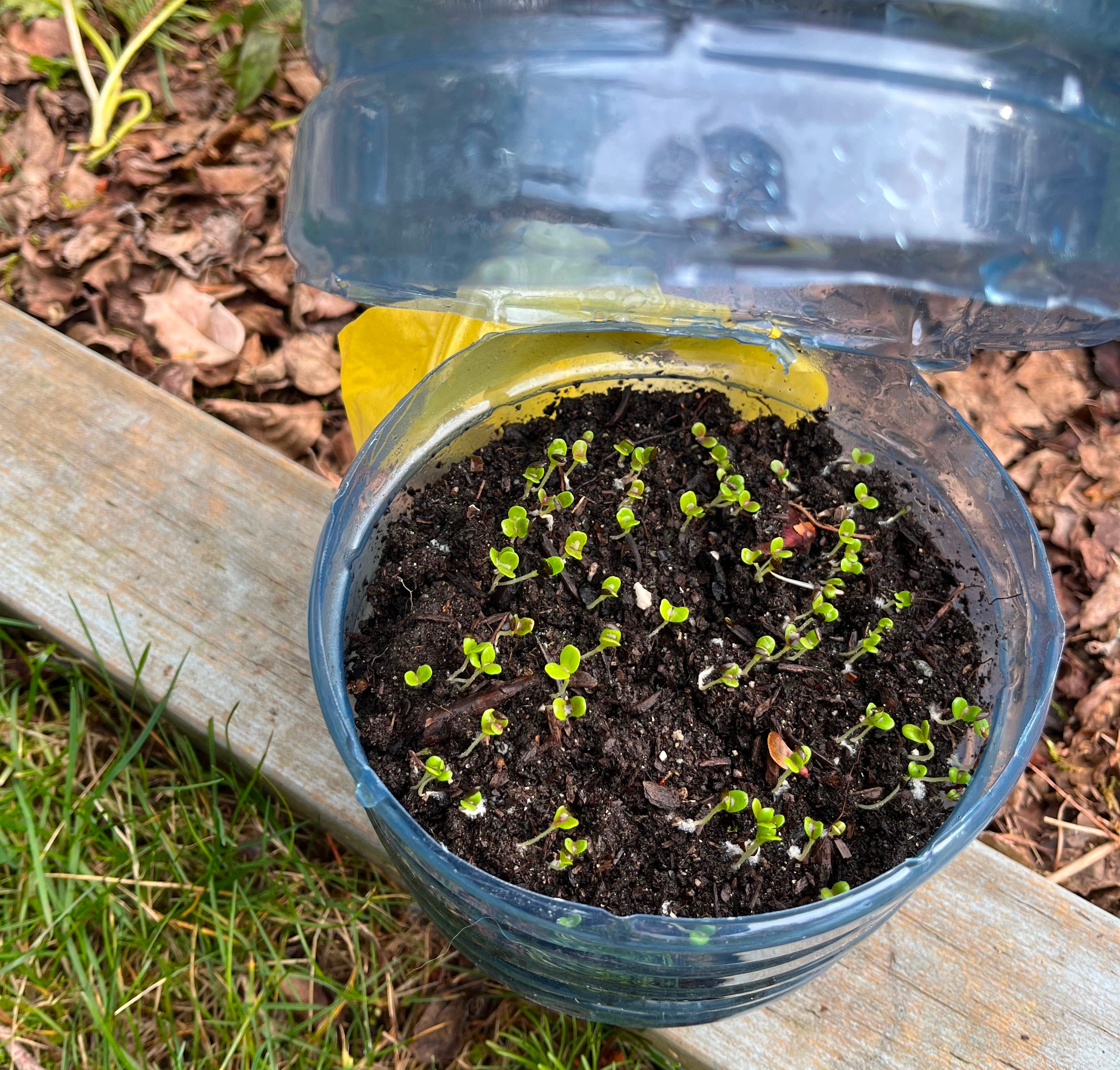
Also by March 1, I already had seedlings from my winter sowing experiment! You can read more about that in my February newsletter.
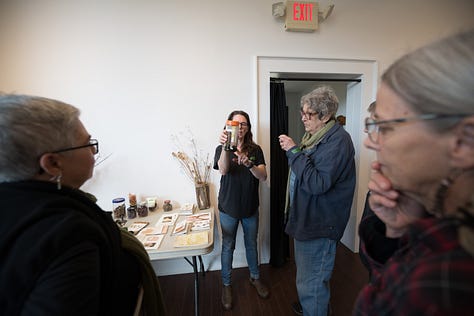
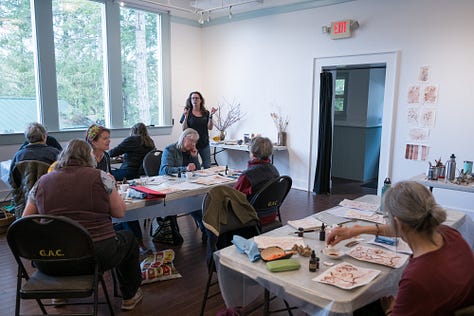
My husband, “The Mister”, Martin Gisborne took a whole bunch of lovely photos at my ink workshop for Island of the Arts, March 31. Called Subtle Colour from Nature: Fun with Handmade Inks, it was sold out, and I genuinely want to give a big thanks to everyone who signed up and participated with such enthusiasm.
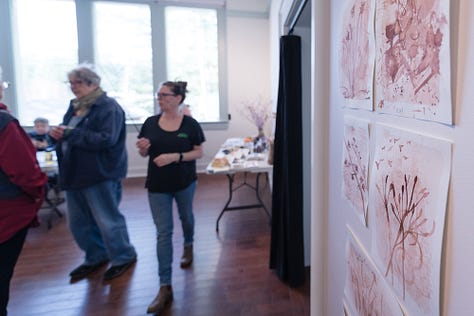
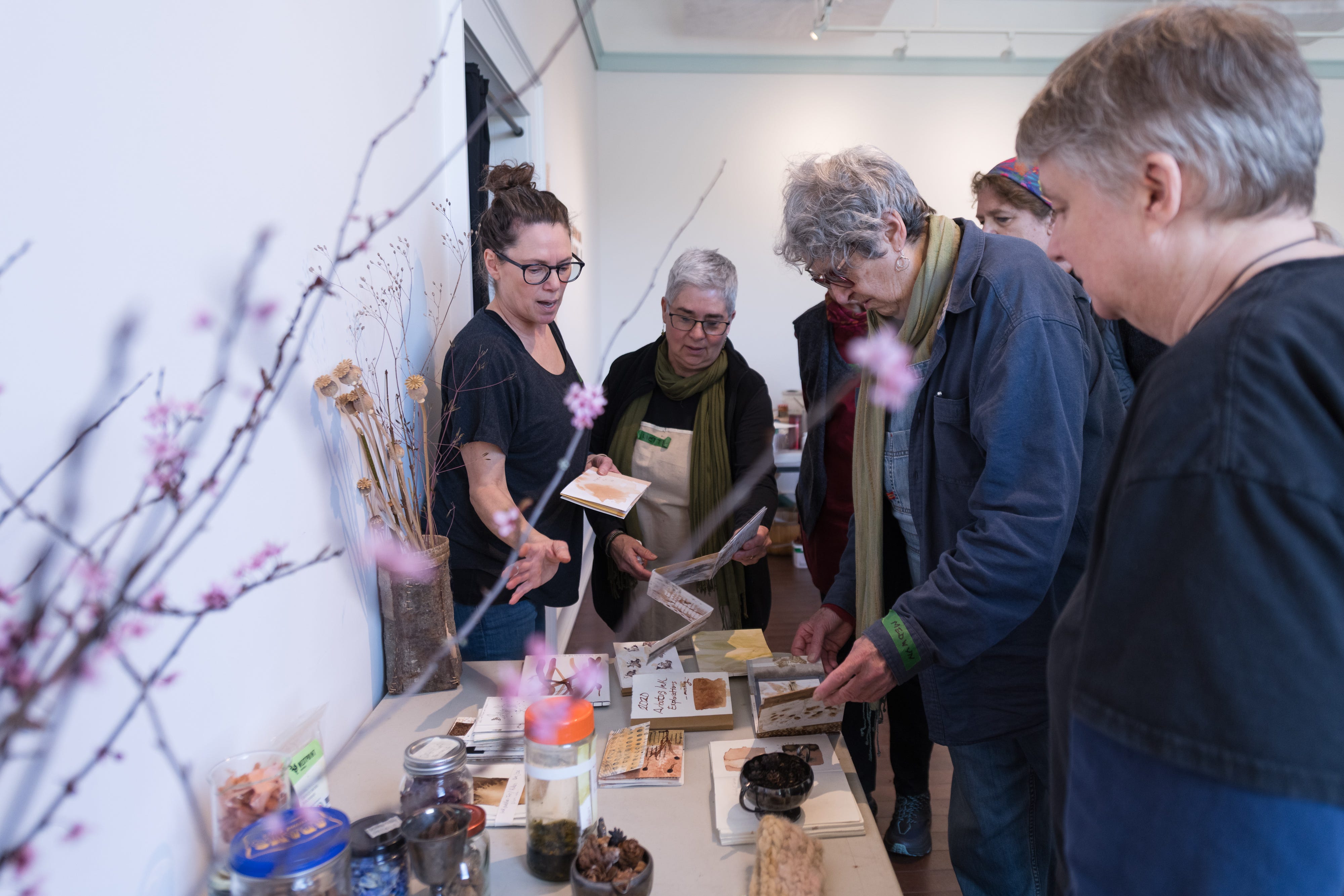
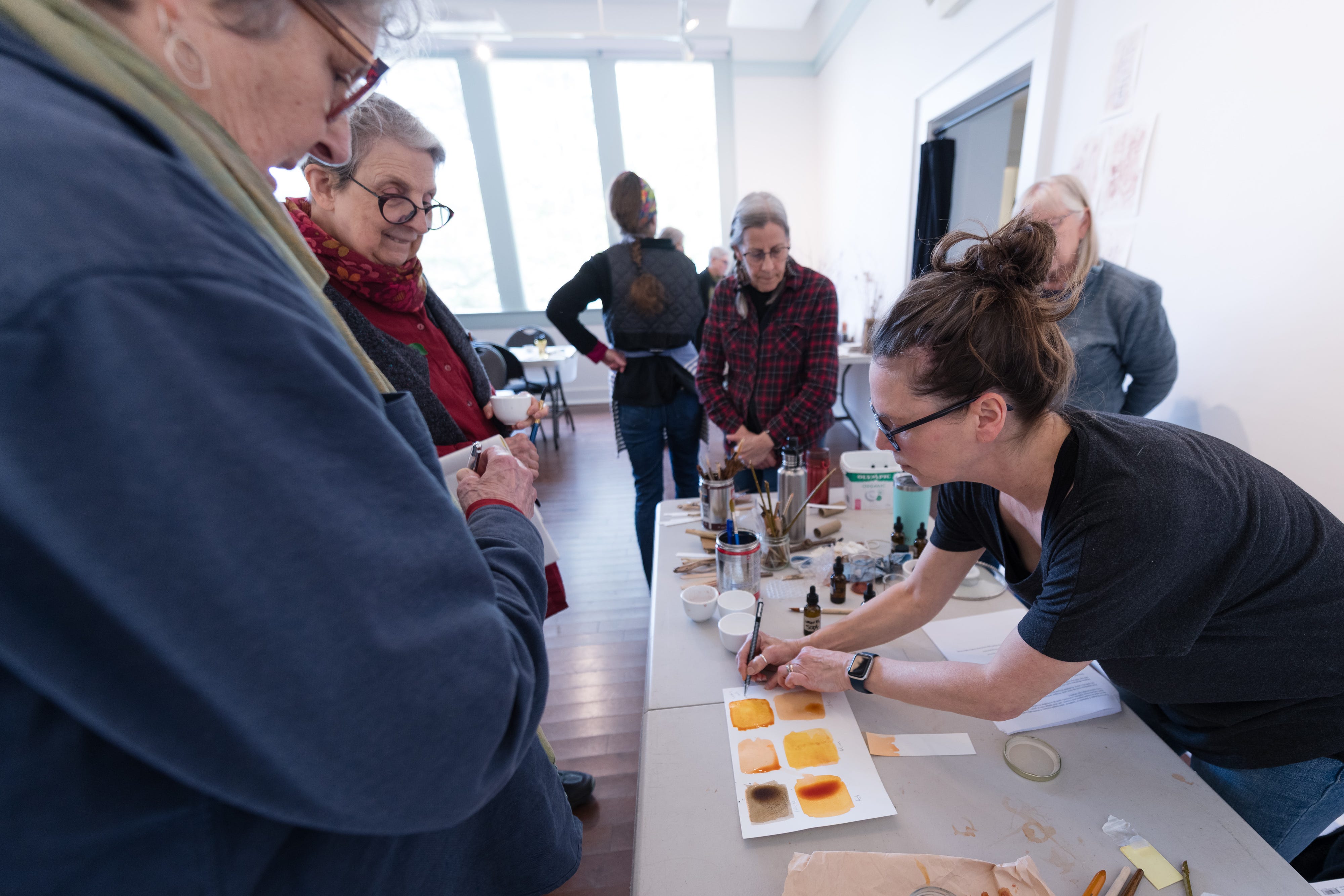
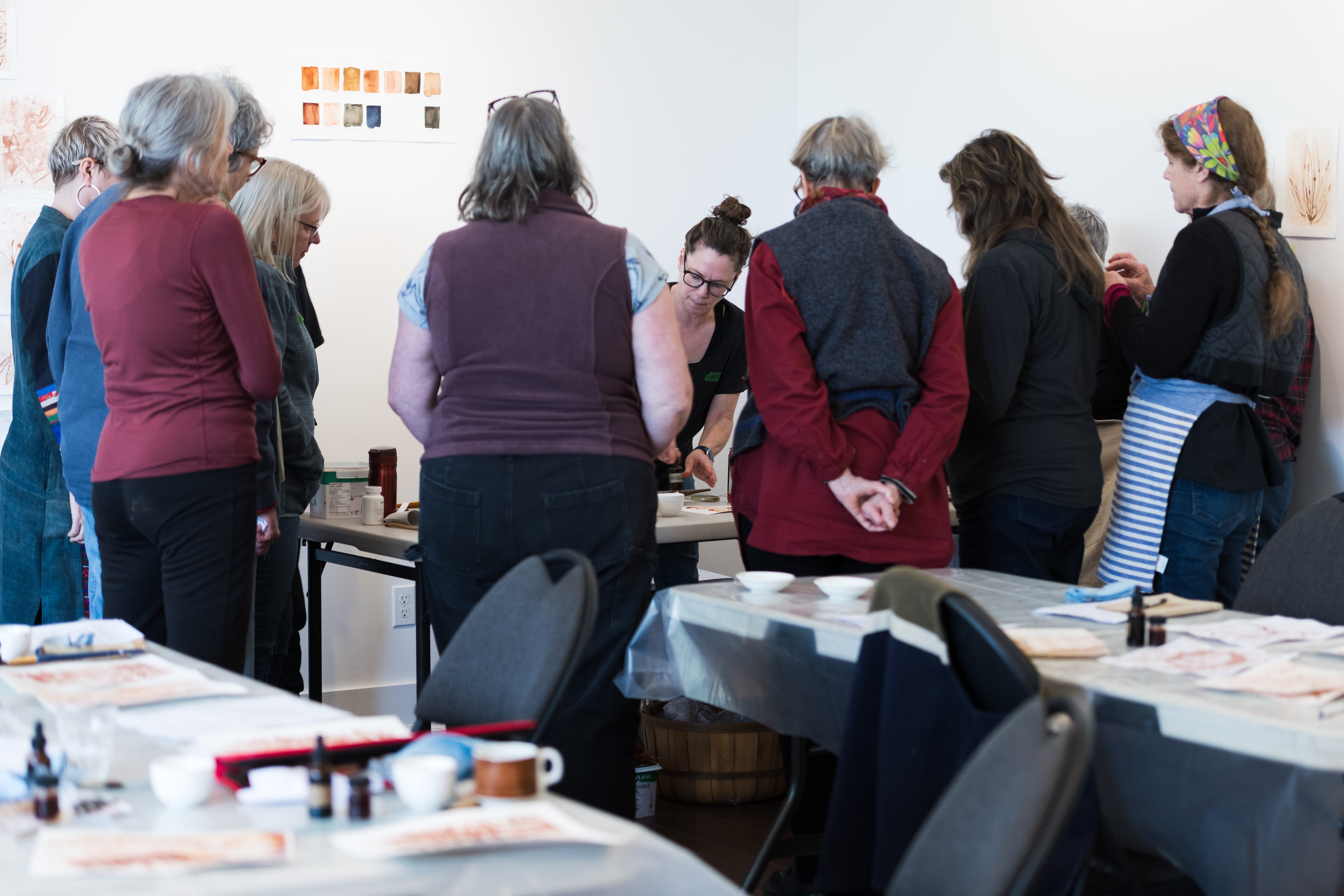
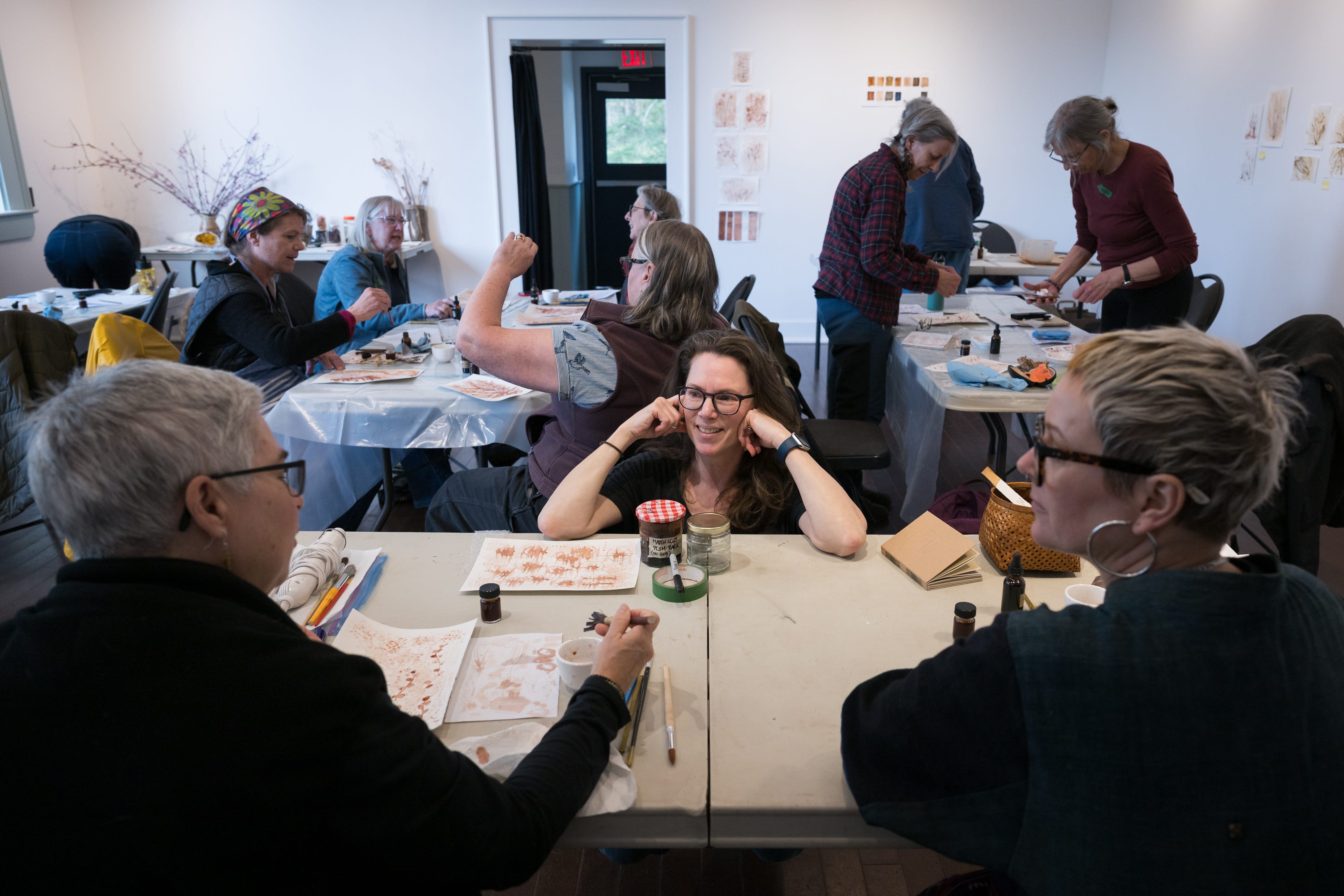
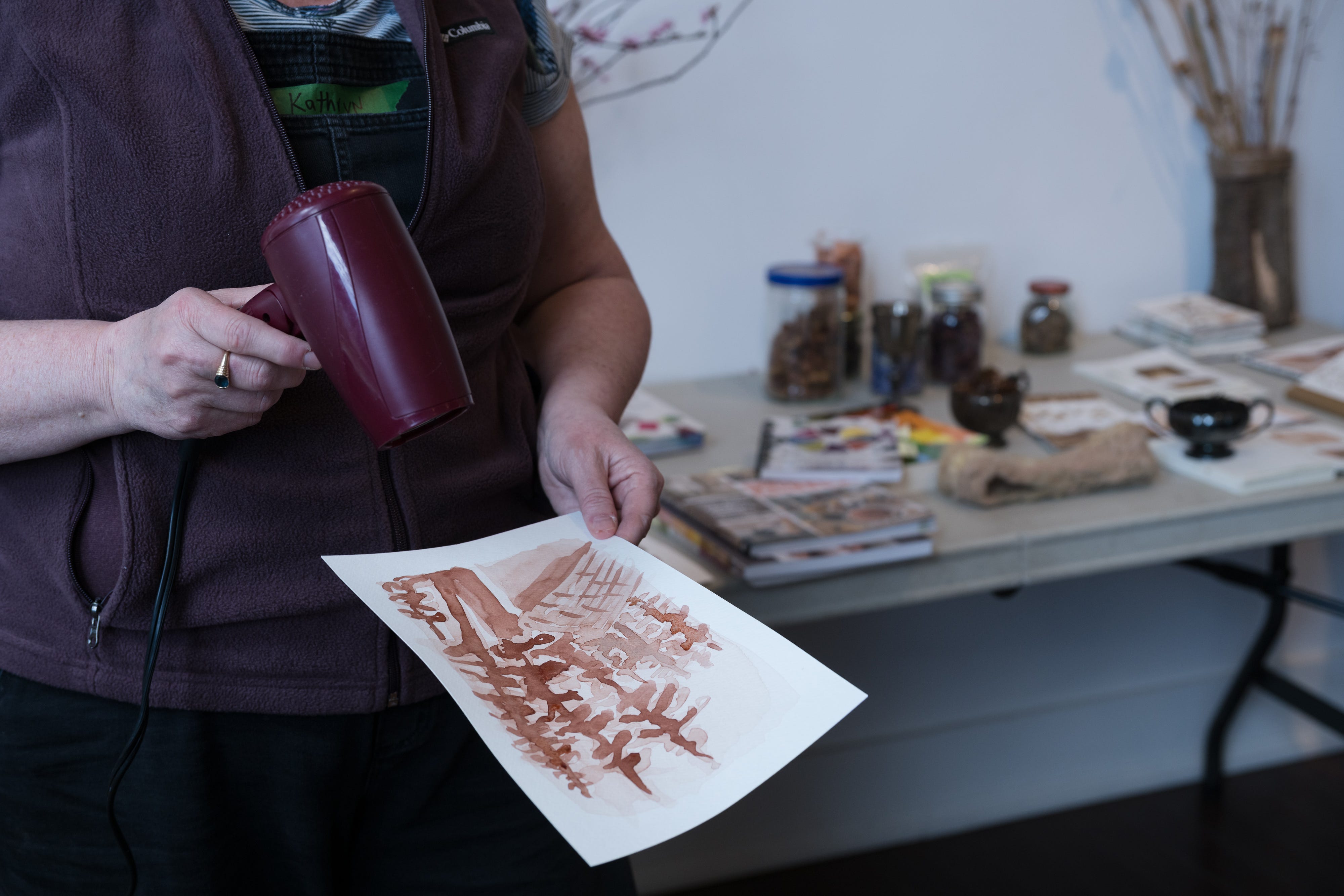
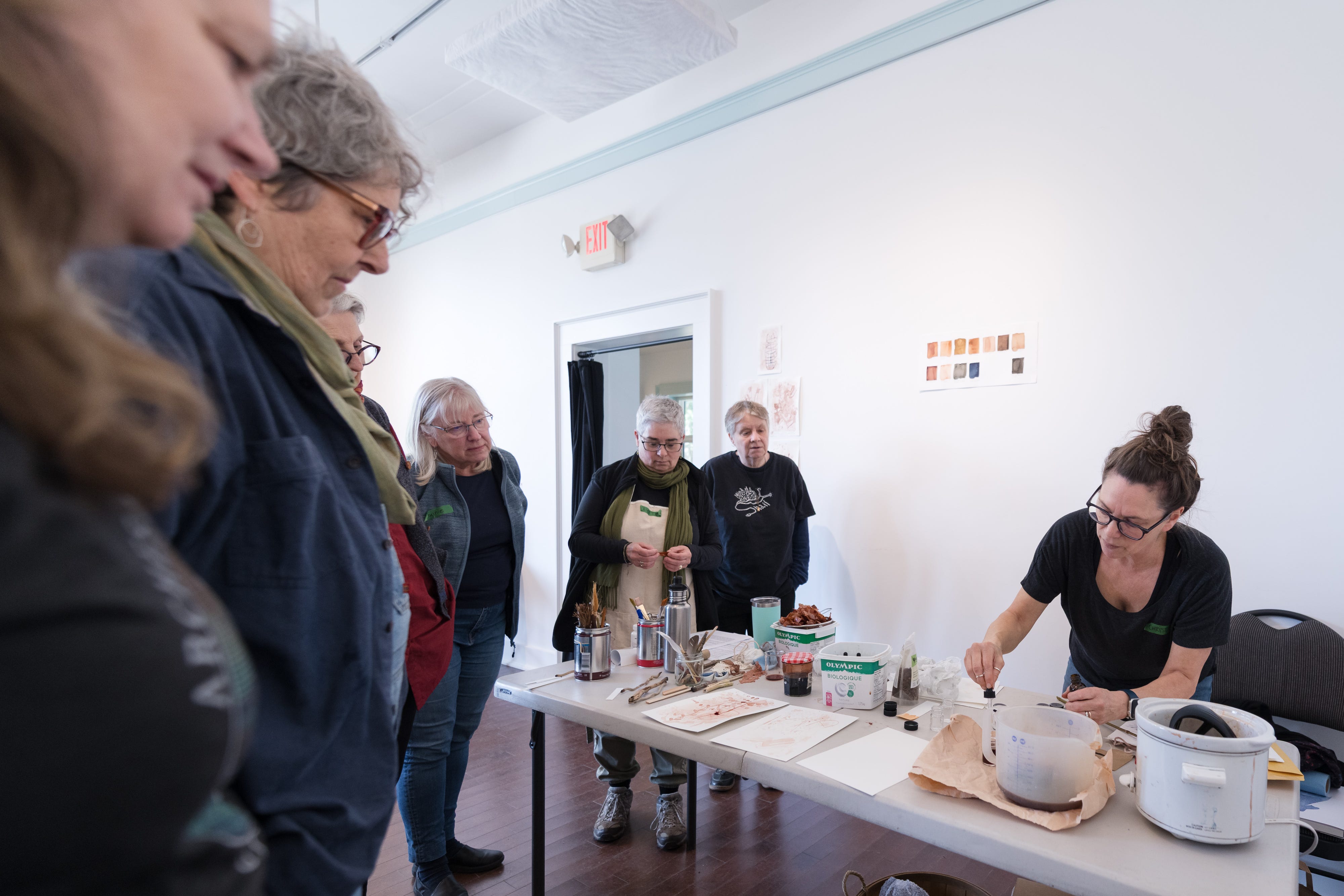
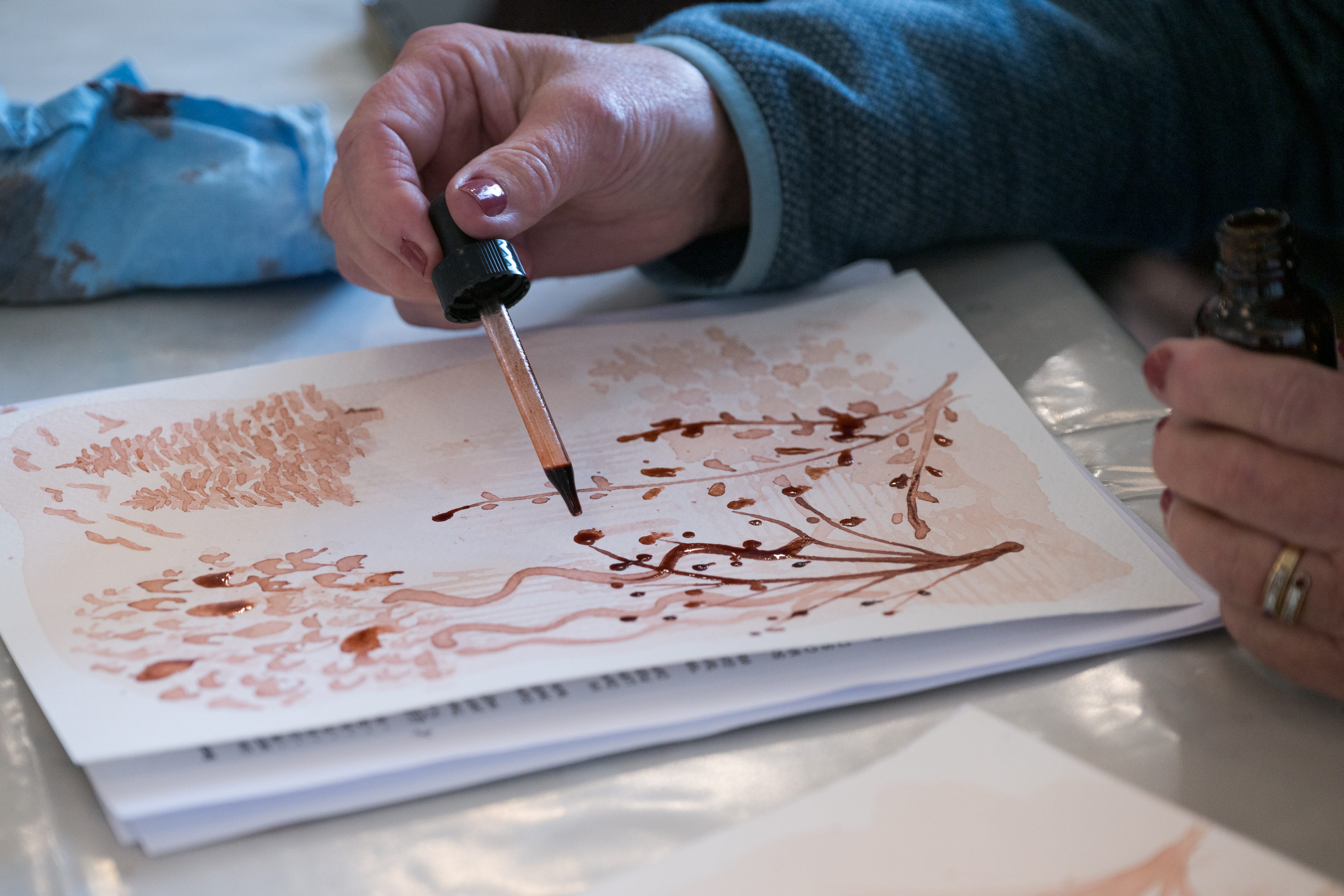
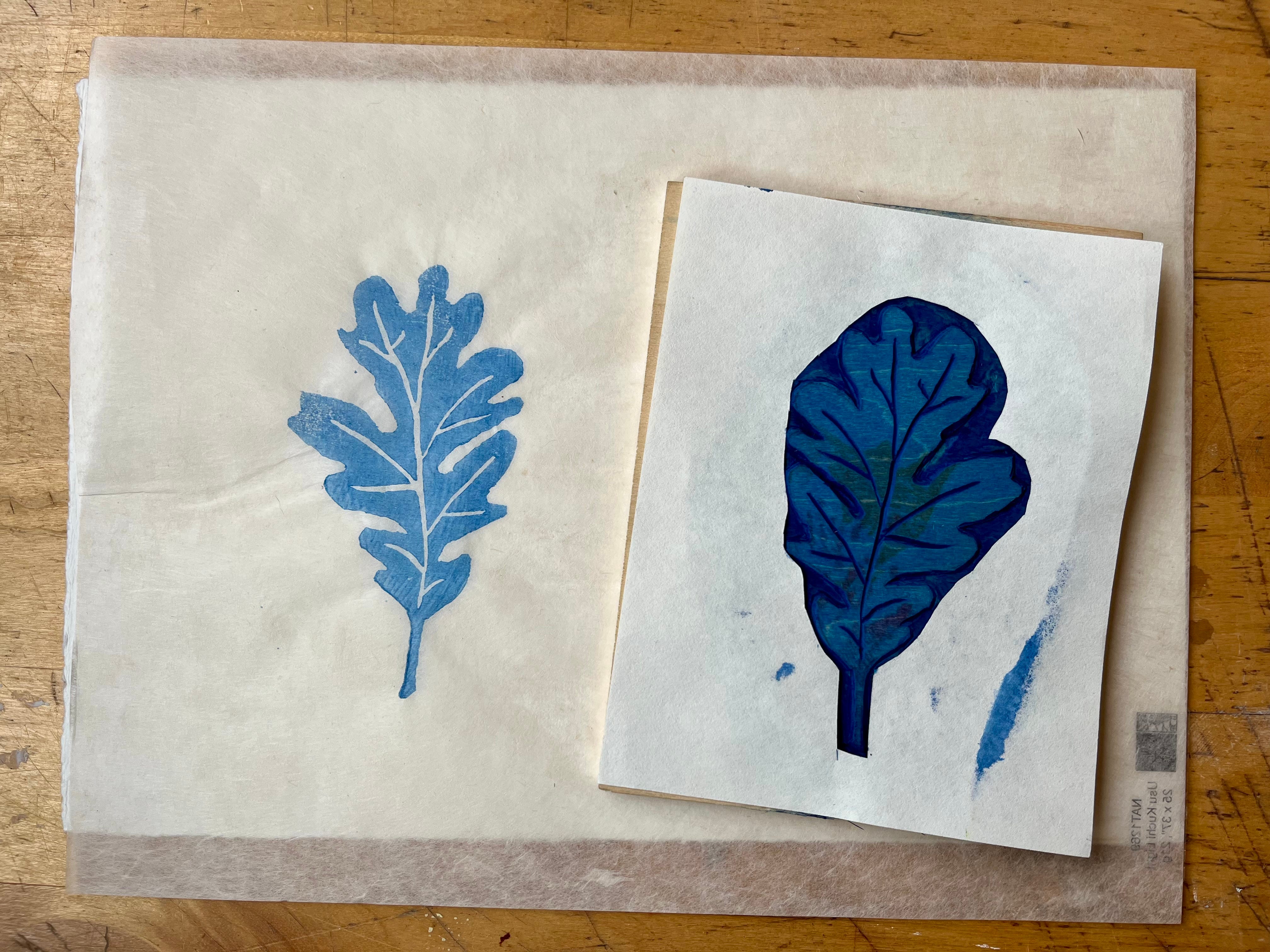
After my workshop was finished, it was nice to relax and enjoy taking a workshop myself! Elizabeth Forrest taught a Japanese woodblock workshop. Her mokuhanga3 workshop on April 4th was full of inspiring content and creative participants. We cut our own woodblocks (a first for me) using special woodworking chisels she had provided. I chose to carve a Garry oak leaf representation.
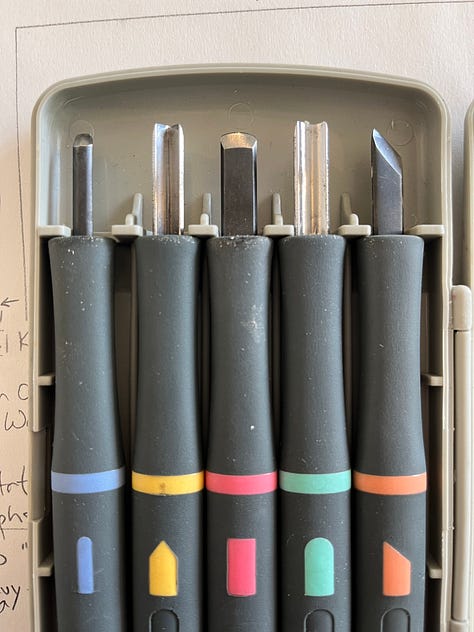
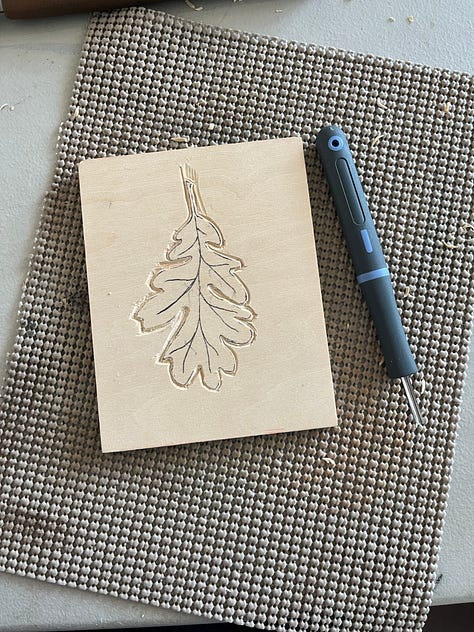
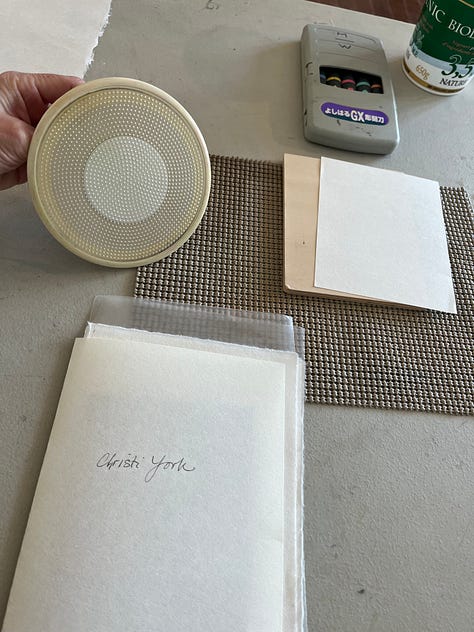
As with a lot of techniques, it is harder than it looks to get a really good image carved into the woodblock. But you can only do so much in a 4 hour workshop, so I had to just let it go, and get it printed. Elizabeth had provided us with paper from the Japanese Paper Place and encouraged us to print on each other’s papers, building up an image. I appreciated this fun, non-precious approach to just layering images on top of each other, as a kind of memento of what was happening in the class that day.
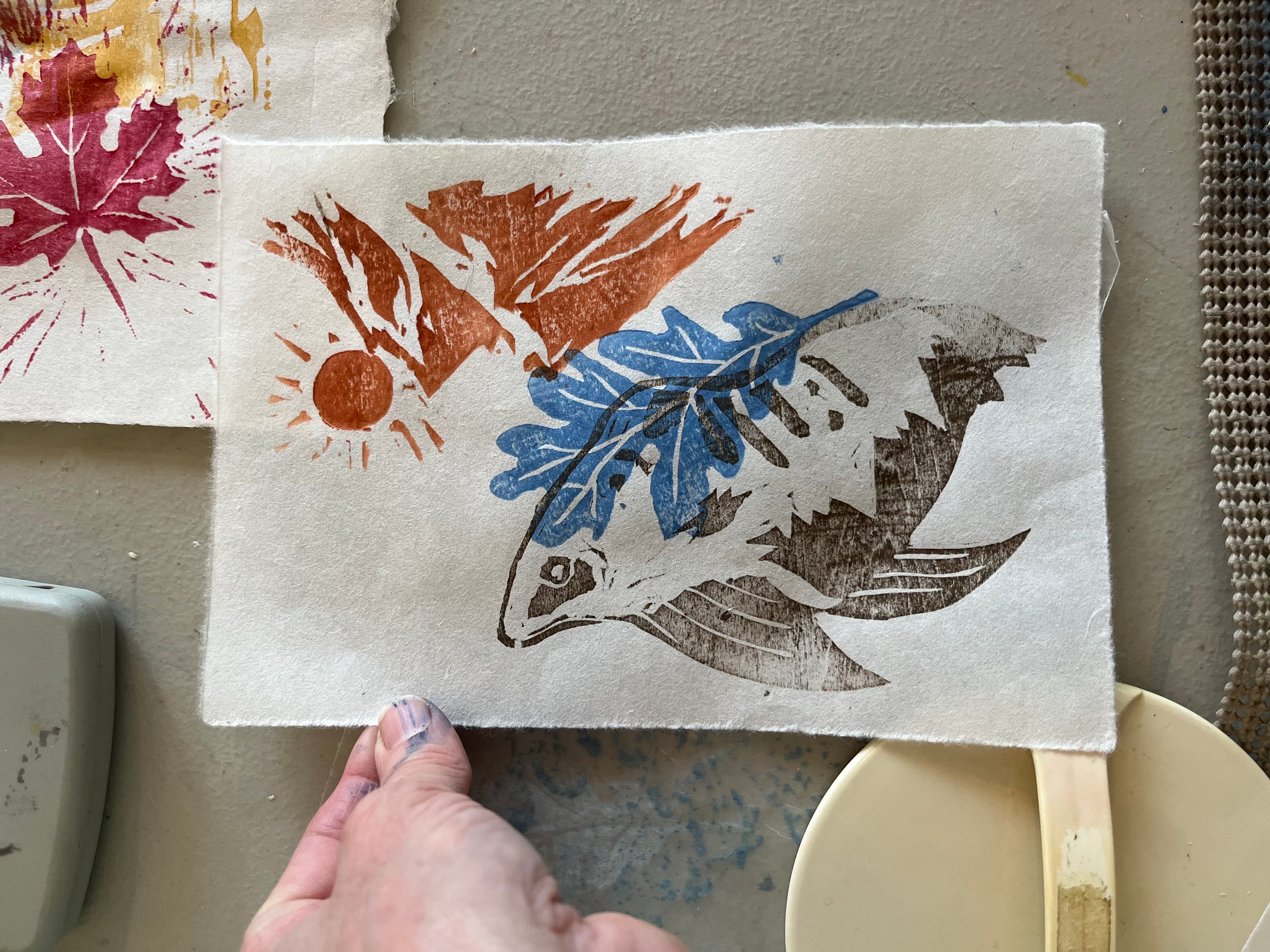
I also appreciated the water-based pigments we were using, and knowing you don’t really need to use special printing inks with this technique.
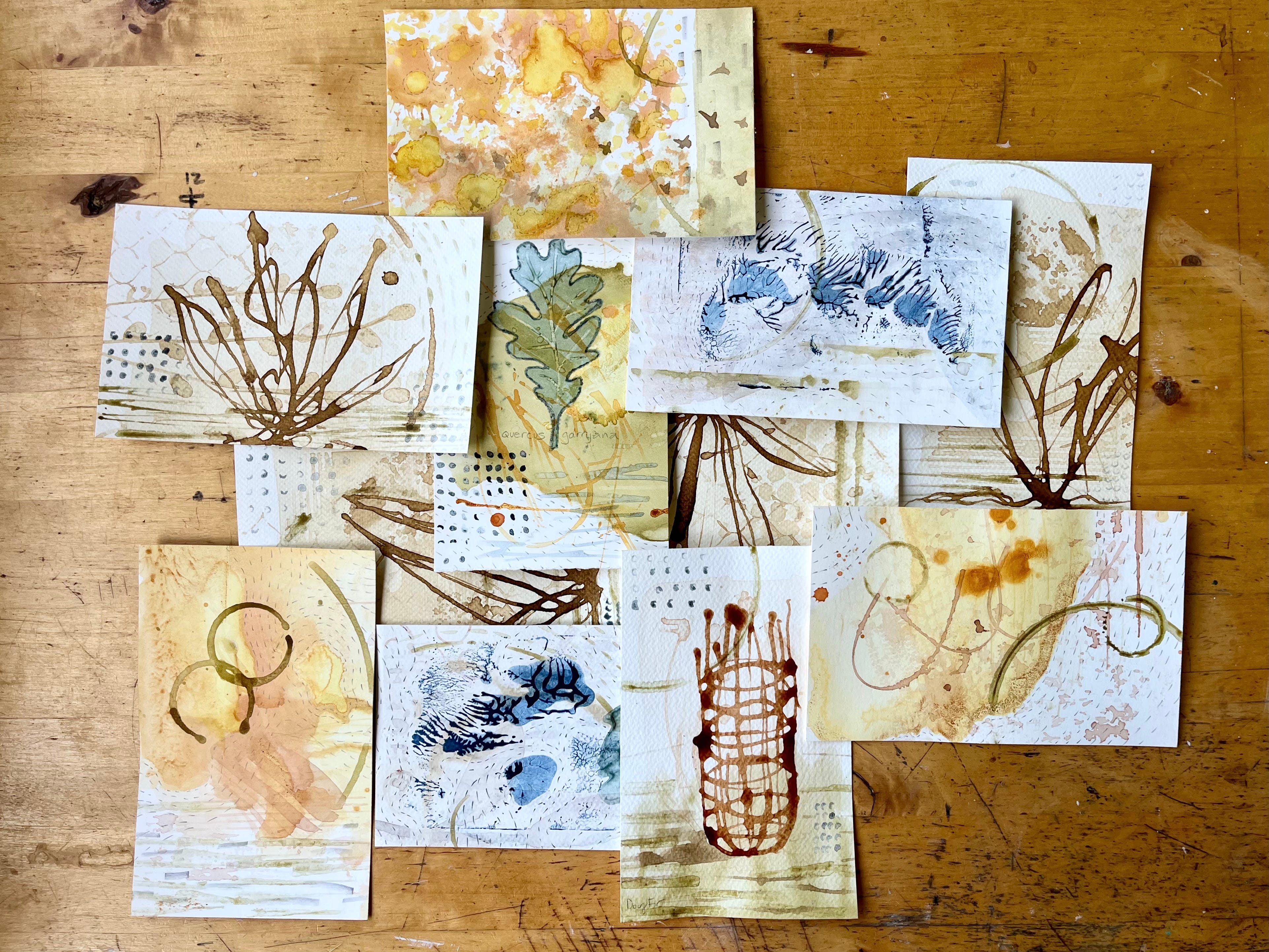
Later in April, I was busy creating a set of postcards to be sent out to members of my ongoing, on-line study group with Annie Hogg. This international group started back in November of 2024, as a companion group to the year-long Plants and Colour course I had been taking. Since the group was flung far and wide, we decided to do a handmade postcard swap. If you’ve never done this, it’s quite simple, just be sure to use thick watercolour paper (I used 300 GSM weight) and be sure your final postcards size is within the allowable postal perimeters.
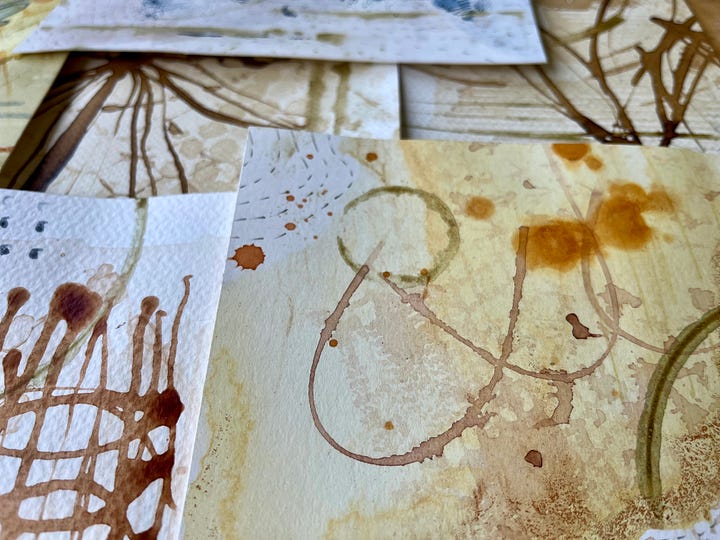
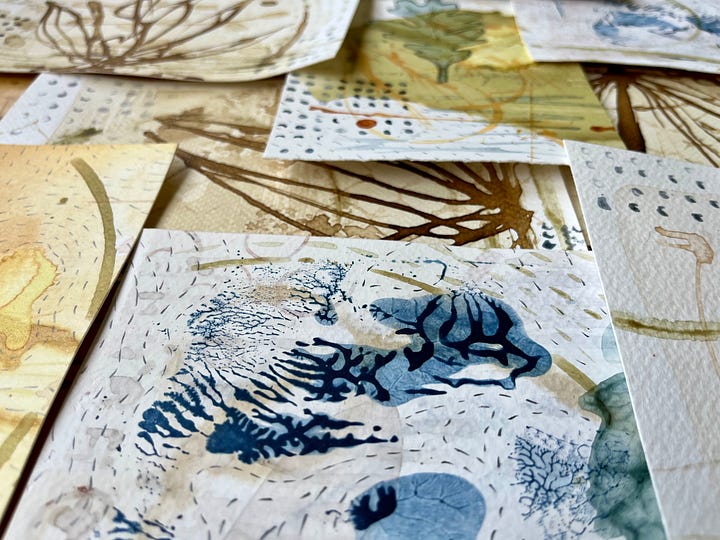
I ended up using some of the samples I had created for my ink making workshop, which was perfect for this project. As you can see, some of the cards were printed with the Gary Oak woodblock as well.
April was when I started filming for my Open Weave Wall Hanging Basket online course, which was also through the Plants and Colour website. Since I was also prepping for a live session entitled Working with English Ivy, I was taking lots of video of different projects I’ve made over the years with English Ivy. Below is a video clip from a day when the light was really nice in my studio. Let me know if you’d be interested in the class, and perhaps we will run it again in 2026.
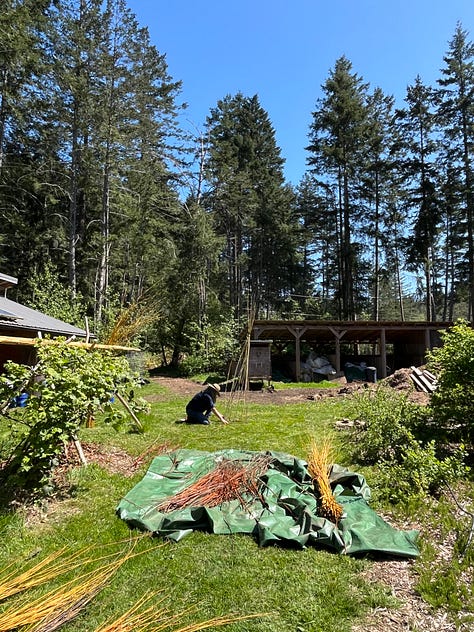
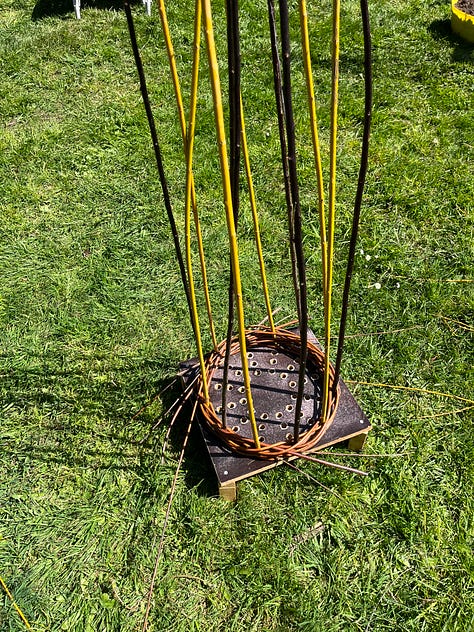
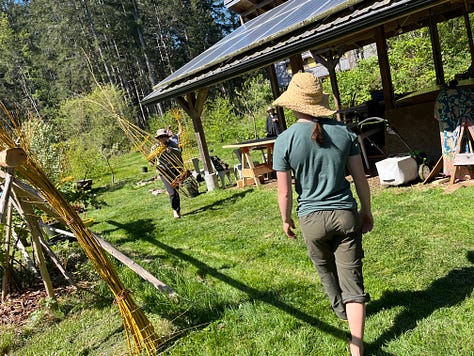
Lastly for April, I taught a small group of people how to make a willow obelisk for use as a garden support structure. It was a surprisingly hot and sunny afternoon, and I was so busy teaching that I did not take a single good photo. So here’s some terrible ones. I’d love to get the chance to teach this again, but it really is dependent upon having enough material—tall and sturdy willow—for a group of people to each make one.
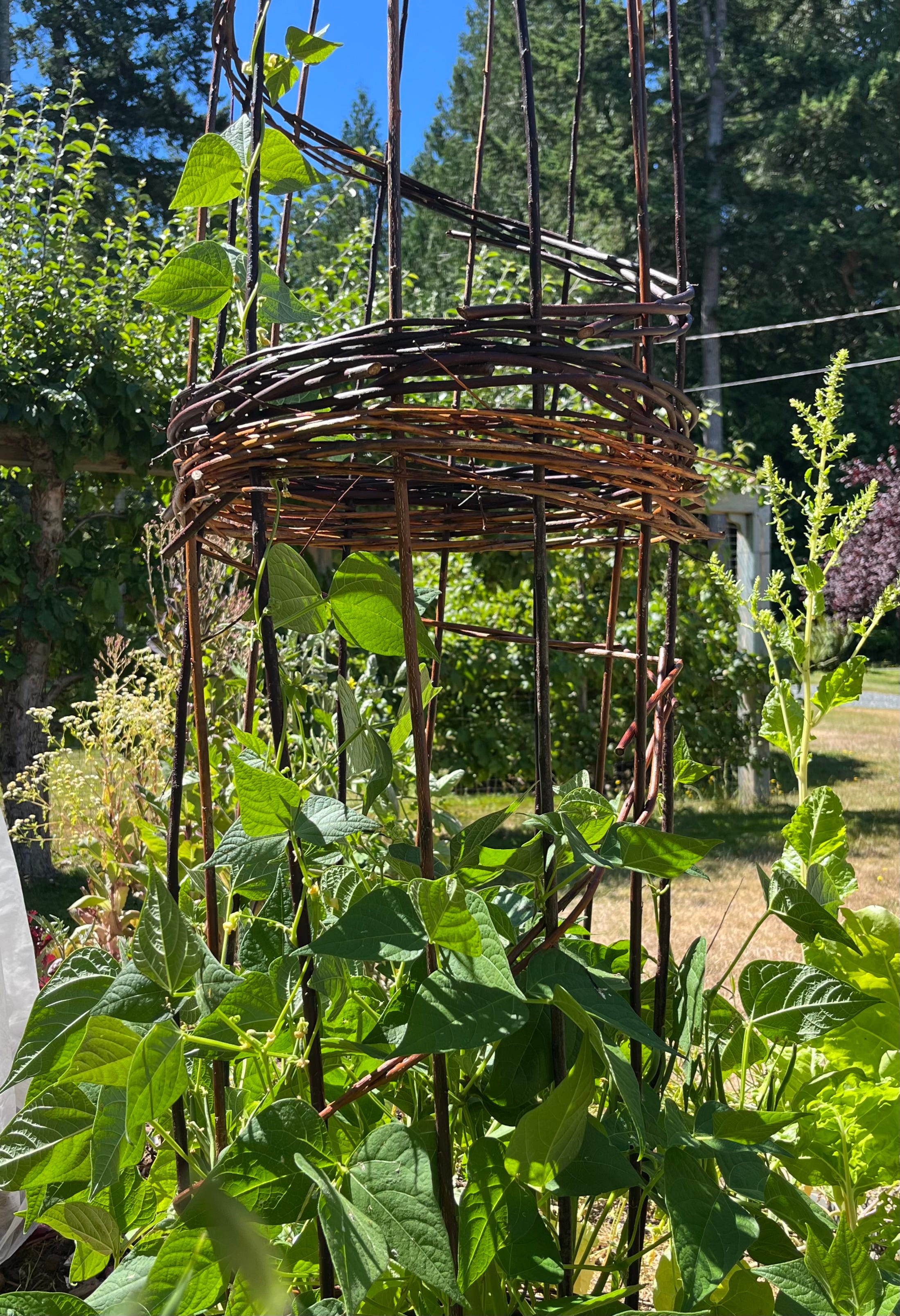
Below is a photo of my obelisk from later on in the year, with beans starting to climb up. These really are great in the garden for architectural interest, and any kind of climbing plant support. If kept out of the rain over the winter, they should last for at least two to three years.
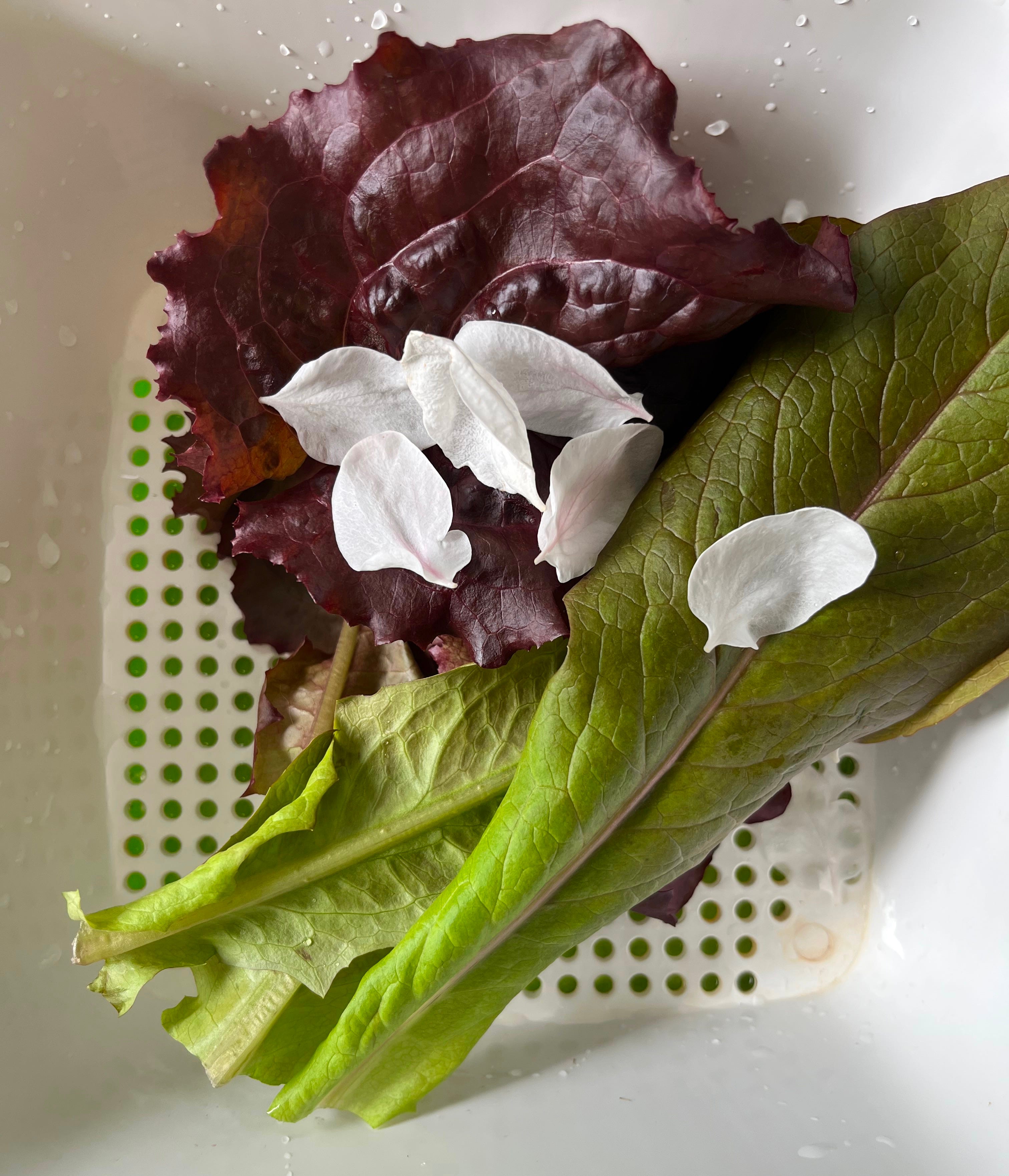
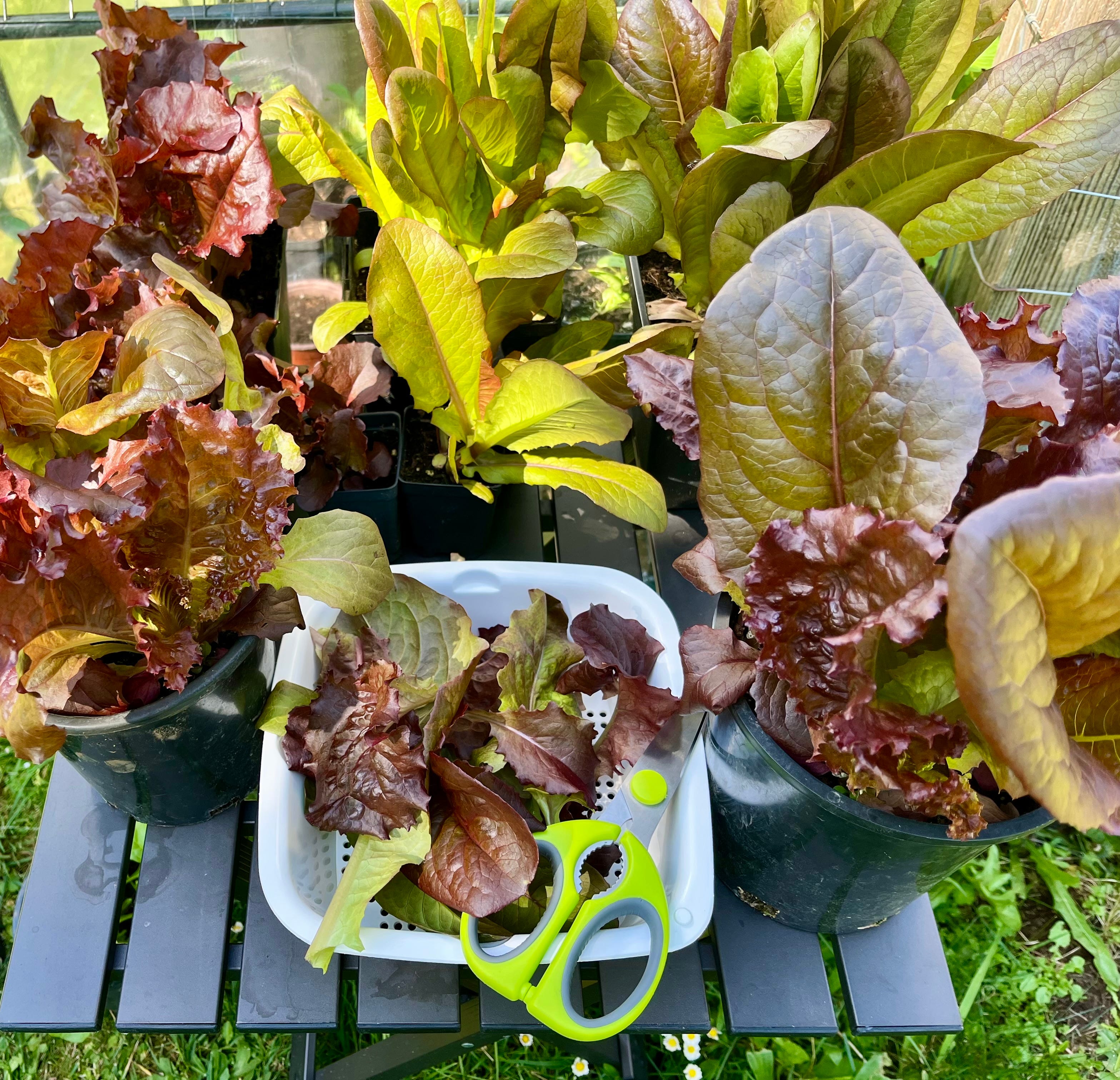
The May newsletter went out with details that I’ve already gone over above. But in other news, I was absolutely delighted to already be harvesting a good amount of lettuce from my winter sowing efforts. Below are the “Merlot” and “Paddy’s Pink Romaine” varieties that I got from local seed seller Sweet Rock Farms. There’s also a few apple blossoms from our apple trees, which I only recently learned are totally edible. They have a mild bite, slightly gingery (?) taste that is surprising.
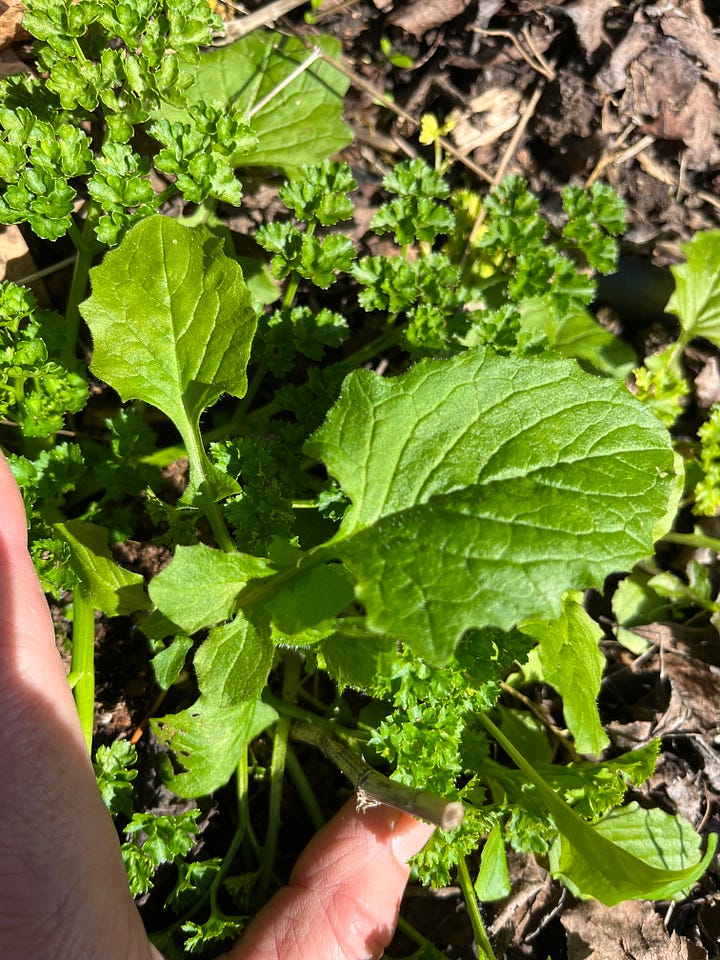
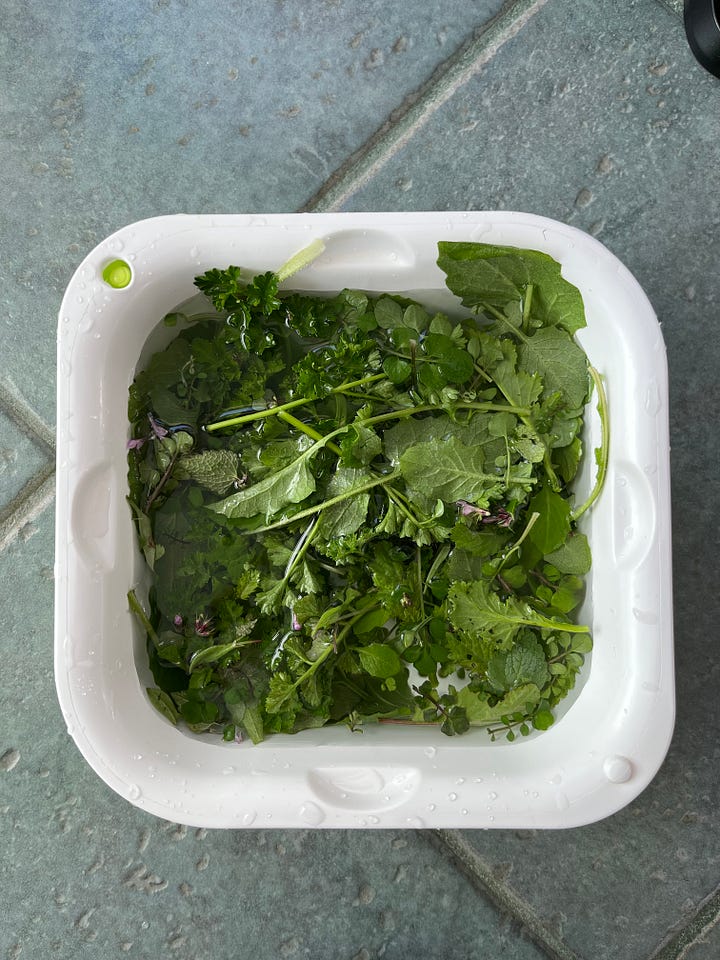
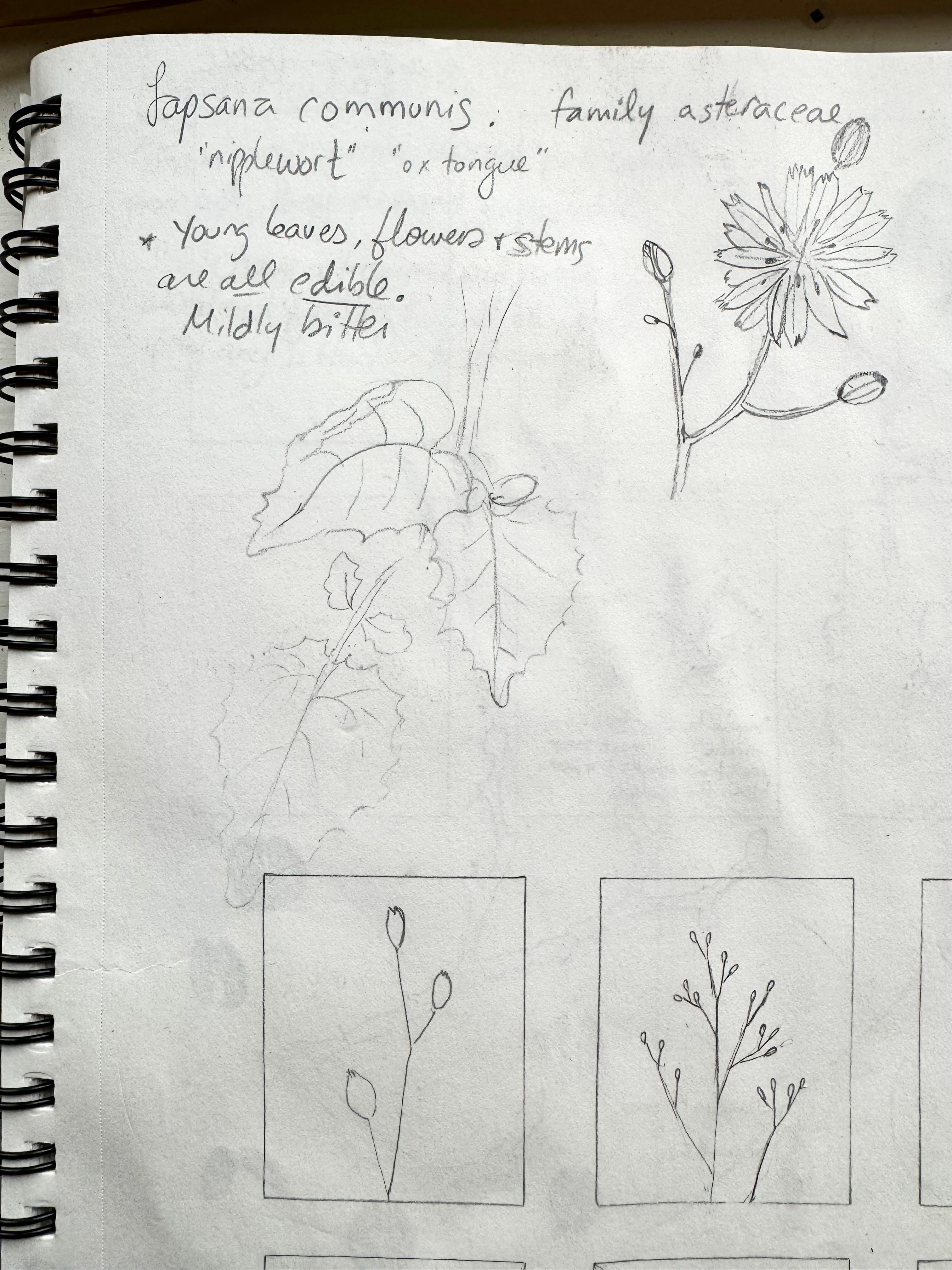
Speaking of foraged edibles, I was keen on eating these leaves (below) which pop up everywhere here. The unfortunately named “nipplewort” has young tender leaves that are totally free and tasty salad greens. As early as April, I was foraging plenty to add to spring salads. It gave me pause that I was fretting over the slugs eating my fancy lettuce in the garden, while all around me free edible greens were there for the taking. So I made a point of foraging for greens like bittercress and dead nettle and adding them to our fancy lettuce salads. Having a good plant ID app on my phone was very handy for identifying edible greens while outside.
The June newsletter was all about my on-line weaving workshop, you can read more about it here.
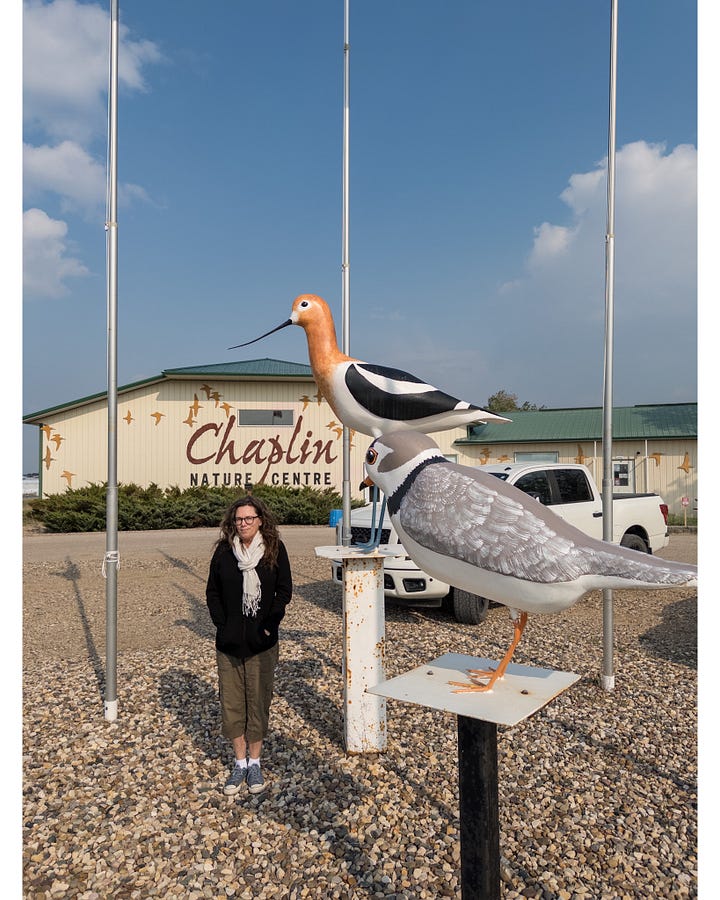
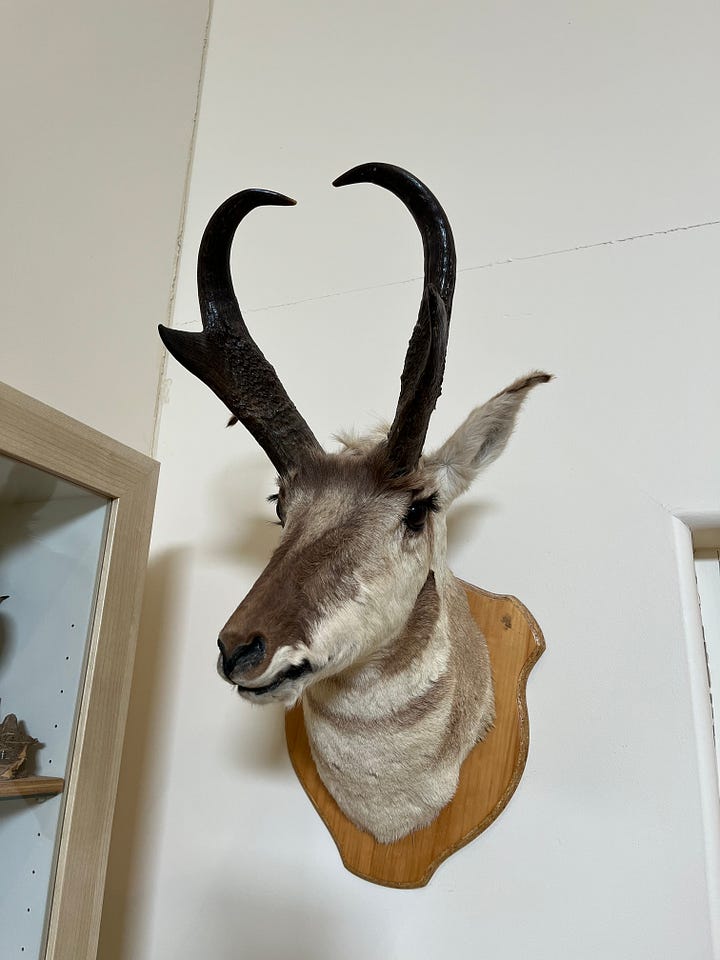
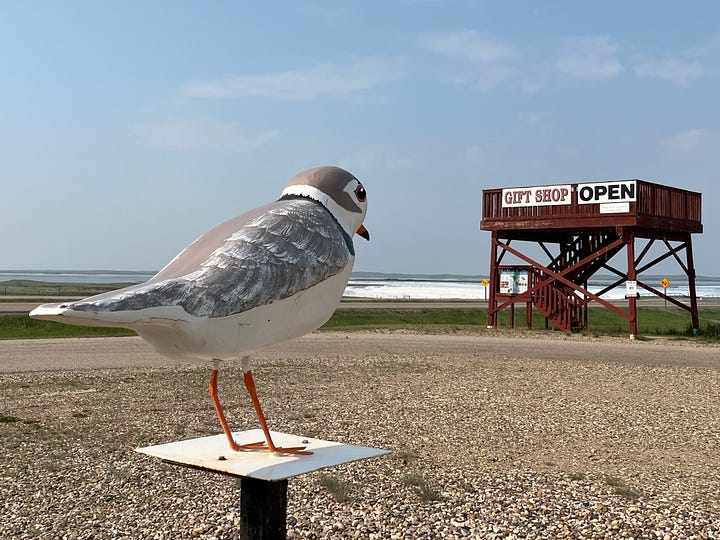
Also in June, Martin and I took a road trip to Regina, SK to watch a family member graduate from the RCMP training program. The reason for the trip was special enough, but the entire road trip was exciting and beautiful too. It was a perfect time of year to drive through the prairies, everything was still lush, green and utterly gorgeous. It was only my second time visiting, but really fell in love with Saskatchewan. The people are down to earth, the landscape is stunning, and the history compelling. Martin planned a side quest that took us along part of the Red Coat Trail4, and we were lucky enough to spot many pronghorns, some with fawns! Too many photos were taken to share in a recap email like this, but a couple of highlights were the Head Smashed in Buffalo Jump world heritage centre, and a spontaneous stop at a tiny road side museum called Chaplin Nature Centre. When we spotted the large-scale bird sculptures in the distance, we knew we needed to pop in and investigate further.
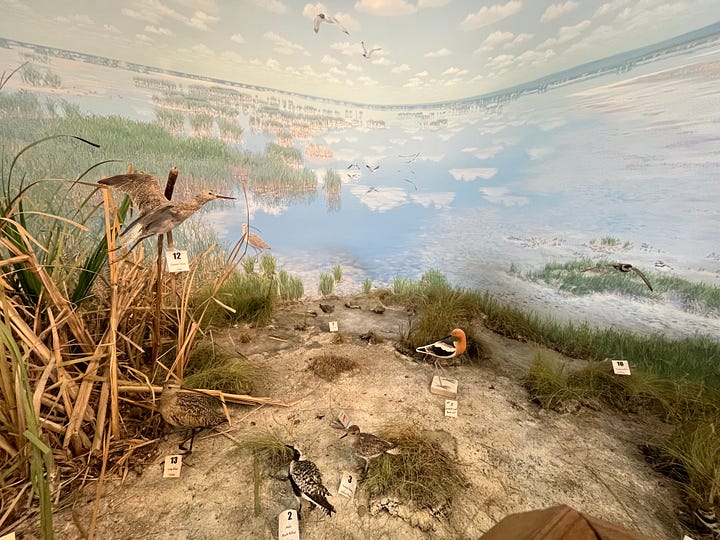
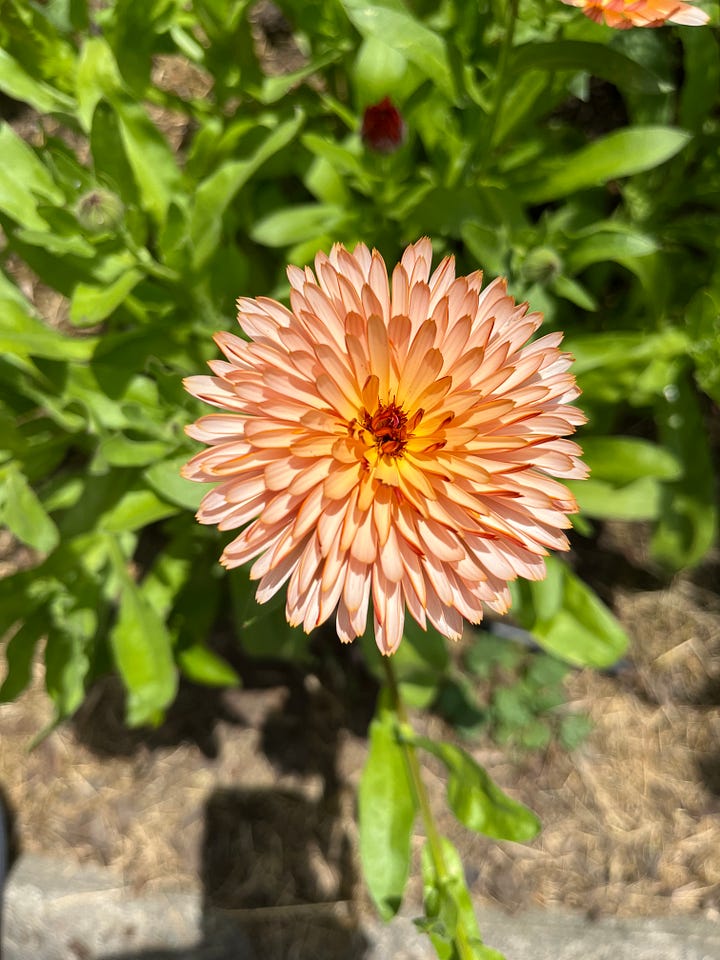
Back at home, the yard was full of of flowers and the garden was starting to give a few peas and other veg.
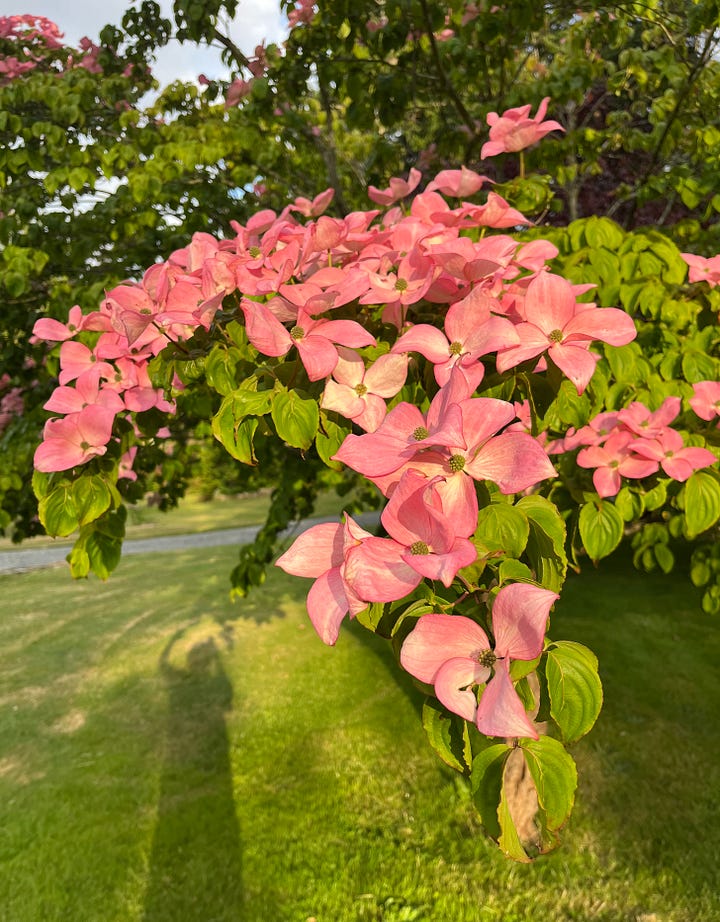
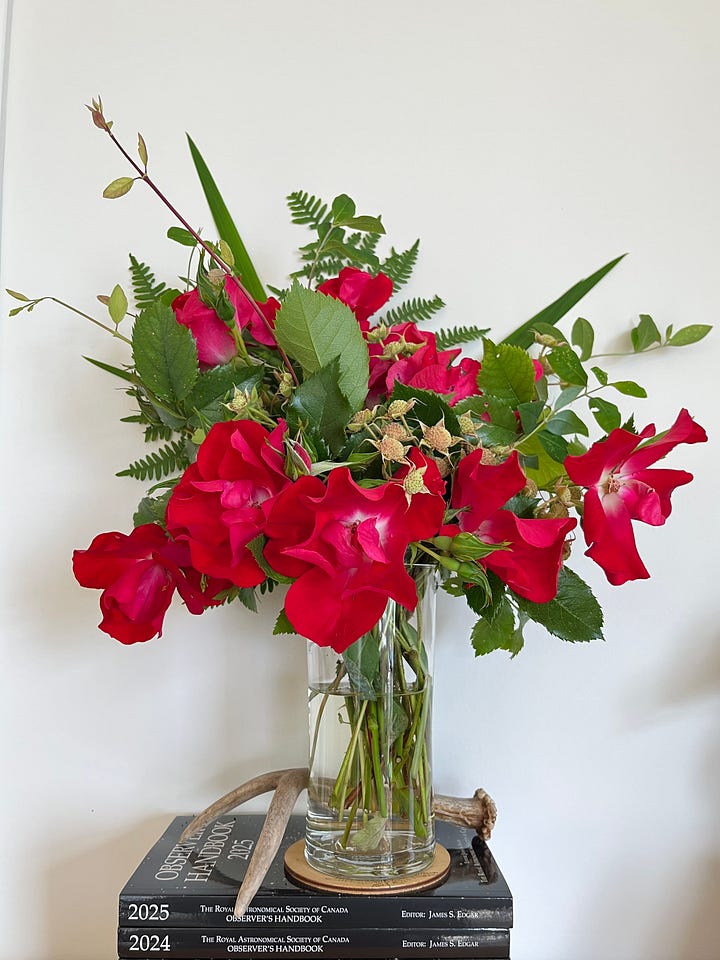
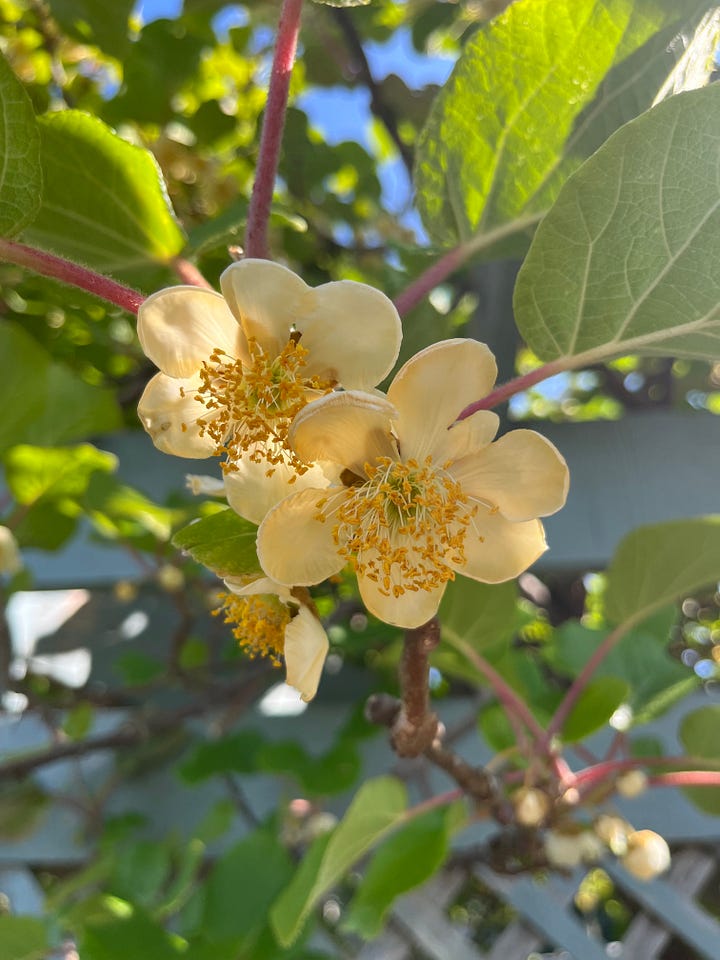
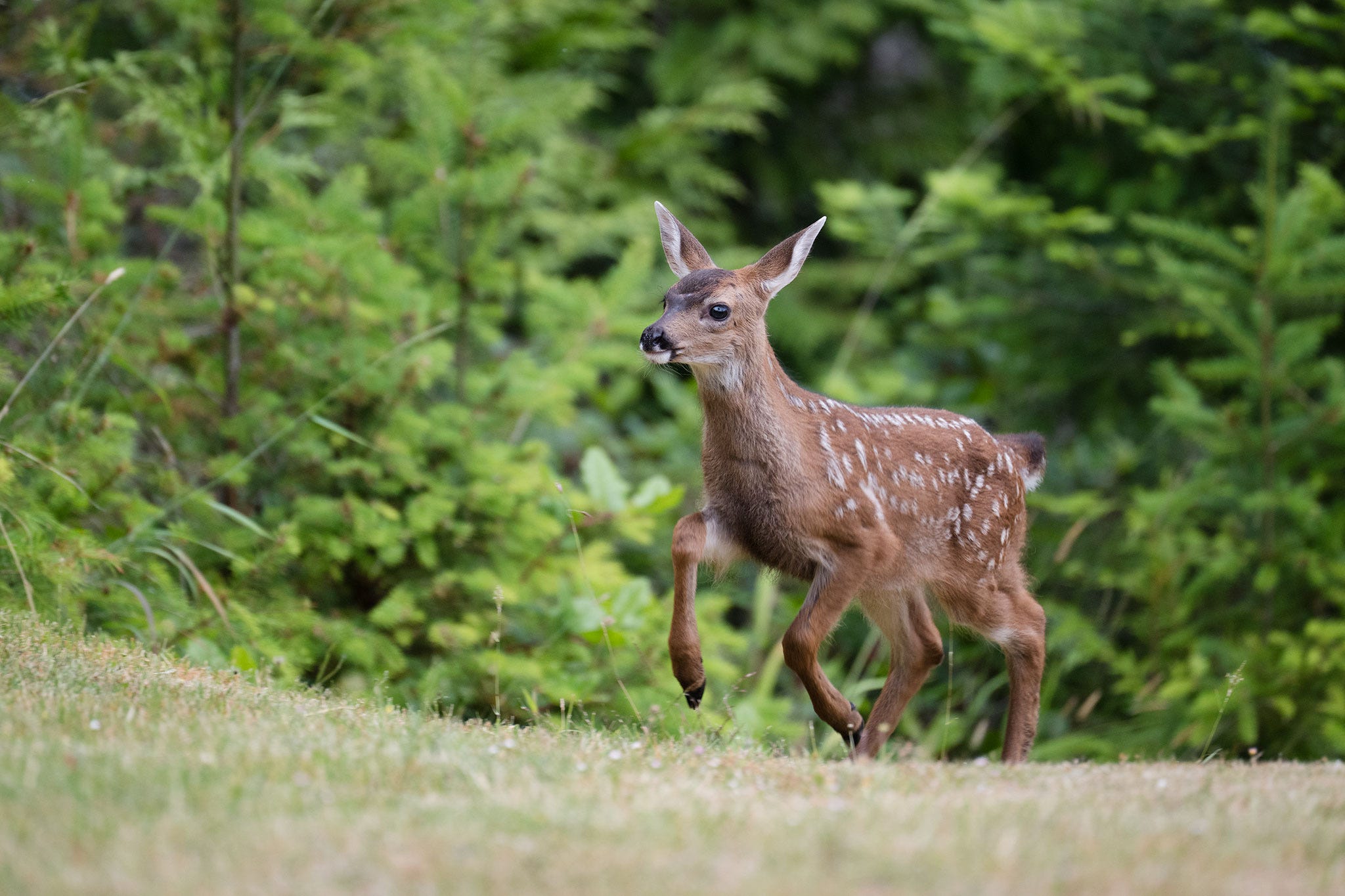
The deer mamas were starting to bring their fawns around, a most precious and delightful time of year.
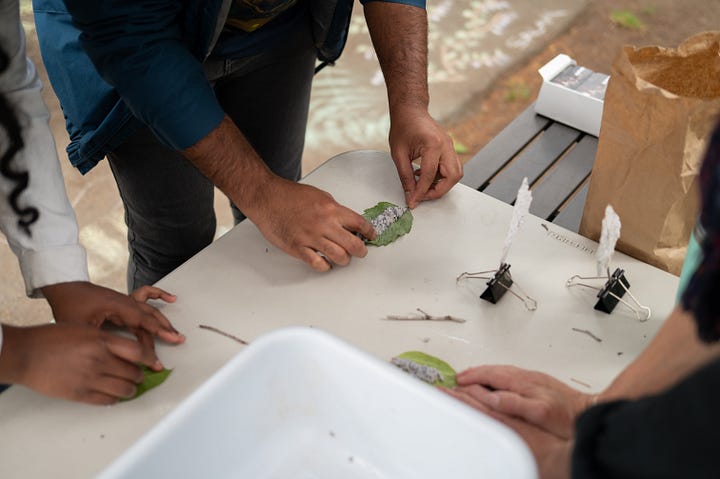
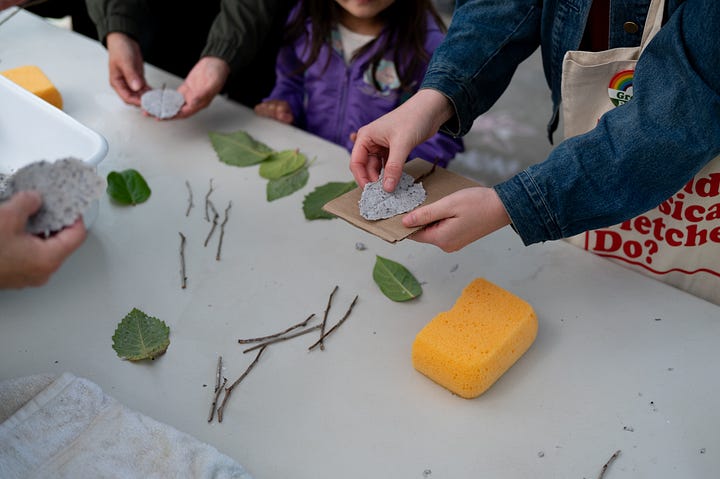
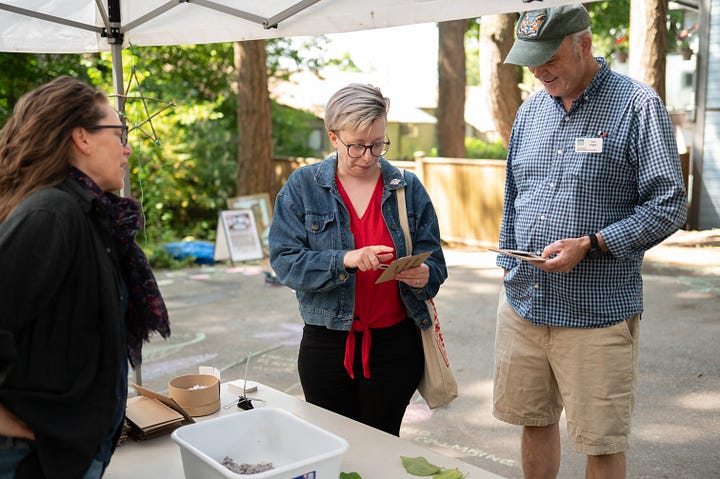
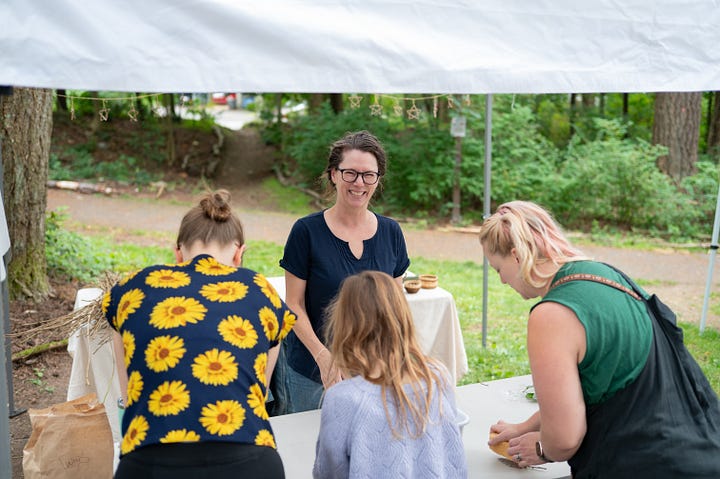
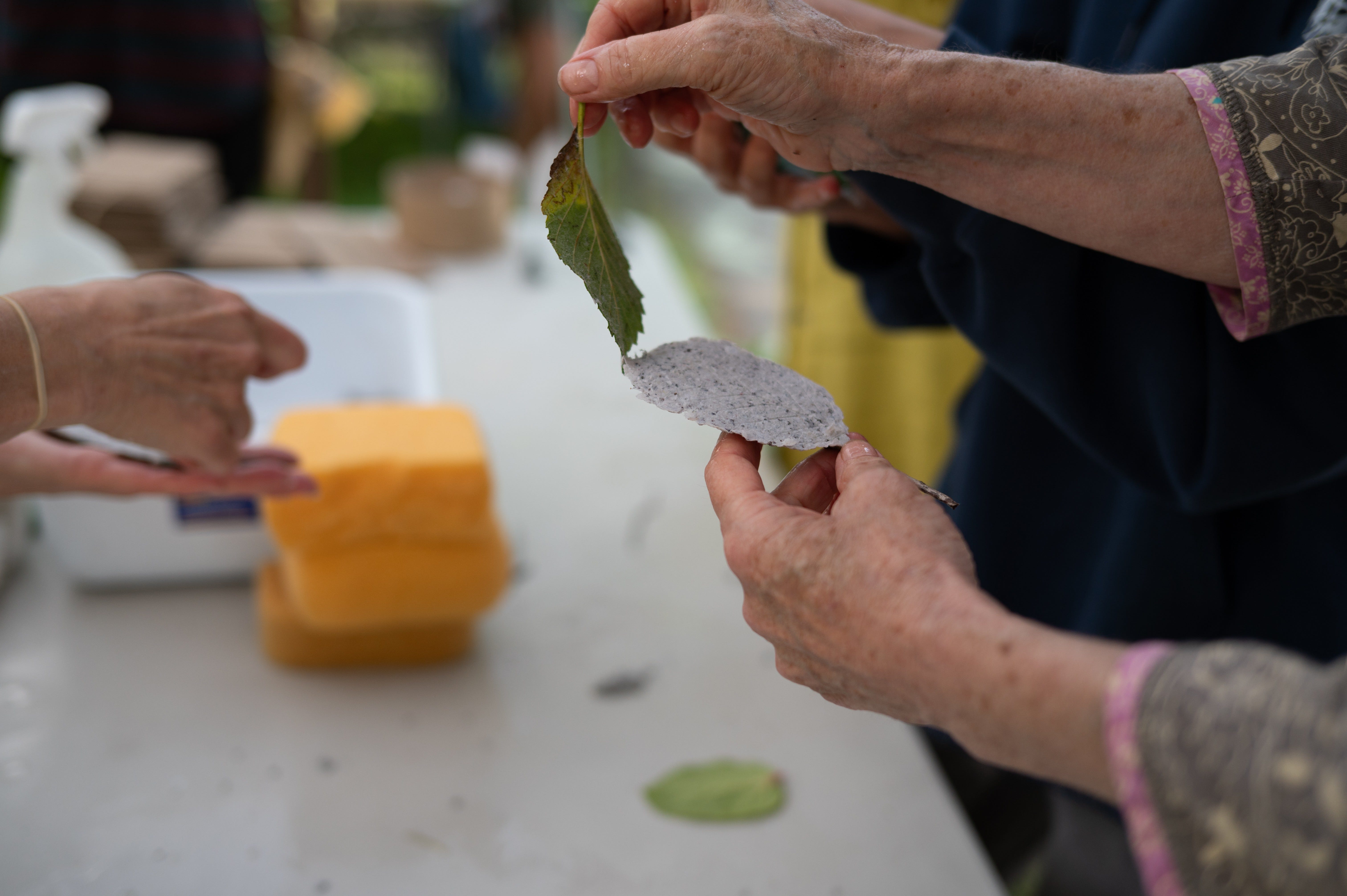
At the end of June, I went to Vancouver for the first time since the pandemic! What could possibly draw me back to the city from our Island paradise? I had been asked to join the Free the Fern Eco-Festival and it was hard to say no to such a fun and worthy event. That afternoon, I showed people how to make their own leaf “pulp cast” sculpture with recycled paper pulp and using a real salal leaf as a mold. I had learned this technique through an on-line workshop via May Babcock and her excellent website Paperslurry, and it was perfect for this type of eco-centric event.
Thanks for reading this far! Stay tuned for my next newsletter, which will be the second half of my year-end roundup. Feel free to pass this newsletter along to anyone you think would enjoy this type of content. I will always give my newsletter subscribers first dibs and a heads up for any workshops, talks or appearances that happen throughout the year.
Best,
Christi York
Distaff Day is 7 January, the day after Epiphany, and was the traditional day on which women would start spinning again after Christmas.
Juncus effusus is a perennial herbaceous flowering plant species in the rush family Juncaceae, with the common names common rush or soft rush. Grows in boggy areas.
Mokuhanga is the traditional water based printing technique, originating in China and perfected in Japan. A print is created by carving blocks for each colour, then printing each colour successively.
The Red Coat Trail is a 1300km (800miles) route that approximates the path taken in 1874 by the North-West Mounted Police in their March West from Fort Dufferin to Fort Whoop-Up.
No posts
Comments
Nothing yet. Say the first thing.
Sign in to join the conversation.