
This is part one of a two-part series on marketing for luxury brands! Part two is going to get more granular, with specific marketing recommendations per channel (focusing on your brand’s website, social channels + email marketing). I can’t wait for it to hit your inbox later this month. For now, enjoy part one, which is all about storytelling.
Luxury brand positioning is notoriously challenging. Your goal is to differentiate who you are and what you make, conveying intrinsic value without promoting your products using competitive prices, sales, or giveaways. This means that storytelling - painting a picture of your brand’s heritage, its unique products and the world it represents - is paramount to any marketing efforts. If we take the idea that customers want to feel like the hero of their own story, your goal is simple: make them feel special - heroic - for having invested in your brand.
But how, exactly, do you do that? Here are some storytelling strategies to consider.
If you tell your brand’s story right, customers will end up feeling like the star of the show for having invested in your product. (Main Character Syndrome, much?) Two foundational pieces of this story are your brand’s unique personality - the brand world you’re building - and its heritage.
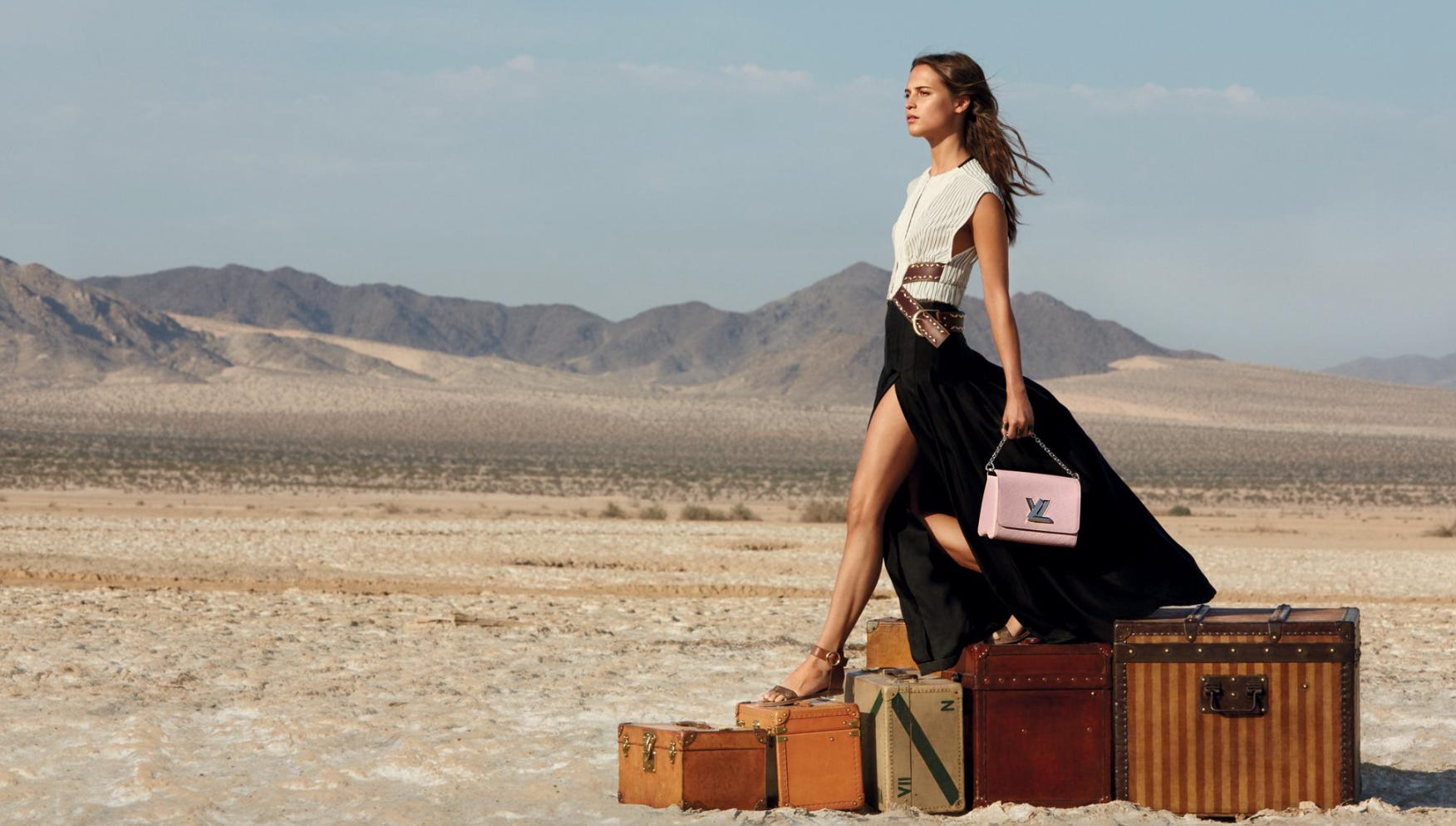
You want your brand to feel like it inhabits a universe of its own. Take Louis Vuitton’s ongoing “Spirit of Travel” campaigns - they have an otherworldly feel that you can’t quite place, which is exactly what makes them so memorable. The Louis Vuitton universe is all about the luxury of taking off, an eccentric dandy-ism that can go anywhere and feel at home (see: the one-of-a-kind hand-painted luggage set the brand created for Wes Anderson’s film The Darjeeling Limited). Louis Vuitton inhabits a space of time- and place-lessness, while for other brands, it’s actually more strategic to be deeply rooted in history. Think of Cartier’s Panthère motif, which dates back to 1914 and has continued to inform new and evolving product motifs, ad campaigns, and even a signature perfume scent. Cartier wants to make sure you never forget the heritage you’re buying into.
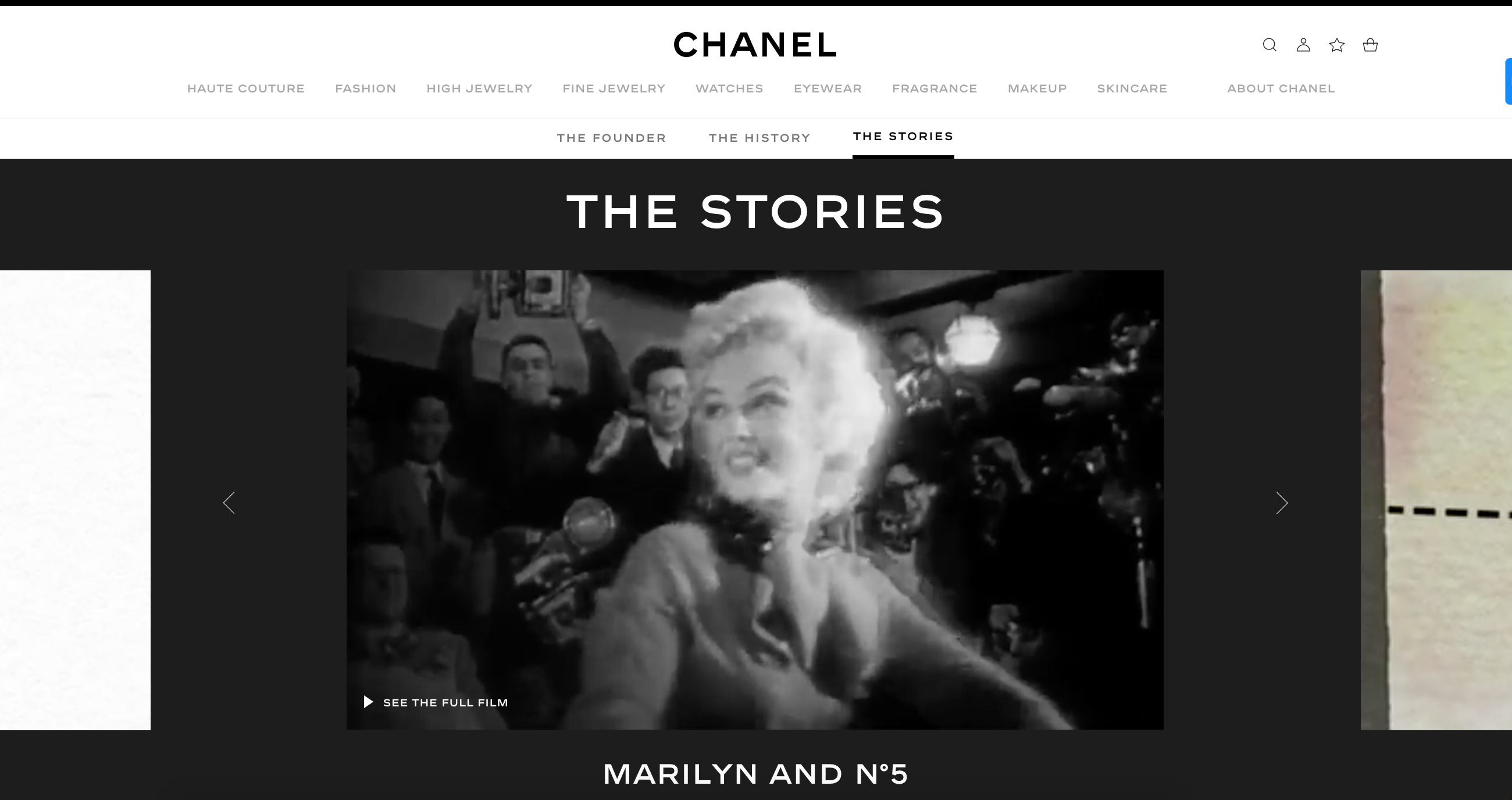
It’s easy to talk about brand heritage when it comes to established names, like Chanel (although their “Stories” video series is a masterclass and, if you need inspiration, you should check it out). If you’re just getting started, you can think of your brand’s heritage as more of a still-unfolding origin story. Why does your brand need to exist? What sets it apart? What is it about you, the founder, that necessitated bringing this vision into the world? Jeffrey Levinson is a fairly new luxury clutch brand helmed by a former Jaguar North America executive, and his ideas about luxury automotive finishes and materials permeate the brand website, along with a fuck-you ethos around traditional fashion structures. This creates a founding origin story that feels inevitable while also leveraging his products’ unique construction - more on that in the next section.
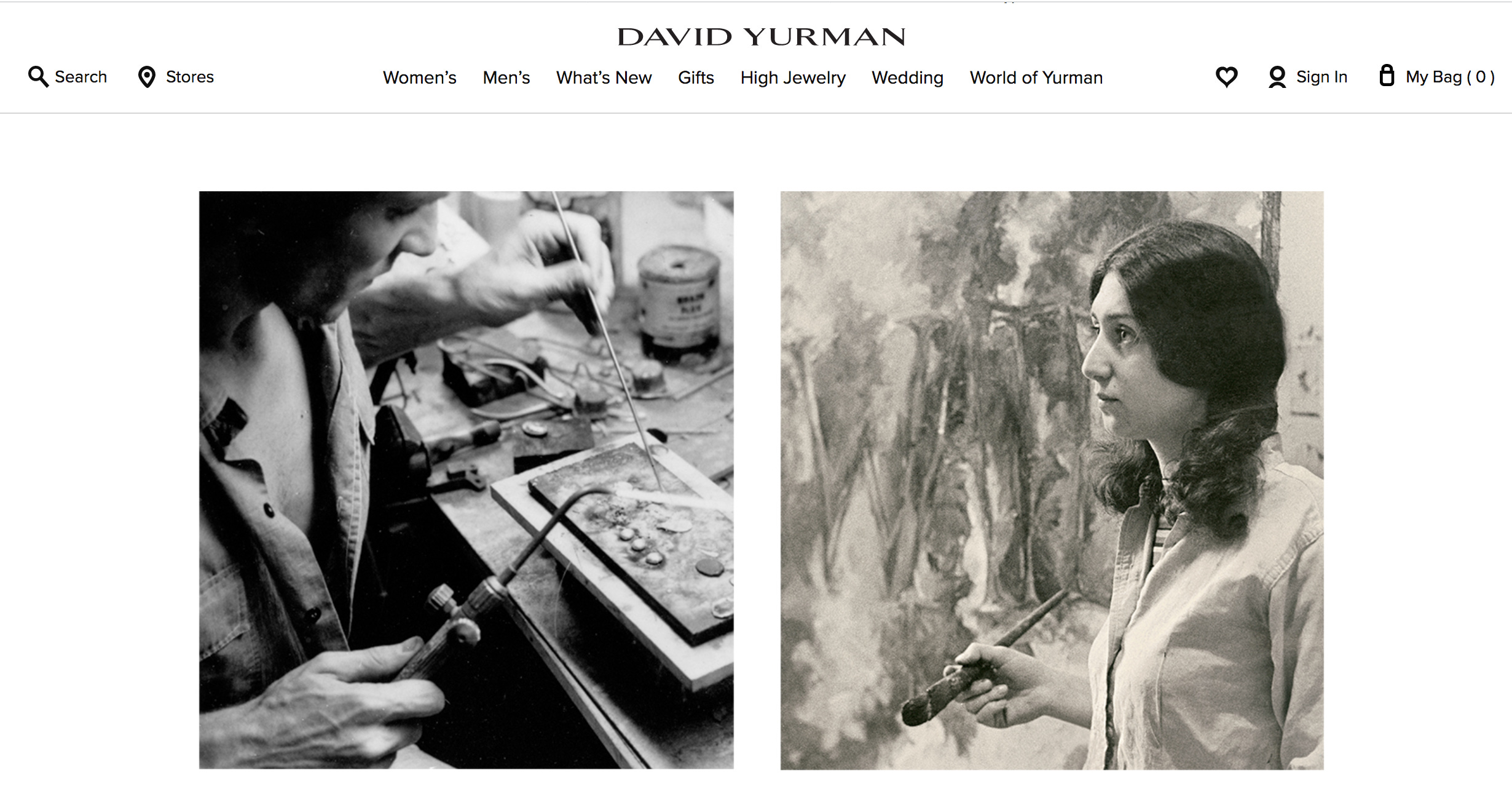
Speaking of origins: a focus on brand founders’ unique personalities can help create stories that sell. Here I’m thinking of David Yurman, whose brand story is built on the meeting of two artists: David, a sculptor, and Sybil, his now-wife, a painter. Their history of shared artistry and collaboration is a rich text to pull from across all marketing platforms, including in-person: several of the NYC retail locations prominently feature the Yurmans’ art pieces. It’s also important to think about how your personality traits and values translate into higher ideals that feed back into your brand’s world. For example, the Yurmans’ love story represents the idea of love (and, at this point, longevity of love) writ large, which is, you know, pretty helpful when you’re running a fine jewelry brand.
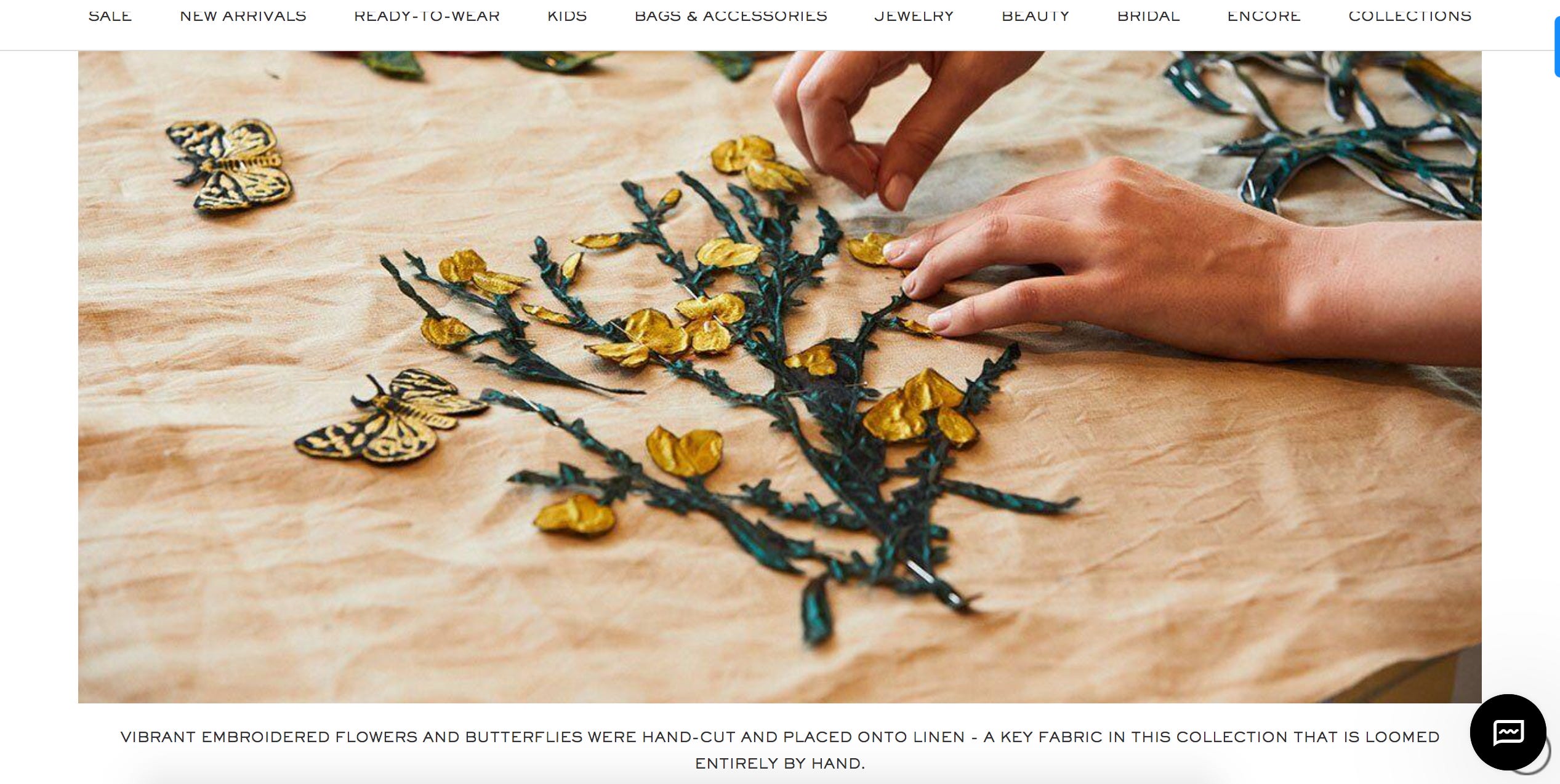
Materials are only one part of what make a luxury product special - as we’ve just discussed above. But telling the story behind a product’s construction and sourcing can add a ton of perceived value, which is especially useful if you’re a newer brand who doesn’t have name recognition to fall back on. I perceive these types of “product origin stories” to fall into a few broad categories: stories about what makes the raw materials special (sourcing), stories about how these products help the environment, or the workers who create them (sustainability), and stories about where the products are actually produced (the atelier). Of course, there’s a ton of overlap in these categories - for example, many ethical engagement brands are popping up whose diamond sourcing and sustainability practices go hand-in-hand.
Emphasizing products’ sustainability is only going to become more important as younger consumers continue to age into the luxury goods market. Sustainability and product lifecycles are key values for both Millennials and Gen Z (for more on that, check out my piece on luxury resale). Transparency in messaging is going to be paramount going forward. Conveniently for your brand, it’s very possible to do good - like investing in environmentally-friendly materials or practices - while also creating really good content.
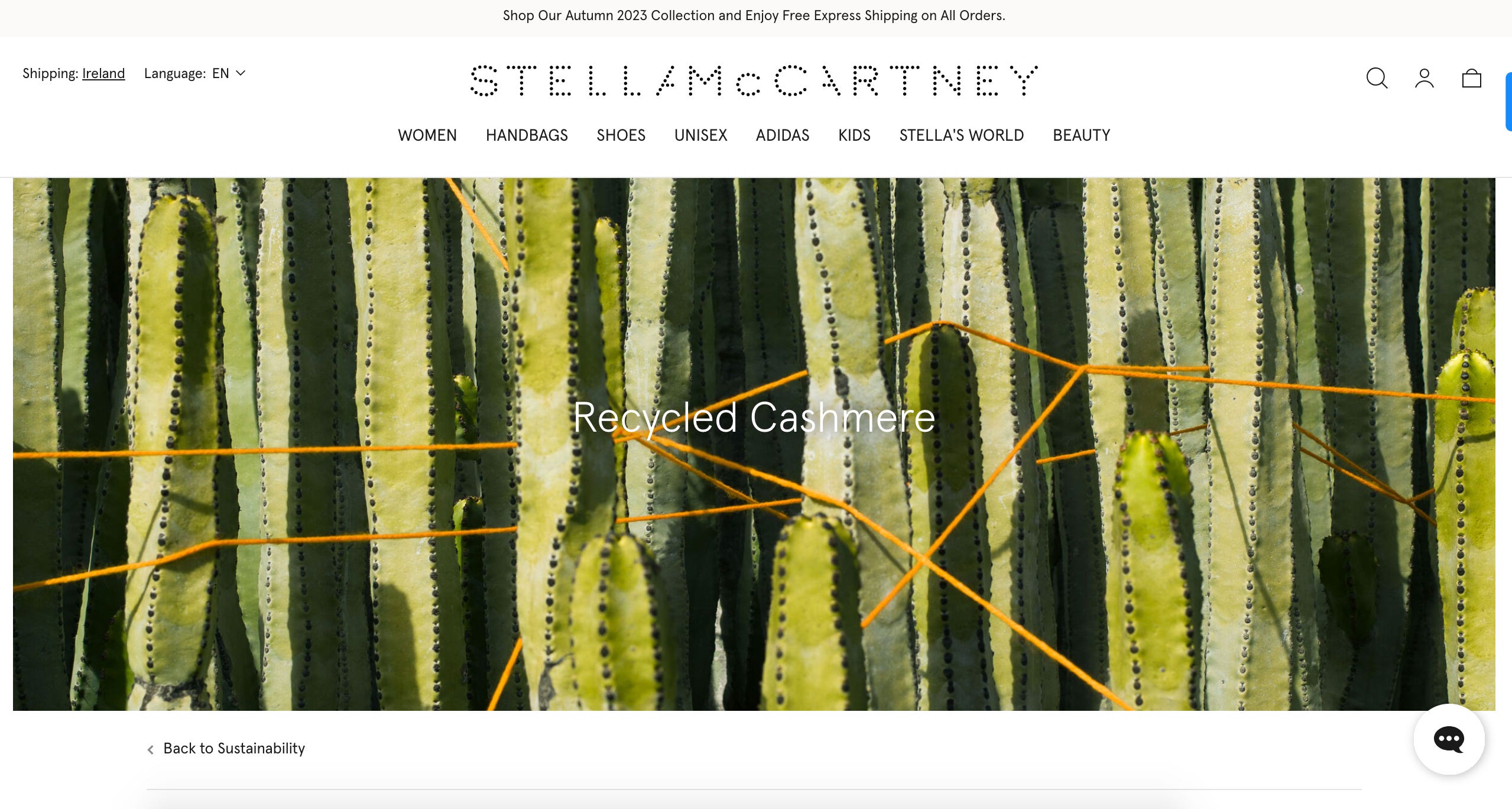
Think of Gabriela Hearst’s initiatives as the new Creative Director at Chloé, where she’s tackling huge questions about energy use, clean materials innovations and more. She puts it best when she says “I’m a luxury designer… A luxury designer means that you need to know where everything comes from and how everything is made, from soup to nuts.” (Source.) Or Stella McCartney’s commitment to using only recycled cashmere, a practice the brand has followed since 2016. The Stella McCartney site is filled with gorgeous landing pages detailing the environmental impact of conventional materials, versus the innovative ways they’ve found to be more eco-friendly. Not every customer is going to read these pages in detail, but for customers who feel divided about whether or not to purchase, this type of information can be make-or-break.
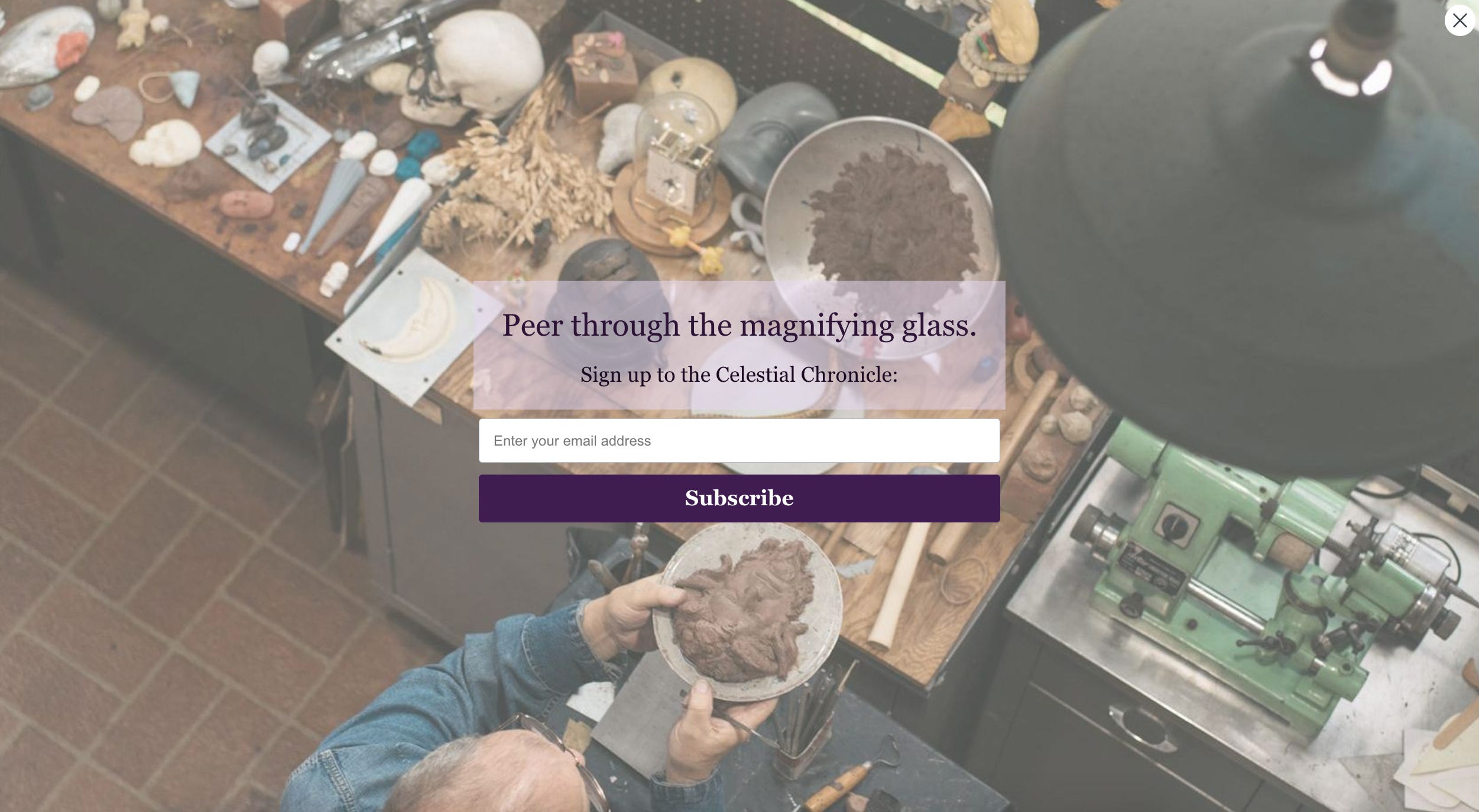
There’s also much to be considered when it comes to the romanticism of the atelier. Oscar de la Renta does a great job creating content about their production processes - they’re playing up the bespoke nature of their runway pieces, but that hand-touched feeling bleeds into the overall brand perception and makes even their ready-to-wear collections special. Fine jewelry brands can play into the mystique of the jeweler’s bench, giving behind-the-scenes glimpses of the carving or casting process - like Anthony Lent does across their marketing materials:
Going back to the idea of customer-as-hero, you can see how positioning your products as set apart from others - because of how they’re made, where they’re made, who they’re helping - is key. You can’t convey this by price point alone: storytelling is critical.
Do you find this guide helpful? Share it with another business owner who could use it:
Have a question? Hit the reply button and reach out! I’m here to help. I also LOVE addressing brand owner’s pain points in this newsletter, if you feel inclined to share with me :)
Interested in working together on a Shopify e-comm, SEO or email marketing project? Get in touch with me here.
Book a Power Hour Consult with me and I’ll help you design a tangible plan to move your business out of an SEO, e-comm, or marketing rut.
No posts
Comments
Nothing yet. Say the first thing.
Sign in to join the conversation.