
October is Cybersecurity Awareness Month, a time when we’re all encouraged to focus on our digital habits. It’s a fantastic initiative that puts a much-needed spotlight on online safety. But as parents, we have to ask a critical question: in a world where digital threats never take a day off, is a one-month focus enough to protect our families?
The reality is, treating cybersecurity like an annual event is like cramming for a final exam. You might remember the information for a week, but it quickly fades. This concept, known as the “forgetting curve,” is a major flaw in the “awareness month” model. The lessons learned in October are often forgotten by January, leaving our families vulnerable for the other 11 months of the year.
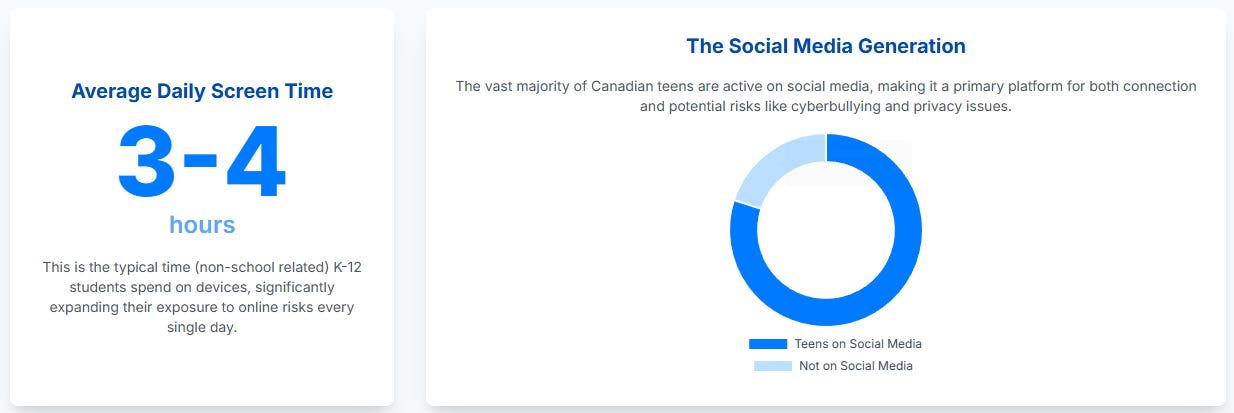
This is a dangerous gap, because the online world our children navigate is constantly changing. Cybercriminals are relentless, evolving their tactics daily to exploit the most common vulnerability of all: human nature. They don’t rely on complex hacks; they rely on a simple click. Their attacks are sophisticated social engineering schemes—convincing emails, urgent text messages, and social media scams—designed to prey on trust, curiosity, and fear.
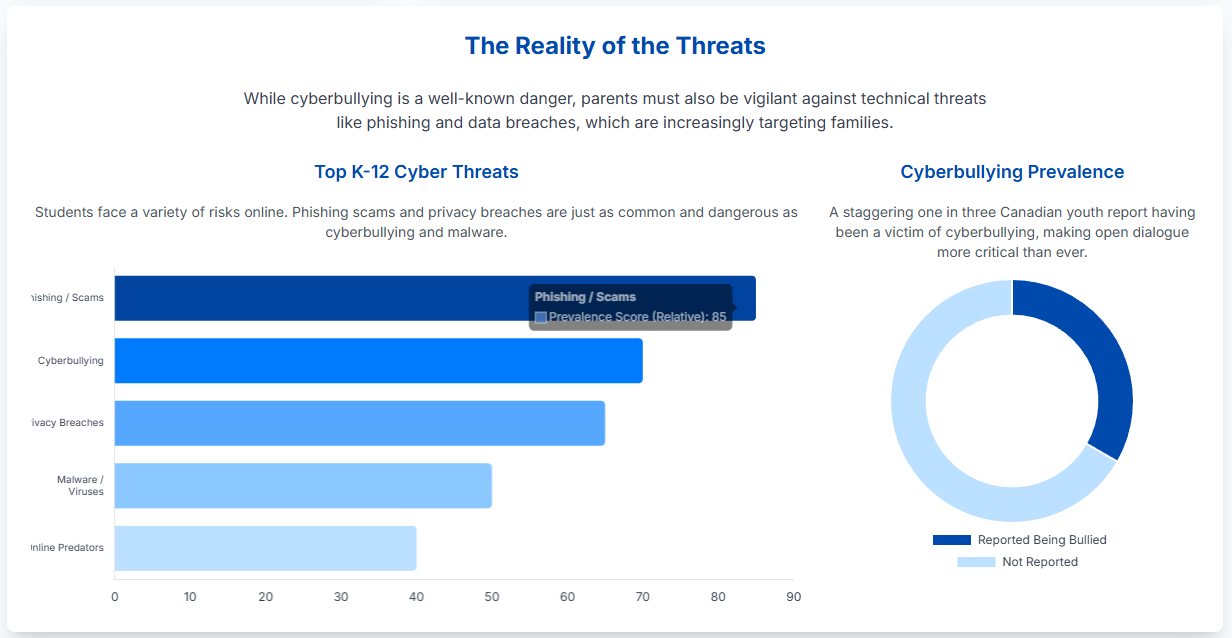
The line between our work and home lives has blurred, and the risks our children face online have become a serious family issue. The statistics in Canada are a sobering call to action. The Canadian Centre for Child Protection saw a staggering 45% increase in reports of online child exploitation in a single year . Meanwhile, Canada’s national tip line, Cybertip.ca, now receives an average of six sextortion reports every day, an organized threat specifically targeting youth . With about 30% of young Canadians reporting they have been cyberbullied, it’s clear that the digital playground comes with real-world dangers .
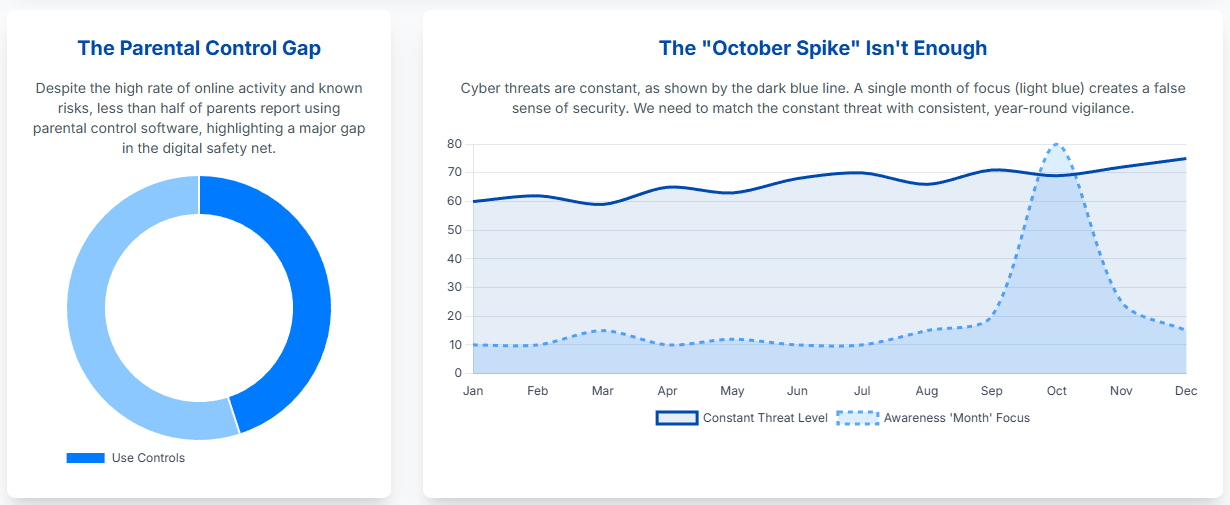
So, what’s the solution? We need to shift our mindset from a temporary “awareness campaign” to building a permanent “culture of safety” within our homes. This means moving beyond a single, annual lecture and embedding secure practices into our daily routines until they become second nature.
The most effective way to do this is by embracing the concept of Digital Citizenship. This isn’t just about teaching kids what not to do online. It’s a positive, empowering framework that teaches them how to be responsible, ethical, and respectful members of the digital world. A good digital citizen knows how to protect their own information, create safe spaces for others, think critically about what they see online, and act with empathy. By framing online safety this way, we move from a place of fear to one of empowerment.
Making this a year-round commitment doesn’t have to be overwhelming. Instead of one big talk in October, think of it as a series of small, ongoing conversations woven into the fabric of your year.
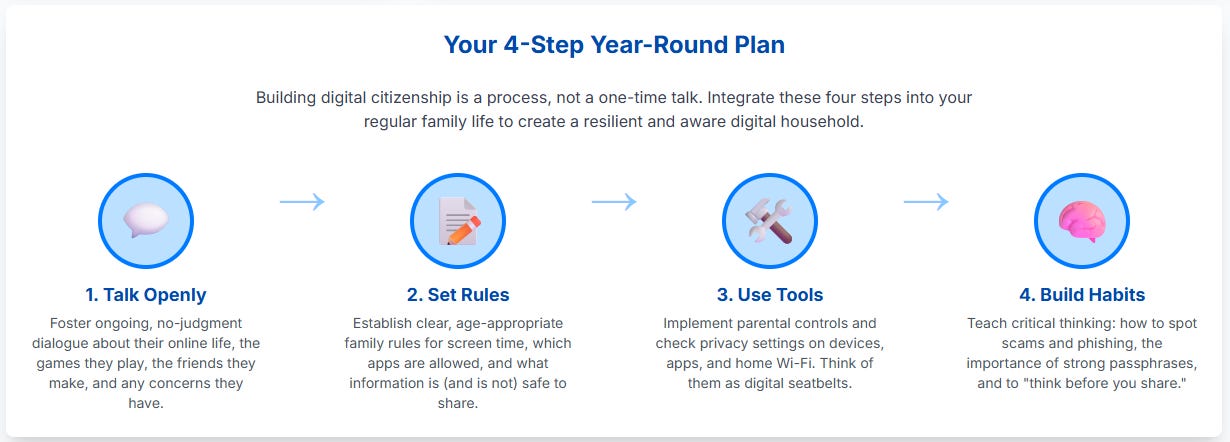
Here’s what a year-round family cybersecurity calendar could look like:
January (A Fresh Start): As you set New Year’s resolutions, do a “digital cleanup.” This is the perfect time to help your kids create strong, unique passphrases for their accounts and introduce the family to a password manager.
March (Spring Break): With more downtime, kids may be online more. Use this time to talk about spotting phishing scams and fake offers. Go through examples of suspicious emails or messages together.
Summer (Vacation Time): The focus can shift to online gaming and social media safety. Discuss the importance of privacy settings and the risks of interacting with strangers online. Set clear boundaries and review parental controls on devices and apps.
September (Back to School): As the school year begins, have conversations about cyberbullying and what it means to be a supportive friend online. Remind them that their digital footprint—everything they post and share—is part of their reputation.
October (Cybersecurity Awareness Month): Instead of making this the start of your efforts, make it a celebration of the great habits your family has built all year. Review what you’ve learned and maybe use a game to test your family’s scam-spotting skills.
December (Holiday Season): New devices are often popular gifts. Make it a rule to set up security and privacy settings together before they are used. This is also a great time to discuss online shopping scams.
The goal is to make these conversations as normal as asking, “How was your day?” When we create an environment where kids feel comfortable talking about their online experiences—good and bad—we become their most trusted resource.
Cybersecurity Awareness Month is an essential reminder, but it should be the launchpad for our efforts, not the entire mission. The threats our children face are active 365 days a year. By making digital citizenship a core family value, we can ensure our defense is just as constant, empowering our kids to navigate the digital world with confidence, resilience, and wisdom.
For more resources to help your family stay safe online, visit trusted Canadian sites like:
K-12 Cyber Awareness Month+ (ECNO/Ontario Ministry of Education)
K-12 Zone (Cyber Security Ontario)
ProtectKidsOnline.ca (Canadian Centre for Child Protection)
Get Cyber Safe (Government of Canada)
Comments
Nothing yet. Say the first thing.
Sign in to join the conversation.