
It’s been a few months since I last wrote here, which is too long! I wasn’t on the beach (the whole time) however …
First, some news: I’ve joined the Brookings Institution as a nonresident fellow at the Hutchins Center on Fiscal and Monetary Policy. The Hutchins Center is where much of the country’s most serious work on the Federal Reserve happens, and it will be home base for my research on how the Fed’s operating procedures shape financial markets. I’m very grateful to be there.
The pieces I’ve published since April look, on the surface, like they’re about different things: Silicon Valley, the death of Alan Greenspan, and a big report on an obscure housing lender that dates from the Hoover administration. But they each channel the insights of Marketcrafters in new directions. America’s biggest markets don’t organize themselves. People manage, shape, and direct them, benefiting some more than others.
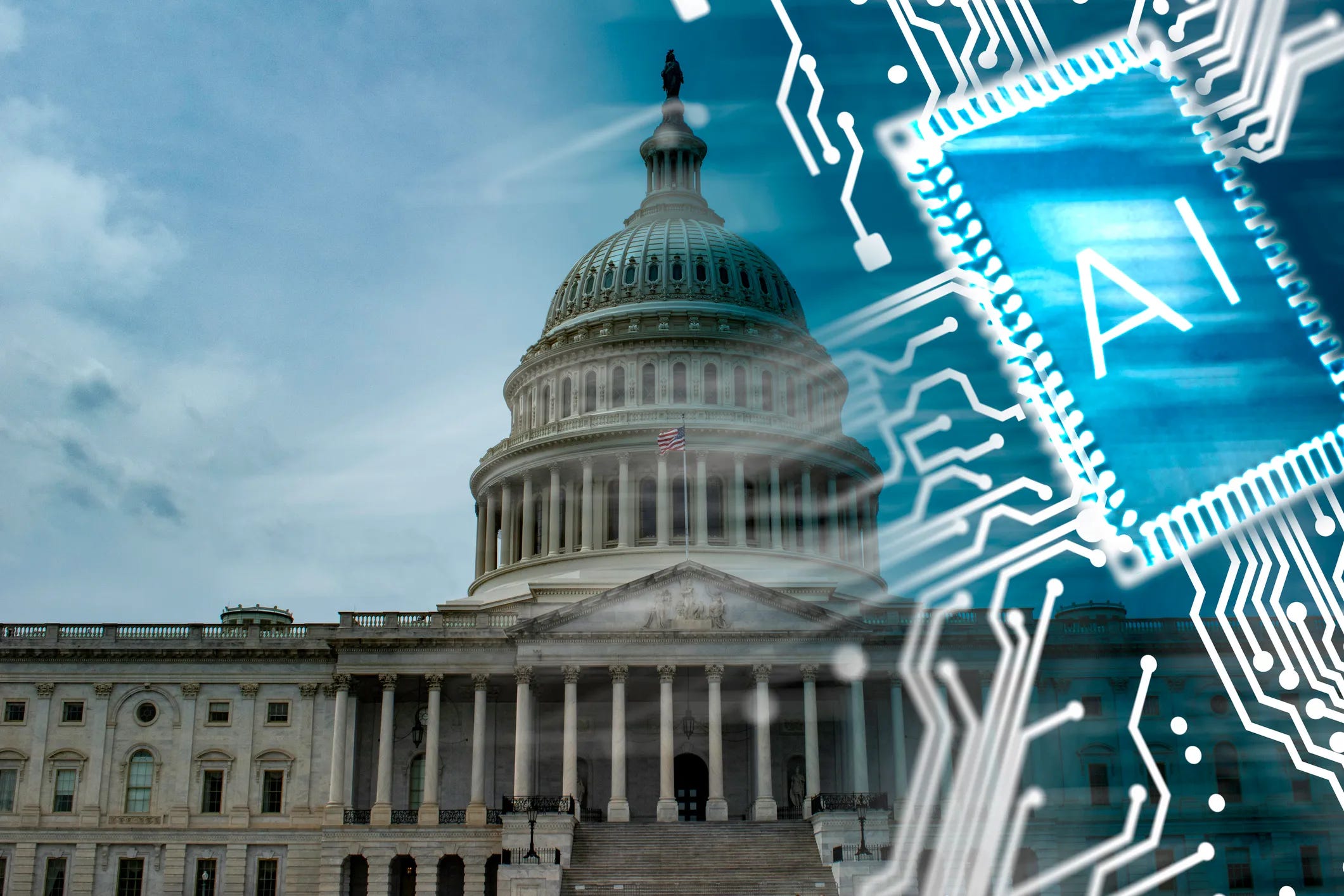
Silicon Valley Needs Washington After All (The American Prospect, July 14) is the newest of the three. The tech industry spent 50 years telling a story about its independence from the state, but that mythology is now dead. Intel handed the government a 10% equity stake. Frontier AI companies give the White House prerelease access to their most powerful models. The Commerce Department forced one of them to shut down its flagship products worldwide for 18 days. What’s emerging is a haphazard industrial policy for AI, conducted without any clear rules— “a supply chain designation for the recalcitrant, a contract for the compliant, and an equity stake for the favored,” I write.
Entanglement between a capital-intensive industry and the state is normal. It happened with railroads, aerospace, and banking. The question is whether it gets governed by coherent policy or by deal.
Greenspan Was the Creator of His Own Disaster (The American Prospect, June 24) makes a similar argument about finance. Alan Greenspan died in June at age 100, and his obituary writers settled on a single, flattering flaw: he trusted markets too much. That charge is too generous, because Greenspan never left markets alone. His Fed blessed the credit default swap, waved special purpose vehicles off bank balance sheets, cut the capital banks held against mortgage securities from 8% to 1.6%, and crushed Brooksley Born when she proposed basic rules for a derivatives market that had grown to $28 trillion with no one watching. He cultivated American finance the way other countries cultivate steel or semiconductors.
“[Greenspan] acted consistently and adroitly to use the full weight of the American state to build a financial system that served finance, then called the result freedom.”
The “freest” market in the world, American finance, was deliberately crafted, and Greenspan is best understood as a man who believed financial innovation would save the day.
Reform the Federal Home Loan Banks to Finance the Housing America Needs (Brookings, April, with Aaron Klein) makes a more constructive case. If markets are crafted, they can be recrafted. The Federal Home Loan Bank system is a $1.3 trillion government-sponsored enterprise that Hoover created to finance housing. Today it functions mostly as a cheap funding window for large banks and insurers, collecting roughly $7 billion a year in implicit federal subsidy while contributing a small fraction of that to its housing mission.
My co-author Aaron Klein and I propose requiring the system to direct 25% of its advances to below-market construction loans for “missing middle” housing, buildings of 5 to 49 units that neither mortgage markets nor institutional capital serve well. At scale, that channel could finance roughly 194,000 new units a year, at no new cost to taxpayers. The plumbing already exists. It just serves the wrong people.
A last piece of news. My next book is officially under contract with Princeton University Press, tentatively titled Plumbing and Power: The Political Life of the Fed’s Operating System. It is the story of how the Fed’s operating procedures–the technical machinery it uses to implement monetary policy–quietly shape markets and an argument for a better, more responsive and elastic system. More on that in the months ahead.
As always, I welcome your thoughts and ideas …
Chris
No posts
Comments
Nothing yet. Say the first thing.
Sign in to join the conversation.