
In my quest of entrepreneurial success, I’ve forgot how to relax.
I used to spend a lot of time thinking, doing nothing. Now, however, I find it hard to create time and space for it. I’ve wired my brain to optimize for ROI of my resources, but sometimes the best ROI comes from inaction. For example, see how indexed funds consistently outperform managed funds.
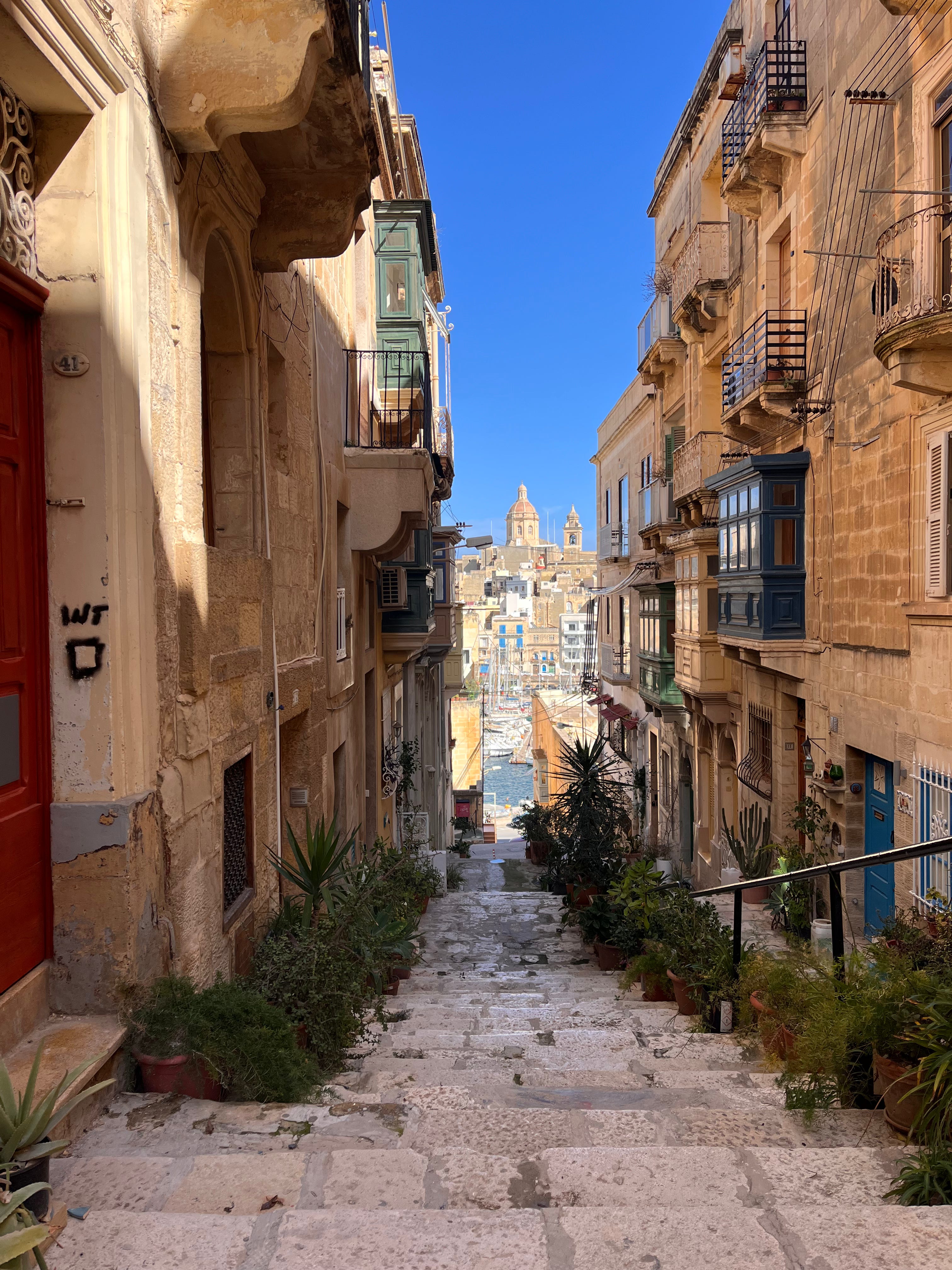
The Italians have a saying for some kind of idleness, though it doesn’t seem strategic: Il dolce far niente. The sweetness of doing nothing. Slow mornings, long lunches, entire afternoons basking in the sun, perhaps with a glass of wine and sea views in the horizon.
This looks lazy and unproductive, but it creates space for serendipity. An unstructured schedule gives you time for last minute plans. A mind devoid of responsibilities welcomes new ideas that wouldn’t otherwise find you.
Latin poet Horace knew about this very well. His motto beatus ille — blessed is he — condenses the virtues of idleness, of embracing simple living in the countryside. In a similar vein, Roman emperor Augustus hated rashness in military leaders, and coined the adage festina lente — make haste slowly — to move fast, but slowly.
Self-help books insist in getting started and taking action. That’s probably fine for people who never take action on their dreams and aspirations. But it’s not ideal for those who constantly take action — like myself lately.
I have two tattoos on my body — two socratic aphorisms. One of them says meden agan — ancient Greek for ‘Nothing in excess’. I’ve had it written on my ribs for 14 years and today I need to remind myself of its essence. Too much of doing can’t be good.
No posts
Comments
Nothing yet. Say the first thing.
Sign in to join the conversation.