
Kamikaze (Special Attack Forces). Starving soldiers. Citizens told to die for the state. Eighty years have passed since Japan’s defeat, yet how many people still feel something when they hear the phrase “for the country”?
Even today, I feel that Japan remains unusually insensitive to restrictions on individual freedom, which makes remembering these lessons all the more important.
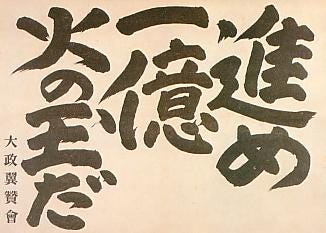
In World War II, Japan lost over three million lives—about 2.1 million soldiers and military personnel, and more than 800,000 civilians.
You’ve probably heard the term Ichi Oku Gyokusai—“one hundred million honorable deaths.” Even if you weren’t alive during the war, people from my generation all know it.
The word gyoku literally means “jade,” chosen to make total sacrifice sound noble. In reality, it glorified mass death—entire cities, soldiers, and civilians expected to die for the emperor and the nation.
The indoctrination went further: Japan must fight to the very end, every single person, literally, even in a full-scale homeland battle. This wasn’t just propaganda—it shaped the mindset of an entire generation.
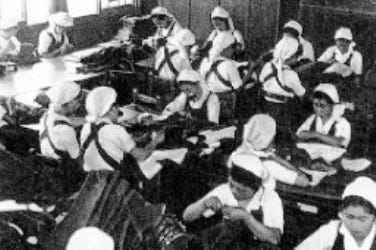
Few realize this wasn't accidental—it was legally systematized. The 1938 National Mobilization Law gave the government sweeping powers: mobilizing civilians, controlling industry, rationing, and censoring media. Citizens were treated as "resources" by law.
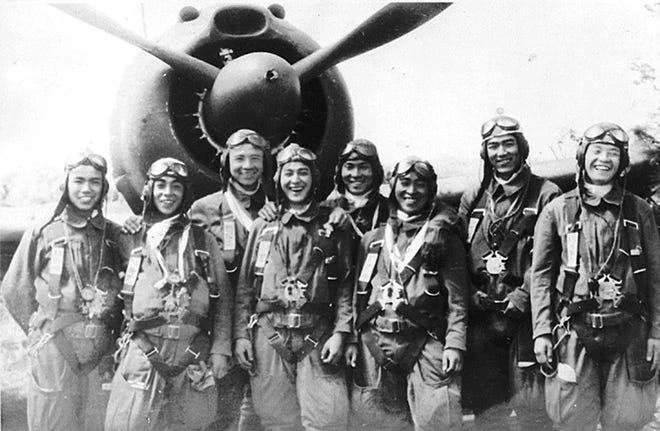
Ever wondered how successful kamikaze missions really were? Target hit rates were around 10%, and actually sinking ships or causing major damage was even lower.
So why keep going? Desperate hope for a breakthrough, boosting morale—the “one plane, one ship” ideology was meant to inspire others—leadership avoiding responsibility, and with experienced pilots and good planes gone, they threw untrained young men into the skies, even if it meant losing planes.
This wasn’t clever military strategy. It was a tragic mix of desperation, dead-end ideology, and leaders dodging responsibility.
Here’s the bitter irony: fast-forward eighty years, and the Russia-Ukraine war has seen mass “kamikaze drone” attacks. Back then, it was human lives for low-probability suicide missions. Now, it’s cheap drones with video sensors hitting targets precisely.
Technology moves on. But have we really learned anything?
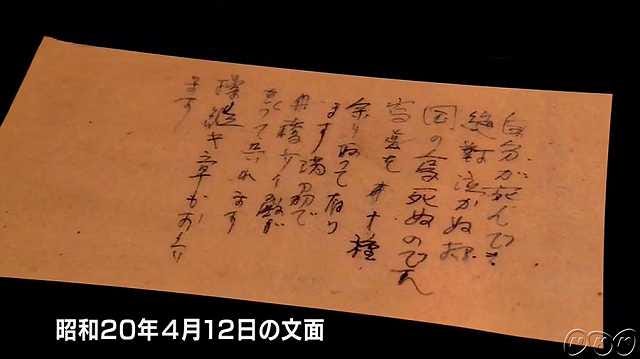
What did military leaders think human lives were worth? They treated soldiers like chess pieces, calculating, “How many men must die for this operation to succeed?”—seeing people as expendable, not as individuals.
Here’s the shocking part: of roughly 2.3 million Japanese war casualties, only 40% died in actual combat. The rest—60%—died from starvation and disease.
Why? By the war’s end, Japan had lost control of the seas and skies, cutting off supply lines. Units on remote southern islands were completely isolated, with no food at all.
This wasn’t heroic—it was organizational failure. Young people sent off “for the country” ended up dying without the most basic necessities. It’s a stark illustration of how imperial Japan truly valued—or devalued—its citizens’ lives.
More deaths from starvation than battle means complete military operational collapse. Glorifying this as “fighting bravely” is impossible to swallow. And to make matters worse, those who started the war knew from the very beginning that the odds of winning were overwhelmingly low.
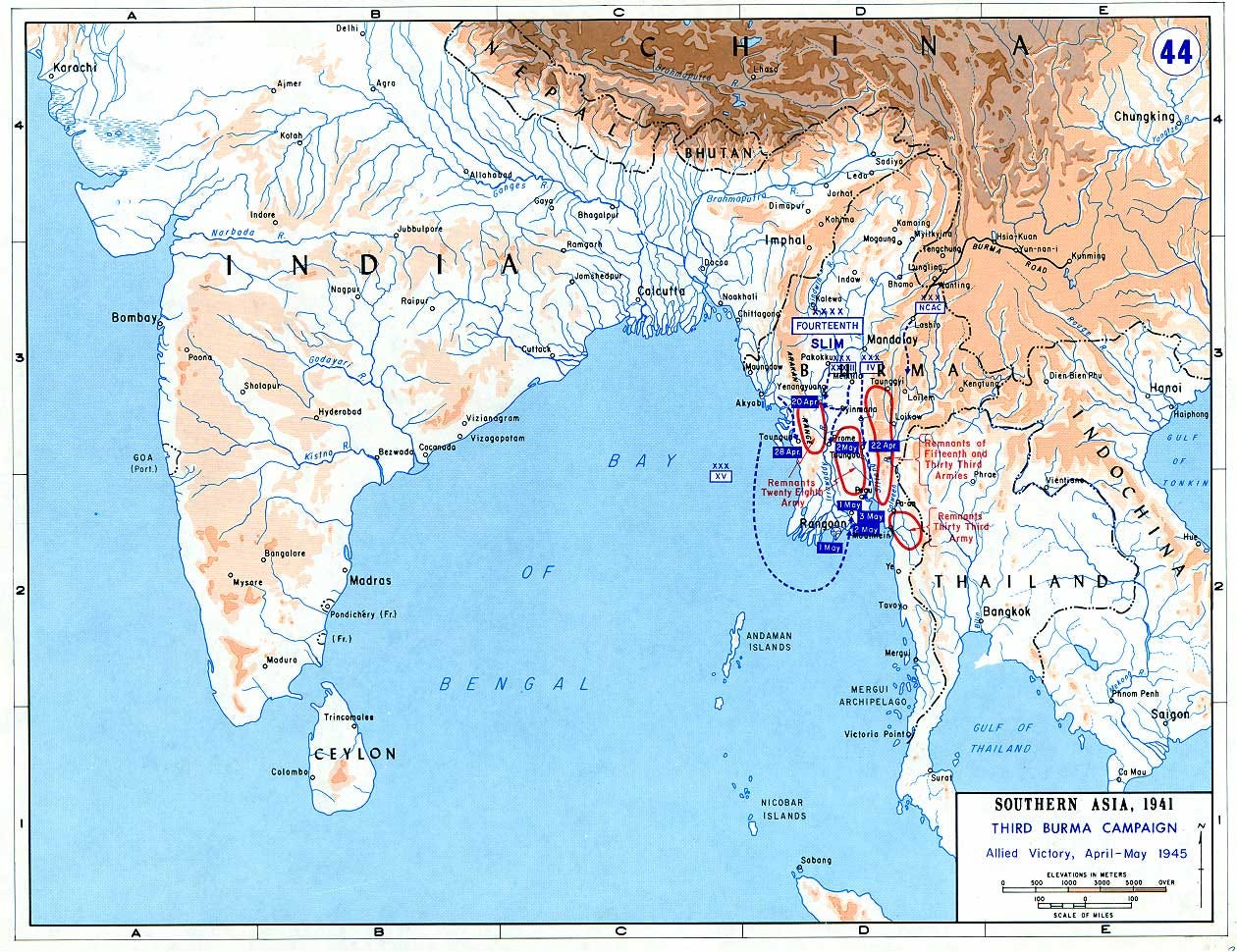
My father’s uncle died in Burma. His father was a railway station master in Matsuyama, Shikoku at that time so newspapers described it as the “honorable sacrifice of the station master’s eldest son.” But I can’t help wondering how he actually died.
How well-known is Okinawa's tragedy?
Around 120,000 civilians died in the Battle of Okinawa in 1945—about one-quarter of the island’s entire population at the time. But not all were killed by American attacks. The Japanese military forced "group suicide" and used tactics that directly involved civilians.
The military enforced the idea of "never suffer prisoner shame" and indoctrinated people to believe that "demon Americans/British" would torture captives. Many residents, terrified of surrender, tragically chose group suicide.
Japanese soldiers killed residents attempting surrender, ordered parents to kill crying babies to prevent noise, evicted civilians from gama (natural cave shelters), stole food, and forced suicide by distributing grenades.
The Japanese military also fought in civilian clothes, making it hard for Americans to tell soldiers from civilians, which caused unintended civilian deaths. Some troops even killed residents trying to surrender, labeling them as "spies."
This wasn’t simply a Japan–America battle. It was a tragic history in which national ideology and military tactics cornered Okinawan residents themselves.
I object to the Japanese government not emphasizing this aspect.
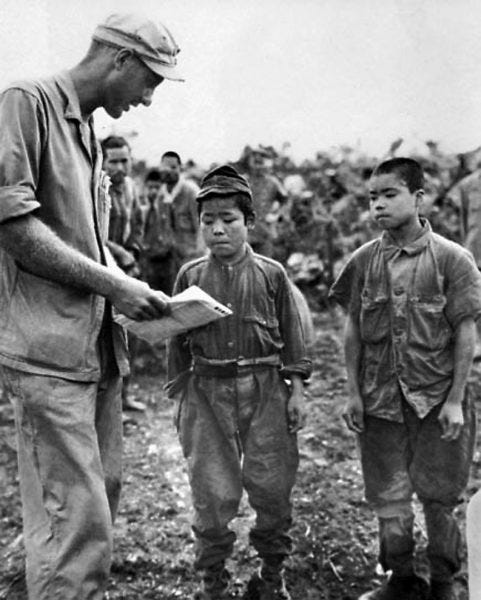
Under the slogan “Manchuria is Japan’s lifeline,” the government sold a dream of helping poor farmers build new lives. About 270,000 people trusted that promise and moved to Manchuria, working as pioneers on undeveloped land.
Then, on August 9, 1945, the Soviets entered the war, and the settlers’ dream quickly unraveled. The Japanese leadership prioritized evacuating officials and soldiers, leaving civilians behind. Families were forced to march hundreds of kilometers with almost nothing—food, possessions, hope—and many didn’t survive. Starvation, disease, and violence claimed countless lives. Some parents poisoned their children. Some groups chose collective suicide.
In the end, only around 190,000 returned to Japan. Roughly 80,000 never made it home. These weren’t battlefield deaths—they were the tragic result of reckless policies. Like the National Mobilization Law treating citizens as “resources,” these settlers were expendable, and many who followed orders paid the ultimate price.
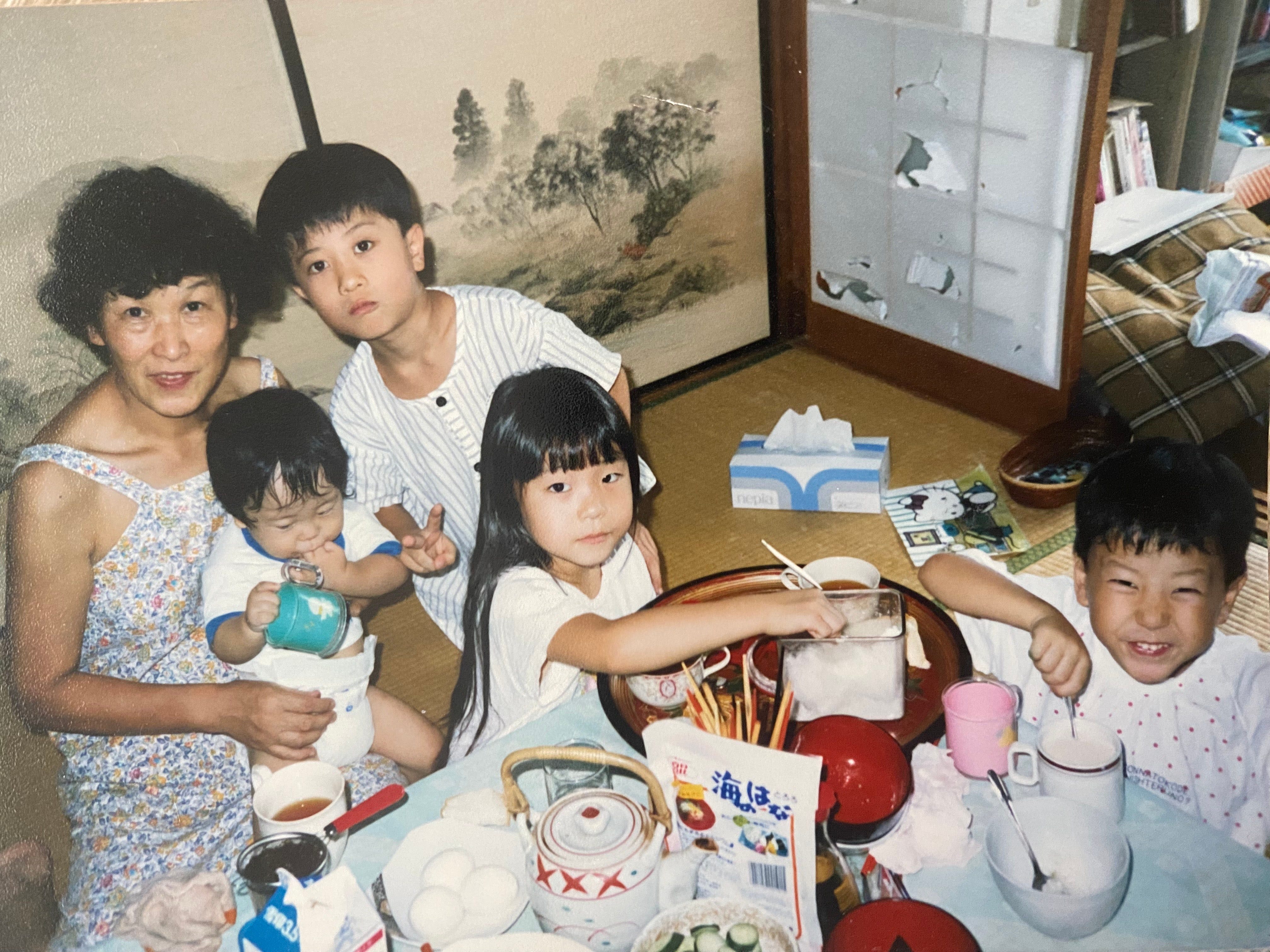
My grandmother was born in Manchuria. Her father, who had gone there to start a business, decided to return to Japan before the war situation completely collapsed. I don’t know why—perhaps he foresaw the danger, or perhaps it was sheer luck. Either way, without that decision, I might not have been born.
After returning to Japan, my grandmother married my grandfather, who was training at the Imperial Naval Academy near Hiroshima. On the morning of August 6, he saw the flash of the atomic bomb from about 20 kilometers away. Had the war dragged on a little longer, he would have been sent to the battlefield, and again—I might never have been born.
Ten years after the war, my mother was born to the two of them.
August 15, 1945, noon—Jewel Voice Broadcast. You might have seen that movie scene where citizens kneel, listen, and break down crying.
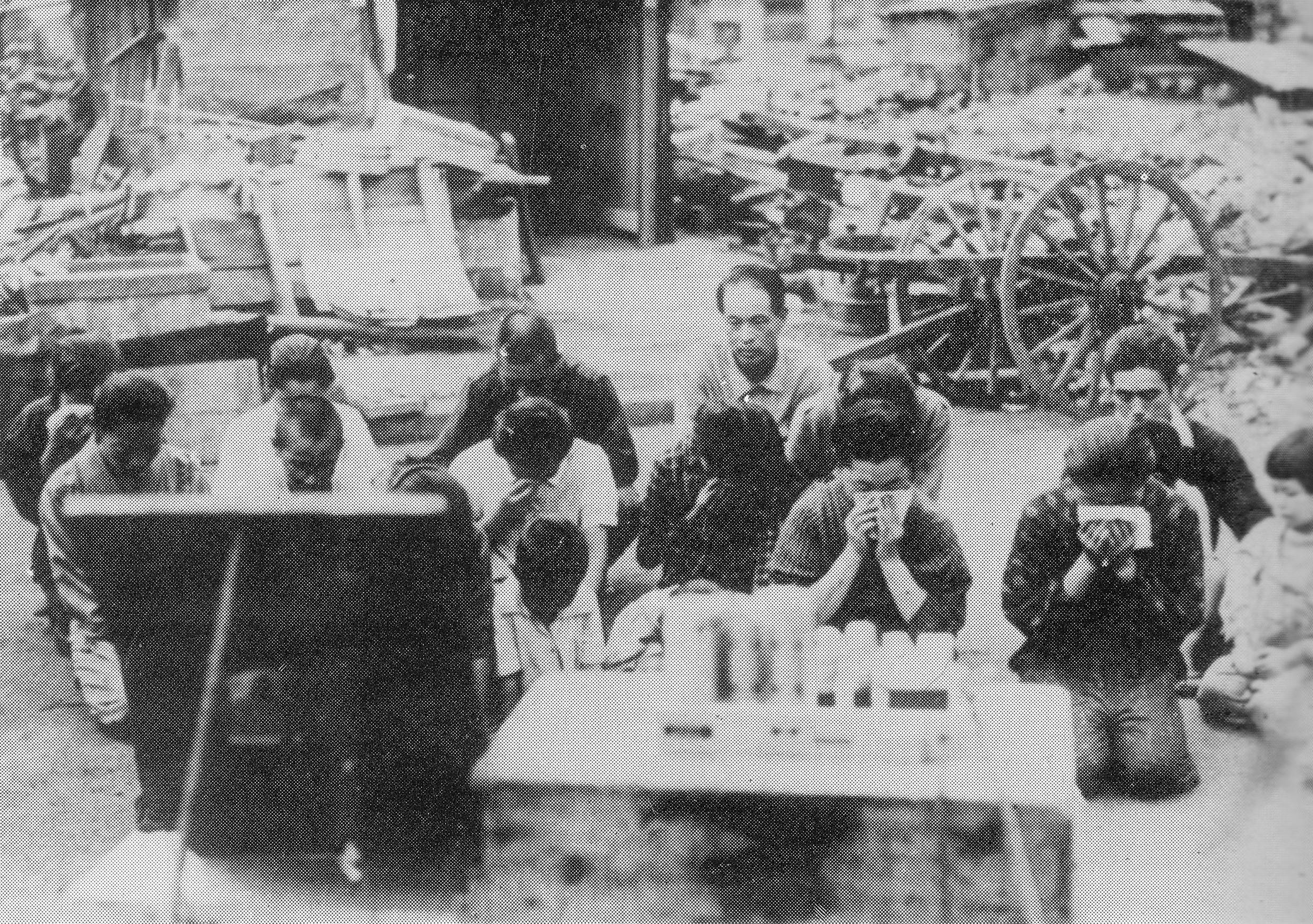
It was the very first time the emperor’s voice was ever broadcast to the public.
Since the Meiji era, the emperor had been taught as arahitogami—a living god. He was divine, a sacred descendant, and yet human. The “god” emperor never appeared in person for citizens, and even after radios became common, his voice was never heard—until the Jewel Voice.
A few months later, on January 1, 1946, Emperor Showa issued the Imperial Rescript on New Japan Construction, denying his “living god” status. The Humanity Declaration officially ended emperor deification and laid the foundation for postwar Japan’s symbolic emperor system.
Emperor Showa’s responsibility for the war is still debated, but he played a crucial role in ending it. In August 1945, government and military leaders were split between thorough resistance and surrender over the Potsdam Declaration. With no consensus, the emperor made a “sacred decision” for surrender.
Through the Jewel Voice, he directly addressed the nation to encourage cooperation in ending the war. Without it, stopping military resistance would have been much harder, possibly leading to even more disaster.
WWII Japanese military atrocities across Asia are well documented—from China and Korea to Southeast Asia—not just combat actions but massive civilian rights violations. Nanjing 1937 saw systematic killings and widespread rape. Forced labor conscripted residents for harsh work. Comfort women were coerced into sexual slavery. Unit 731 conducted lethal human experiments. Post-war, many responsible parties avoided prosecution by sharing data with Americans, continuing their careers.
Two things shame me most. First: most Japanese simply don’t know. In Singapore, textbooks cover over ten pages on occupation, yet perhaps 80% of Japanese remain unaware. Second: some deny facts even when aware, whether from willful refusal, distortion, or ignorance—it’s shameful.
Reparations and “how long must we apologize” aren’t simple. But without first knowing and acknowledging these facts, international peace is impossible. Germany faced its Holocaust history openly through education and legislation, creating a culture of transparency supporting reconciliation. Japan should take cues from Germany’s attitude abroad and at home, though direct comparisons are difficult, rather than letting denial or politicized history debates dominate.
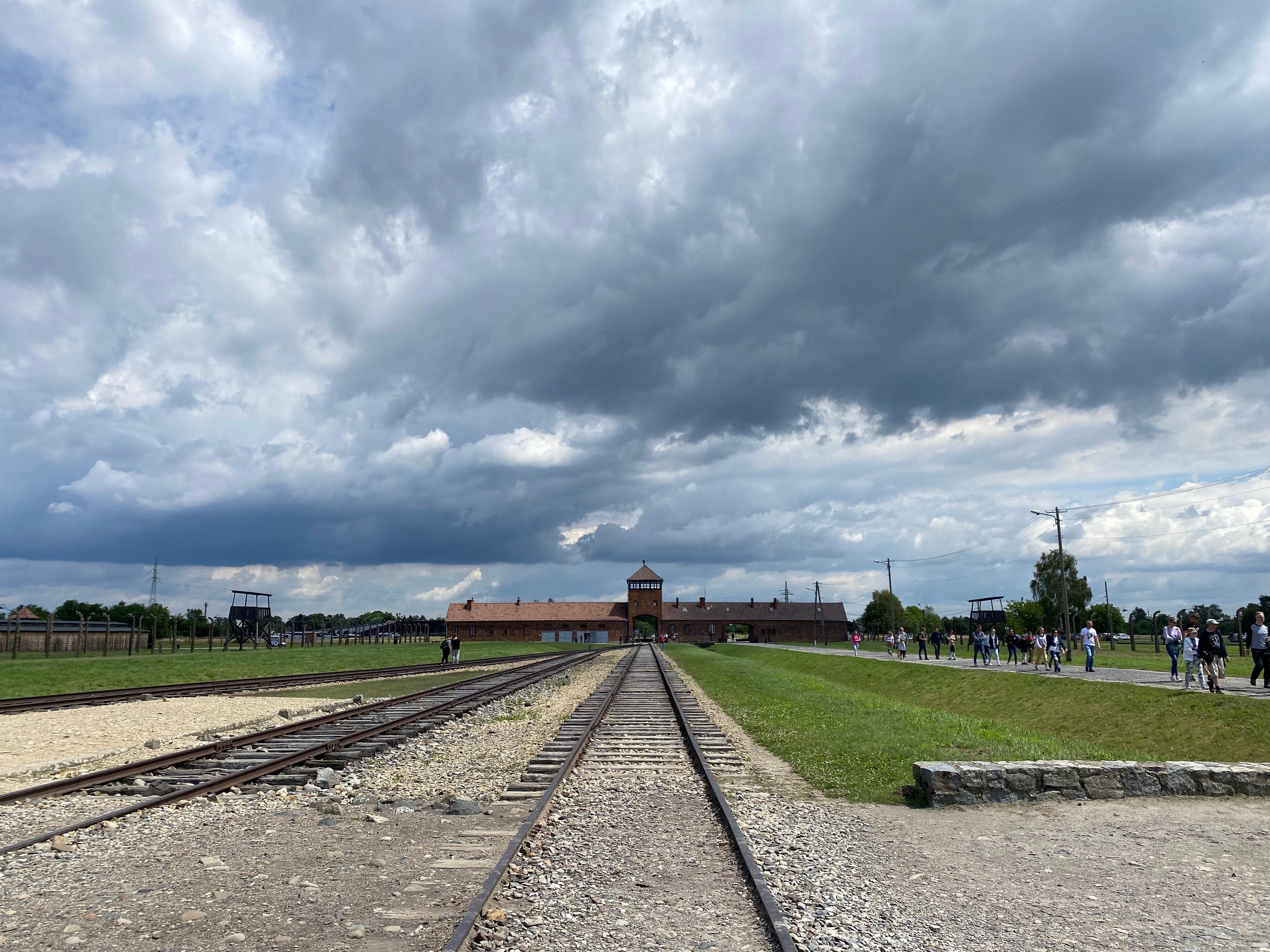
Eighty years after defeat, yet the "for the country" mindset hasn’t disappeared—it’s resurfacing.
Remember: individuals don’t exist for the state; the state exists so people can pursue their own happiness. Sounds obvious elsewhere, but in Japan, this idea only landed after the war when GHQ stepped in.
Fast-forward: the constitutional amendment party gained seats recently and plans to remove key human rights protections. How many Japanese citizens truly grasp this?
Blind trust in authority led to disaster then. Without reflecting on that, aren’t we repeating the same mistakes? History doesn’t repeat, but it rhymes.
Whether we’ve really learned is up to us.
No posts
Comments
Nothing yet. Say the first thing.
Sign in to join the conversation.