
作者:中国民间档案馆编辑部
The English translation follows below.
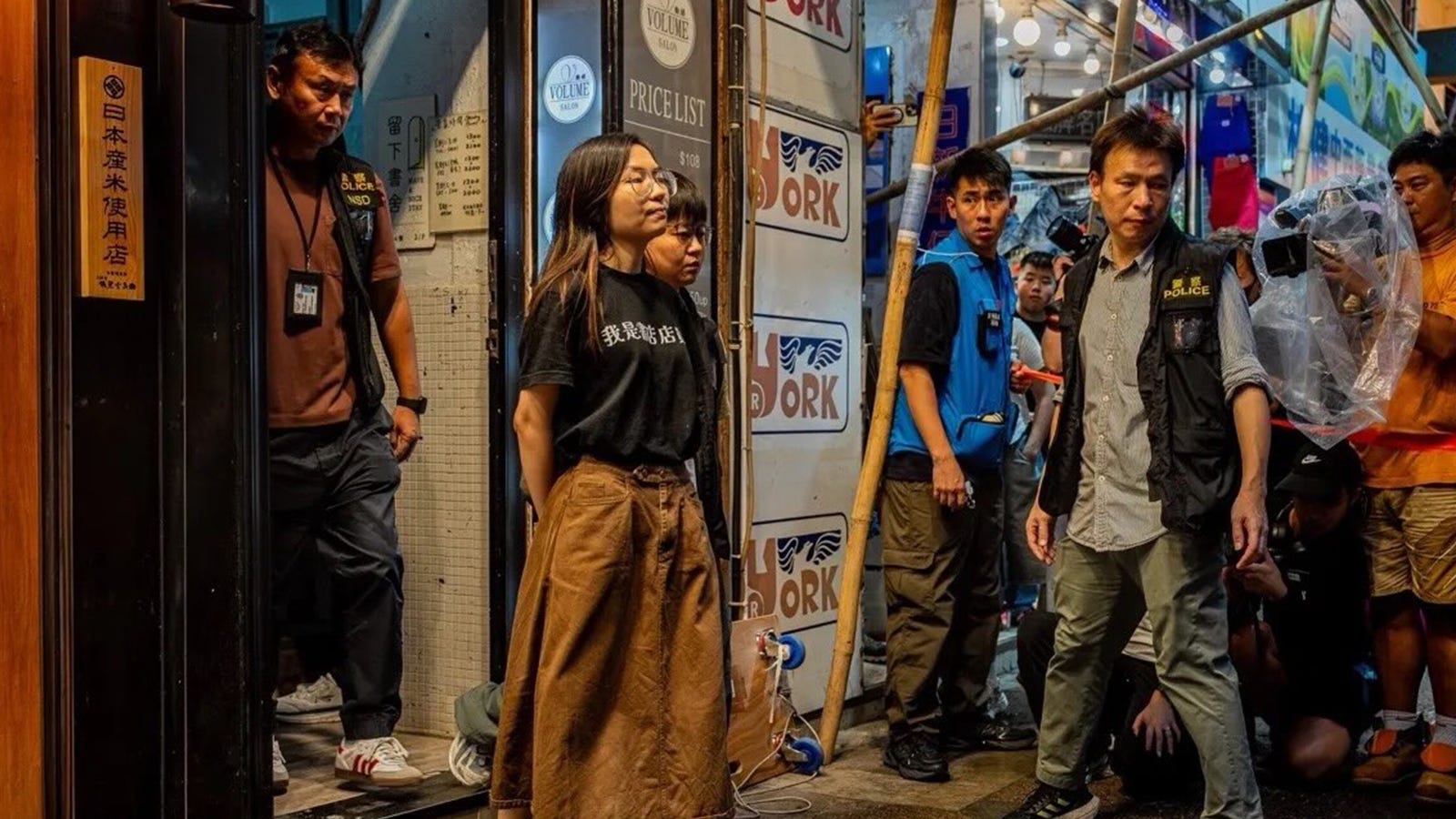
7月16日,香港独立书店“留下书社”和“田园书屋”遭警方搜查,5人被拘捕。“留下书社”的一位女店员遭拘捕后昂首走出书店的照片,传遍网络,为香港公民社会在高压之下的抗争留下一帧不屈的剪影。
如今的香港,来自官方的密集检视与打压,正在夺走这座城市曾经拥有的自由。“国安法”之下的香港,如一些香港学者所形容的,如同“巨浪之后”,正淹没无数曾诞生于这座城市的书籍、信息、资料、档案,从传媒到出版,从广播电视到街角书店,香港的言论自由与记忆载体已岌岌可危,对香港档案的留存也就格外重要。
中国民间档案馆一直致力于中国民间记忆的留存与守护工作,香港正在发生的变化,以及正在被官方有意识删除和屏蔽的社会文化记忆,也是我们关注的重点。读者可以访问民间档案馆网站,搜寻我们保存的部分与香港有关的资料。
巨变之下,香港公民社会、知识界在档案留存方面有何行动?我们也关注目前香港公民社会对此所做的努力。上一期中国民间档案馆简报,就刊发了梁启智先生的文章《T恤上的香港历史——在既近又远的台湾留存一份档案》,为读者们介绍台湾中央研究院香港资料库的情况。
档案,不仅仅局限于文字、影像,也包括声音。中国民间档案馆存档的香港电台,就颇具代表性。
成立于1928年的香港电台(英文名Radio Television Hong Kong,缩写为RTHK),一直是香港新闻自由的重要象征。作为香港唯一的公共广播机构,尽管由政府拨款运营,但香港电台曾秉持编辑自主和新闻中立的原则,发挥对公权力的监督作用,被认为是香港媒体新闻专业主义的典范。
“后国安法时代”降临后,香港电台的部分栏目迫于政治压力停播,多个栏目也被迫改组,官方YouTube频道大批视频下架,官方网站也删除了上千集节目。
目前,中国民间档案馆已经为香港电台《铿锵集》、《头条新闻》和《视点31》栏目进行部分年份的批量存档,并上传至“互联网档案馆”。
这些节目都曾是香港电台的王牌节目,它们不仅记录了香港社会的变迁,也是香港前国安法时期和国安法时代初期的重要历史见证。对于香港近年来的社会议题,这三档栏目都有紧密的追踪。对于香港近年来的社会运动,如2012年的“反国教”运动、2014年的“雨伞运动”和2019年的“反送中”运动,以及这些运动中涌现的香港民主派人士(其中不少人遭到政治迫害,身陷囹圄),香港电台都曾有详细的报道和采访。
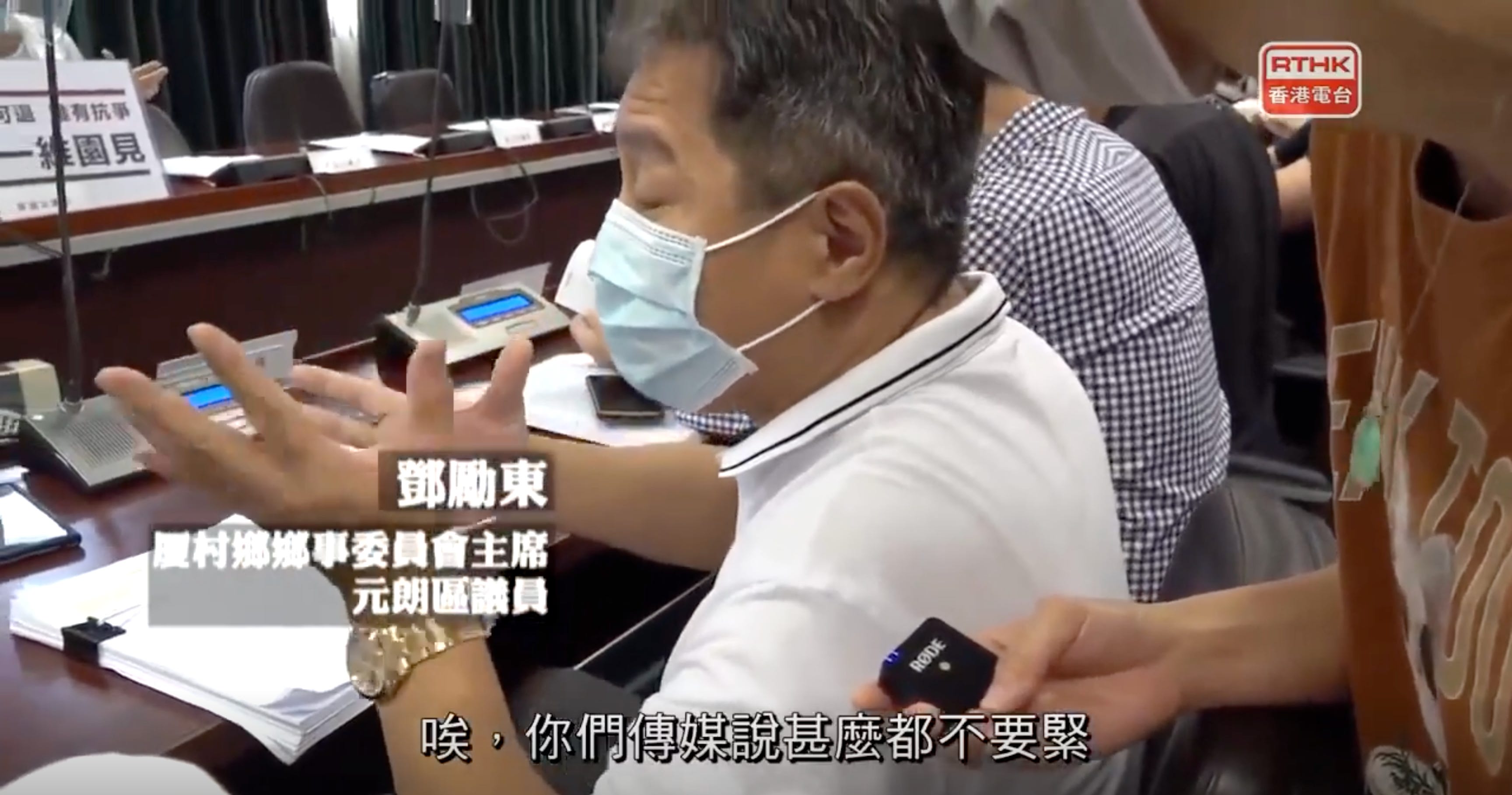
开播于1978年的《铿锵集》栏目,通过长篇幅、深度的调查报道,致力于提供深入的新闻叙事和历史记录。其镜头深入街头巷尾,记录普通香港人的生活与心声。《铿锵集》对2019年香港社会运动的调查与报道,通过多方访谈、详尽的证据梳理,呈现出不同背景、不同立场的市民的所作所为、所思所想,也记录下官方的说辞与回应。
2019年7月21日,香港元朗发生黑衣人无差别袭击市民事件。《铿锵集》的《721元朗黑夜》,通过详尽的视频证据、时间线梳理和当事人访谈,在第一时间复原了事件的脉络。2020年,在“721”发生近一年后的《铿锵集》节目《721谁主真相》中,香港电台记者蔡玉玲调查白衣人的车辆,试图确定白衣人的身份。随后,警方指控蔡玉玲虚假陈述,因为她向政府提交查车牌的申请时,在填写查车牌的用途时选择了“其它有关交通及运输的事宜”。蔡玉玲初审罪成,被判罚款,二审上诉被驳回,直至上诉到终审法院,才免于罪责。这也是近年来香港记者受到打压与迫害的一起典型案件。
如今,《铿锵集》虽然还在延续,但已绕开政治话题,主要关注香港民生,被剥夺了昔日监督权力的职责。对比今昔,可以说,前国安法时代的《铿锵集》,对于研究香港历史和香港新闻界,是不可或缺的材料。
香港电台的另一个著名栏目是《视点31》。作为一个公共对话平台,该栏目自2014年开播起,在香港社会撕裂加剧的艰难时期,为不同政治阵营的人士提供了面对面交流观点的空间。这种多元视角的汇聚,是一种宝贵的社会实践。
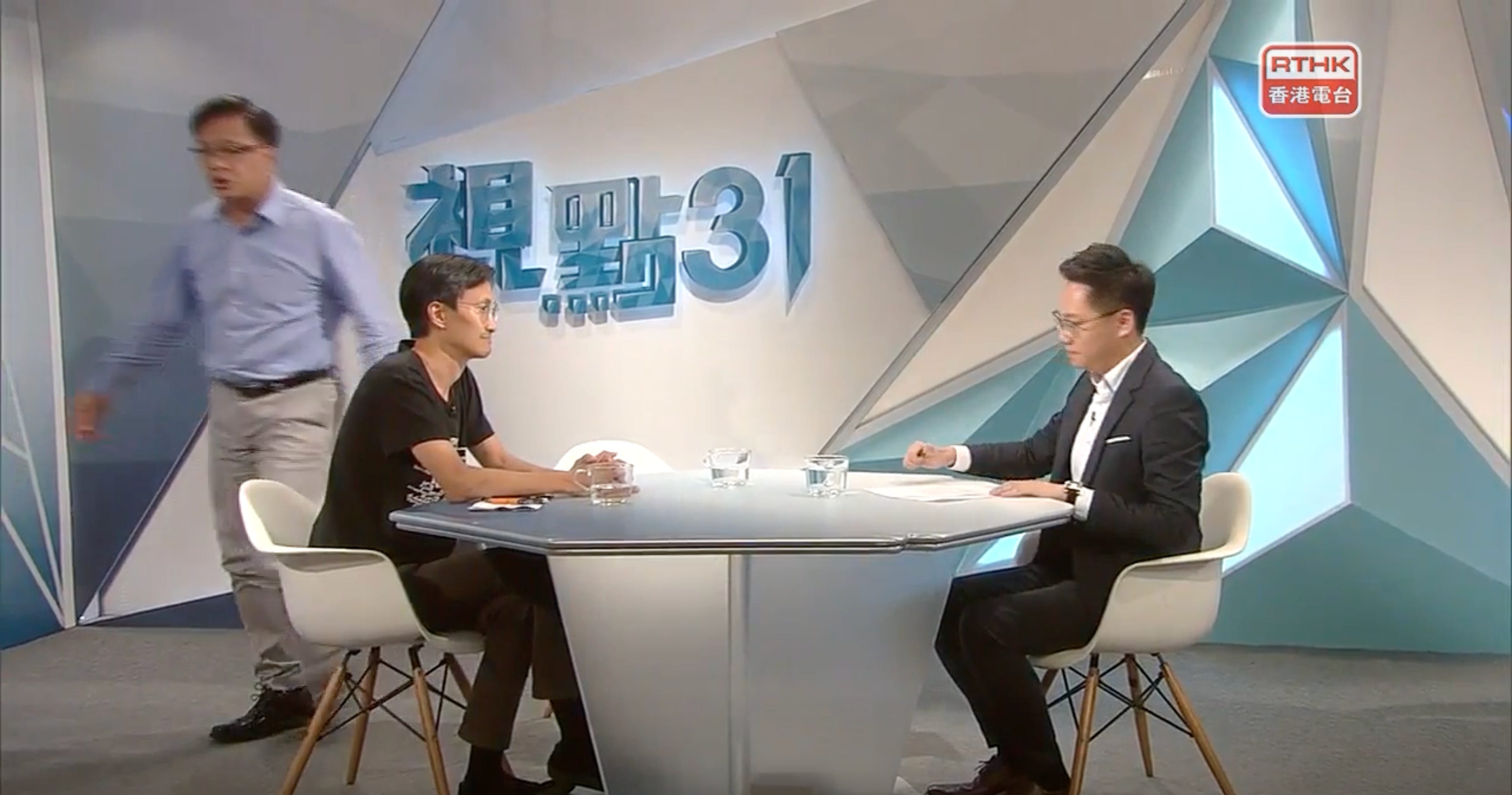
在2019年7月23日的《视点31》节目中,民主派议员朱凯迪(后在香港“47人案”中被判刑)与建制派议员何君尧展开激烈的辩论。何君尧曾在“721”当晚与后来攻击市民的白衣人握手。辩论最后,何君尧双手拍桌,气愤地离开了演播室。这种镜头,体现出节目直面冲突的本质。虽然辩论不欢而散,但在当时的背景下,香港电台能将民主和建制两派请到同一个房间辩论,则是罕见而难得的现象。《视点31》也正是通过这种对话来展示香港社会撕裂的根源和复杂性,让观众看到不同的价值观和不同的利益考量相互碰撞。此后,因为《视点31》为不受官方欢迎的声音提供了平台,香港电台遭遇到巨大压力,被迫于2021年6月取消该栏目,民主派的声音在香港的公共空间也越来越小。
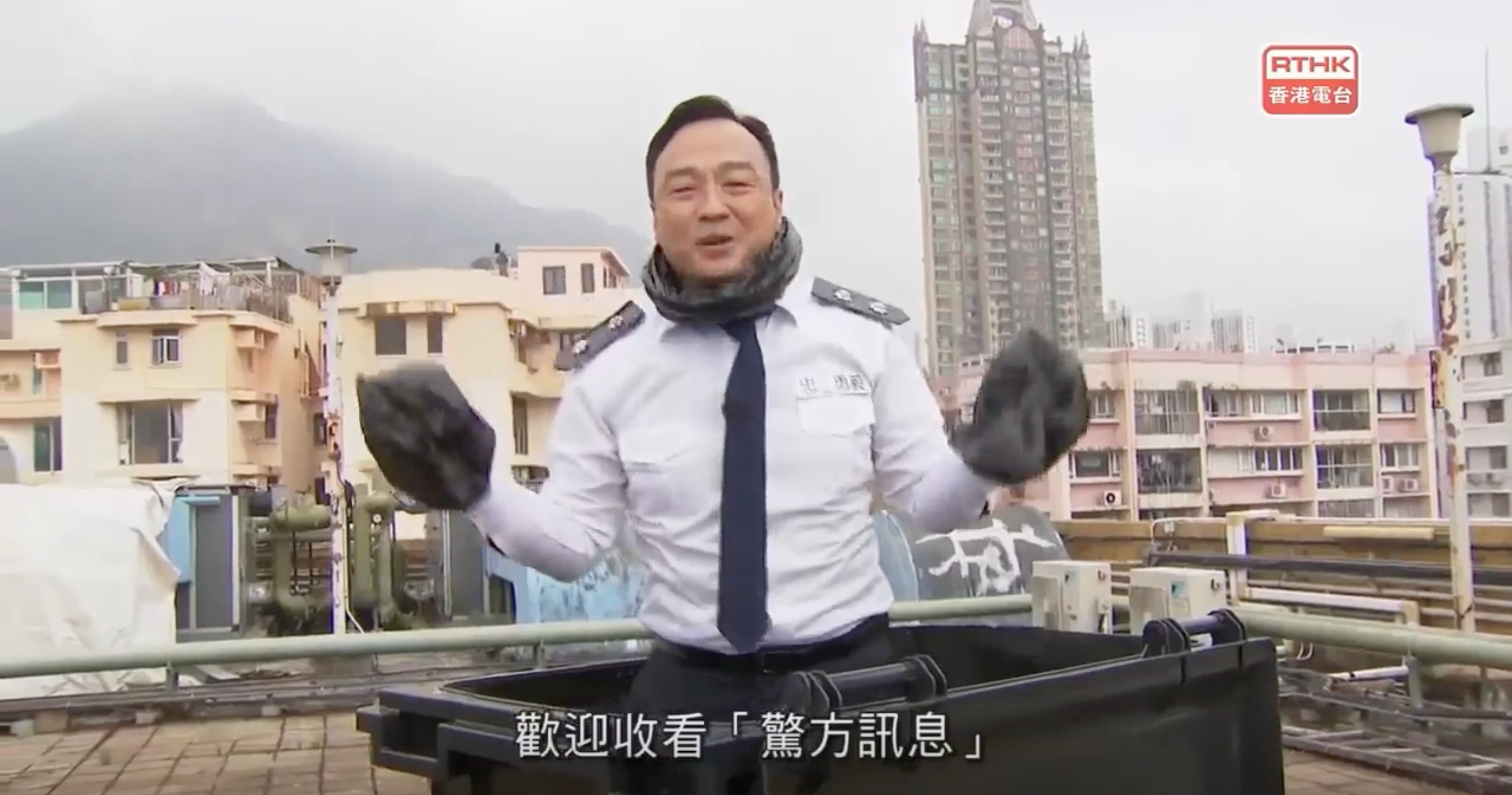
香港电台曾经最具特色的栏目,要属1989年首播的《头条新闻》。《头条新闻》以其独特的政治讽刺和戏仿风格,用幽默直中社会议题的要害,凸显现实的荒诞和政治的荒唐。《头条新闻》中最受争议的片段,要属2020年初播出的《惊讯》。《惊讯》讽刺香港电台的另外一档节目《警讯》(《警讯》也于2021年在香港电台官网遭到全部删除),每期由身着警服的演员王喜从一个黑色垃圾箱里钻出,以警察的口吻,讽刺香港警队在2019年社会运动中和2020年疫情初期的作为。这种大胆的幽默讽刺,是对官方话语的解构和对权力的挑战。这也是为什么《惊讯》遭到大量香港“撑警派”市民的投诉、指控其抹黑警队形象的原因。2020年6月,《头条新闻》在国安法正式生效之前,首先被迫停播。
由于其独特的地理位置和历史渊源,香港长期以来都是观察和报道中国大陆的重要窗口。和许多香港媒体一样,香港电台也经常深入地报道中国大陆的新闻。《铿锵集》每年坚持在“六四”周年之际推出相关报道,记录受难者家属的心声,追溯历史真相。在2019年“六四”三十周年之际,《铿锵集》播出五集的《八九演义》,以多重角度探讨六四,其中包括对东欧剧变和共产体制的反思,也包括对“六四”的受害者家属、亲历者和纪念者的采访。
香港电台对中国大陆异见人士的关注,如对诺贝尔和平奖得主刘晓波的报道,在中文媒体中,更是弥足珍贵。《头条新闻》中的讽刺与幽默,不乏中国大陆的流行语,很多对香港政府的批评,也都直指中国大陆的威权政治。
常言说,新闻是历史的初稿。香港电台过往的许多新闻节目,已成为正在发生的历史中珍贵的一稿。而下架香港电台的这些节目,则是官方扭曲历史的第一步。中国民间档案馆希望通过存档香港电台的部分节目,保卫这些原本应该属于所有人的历史记忆。
在2026年7月15日“留下书舍”和“田园书屋”被查之前,香港的多家独立书店被查。7月2日,曾被中共关押的香港铜锣湾书店店主林荣基去世。与此同时,在香港,“禁书”名单越来越长,香港的社会自由与公共文化空间遭遇强力打压的现状,令人齿寒。但正是在这样的艰难时刻,档案、资料的留存,以及对记忆的自觉捍卫,才更凸显其重要性。中国民间档案馆愿携手每一位有心人,为香港留存档案,保存那些正在被删除的自由记忆尽一份心力。
档案征集:
中国民间档案馆长期向读者征集与香港有关的资料、档案。您可将电子化的档案资料发至我们的邮箱:info@minjian-danganguan.org。有相关建议或投稿,也欢迎通过电邮联系。
本期档案推荐:
【本文为中国民间档案馆首发,转载时请务必在正文之前注明“本文首发于中国民间档案馆”,并加上原文在中国民间档案馆网站或者中国民间档案馆Substack的链接。】
Editors’ Note: Archiving Hong Kong
On July 16, the police searched two independent Hong Kong bookstores, Have A Nice Stay and Greenfield Book Store, arresting five people. A photo of a female clerk at Have A Nice Stay walking out with her head held high after being arrested went viral, leaving an unyielding portrait of Hong Kong‘s civil society resisting under immense pressure.
In Hong Kong today, relentless official scrutiny and suppression are stripping away the freedom the city once enjoyed. Under the National Security Law—as some Hong Kong scholars describe it—the city is living in the aftermath of “a giant wave.” Countless books, news reports, records, and archives born in this city are being submerged. From mass media and publishing to radio, television, and neighborhood bookstores, Hong Kong’s freedom of expression and the vessels of its collective memory are in critical danger. This makes preserving Hong Kong’s historical record all the more vital.
The China Unofficial Archives has long been dedicated to preserving and safeguarding non-official Chinese memory. The ongoing transformations in Hong Kong, along with the social and cultural memories being deliberately erased and censored by authorities, remain a primary focus of our work. Readers are invited to visit the China Unofficial Archives website to explore our collection of materials related to Hong Kong.
Amid these dramatic changes, how are Hong Kong’s civil society and intellectual communities responding when it comes to preserving history? We closely follow the ongoing efforts within Hong Kong’s civil society. The previous newsletter featured an article by Mr. Leung Kai Chi titled “History Printed on Cotton: The Story Hong Kong’s Civil Society Told Through Iconic T-Shirts,” which introduced the Hong Kong Database at Academia Sinica in Taiwan.
Archives are not limited to written documents and images; they also encompass sound. The audio recordings from Radio Television Hong Kong (RTHK) preserved in the China Unofficial Archives stand as a prime example.
In the pre-National Security Law era, RTHK (Radio Television Hong Kong), was a crucial symbol of Hong Kong’s press freedom. Founded in 1928, RTHK was the city’s sole public broadcaster but consistently upheld the principles of editorial independence and journalistic neutrality. It was once considered the gold standard for journalistic professionalism in Hong Kong media.
But since the start of the National Security Law era, some RTHK programs have been forced off the air due to political pressure, and several others have been reorganized. Vast amounts of video content have disappeared from RTHK’s official YouTube channel, and its official website has deleted thousands of program episodes.
The China Unofficial Archives, however, has archived hundreds of hours of this deleted content, including several years’ worth of key RTHK programs, including Hong Kong Connection, Headliner, and This Week. They are now uploaded and freely available on our channel on the Internet Archive.
As RTHK’s top programs, they not only recorded the transformation of Hong Kong society but are also essential historical documents covering the period before and the early years of the National Security Law. All three shows closely tracked contemporary social issues. RTHK also provided extensive coverage and interviews related to recent social movements, such as the 2012 anti-National Education movement, the 2014 Umbrella Movement, and the 2019 anti-extradition movement, as well as the pro-democracy figures who emerged from them (many of whom have since faced political persecution and are now incarcerated).
Launched in 1978, Hong Kong Connection was dedicated to providing in-depth news narratives and historical records through long-form, investigative reporting. Its cameras explored many corners of Hong Kong communities, documenting the lives and thoughts of ordinary Hong Kong residents.
The program’s investigation and reporting on the 2019 Hong Kong social movement used extensive interviews and detailed evidence to present the actions and viewpoints of citizens across the political spectrum, alongside official statements and responses.
For example, following the indiscriminate triad attack on civilians in Yuen Long on July 21, 2019, the Hong Kong Connection episode, “721 Yuen Long Dark Night,” reconstructed the entire sequence of events using thorough video evidence, a timeline, and interviews with those involved.
In the 2020 episode “721 Who Holds the Truth?” (aired nearly a year after the “721” incident), RTHK reporter Choy Yuk-ling investigated the vehicles used by the white-shirted attackers to confirm their identities. The police subsequently accused Choy of making a false statement because she had selected “other traffic and transport related matters” as the purpose when applying to search vehicle registration records. Choy was convicted and fined in the lower court, her appeal was rejected at the intermediate level, and she was only finally cleared of the charge after appealing to the Court of Final Appeal. This case serves as a prime example of the suppression and persecution faced by Hong Kong journalists after the city entered the National Security Law era.
Although Hong Kong Connection still airs today, it now avoids political topics and primarily focuses on livelihood issues, having been stripped of its former function of holding power accountable. Comparing the program then and now is an example of the demise of independent journalism in Hong Kong.
Another important RTHK program was This Week. Since its 2014 launch, the show functioned as a public dialogue platform, offering a space for people from different political camps to meet and exchange views during a difficult period of worsening social division in Hong Kong. This gathering of diverse perspectives was a valuable social experiment.
In its July 23, 2019, episode, pro-democracy legislator Eddie Chu Hoi-dick (later convicted in the “Hong Kong 47” case) engaged in a fierce debate with pro-establishment legislator Junius Ho Kwan-yiu. Ho had been seen shaking hands with the white-shirted attackers on the night of “721.” The debate concluded with Ho angrily slamming his hands on the table and exiting the studio. This scene exemplifies the program’s nature of directly confronting conflict. While the debate ended abruptly, RTHK’s ability to invite both pro-democracy and pro-establishment figures into the same room for a debate was a rare and notable achievement at the time.
This Week used this kind of dialogue to reveal the roots and complexity of Hong Kong’s social division, allowing the audience to witness the clash between different values and interests. Subsequently, RTHK faced immense pressure because This Week had provided a platform for voices unwelcome by the authorities, and the program was forced into cancellation in June 2021. Since then, the space for pro-democracy voices in Hong Kong’s public sphere has shrunk significantly.
The most distinctive RTHK program was Headliner, which premiered in 1989. Famous for its unique blend of political satire and parody, Headliner used humor to expose the core of social issues, highlighting the absurdity of reality and politics.
The most controversial segment within Headliner was “Shock News,” which aired in early 2020. “Shock News” satirized RTHK’s other program, Police Report (which was also completely deleted from the RTHK website in 2021). In each episode, actor Wong Hei, dressed in a police uniform, would emerge from a black trash bin and use a police-like tone to mock the Hong Kong Police Force’s actions during the 2019 social movement and the initial phase of the 2020 pandemic. This daring, humorous satire was both a deconstruction of official narratives and a challenge to authority. This explains why “Shock News” generated numerous complaints from Hong Kong citizens who supported the police, accusing it of tarnishing the force’s image. It is also why Headliner was the first to be forced off the air in June 2020, even before the National Security Law officially went into effect.
Due to its unique geographic location and historical ties, Hong Kong has long served as an important window for observing and reporting on Mainland China. Like many Hong Kong media outlets, RTHK frequently provided in-depth coverage of news from the Mainland.
Hong Kong Connection consistently produced related reports on the anniversary of June Fourth each year, recording the voices of victims’ families and investigating historical truth. On the 30th anniversary of June Fourth in 2019, Hong Kong Connection aired the five-episode “History of ’89,” which explored the event from multiple angles, including reflections on the collapse of Eastern European communist regimes and interviews with victims’ families, eyewitnesses, and those who commemorate June Fourth. RTHK’s focus on Mainland Chinese dissidents, such as its reporting on Nobel Peace Prize laureate Liu Xiaobo, is especially invaluable among Chinese-language media.
The satire and humor in Headliner often incorporated Mainland Chinese popular sayings, and many criticisms directed at the Hong Kong government were also thinly veiled critiques of the Mainland’s authoritarian politics. Many RTHK programs made it clear that Hong Kong society had a sophisticated understanding of the nature of Communist Party rule, but this awareness ultimately could not avoid suppression under the pretext of national security.
Many of RTHK’s past news programs have become a vital first yet only draft of Hong Kong’s unfolding history. Removing these RTHK programs represents the authorities’ initial move to distort that history. The China Unofficial Archives hopes to safeguard these memories, which rightly belong to all of us, by joining hands with everyone who cares about preserving Hong Kong’s history and memories of freedom that are actively being erased.
China Unofficial Archives welcomes archival contributions from readers. If you have digital archives to share, please contact us via email at info@minjian-danganguan.org.
Recommended archives:
China Unofficial Archives RTHK Hong Kong Connection Backup
China Unofficial Archives RTHK Headliner Backup
China Unofficial Archives RTHK This Week Backup
Selected items from China Unofficial Archives’ Hong Kong Collection
[This article first appeared in China Unofficial Archives. When reposting, please ensure that the following is included at the beginning of the reposted text: “This article was first published by the China Unofficial Archives,” accompanied by a link to the original article on the China Unofficial Archives website or Substack.]
Comments
Nothing yet. Say the first thing.
Sign in to join the conversation.