
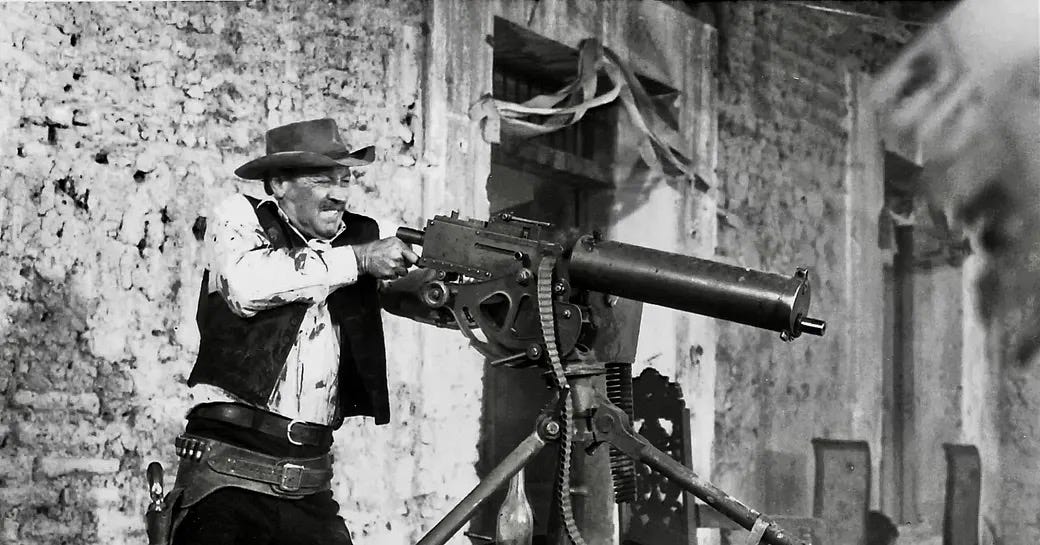
China In Arms BOOKSTORE and GIFT SHOP!
Twitter and YouTube Page and LinkedIn
Subscribe: $5 Monthly; Cancel Anytime
17 August 2026 (Monday)
By Wendell Minnick (Whiskey Mike) 顏文德
TAIPEI - For those who are still young and still want to try journalism as a boots-on-the ground writer covering the macabre side of human nature, these are my top recommendations.
The media needs to understand the very basics of warfare. And why we kill each other. There are tooooo many "peace studies" programs in US colleges and virtually no military studies besides ROTC classes (restricted to those going into the military).
You end up with 1,000 policy specialists for every kinetic warfare specialist.
In terms of being a great non-fiction narrative writer, I can recommend these men as the grand masters: Mark Bowden, Victor Davis Hanson, Raymond Ibrahim, Robert D. Kaplan, John Keegan, and Michael Walsh.
Most are older books, but still unsurpassed by anything new.
The first two books I would strongly recommend to recent college graduates who have suckling at the teat of Woke Ideology, please read these two books:
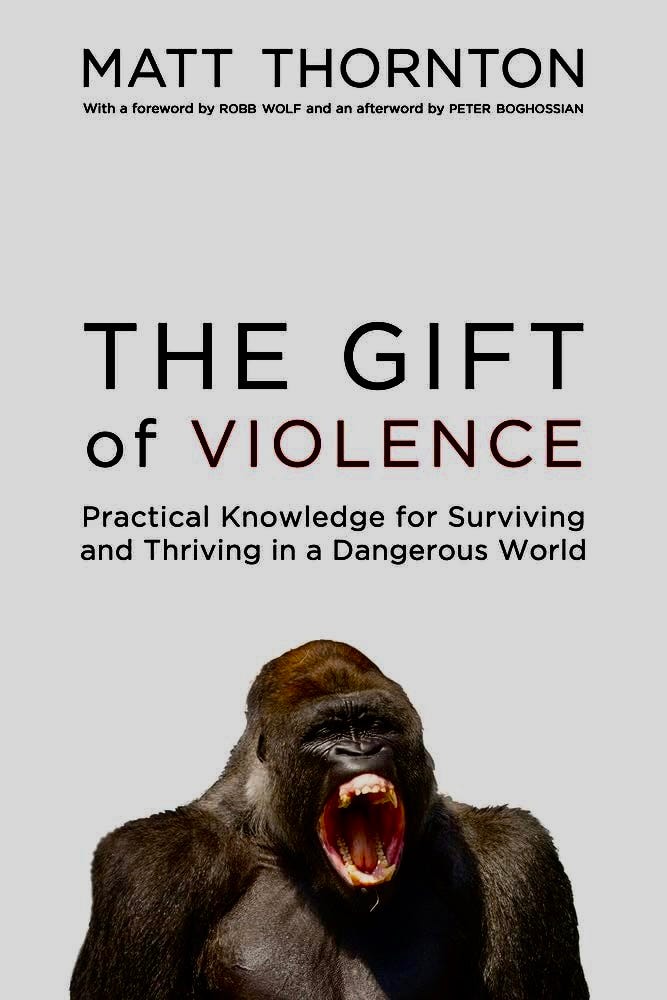
The Gift of Violence: Practical Knowledge for Surviving and Thriving in a Dangerous World, by Matt Thornton.
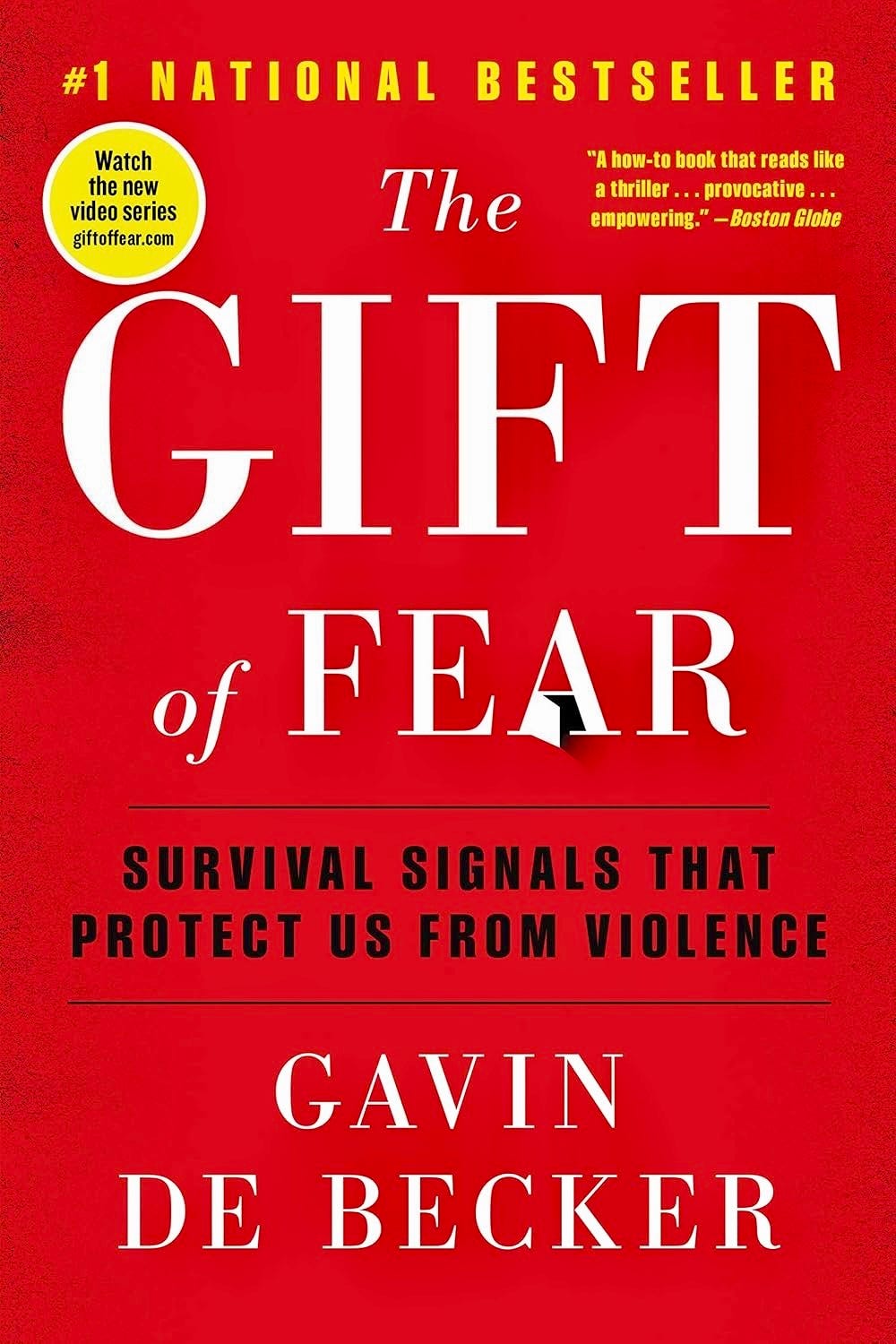
And my personal favorite: Gavin de Becker, The Gift of Fear. I’ve been in situations that de Becker describes. He has become a legend in the personal protection industry and for good reasons.
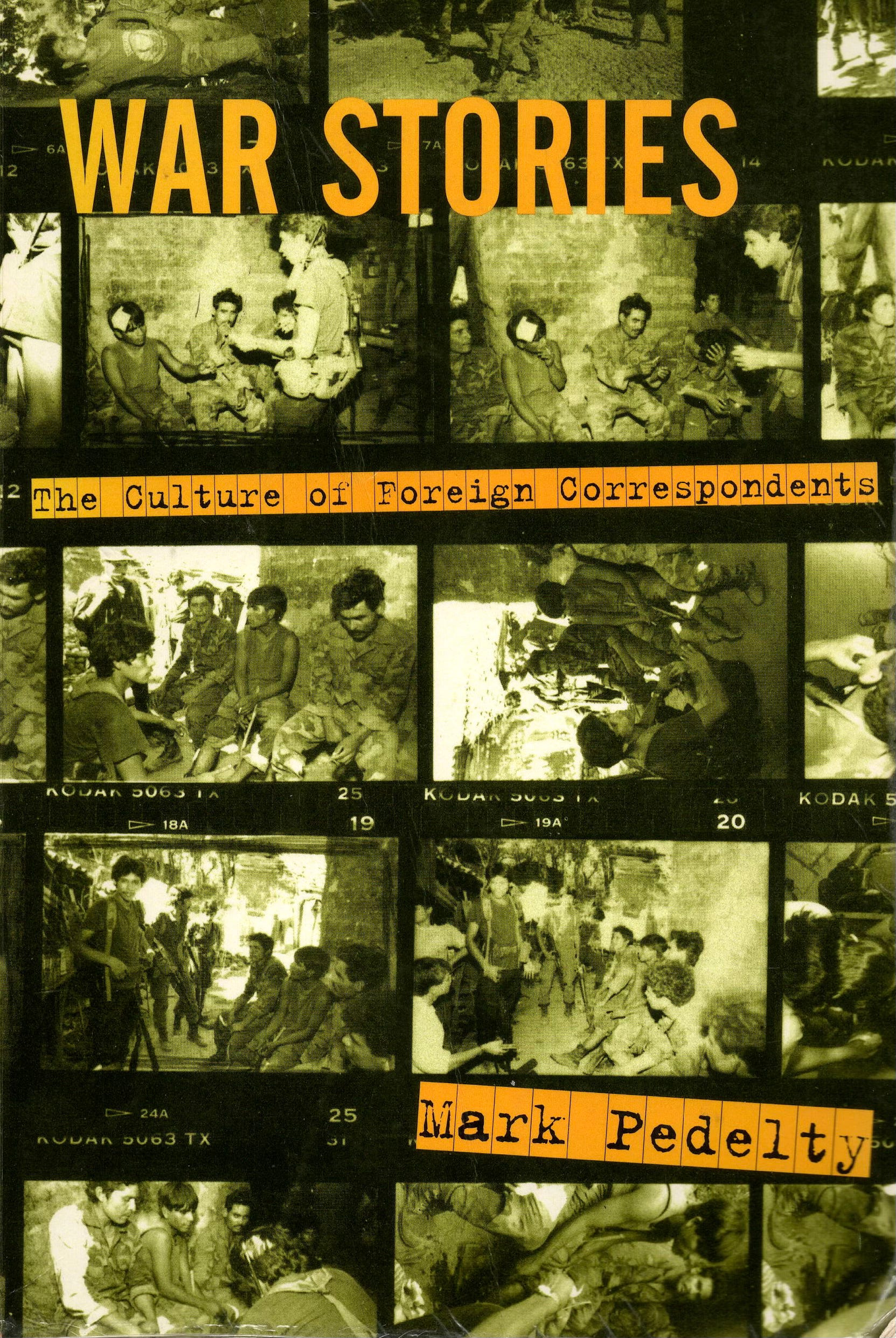
My bible for most of my career was War Stories: The Culture of Foreign Correspondents by Mark Pedelty (1995). I have read and re-read this book so many times, I have had to replace them every few years after being brutalized by bookworms, humidity, and yellow highlighter ink.
They say human nature does not change, this can also be said of foreign correspondents. Go to any Foreign Correspondents Club anywhere in the world and you will find the same archetypes, behavior, culture, that Pedelty identifies.
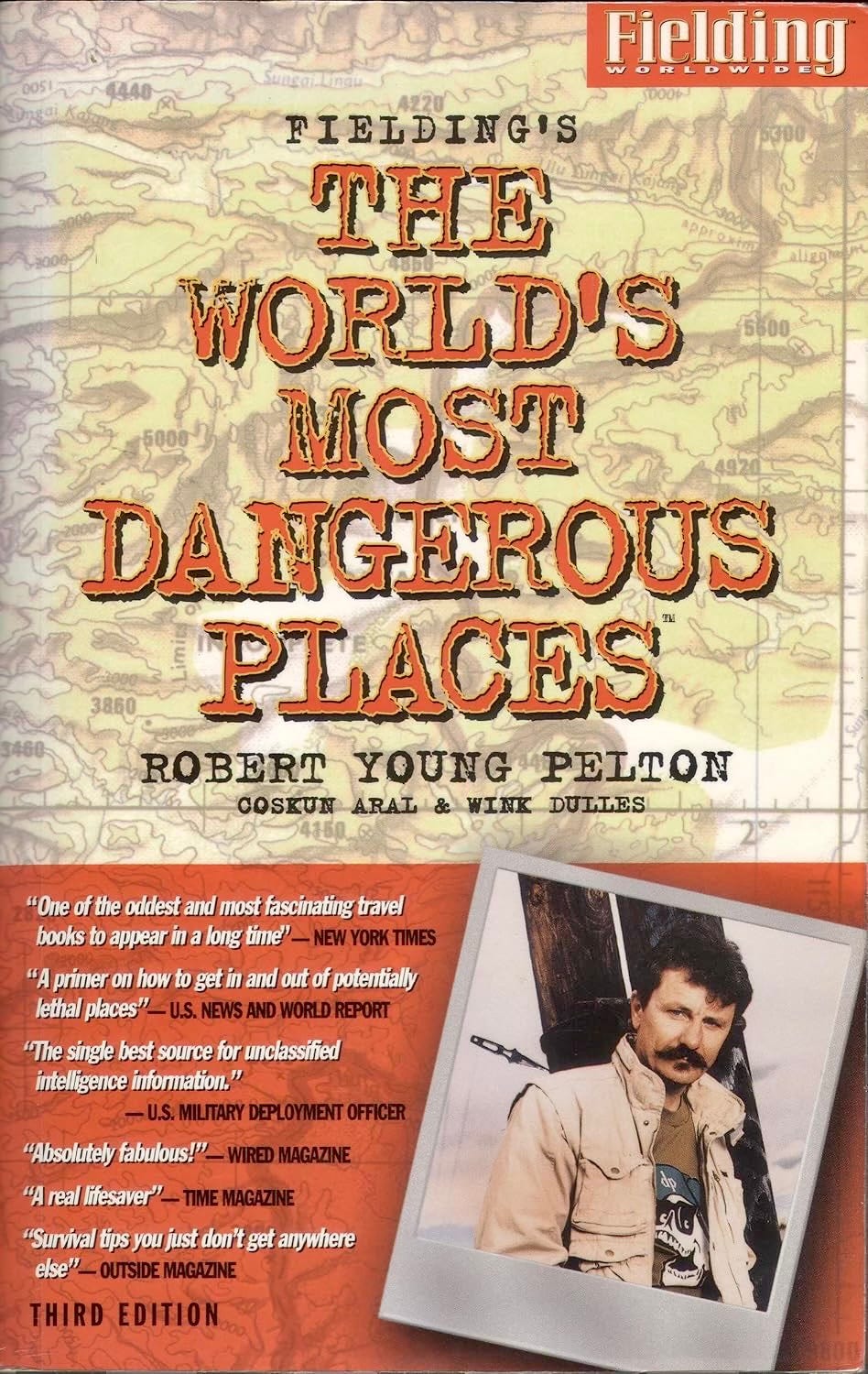
The World’s Most Dangerous Places by Robert Young Pelton (there were numerous editions, so try to procure the 5th Edition). This book is essentially a survival guide to hell. It drew criticism for becoming a fan favorite among thrill-seeking twenty-somethings who often ended up dead, but I believe it saved far more lives.
What Every Person Should Know About War by Chris Hedges (2003). I am not a fan of any of Hedges lefty books, but his coverage of the civil wars in Central America in the 1980s has my respect and this one book is very helpful to the uninitiated.
There are too many errors made by the media on military issues, particularly weapons, ranks, order of battle, etc.
So I do recommend the following books for those who do not know the difference between a tank and a turtle.
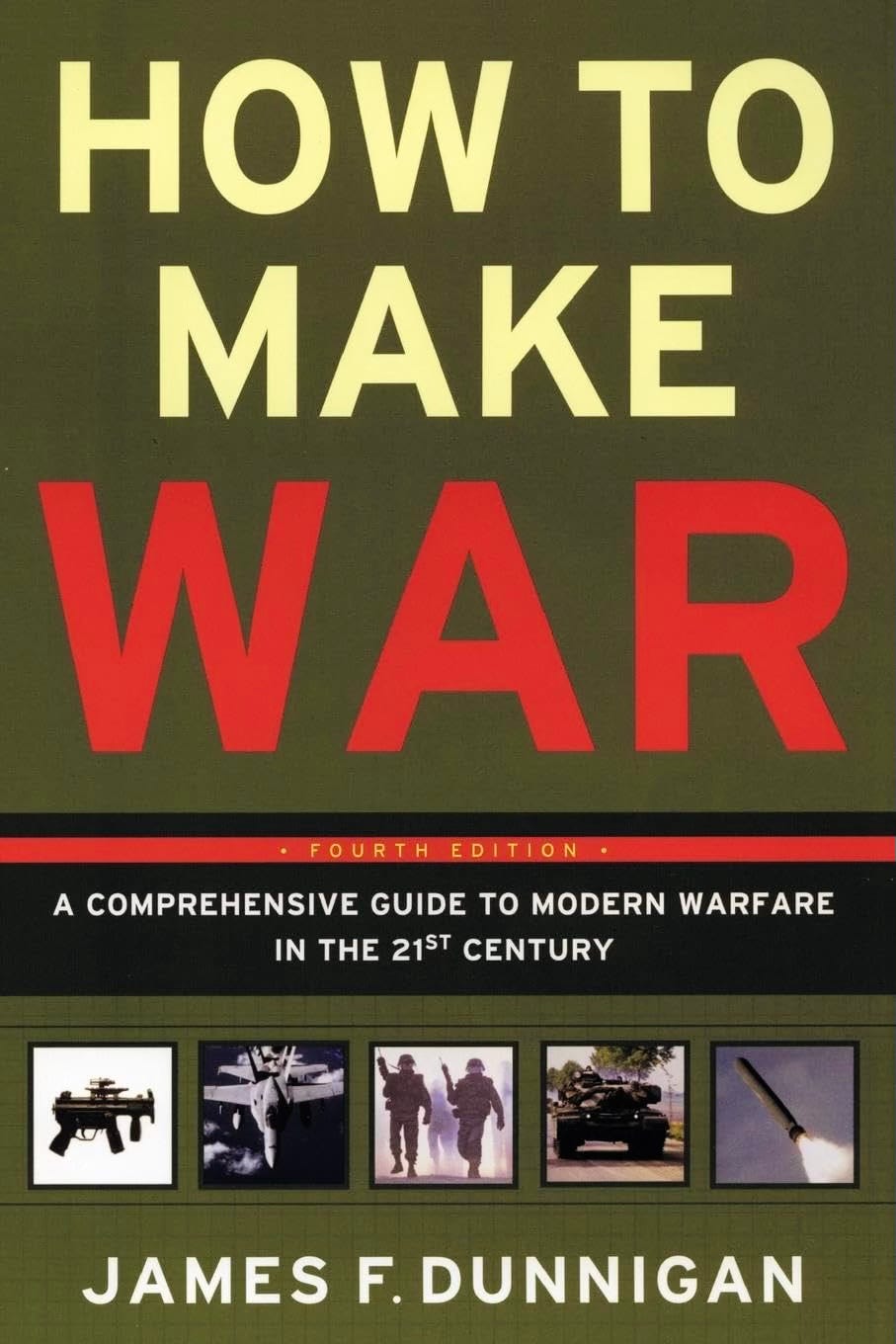
Perhaps the best book ever written, and still my quick reference guide, How To Make War: A Comprehensive Guide to Modern Warfare in the 21st Century (2003). NOTE TO READER: I have received some criticism for recommending Dunnigan’s book, but I still believe it is a great beginners book even if UAVs and Cyber are not factored into the author’s experience at the time.
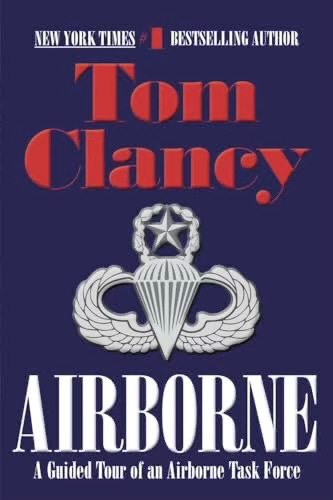
The following works are attributed to Tom Clancy, though I personally doubt they are of his penmanship. However, these are great guidebooks for understanding U.S. military service groups active in live combat. Though dated, nothing much has changed beyond the introduction of new weapons and platforms (vessels, vehicles, aircraft).
Tom Clancy:
Airborne: A Guided Tour of an Airborne Task Force (1997)
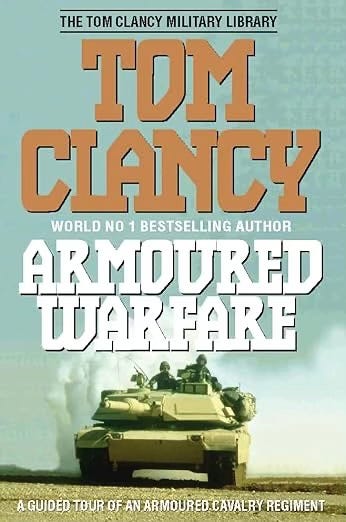
Armoured Warfare: A Guided Tour of an Armored Cavalry Regiment (1994)
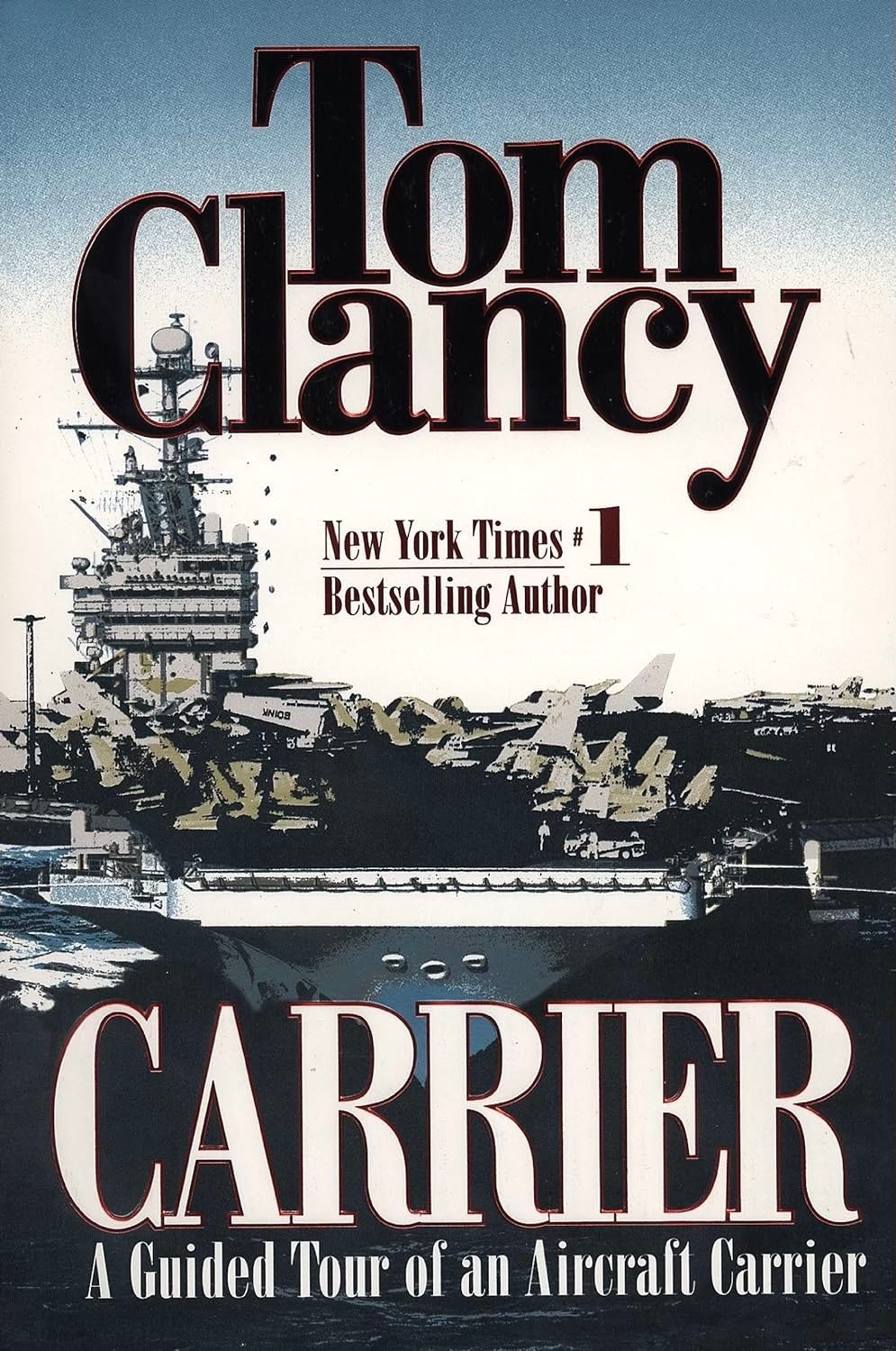
Carrier: A Guided Tour of an Aircraft Carrier (1999)
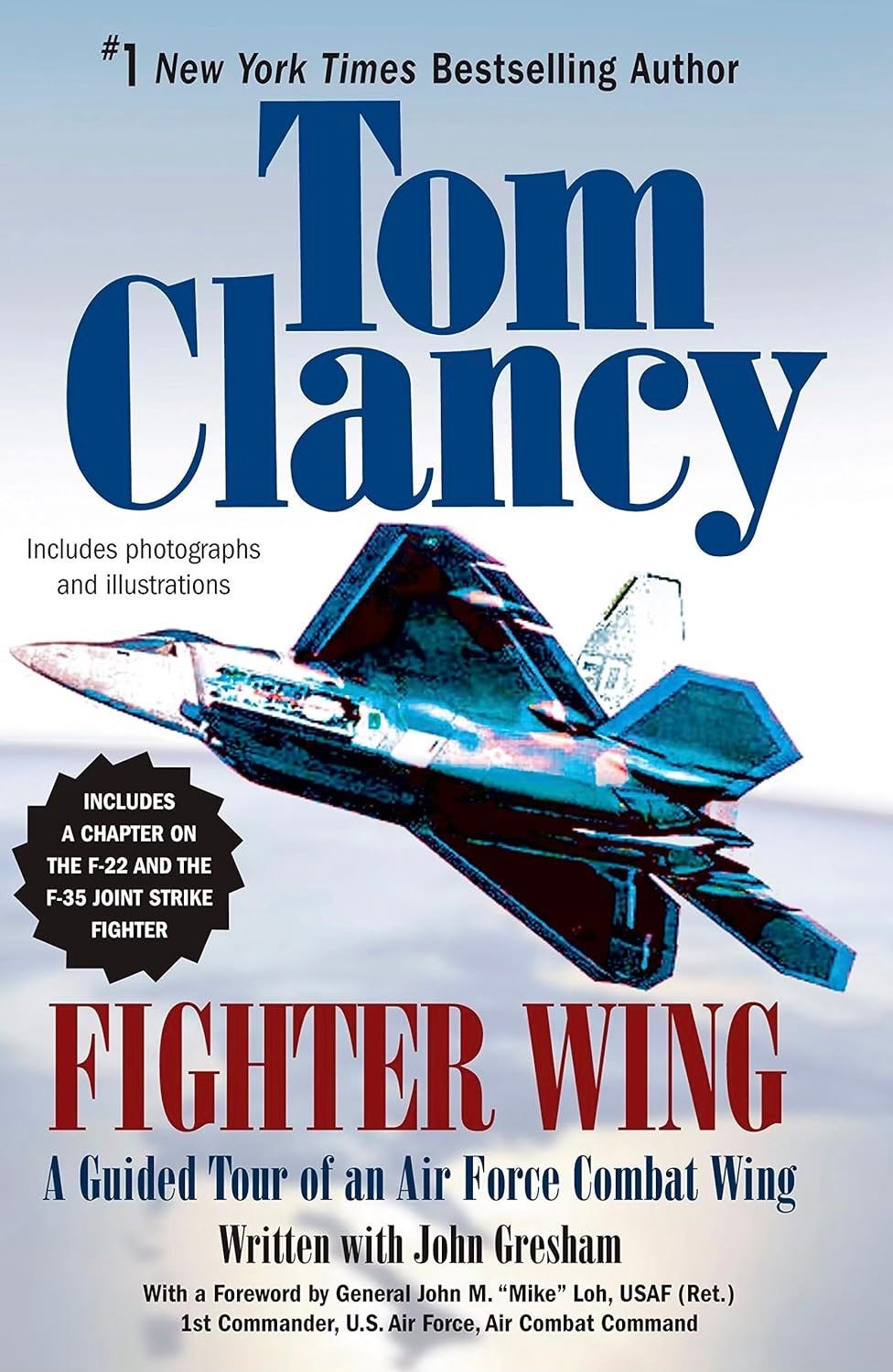
Fighter Wing: A Guided Tour of an Air Force Combat Wing (1995)
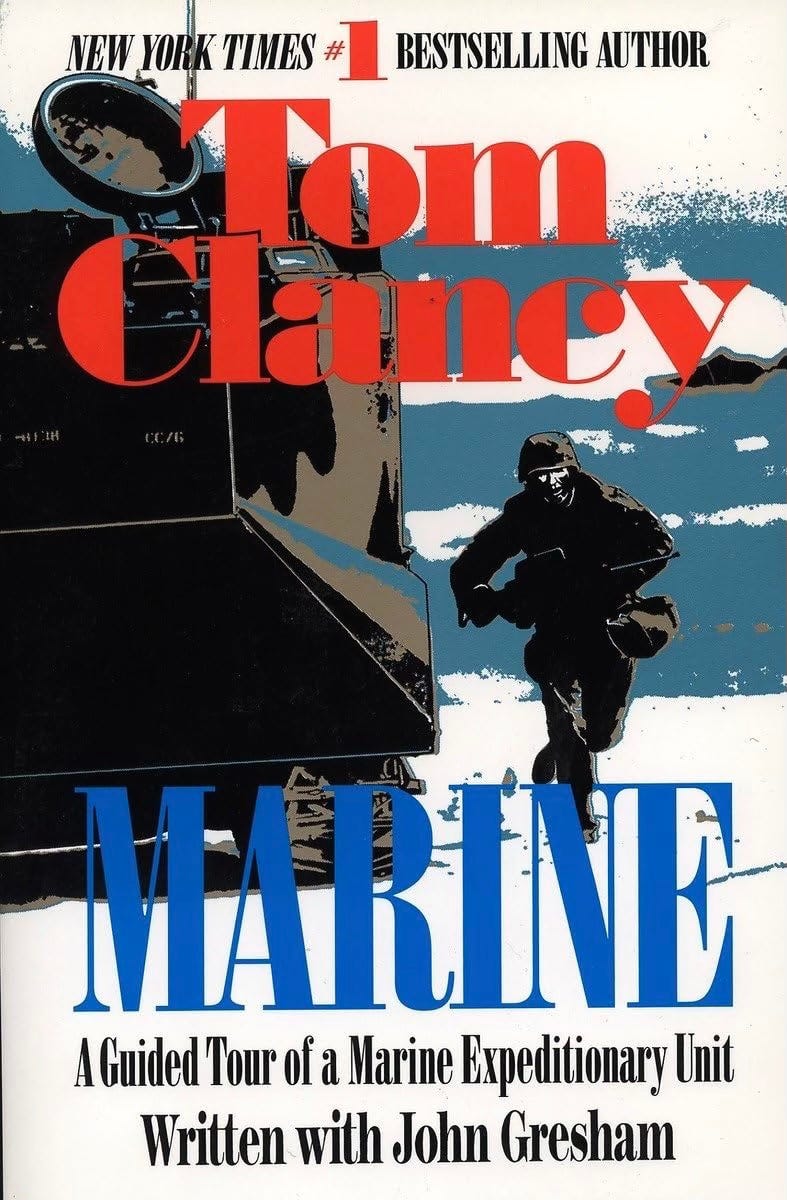
Marine: A Guided Tour of a Marine Expeditionary Unit (1996)
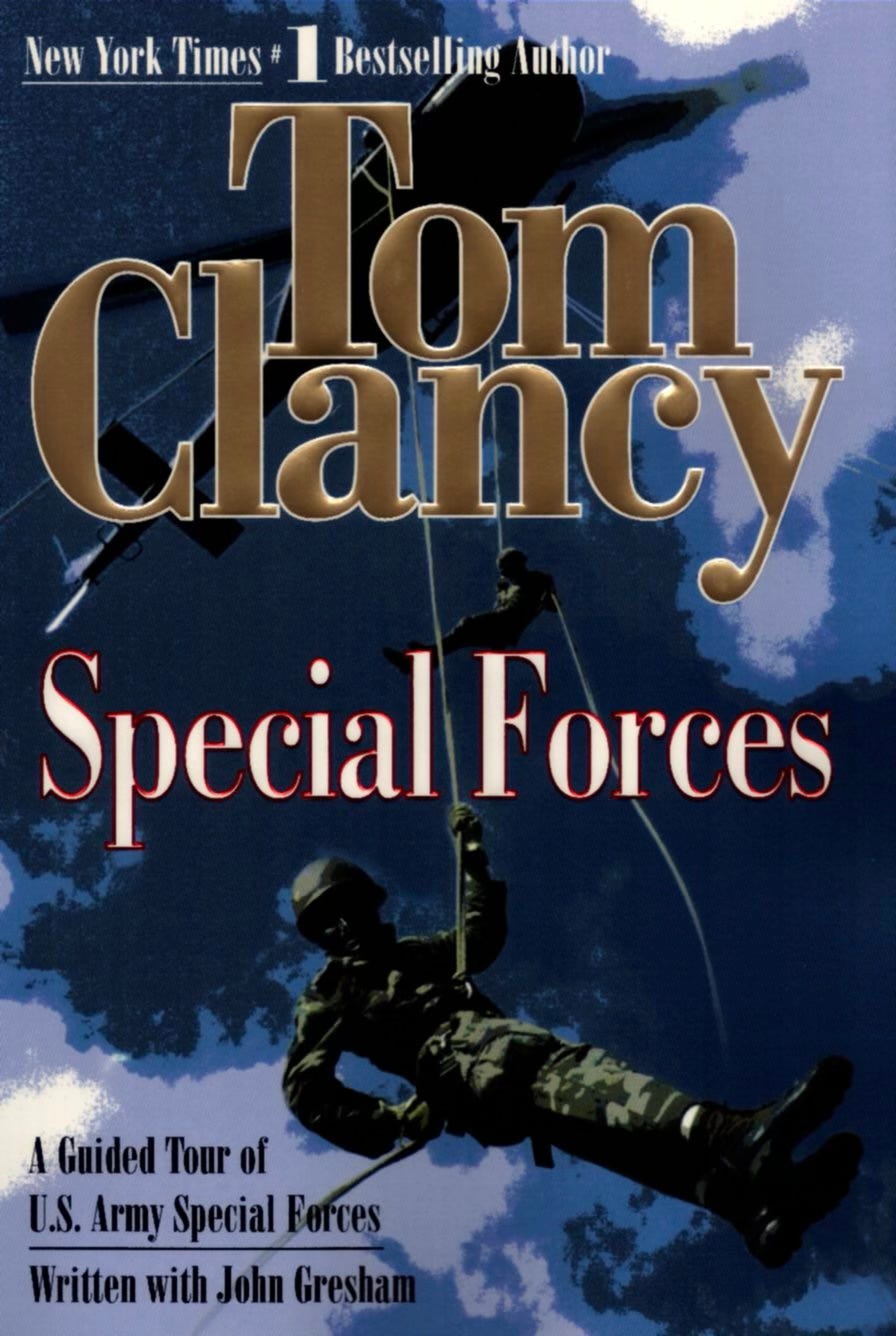
Special Forces: A Guided Tour of U.S. Army Special Forces (2001)
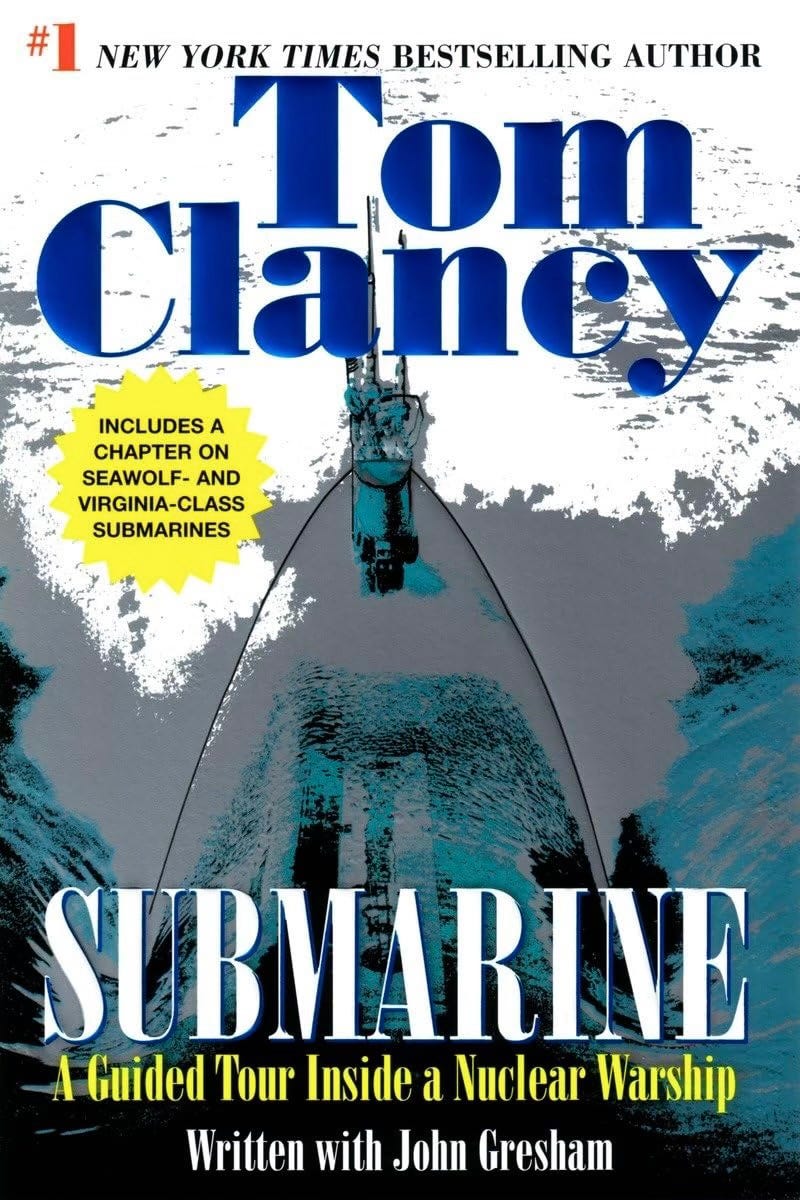
Submarine: A Guided Tour of a Nuclear Warship (2003)
I would also like to recommend all military-related video interviews with Victor Davis Hanson.
For non-fiction narrative, perhaps the last genre that will survive the influence of AI capture (because you have to be on the ground) are the following authors and books.
Since the world has been embroiled in a war between the West (of Islam) and Islamic groups and alliances, there is one man who can clearly explain how and why the crusades continue: Raymond Ibrahim.
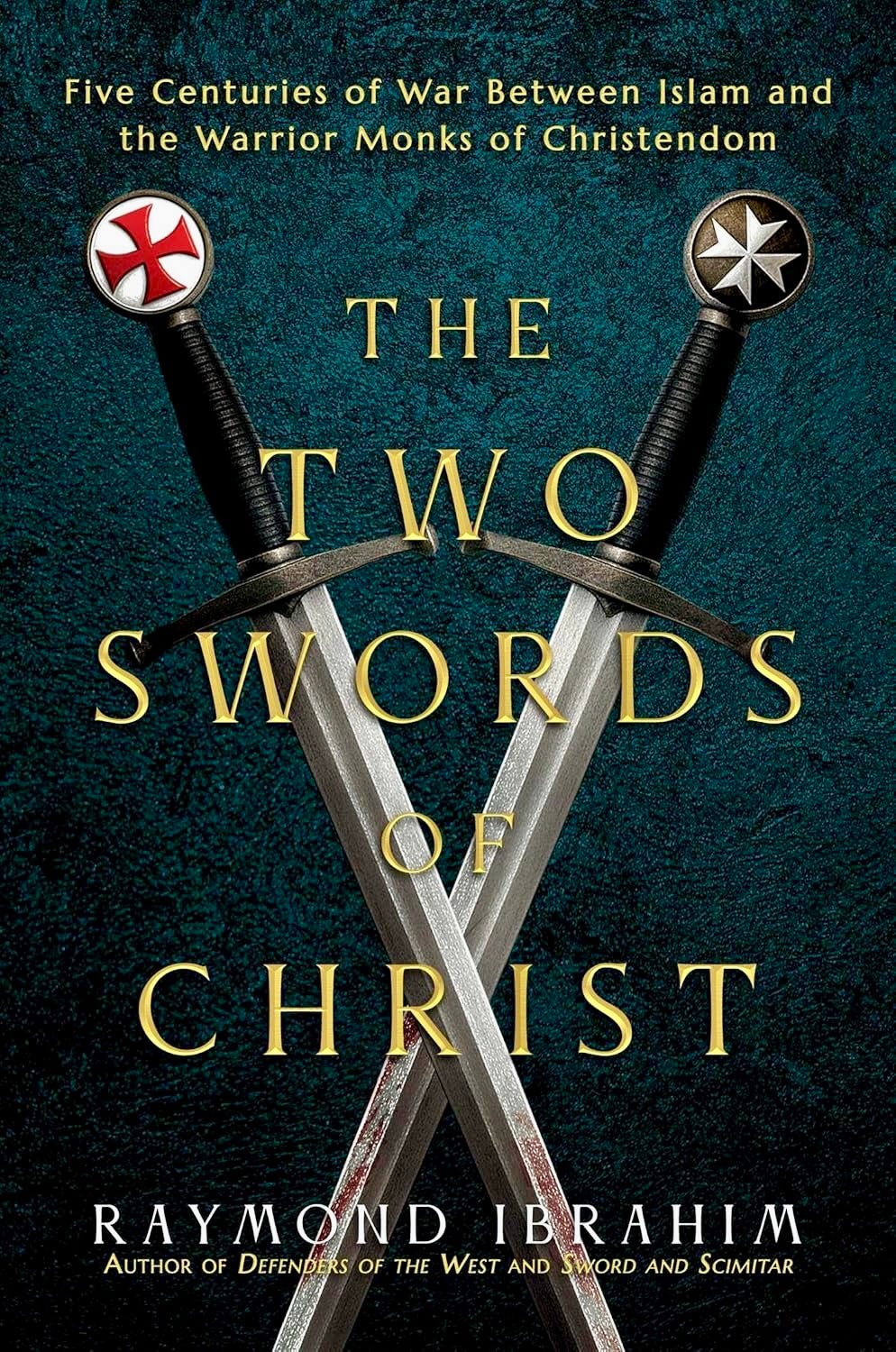
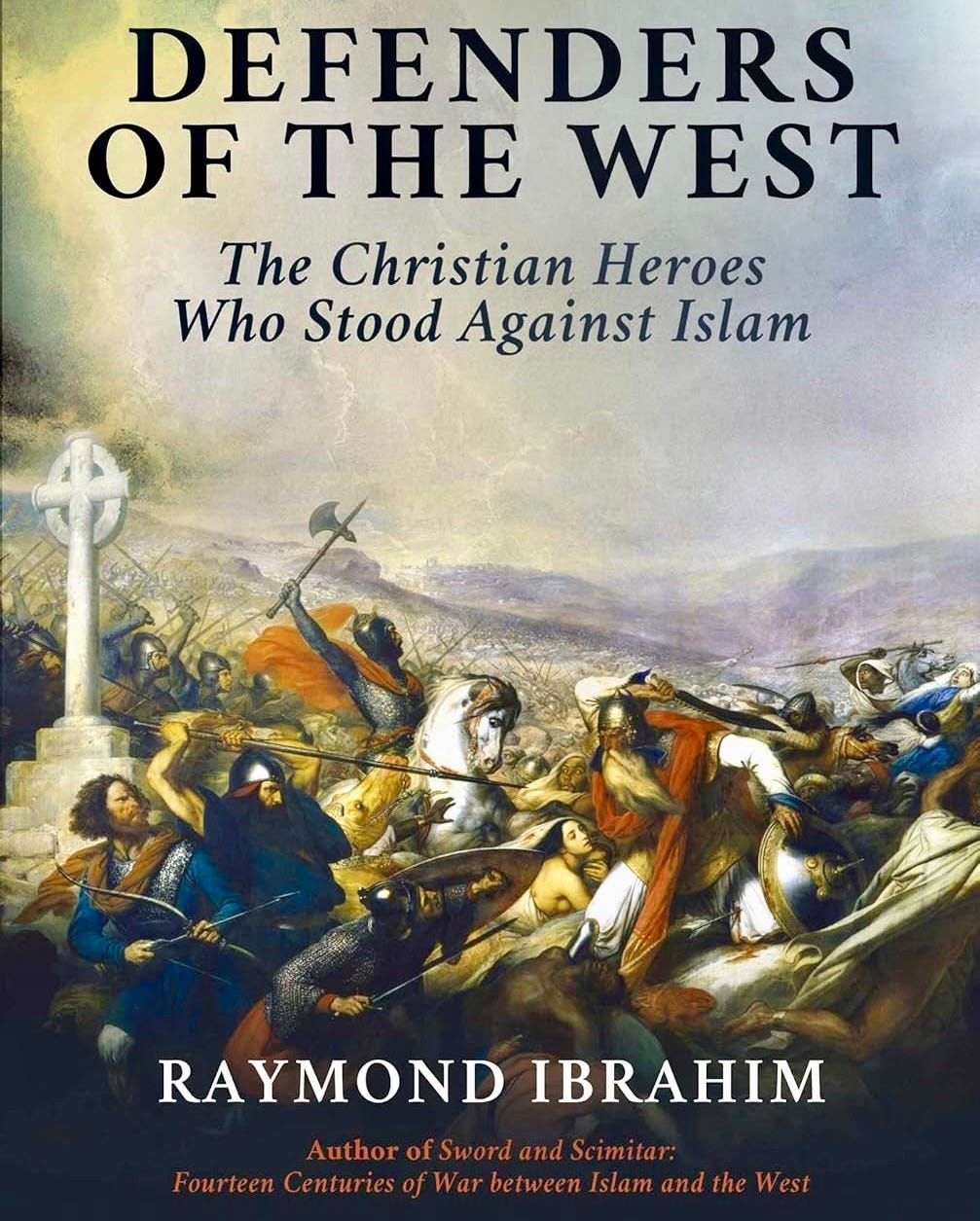
Ibrahim wrote his master’s thesis under Victor Davis Hanson on the The Battle of Yarmuk: An Assessment of the Immediate Factors behind the Islamic Conquests. Ibrahim served as an Arabic language specialist for the Near East section at the Library of Congress. From that experience, he wrote 2007 book: The Al Qaeda Reader: The Essential Texts of Osama Bin Laden’s Terrorist Organization. The result was permanent and continuous death threats. His two more recent books are considered required reading in the US intelligence community: The Two Swords of Christ: Five Centuries of War between Islam and the Warrior Monks of Christendom and Defenders of the West: The Christian Heroes Who Stood Against Islam.
If you join the leftist/progressive view that any criticism of Islam equals a phobia, you must confront the threats against Ibrahim’s life. Anyone considering military journalism should examine Ibrahim’s lifestyle and mindset: He understands violence and kinetics. In his late teens and early 20s, Ibrahim competed as a bodybuilder and won the teenage division of the NPC Los Angeles Bodybuilding Championships (Mr. LA). He stopped competing because he disliked the lifestyle, yet he still lifts weights regularly to stay fit and “to avoid becoming a soft armchair historian.”
Victor Davis Hanson:
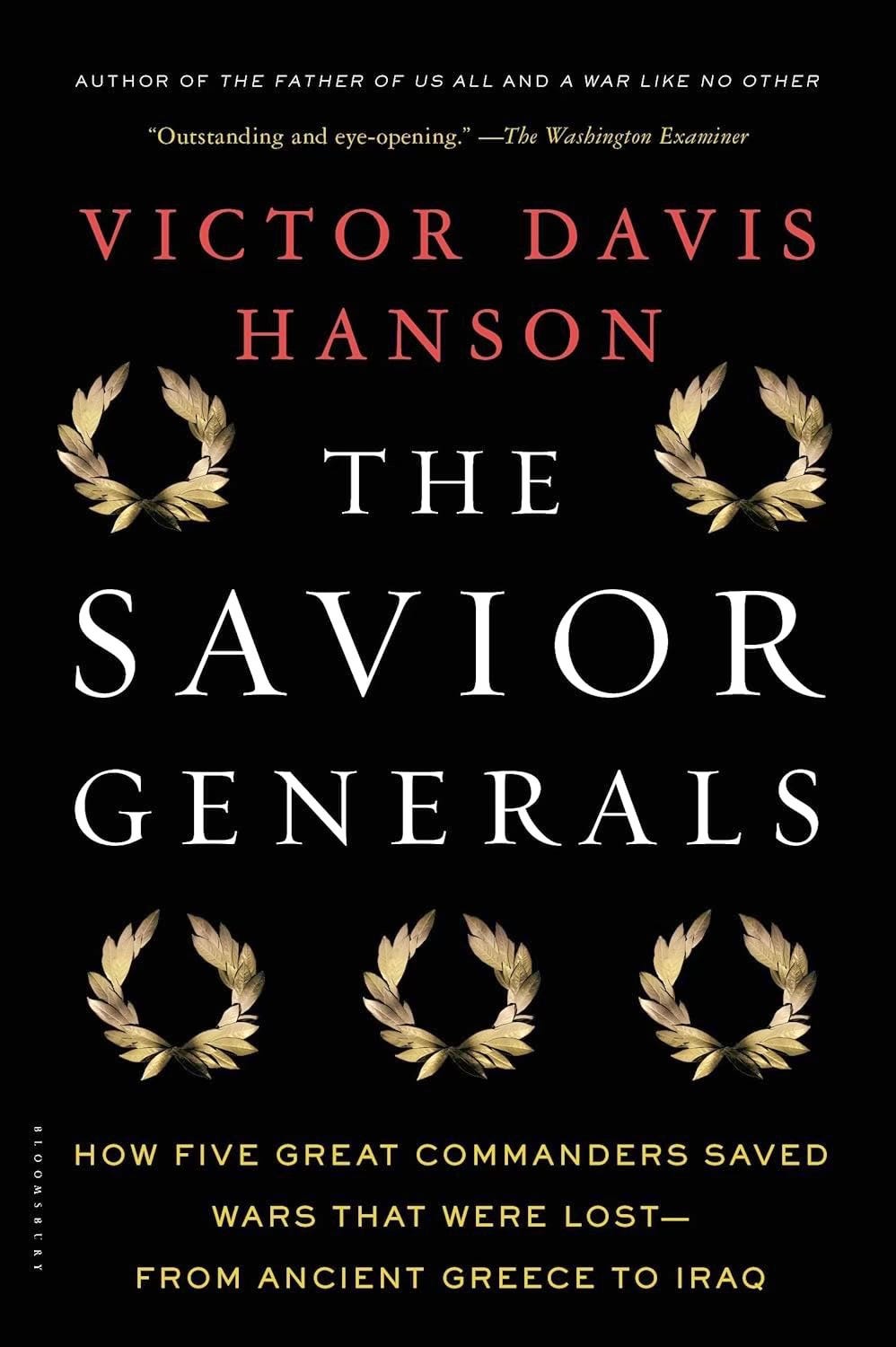
A War Like No Other: How the Athenians and Spartans Fought the Peloponnesian War
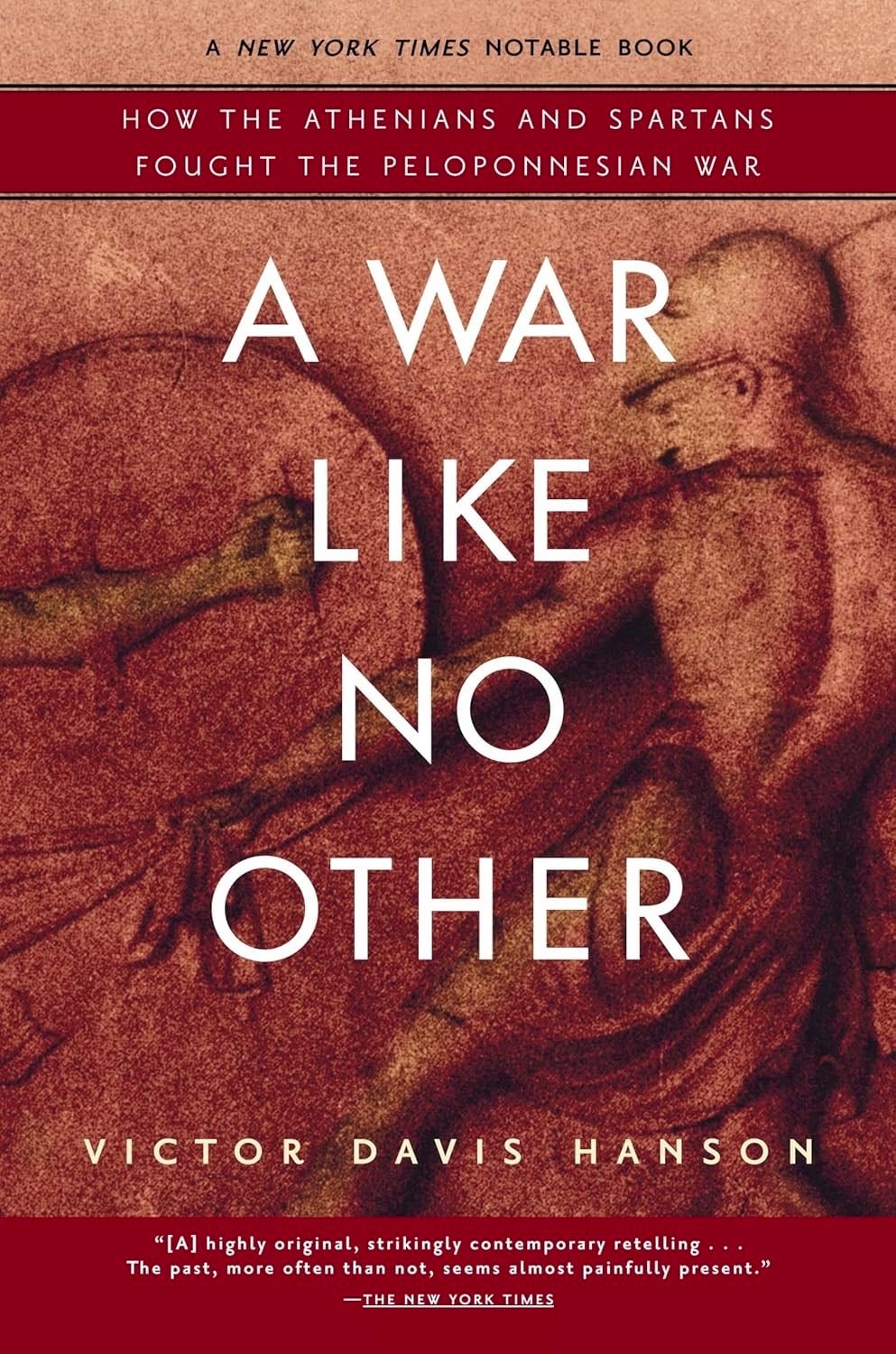
Carnage and Culture Landmark Battles in the Rise to Western Power
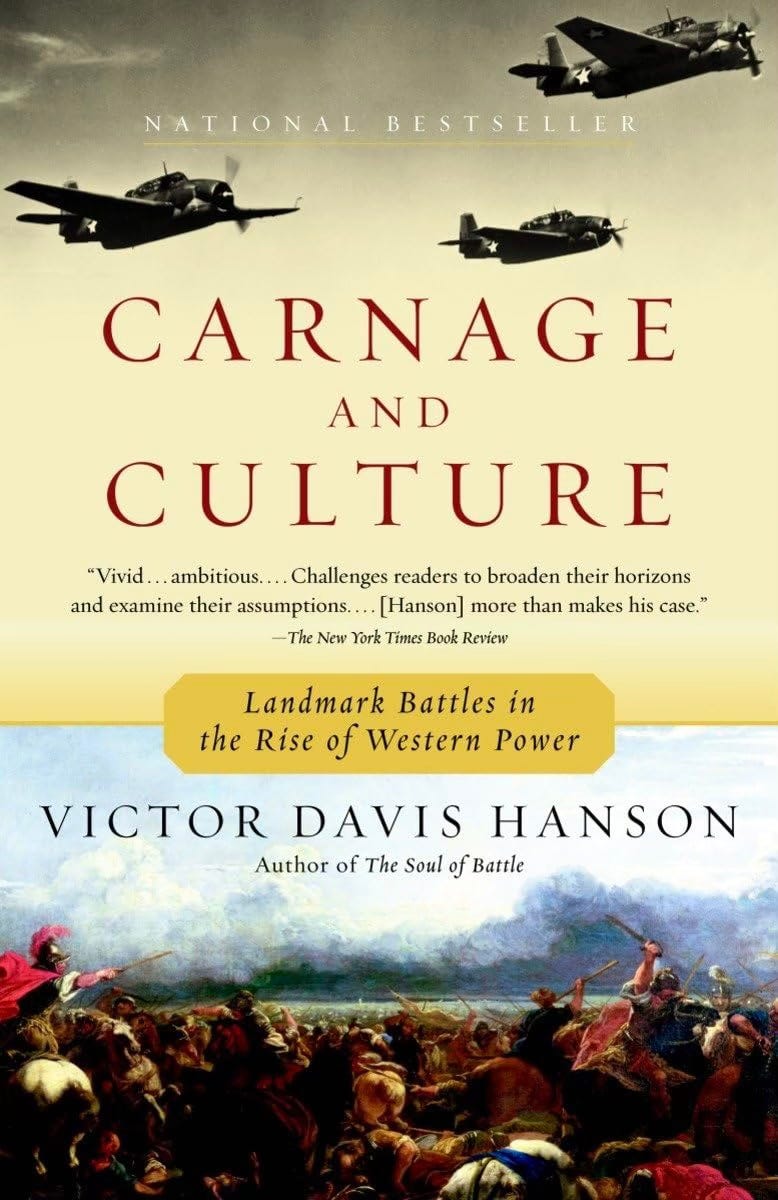
The next great historical writer is without doubt Michael Walsh. His book Last Stands: Why Men Fight When All Is Lost has buckets of testosterone:
A great writer to emulate as a field journalist covering the dark side is Robert D. Kaplan who blends travel writing, war reporting, and the world as it actually exists. He is basically Indiana Jones on crystal meth.
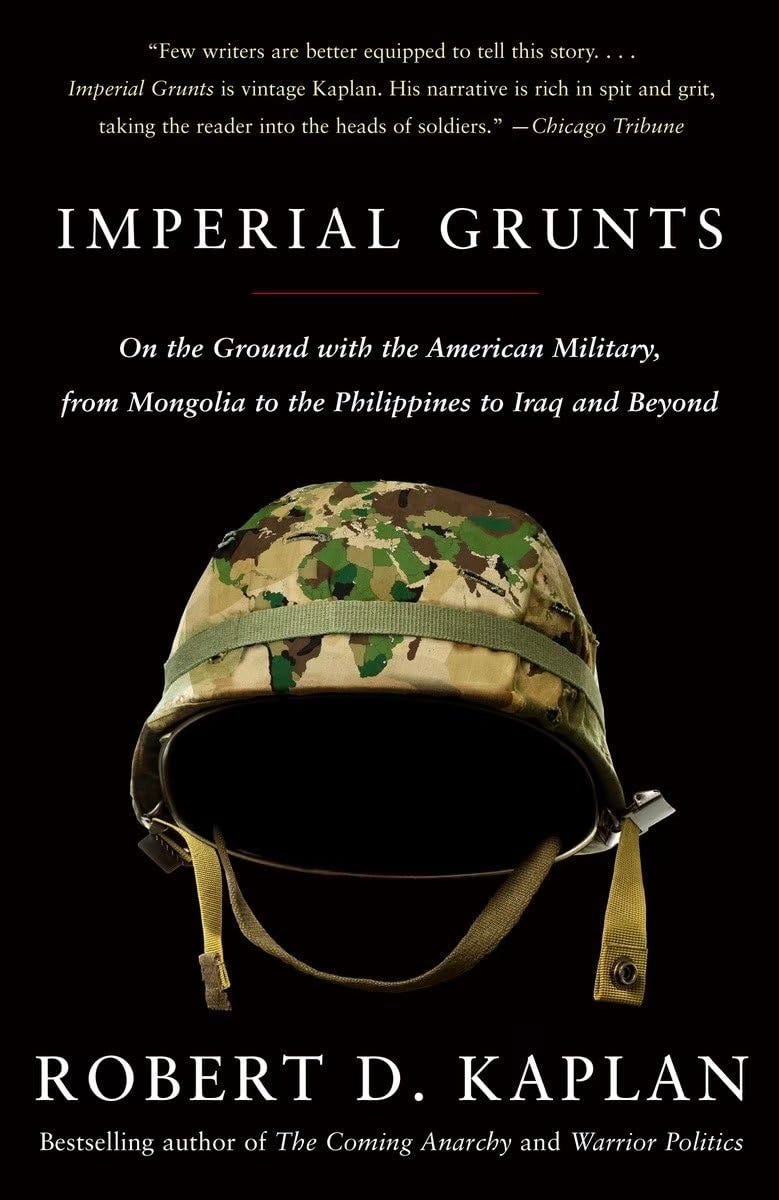
Hog Pilots, Blue Water Grunts: The American Military in the Air, at Sea, and on the Ground
The Revenge of Geography: What the Map Tells Us About Coming Conflicts and the Battle Against Fate
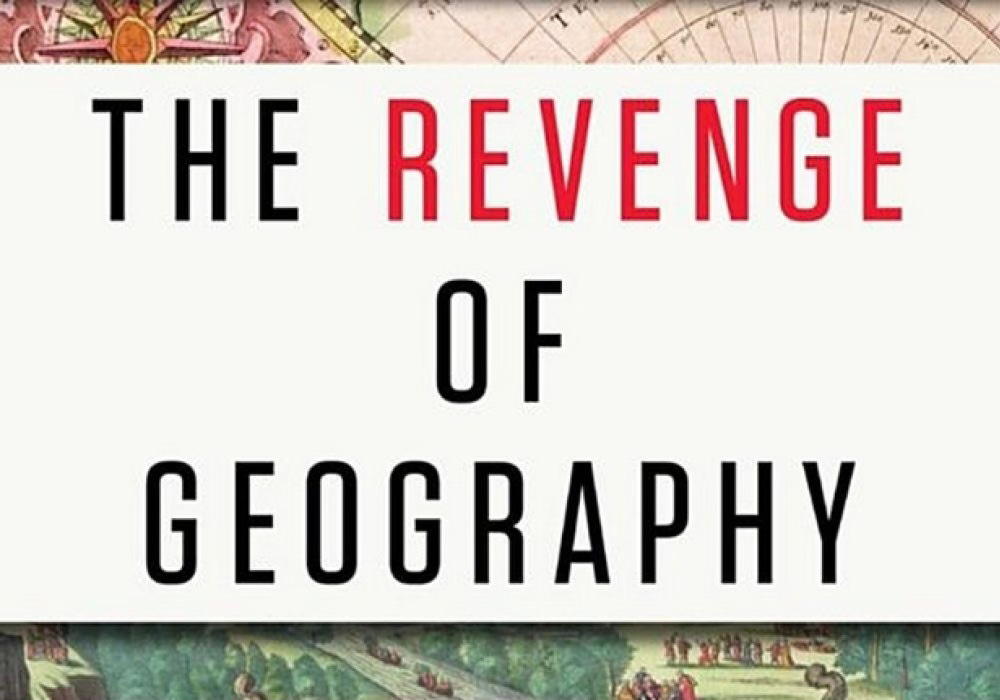
MARK BOWDEN:
Black Hawk Down: A Story of Modern War
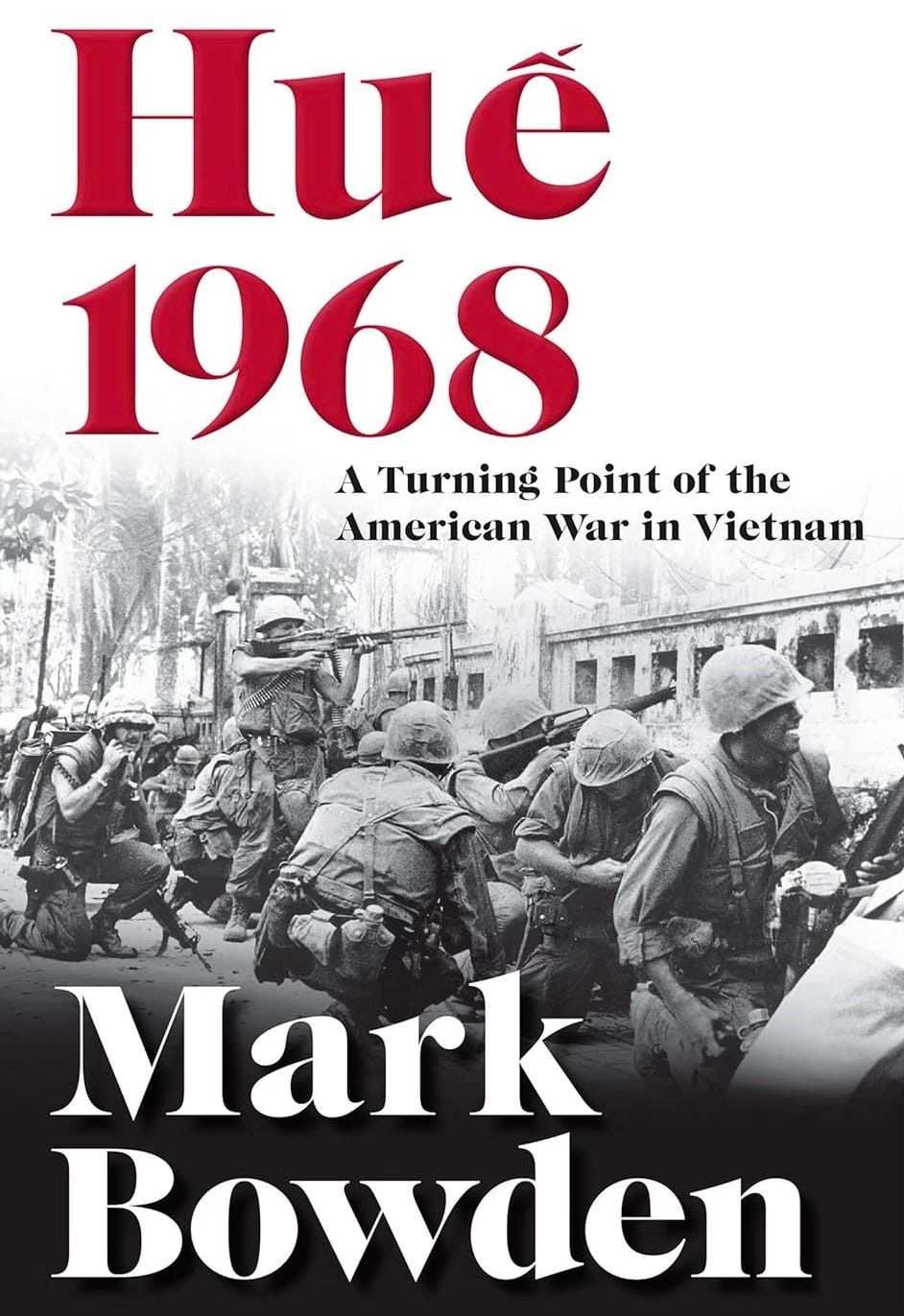
Hue 1968: A Turning Point of the American War in Vietnam
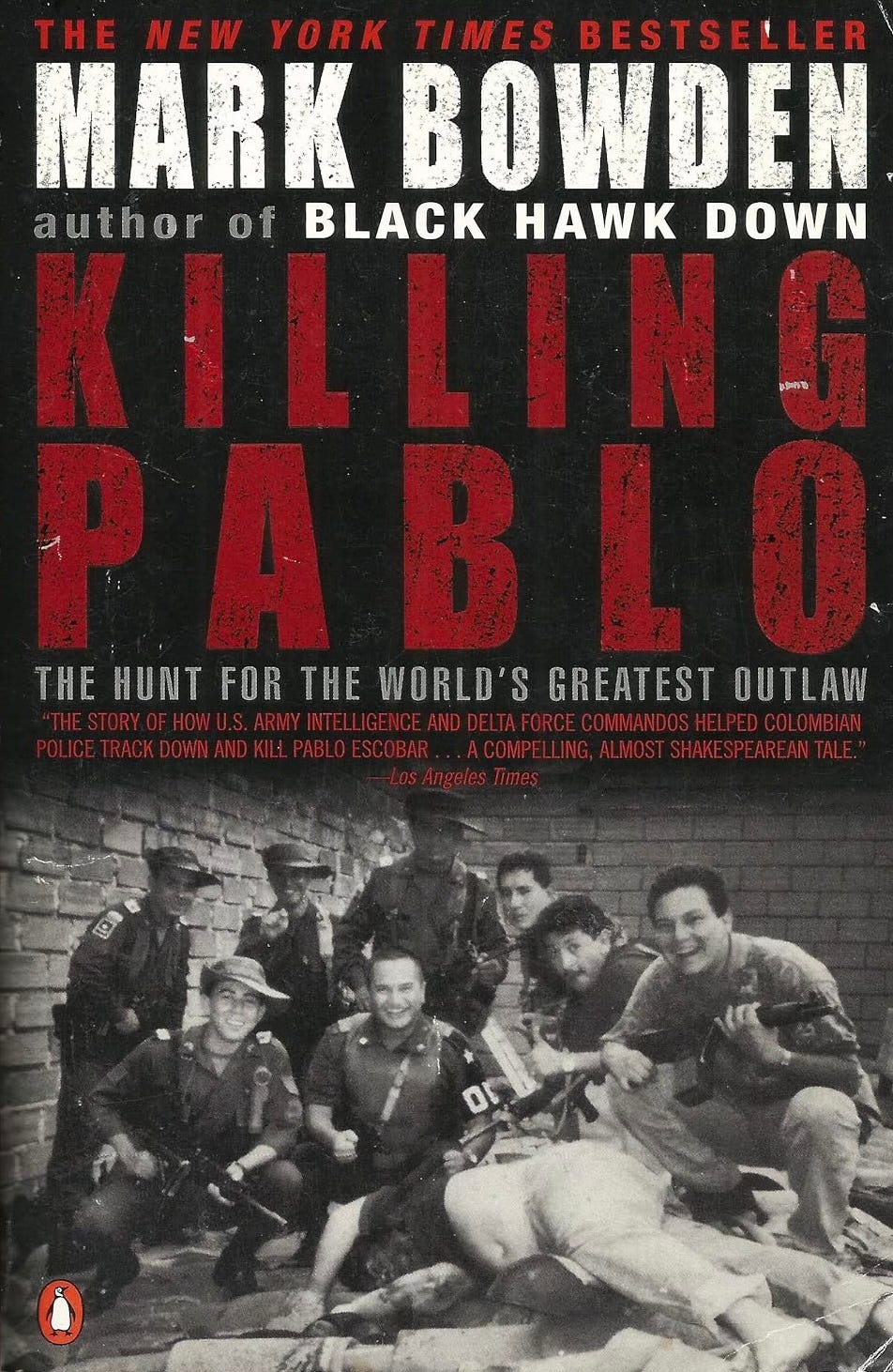
Killing Pablo: The Hunt for the World's Greatest Outlaw
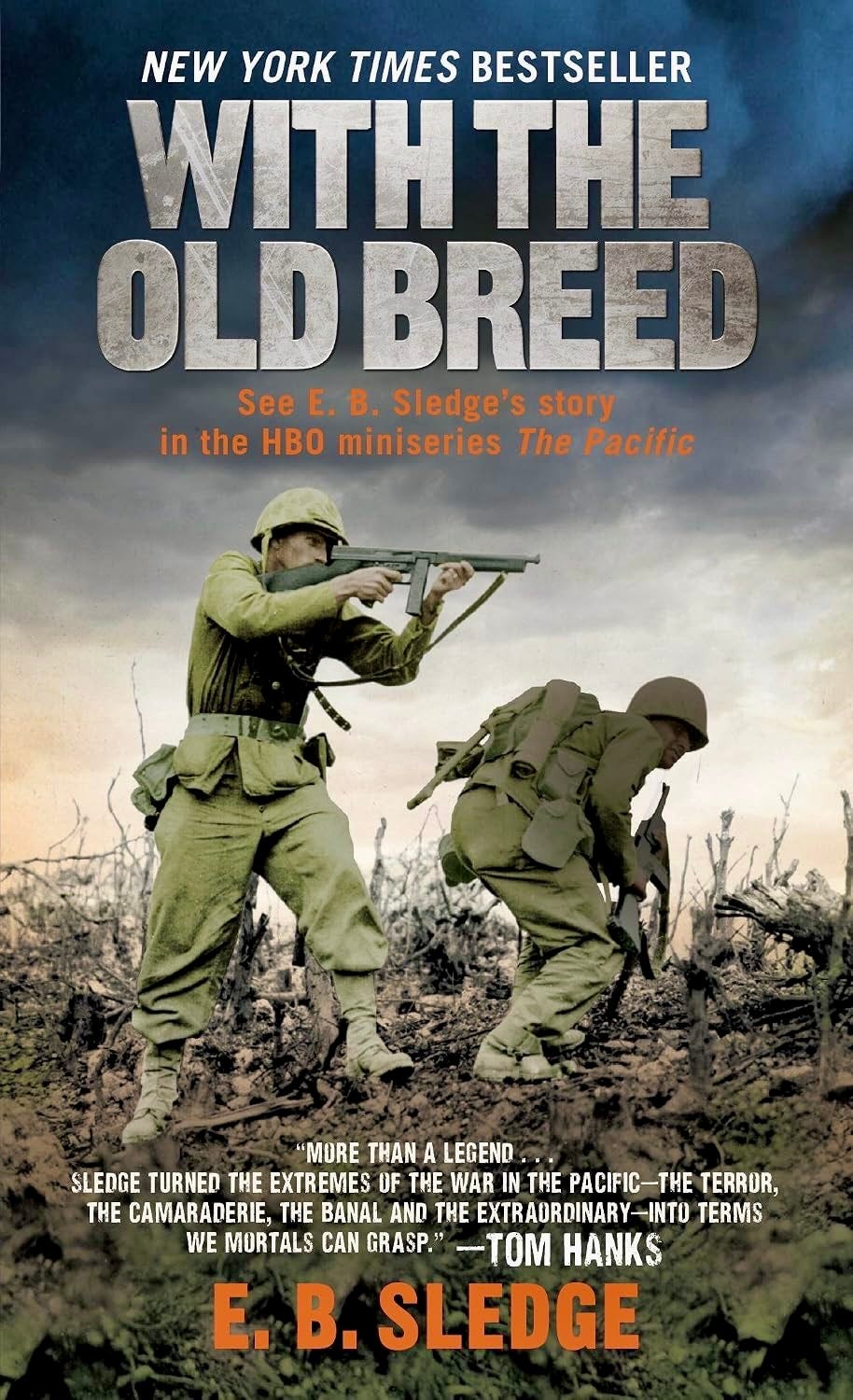
One great book on World War II: The Old Breed: A History of the First Marine Division in World War II by E.B. Sledge.
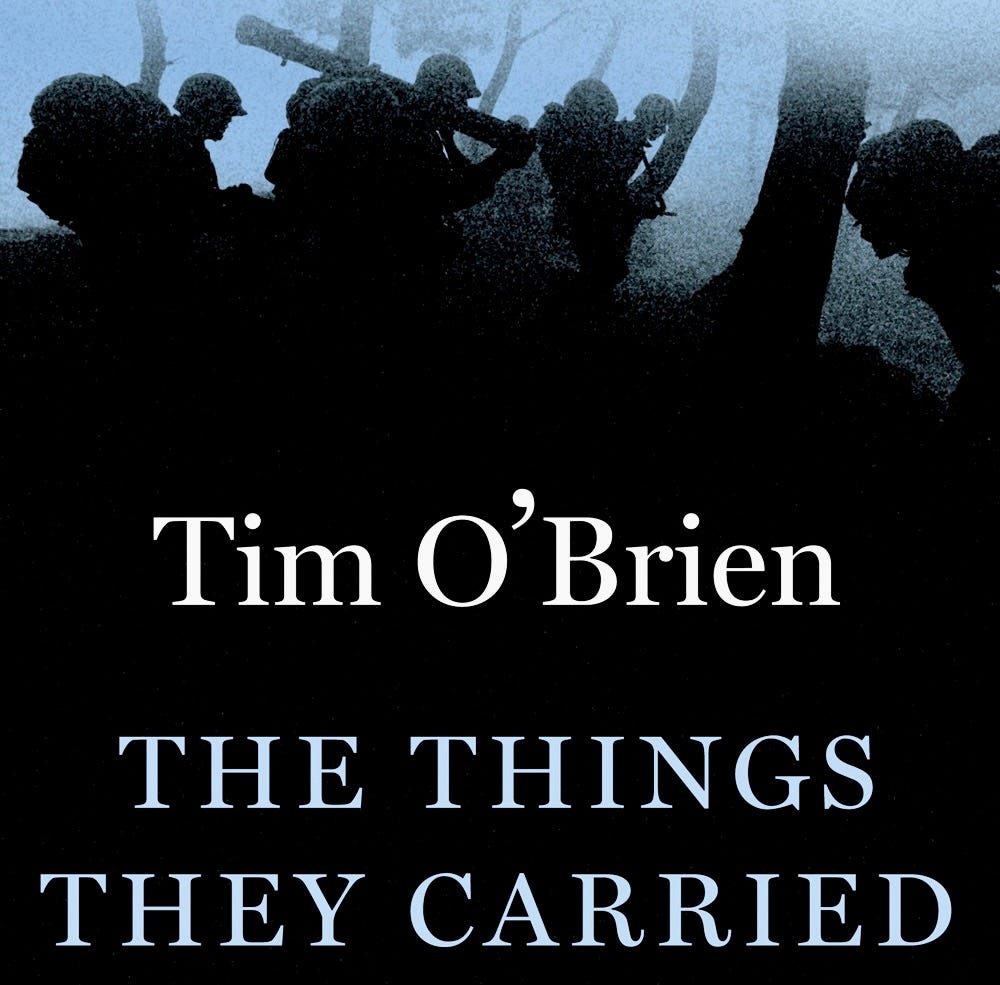
One great book on Vietnam: The Things They Carried by Tim O’Brien (Vietnam Veteran).
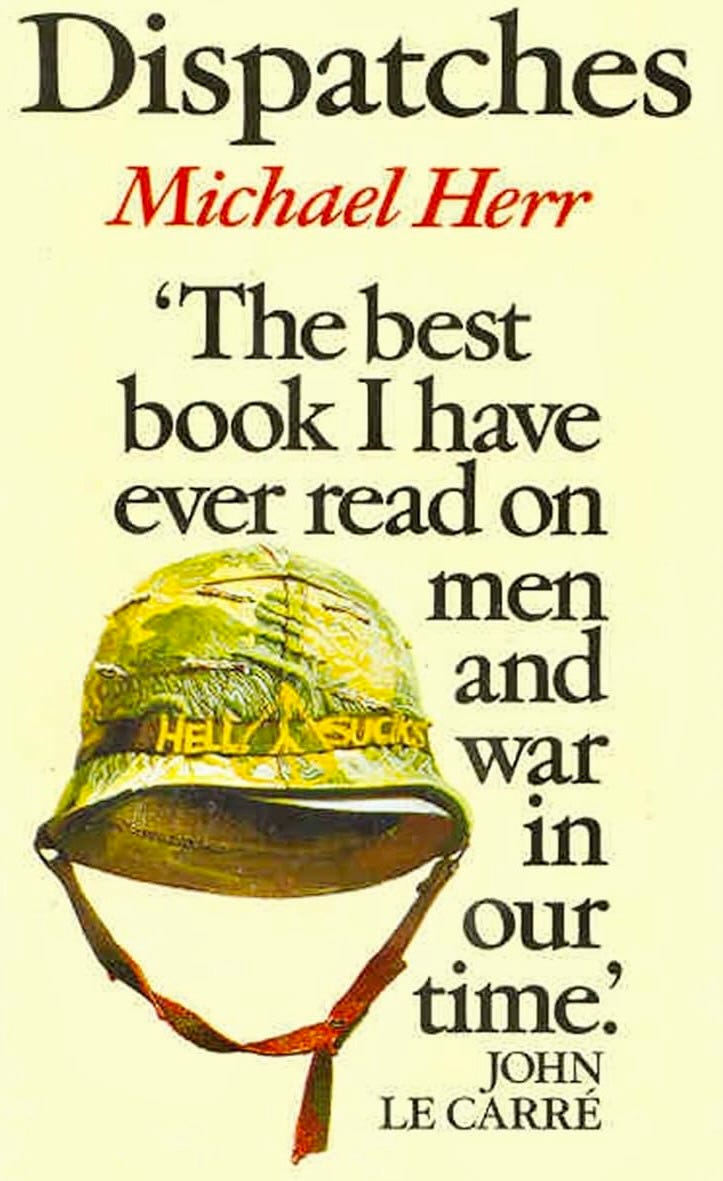
If you like Gonzo-style war books, no one did it better than journalist Michael Herr’s Vietnam autobiographic book about his coverage from 1967–1969: Dispatches (1977). He served as a major contributor for the screenplays for the movies Apocalypse Now and Full Metal Jacket.
One of my personal favorites, one that I’ve re-read many times, about journalists covering the Vietnam War is by William Prochnau: Once Upon a Distant War: David Halberstam, Neil Sheehan, Peter Arnett--Young War Correspondents and Their Early Vietnam Battles.
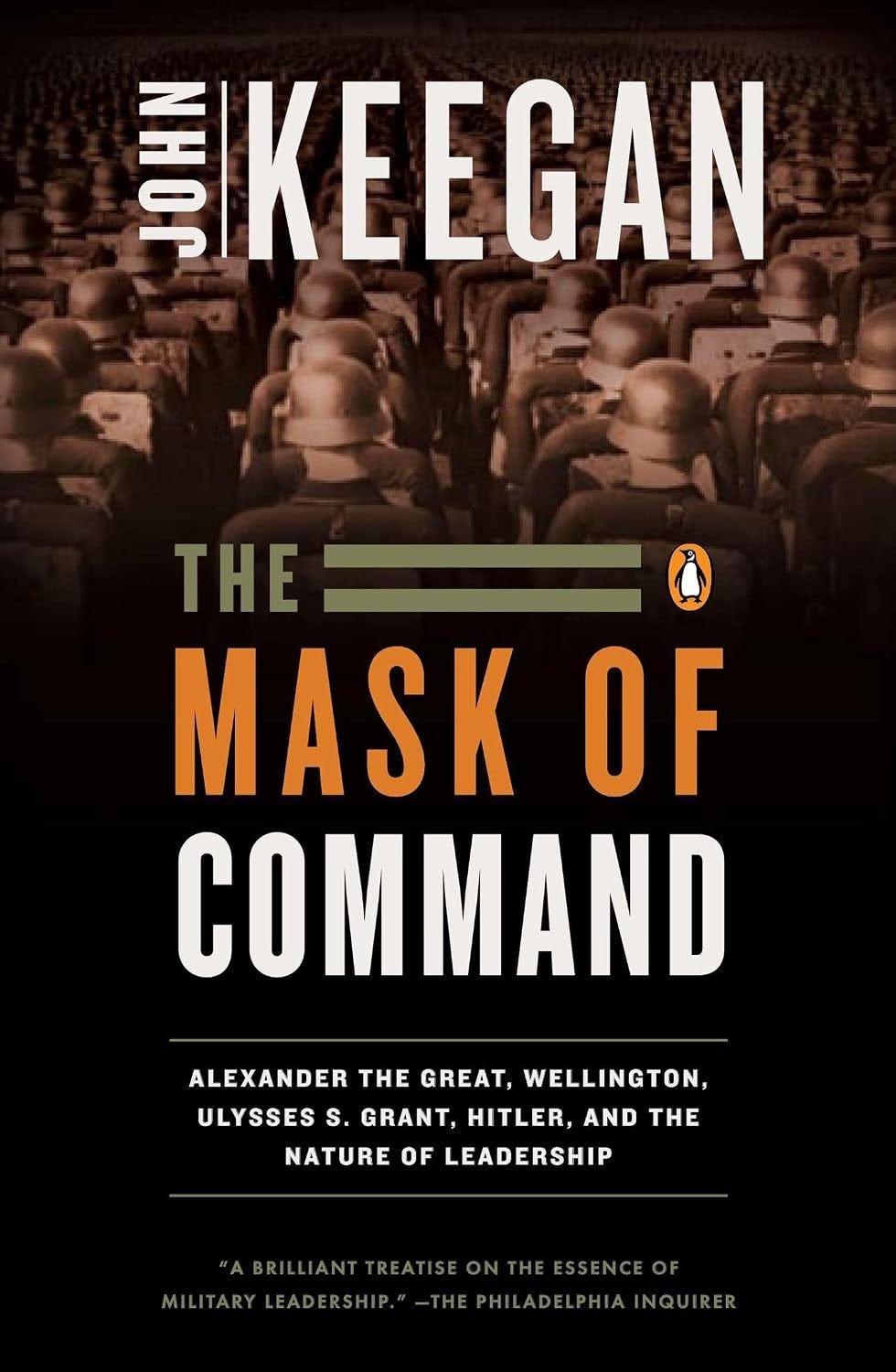
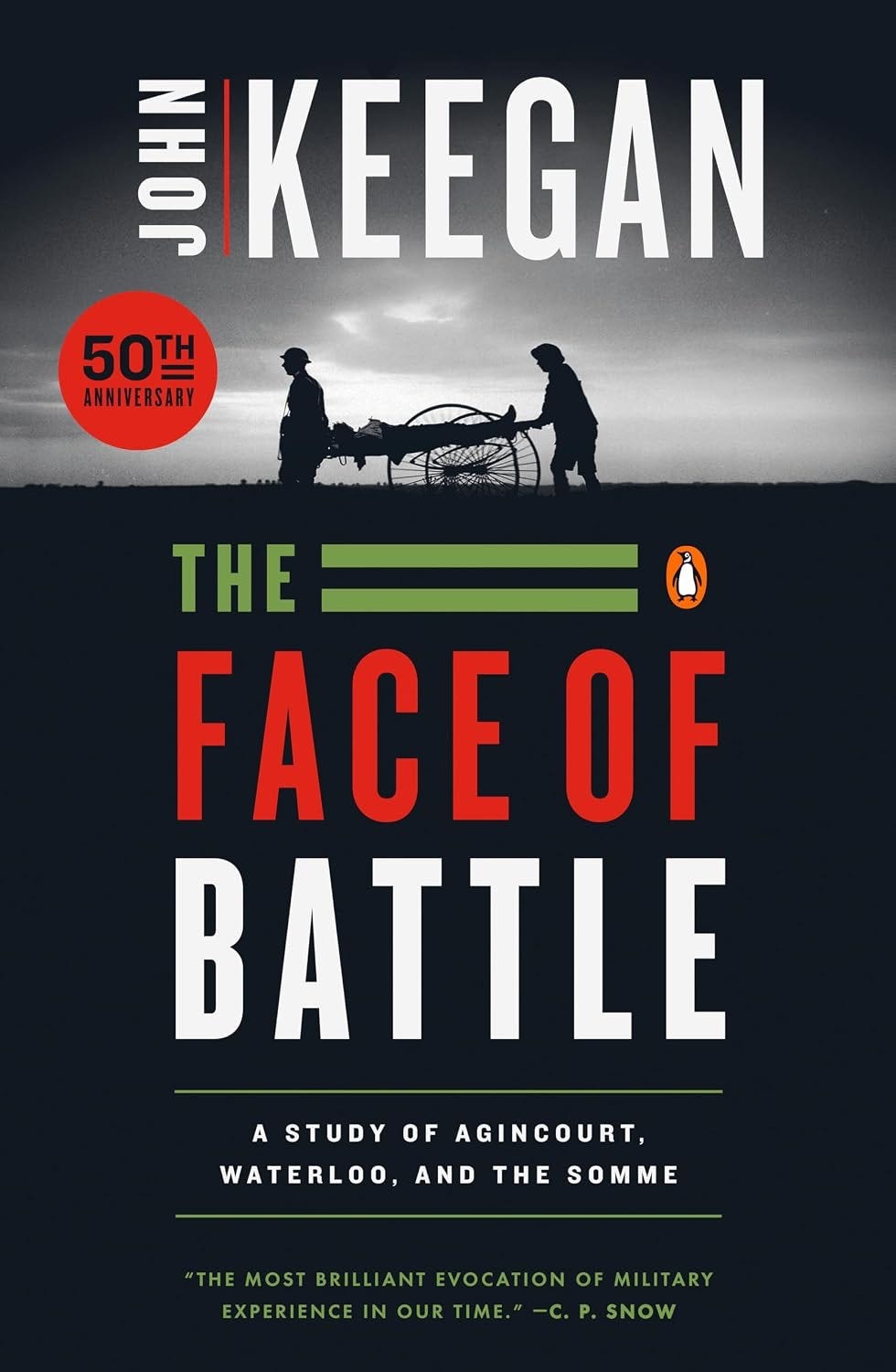
Not mentioning John Keegan would be like omitting God in a church. Keegan wrote so many influential books on warfare that his body of work - rich in historical, technical, and procedural research - made him a legend in the study of military tactics and strategy.
Start with Masks of Command and The Face of Battle: A Study of Agincourt, Waterloo, and the Somme.
Get 20% off a group subscription
Comments
Nothing yet. Say the first thing.
Sign in to join the conversation.