
Available for iOS and Android
China In Arms BOOKSTORE and GIFT SHOP!
Twitter and YouTube Page and LinkedIn
Subscribe: $5 Monthly; Cancel Anytime
11 August 2026 (Tuesday)
By Ross Darrell Feingold (@RossFeingold) (方恩格)
TAIPEI – Here in Taiwan during the ten day, nine night Han Kuang (漢光) military exercises, winning public support for the military is an important goal for the Presidential Office and Ministry of National Defense (MND).
On Saturday, 8 August, President William Lai (賴清德) visited a drill conducted by the Navy’s new Littoral Combat Command (LCC, 濱海作戰指揮部) along with other units. President Lai boarded a Kuang Hua VI-class missile boat and gave an encouraging speech to the sailors.
President Lai’s visit was covered by a Presidential Office press release.
State media reporting the visit included:
Central News Agency (in print)
Central News Agency (video)
Other media that reported it included:
The LCC was established on 1 July 2026.
A 2024 article in Navy News summarized the components that would shift into the new LCC, including the Navy’s Hai Feng Shore-Based Anti-ship Missile Group (海鋒大隊) and Maritime Surveillance & Reconnaissance Command (海洋監偵指揮部).
However, the Navy’s 131st fleet Kuang Hua VI-class missile boats (光華六號) and Tuo Chiang-class corvettes (沱江級巡邏艦) did not shift into the LCC. Instead, a defense official quoted by the Liberty Times said, the 131st fleet will coordinate with the LCC depending on the combat situation.
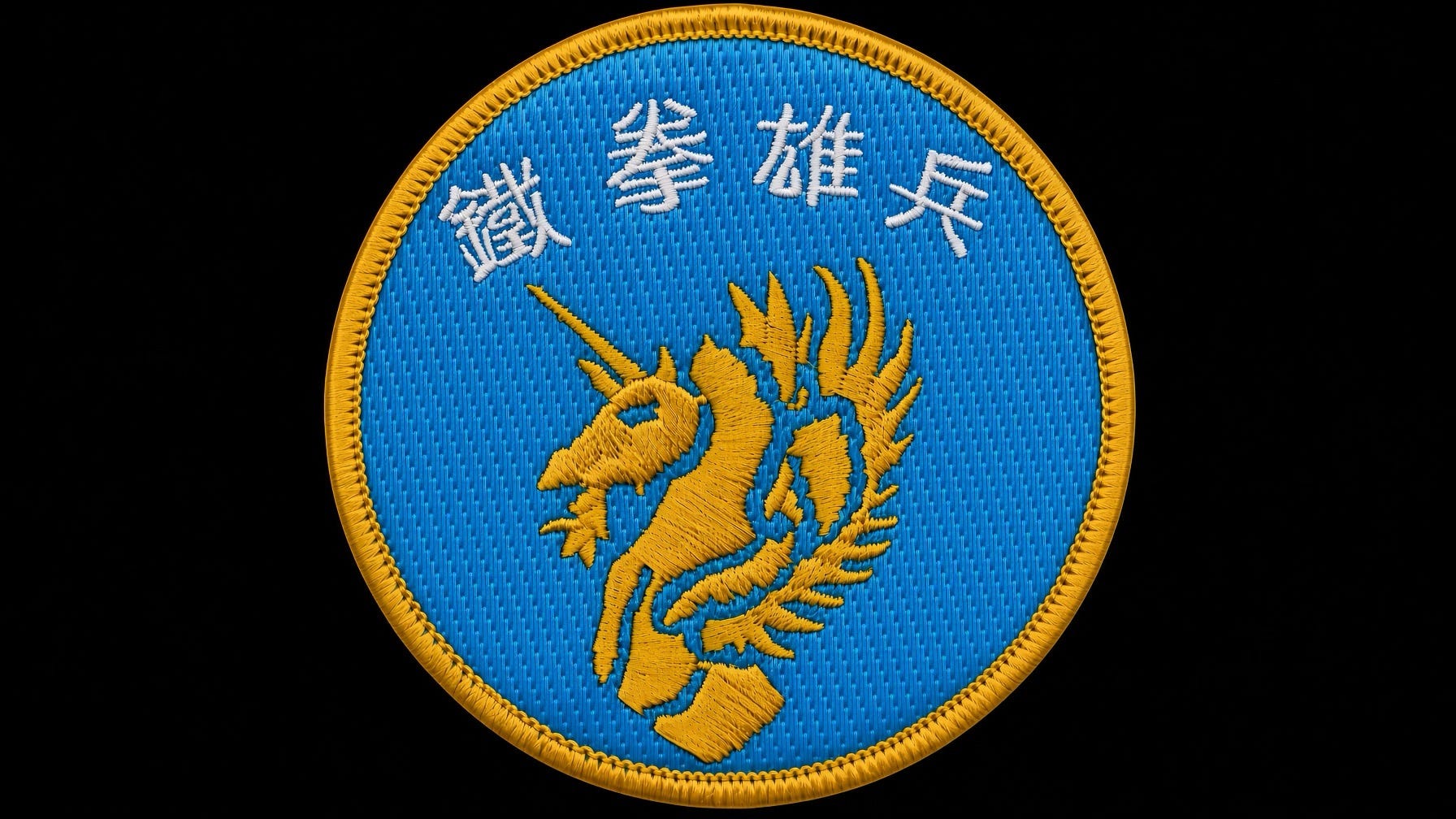
On 8 August, after accompany President Lai on the visit, National Security Council Secretary General Joseph Wu (吳釗燮) shared on his X account several photos. For the record, this is the Hai Feng’s unit patch.
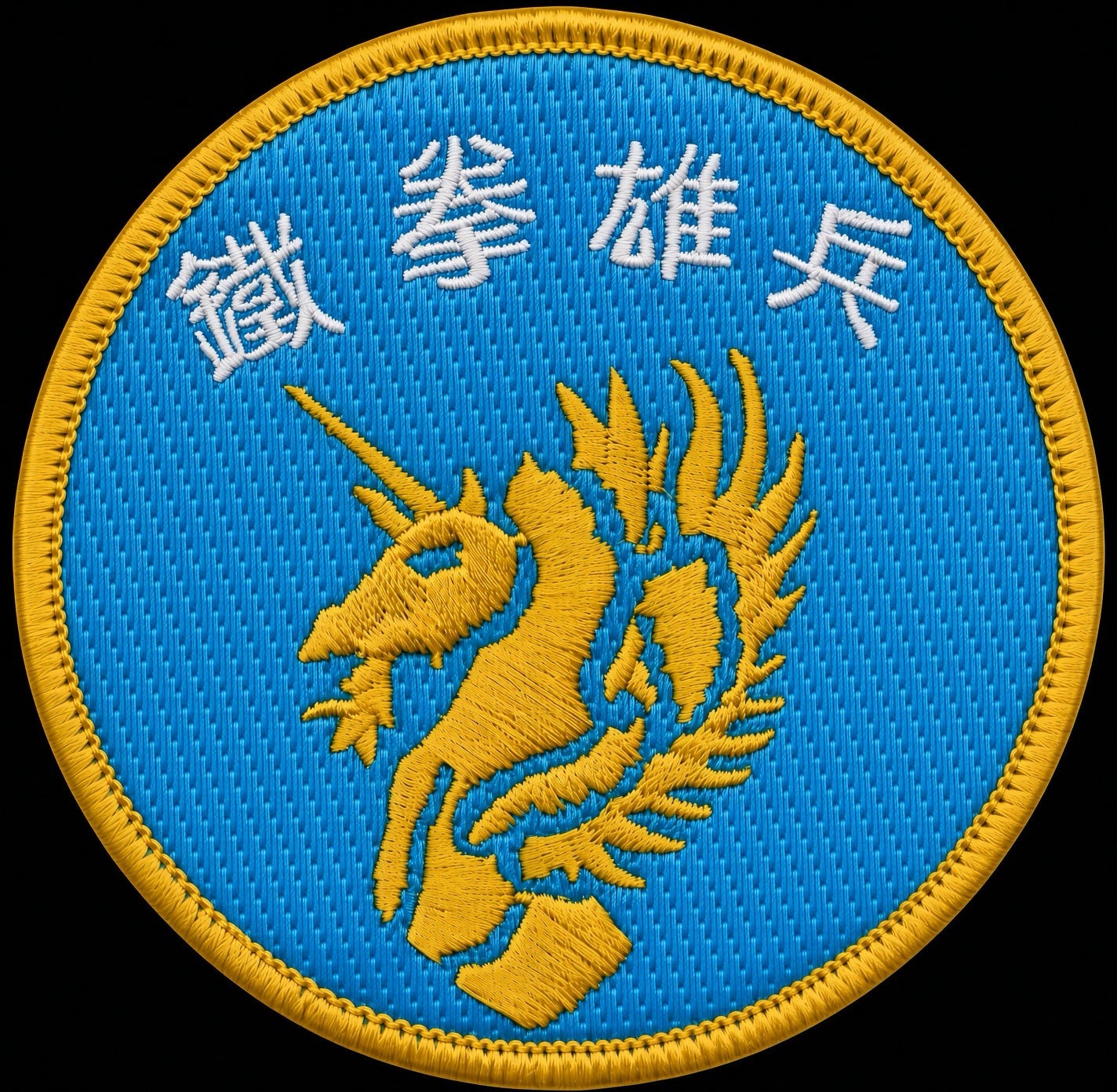
The unit motto in Chinese translates roughly as “a formidable force, pragmatic in the pursuit of victory” (tiěquán xióngbīng, wùshí qiú sheng, 鐵拳雄兵,務實求勝).
Did the Navy suddenly realize in 2024 that Taiwan has a “littoral”? Did the US come up with this idea and Taiwan had no choice but to agree?
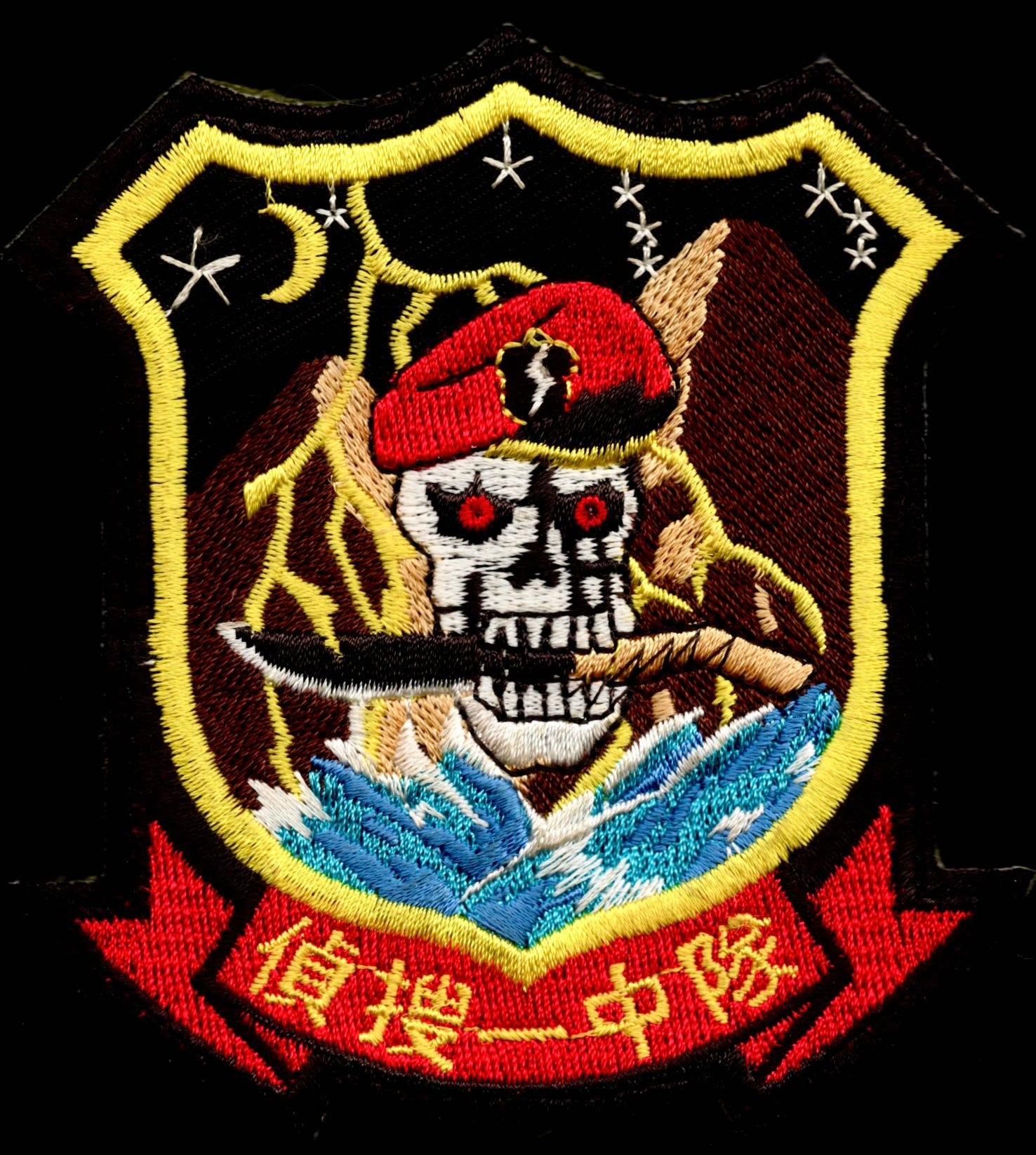
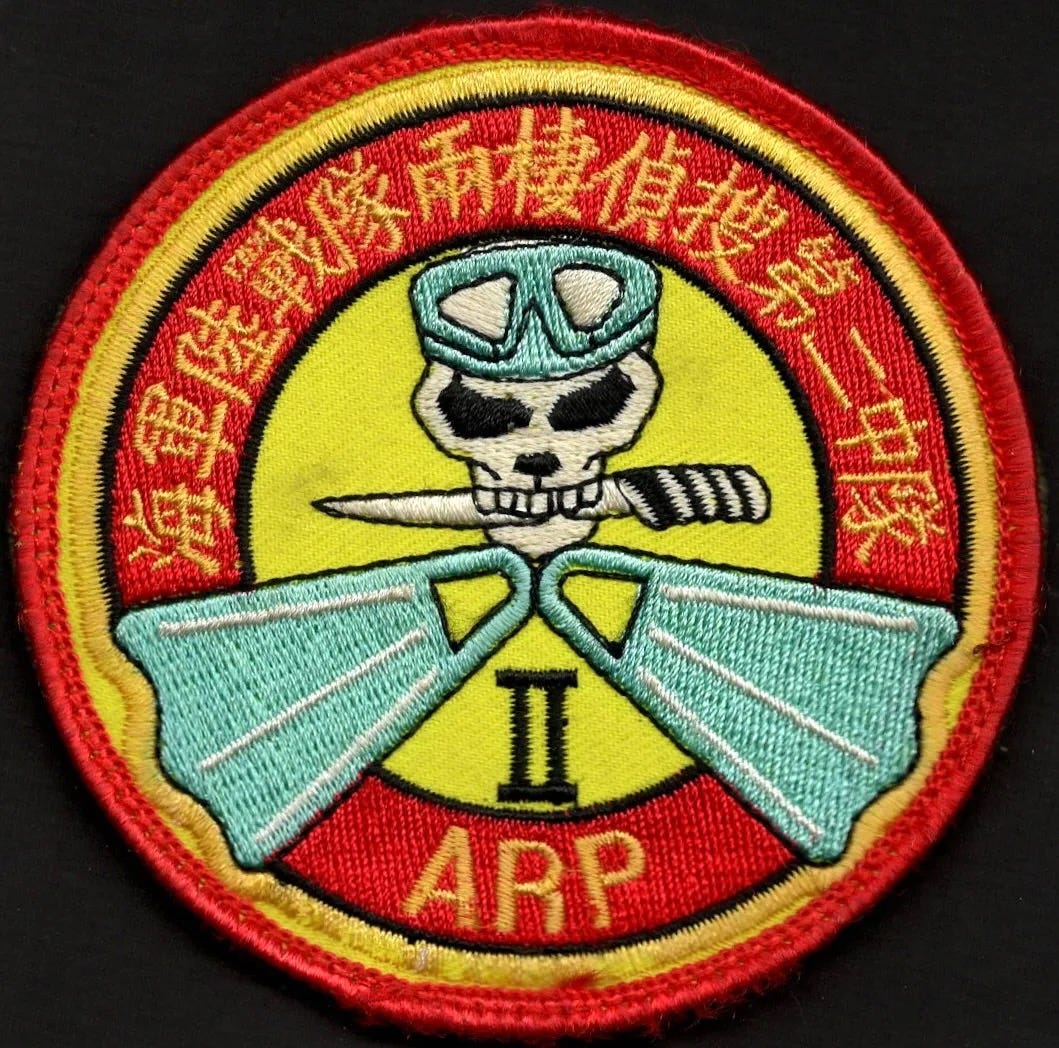
And what about the Marines? In the 2025 Han Kuang exercise, the Marines 99th Brigade drove north from its base in Kaohsiung, and drilled in the Guandu Plain of northern Taiwan, which is normally defended in part by the Marines 66th brigade (which might in the future focus on defending Taipei’s urban core, overlapping with Military Police combat units). Regardless, the littoral doesn’t appear to be the focus for either Marine brigade, though the Marines still maintain a small Amphibious Reconnaissance and Patrol Group (兩棲偵搜大隊), with two Patrol units:
We might never know who proposed the LCC, but moving units around the org chart is common for Taiwan’s military and civil defense components.
For example, land based air defense and missile components have moved multiple times in recent decades before being consolidated in 2017 under the Air Force Air Defense and Missile Command (空軍防空暨飛彈指揮部).
Other examples include:
· Establishment of the Executive Yuan Coast Guard Administration (行政院海岸巡防署) in 2000, which consolidated units and responsibilities that were previously part of multiple agencies, and its subsequent shift in 2018 to be a subordinate unit of the Ocean Affairs Council (OAC, 海洋委員會海巡署).
· Establishment of the Ministry of Interior (MOI) National Immigration Agency (內政部移民署) in 2007, which consolidated units and border control and foreign visitor/resident oversight responsibilities that were previously part of multiple agencies.
· Establishment of the MOI National Airborne Service Corps (內政部空中勤務總隊) in 2004, which consolidated units and air rescue responsibilities that were previously under multiple agencies.
· In 2013, the Military Police was downgraded to be a subordinate unit of the general staff (MND General Staff Headquarters Military Police Command, 國防部參謀本部憲兵指揮部), but in 2021 it was upgraded again (MND Military Police Command, 國防部憲兵指揮部).
· In 2022, the MND All-Out Defense Mobilization Agency (國防部全民防衛動員署) was established, which consolidated responsibilities related to reserves training and mobilization. However, the now subordinate Armed Forces Reserve Command (後備指揮部) still seems to be where the actual work is done, rather than at the agency level.
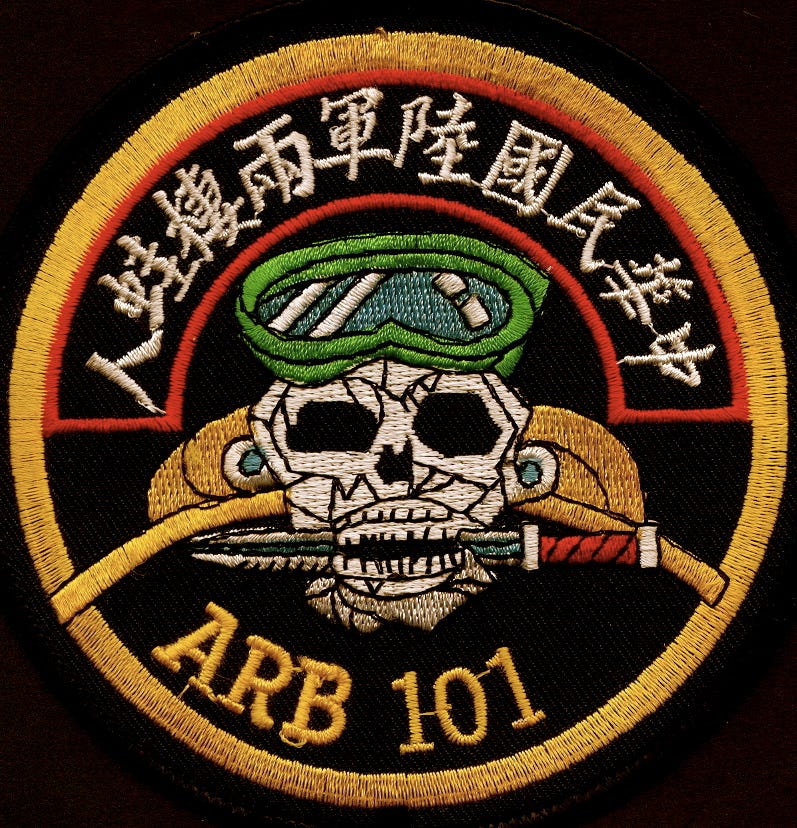
· In 2025, the army’s 101st Amphibious Reconnaissance Battalion (aka Sea Dragon Frogmen, 海龍蛙兵 hǎilóng wā bīng) was reassigned to be subordinate to the Army Special Operations Command (陸軍特種作戰指揮部) rather than under direct command of the Army Aviation and Special Forces Command (陸軍航空特戰指揮部)
· In 2026, the MND Information, Communications and Electronic Force Command (ICEFCOM, 國防部資通電軍指揮部) transferred field communication units back to the army. ICEFCOM was established in 2017 as a subordinate unit of the general staff and upgraded in 2022.
The above is not an exhaustive list of reorganizations that have occurred on Taiwan’s military and civil defense org chart. Some of these changes might make sense, and some probably do not. Some more probably need to be made; for example, the evolving mission of the Coast Guard necessitates shifting it from the OAC to the MND or MOI, or a new civil defense ministry that consolidates non-military uniformed services.
Regardless, we hope that at least in the near term, there’s no un-shifting of components out of the LCC, and that the concept is given a chance to succeed.

Comments
Nothing yet. Say the first thing.
Sign in to join the conversation.