
Thanks to Arina Berezovsky, for organising, and the Independent Science Society for coming. If you do science at home in the UK and want to come, I'd love to here from you via Substack DM.
The Independent Science Society had a dinner last night. As part of figuring out how to do excellent science ourselves, we discussed the philosophy of writing science well, which Arina and I motivated in this essay.
We discuss the philosophy of writing because the world is confusing. We have LLMs, more science, more text, and more questions about what counts as good empiricism. And so how are we meant to use language to deal with these issues? There are also ethical questions about what it means to write science safely, which is something I was personally curious about going into the dinner.
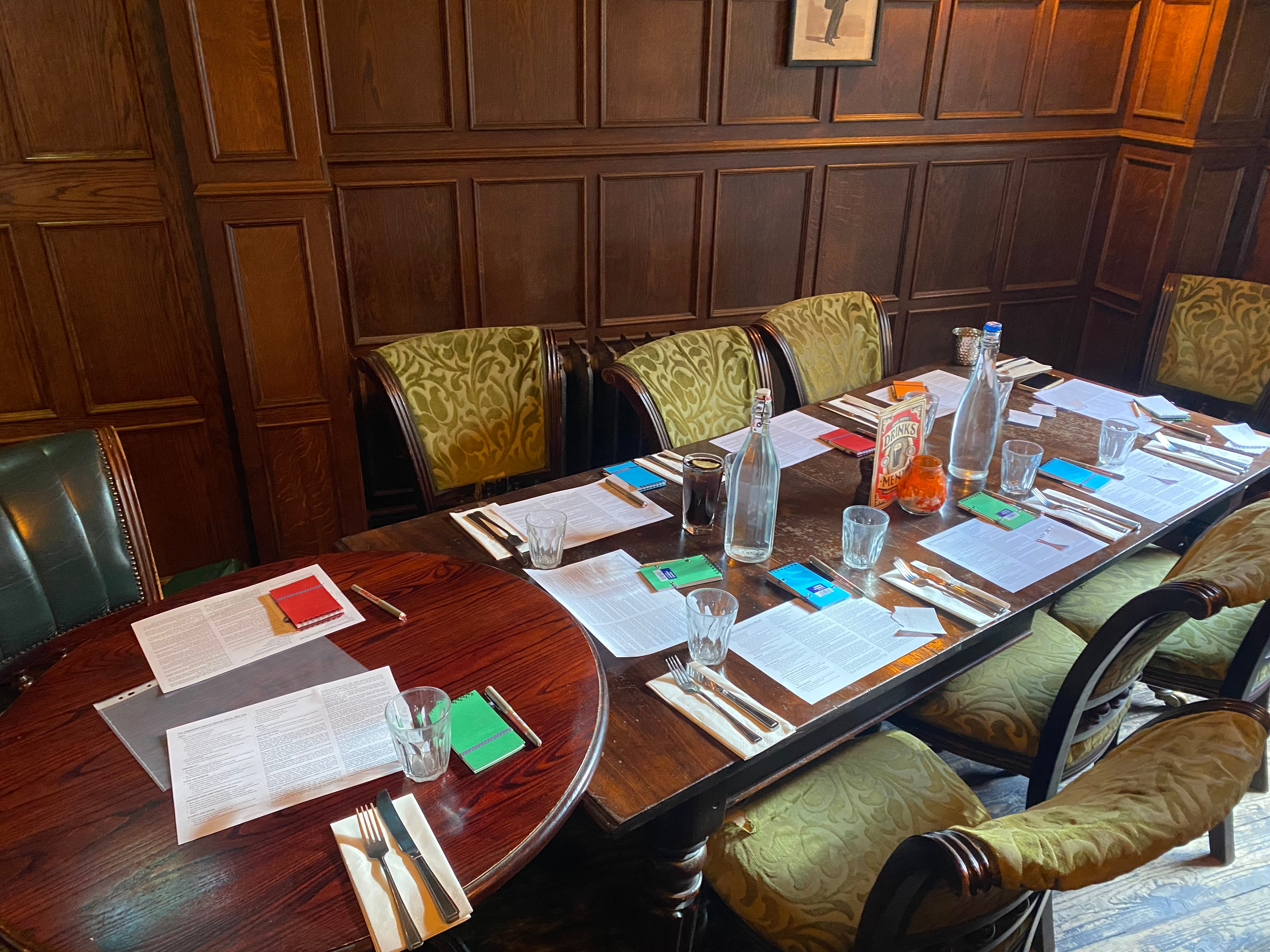
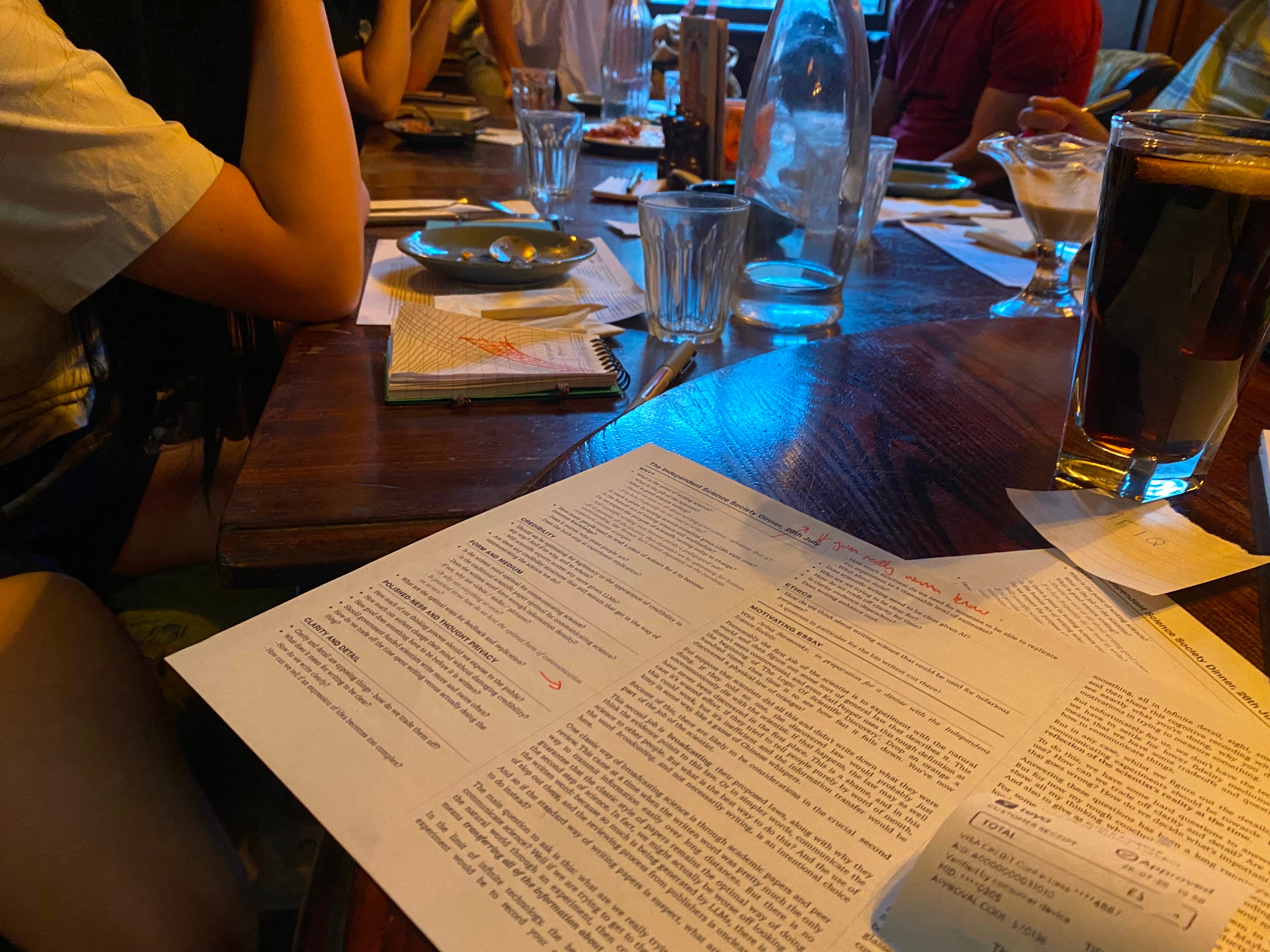
To structure the dinner, we printed a list of question prompts along with the essay before hand, and then placed columns of text at each person's table. And then Arina moderated the discussion in a 'single thread format' where only one person spoke at a time, after some initial prompt. Each person got a notepad to take notes. And credit to Arina, people found that this format worked very well. We also had Chatham house rules so people could speak freely without being attributed to their comments.
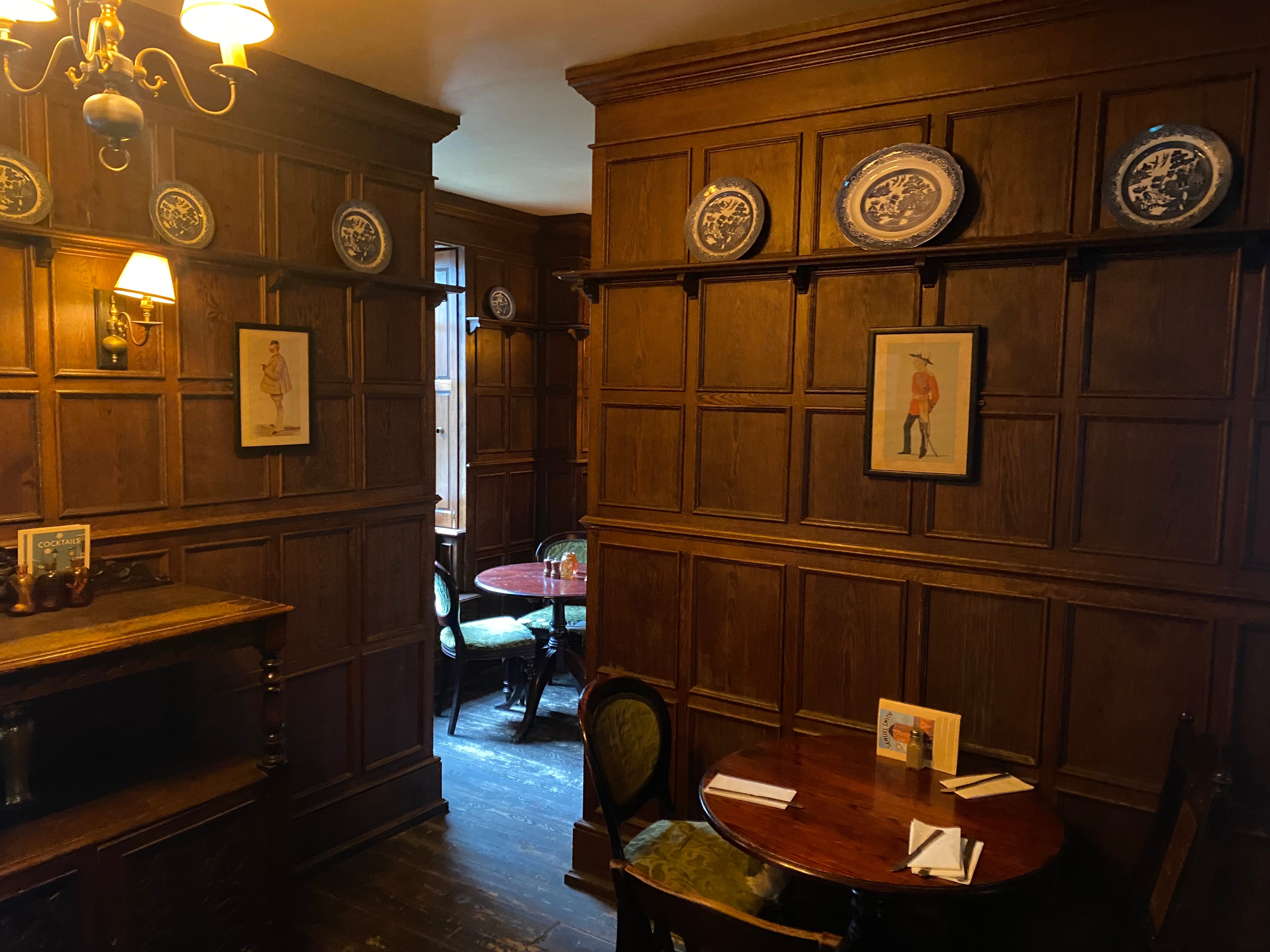
Here are some pictures of the event below. A full write up to follow!
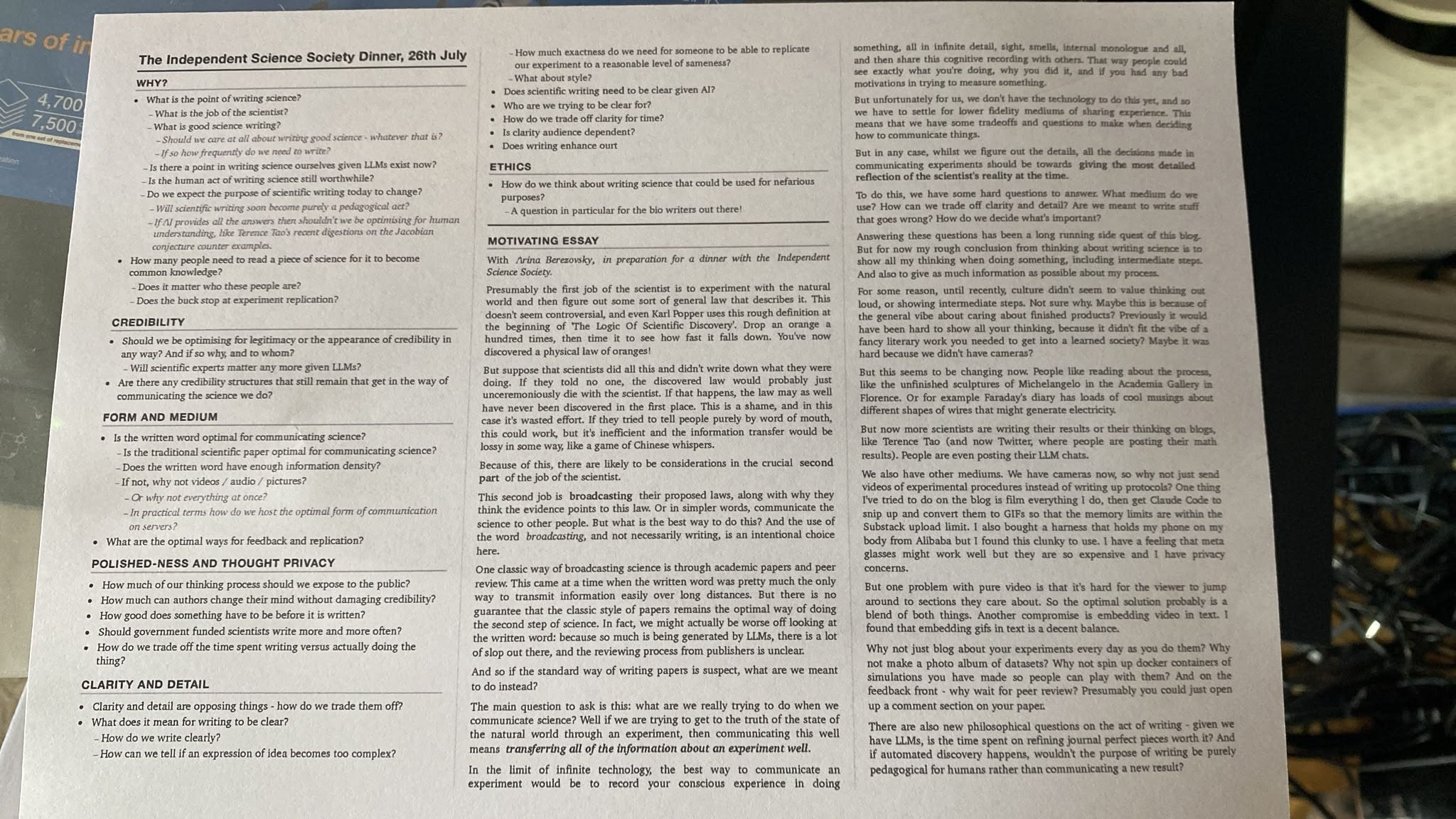
Here were the question prompts. Often times the discussions did stray away from these prompts though, but that’s fine.
What is the point of writing science?
What is the job of the scientist?
What is good science writing?
Should we care at all about writing good science - whatever that is?
If so how frequently do we need to write?
Is there a point in writing science ourselves given LLMs exist now?
Is there a way to get past the human vs LLM competition and still be marginally useful?
Is the human act of writing science still worthwhile?
Do we expect the purpose of scientific writing today to change?
Will scientific writing soon become purely a pedagogical act?
If AI provides all the answers then shouldn't we be optimising for human understanding, like Terence Tao's recent digestions on the Jacobian conjecture counter examples.
How many people need to read a piece of science for it to become common knowledge?
Does it matter who these people are?
Does the buck stop at experiment replication?
Should we be optimising for legitimacy or the appearance of credibility in any way? And if so why, and to whom?
Will scientific experts matter any more given LLMs?
Are there any credibility structures that still remain that get in the way of communicating the science we do?
Is the written word optimal for communicating science?
Is the traditional scientific paper optimal for communicating science?
Does the written word have enough information density?
If not, why not videos / audio / pictures?
Or why not everything at once?
In practical terms how do we host the optimal form of communication on servers?
What are the optimal ways for feedback and replication?
How much of our thinking process should we expose to the public?
How much can authors change their mind without damaging credibility?
How good does something have to be before it is written?
Should government funded scientists write more and more often?
How do we trade off the time spent writing versus actually doing the thing?
Clarity and detail are opposing things - how do we trade them off?
What does it mean for writing to be clear?
How do we write clearly?
How can we tell if an expression of idea becomes too complex?
How much exactness do we need for someone to be able to replicate our experiment to a reasonable level of sameness?
What about style?
Does scientific writing need to be clear given AI?
Who are we trying to be clear for?
How do we trade off clarity for time?
Is clarity audience dependent?
How do we think about writing science that could be used for nefarious purposes?
A question in particular for the bio writers out there!
No posts
Comments
Nothing yet. Say the first thing.
Sign in to join the conversation.