
For as long as I can remember, I’ve thrived in the state of constantly figuring things out. In fact, it’s the reason I chose to become a designer. I’ve always had many interests—a trait that, at times, has left me feeling insecure. Wouldn’t having a clear niche, like baking or photography, be easier?
The answer is yes.
And yet, I can never shake this unwillingness to stay confined to one box.
When I decided to major in design, it wasn’t because I wanted to specialize in logos or websites. It was because I didn’t want to make just one thing. I wanted to make everything (in true Leo fashion)—and I believed that if I could understand what makes good design, I could make that happen.
This sentiment was present in my life even before it became clear to me. At age 9, I learned Premiere Pro. By age 13, I thought Photoshop was more my thing—until I discovered Illustrator at age 15. At age 16, I submitted my photography work to Local Wolves magazine. At age 18, I discovered Upwork and ended up working with Knoll (I’m still fangirling).
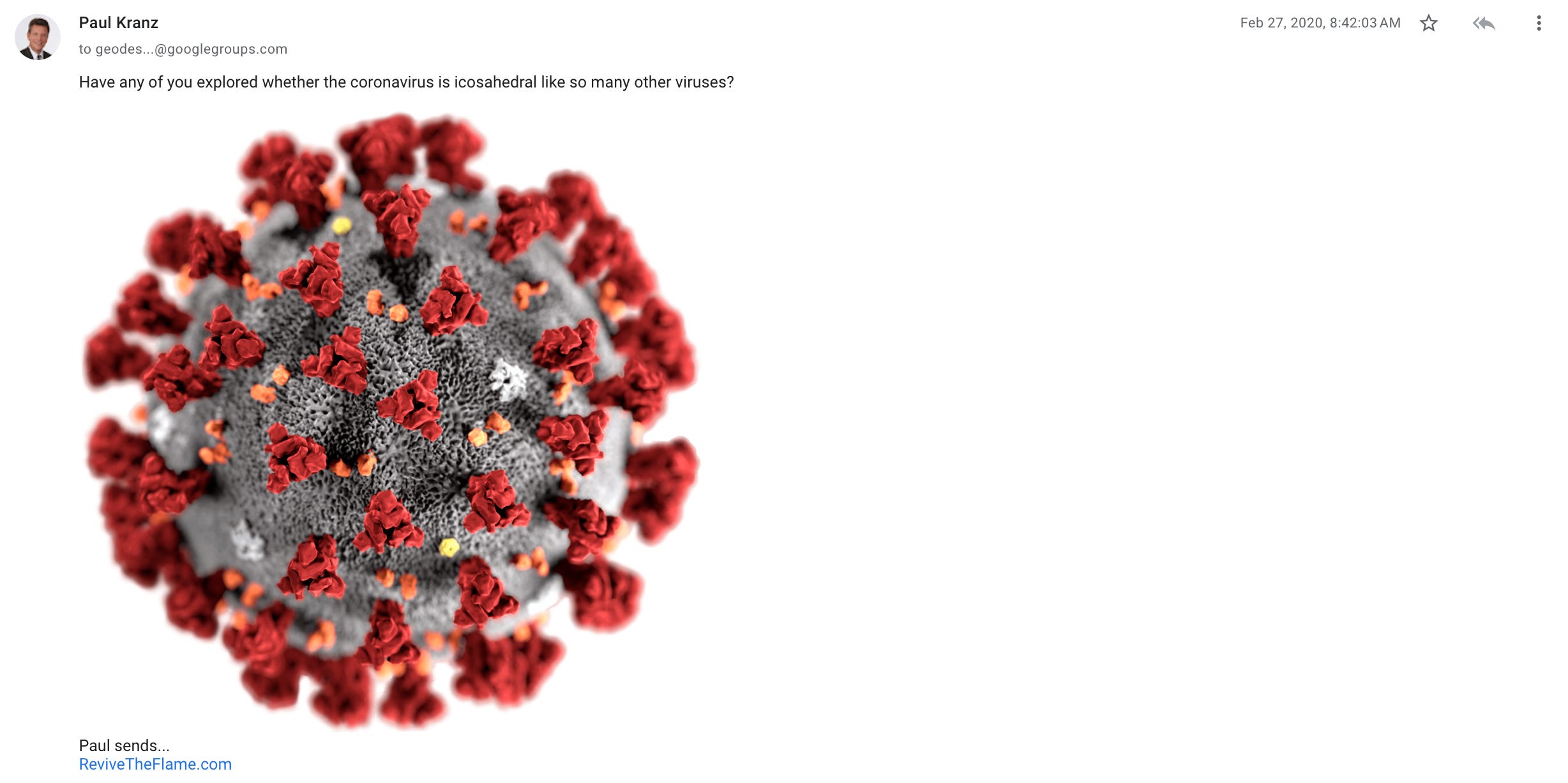
At age 19, just before the pandemic hit, I joined a Geodesic Help Group on Google because I entered a competition to build an installation for an electronic music festival. That was how I learned about COVID-19:
I’ve designed furniture with my dad, attempted to become a YouTuber (twice), and even learned how to embroider and crochet during the pandemic because I was bored.
I’ve dipped my hands into everything I can, and nothing has ever been enough to make me stick with it longer than my curiosity calls for. My life is essentially the portfolio of a first-year art school student—messy, diverse, and always in progress.
Despite how obvious it is to me now, I would have never considered research the main thread through it all, until I came across this TikTok. The video highlights how research can be a hobby—collecting and organizing ideas without expecting an output. You can save an article or a video without knowing its purpose. It doesn’t need one. You can dive into a random topic just because it piqued your interest. And yet, you don’t have to do anything with that information. It doesn’t need to transform your life or turn into a big project. It can just exist in the deepest corners of your brain. The “point of it” will often reveal itself later—when ideas collide and become something bigger. And sometimes, all that research will amount to nothing but a random conversation with a friend or a stranger.
The goal isn’t just to find answers but to continue asking questions. For instance, a few months ago, I came across Alexandra Fasulo, an “ecopreneur” building a pollinator farm in Upstate New York. The first video I saw was about the Amish building her barn, and I was immediately drawn in. I’ve always been curious about the Amish culture, have long been obsessed with Upstate New York, and constantly daydream about building a farm, so her story hit all the right notes for me.
As I followed her journey, she frequently mentioned the USDA as a resource for buying land. I had never heard of these programs before, so I decided to dig deeper. I learned about land loans, conservation funding, and grants for beginner farmers. Eventually, I even contacted a farm service agency in Upstate New York. I booked a call with one of their directors to chat about funding options for beginner farmers.
To no one’s surprise, I lacked the experience and structured plan needed to pursue funding. Still, I walked away with a list of resources I didn’t know existed and lots of tips on gaining industry experience.
If you’d like to follow Alexandra’s journey, she shares it all in her Substack newsletter, House of Green.
Another day, I found myself obsessing over mid-century modern house numbers, which led me to create a digital print collection and put it up for sale on Etsy. I’ve always been curious about starting an Etsy shop, and now, despite not having made a single sale, I can say I’ve done it. Funny enough, this obsession started when I watched a video on Open Spaces about Gene Leedy’s house and office in Winter Haven, Florida. Following that video, I was absorbed by the mid-century modern movement’s influence on many Florida towns and homes—a contrast to how Florida is often dismissed in architectural conversations.
Then there are the smaller, seemingly unrelated rabbit holes: discovering needlepoint, reading about why my favorite orange juice brand, Florida’s Natural, now sources oranges from places like Mexico and Brazil instead of solely from Florida (Spoiler: It’s because of climate change.), or stumbling across Tanya Luhrmann’s Aims of Education address from 2003 at the University of Chicago—all because I happened to see an excerpt on Pinterest.
Sometimes, the research spans years. Since discovering Tristan da Cunha some time ago, the world's most remote inhabited island, I’ve been fascinated by it, and I like to check in at least once a year, typically through Kelly, to see what’s changed (or hasn’t changed) since my last dive into their world.
None of these explorations are connected, and that’s the beauty of it. Each topic feels like its own adventure, and there’s no “right” way to do it. I’ve found that research can happen anywhere and looks different depending on the subject. However, over time, I’ve gathered a few trusted tools to help me collect and organize my findings:
Reddit Threads
Reddit is like the internet’s library for niche knowledge. There’s a thread for almost every topic you can think of. People share their expertise, personal experiences, and resources you’d never stumble upon through a regular Google search. At this point, I don’t even dare to buy anything without checking Reddit first—it’s my go-to source for unfiltered advice.
Pinterest (Sue me!)
Pinterest will always have a special place in my heart. I’ve tried platforms like Are.na and even recently joined Arca, but my Pinterest algorithm is so perfectly fine-tuned that I can’t imagine leaving it behind. There will never be anything quite like falling down a Pinterest rabbit hole.
Tab Groups
As someone who always has a million tabs open, tab groups are a lifesaver. Whenever I can no longer find the tab I’m looking for (which happens very frequently), I group everything into topics and come back to it when I’m ready.
Google Lens
On a similar note, I swear by Google Lens. The best way to use it is through the phone app, though you can also reverse-search images on desktop—it can be slightly less effective at times. Rest assured, if every other research method has failed you, this one won’t.
Mymind
I’ve mentioned Mymind in my newsletter before, and if you’re wondering, it’s still the best $5 I spend every month. Mymind is like a personal library for everything I come across. Most things end up here when I don’t have the brain power to organize them, so I let AI handle it for me. I save so many resources and references here that it’s become like my private Pinterest.
My trusty Notes app
Listen, I love Notion as much as the next person, but as hard as I’ve tried, I could never fully let go of my Notes app. It’s where most of my ideas start and take shape (I’m literally writing this on my Notes app right now). Whenever I come across an interesting fact, phrase, or idea, I immediately open the app and write it down.
My Notes app is full of half-formed thoughts and random links, including an idea titled “Office Closed”—just those two words. I’ve since forgotten what those two words meant, but I’m sure it will come back to me eventually.
Books
This one is reserved for special topics. As I like to tell my friends, I prefer reading for joy or pain. But sometimes, having all the information I need compiled in a book—rather than scattered across digital tools—is far more helpful. I’ve purchased books on PCOS, freelancing, and flower arranging, and I still reach for them whenever I have a question instead of immediately going online.
Embracing research as a leisure activity is a refreshing break from the need to be productive or to “use” what you learn. Maybe there’s a question you’ve always wondered about—type it into Google and see where it takes you. The goal is to learn because you can (and what a privilege that is), gathering little bits of knowledge that make your world feel bigger and your conversations more interesting.
Let yourself wonder about things. Follow a thought. Become someone else for a day.
Sometimes, I wonder if I chose design as a career because I wanted to design or because I wanted a career where “rabbit holes” are part of the job.
I’d love to hear from you! What’s the most odd rabbit hole you’ve fallen into recently?
With love,
Wilda
Comments
Nothing yet. Say the first thing.
Sign in to join the conversation.