
Every summer my saved folder fills with beautiful places I later discover aren’t boutique hotels at all. They’re artist residencies.
Writers in Tuscany. Ceramicists in Portugal. Designers tucked away in rural France. Somewhere along the way, getting accepted into one has become a bit of a badge of honour.
My partner’s brother’s girlfriend (which already sounds like I’m making this person up), Alma Burrows, who is a talented ceramicist is currently doing one in Montana for three months. Honestly, yeehaw. How fun is that, the places you shall go!
I find myself wondering about the logistics. Is the deal that you leave a piece behind? Do they end up with an incredible art collection over the years? Anyway, that’s another post worth looking into.
The point is, none of this is actually new.
Long before residencies had websites, application deadlines and Instagram accounts, artists were already migrating across Europe in search of somewhere that would shape the work.
It makes sense to shift up your surroundings changes what you make. I started thinking about this again after talking about Isamu Noguchi on TikTok. His love affair with Greece wasn’t subtle.x
“Greece… Oh, it’s my love. I feel as if I were born here.”
You can see it in the work. After traveling there in the 1950s, marble became a far bigger part of his practice. Ancient landscapes found their way into modern sculpture. The place didn’t just inspire him, it permanently changed the way he worked.
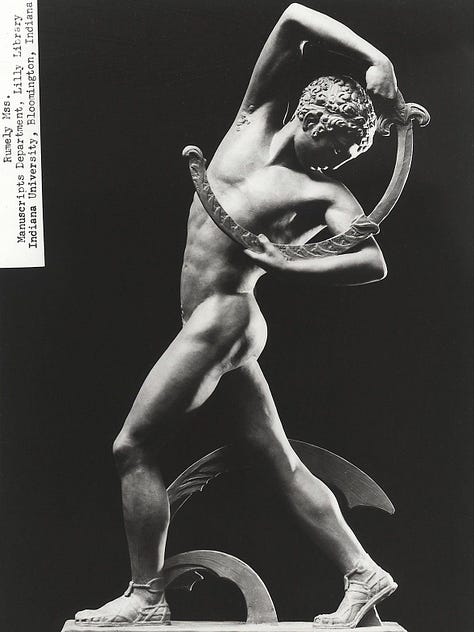
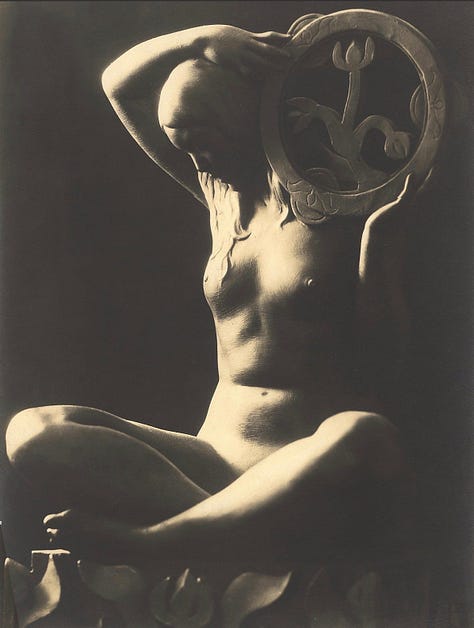
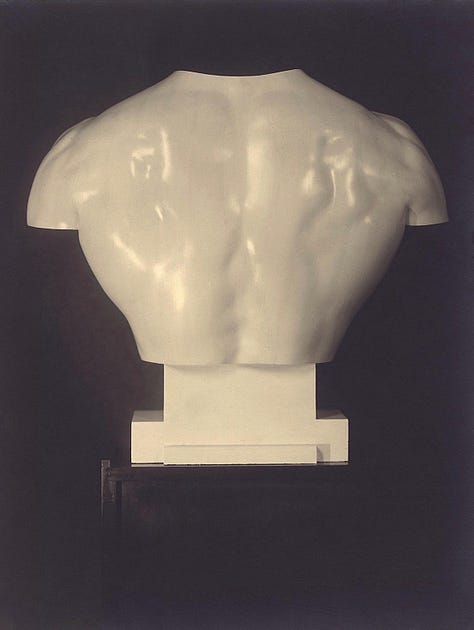
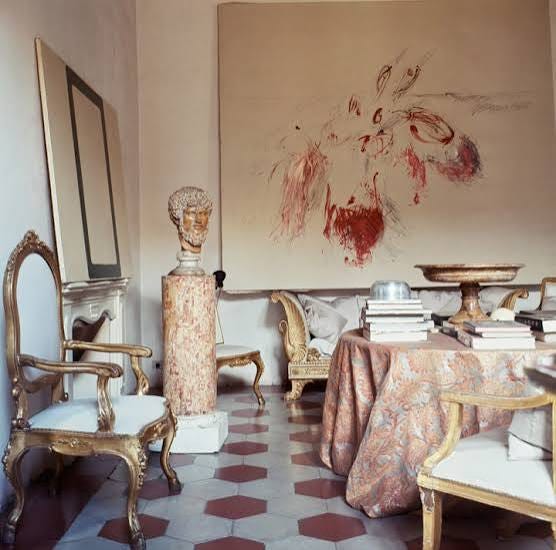
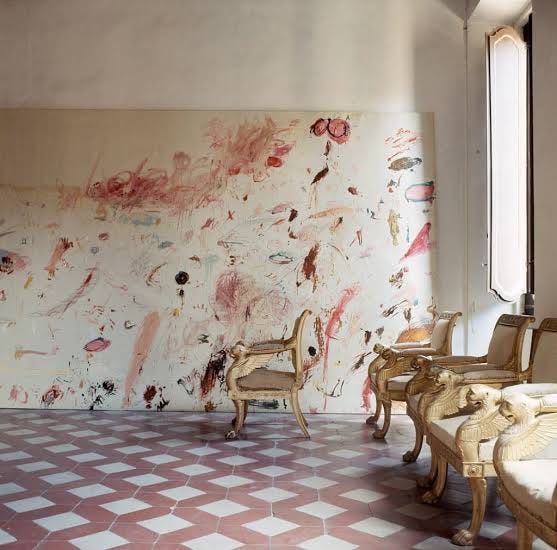
Cy Twombly split his life between Rome and Gaeta, where mythology seemed to seep into every canvas.
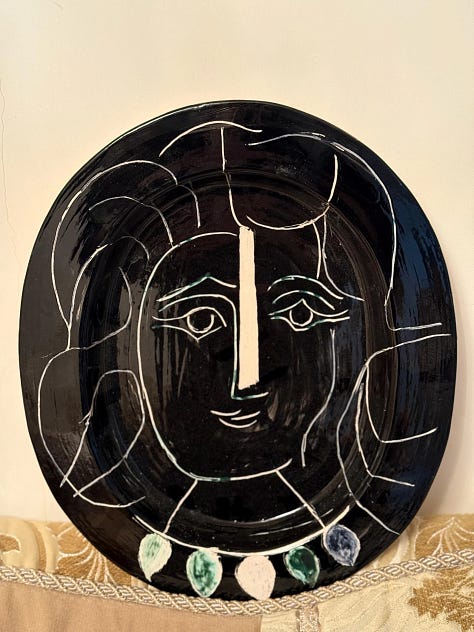
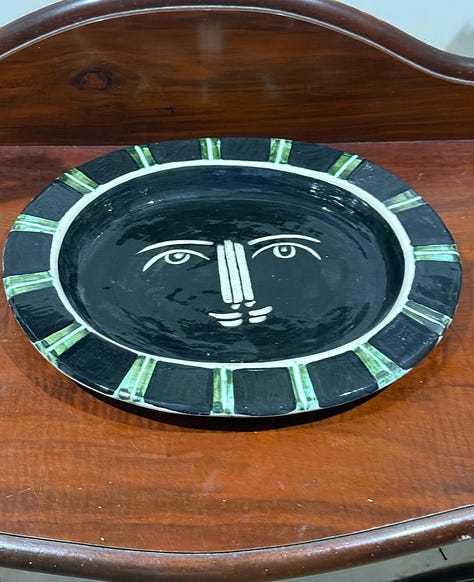
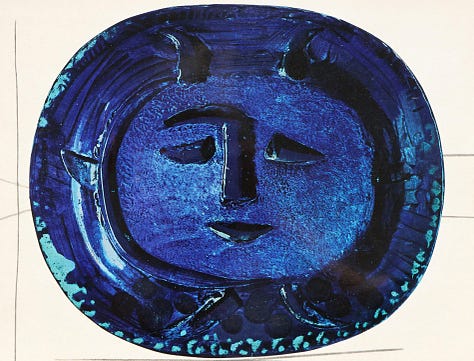
Pablo Picasso escaped to the South of France and somehow reinvented ceramics for himself. I have a particular soft spot for his face series after stumbling across it at MONA in Hobart a few years ago.
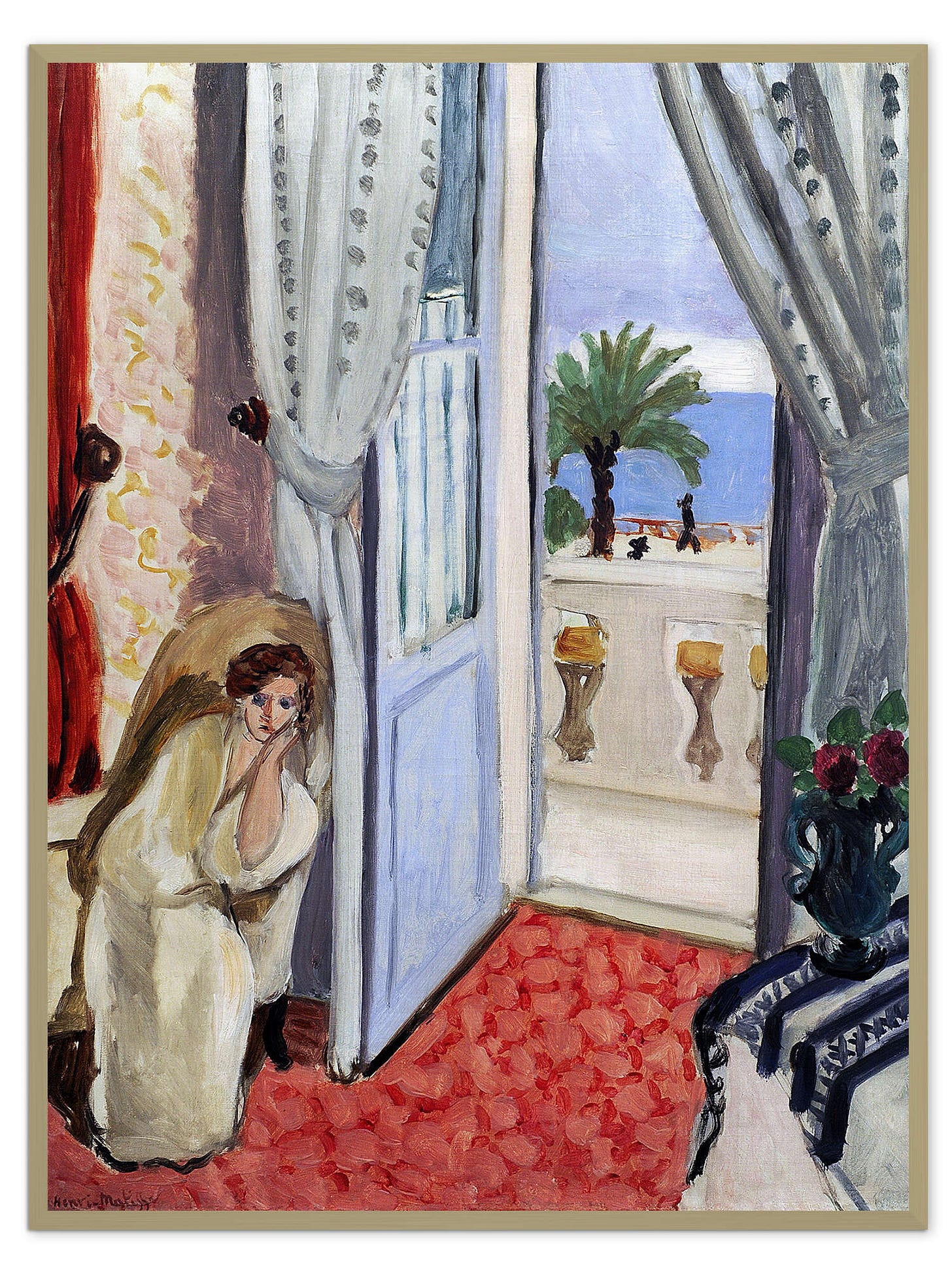
Henri Matisse spent more than 35 winters in Nice, returning again and again to paint the same quality of light. Tiled floors, patterned textiles and palms became just as recognisable as the figures themselves. One of Matisse's favourite subjects was the window.
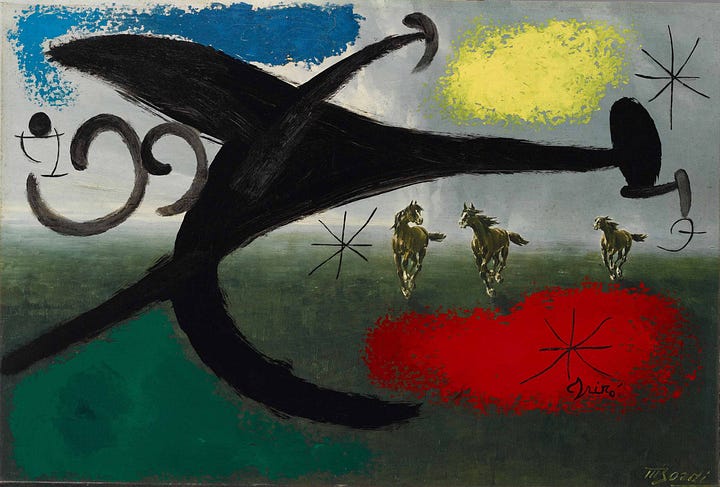
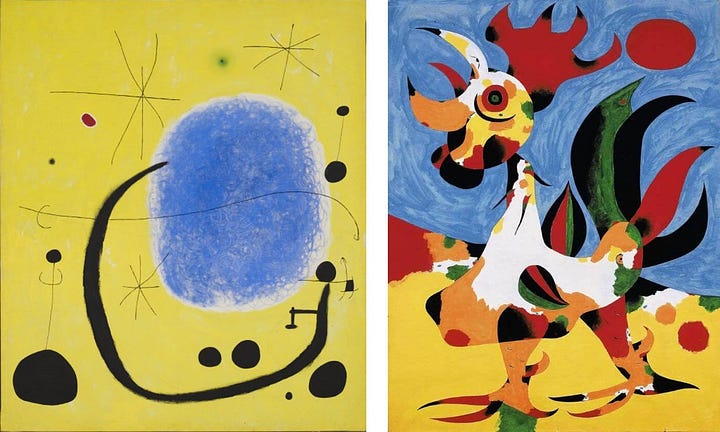
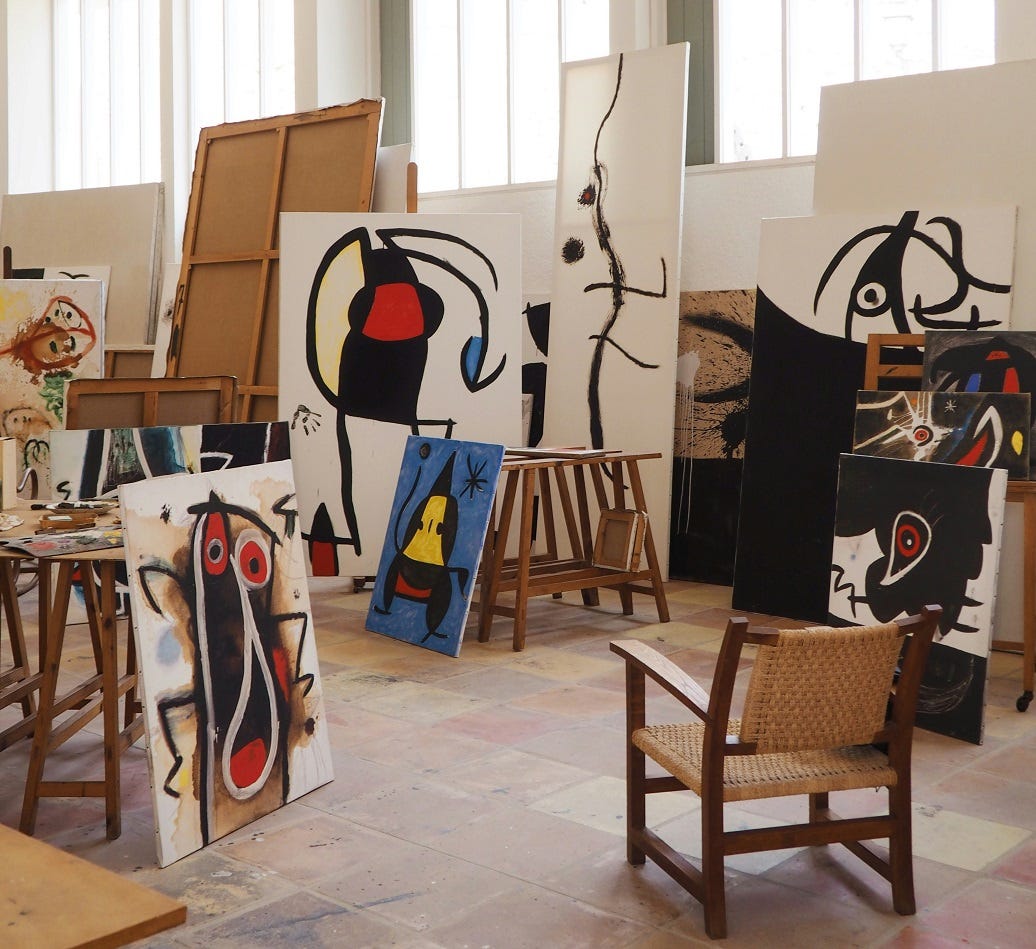
Joan Miró returned to Mallorca and commissioned architect Josep Lluís Sert to design a studio flooded with natural light. Suddenly there was room for larger canvases, sculpture and experimentation. This would come to define the second half of his career.
Paul Cézanne didn't need to keep traveling. He returned to Mont Sainte-Victoire over and over (80 times), proving that sometimes a place reveals itself slowly through light, colour and atmosphere, one painting at a time.
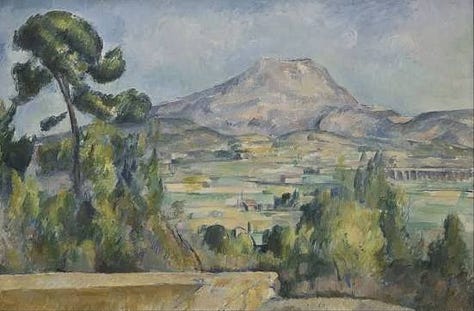
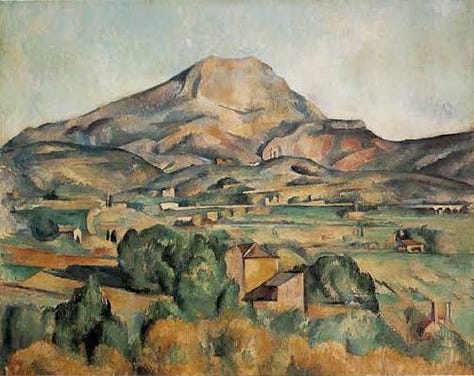
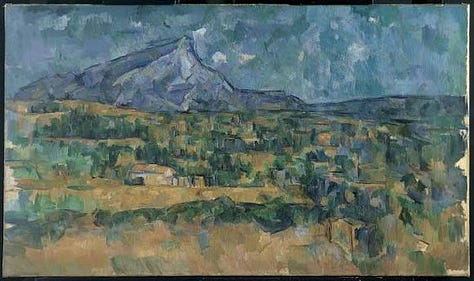
None of these artists treated summer as time away from the work. For many of them, summer was the work just with better working conditions. *Insert me here*
Have we misunderstood what a creative holiday is supposed to be. Is it easier to call something “research” when history and the receipts proves it was worth it? If the artists had returned with nothing, would we simply call it a long European holiday?
We've become obsessed with optimising creativity through better morning routines, productivity apps and perfectly organised desks (I’m still getting ads for this). Meanwhile, generations of artists approached the same challenge by simply changing their surroundings. Not forever, just until new light, new conversations and a different pace of life to quietly find their way into the work. Do you think our parents would understand this 9-5 schedule?
It feels particularly relevant now because artist residencies have quietly become some of the most coveted applications around. I don't think people are only chasing the residency itself. They're chasing what it represents: uninterrupted time, a change of scenery and the possibility that a different environment might unlock different work.
Okay, this ended up being much longer than expected, so I'll save the European residencies currently on my radar for Part Two.
Comments
Nothing yet. Say the first thing.
Sign in to join the conversation.