
Apricots. They’re at their best plucked straight from the tree, still warm to the touch, fragrant and yielding. So ripe, in fact, that the only safe place to eat them is over the sink, away from polite company, where the sweet juices can run down your chin without a care in the world.
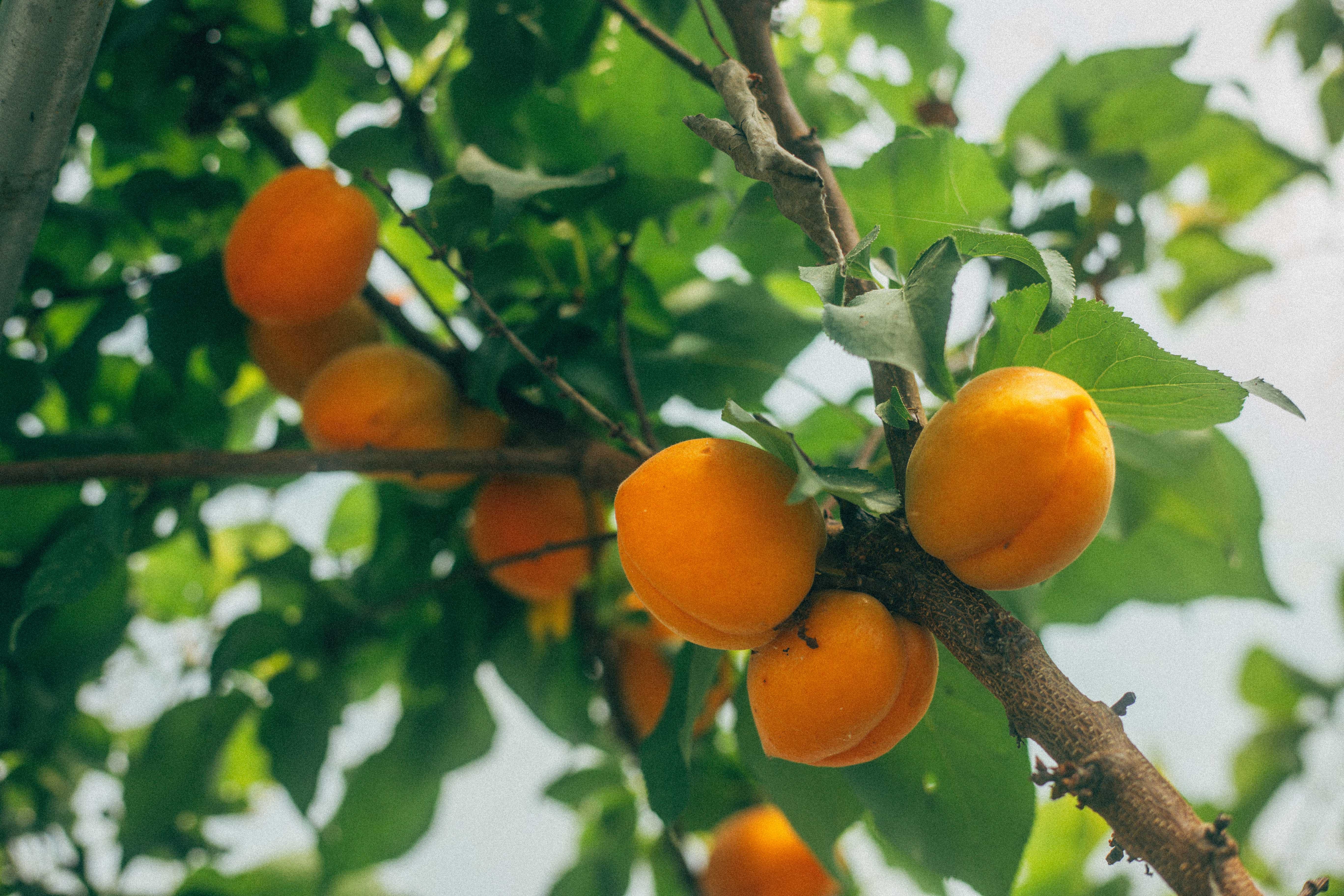
But like strawberries or elderflowers, apricot season, the real one, when farmers’ markets and local grocery shops are suddenly filled with their heavy, honeyed perfume, is heartbreakingly brief. Which is why, when Huw, my friend and fellow gardener, knocked on my door with a box full of apricots freshly picked from his tree, I knew I had to make them last.
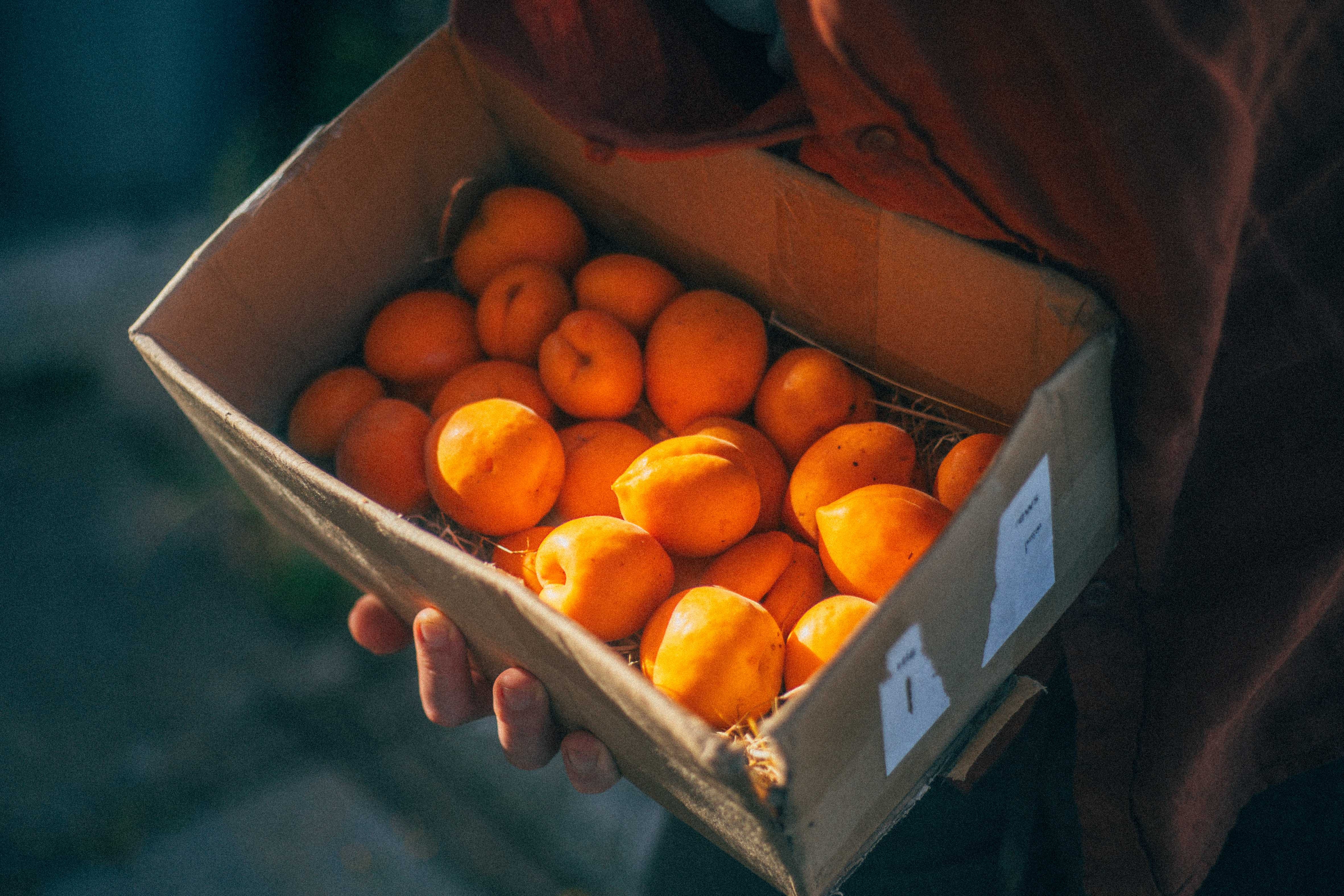
When a crop reaches its peak, the pleasure of having so much of it quickly turns to the practical question of what to do next, as bowls, buckets, boxes and trays begin to crowd the worktops in my kitchen. Fruits soften by the hour and clean jars are always scarce, despite how many I own; I never seem to have enough. Ripeness, rather like punctuality, means arriving as close to disaster as we dare, and once it is reached you can almost feel each piece of fruit going over, leaving only the briefest opportunity to preserve or ferment it before it passes into loss.
The first few required very little thought. I easily split them open with just my fingers, spooned over a cool dollop of crème fraîche and ate them exactly as they were, with the cream catching their juices and softening the faint tartness beneath all their honeyed musk.
The rest needed preserving.
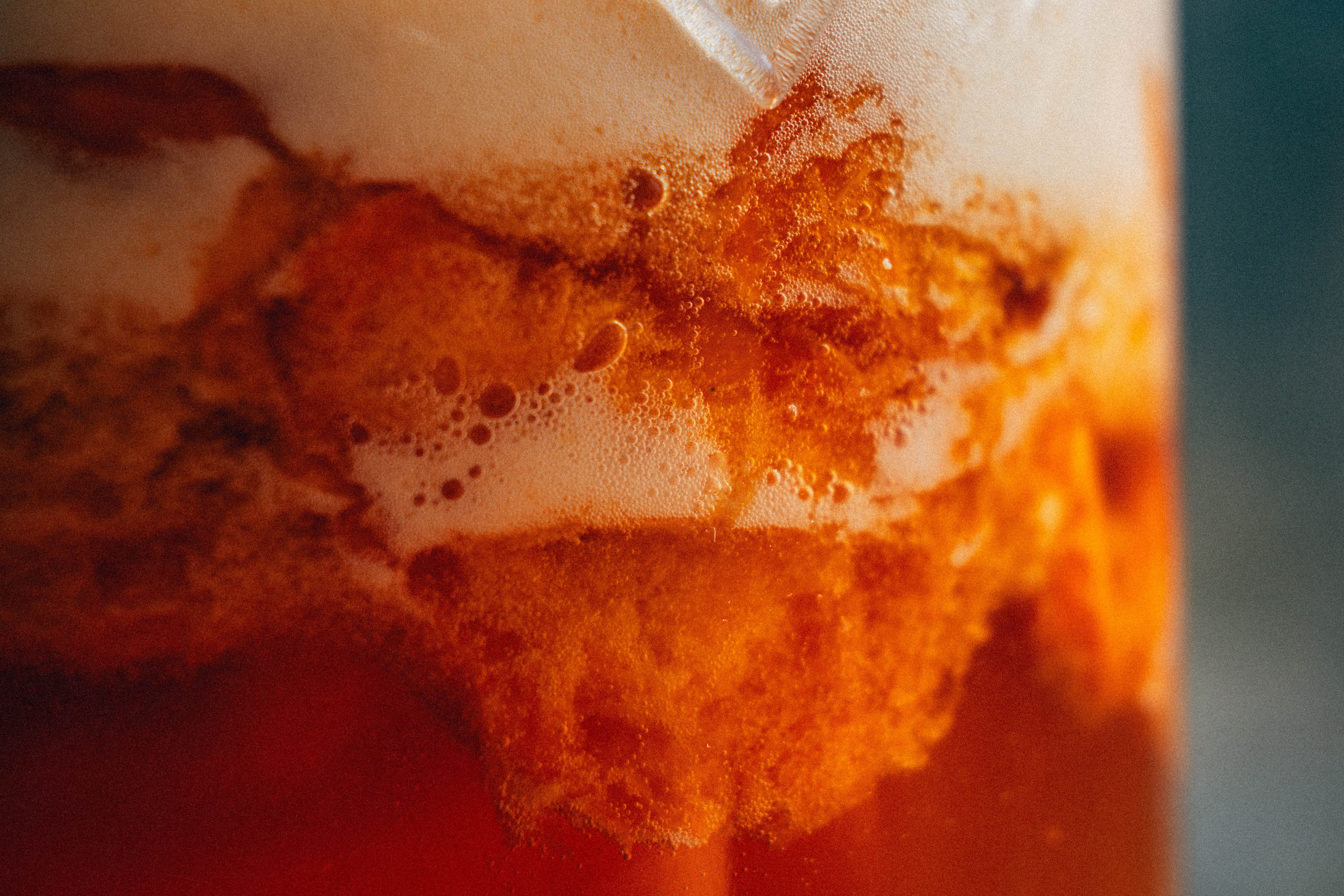
Over the years, I’ve put apricots through all sorts of transformations, treating them like ume and packing them in salt, fermenting them with lactic acid bacteria, and turning them into chutneys, syrups and mead. Each method has revealed a slightly different fruit. Salt pulls their acidity and savoury depths towards the surface, sugar gathers their perfume, fermentation introduces flavours that were absent from the ripe flesh, while time seems to soften some qualities and sharpen others.
Even after all that, I still find myself looking at this box of apricots and wondering whether there is another way to experience them, another quality hidden inside the fruit that a different process might bring within reach. That is part of what keeps preservation interesting to me. You can begin with an ingredient you know well, apply a small change in method, and find yourself tasting something that feels unexpectedly new.
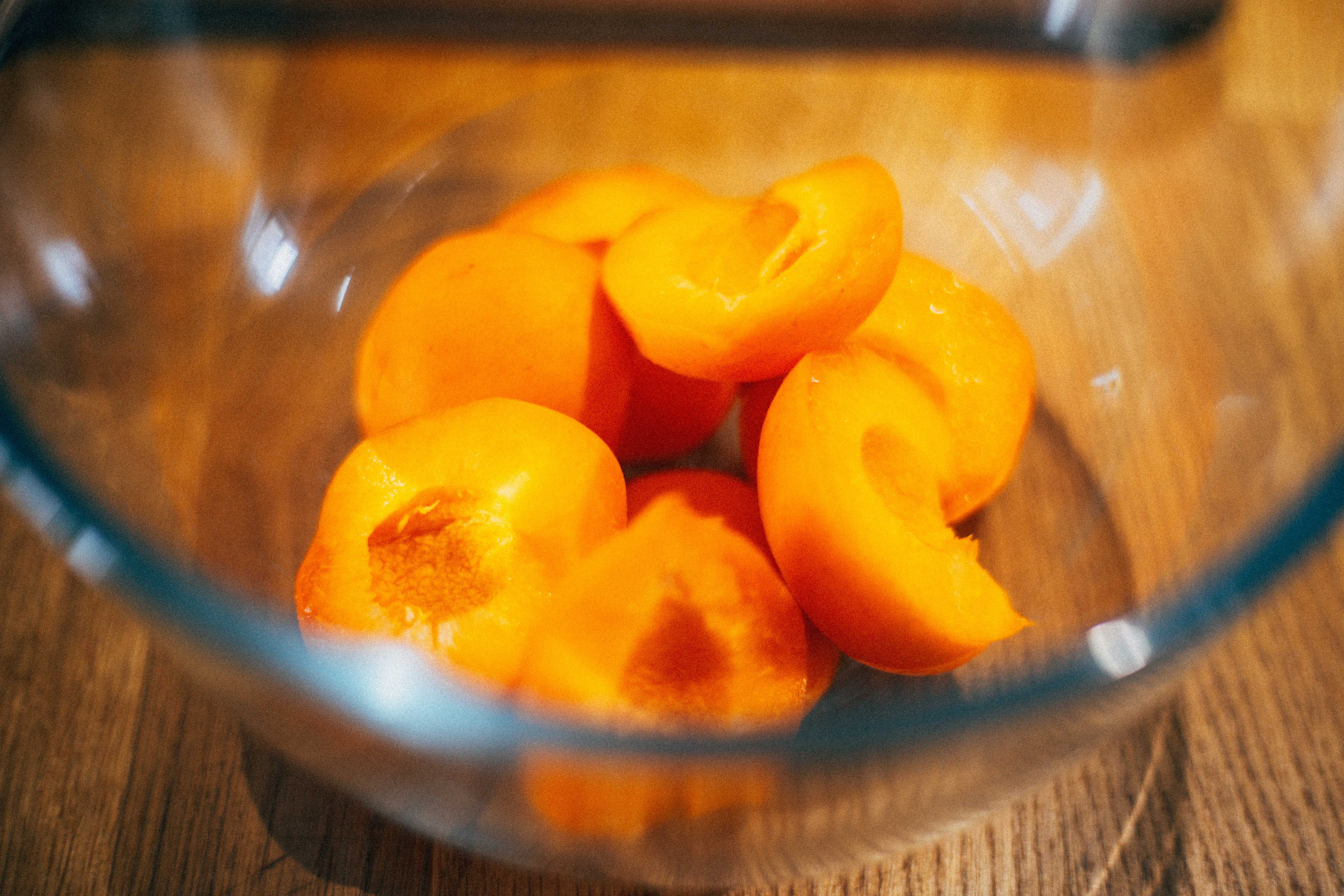
I began by stoning the remaining apricots and packing the flesh with sugar to make cheong (recipe below). Over the next two days, the fruit released its juice, dissolving most of the sugar into a deep amber syrup, whilst the current heatwave sent wild microbes on the skin into a slow motion frenzy, transforming the mixture somewhere beyond simple sweetness.
Cheong itself can be aged for up to a year, though I usually remove the fruit from it after 3-6 months, then bottle the syrup to age somewhere cool and dark. Some of the finished cheong can be used in drinks (hot, cold, or sparkling), desserts and dressings, while another portion will be fed to a kombucha culture, allowing yeasts and bacteria to continue the transformation until the sweetness gives way to something resembling an apricot vinegar.
Already, that single box of fruit had begun to branch into several possible futures, although the cheong itself was only the first of them. I kept the stones as I worked, roughly cleaning away the remnants of flesh and spreading them out to dry on a sunny windowsill, because their hard, woody shells have a faint fragrance of their own, too interesting to discard.
I’ve seen talk about apricot stones being infused in vinegar, although I’ve avoided trying it because the kernels inside contain compounds that can release cyanide, and the amount can vary considerably between apricot varieties.
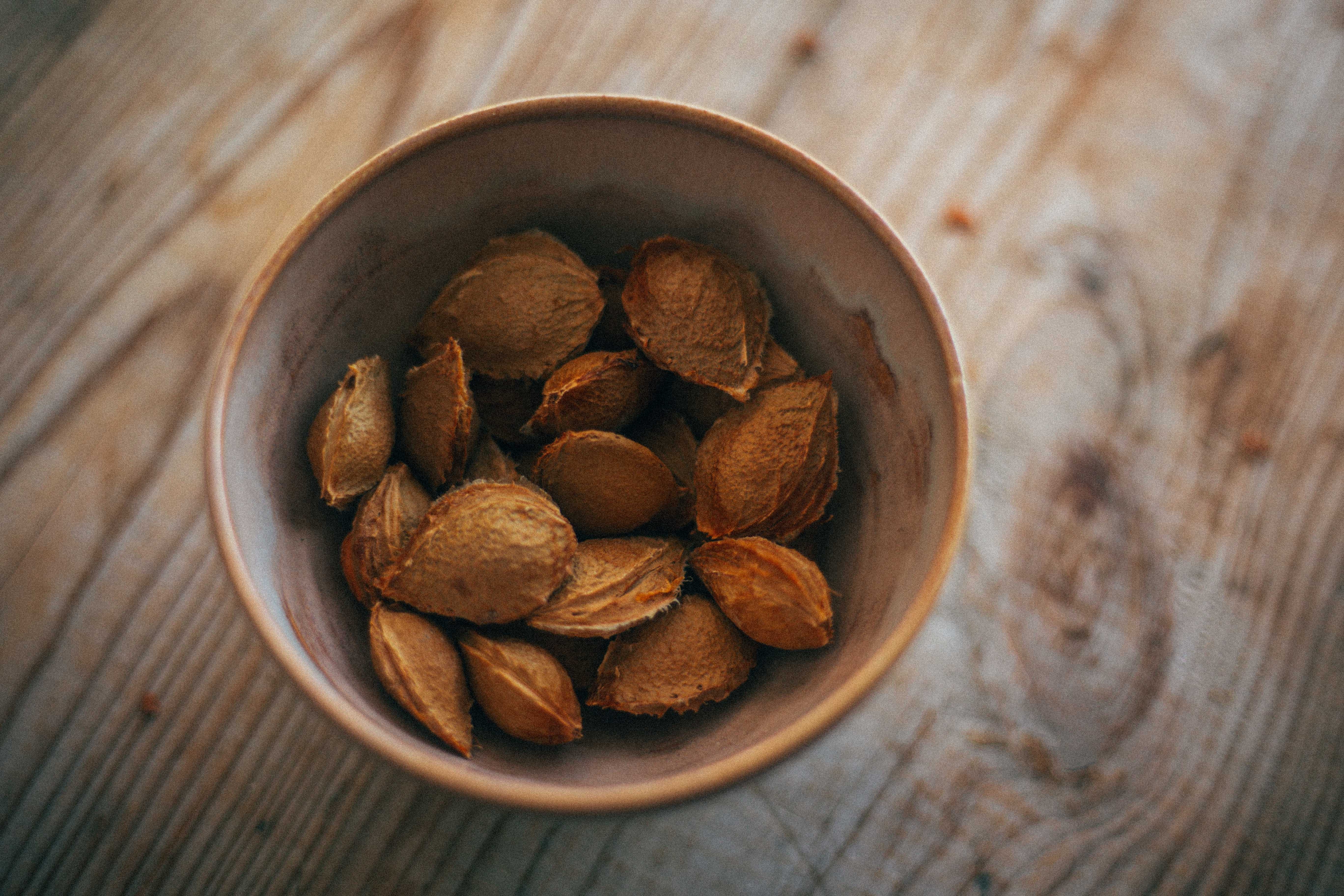
What a lot of people don’t realise is how aromatic the oils in fruit kernels are, which lend themselves beautifully to smoking with. I have been experimenting with adding a small number of dried apricot stones to oak or apple wood when cold-smoking butter, cheese and mushrooms, where they seem to lend the smoke a faint almond-like sweetness. However, because the kernels inside the stones contain the aforementioned cyanogenic compounds, and there appears to be little research into their use for smoking food, this remains an experiment rather than something I can confidently recommend. I’ll return to it if I can find reliable evidence that the process is safe, or send my own experiements to be lab tested.
More on that later.
The syrup, however, is only one half of the cheong. The fruit left behind softens and darkens, while retaining enough acidity and concentrated apricot flavour to make into something truly potent.
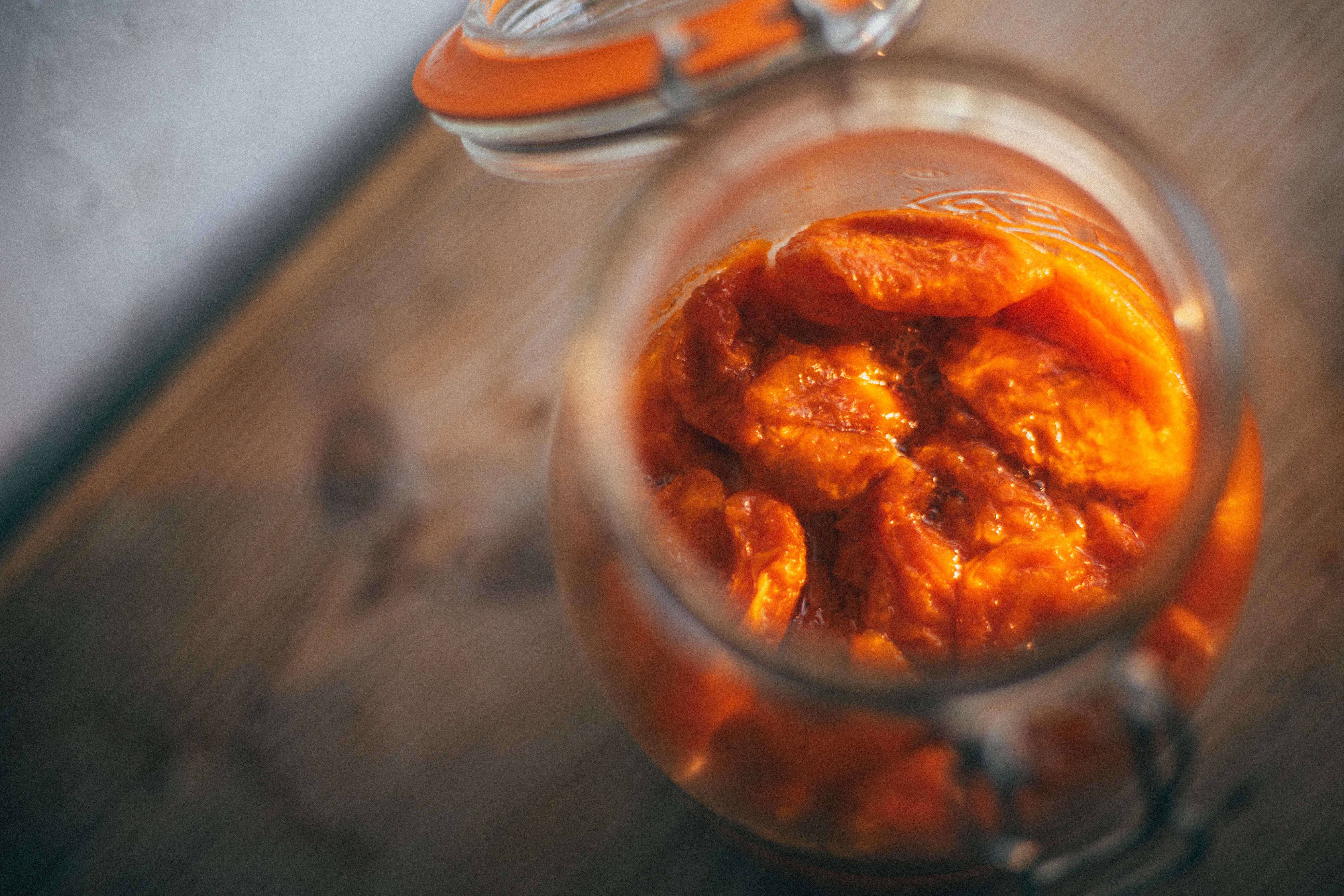
Rather than cooking it immediately, I plan to leave the fruit in the cheong until the rowan berries begin to ripen later in the year. I’ll harvest the rowans, freeze them, then cook them thoroughly with the apricot pulp and a generous amount of fresh ginger. Rowan berries can be extraordinarily sharp and astringent, and I’m hoping that they will pull the apricots away from being overly sweet, while the ginger can offer the sort of warmth that’s much needed as summer gives way to autumn.
I haven’t decided yet whether to leave it as a soft, spoonable jam or cook it further into something closer to a fruit paste. Either would be delicious, and I’ll be sure to share that recipe when the time comes. It could be spread thickly over toast or warm scones, loosened with a little water, vinegar or stock to glaze roast squash and root vegetables, brushed over breads and pastries, or served in a firmer slice or generous spoonful beside a strong cheese, much as you might serve membrillo.
I like the thought of the apricots waiting in their syrup for another fruit to come into season. By the time the rowans are ready, fresh apricots will have long disappeared from trees and shops, yet the fruit from Huw’s box will still be there, ready to become something else. What began as a way of preserving one brief harvest will become a jam made between two seasons: soft, honeyed apricot meeting the sourness of rowan and the heat of ginger, made for the colder months that follow.
So what do you say? Do you think we’ve managed to make the most of these fruits? Kernel smoked cheeses, fermented cheong syrup, apricot kombucha (aged to the point of vinegar), and a rowan infused apricot and ginger jam. Not too shabby.
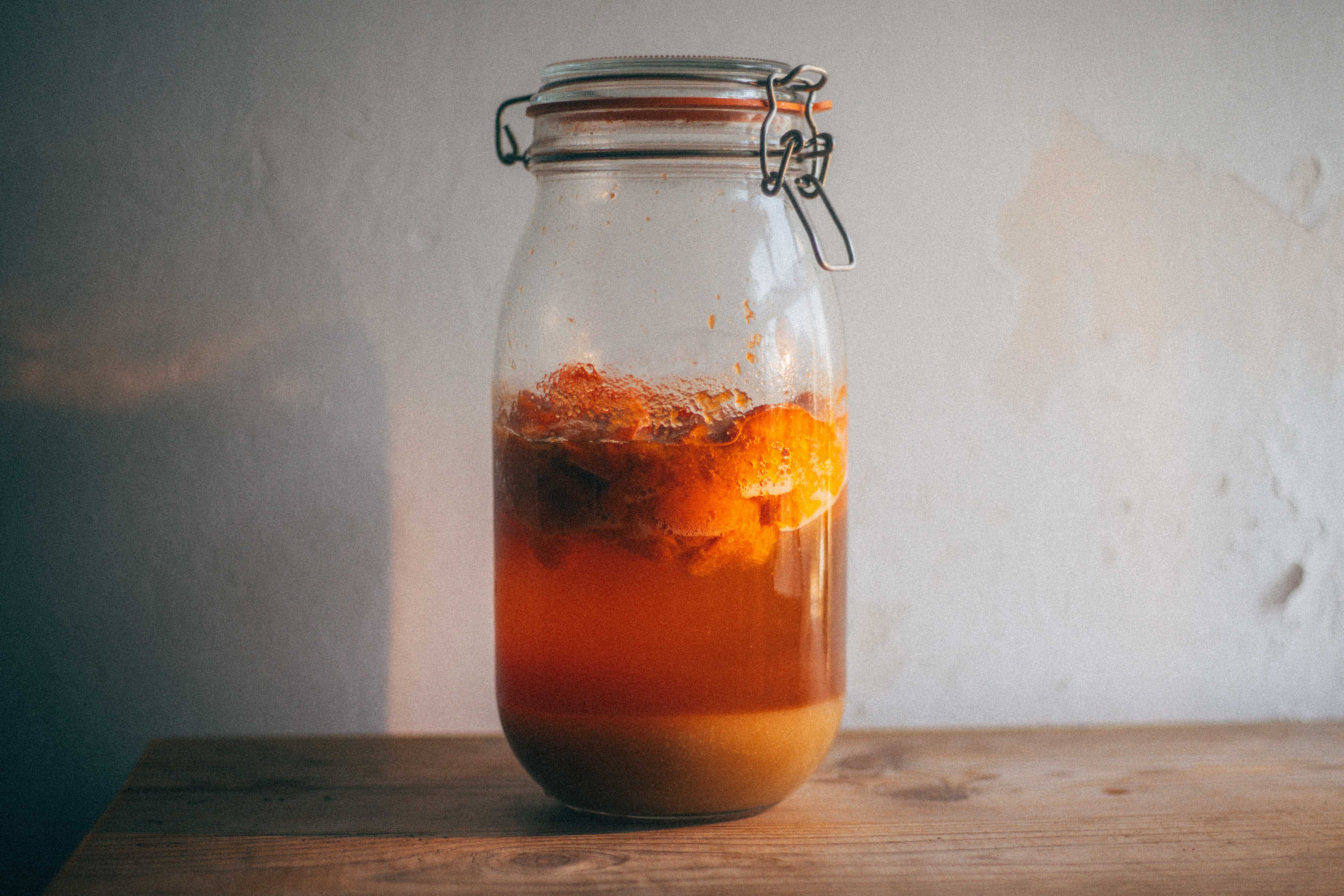
This recipe can be scaled up or down according to the amount of fruit you have. Simply use an equal weight of prepared fruit and sugar. The same technique also works beautifully with peaches and plums.
1kg ripe apricots
Approximately 1kg granulated sugar, weighed after the apricots have been stoned
Wash the apricots and dry them thoroughly. Split them open, remove the stones and cut the flesh into halves or quarters, depending on their size.
Weigh the prepared fruit, then weigh out exactly the same amount of sugar. Set aside roughly one tenth of the sugar to cover the top of the jar.
Place the apricots and the remaining sugar in a large, clean and completely dry bowl. Mix them together gently, making sure the fruit is evenly coated, then transfer everything to a clean, dry fermentation jar. Press the fruit down lightly as you fill it, without crushing it into a pulp, and leave a generous amount of headspace.
Cover the surface with the reserved sugar, filling any obvious gaps and creating an even layer over the fruit.
Close the jar and leave it at room temperature for the first few days. As the sugar draws liquid from the apricots, turn the jar gently or stir it once a day with a clean, dry spoon, paying particular attention to any sugar settled at the bottom. During very warm weather, this may happen remarkably quickly.
Once plenty of syrup has formed and most of the sugar has dissolved, move the jar somewhere cool and dark. If the cheong becomes actively fizzy or produces pressure, loosen the lid regularly or transfer it to the refrigerator rather than leaving it tightly sealed.
Leave the fruit in the syrup until rowan berry season, or continue ageing it for between three and six months. Keep the apricots coated in syrup and check the surface occasionally for any signs of mould. If fermentation remains active, bubbles can cause the fruit to rise above the surface. If this happens, use a clean spoon to stir and push them back below the surface.
When you are ready, strain the cheong through a fine sieve. Transfer the syrup to a clean bottle or jar and keep it refrigerated. Reserve the softened fruit for the apricot, rowan and ginger jam.
The finished cheong can be diluted with still or sparkling water, spooned over yoghurt and desserts, used in dressings and glazes, or added to kombucha for a further fermentation towards acidity.
A spoonful of apricot cheong topped with cold sparkling water makes a wonderfully simple summer drink, somewhere between an apricot soda and a lightly fermented cordial. Add a strip of lemon peel, a sprig of thyme or a few crushed fennel seeds if you want to draw out its more aromatic side.
The syrup’s balance of sweetness, acidity and ripe fruit makes it particularly useful in dressings. Whisk it with cider vinegar or lemon juice, a little mustard, olive oil and salt, then use it with bitter leaves, tomatoes, grilled courgettes or a salad of fresh apricots and herbs.
Brush apricot cheong over duck, pork, chicken, carrots or squash during the final stages of roasting. The sugars caramelise quickly, so add it towards the end rather than at the beginning. A little miso, chilli, black pepper or vinegar stirred into the syrup will stop the glaze from becoming overly sweet.
Use the syrup as you would honey or fruit compote, drizzling it over thick yoghurt, porridge, rice pudding or vanilla ice cream. The softened pieces of apricot can be spooned over too, particularly with toasted oats, buckwheat, almonds or hazelnuts for contrast.
Apricot cheong can be used to support and enrich other ferments, providing both sugar and flavour. Add a spoonful to kimchi, sauerkraut or other vegetable ferments to encourage fermentation and introduce a subtle fruity note. It works particularly well in kimchi, where the apricot complements chilli, garlic and ginger while helping to balance the overall flavour.
Before I go, a quick reminder that my new book, A Year of Fermentation, is now only around six weeks away from publication.
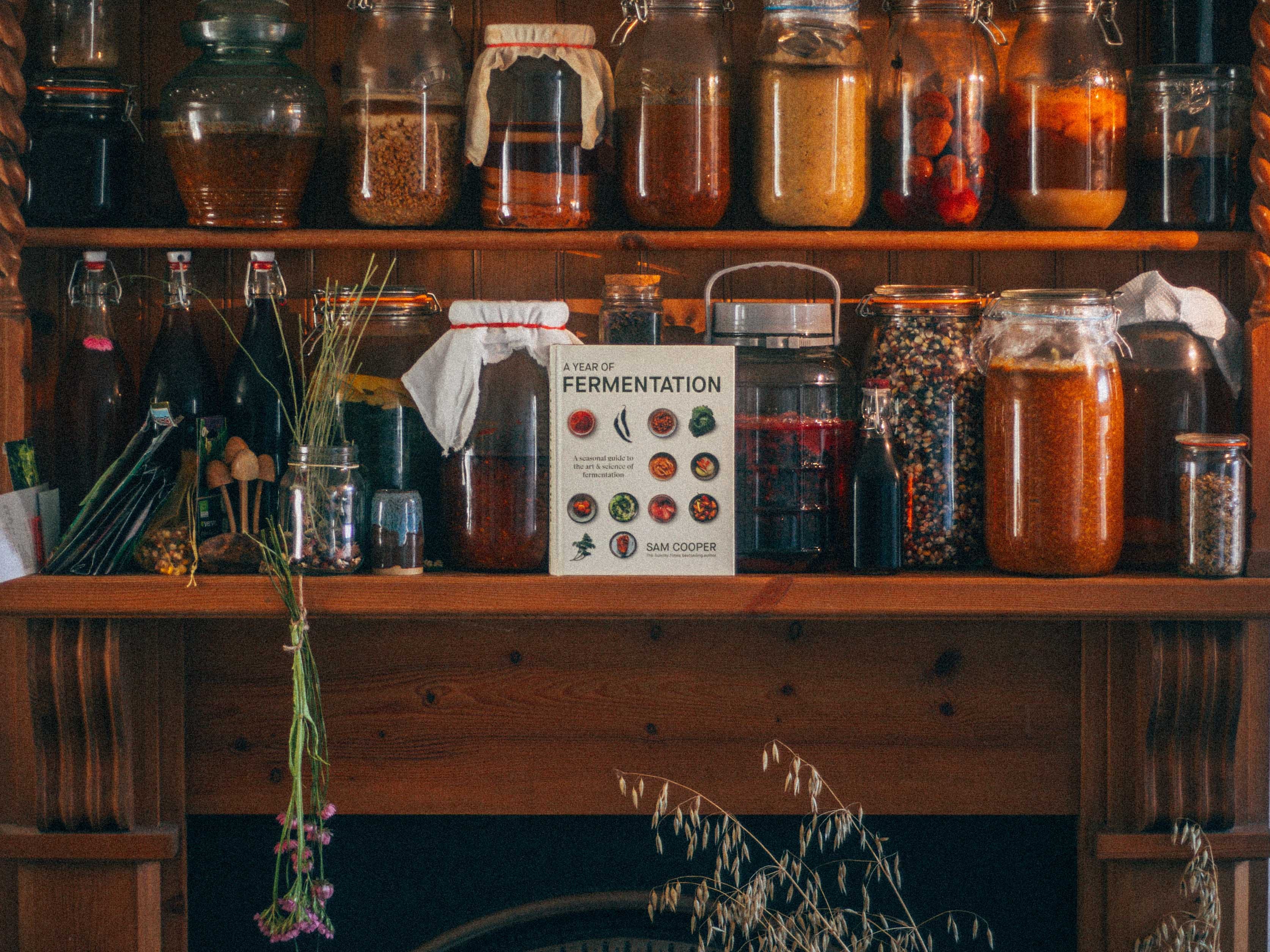
To celebrate, there’s currently a sale running (click here for the cheapest UK option), making it one of the cheapest times to pre-order (click here for worldwide sale pre-orders). If you’ve enjoyed these recipes and seasonal ramblings, I’d be delighted if you’d consider adding it to your bookshelf.
You can browse the full Black Butter Club Recipe Index for more seasonal recipes, ferments and preserves.
The next article will be the first of the longer, more detailed pieces I’m planning for the Club, this time exploring vegetable miso: how to incorporate fresh vegetables into the ferment, how they affect flavour and texture, and how to account for the extra water they bring.
I’ll see you there.
Best wishes,
Sam

Oh? You’re still here.
Want to know a secret?
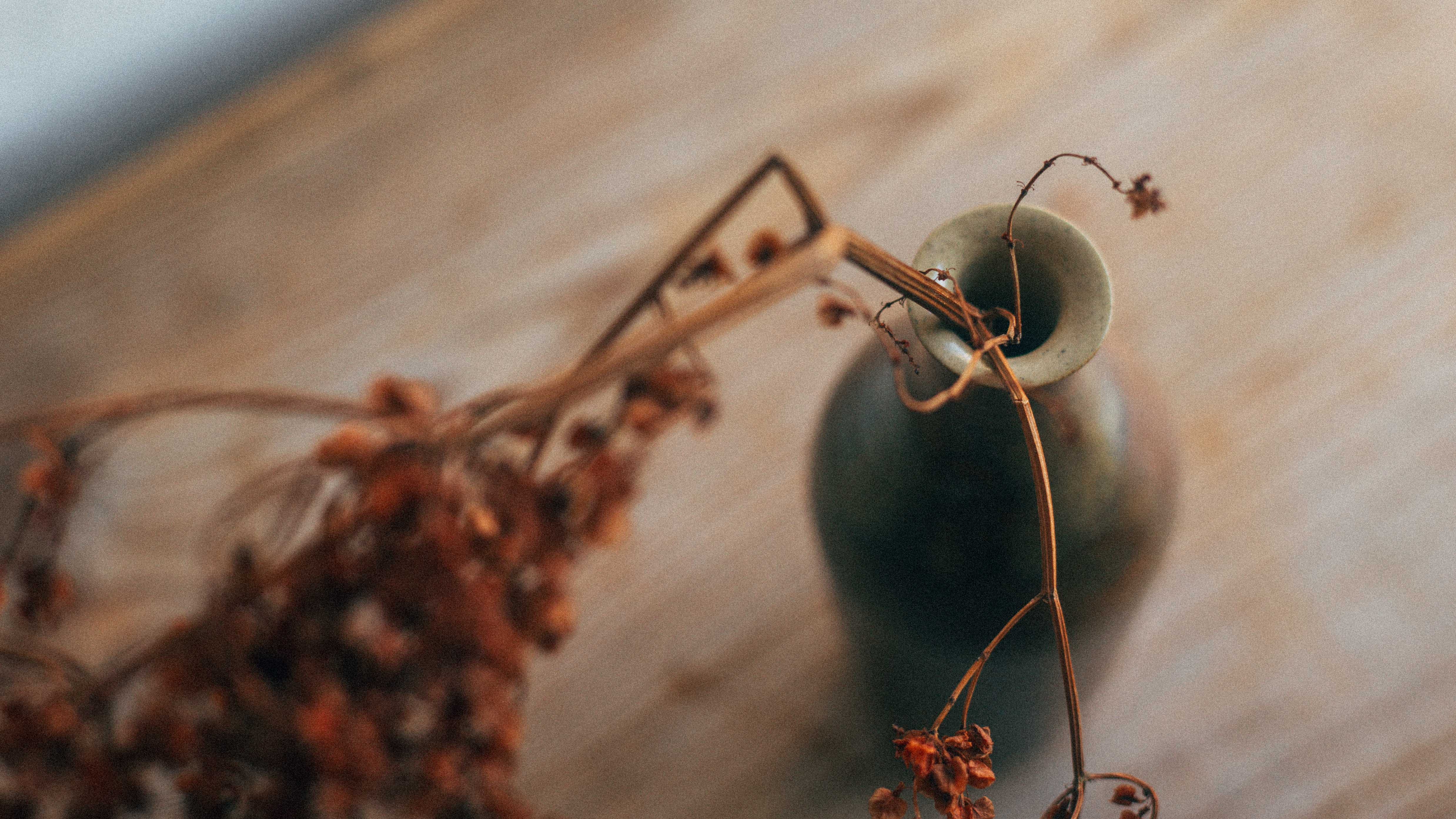
The bowl holding the apricot kernels in the photo above was made by my wife, Yan. She has a tiny, newly established pottery studio here on the farm called Studio Wobble. She’s explicitly told me I’m not allowed to talk about it on Instagram because she wants to make a success of it without my help, which I completely respect.
But she didn’t say anything about The Black Butter Club…
So, if you'd like to support what is quite possibly the smallest pottery studio in West Wales, you can follow her journey by clicking here.
P.S. She also grows and dries all the flowers she uses in her photographs.
Comments
Nothing yet. Say the first thing.
Sign in to join the conversation.